
At the table
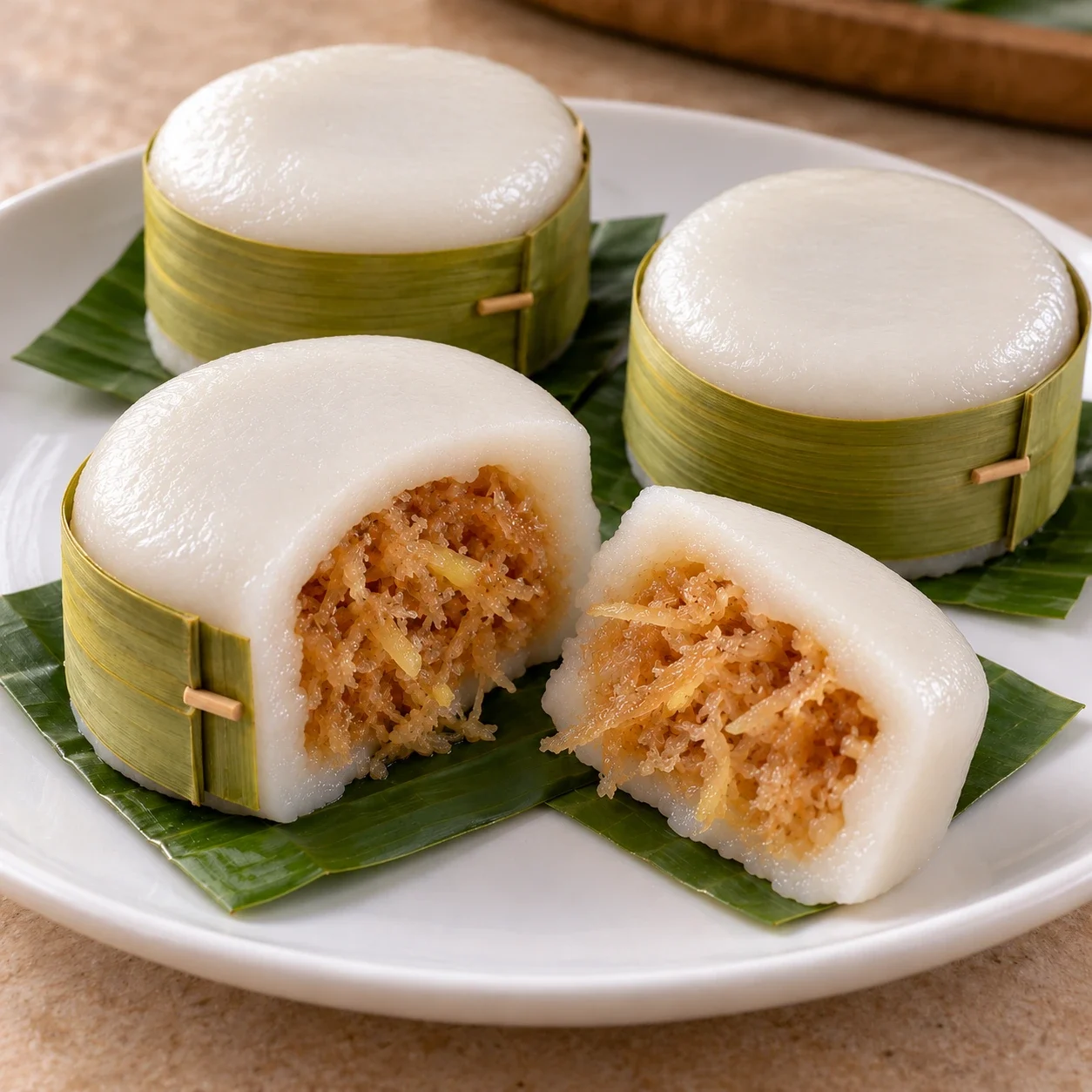
Remove the fastening pick and all leaves. Let the center cool, then take small bites and chew the sticky skin carefully.
Ask about the filling and oil. This version uses peanut oil; other versions include peanuts or sesame. The name does not mean it contains adlay.
This is a coconut-ginger version. Peanut or candied-winter-melon fillings and different leaf wrappers are also used.
GET TO KNOW THE DISH
What goes into it?
Explore some key ingredients below. Preparations may use additional seasonings and ingredients.
This is a coconut-ginger version. Peanut or candied-winter-melon fillings and different leaf wrappers are also used.
Typical ingredients
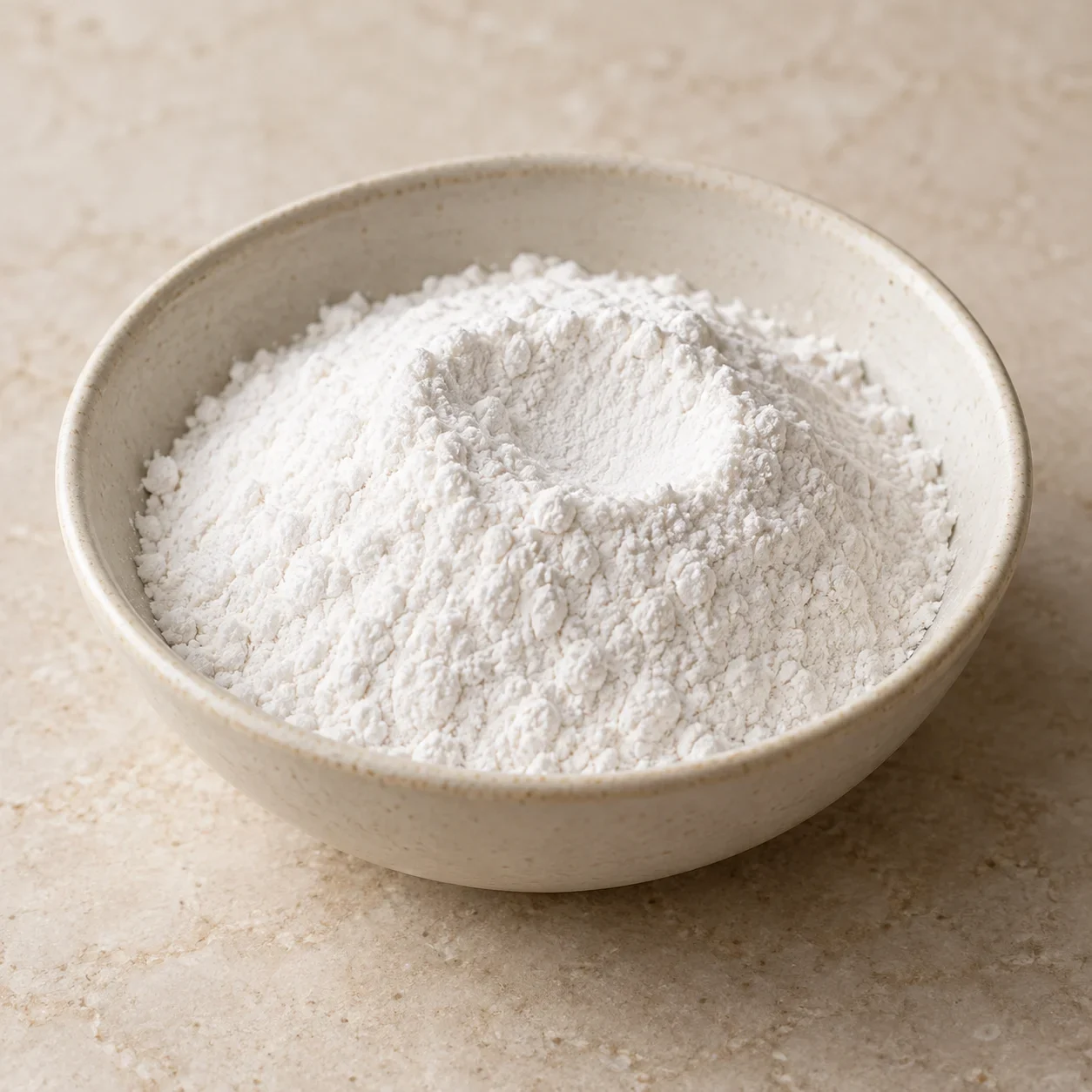
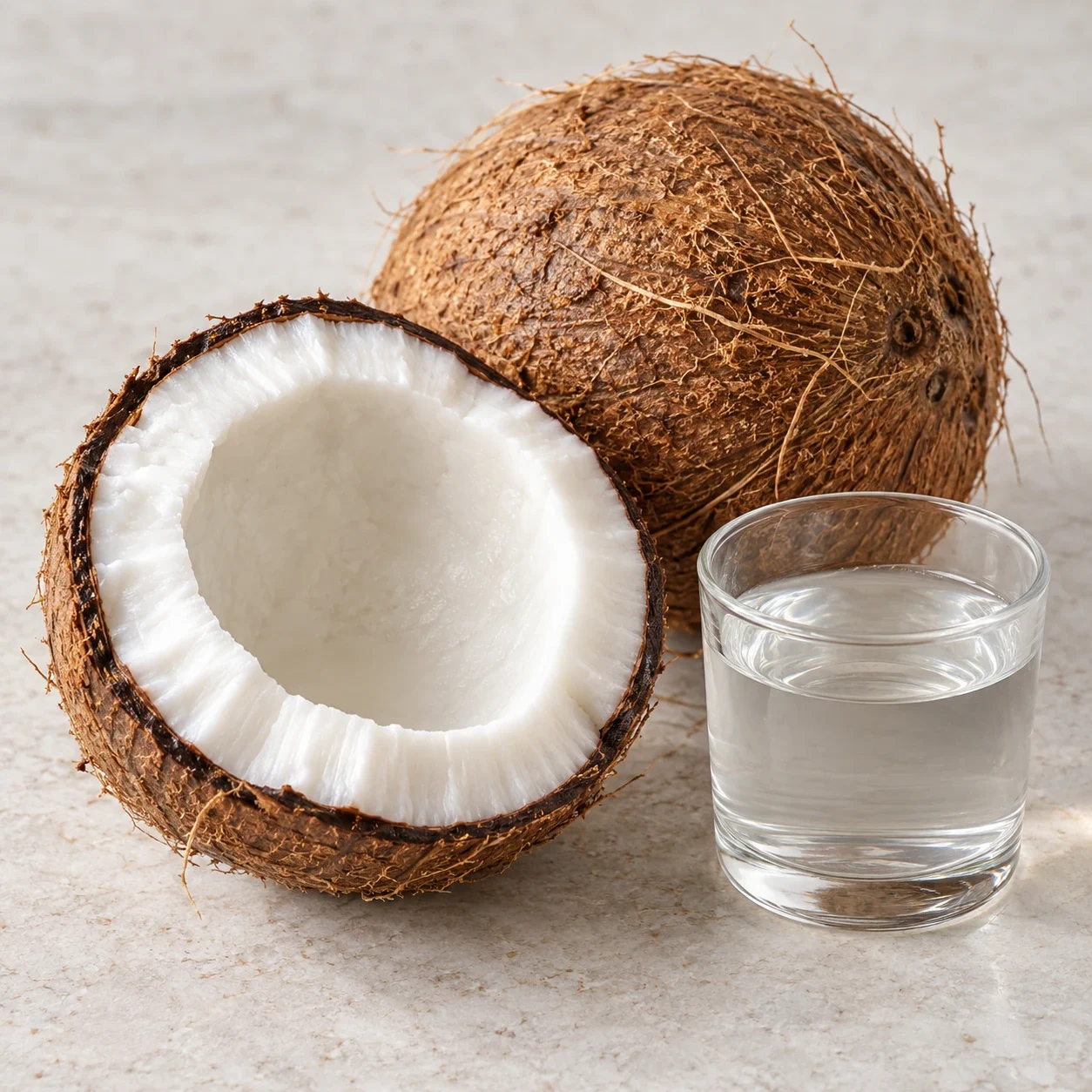
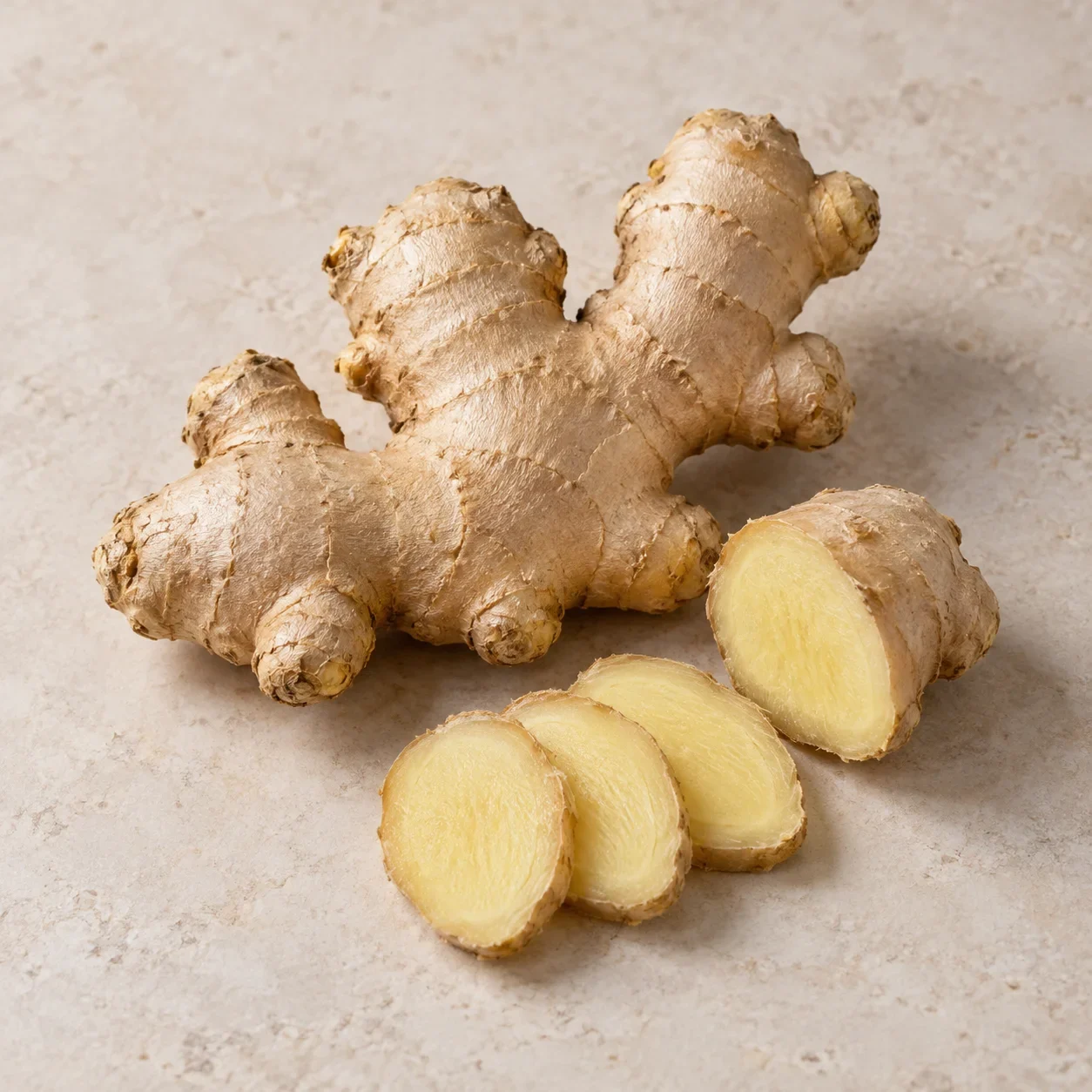
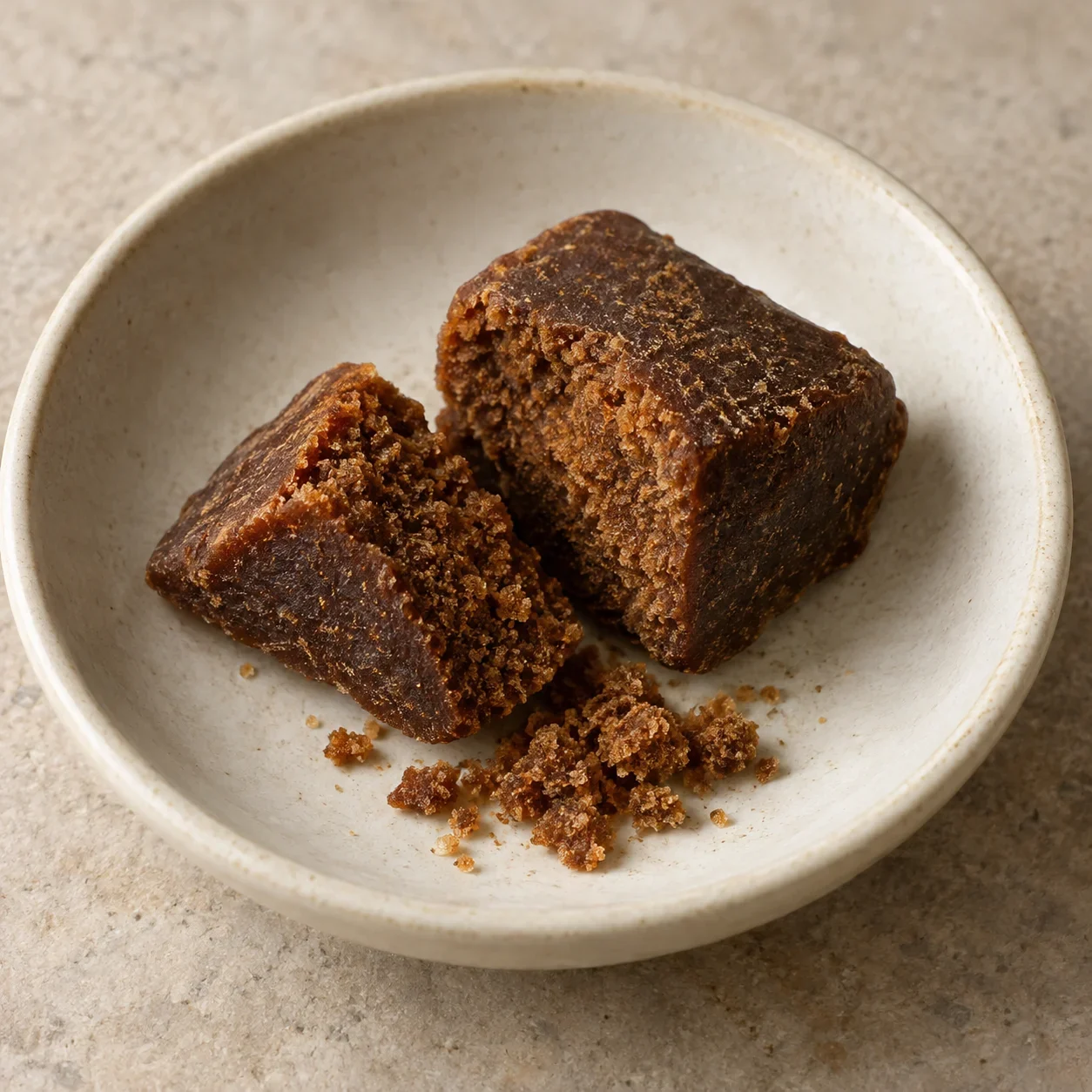
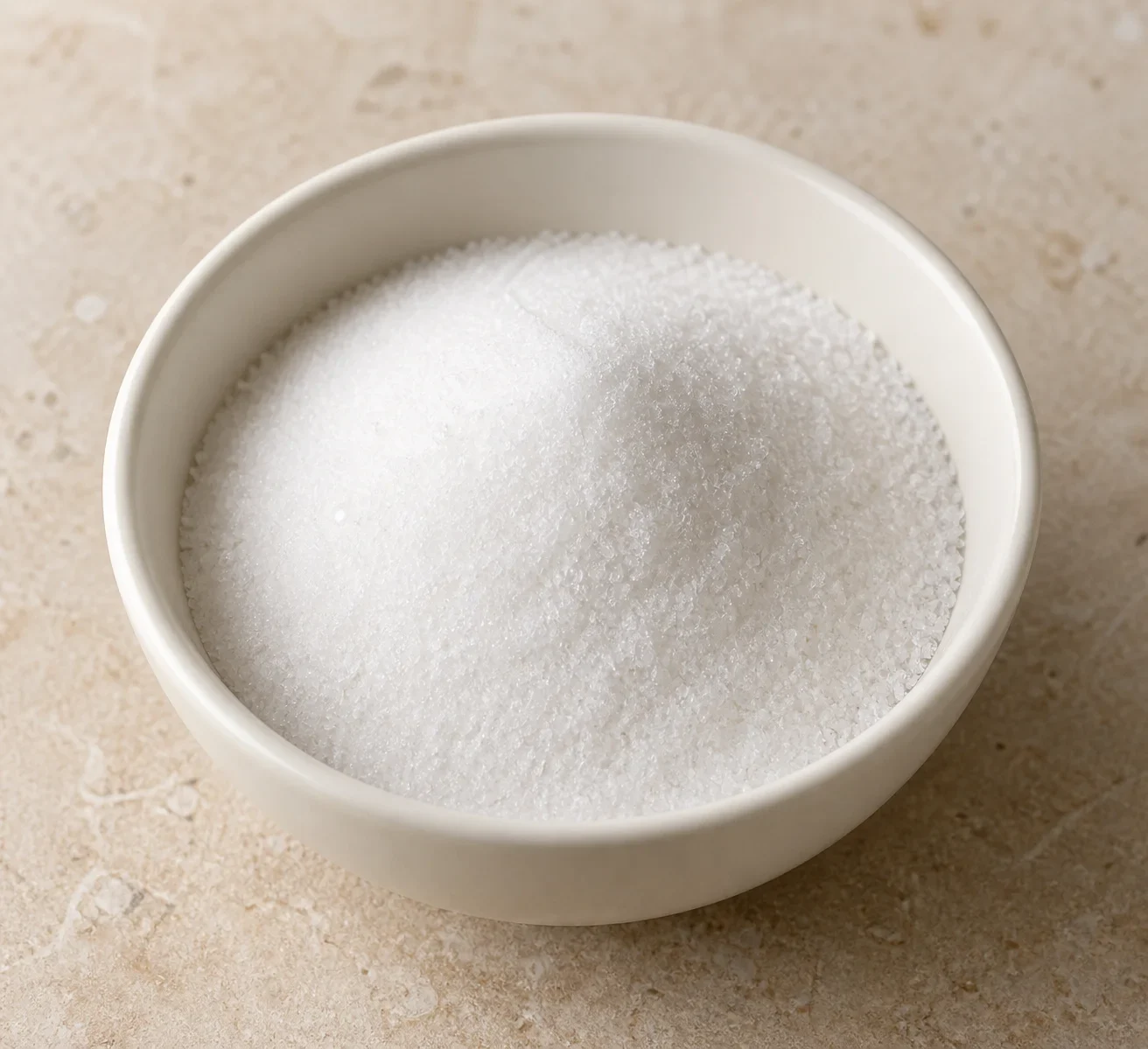
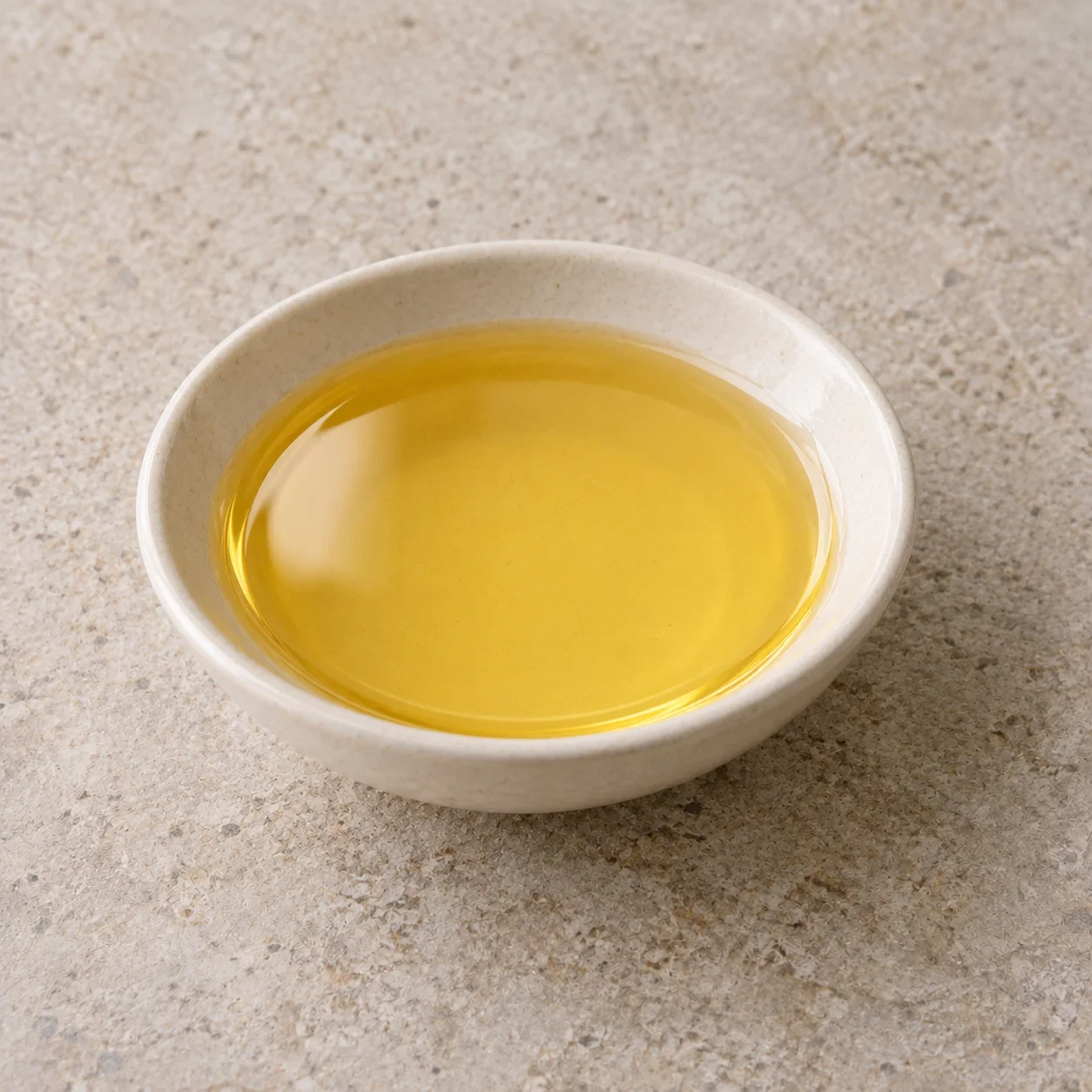
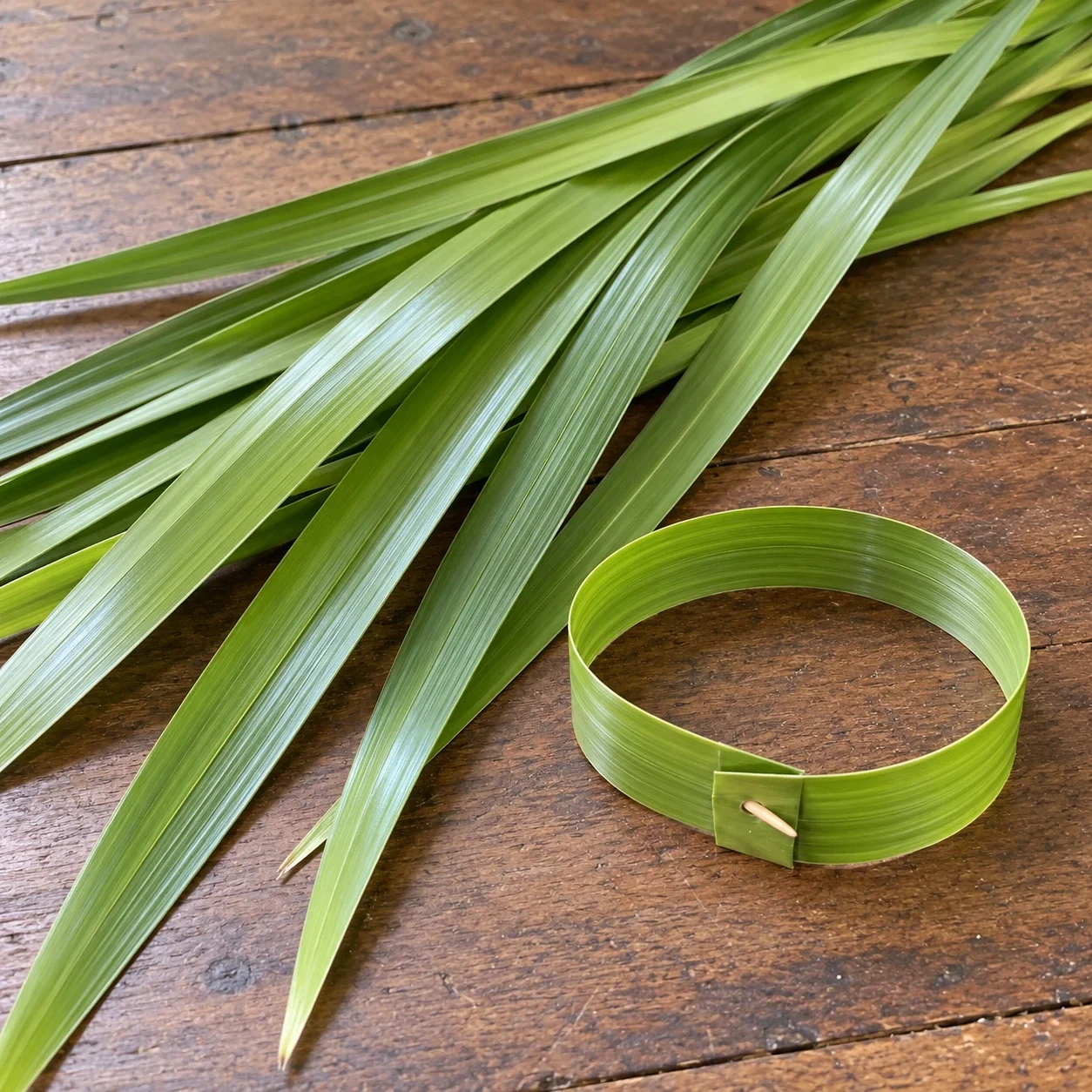
Recipes vary by restaurant.
How does it taste?
Sweet coconut and brown sugar, warmed by ginger.
- Chili heat
- Texture
- Soft sticky rice-flour skin around moist fibrous coconut.
- How it’s made
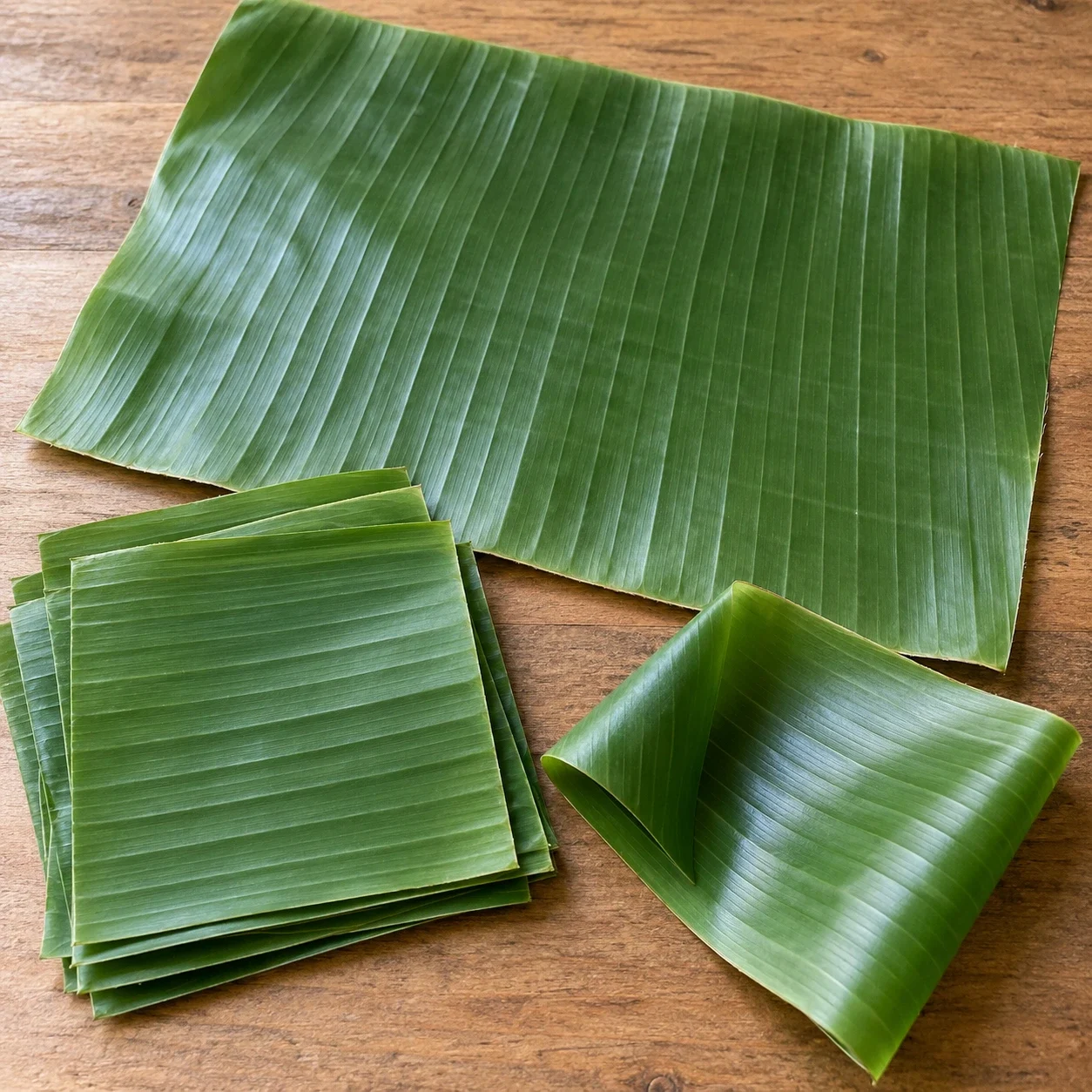
- Mix grated mature coconut, minced ginger, brown and white sugar. Knead rice flour with hot water and peanut oil. Line a coconut-leaf ring over an oiled banana-leaf base with thin dough, add filling, seal with a thin dough lid and steam.
This is a coconut-ginger version. Peanut or candied-winter-melon fillings and different leaf wrappers are also used.
A CONNECTION TO PLACE
Origin & regional roots
Associated with Hainan.
About this regional connection
Hainan: Local culinary association; not a claim of exclusive origin.
Ask if they have it first
请问你们有海南薏粑吗?
Do you have this item?
A LITTLE SOMETHING TO READ
Story & history
Hainan yi bua
Hainan families make yi bua to share at celebrations. Coconut filling and leaf molds connect the cake with island kitchen traditions.