A LITTLE HELP AT THE TABLE
Make yourself at home at the table.
From sharing a few dishes to asking for the bill. A little context makes a meal feel more familiar.
Start with the basics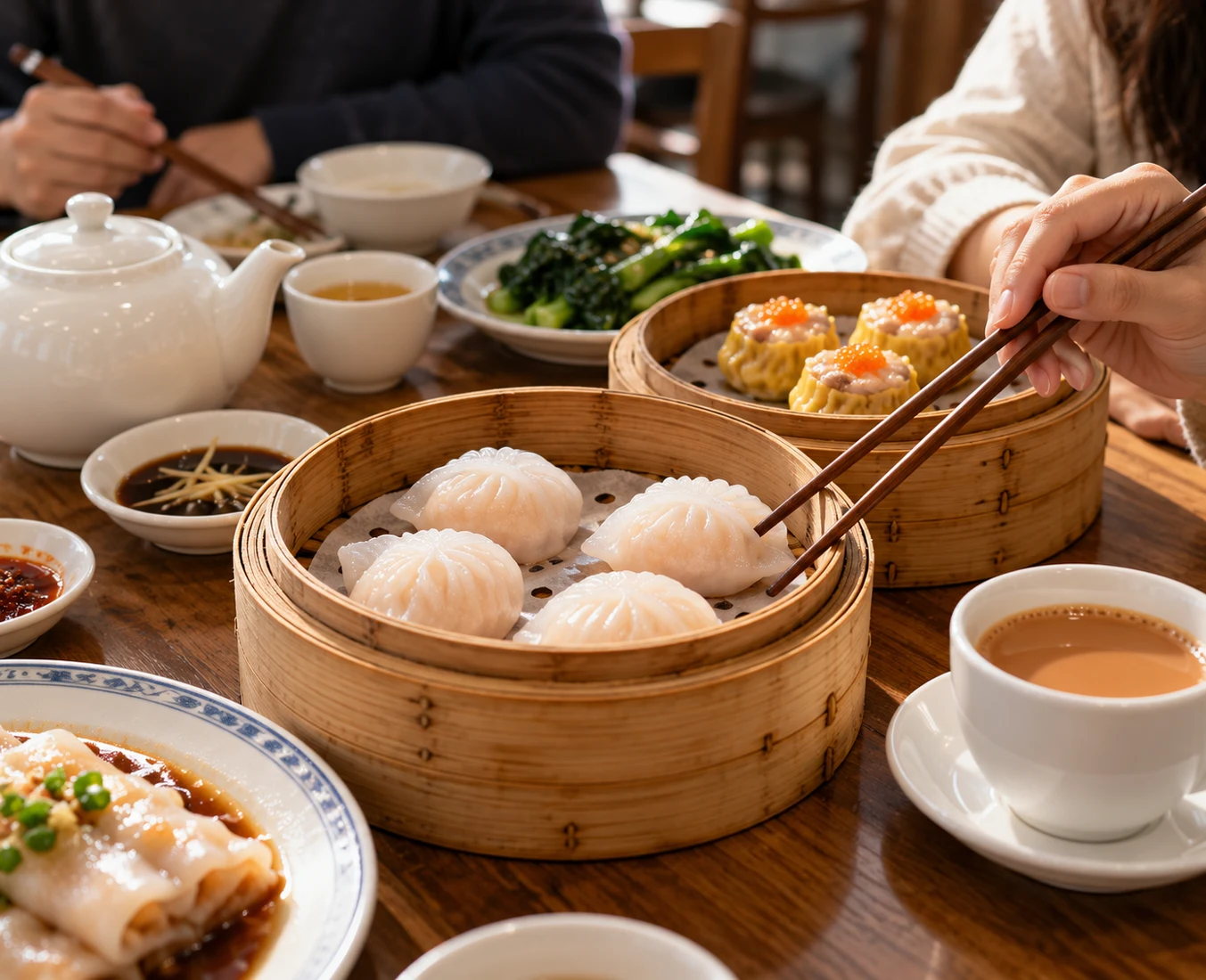
From the menu to your first order
Find the Chinese name and compare the food description before choosing. Decide whether you want one bowl for yourself or several dishes to share. Ask how many pieces or bowls one serving contains, whether rice and drinks are included, and which ingredients you need to confirm. Show the Chinese name or the ordering phrase rather than relying on an English translation alone.
- Choose by texture and appetite
Compare the descriptions and choose one starting point.
- Build your own order
Try a crisp food with a softer bowl or drink, or a savoury food with a small sweet bite. Ask how many pieces come in one serving before ordering several items.
- Confirm the preparation
Open a food to see its recorded ingredients and eating notes. Fillings, broth, sauces and cooking fats can vary; describe what you avoid when ordering.
这个来一份。
One serving of this, please.
一份有几个?
How many pieces are in one serving?
这个含饮料吗?
Is a drink included?
02Does the dish come with rice?
Check what is included before you order.
+
Don’t assume a plate of food includes rice. Ask whether rice comes with your order or needs to be ordered separately, and check the charge.
Tell the staff how many bowls you would like. If you are choosing a set meal, ask which food and drinks it includes before adding extras.
请给我们两碗米饭。
Qǐng gěi wǒmen liǎng wǎn mǐfàn.
Please bring us two bowls of rice.
03Any chopstick basics?
A few considerate habits go a long way.
+
Use serving chopsticks or a serving spoon for shared dishes when they are provided. You can ask for 公筷 (gōngkuài), meaning serving chopsticks.
When taking a break, lay your chopsticks down neatly or use the chopstick rest. Avoid leaving them standing upright in rice or pointing them at people.
If chopsticks are difficult, ask for a spoon or fork. What is available depends on the restaurant.
请给我一把勺子。
Qǐng gěi wǒ yì bǎ sháozi.
Could I have a spoon, please?
04Do I need to tip?
Usually not at everyday restaurants in mainland China.
+
An extra tip is generally not expected at everyday restaurants and food stalls in mainland China. You usually do not need to add a percentage to your bill.
Some hotel or higher-end restaurants add a service charge. Check the menu or bill, or ask the staff; a listed service charge is different from an optional tip.
Many Hong Kong restaurants add a service charge. Check local dining guidance and the bill instead of applying the mainland rule everywhere.
请问,有服务费吗?
Qǐngwèn, yǒu fúwùfèi ma?
Is there a service charge?
05How do I ask for the bill?
Ask to settle up, then check the total.
+
When you are ready to pay, get a staff member’s attention and ask to settle the bill. You can use the phrase below, or simply say 买单 (mǎidān).
Check that the dishes, quantities and any extra charges match your order. Before accepting tea, snacks or extras, ask whether they are included. If you want to pay separately, ask whether that is possible.
Check how the restaurant accepts payment before ordering if you need to use a particular card or payment method.
麻烦结账。
Máfan jiézhàng.
The bill, please.
06Can I take leftovers away?
Ask for dǎbāo — packing food to go.
+
If you have food left, ask the staff to pack it to take away. 打包 (dǎbāo) is the useful word to know. Check whether there is a packaging charge.
Ordering a little less to start with, asking about smaller portions and adding more if needed can help avoid waste.
麻烦帮我打包。
Máfan bāng wǒ dǎbāo.
Could you pack this to take away, please?
Choose what to order.
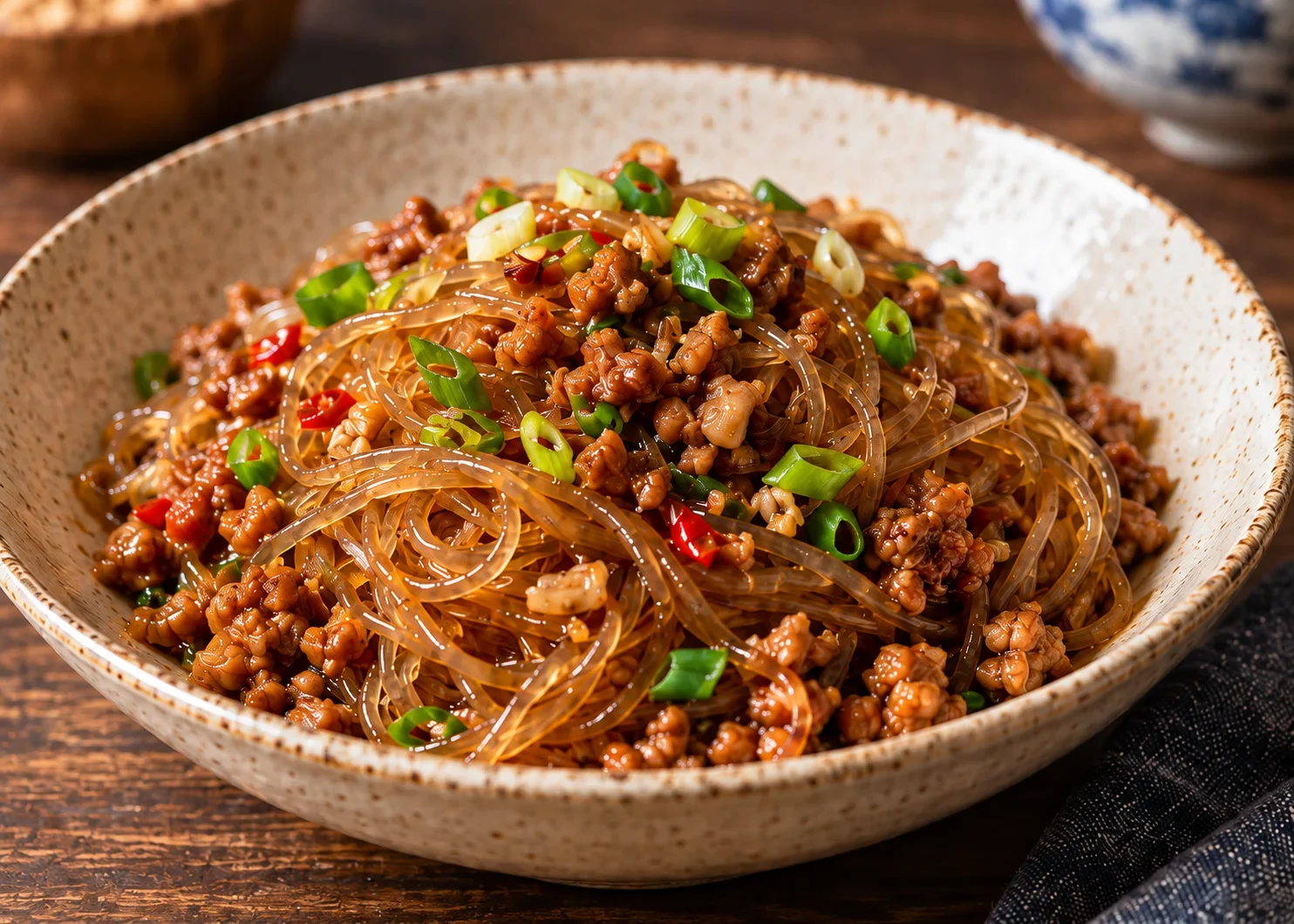
Ants climbing a tree? What Chinese dish names really mean
Ants climbing a tree, wife cake and husband-and-wife lung slices: understand the food behind confusing translated Chinese names before you order.
Read the guide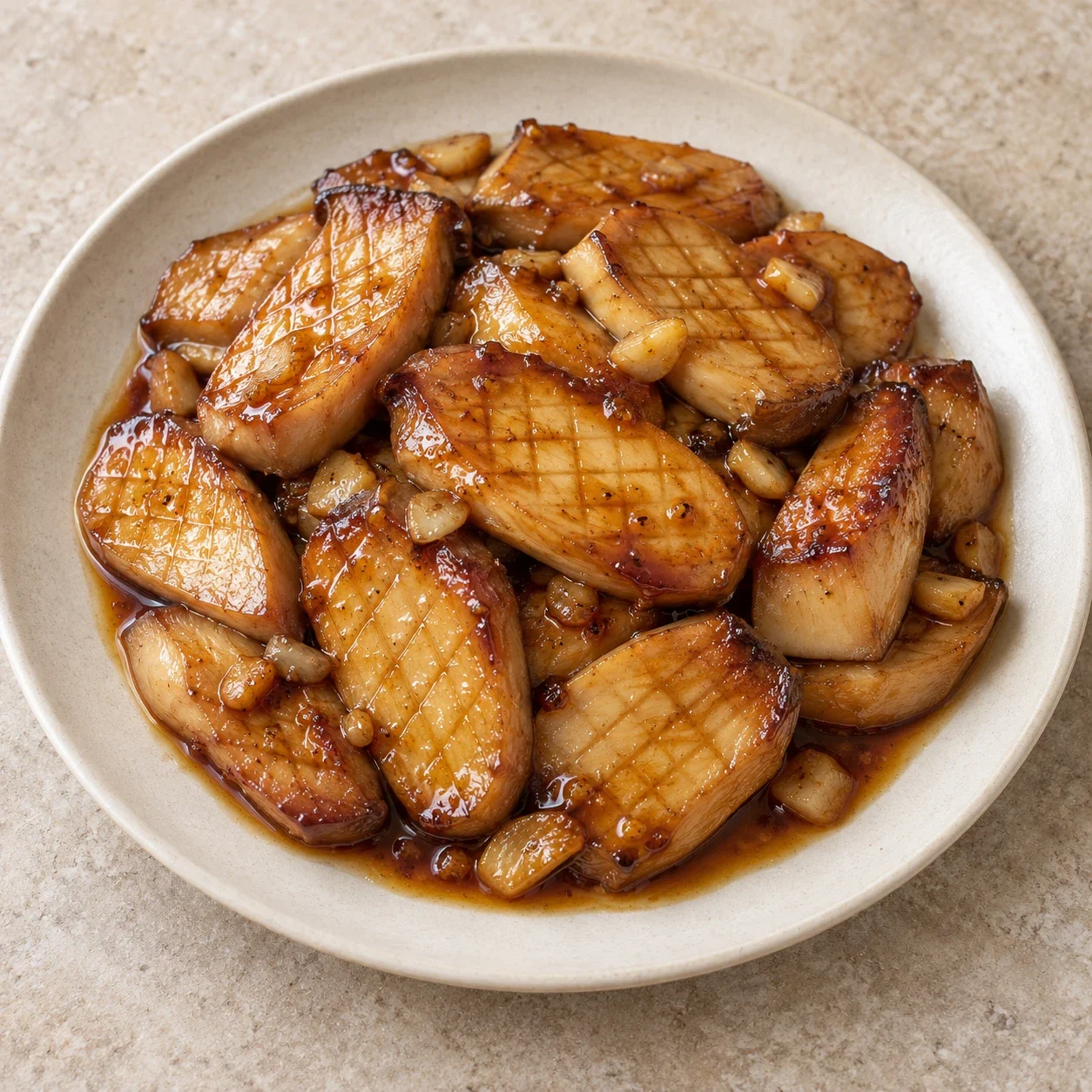
Vegetarian and vegan food in China: ask beyond the main ingredient
Learn what to check in tofu, vegetables, noodles and pastries in China, with practical Chinese phrases for meat, broth, eggs, dairy and cooking fats.
Read the guide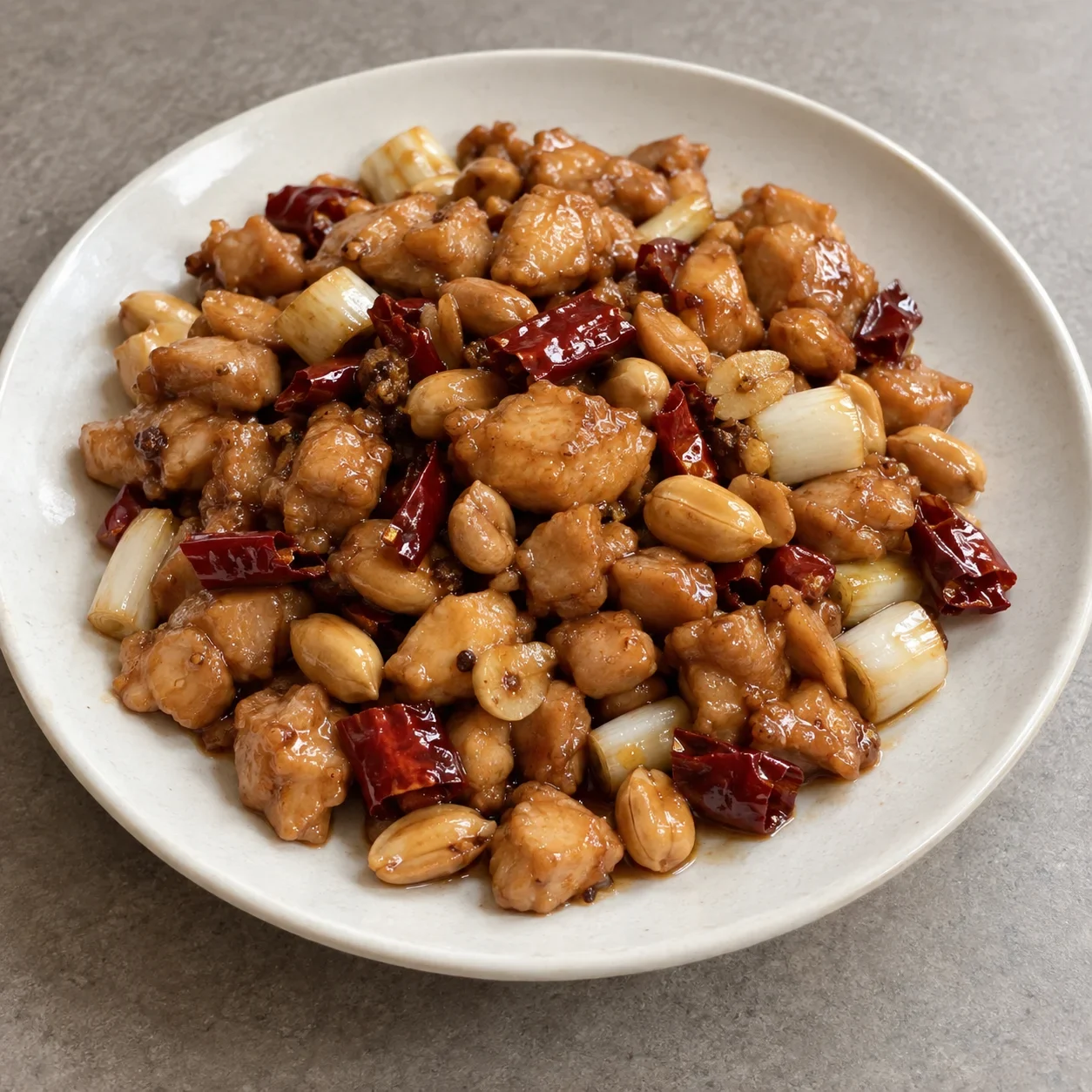
Is Chinese food spicy? How to ask for the heat you want
Understand chili heat, Sichuan pepper and mild-ordering phrases. Learn why ‘less spicy’ may not remove chili from a prepared sauce.
Read the guide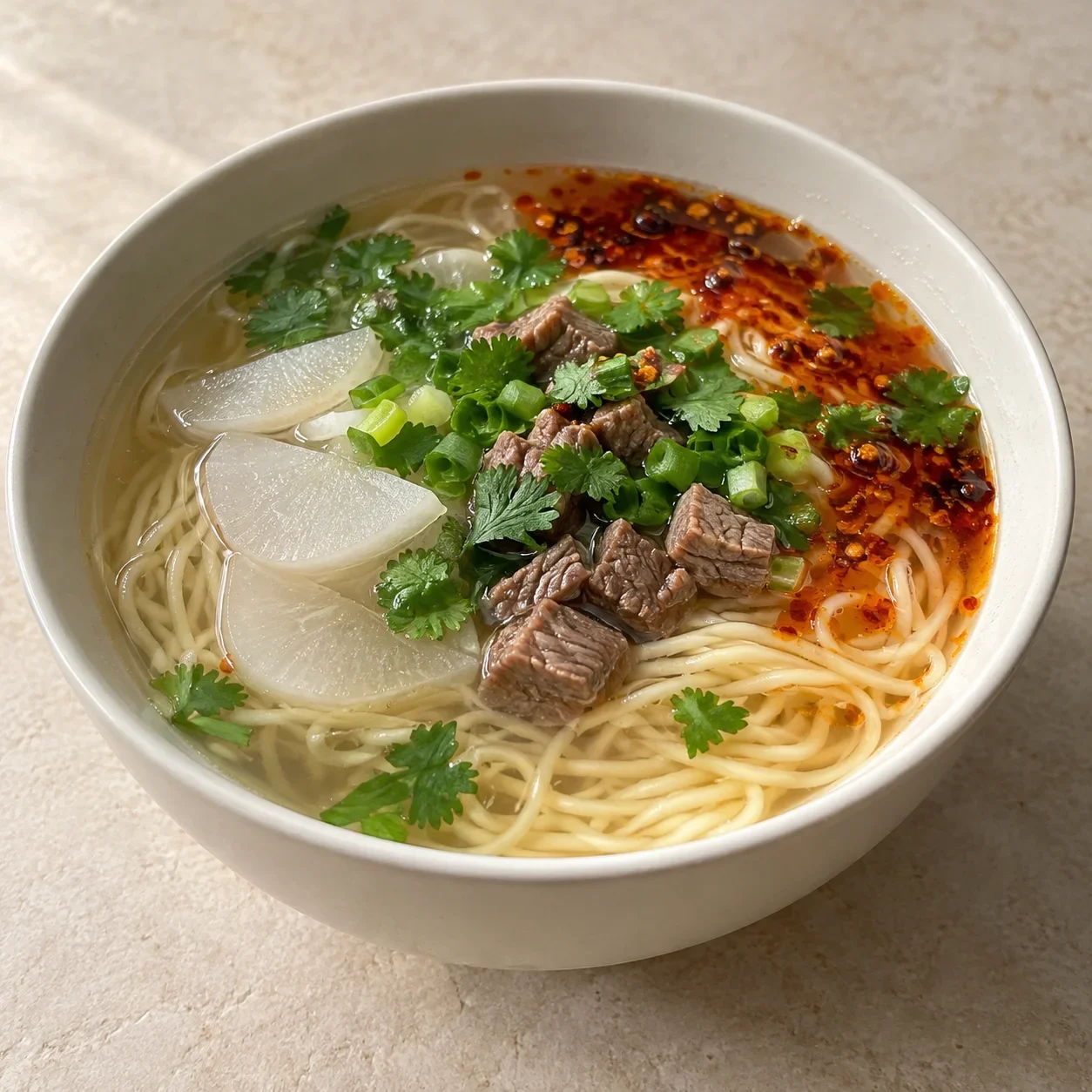
Chinese breakfast: what to eat on your trip
Breakfast in China can mean a noodle bowl, rice porridge, stuffed buns or a filled pancake. Compare the food, then explore the city you are visiting.
Read the guide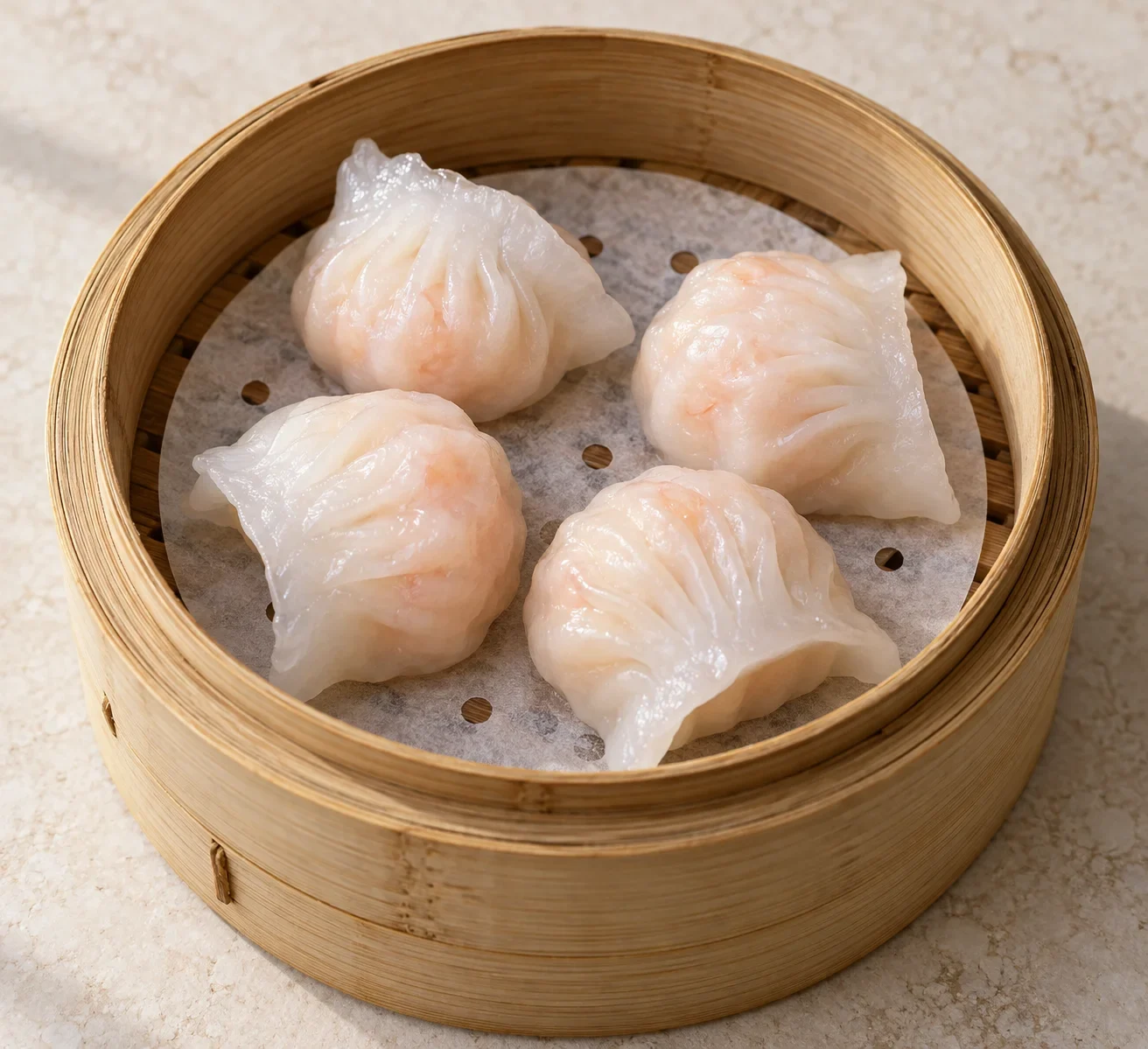
Dim sum guide: what to order & how yum cha works
Choose a dim sum meal by texture and filling: delicate wrappers, fluffy buns, rice rolls or something crisp. You do not need to recognise every name to begin.
Read the guide