Choose your first bite
- Build variety by combining different textures: a dumpling, a soft bun and a rice-noodle roll, for example. Add a rice-based item if you want something more filling, then decide whether to add a sweet dish. Ask the number of pieces per basket or plate before ordering for the table, and ask whether tea is ordered or charged separately. Portion sizes and service arrangements vary.
- Choose a bowl, a shared dish or a small bite to suit this meal.
- Open the food examples for the Chinese name and a closer look.
- Show the name when ordering, and ask about any ingredients you avoid.
Choose a few contrasting dishes
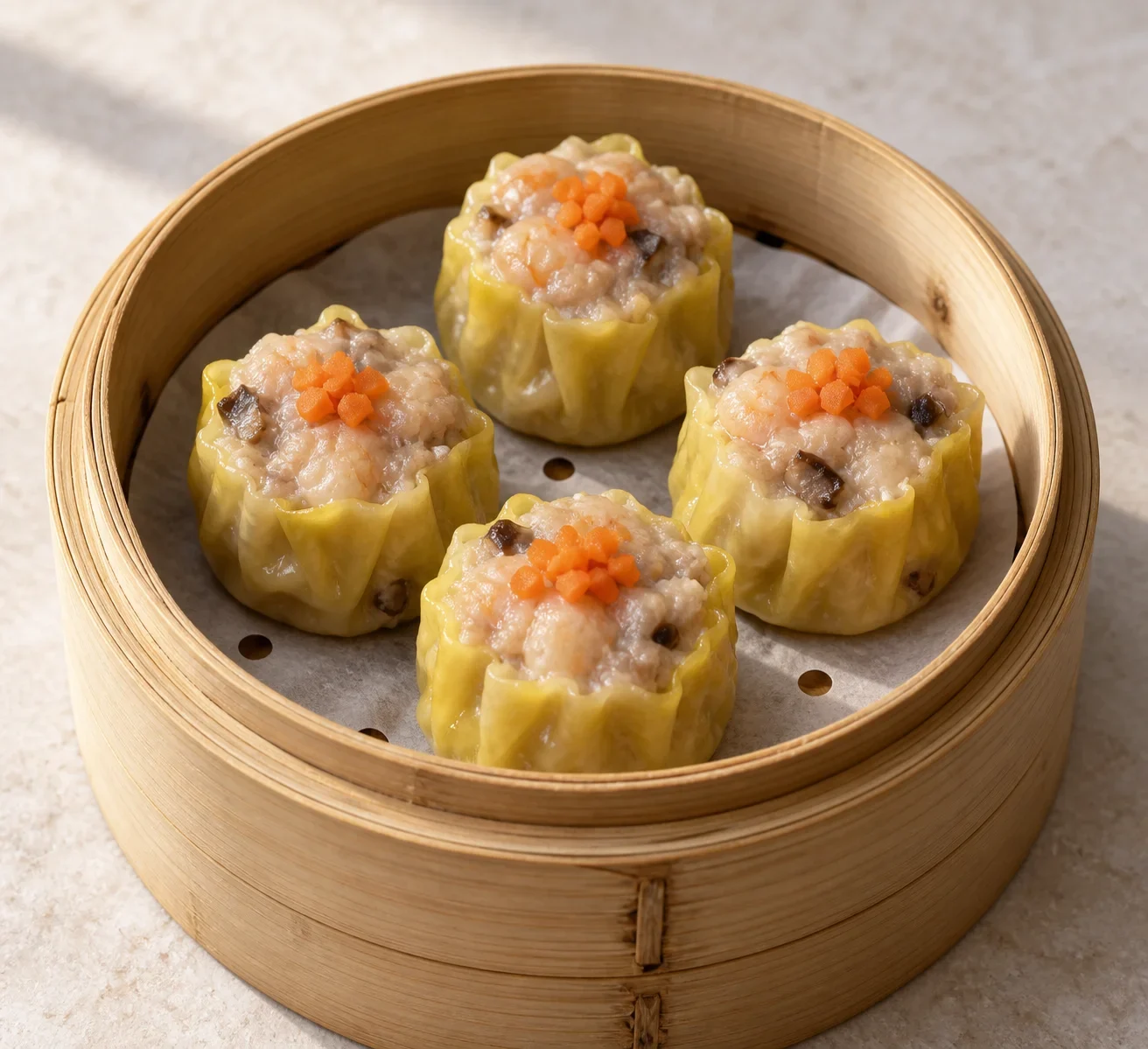
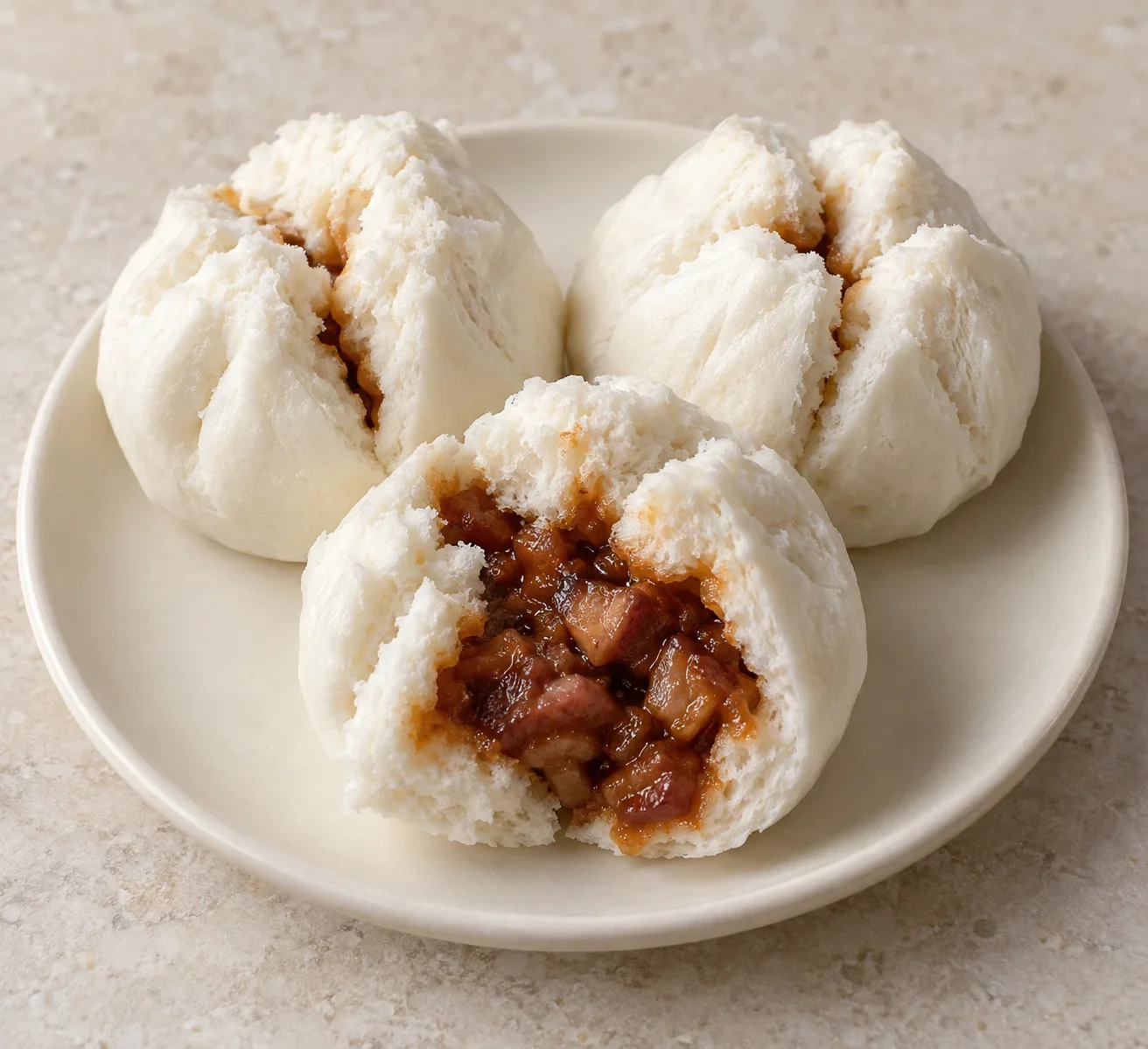
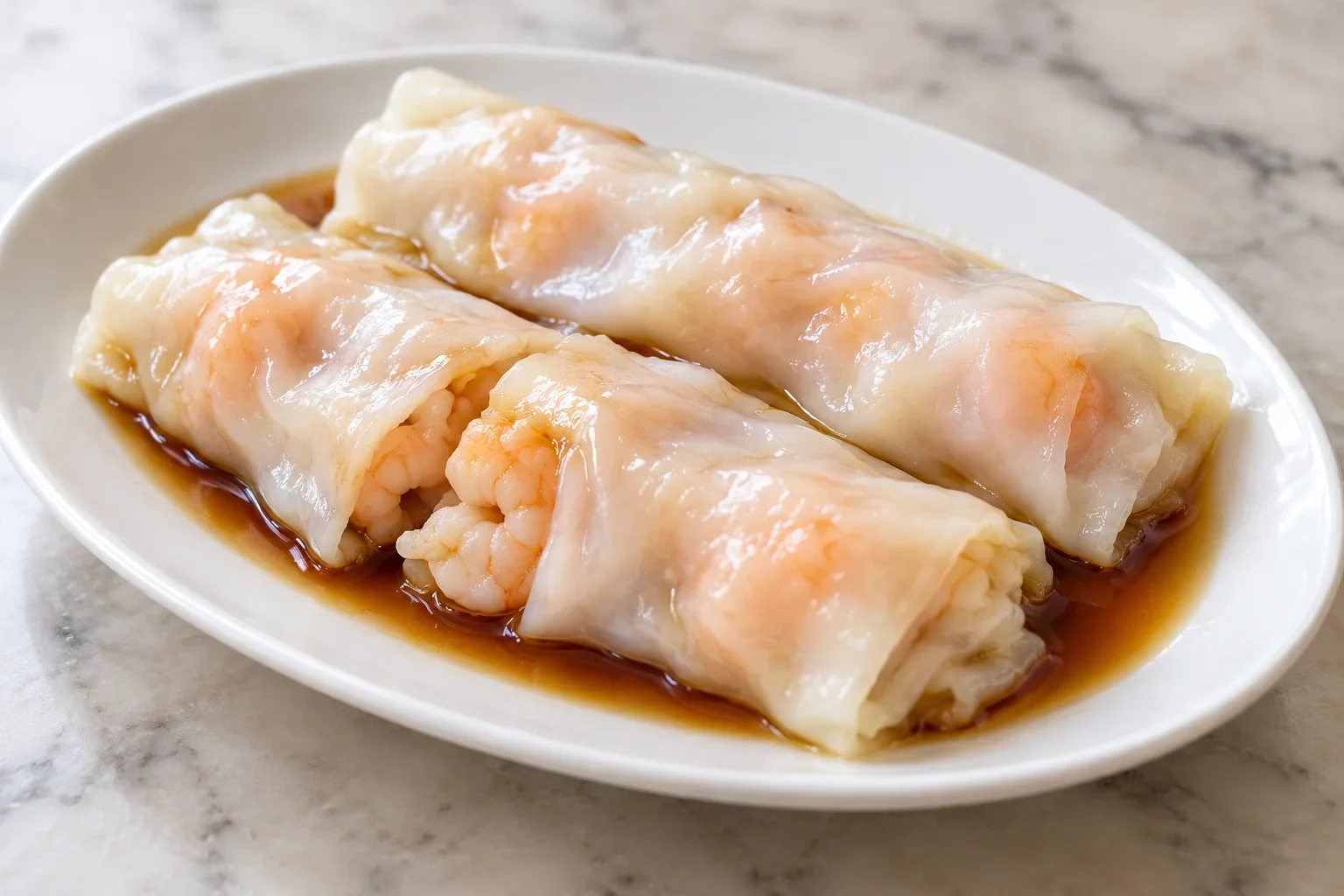
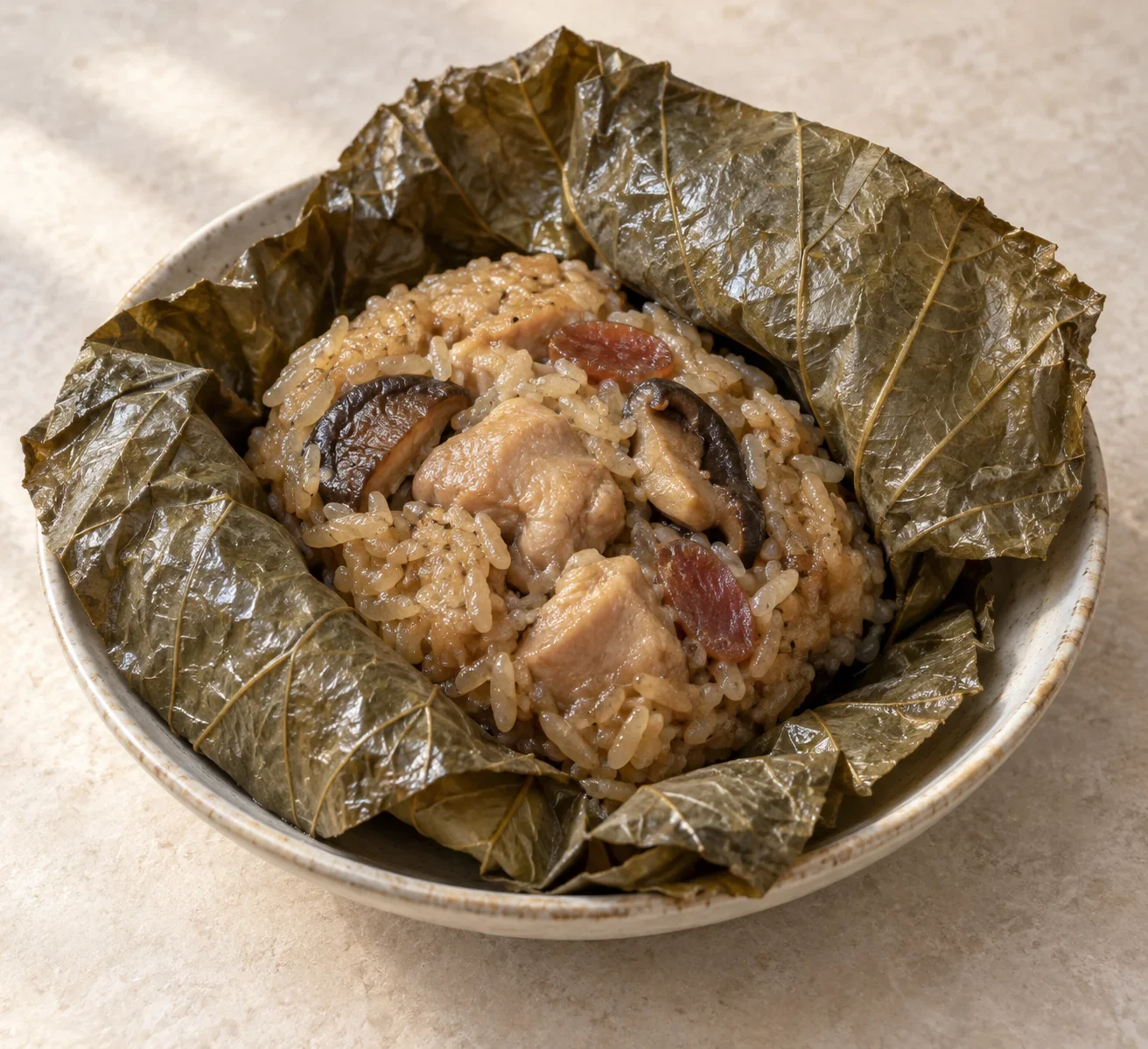
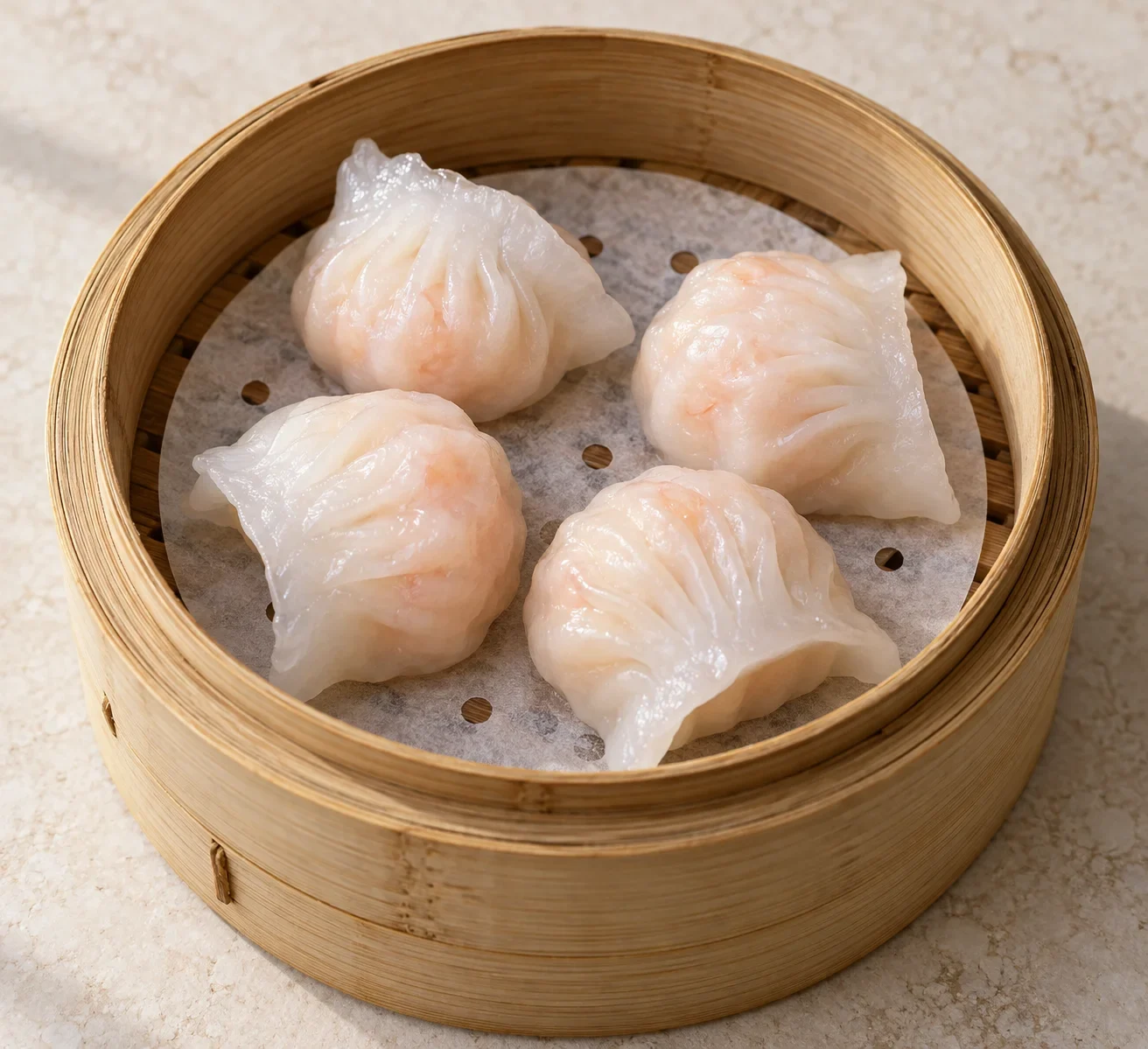
Compare har gow with siu mai, then add a bun or rice noodle roll if it appeals to your group. Lo mai gai is sticky rice wrapped in a leaf, rather than another type of dumpling. The food cards show the Chinese names and explain each preparation.
Order for the table you have
Ask how many pieces come in a serving before ordering more. Point to the Chinese name and ask about fillings you cannot see, especially in wrapped dishes. Yum cha connects tea with the meal, but menus and ordering systems vary. Check how this restaurant takes orders instead of assuming one universal routine.
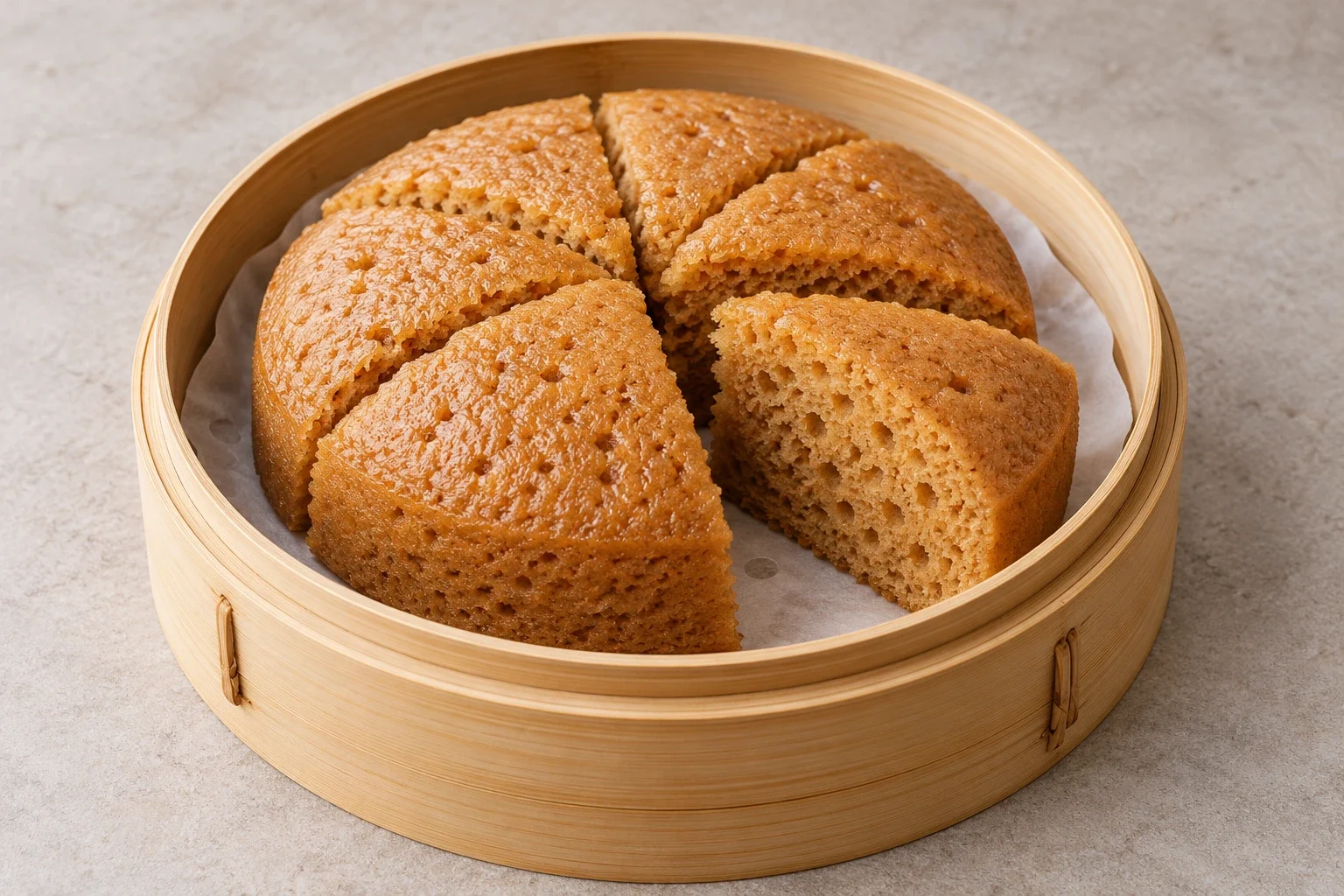
Ma lai go steamed sponge cake · 马拉糕
A soft brown-sugar and egg sponge cake cooked by steaming. This version uses wheat flour, milk and custard powder.
Build a small dim sum order
Start with two or three kinds to share, then decide whether to add more. Har gow, siu mai and char siu bao offer different wrappers and fillings; the dish cards below explain them. Ask how many pieces come in each portion rather than assuming every basket is sized for your group.
A dish name is the start of the conversation
Check fillings, sauces and tea arrangements with the restaurant before ordering, especially with dietary restrictions. A familiar-looking wrapper does not establish the ingredients or kitchen handling. Save the dishes you want to compare, and use the breakfast or itinerary guide when deciding whether dim sum fits a short morning or a longer lunch.
Before you order
- Check fillings, broth and sauces as well as the main ingredient.
- Ask about the serving size before ordering several dishes.
Phrases to show at the table
这里面有什么食材?
What is in this?
可以少放一点辣椒吗?
Can you make this less spicy?
这个含饮料吗?
Is a drink included?
这个是甜的还是咸的?
Is this sweet or savoury?
Turn curiosity into a shortlist.
Pick one food you are curious about and keep its Chinese name with your notes. Use the questions above when you compare it with a restaurant menu.
Explore the food