At the table
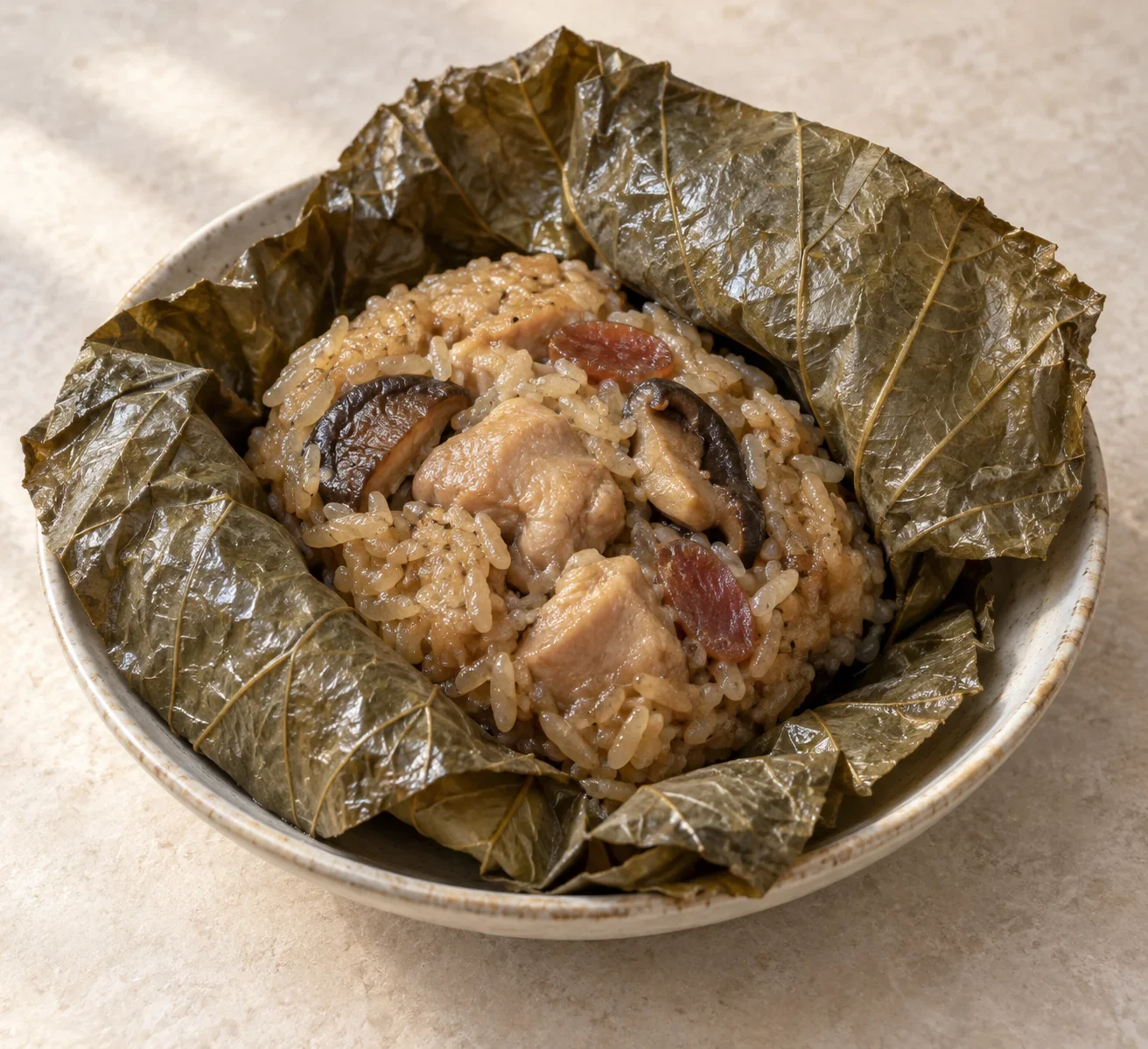
Unwrap the lotus leaf and eat the rice and filling, leaving the leaf aside. Let steam escape and divide the sticky rice into small bites.
The filling can be very hot and the rice is sticky. Soy sauce and oyster sauce may bring soy, wheat or oyster allergens; check the actual filling and seasonings.
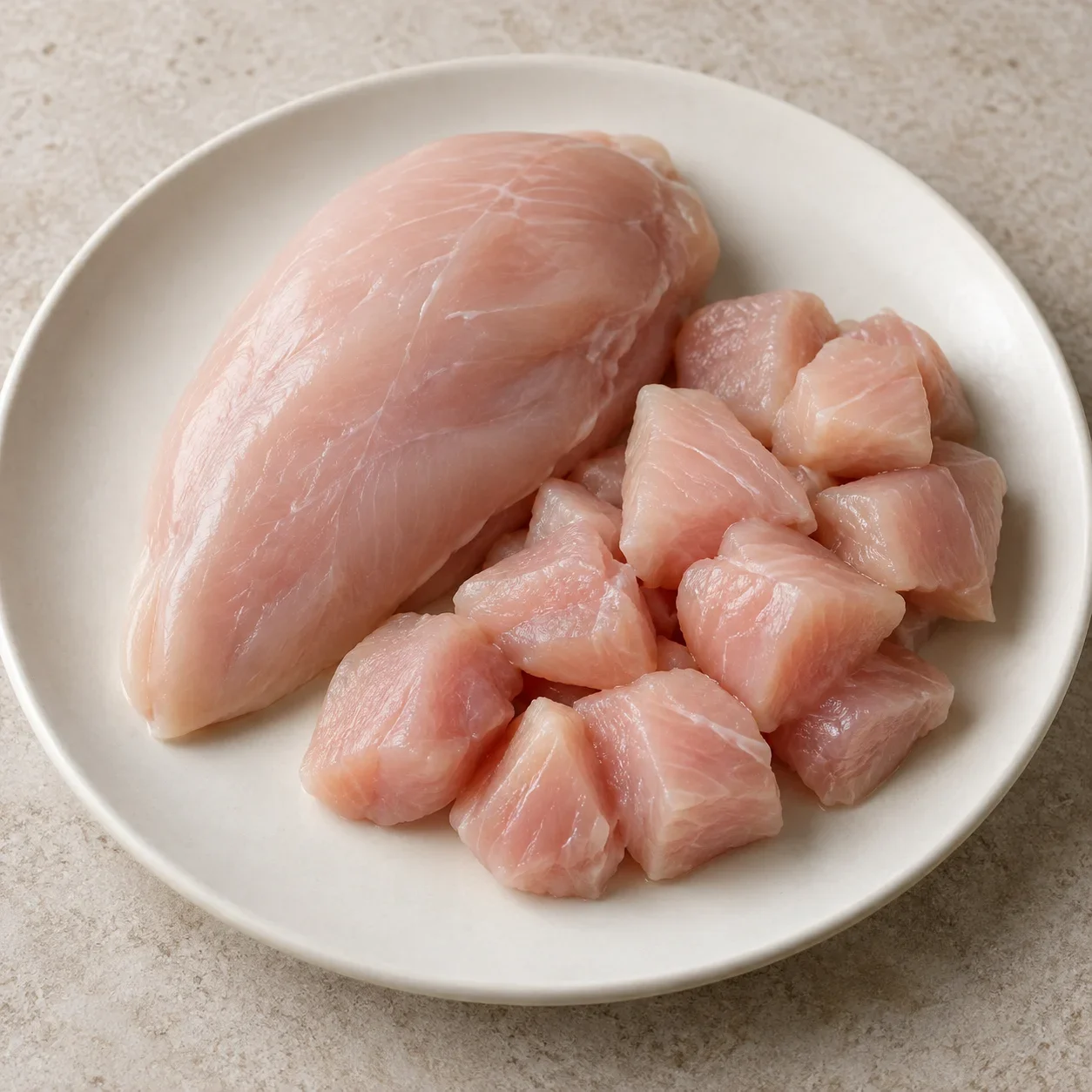
Chicken makes this neither vegetarian nor vegan; Chinese sausage may also add pork. The representative filling has no chili, but sauces served alongside can change the heat.
GET TO KNOW THE DISH
What goes into it?
Explore some key ingredients below. Preparations may use additional seasonings and ingredients.
Mushroom and Chinese sausage can join the chicken in the filling.
Typical ingredients
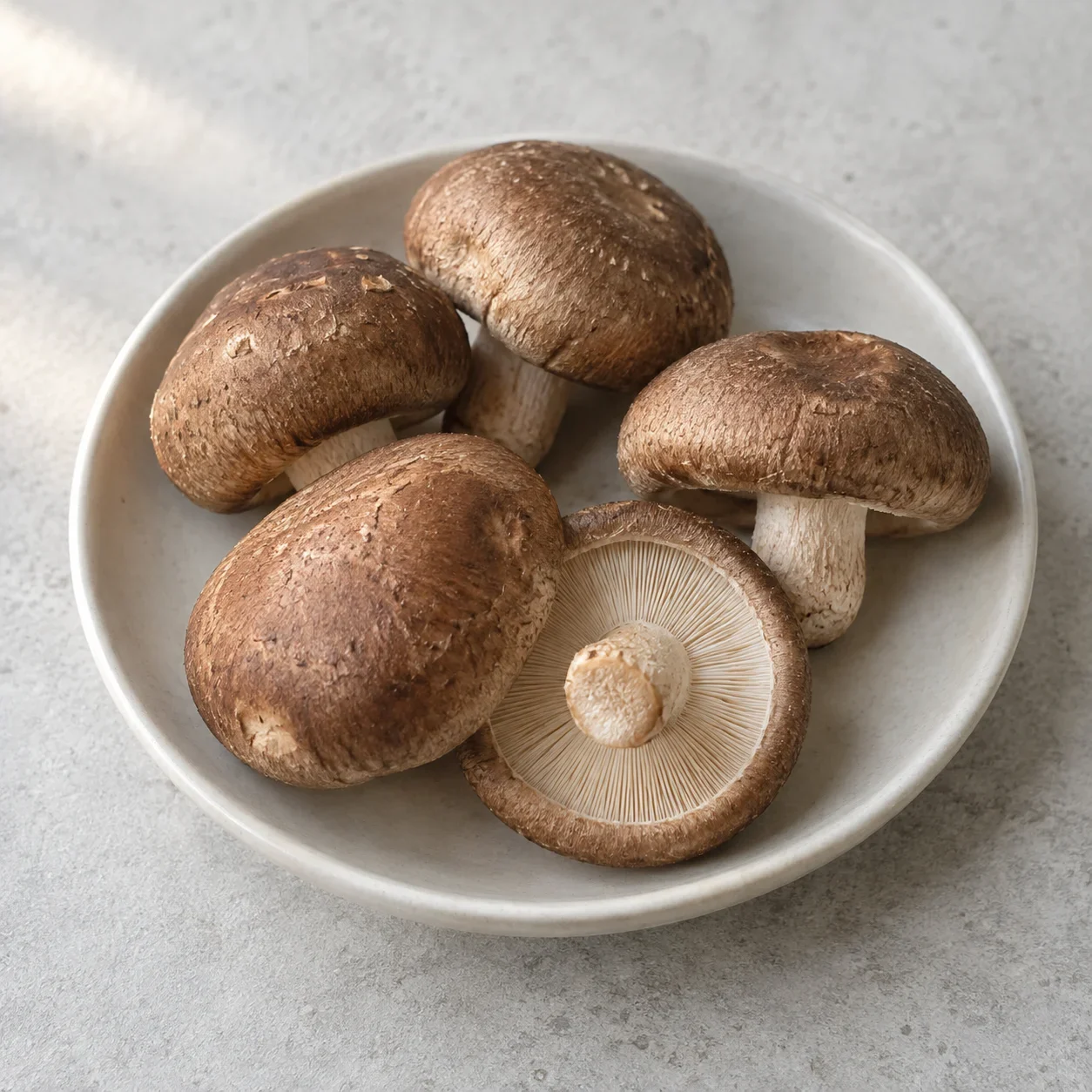
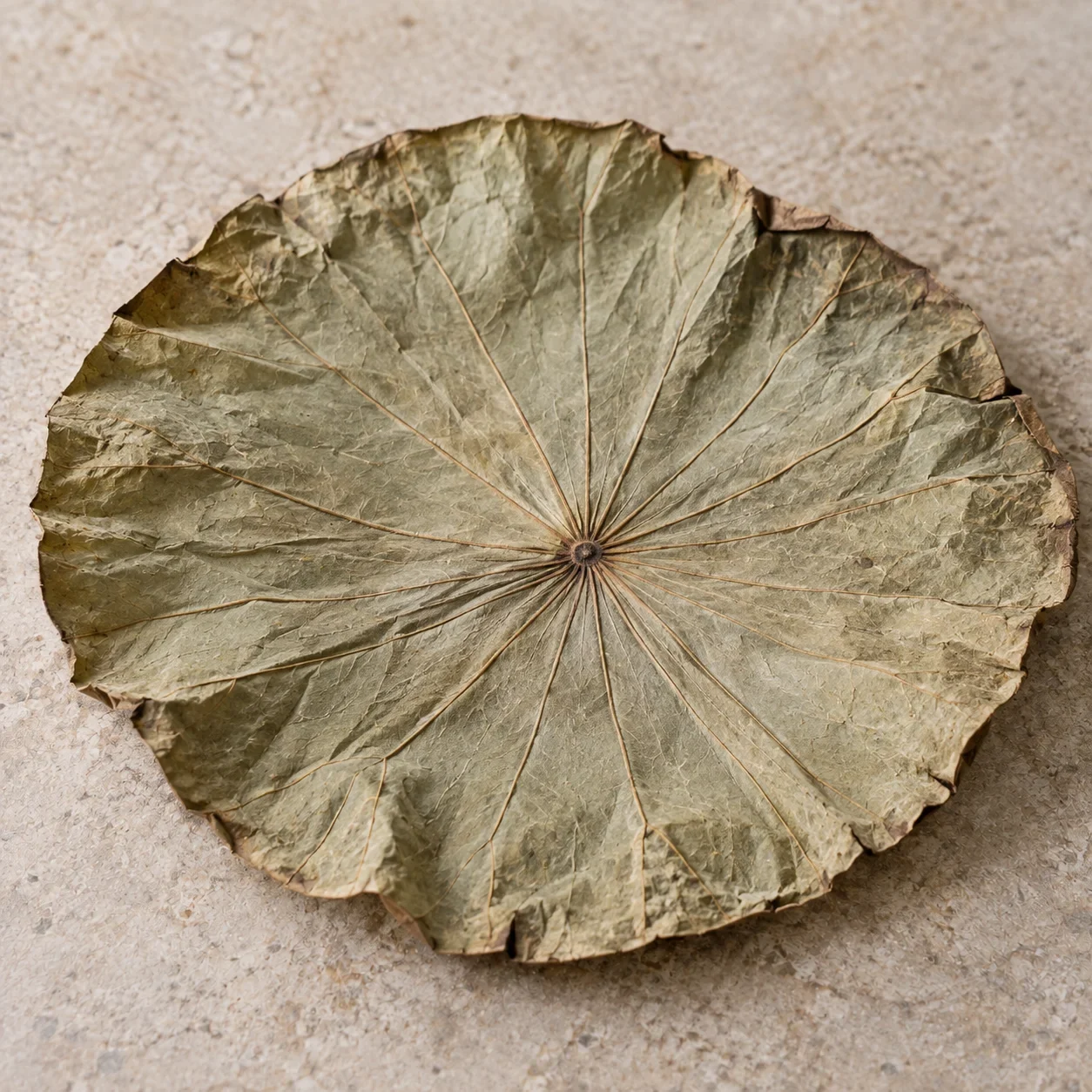
In some versions
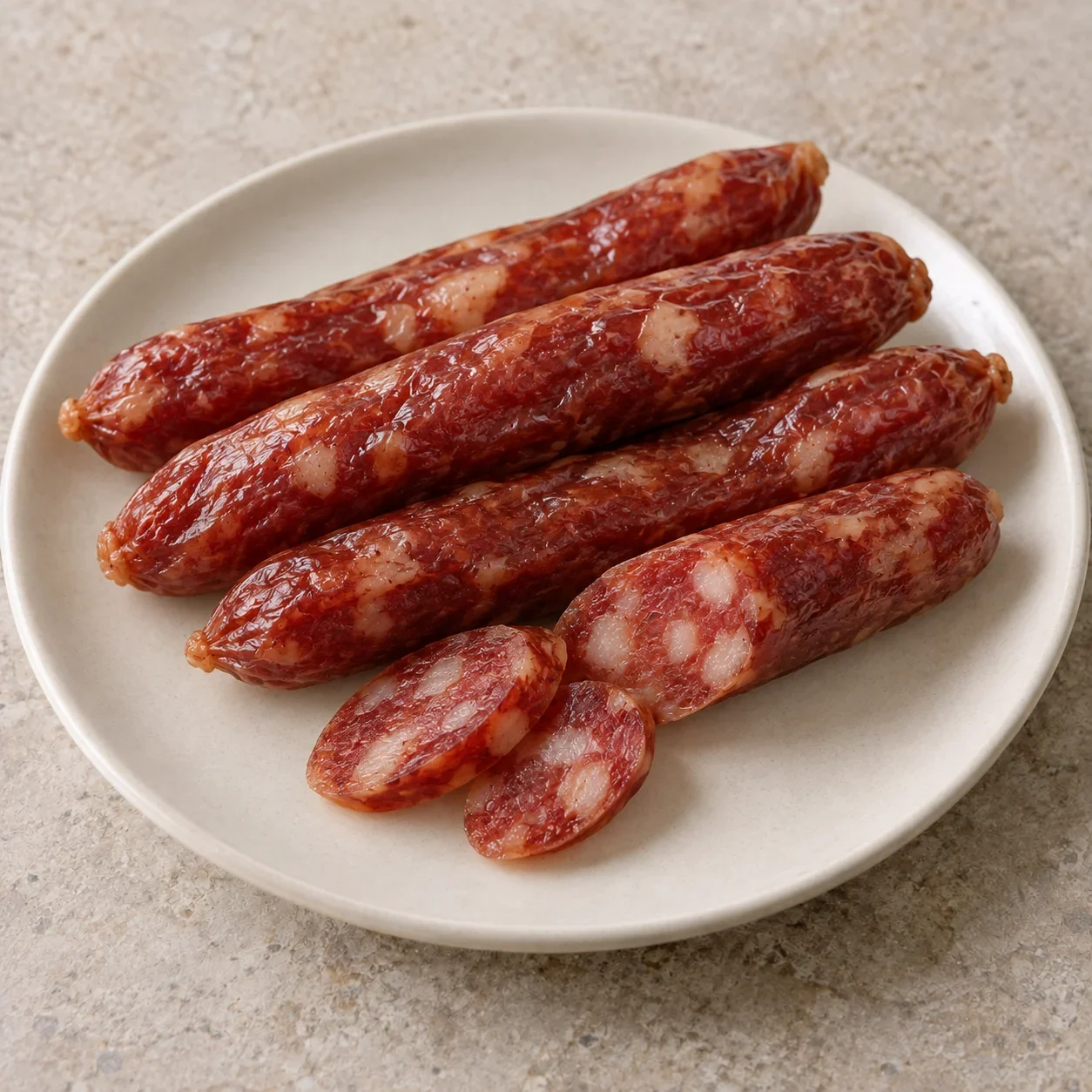
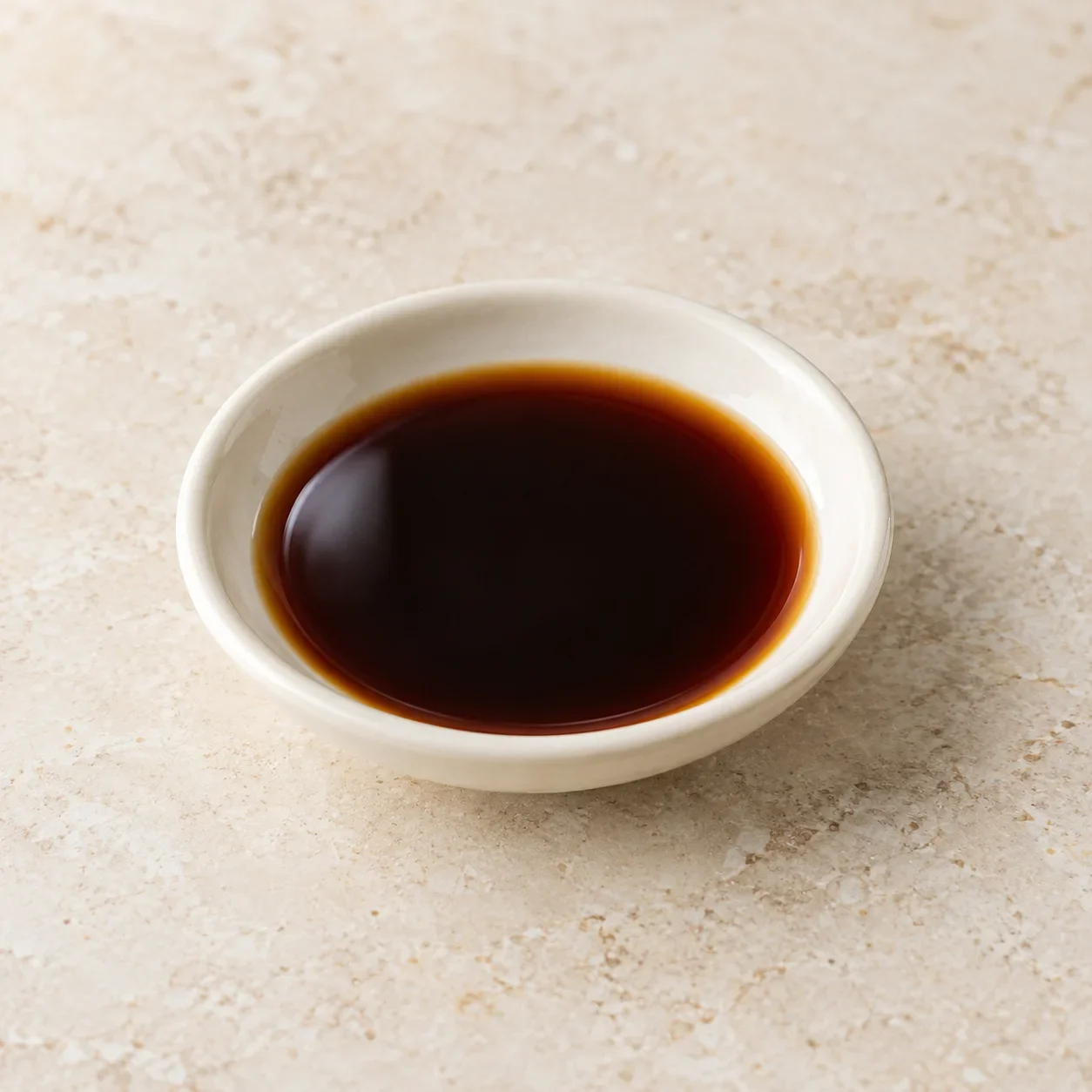
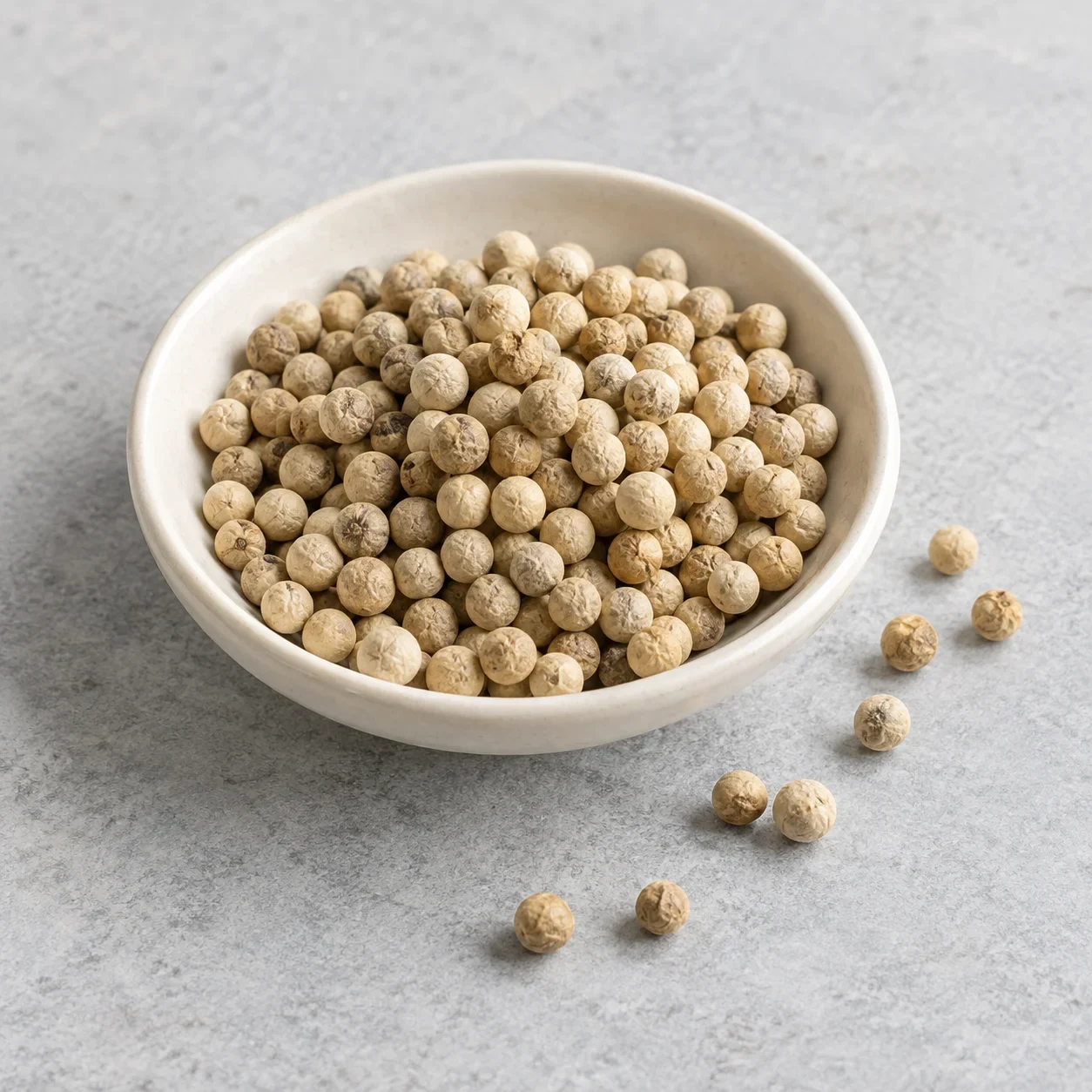
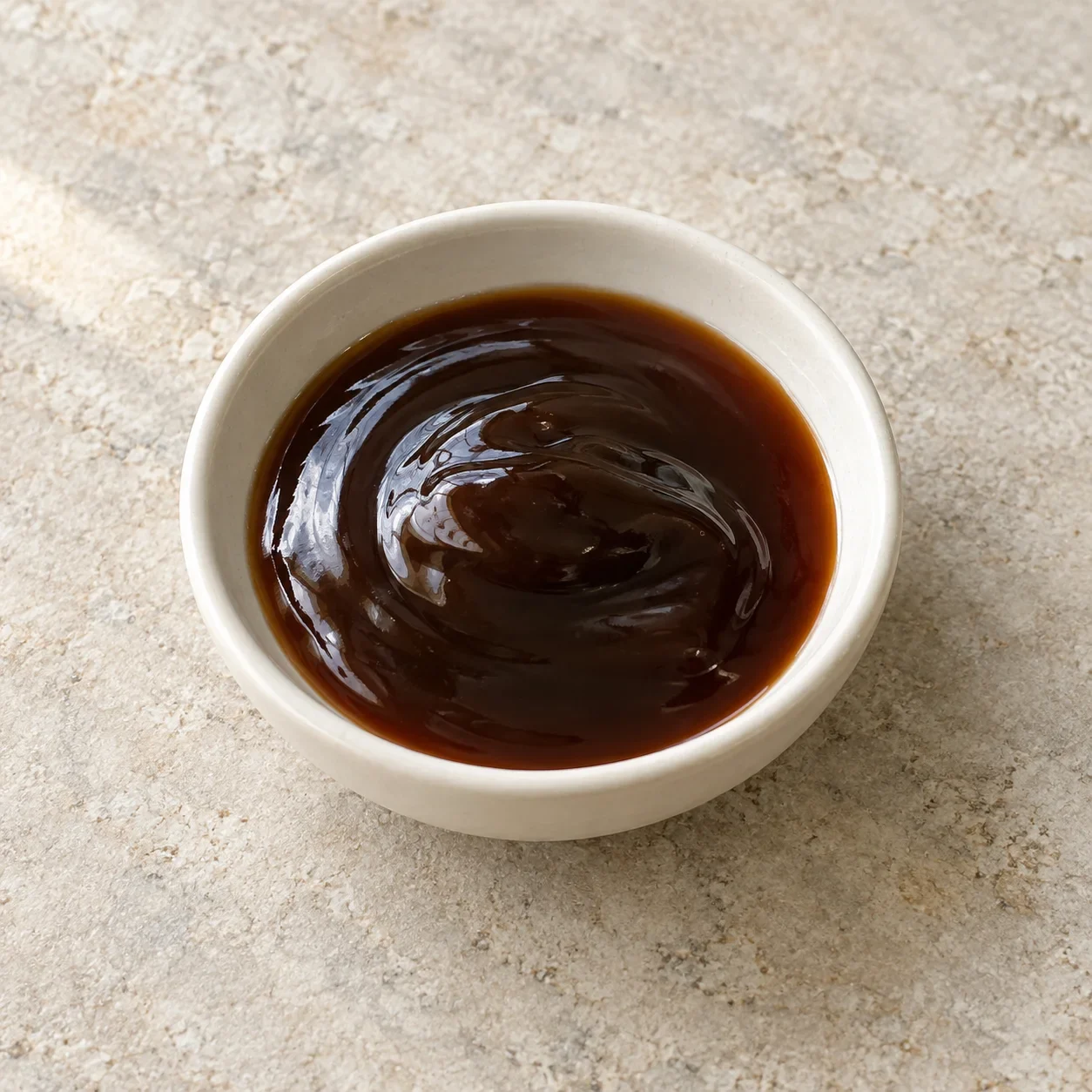
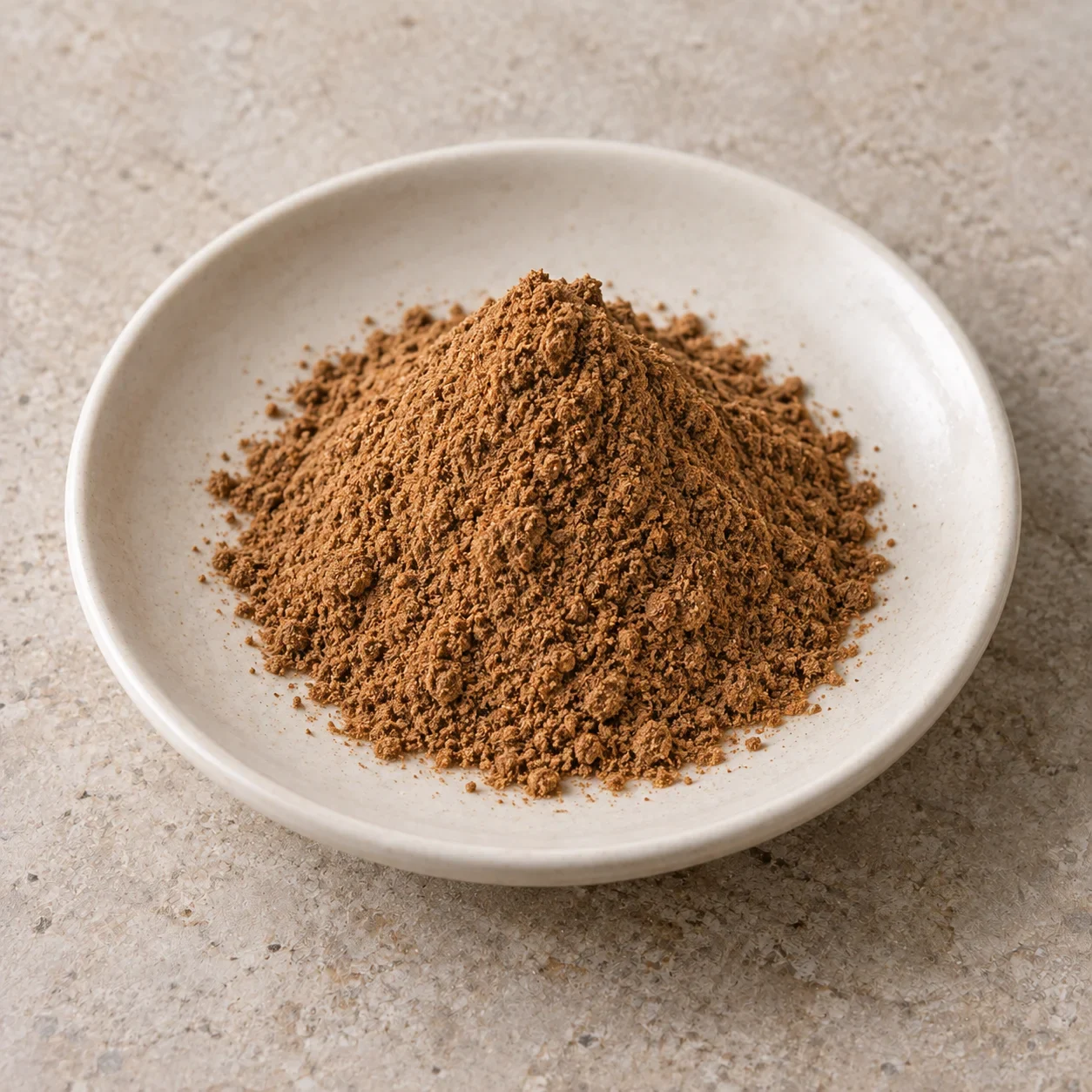
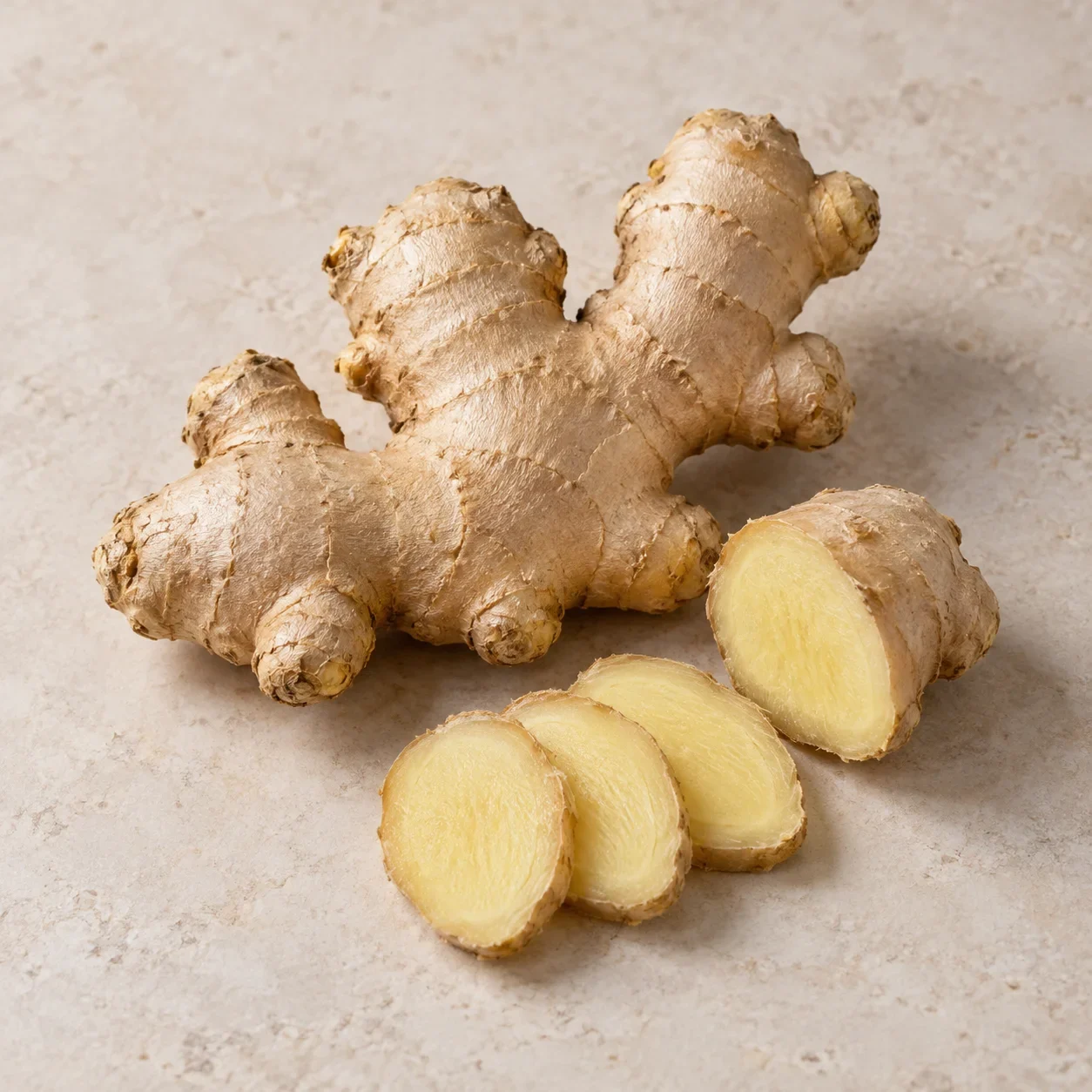
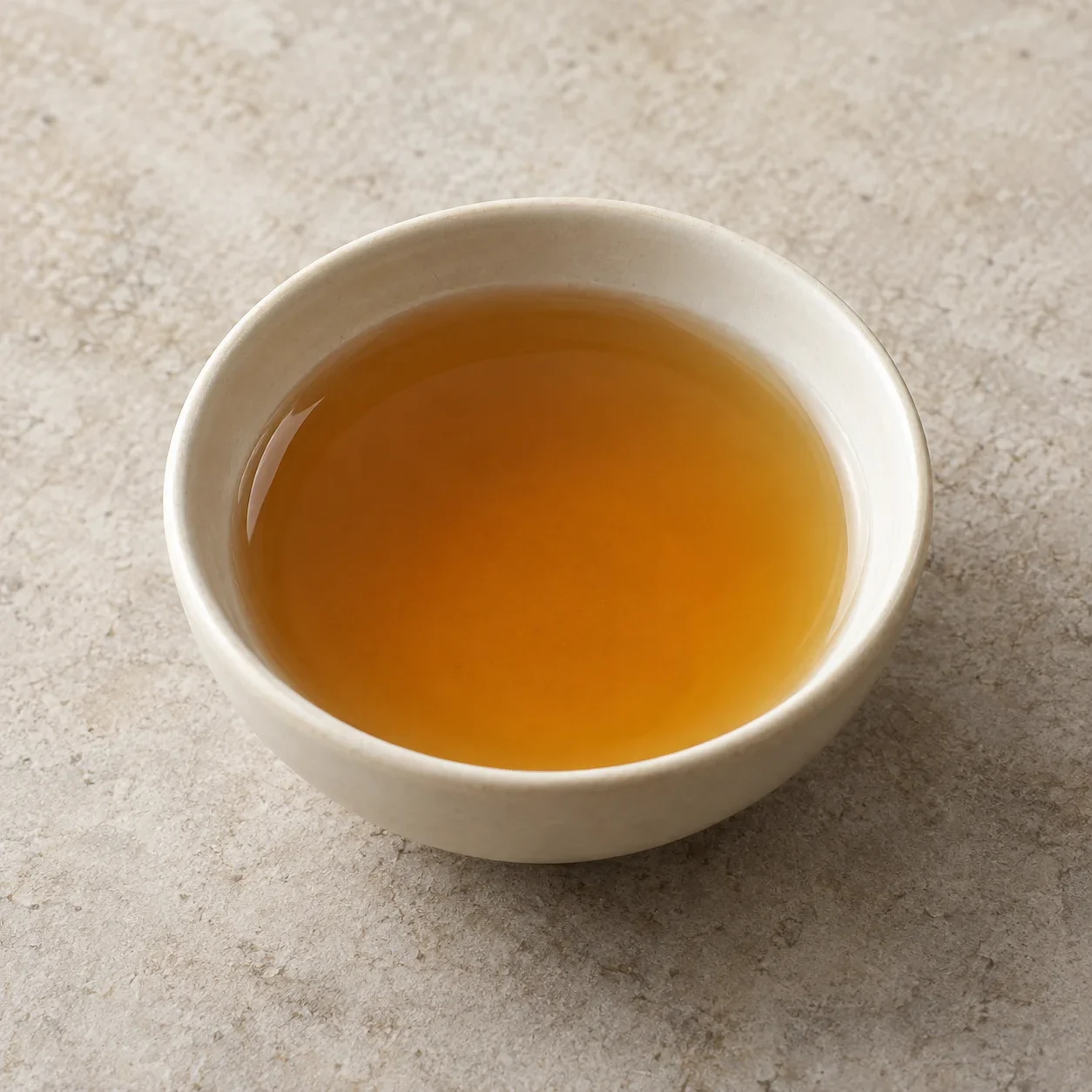
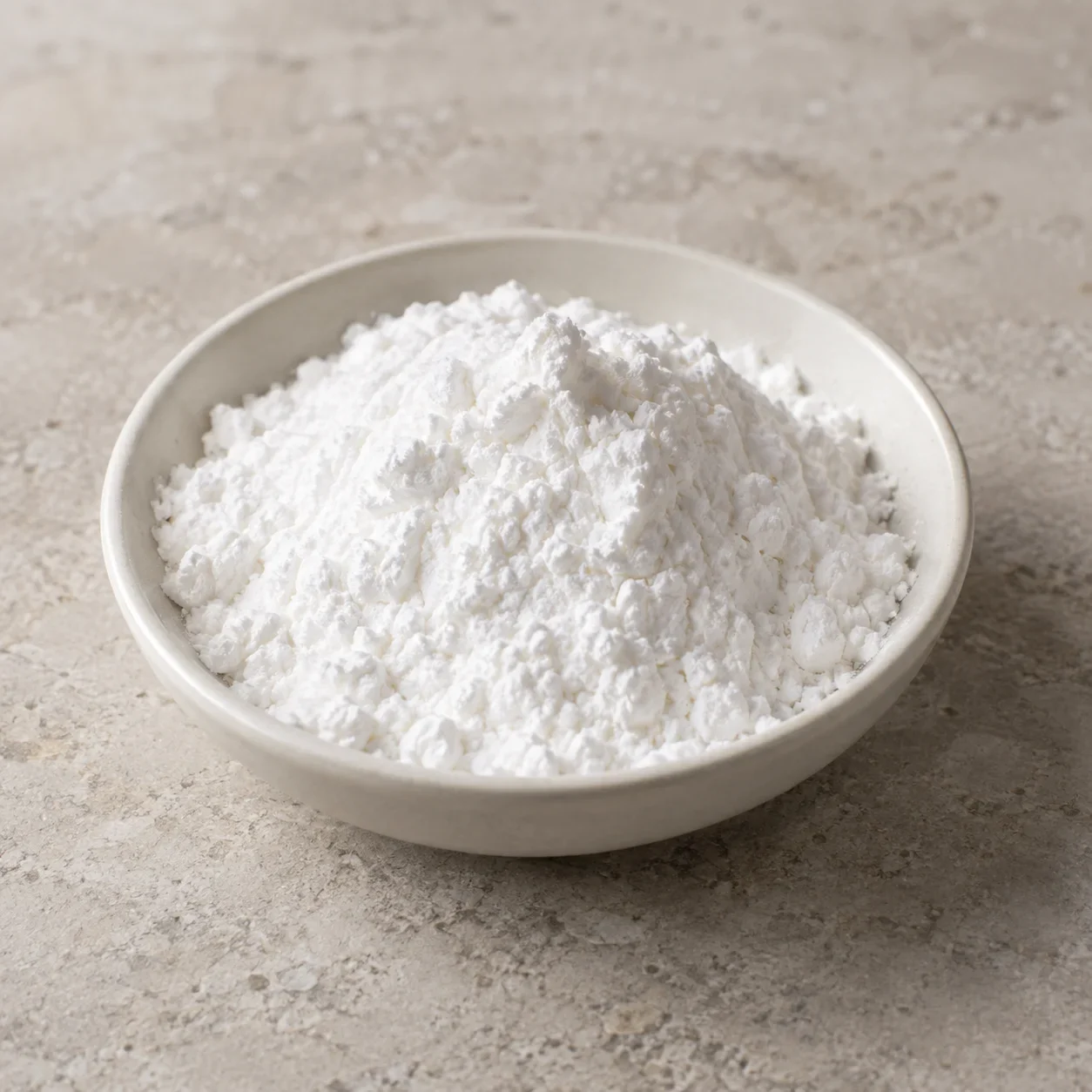
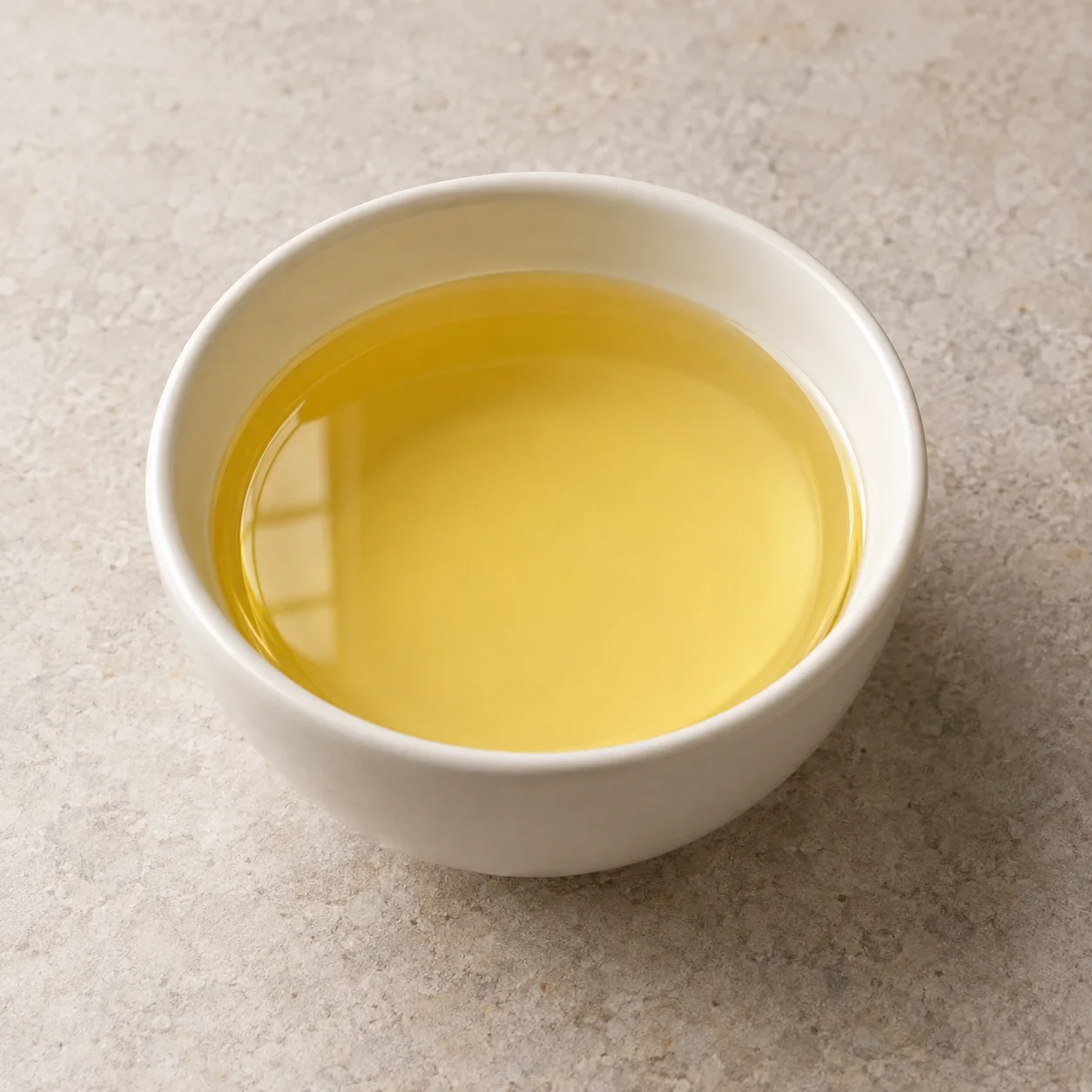
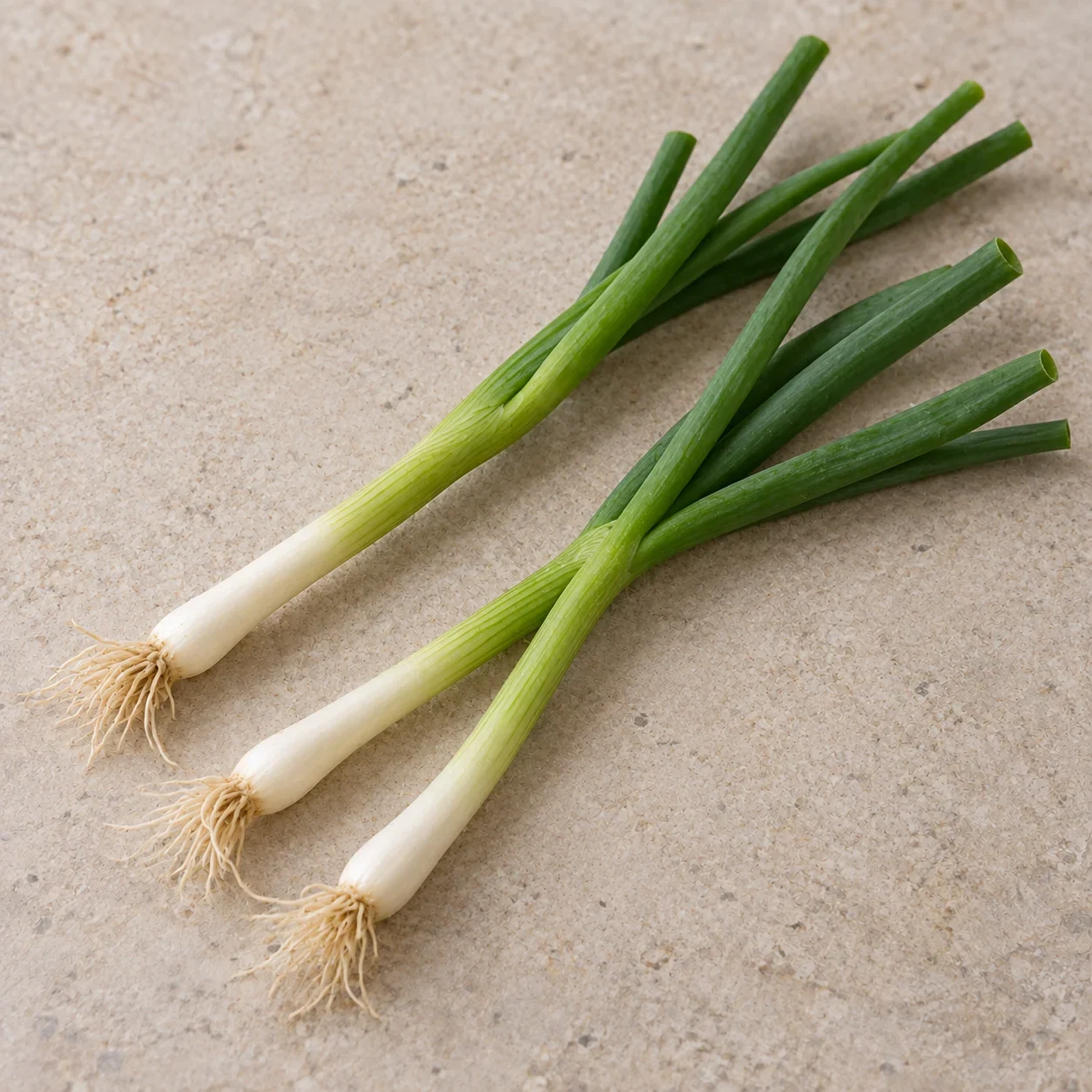

Recipes vary by restaurant.
How does it taste?
Earthy leaf aroma.
- Chili heat
- Texture
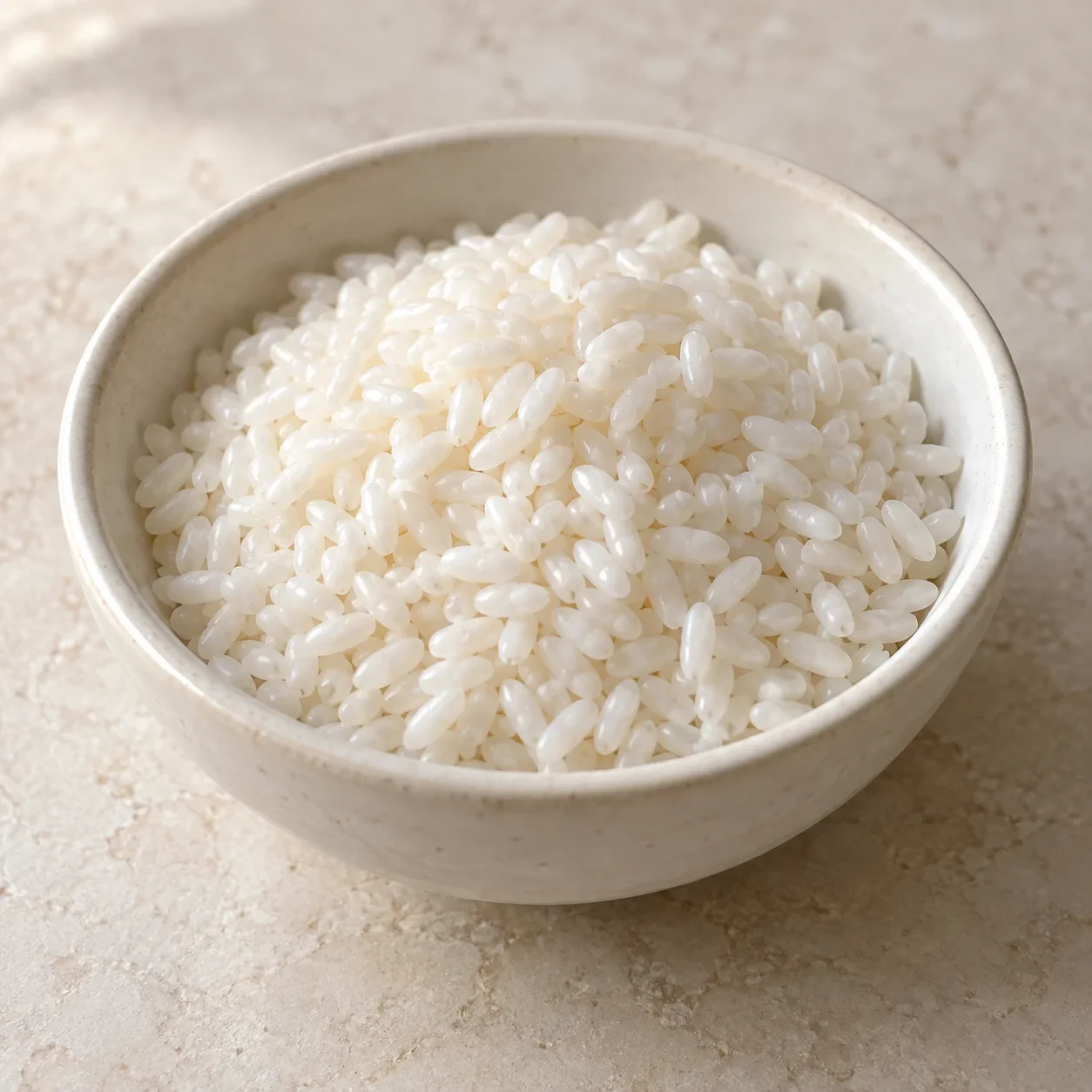
- Sticky rice.
- How it’s made
- Steam in leaves.
Mushroom and Chinese sausage can join the chicken in the filling.
A CONNECTION TO PLACE
Origin & regional roots
Associated with Hong Kong. Associated with Guangdong.
Ask if they have it first
请问你们有糯米雞吗?
Do you have this item?
A LITTLE SOMETHING TO READ
Story & history
Lo mai gai on Guangzhou’s yum cha cart
Guangzhou’s morning tea grew from roadside stalls into teahouses and restaurants, where people met and exchanged news as well as ate. “One pot, two pieces” means one pot of tea and two servings of dim sum; the servings are not two individual bites. In traditional teahouses, servers wheeled carts stacked with steamers through the room, calling out har gow, siu mai and lo mai gai. Diners marked a dim sum card to order what passed. Lo mai gai was one choice in this shared table ritual.