
THE EATING IN CHINA JOURNAL
Food, with a story.
Field notes, local flavours and a little help at the table.
Food guides for your next trip.
What to eat in China on your first trip
A familiar favourite. A local discovery. A meal worth remembering. Start your journey here.
Read the story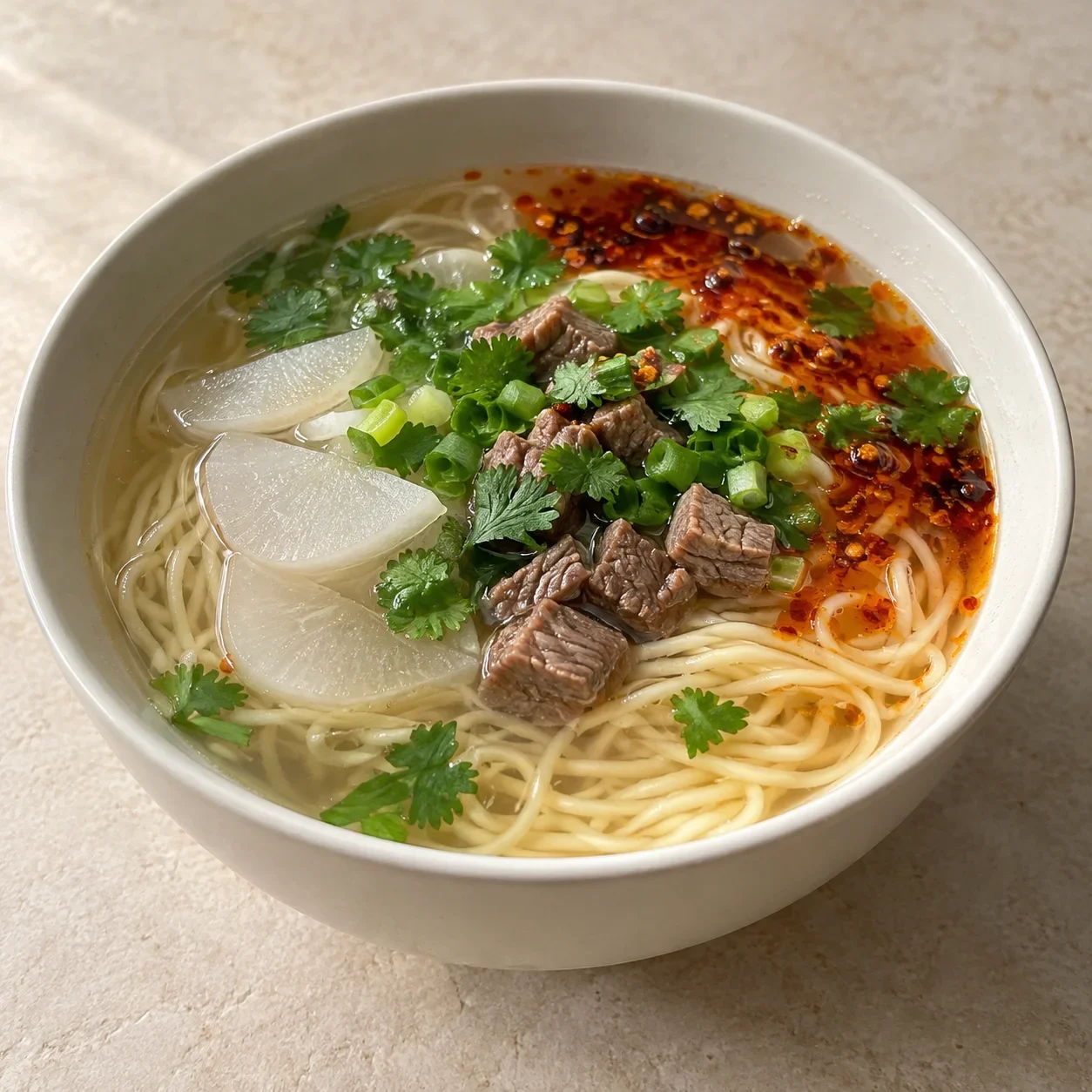
A taste of somewhere
Every destination has its own appetite.
Beijing food guide: breakfast, classics & snacks
Start the morning with a flatbread, a fried ring or a bowl of chaogan. Save roast duck or lamb hot pot for a shared meal, and compare pea cakes with candied fruit for a smaller sweet bite. The breakfast guide explains douzhi and how to choose your first morning order.
Read the story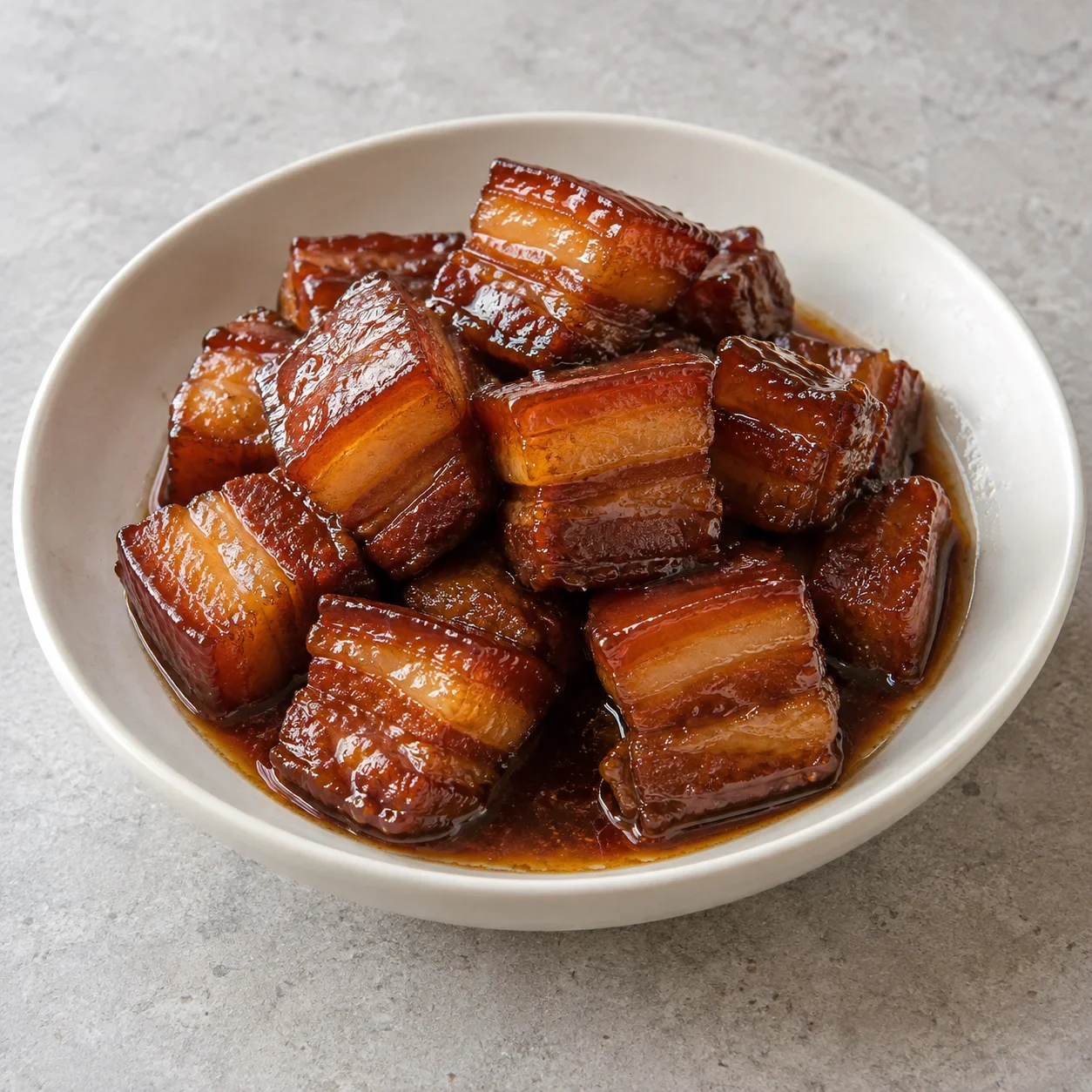
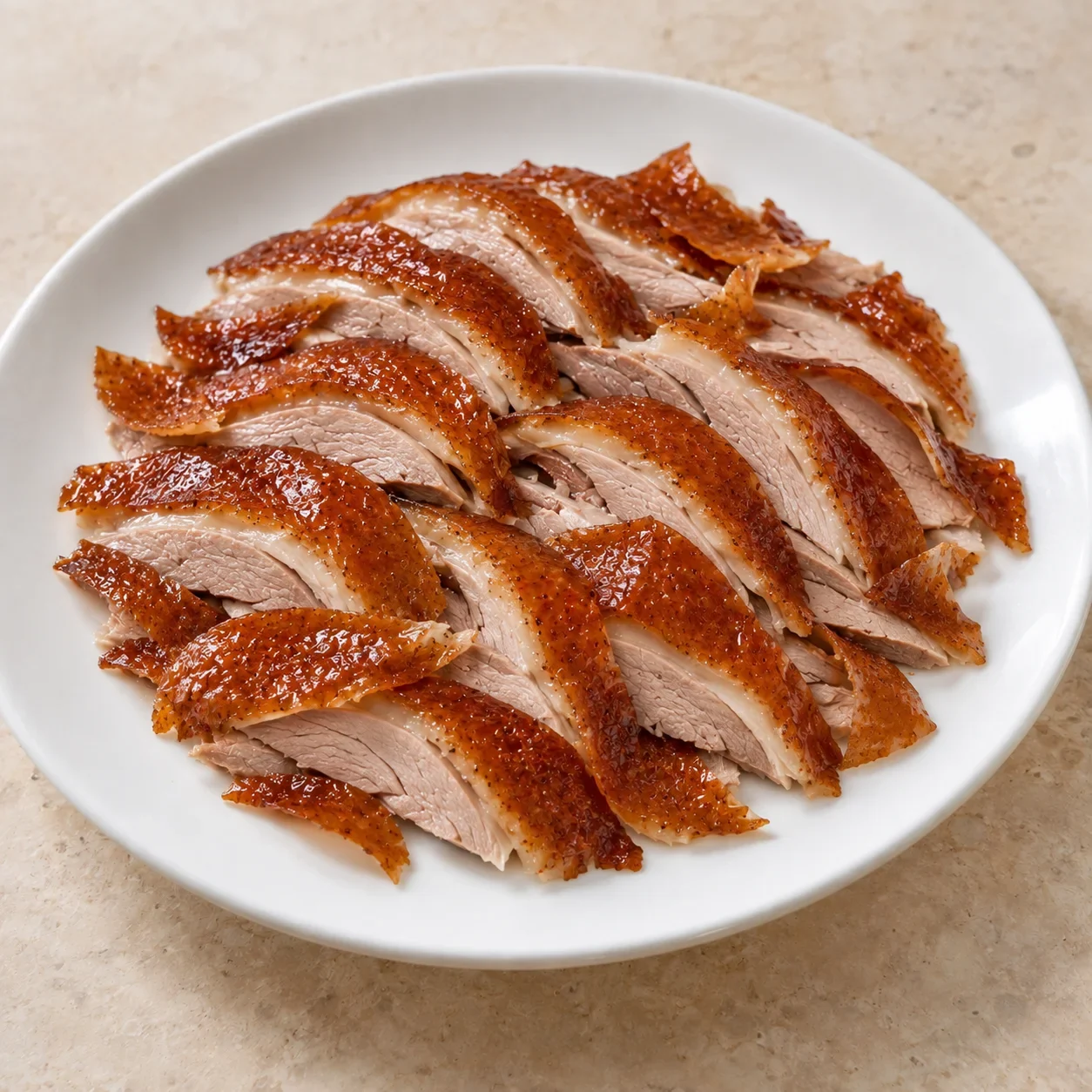
Shanghai food guide: breakfast, dumplings & local dishes
Compare Shanghai breakfast staples, shengjian bao, xiaolongbao and dishes for a shared meal. Save Chinese names and use practical ordering tips.
Read the story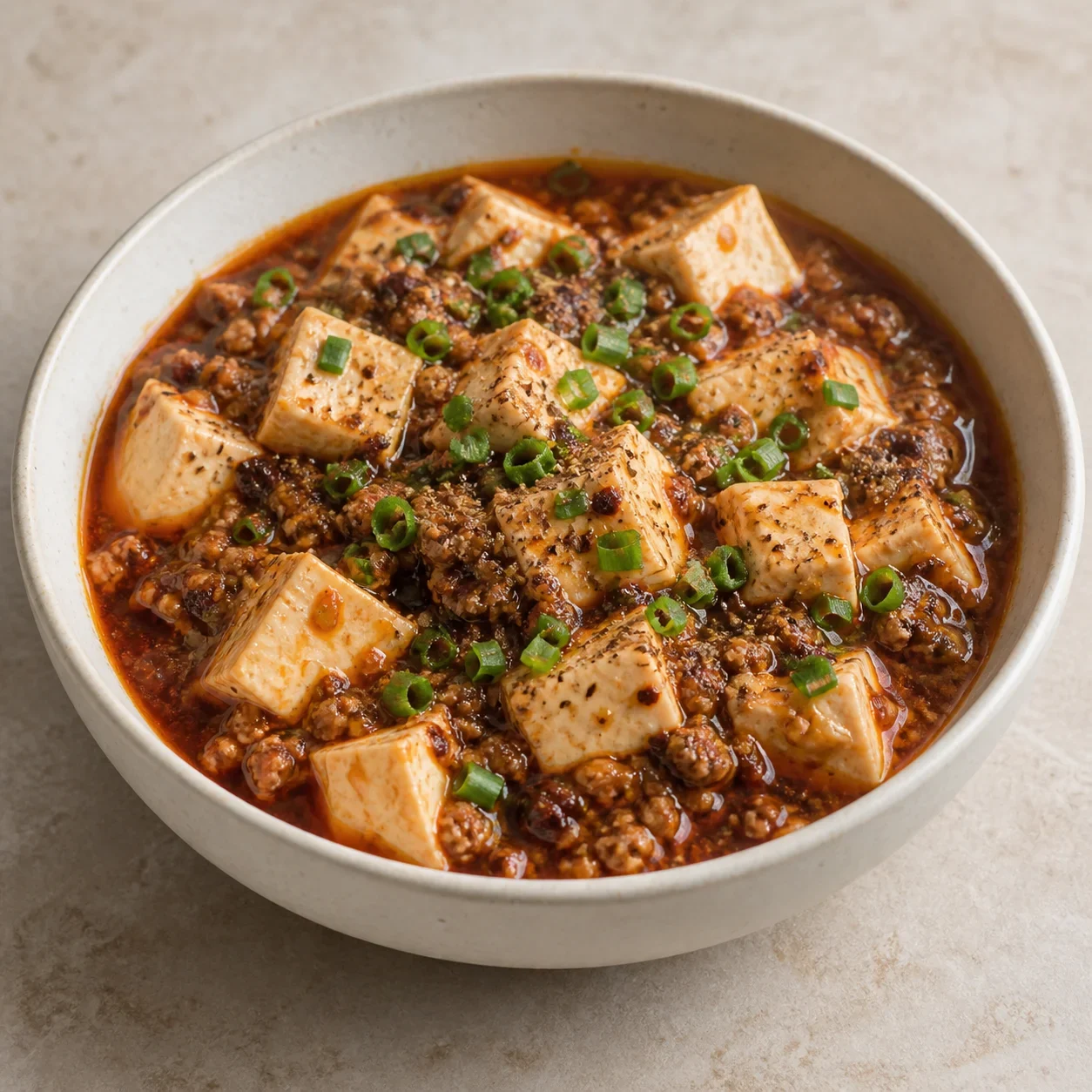
Sichuan food for a first visit: more than a chili test
Get to know mapo tofu, dan dan noodles and ants climbing a tree. Understand chili, Sichuan pepper and hidden meat before ordering.
Read the story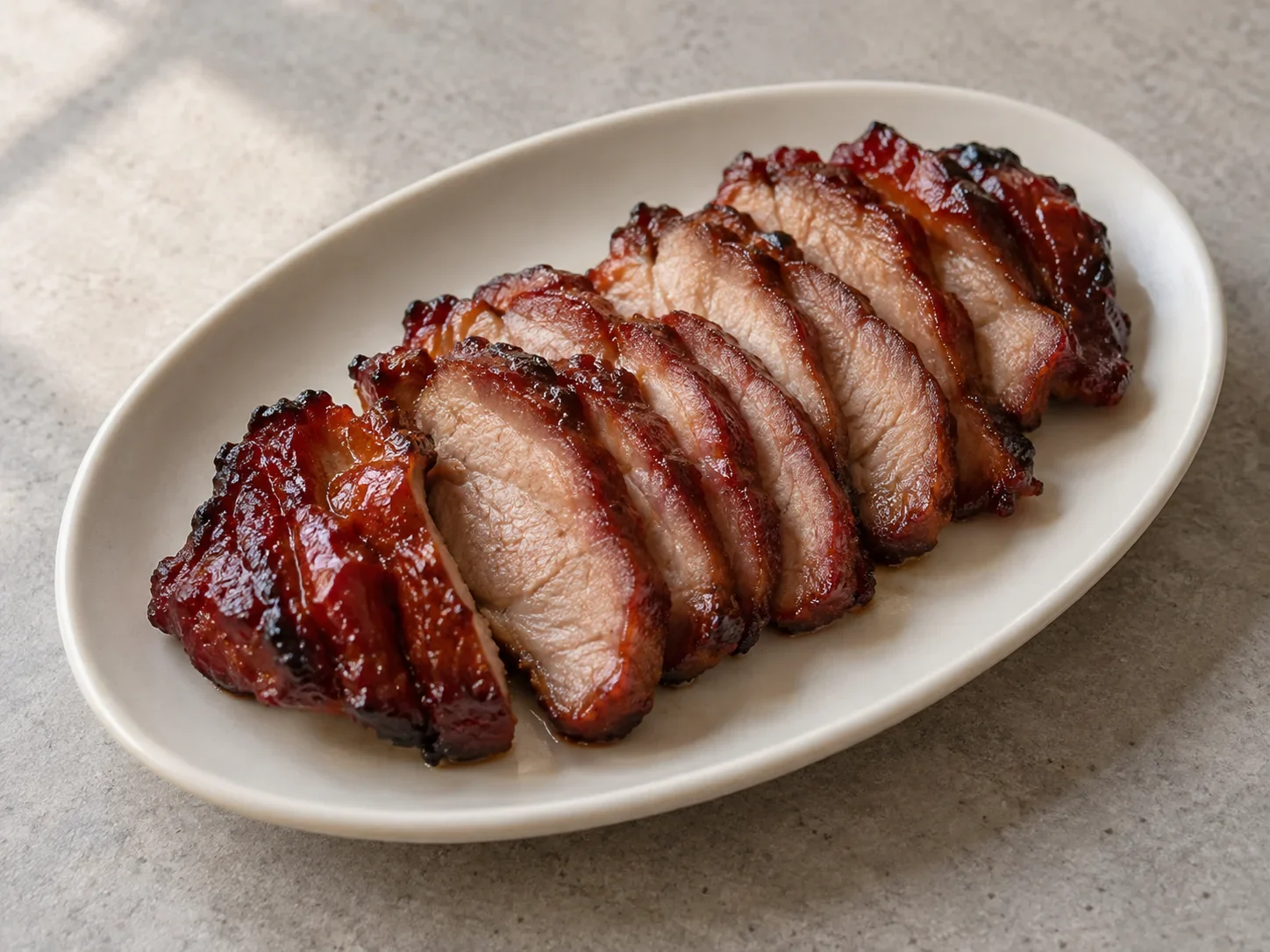
Cantonese food: roast pork, wonton noodles and steamed buns
Explore Cantonese dishes by ingredients and texture, from char siu to wonton noodle soup and sweet custard buns. Know what you are ordering.
Read the story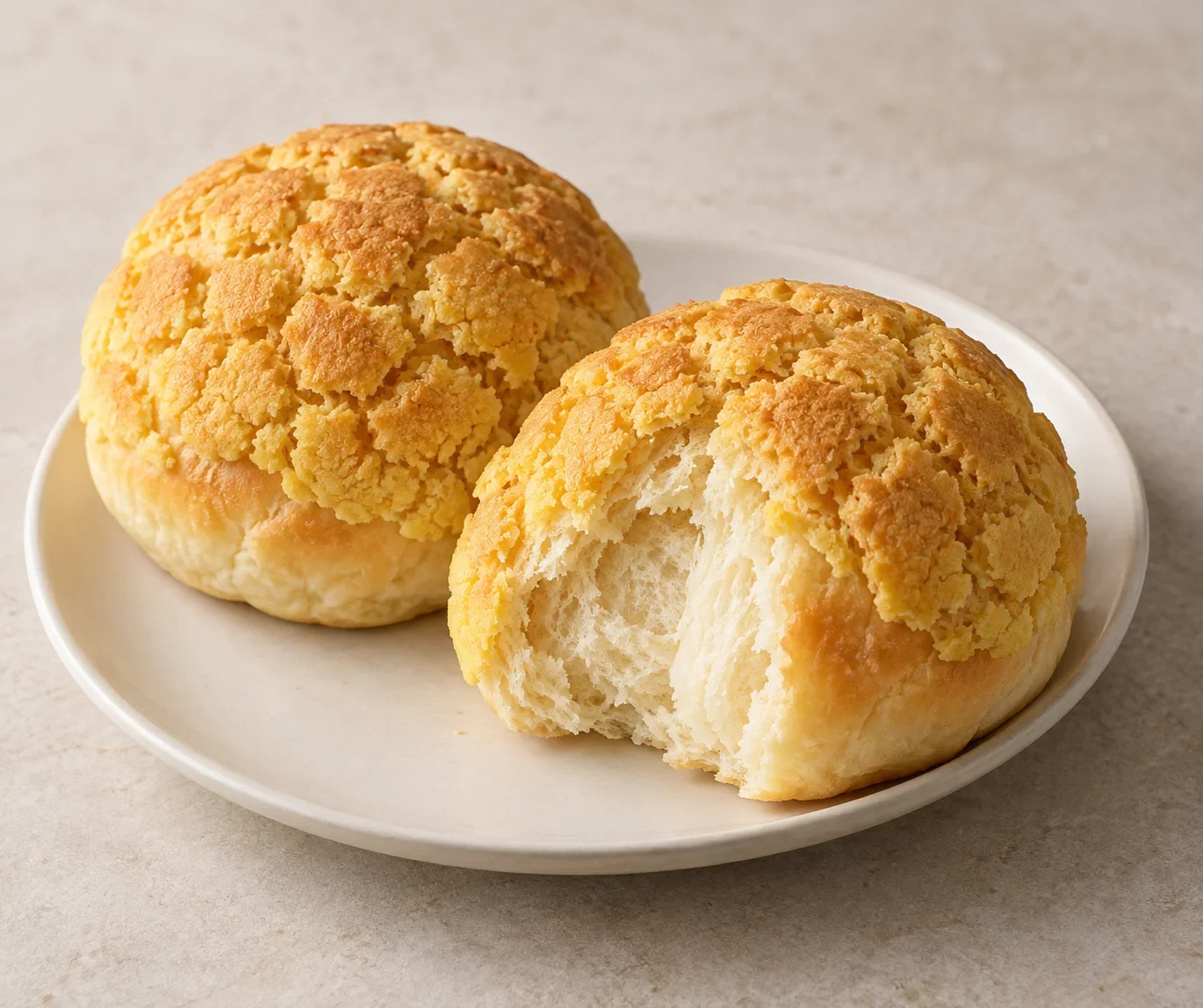
Hong Kong food guide: breakfast & street food
From a warm bowl of congee to curry fish balls, choose a Hong Kong meal by what you feel like eating. Use the Chinese names to make sense of the menu.
Read the story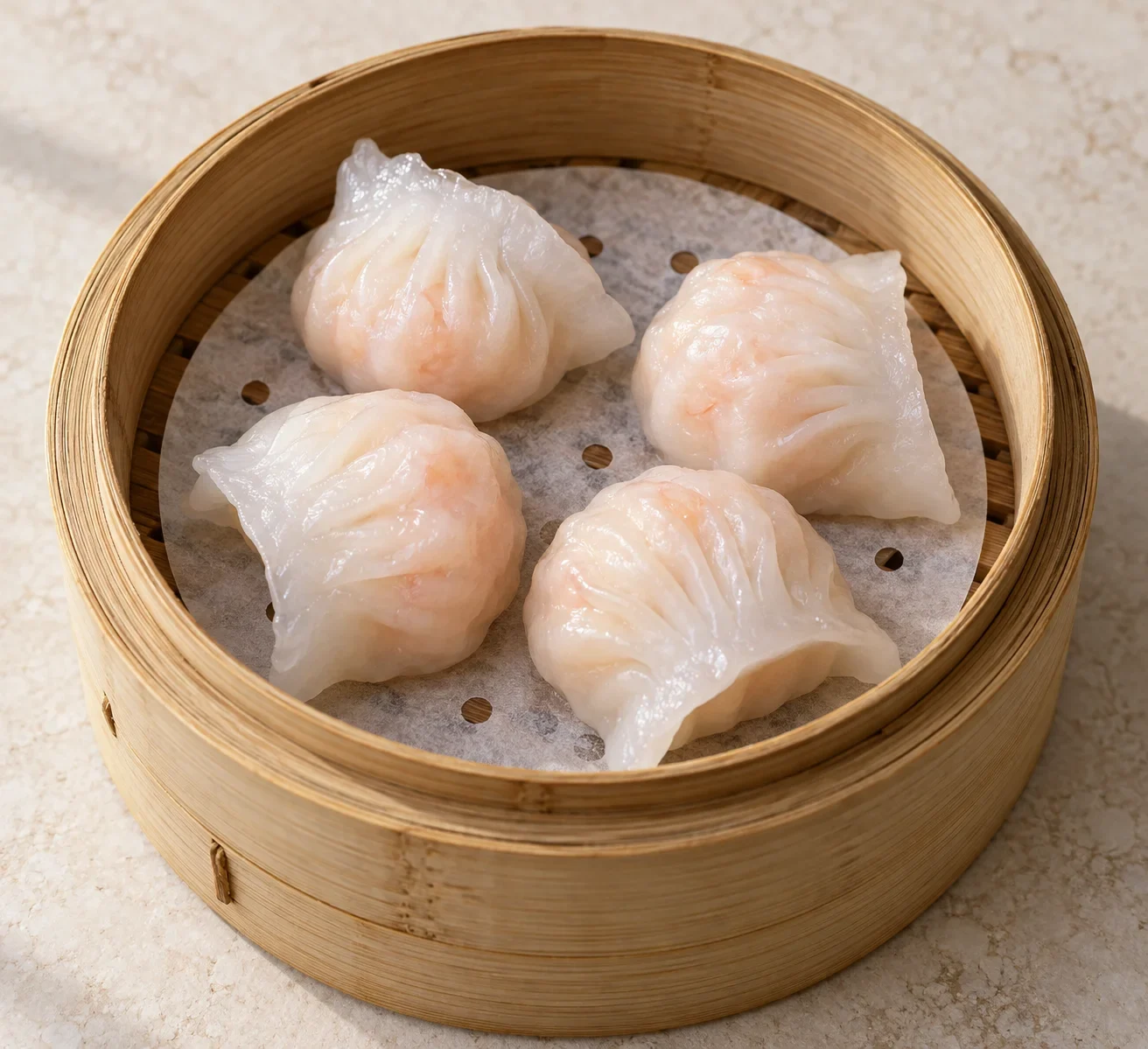
Guangzhou food guide: breakfast & yum cha
Explore Guangzhou through congee, rice noodle rolls and a table of dim sum. Compare textures and fillings before you choose.
Read the story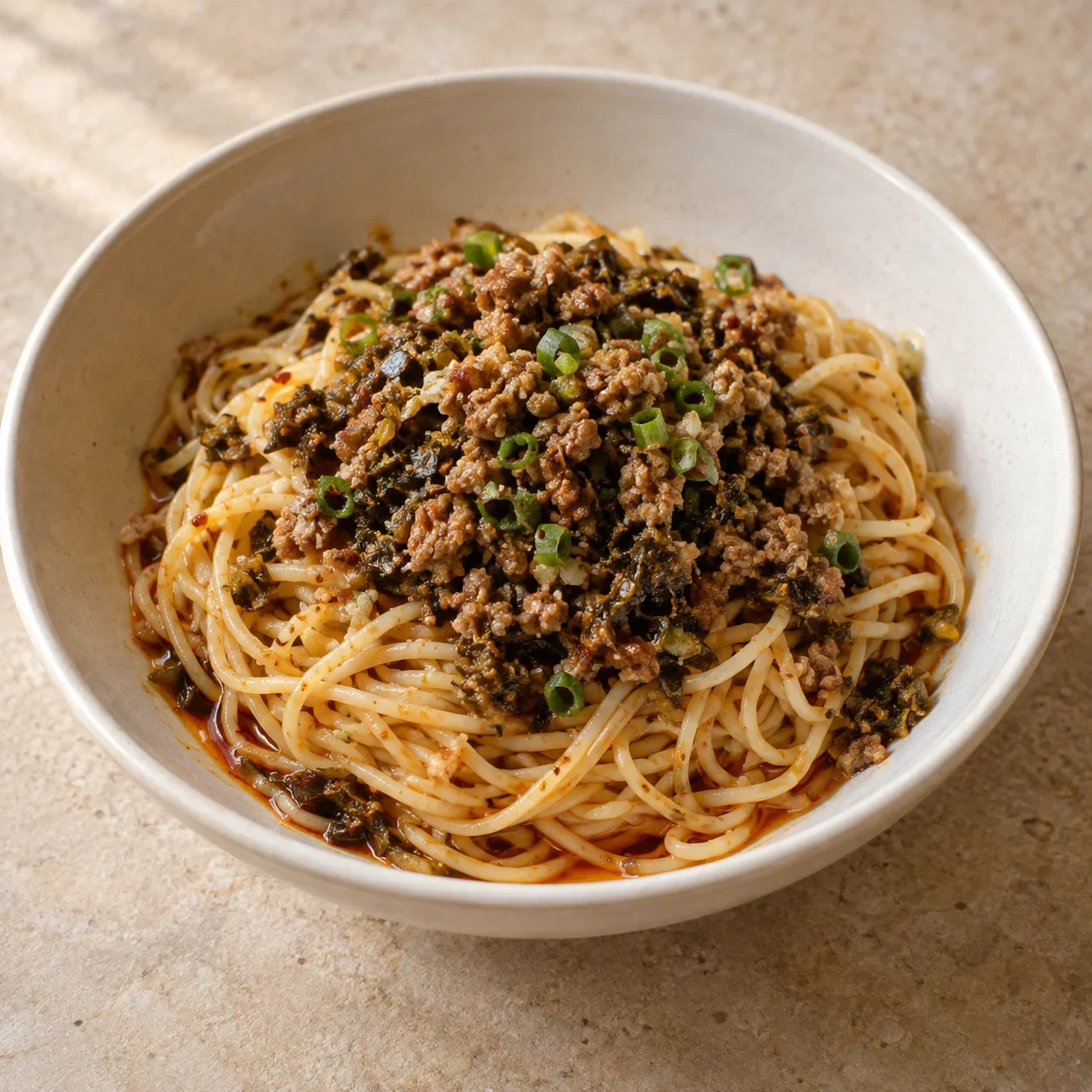
Chengdu food guide: street snacks & choosing your heat
Chengdu food is more than a single idea of spicy. Compare noodles, wontons and shared dishes, then ask about chili and Sichuan pepper separately.
Read the story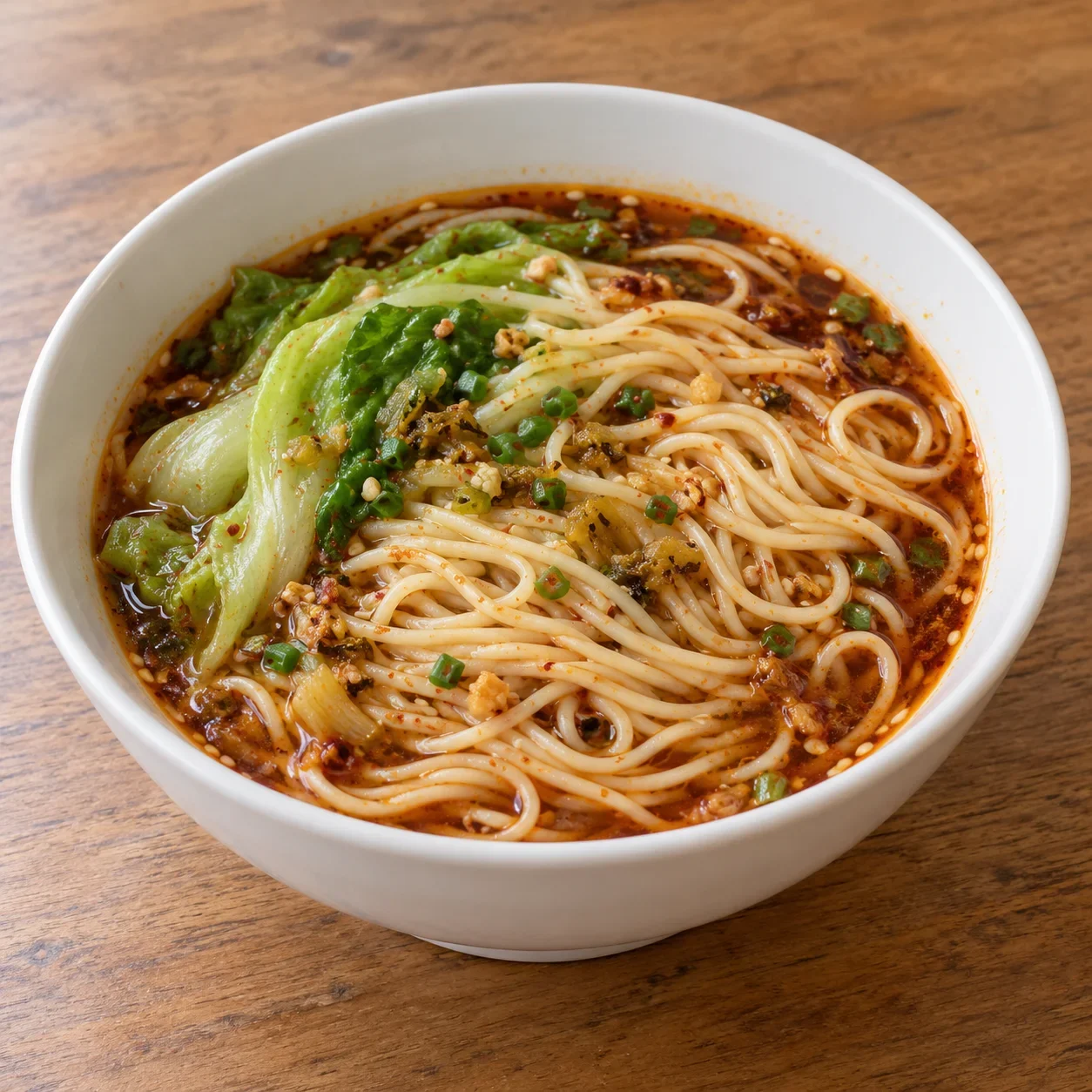
Chongqing food guide: noodles, breakfast & hot pot
Start with Chongqing xiaomian, compare a tofu-and-rice meal, then plan a hot pot order. There is more to choosing a meal than its chili level.
Read the story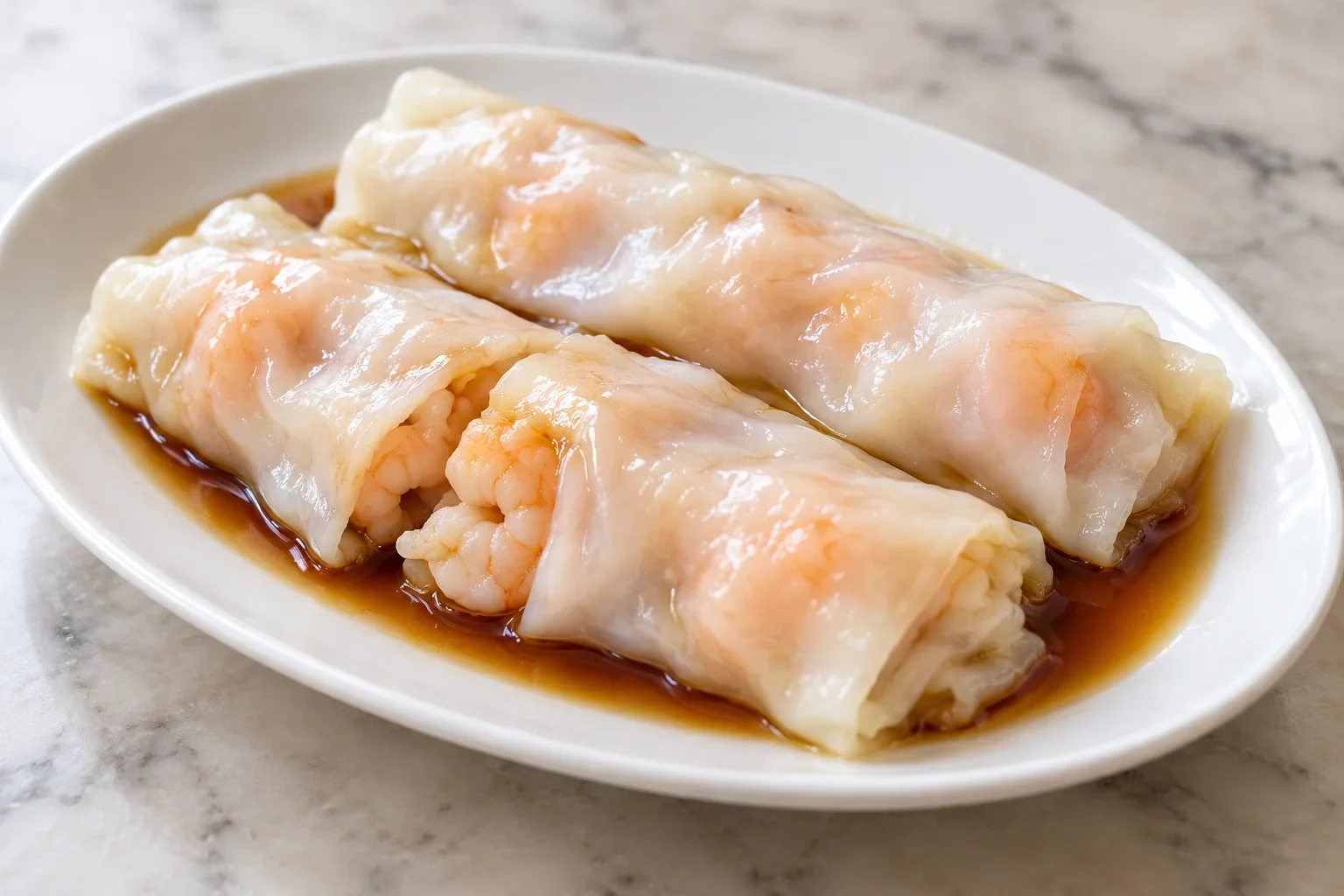
Shenzhen food guide: breakfast & Cantonese favourites
Use rice noodle rolls, congee and wonton noodles as a starting point for eating in Shenzhen. These shared Cantonese traditions are not all foods that originated in the city.
Read the story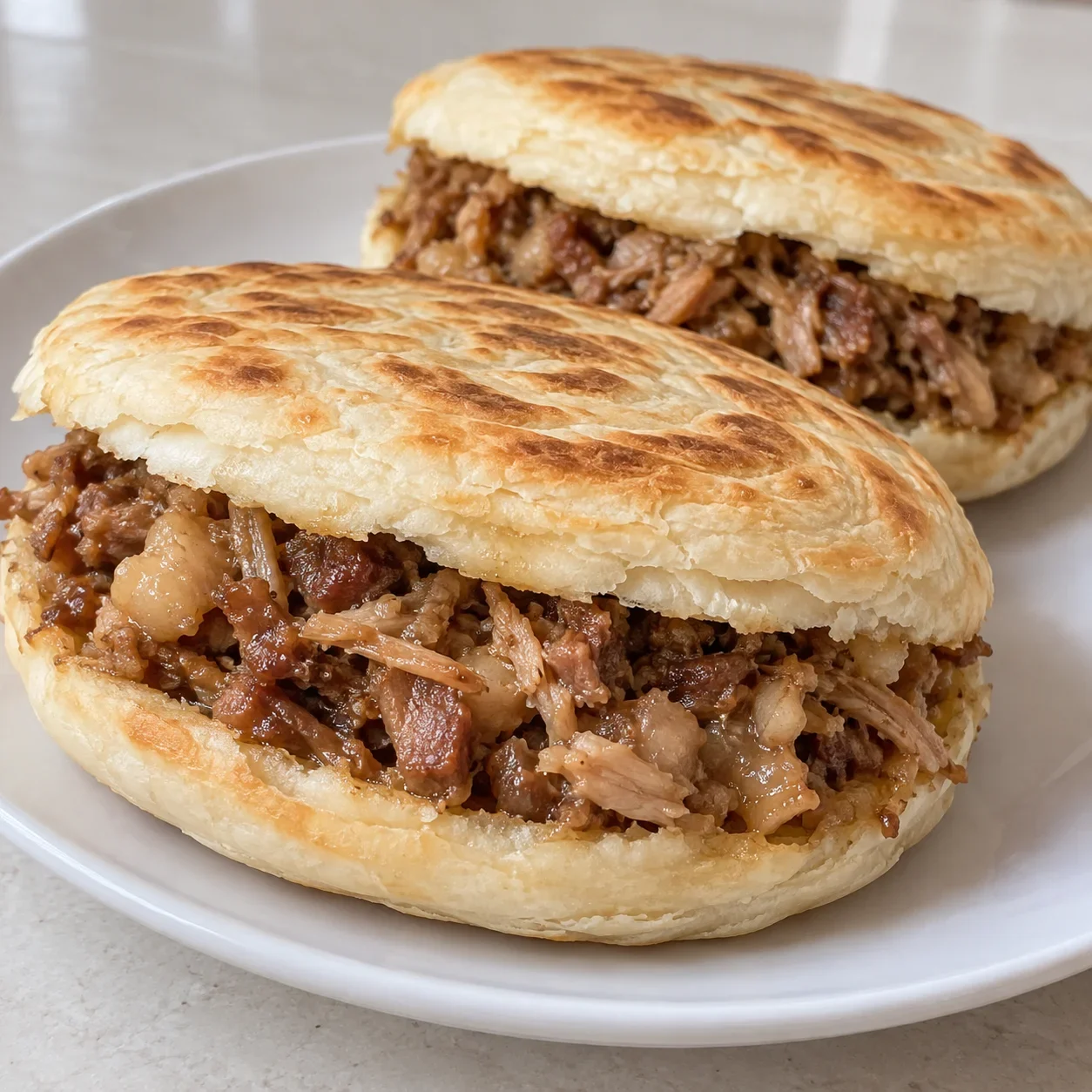
Xi’an food guide: noodles, breakfast & street snacks
Discover Xi’an through stuffed flatbread, wide noodles and bread in soup. Keep the Chinese name with the dish you want to try.
Read the story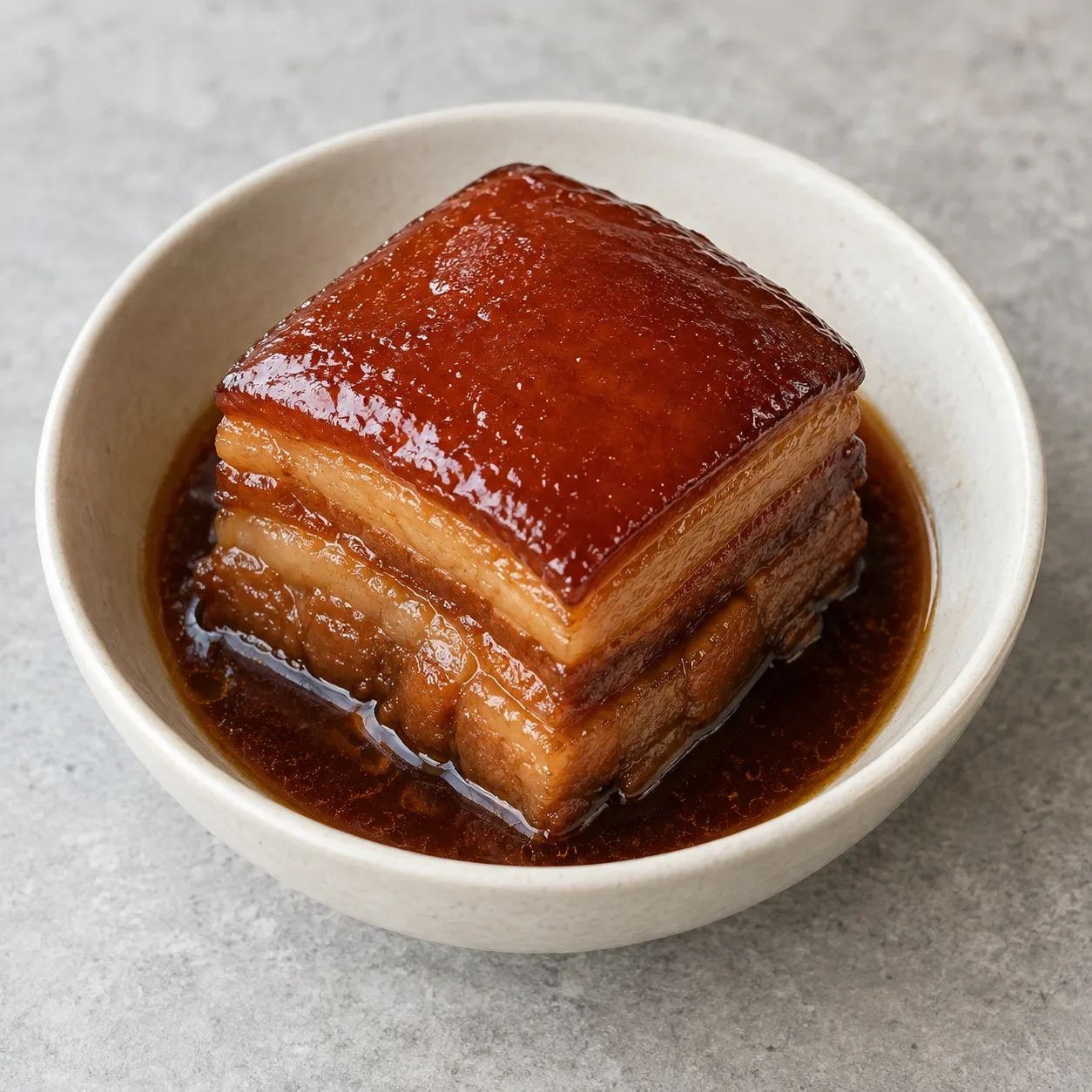
Hangzhou food guide: breakfast, local dishes & tea
Plan a Hangzhou meal around the food itself: compare a rich pork dish with a cup of local green tea, and keep breakfast choices separate from a shared main meal.
Read the story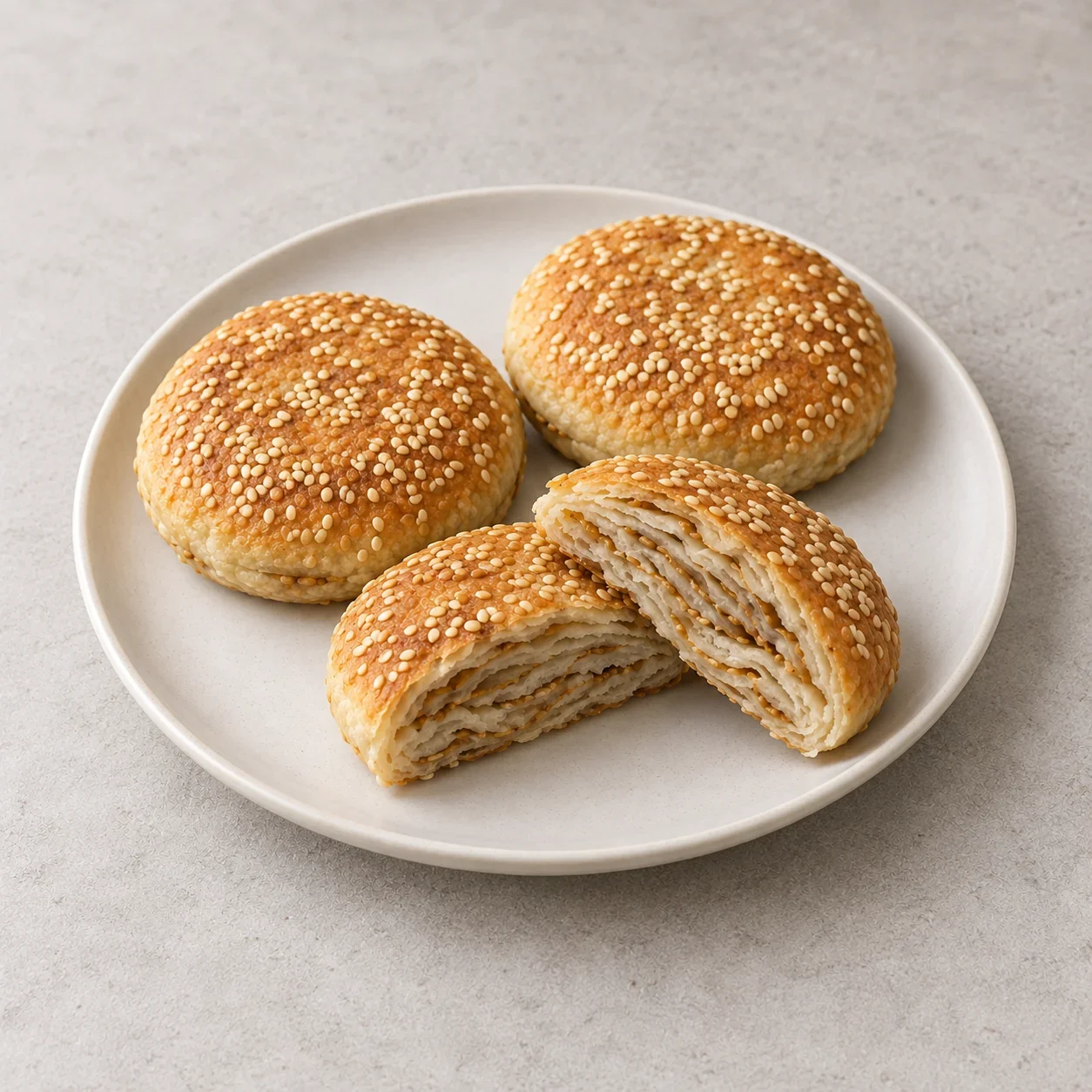
Beijing breakfast: what to eat and how to order
Choose a sesame-paste flatbread for a layered bite, chaogan for a garlic-rich bowl with pork offal, or douzhi with a crisp jiaoquan ring for a distinctive fermented taste. Douzhi is made from mung-bean liquid; it is not soy milk. Start with the texture and flavour you want, then use the Chinese names below.
Read the story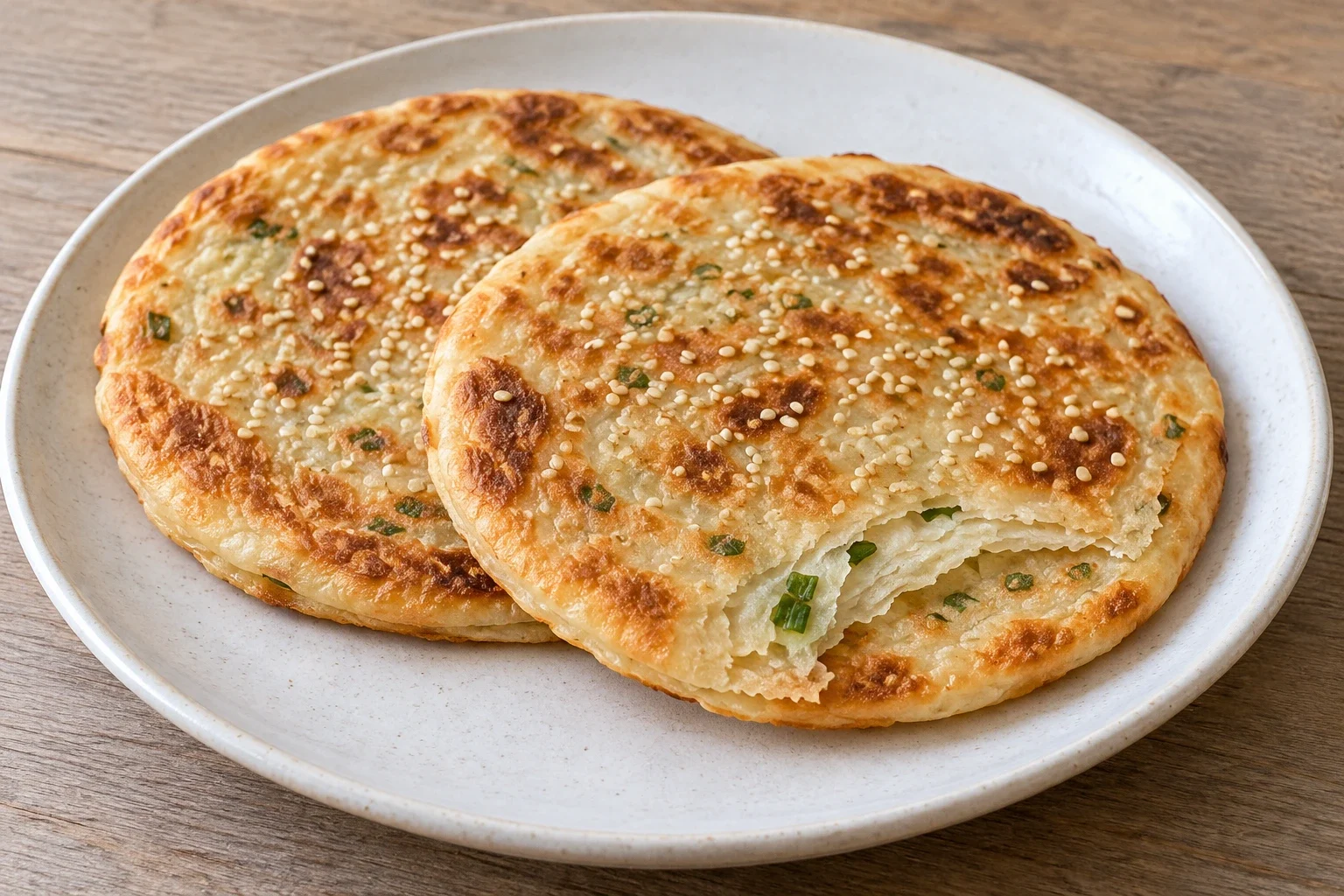
Shanghai breakfast: the four staples, buns & bowls
Dabing, youtiao, cifantuan and doujiang are Shanghai’s four breakfast staples: flatbread, fried dough, a filled sticky-rice roll and soy milk. They are choices to combine, not a compulsory four-part order. Compare sweet and savoury styles, or choose pan-fried buns or soup dumplings instead.
Read the story
Hong Kong breakfast: what to order at a cha chaan teng
A cha chaan teng breakfast can be a bowl, bread and eggs, or a bakery choice with a drink. Compare ham macaroni soup with congee, then decide whether you want a pineapple bun or French toast. The latter is egg-coated and fried; it is different from scrambled eggs served with toast. Ask what a set includes before adding a drink.
Read the story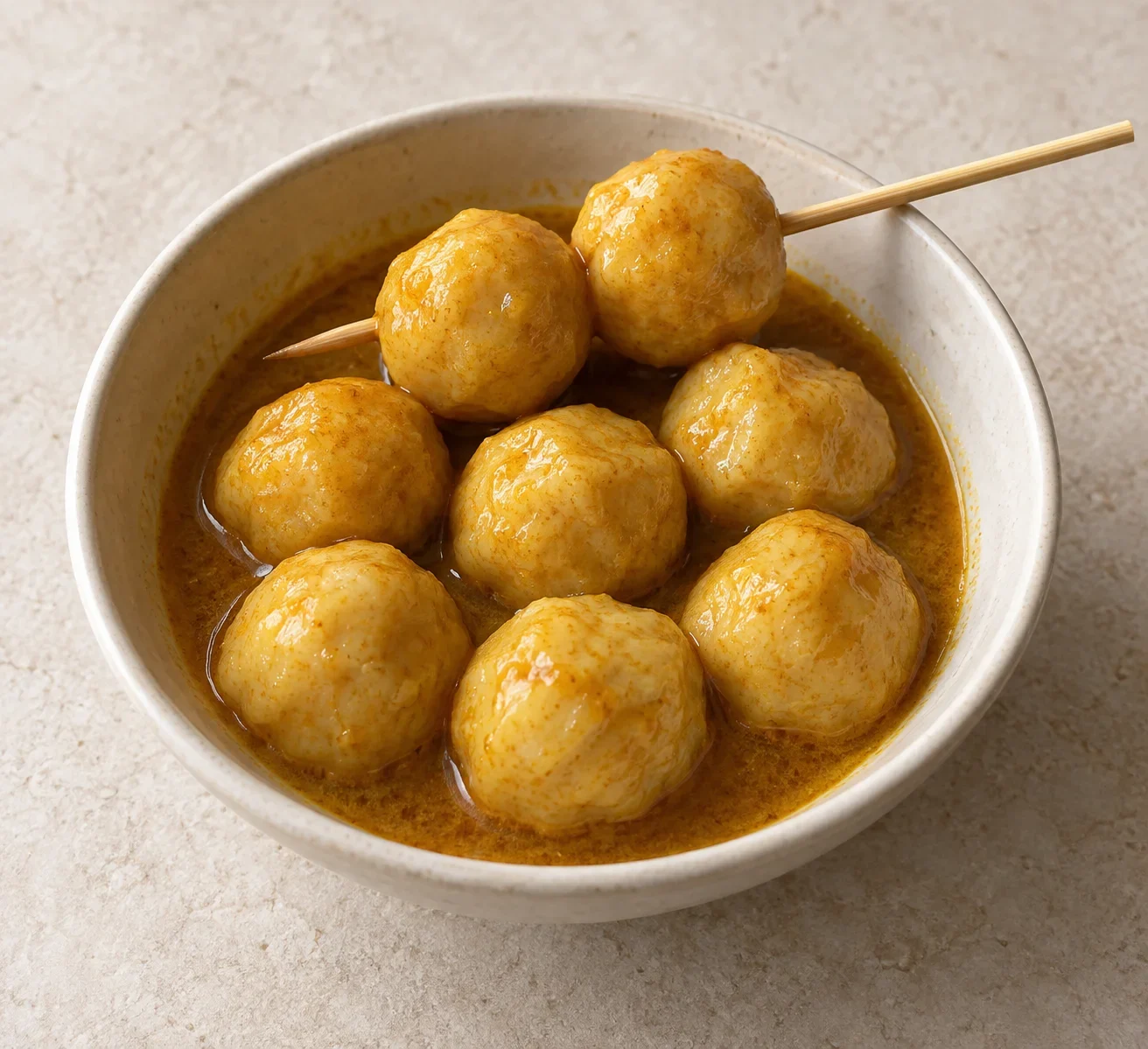
Hong Kong street food: savoury bites, sweet snacks & drinks
For a savoury bite, compare curry fish balls with a spoonable bowl of wun zai chi. For something sweet, choose between an egg tart and a pineapple bun. These foods come in different portion sizes: start with one, then add a drink or another snack if you want. The cards explain what each name means.
Read the storyAt the table
A little knowledge makes every meal more rewarding.
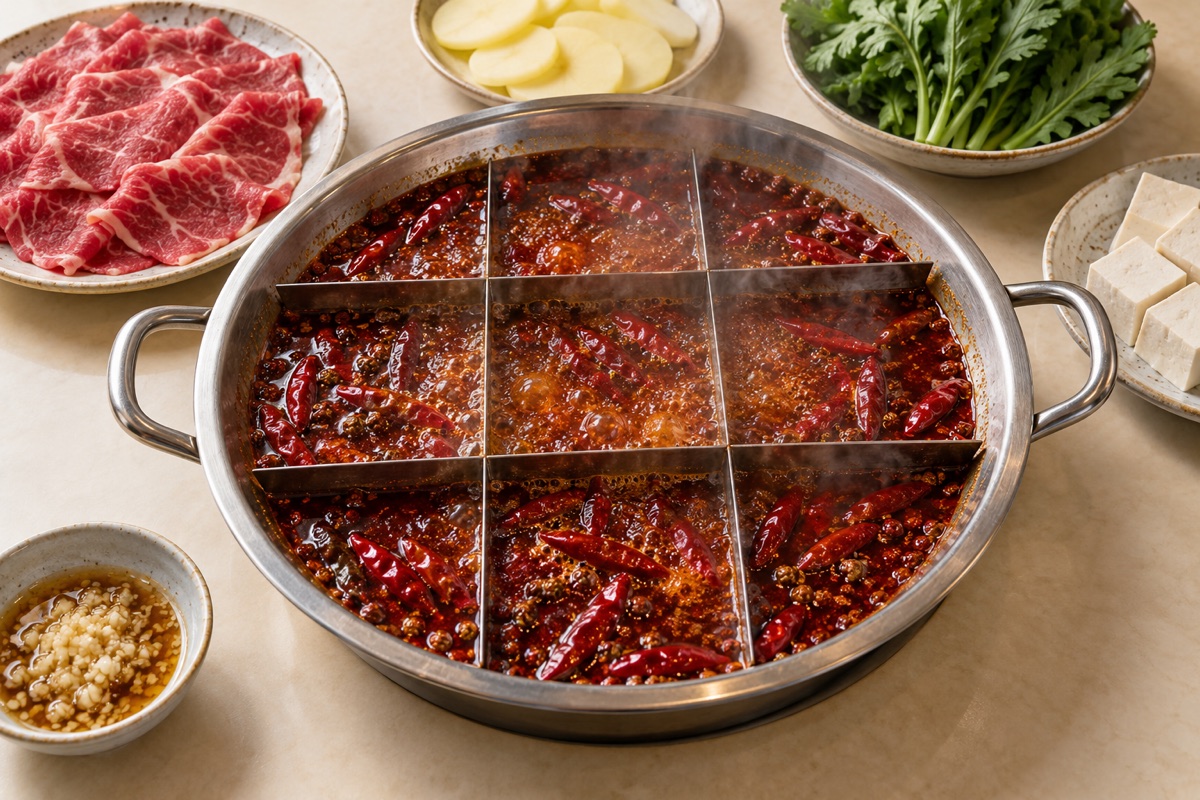
Chongqing Hot Pot 101: Read This Before You Order
Your first Chongqing hot pot? Learn how to choose the broth, decode the ingredients, mix a dipping sauce and order with useful Chinese phrases.
Read the story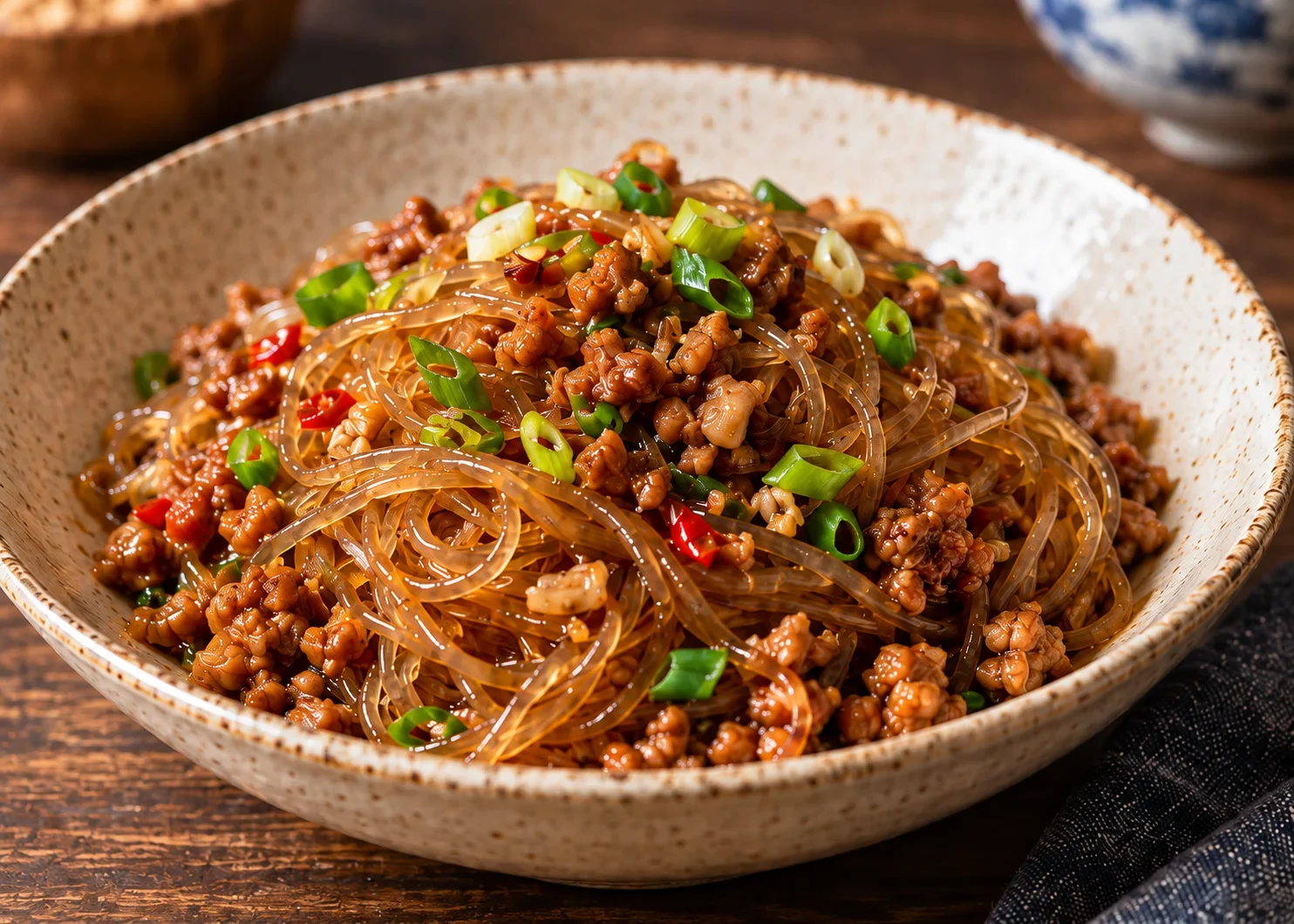
Ants climbing a tree? What Chinese dish names really mean
Ants climbing a tree, wife cake and husband-and-wife lung slices: understand the food behind confusing translated Chinese names before you order.
Read the story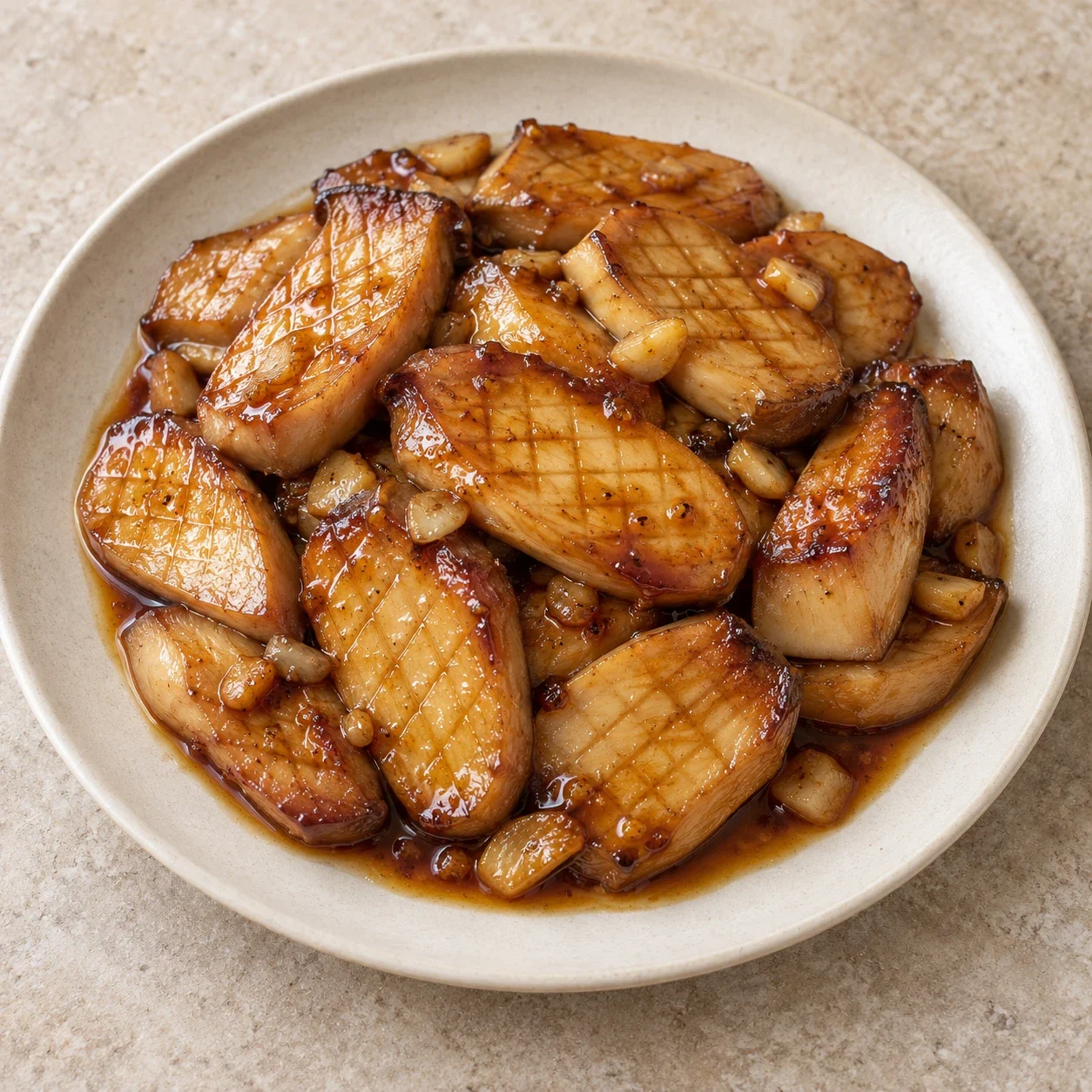
Vegetarian and vegan food in China: ask beyond the main ingredient
Learn what to check in tofu, vegetables, noodles and pastries in China, with practical Chinese phrases for meat, broth, eggs, dairy and cooking fats.
Read the story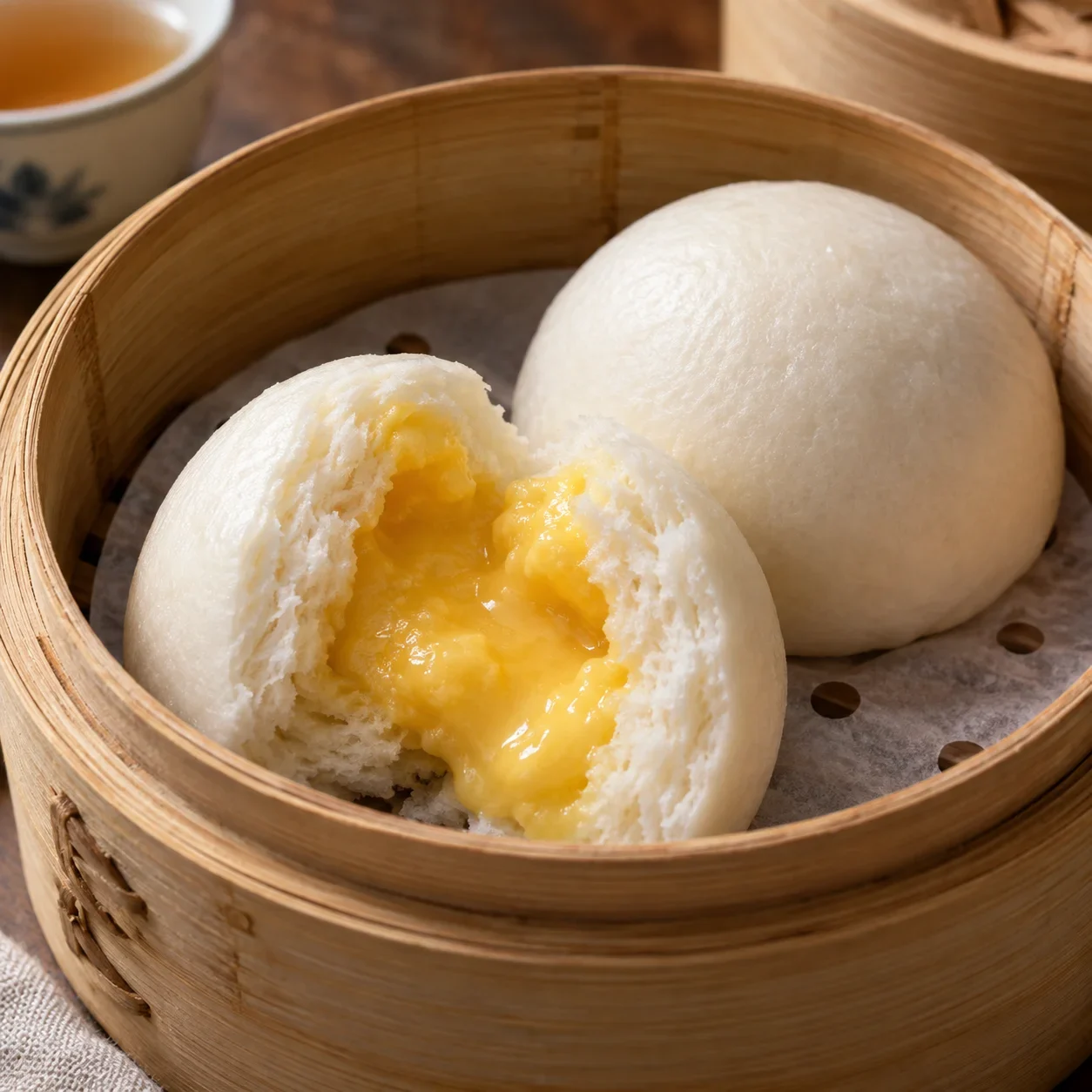
Chinese food with kids: choose by texture as well as flavor
Build a family food shortlist with familiar textures, clear fillings and adjustable seasoning. Understand what a kid-friendly label can and cannot tell you.
Read the story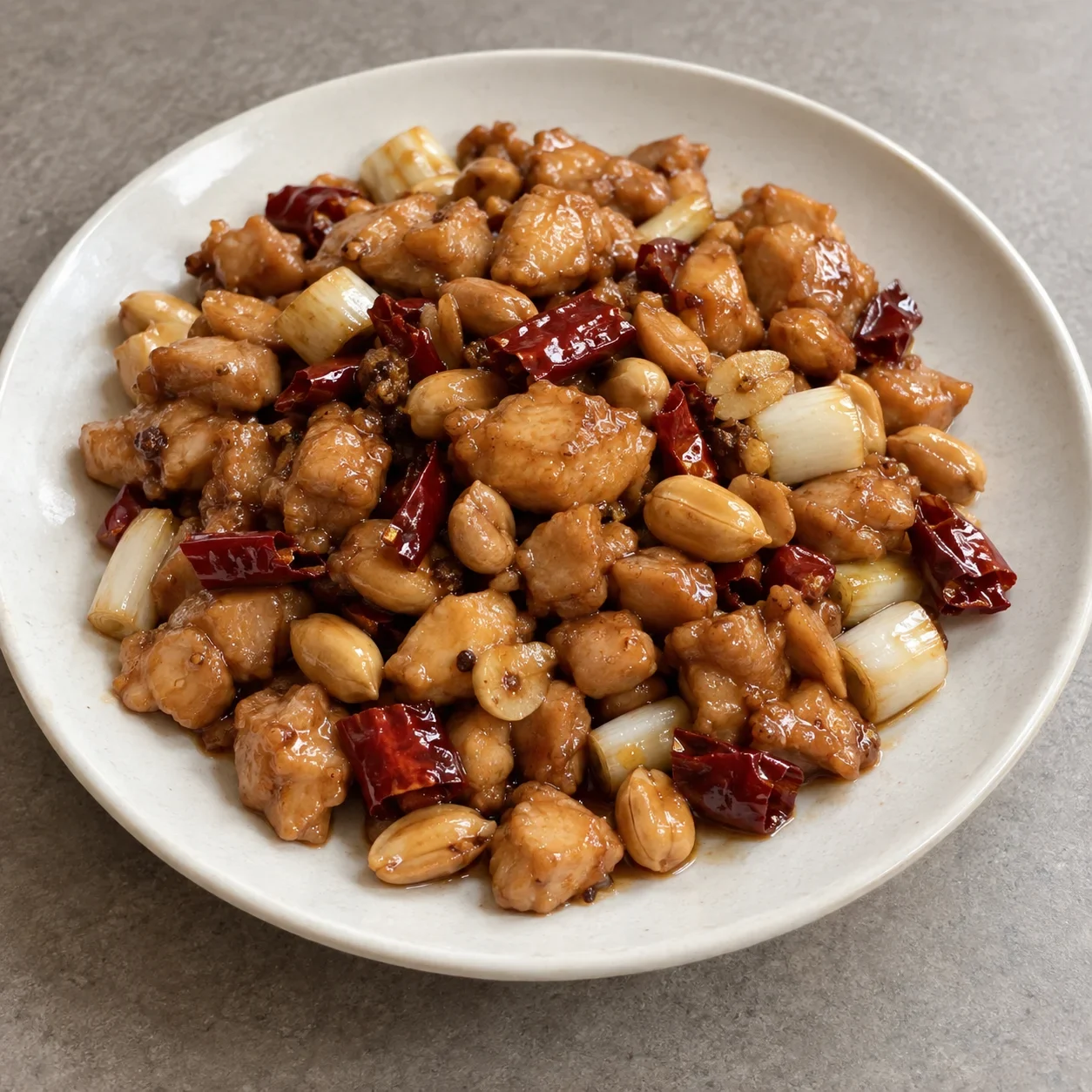
Is Chinese food spicy? How to ask for the heat you want
Understand chili heat, Sichuan pepper and mild-ordering phrases. Learn why ‘less spicy’ may not remove chili from a prepared sauce.
Read the story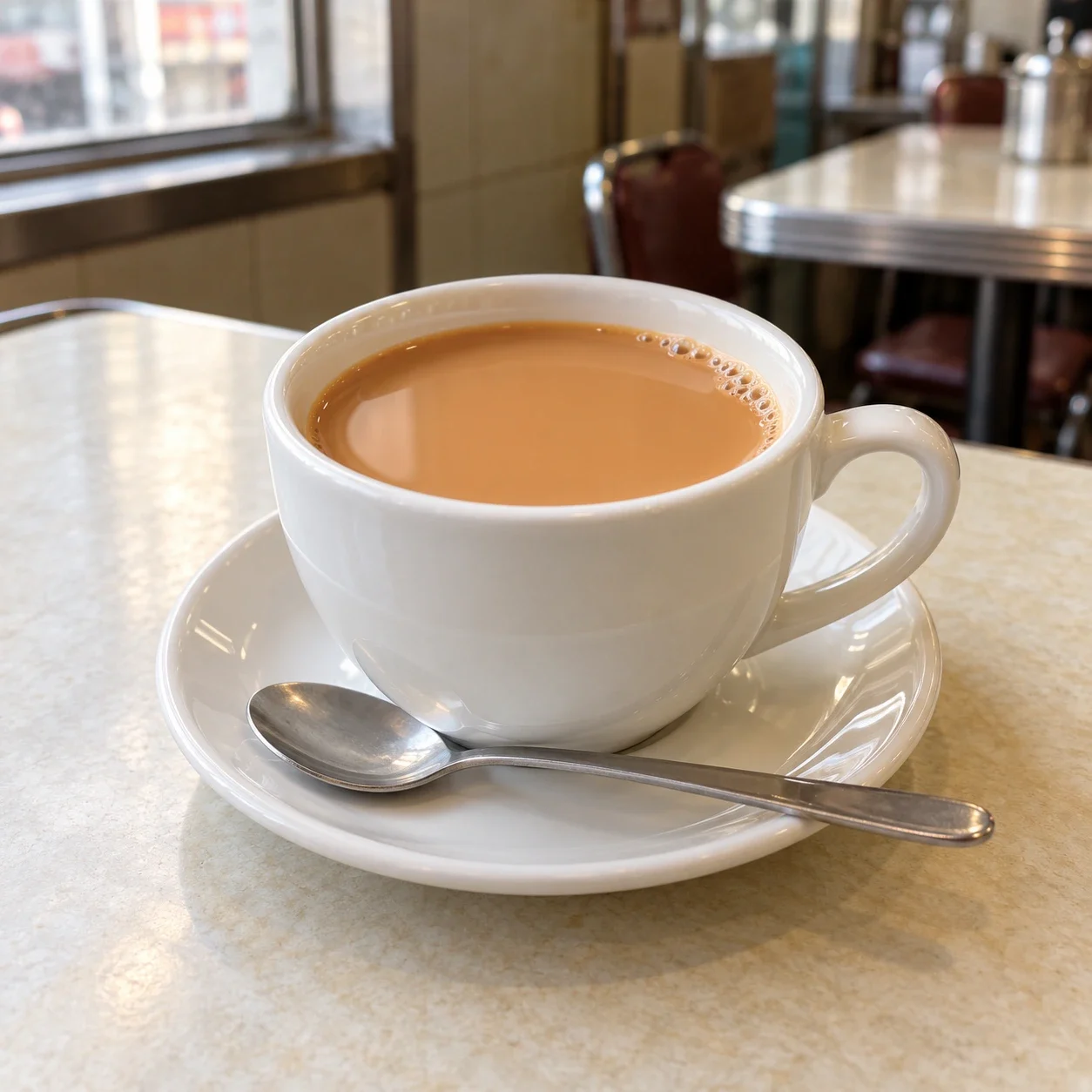
Chinese tea and drinks: choose what you want in your cup
Start exploring Chinese tea, understand Longjing and jasmine tea, and compare brewed tea with a sweet-tart sour plum drink before ordering.
Read the storyChinese street food: choose the bite behind the name
Understand fillings, portions and seasoning before choosing Chinese snacks and small dishes. Make a practical food shortlist without relying on a crowd or photograph.
Read the storyPlan a China food trip around dishes you want to try
Build a flexible China food shortlist by region, save Chinese dish names and make room for different textures, drinks and dietary needs.
Read the story
Shanghai 3-Day Itinerary: Sights, Routes & Local Food
Plan three full days in Shanghai: Yu Garden and the Bund, a Pudong museum day, Wukang Road, local meals and practical closure-day swaps.
Read the story
Hong Kong 3-Day Itinerary: Harbour, Neighbourhoods & Food
Three full days in Hong Kong: Central and the Peak, a harbour crossing to Tsim Sha Tsui, then Sham Shui Po and Mong Kok, with meals along the way.
Read the storyChoose your mealChina entry preparation: from official checks to your first meal
Start with your passport, purpose of travel, arrival route and dates. Check the responsible official authority before making non-refundable plans, then organize your arrival day around transport, rest and one easy meal.
Read the story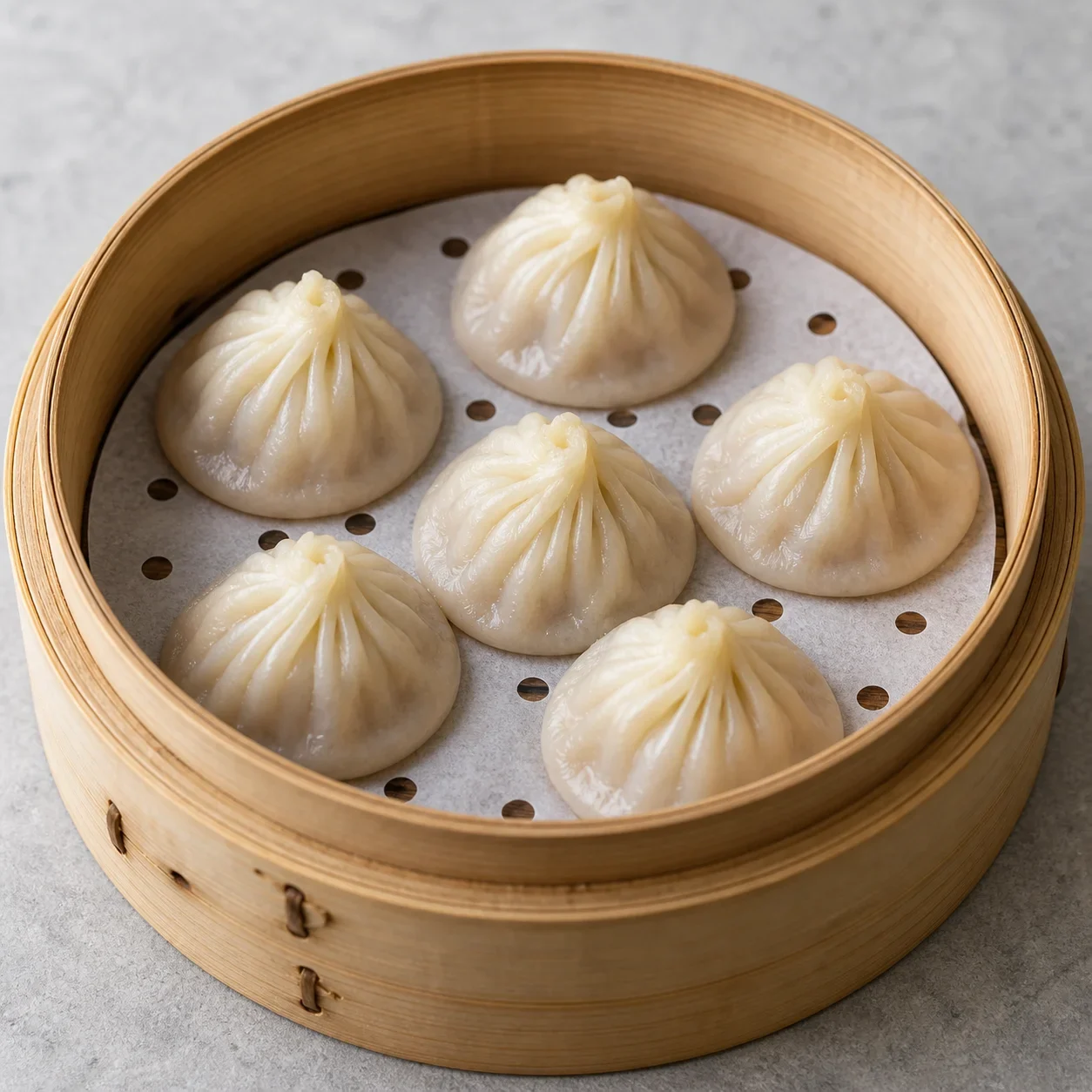
How to use chopsticks: a practical first-meal guide
Keep the lower chopstick still and move the upper one. Practice opening and closing the tips before picking up food; a relaxed grip works better than squeezing hard.
Read the story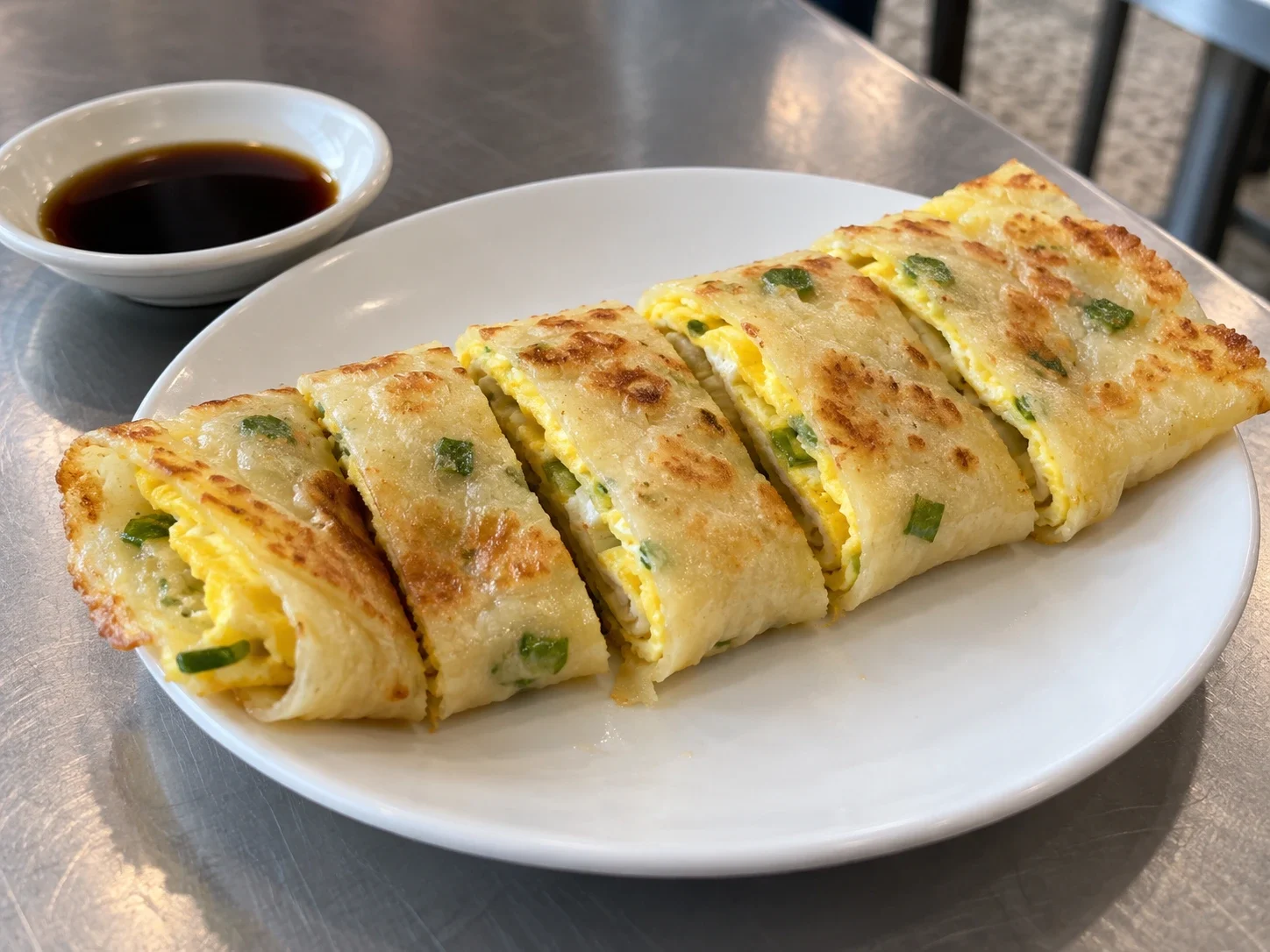
Taiwan travel planning: choose a base and build meals into your route
For a short first visit, choose a base rather than trying to circle Taiwan. Taipei works as a starting point for a city stay: combine one daytime area with one evening food stop, then add other cities only when you have time for the transfer.
Read the story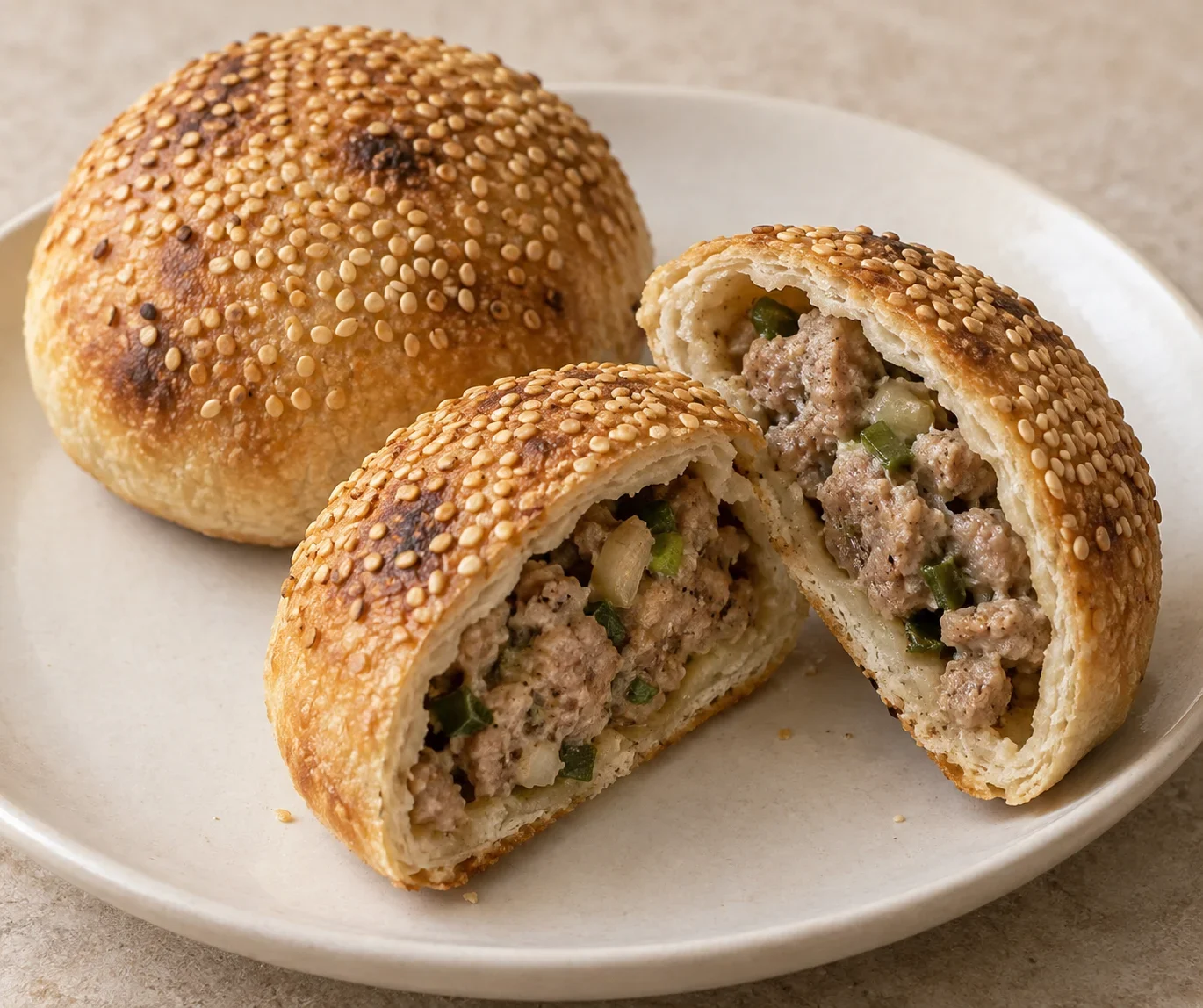
Taiwan night markets: choose one evening route, not a checklist
Start with the city where you will sleep. A night market is an evening food stop, so compare the route back, weather and how much walking you want before choosing one. The two Taipei examples below offer a concrete starting point; they are not a ranking of every market in Taiwan.
Read the storyRaohe Night Market: a Songshan walking and eating plan
Build the evening around Songshan, Ciyou Temple and Raohe Street. Arrive with room for a small meal, walk before choosing, and keep the return route simple.
Read the story
Taipei 101 visit planning: tickets, arrival and the meal afterward
Decide whether you want the observatory or simply time in Xinyi. An observatory visit needs a ticket decision and a weather check; a neighborhood walk gives you more flexibility. Use the building's official information for the current visitor entrance.
Read the storyKEEP EXPLORING