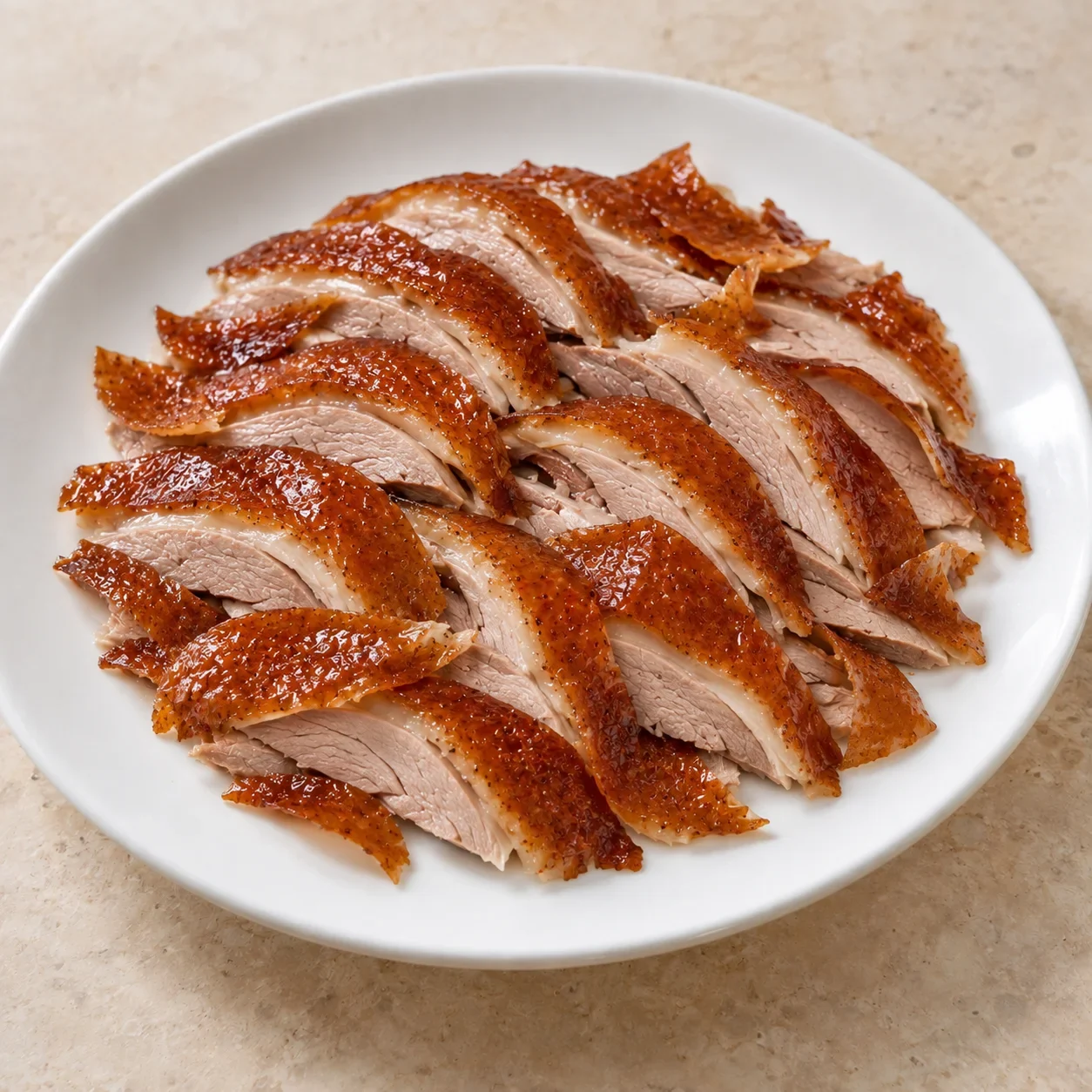
Choose your first meal
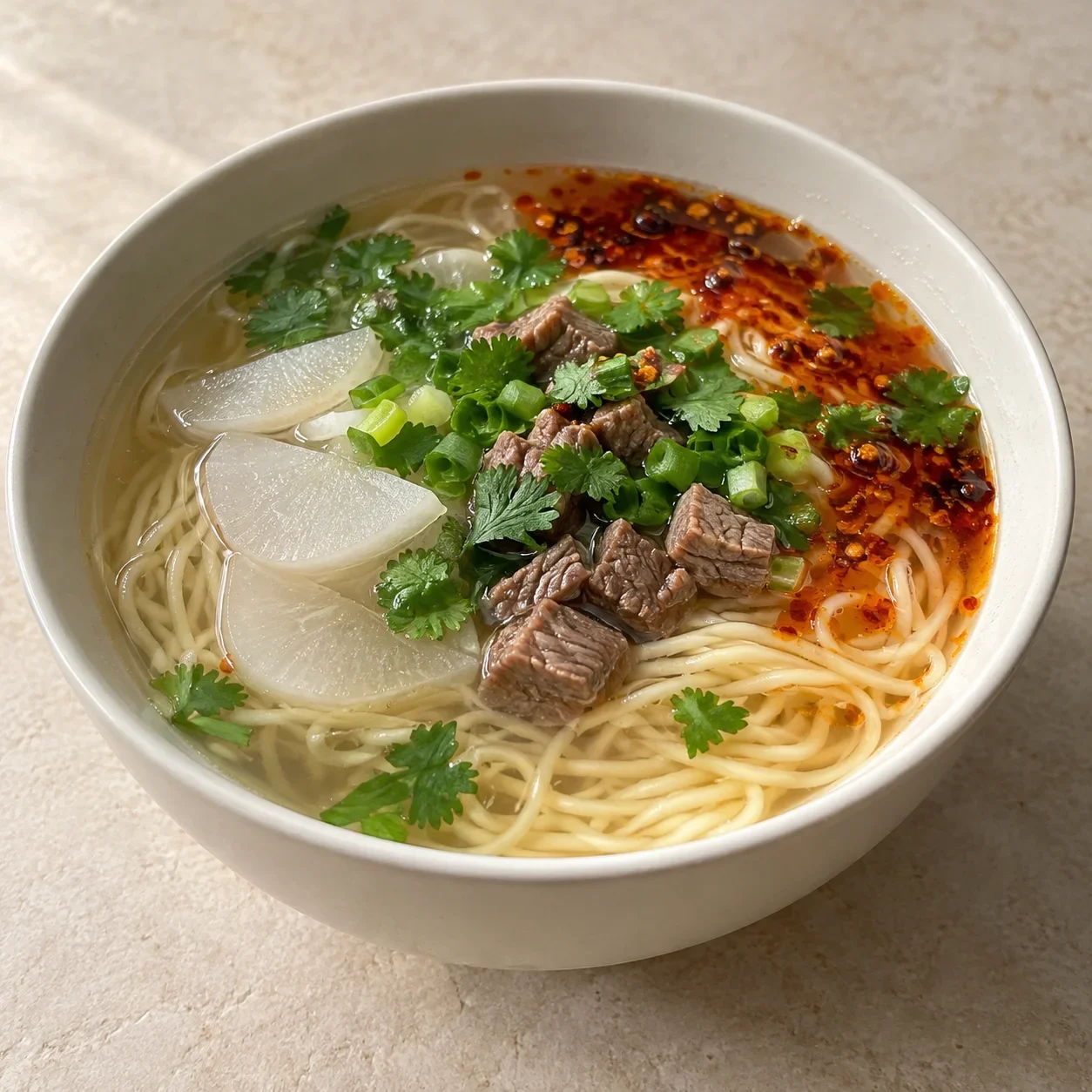
- On your own? Start with a noodle bowl whose broth and toppings appeal to you.
- Sharing a table? Choose a main dish, a contrasting plate and a staple.
- For one new discovery, save a regional dish and its Chinese name alongside a familiar backup.
Choose a meal, not a national top-ten list
A bowl of noodles and a shared roast-duck meal solve different problems. For lunch on your own, start by browsing noodles or another single-bowl dish. With friends, choose a few contrasting plates: something rich, something lighter and a staple to eat alongside them.
Your route is the useful filter. In Beijing, explore roast duck and local snacks. In Shanghai, look at soy-braised dishes. In Guangdong, compare roast meats, wonton noodles and steamed buns. Start with the region on your route, then use the Chinese name to look for a dish on the menu.
Read past the translated name
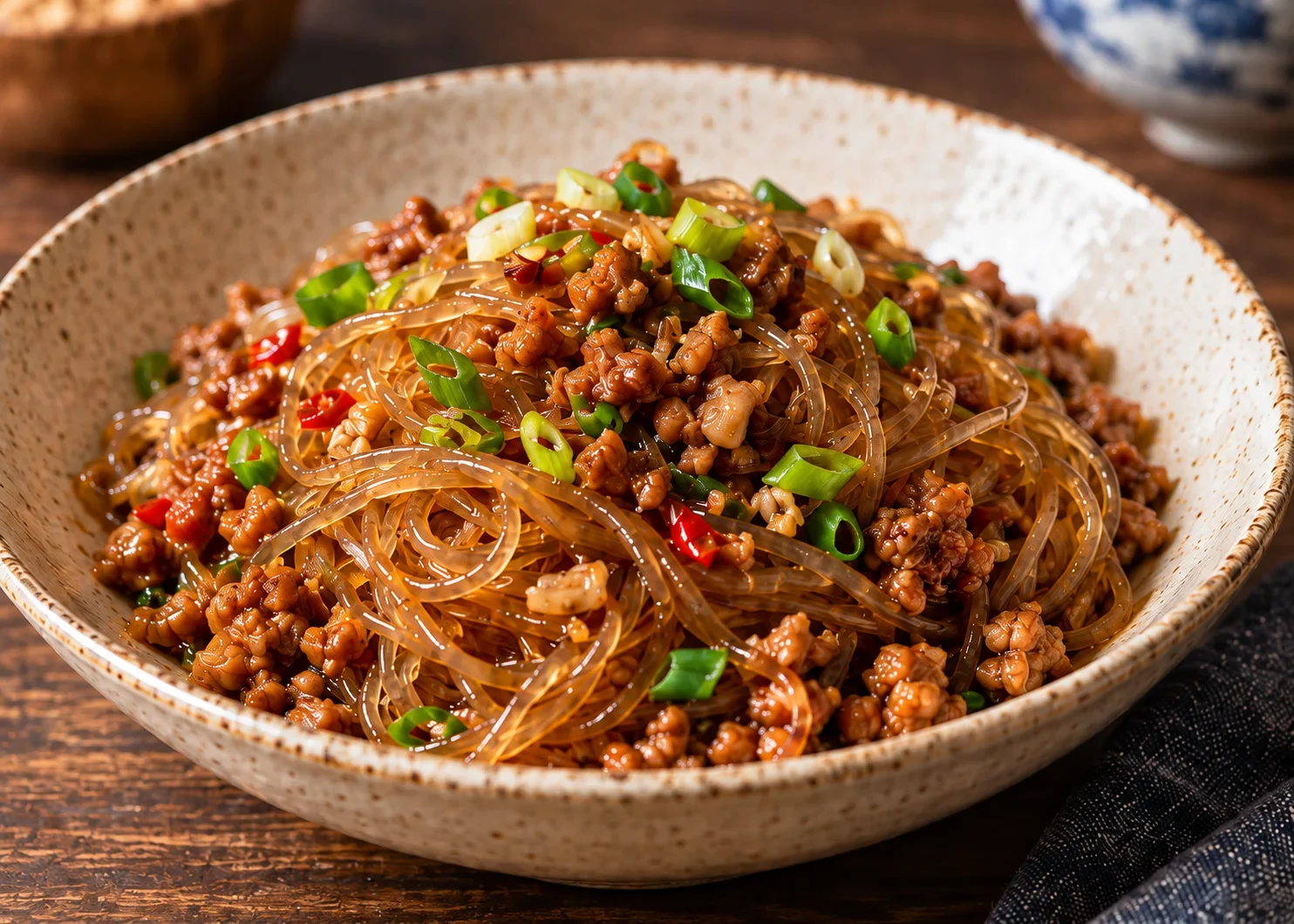
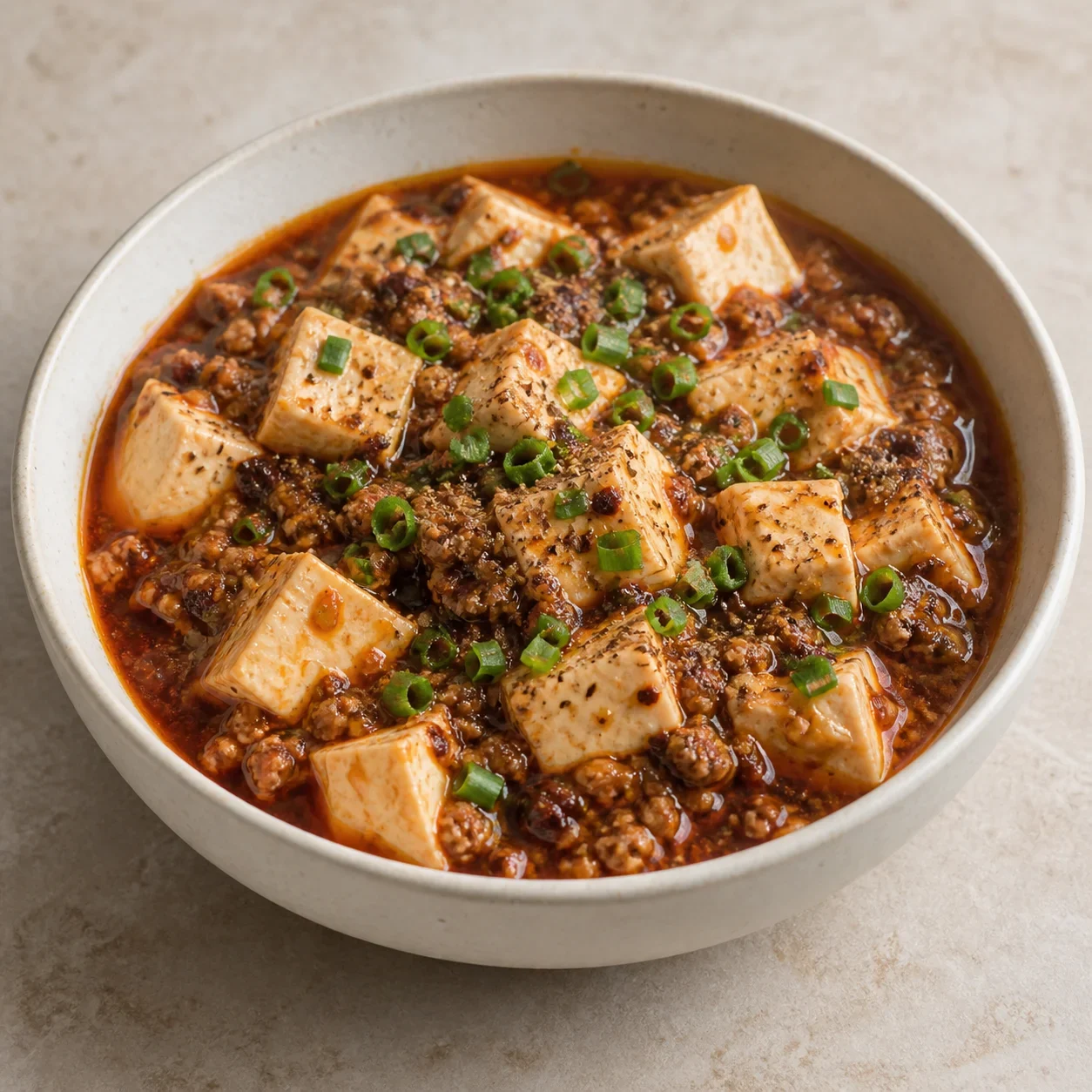
Ants climbing a tree is glass noodles with minced pork, not insects. A familiar word can also mislead: tofu does not mean a dish is vegetarian, and a vegetable in the title does not describe every ingredient in the sauce.
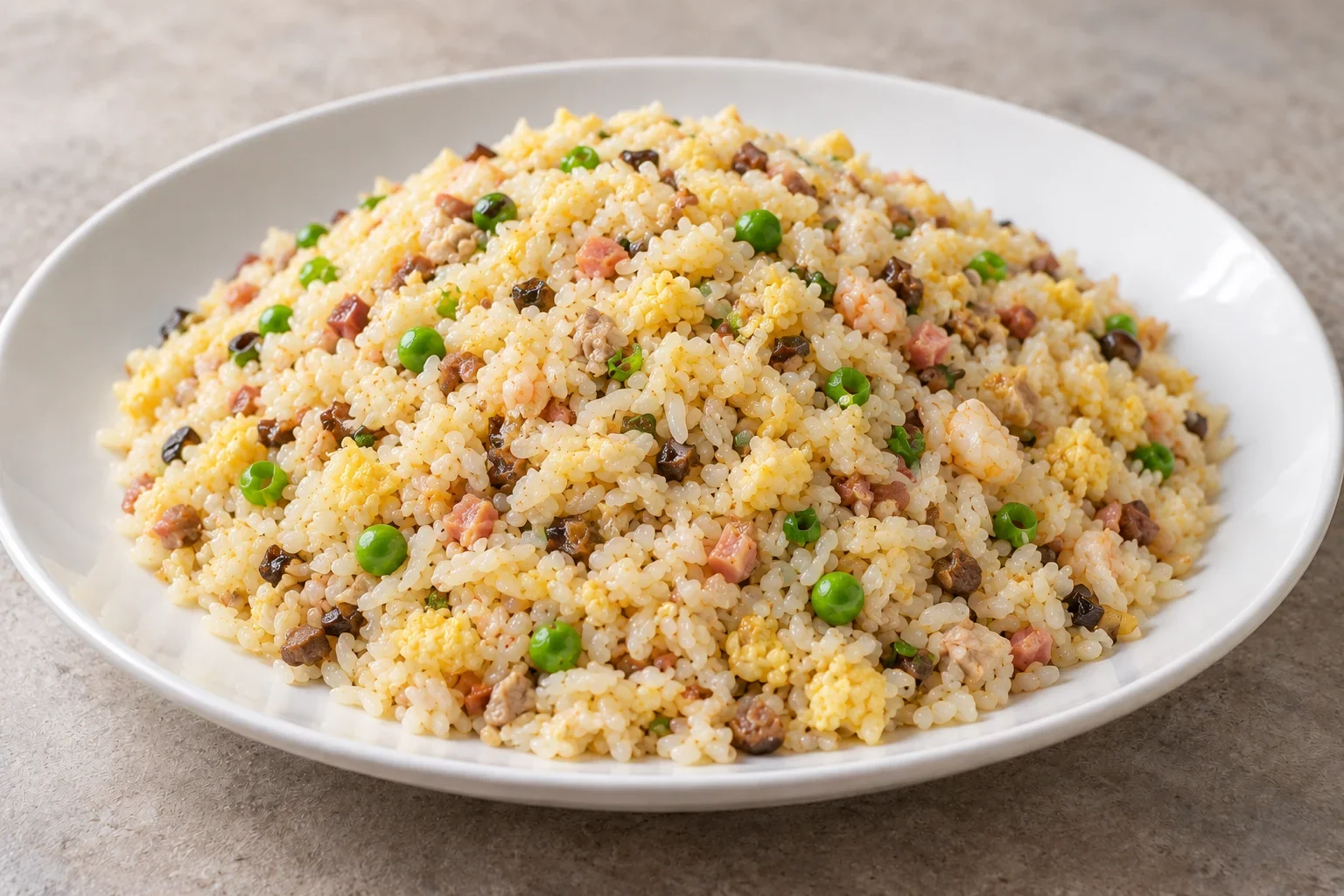
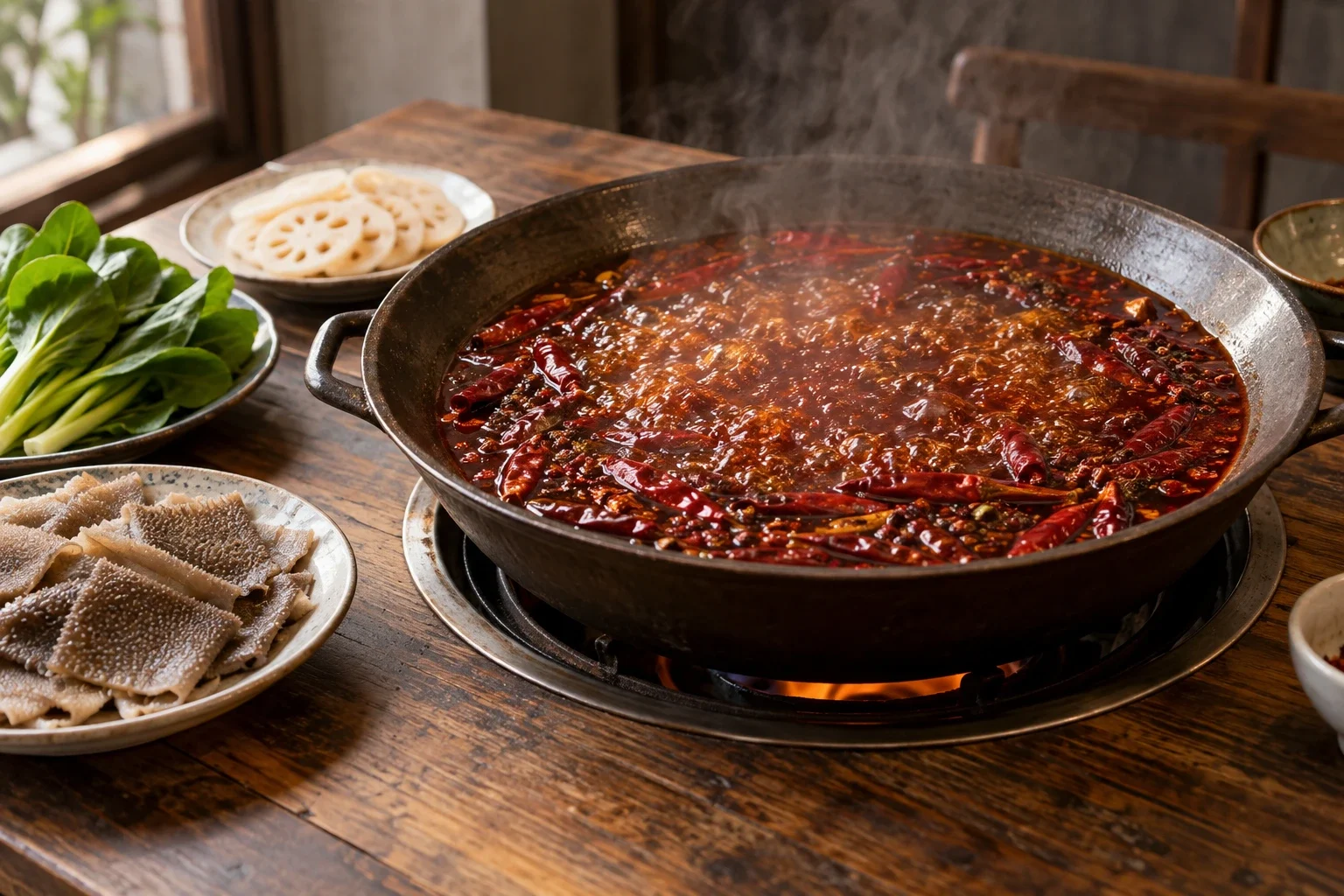
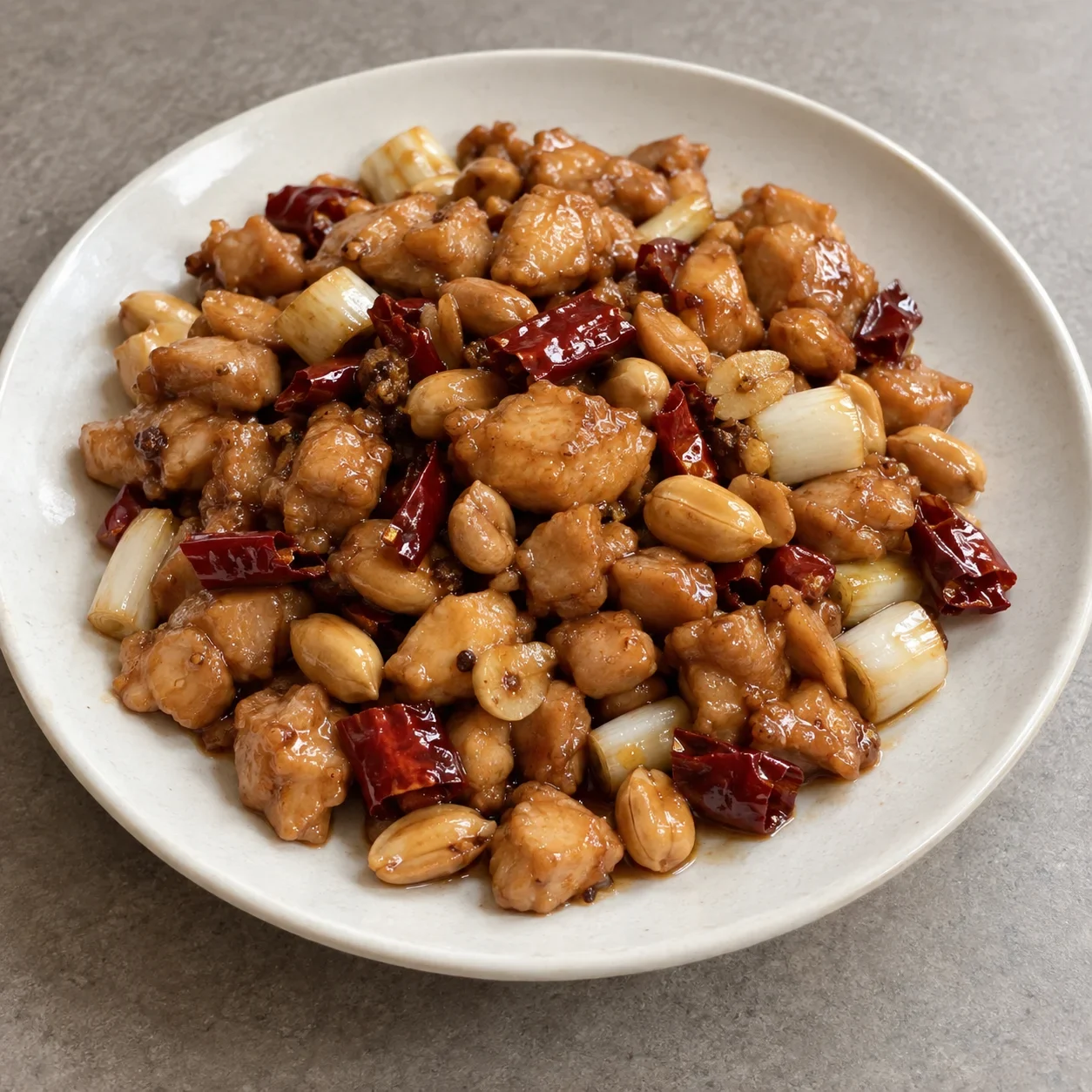
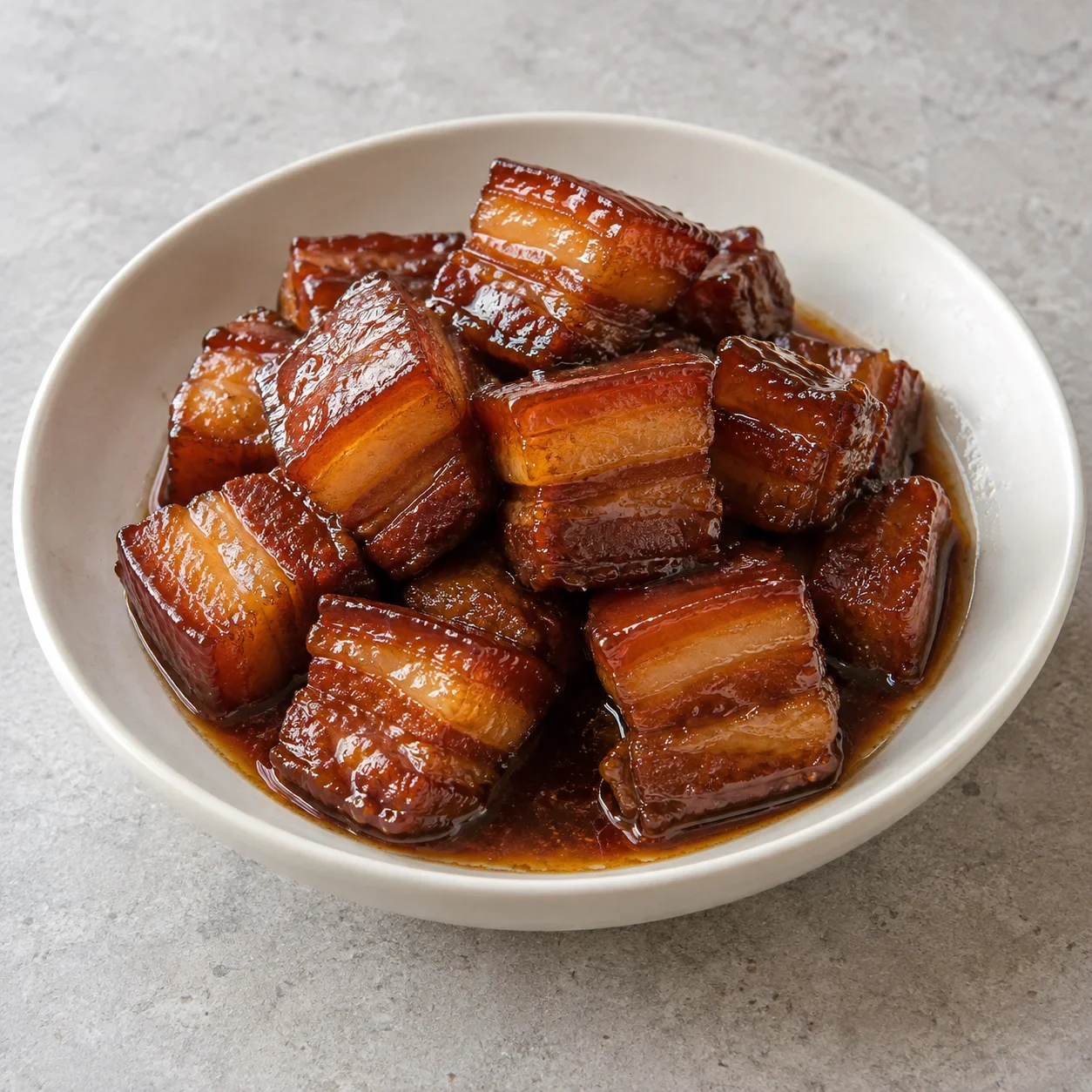
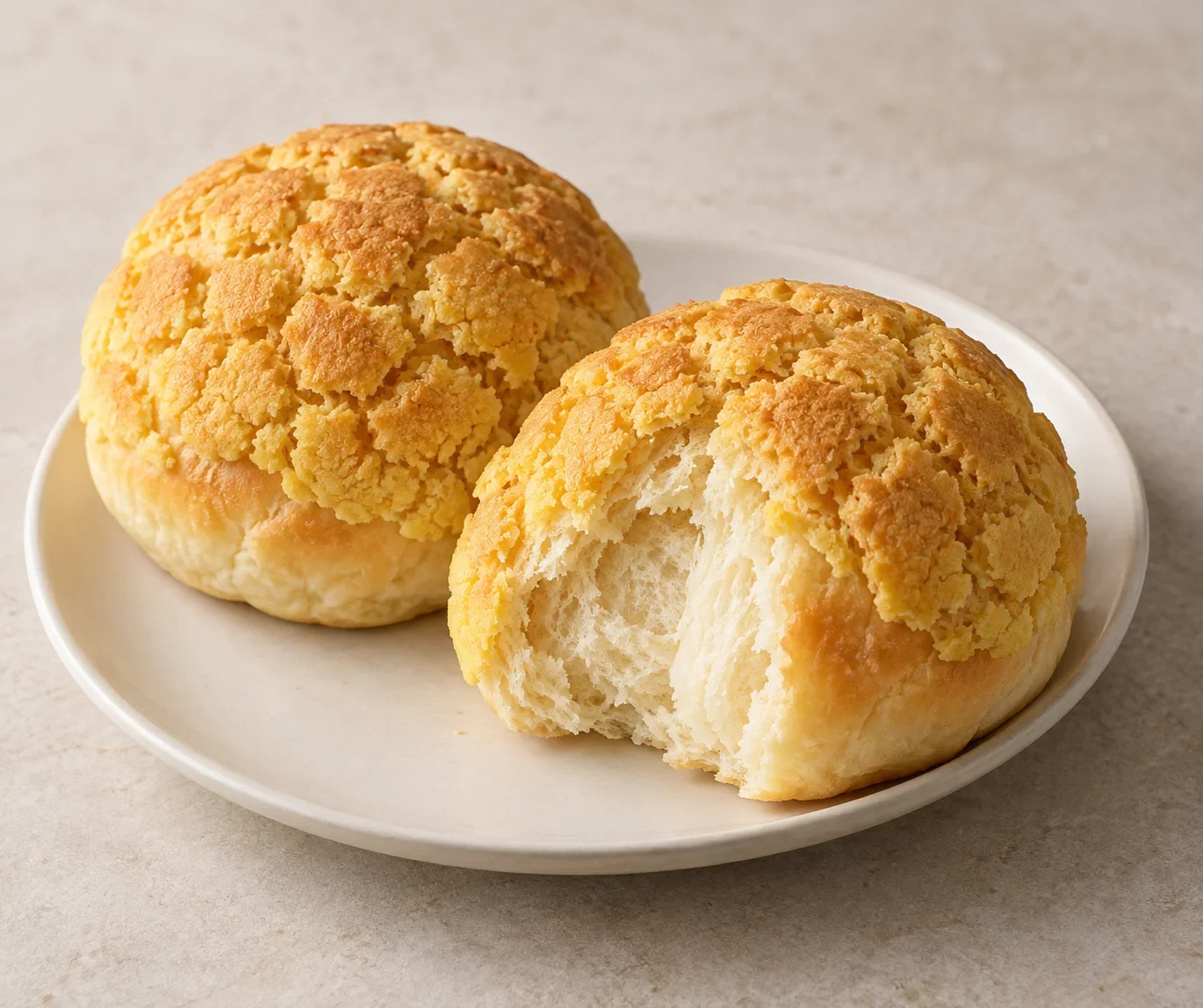
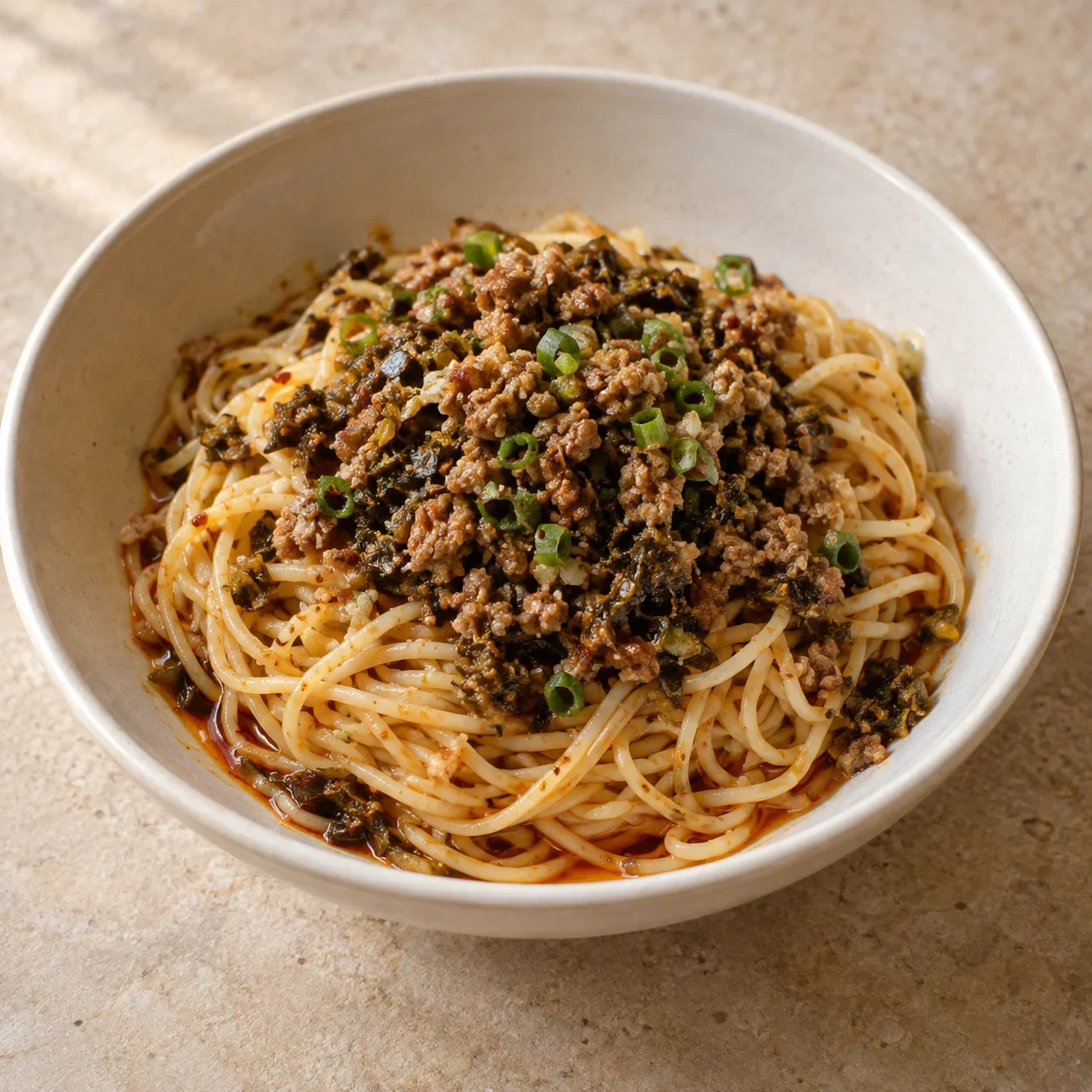
Check four things: the main ingredient, how it is cooked, the texture and the seasoning. If one matters especially to you—pork, peanuts, seafood or chili—ask about that directly. A photograph helps you recognize a style of dish, but cannot confirm a restaurant’s recipe.
Make a shortlist you can actually use
Save three possibilities for each stop: a dish you already like the sound of, a regional specialty and a backup. Keep the Chinese names together with your notes. You can then compare them with a real menu instead of searching again at the table.
Use the examples below to start exploring. Use them to compare different kinds of meals. Portion sizes, accompaniments and recipes vary, so confirm what an order includes before deciding how much to buy.
Understand food through the meal
Start with what is on the menu: the staple, cooking method, filling and portion. Compare regional dishes without treating one city's food as representative of every household. For shared meals, ask about serving size and dietary needs before ordering, then use the dish pages to understand unfamiliar names.
Before you order
- Choose the region you will actually visit.
- Compare the ingredient and texture, not just the photograph.
- Ask about chili and any ingredients you avoid.
- Save the Chinese name and one backup dish.
Phrases to show at the table
这道菜主要用什么食材?
What are the main ingredients in this dish?
这道菜辣吗?
Is this dish spicy?
Turn curiosity into a shortlist.
Pick one food you are curious about and keep its Chinese name with your notes. Use the questions above when you compare it with a restaurant menu.
Browse food by region