At the table
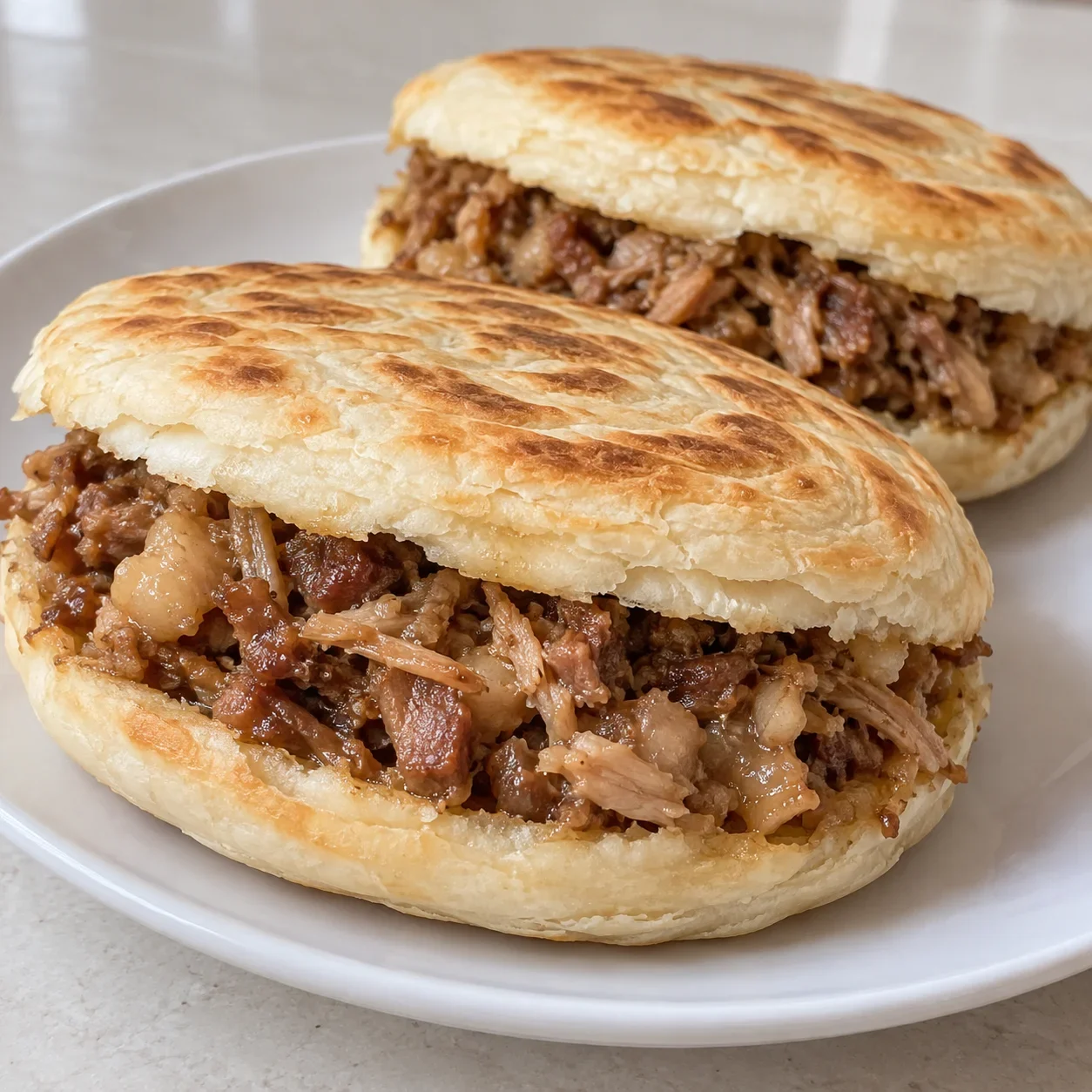
Hold it over a wrapper or plate because the chopped filling and juices may fall out. Ask “这是猪肉的吗?” (“Is this pork?”) to confirm the meat before ordering.
Contains pork, wheat and soy sauce; not vegetarian or vegan. The braise uses cooking wine, so do not assume it is alcohol-free. Bread can be chewy and the filling hot; cut into manageable pieces for children who can handle this texture.
This plain pork version has no chili in the braise. Chili may be added separately; confirm before ordering. Seasonings and bread vary; Tongguan’s crisp bread is a different style.
GET TO KNOW THE DISH
What goes into it?
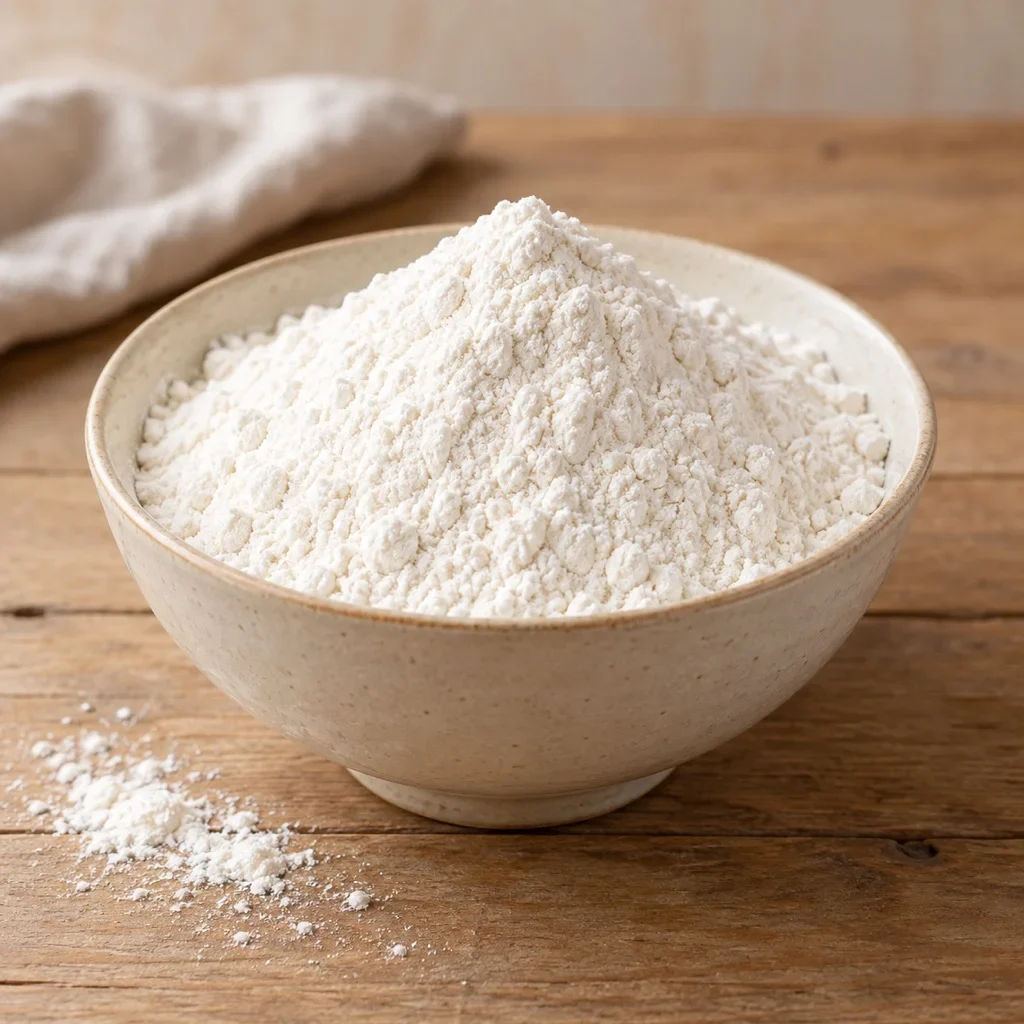
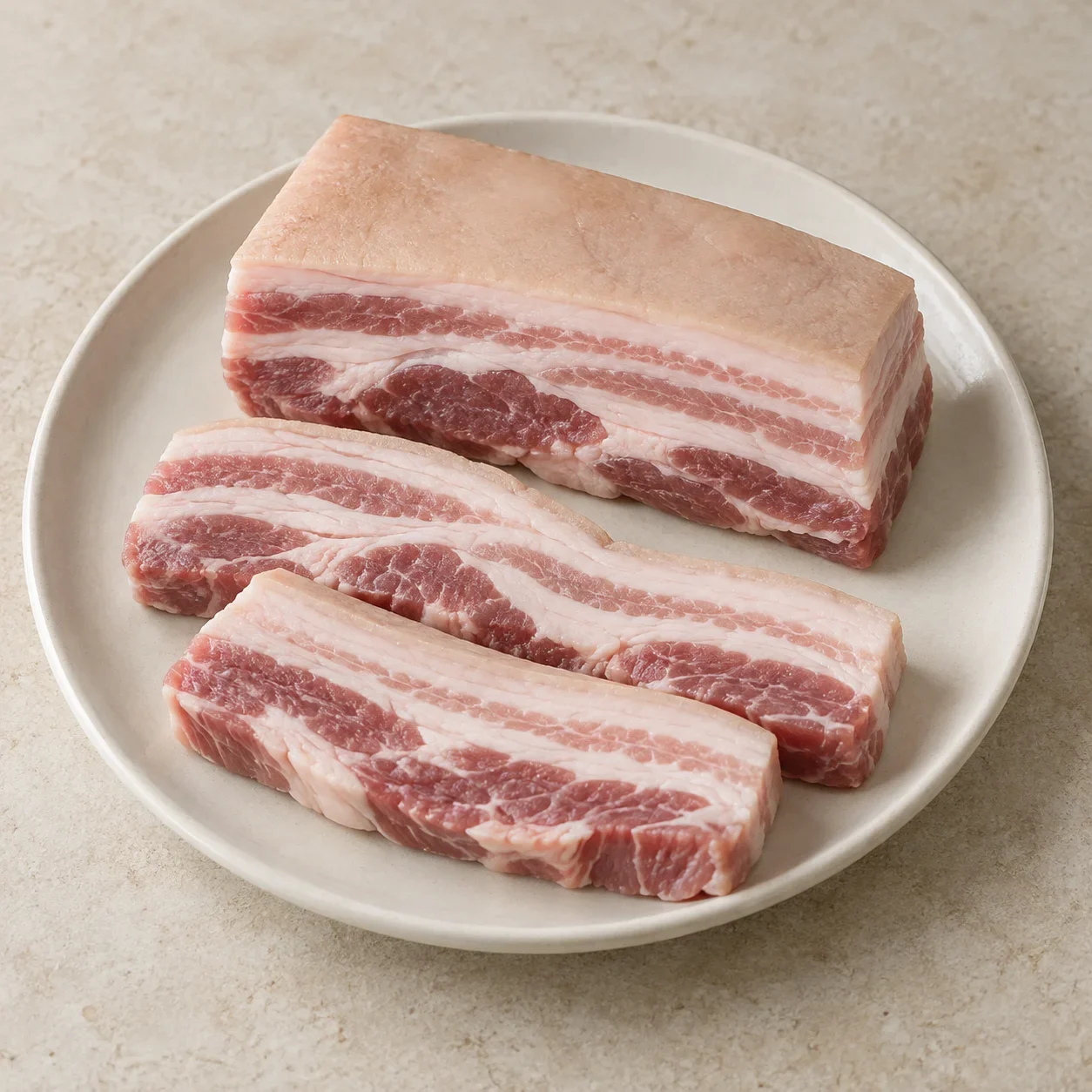
Explore some key ingredients below. Preparations may use additional seasonings and ingredients.
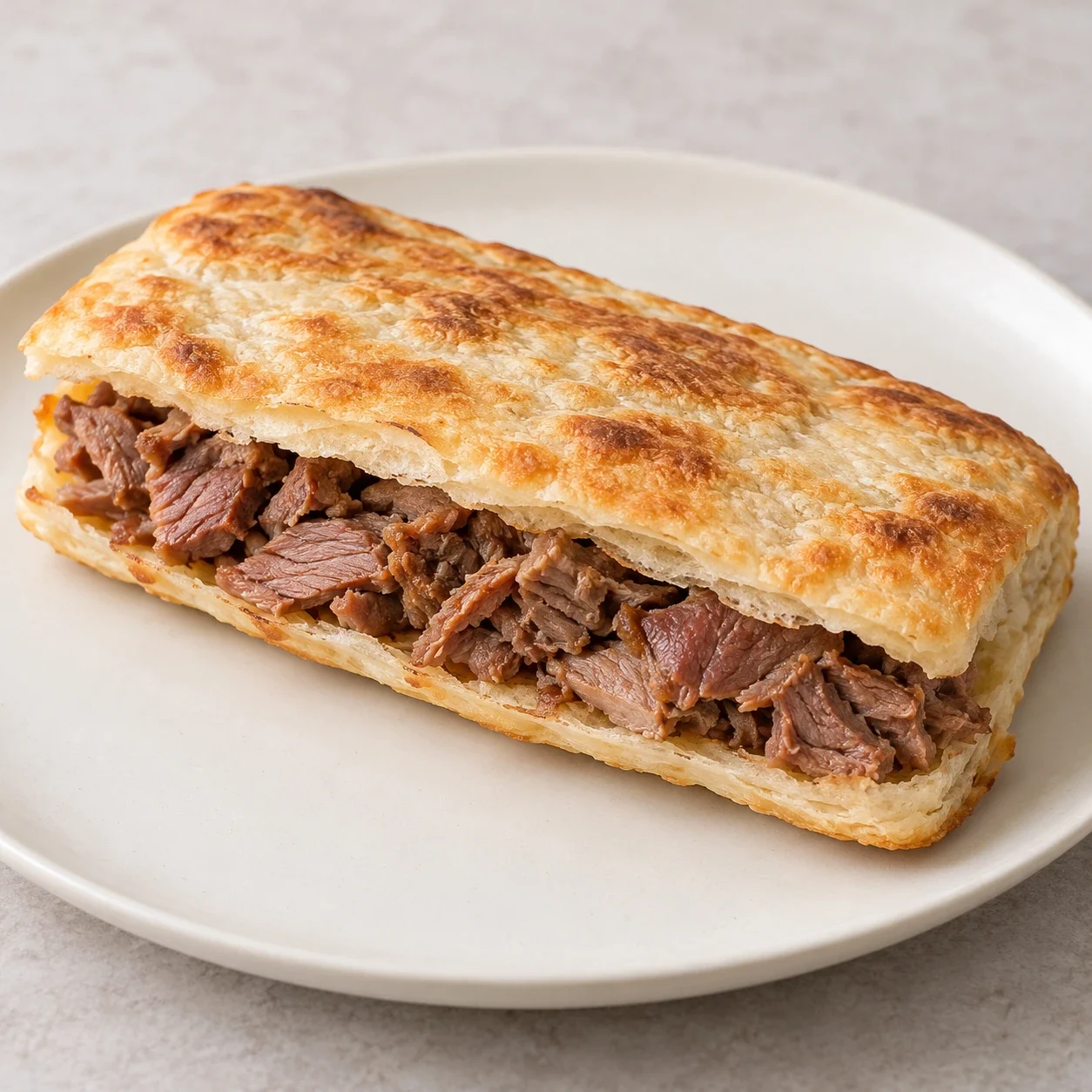
Tongguan-style roujiamo has a crisp bread; bread styles vary across the wider roujiamo family.
Typical ingredients

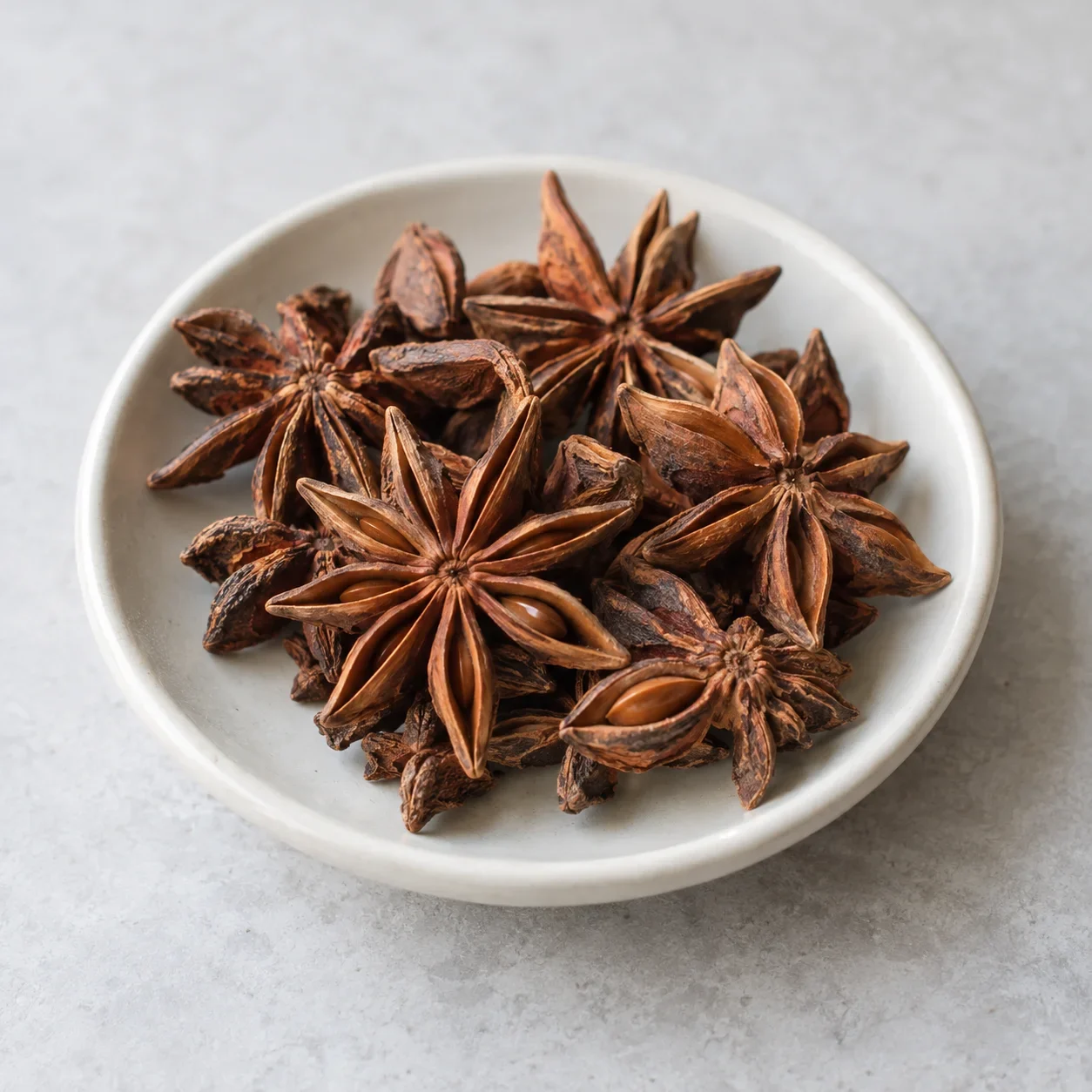
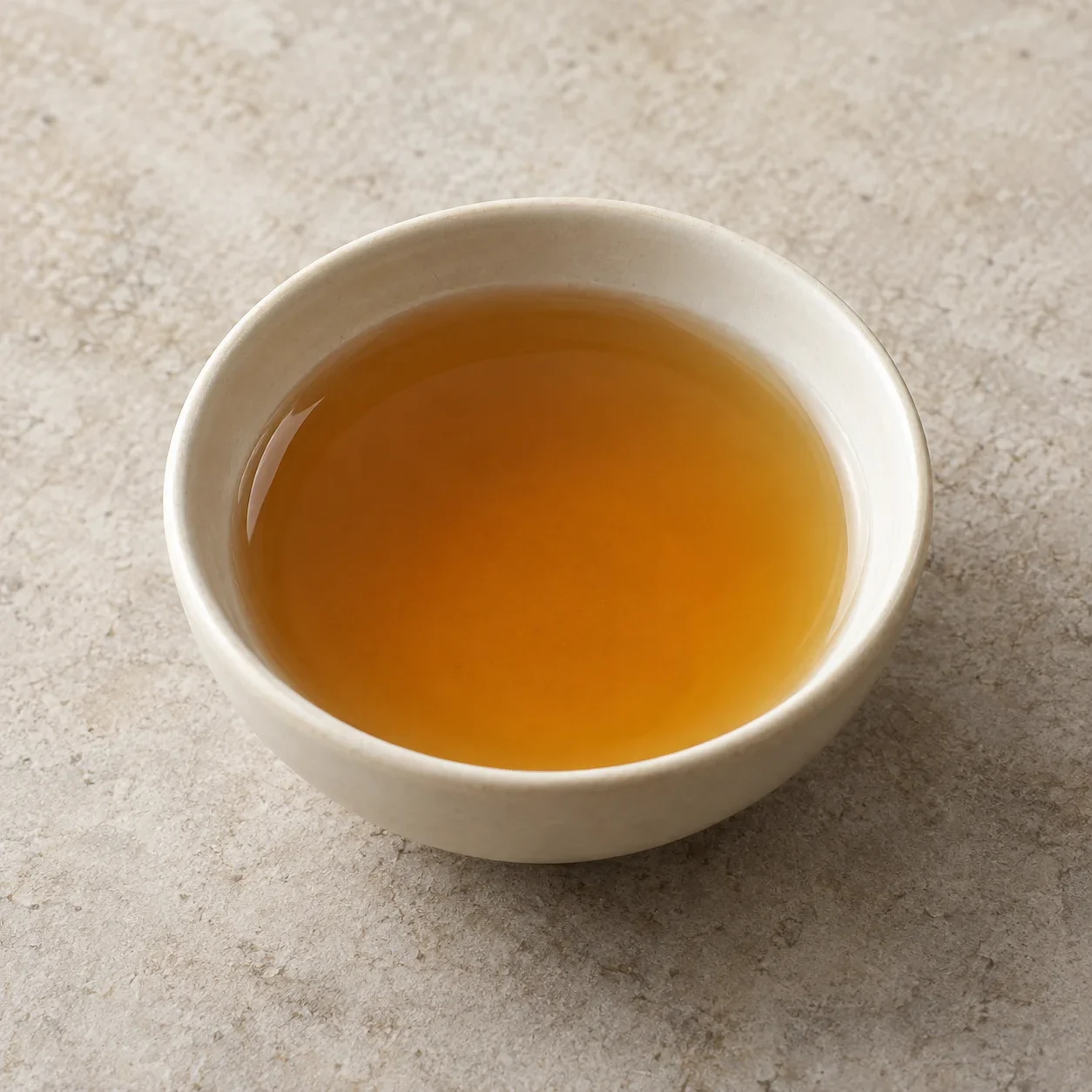
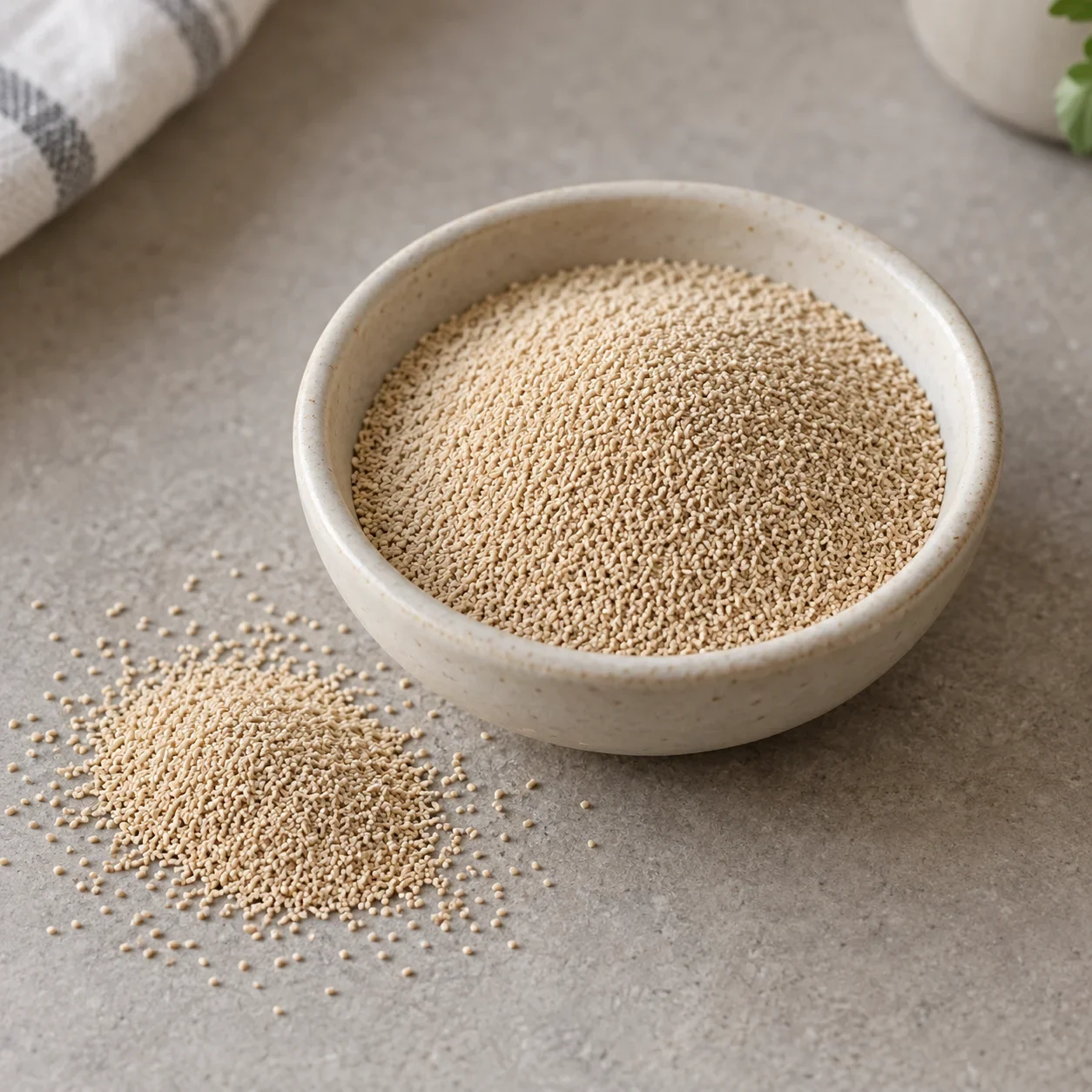
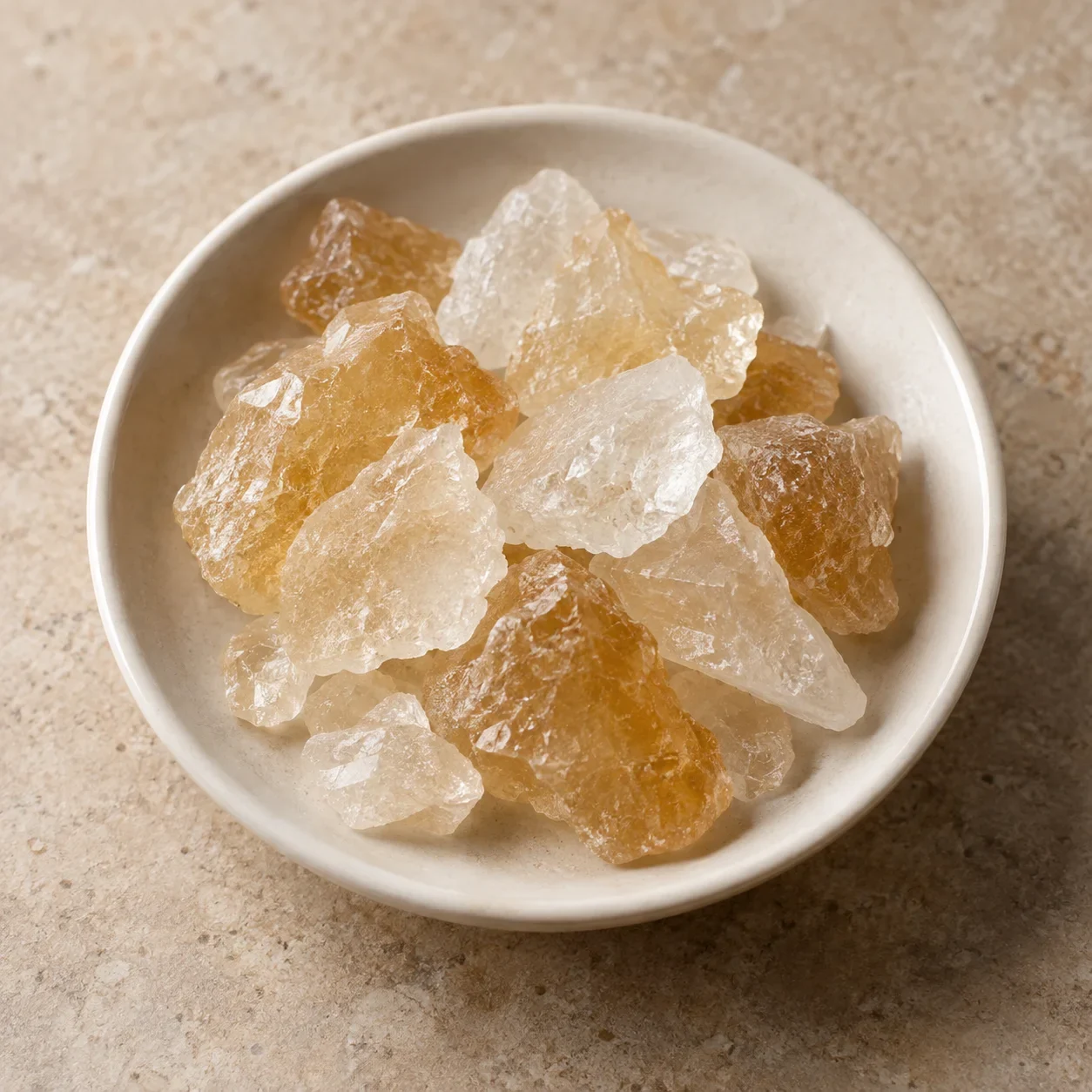

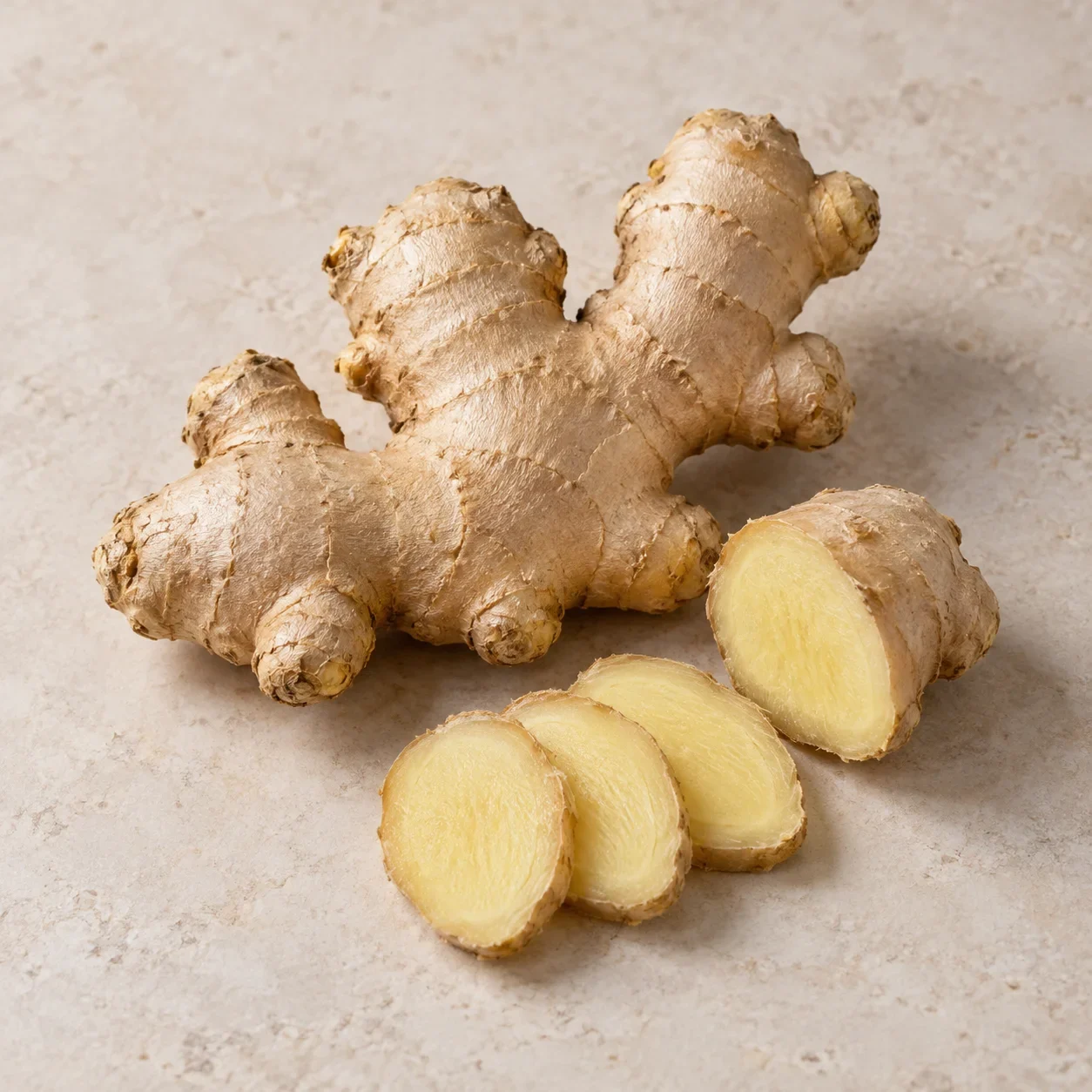
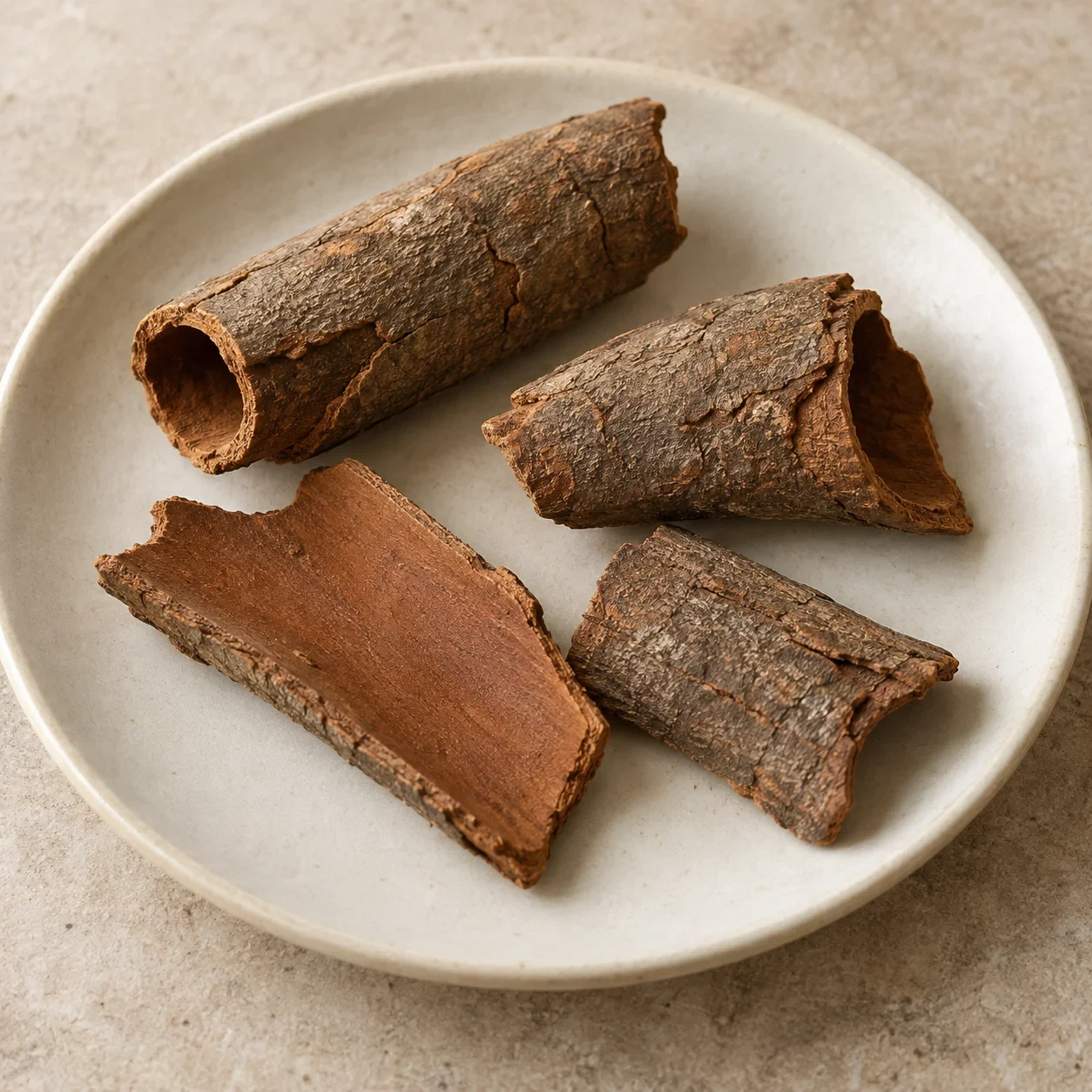
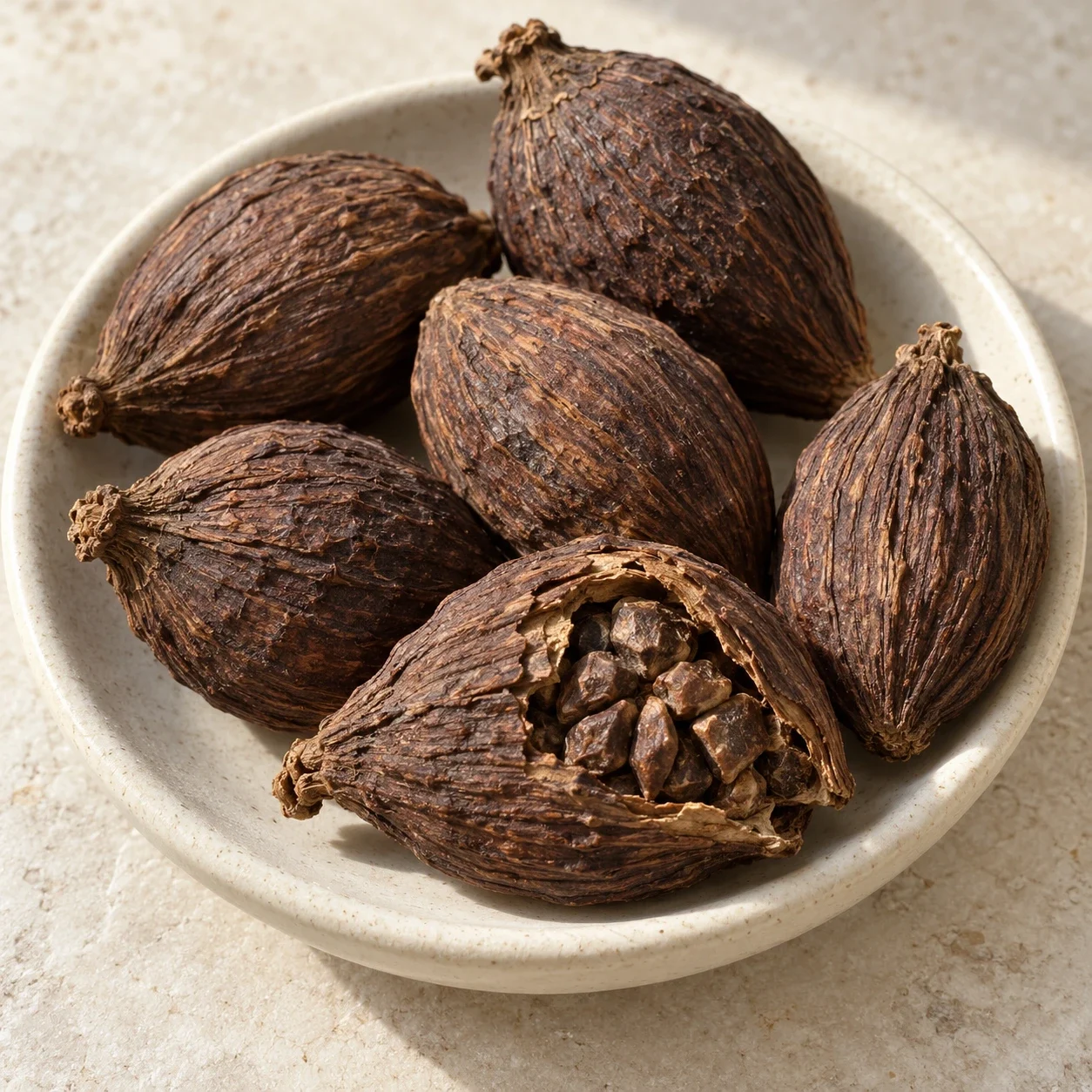
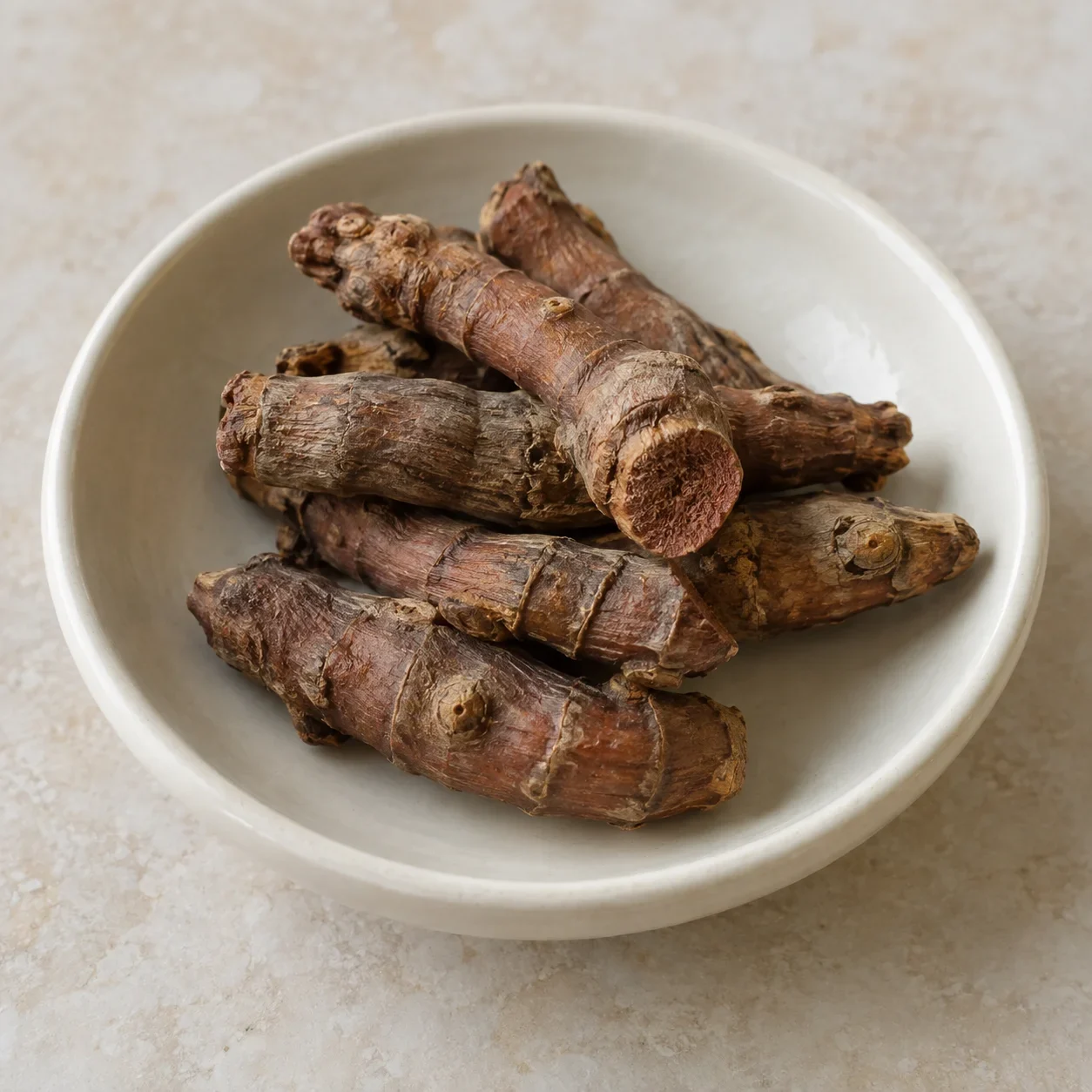
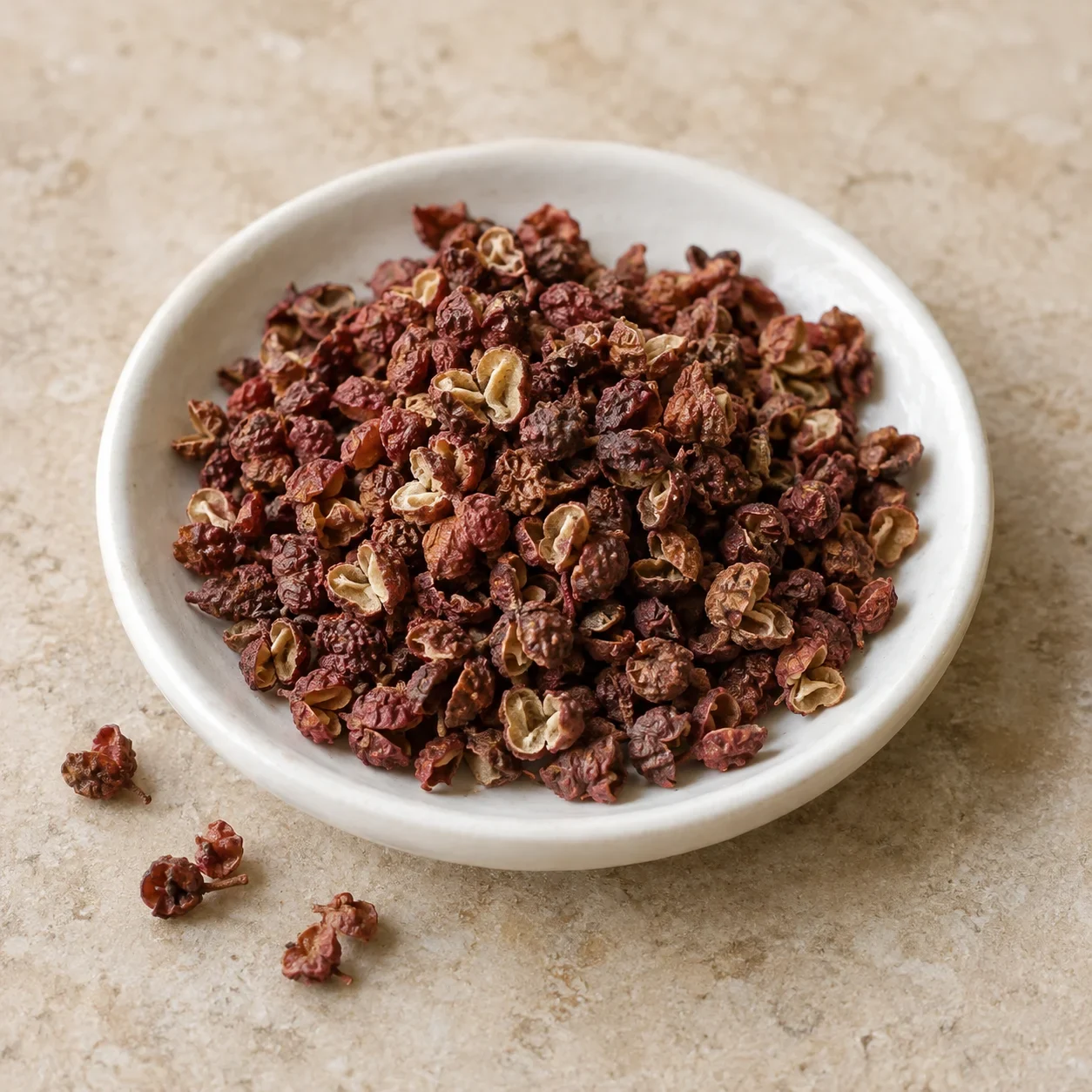
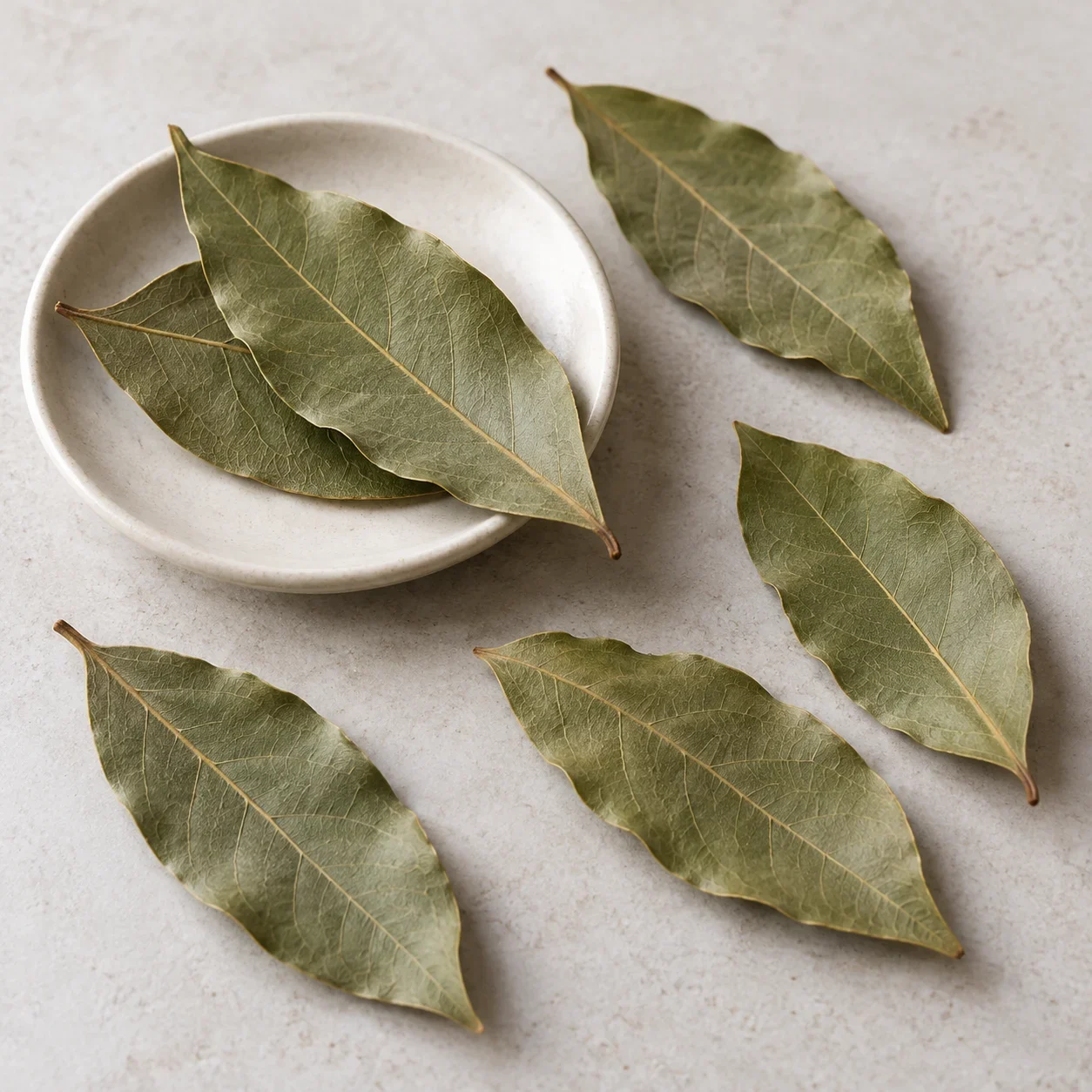

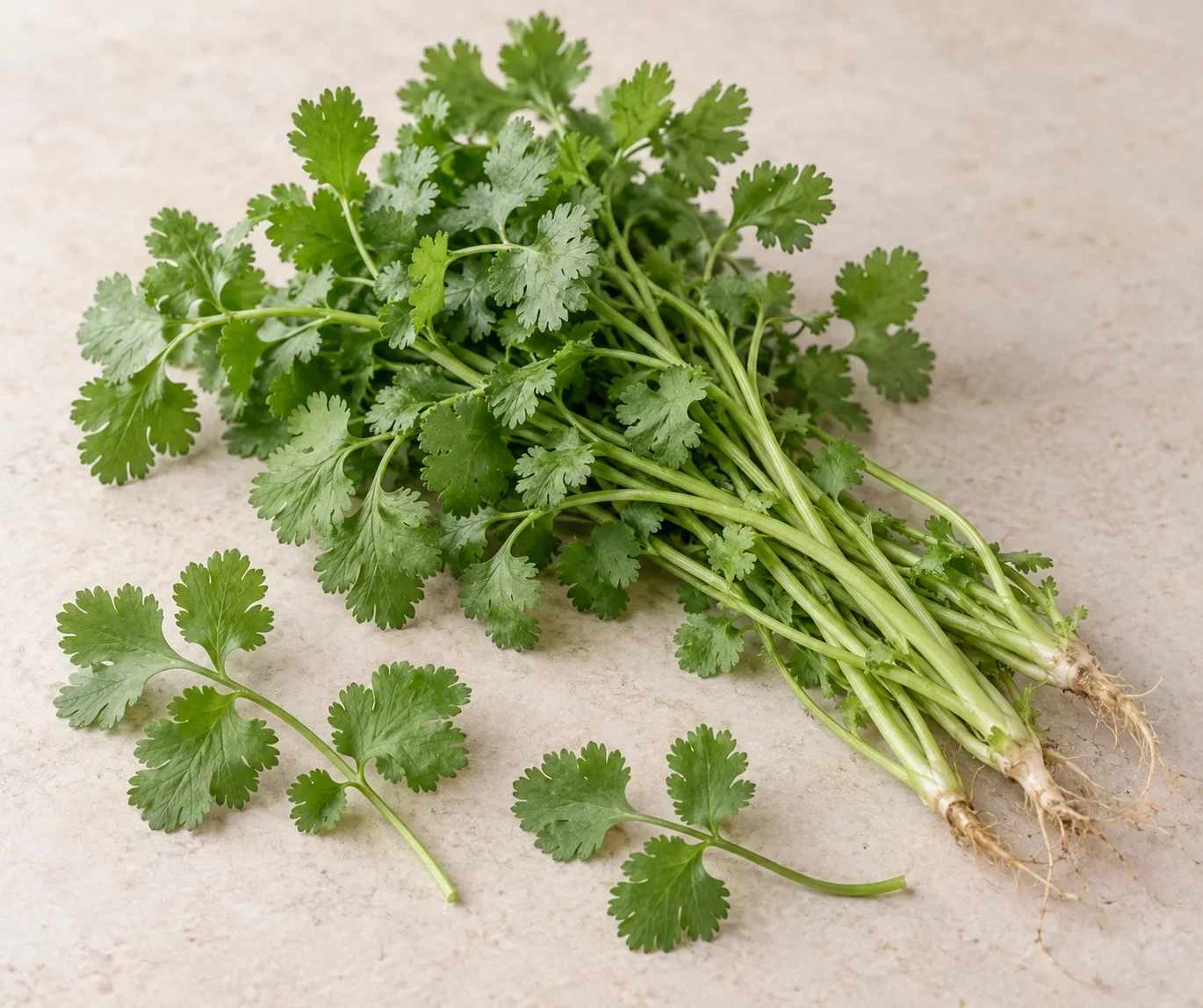
In some versions

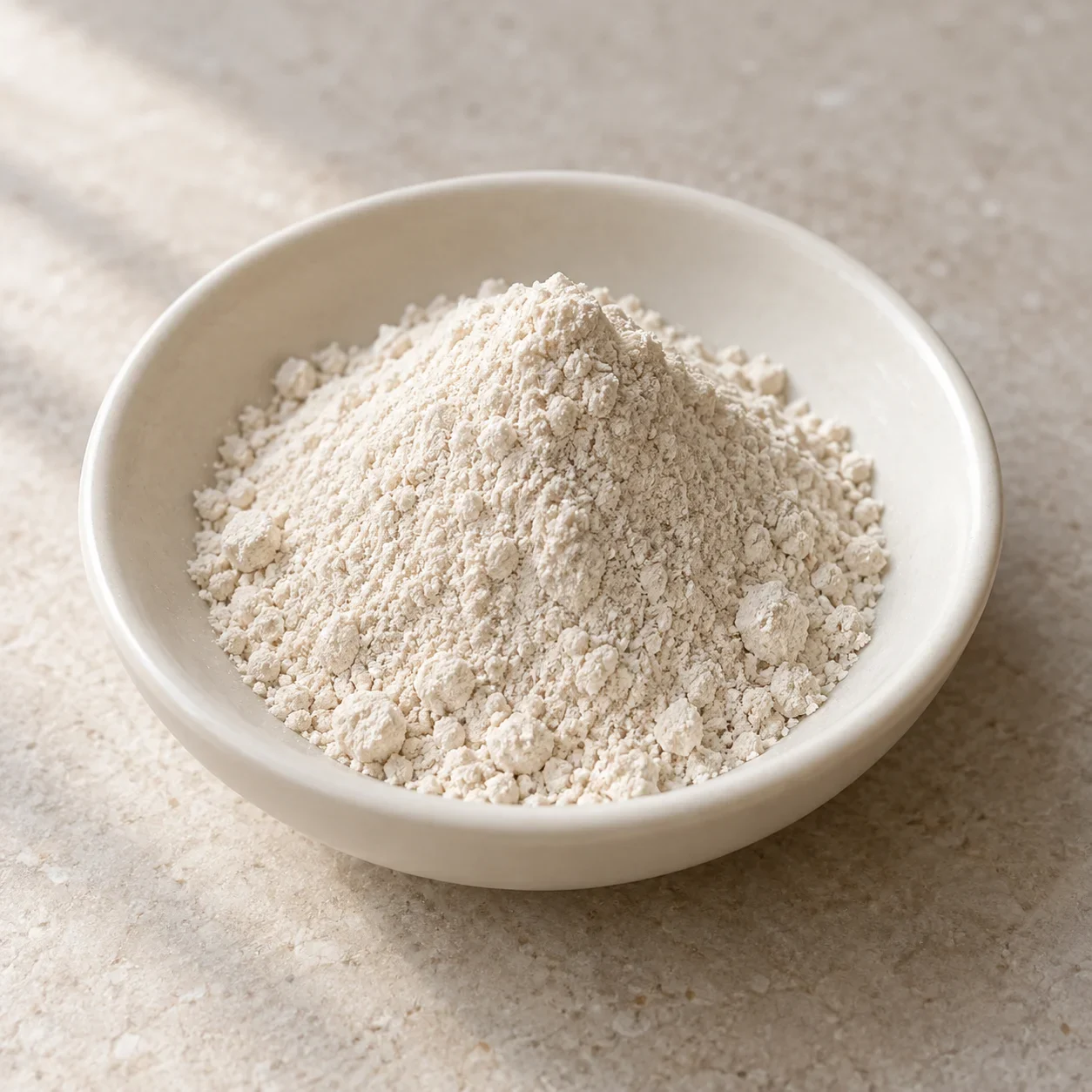
Recipes vary by restaurant.
How does it taste?
Savory pork and braising spices.
- Chili heat
- Texture
- Tender chopped meat inside chewy bread.
- How it’s made
- Braise and chop the pork, then fill a split pan-baked flatbread made from yeast-raised dough.
Tongguan-style roujiamo has a crisp bread; bread styles vary across the wider roujiamo family.
A CONNECTION TO PLACE
Origin & regional roots
Associated with Shaanxi.
Ask if they have it first
请问你们有肉夹馍吗?
Do you have this item?
A LITTLE SOMETHING TO READ
Story & history
The bread and meat are two crafts
This account describes a tradition or story, rather than an established historical fact.
Xi’an’s pork roujiamo brings two crafts together: braising lazhi pork and shaping and baking the flatbread called baiji mo. The bread holds the filling, although the Chinese name puts “meat” first. Beef and lamb fillings belong to other versions, so confirm the meat when ordering.