At the table
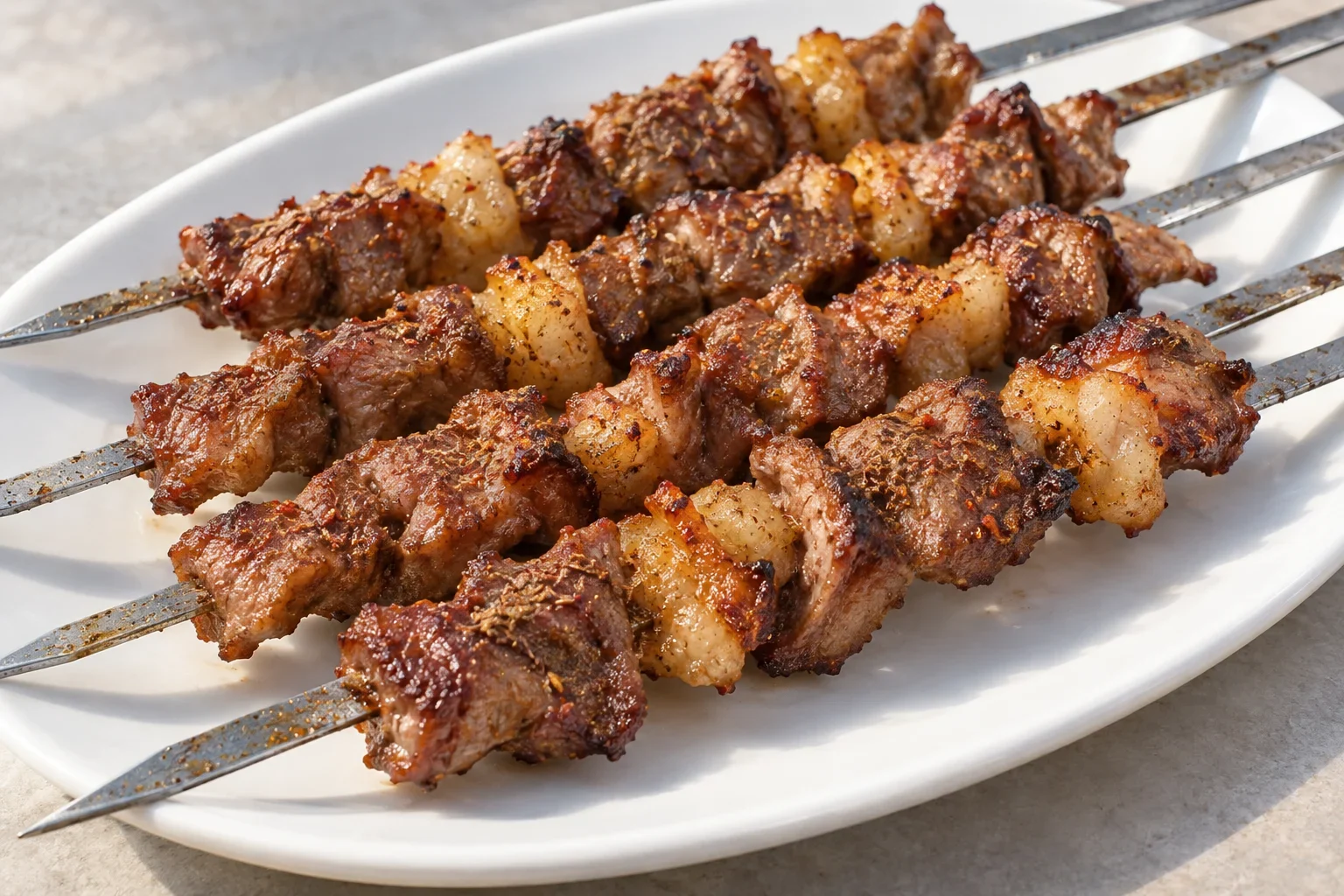
Eat the meat and browned fat together, letting hot skewers cool enough to handle. Slide the pieces onto a plate if easier. Ask for less chili before grilling if you prefer a milder serving; the spice level varies.
Contains sheep meat and fat. Chili can be strong, and skewers may be hot or sharp. Some marinades contain soy sauce, peanut oil or other additions; check the actual recipe if you avoid these ingredients.
A simple version uses meat, pieces of sheep fat, cumin, ground chili and salt. Some home marinades add onion, oil, soy sauce and cornstarch, with optional Sichuan pepper; white pepper also appears in some seasoning blends. These additions are not universal. The fat on the skewer is cut from solid raw fat, not poured rendered fat.
GET TO KNOW THE DISH
What goes into it?
Explore some key ingredients below. Preparations may use additional seasonings and ingredients.
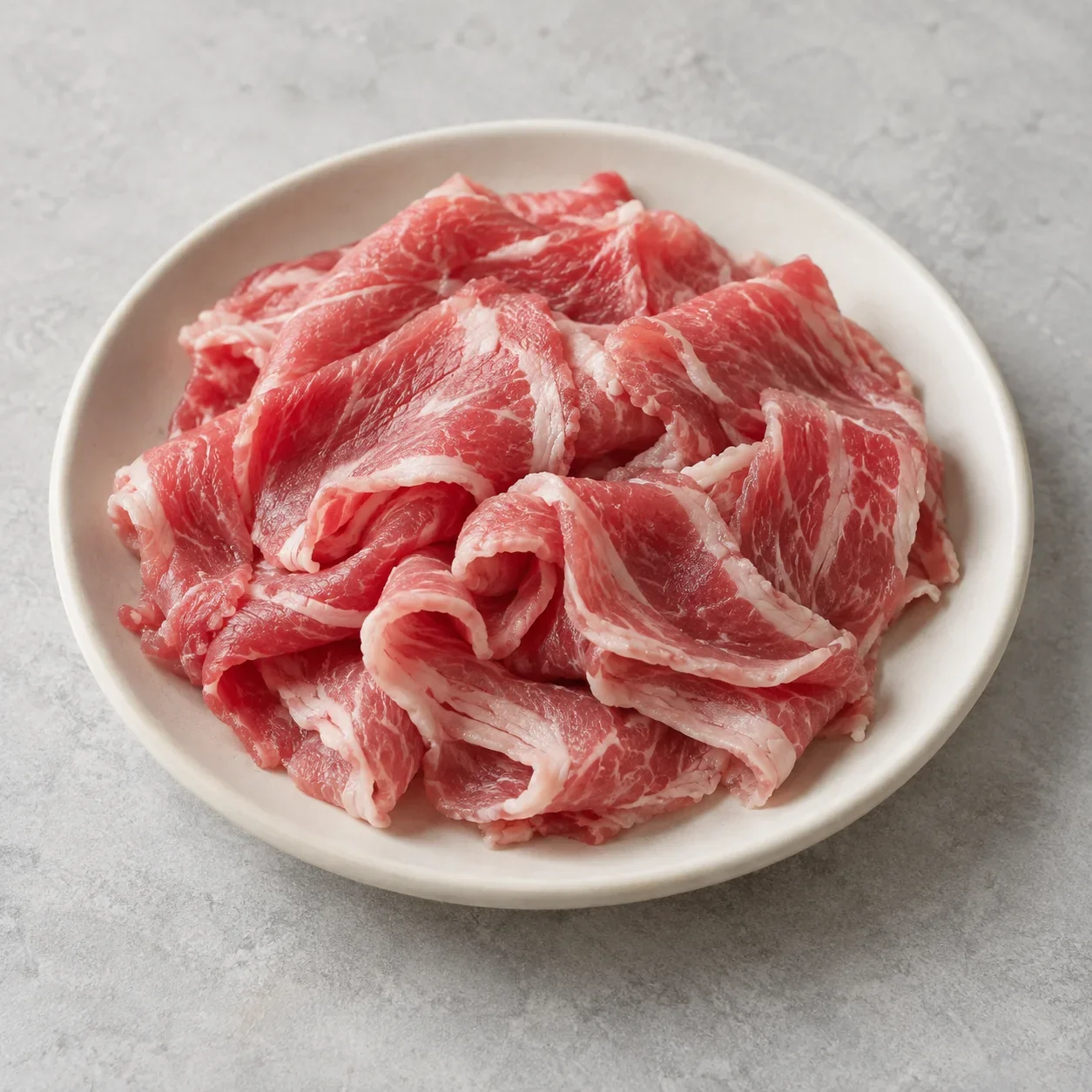
Small pieces of lamb-leg fat can be included on the skewers.
Typical ingredients
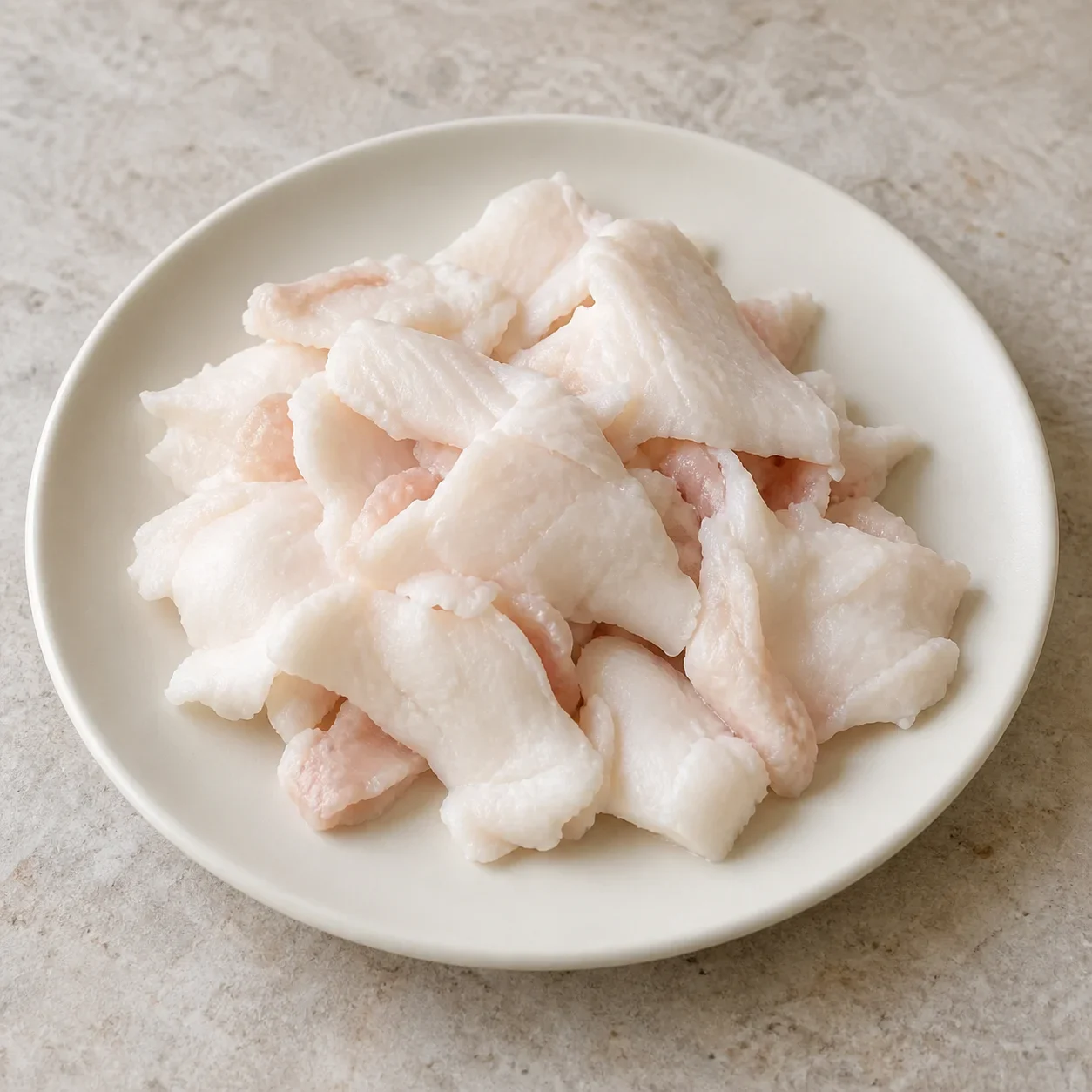
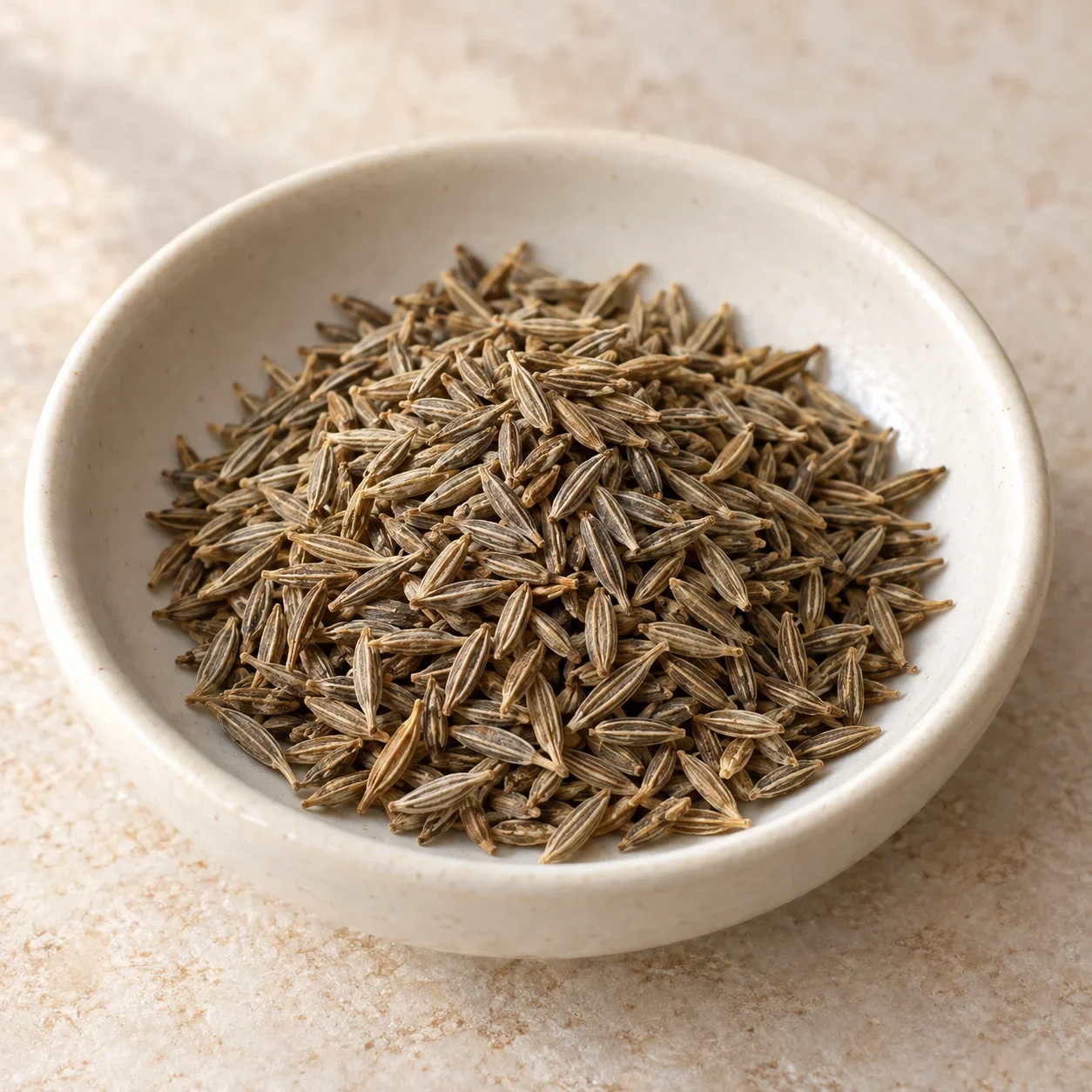
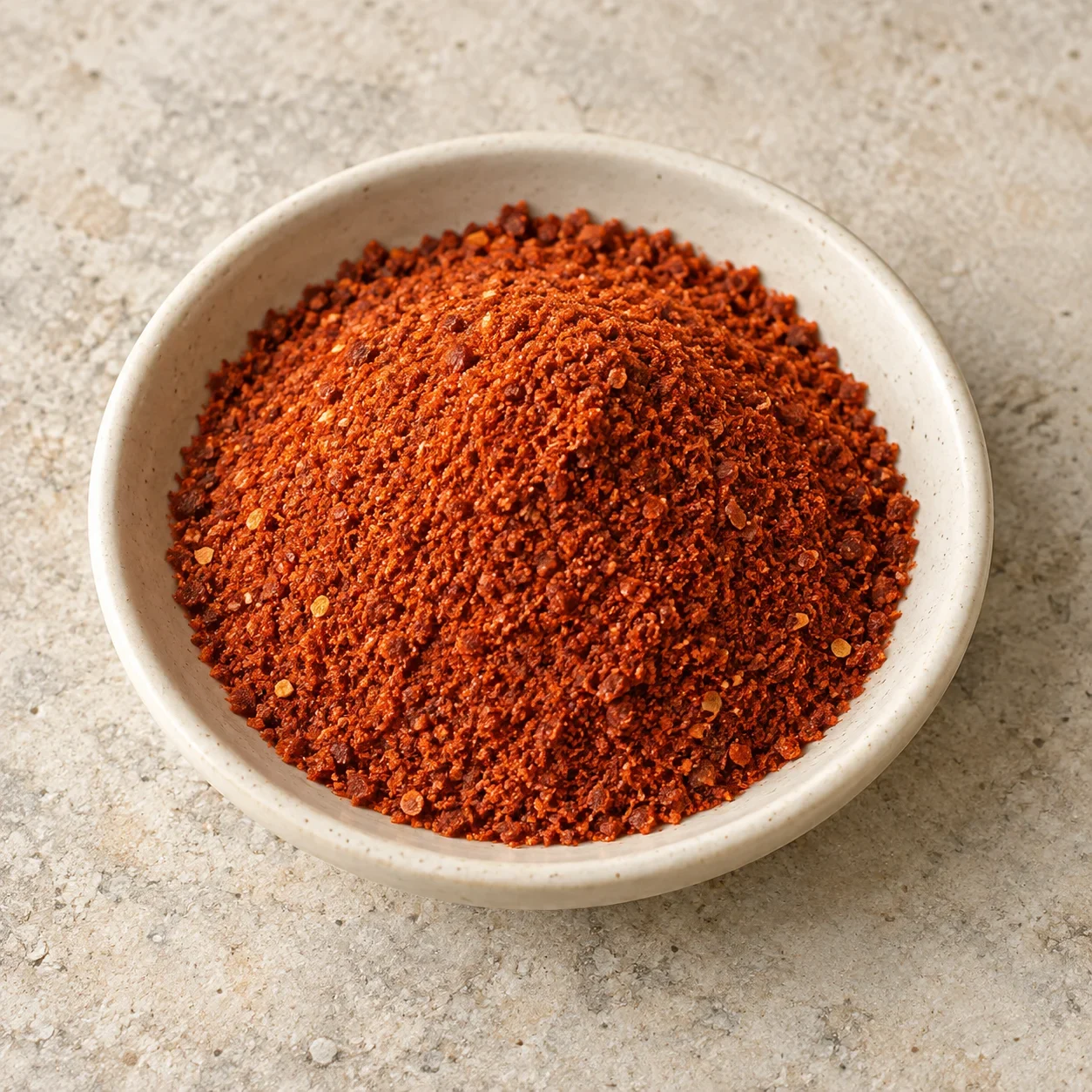

In some versions
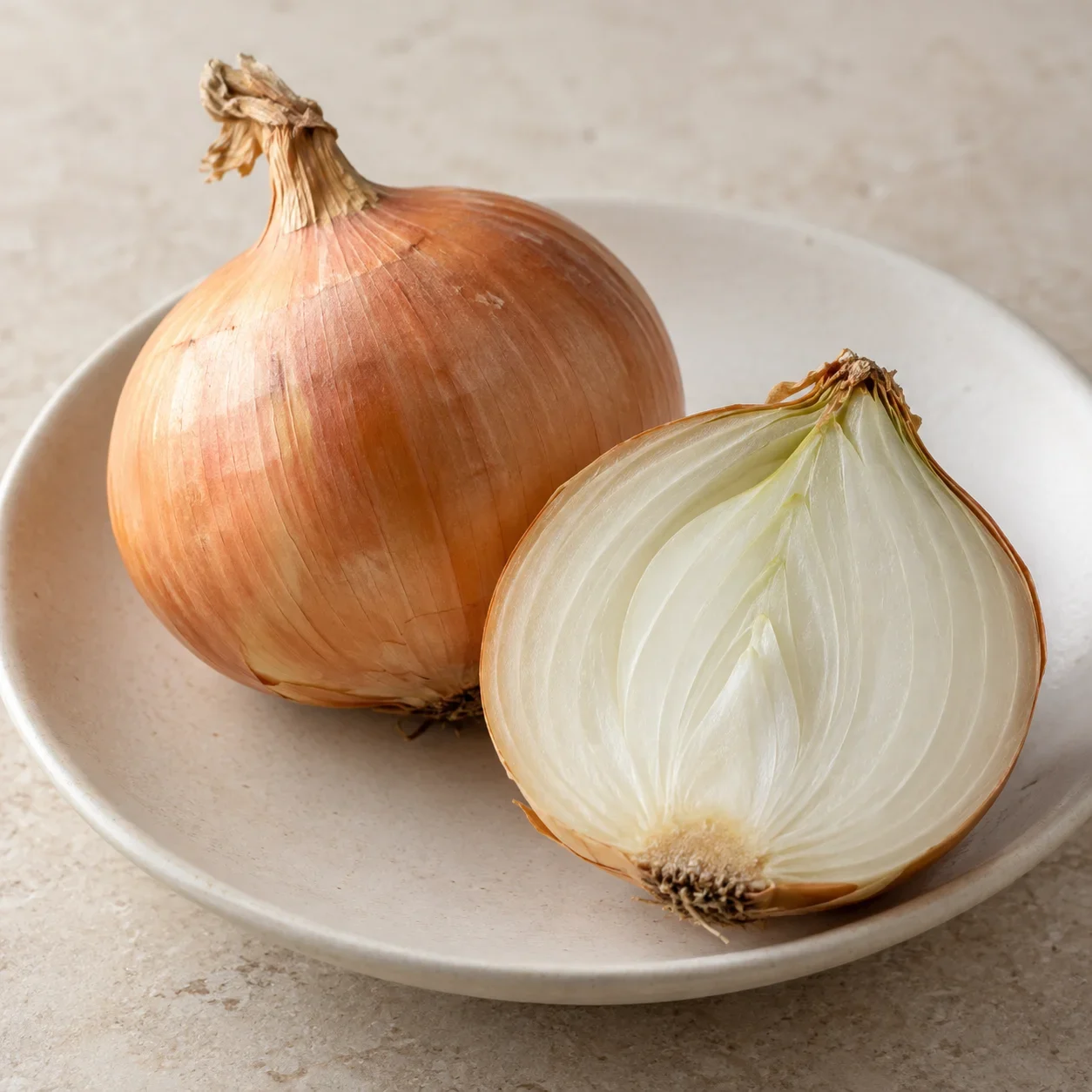
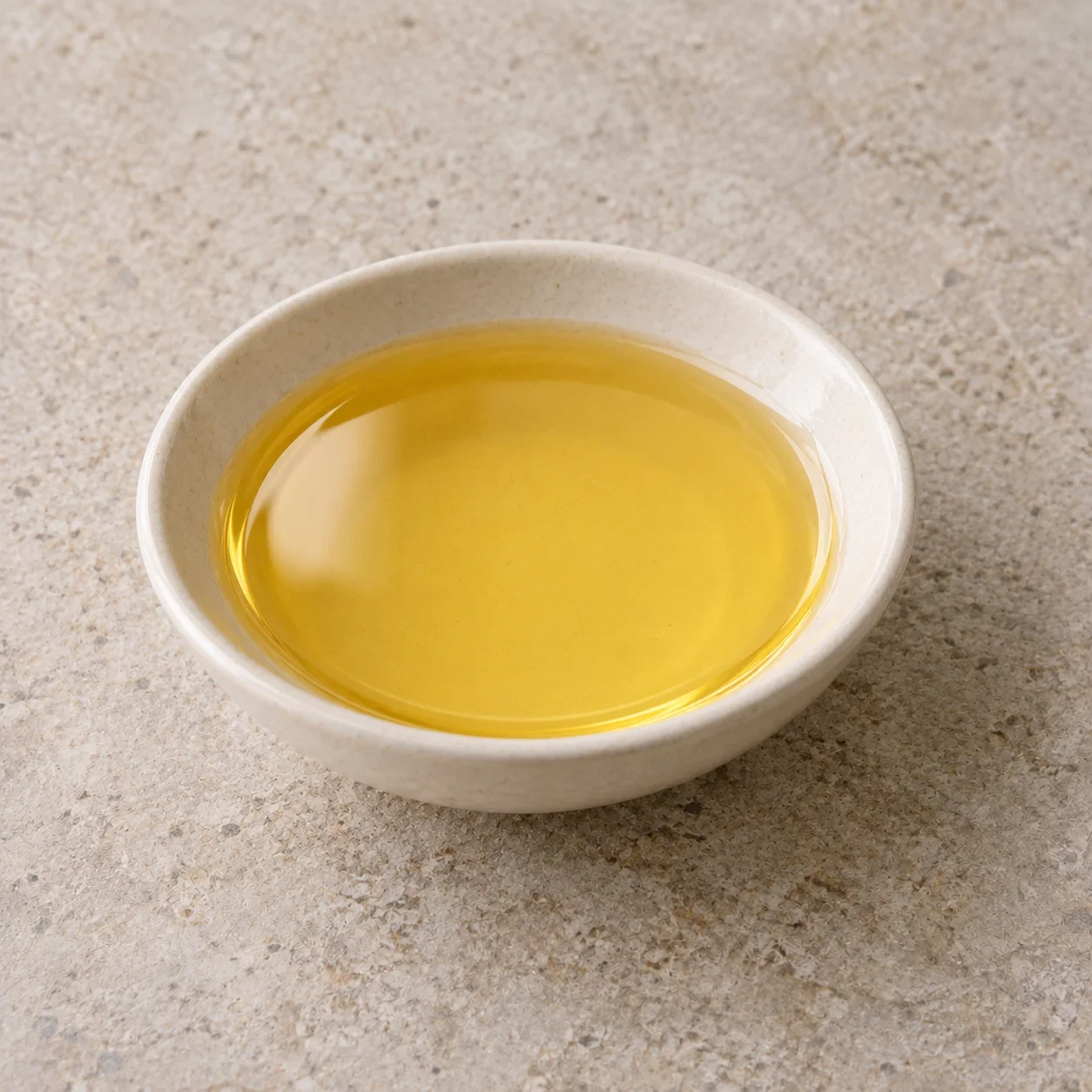
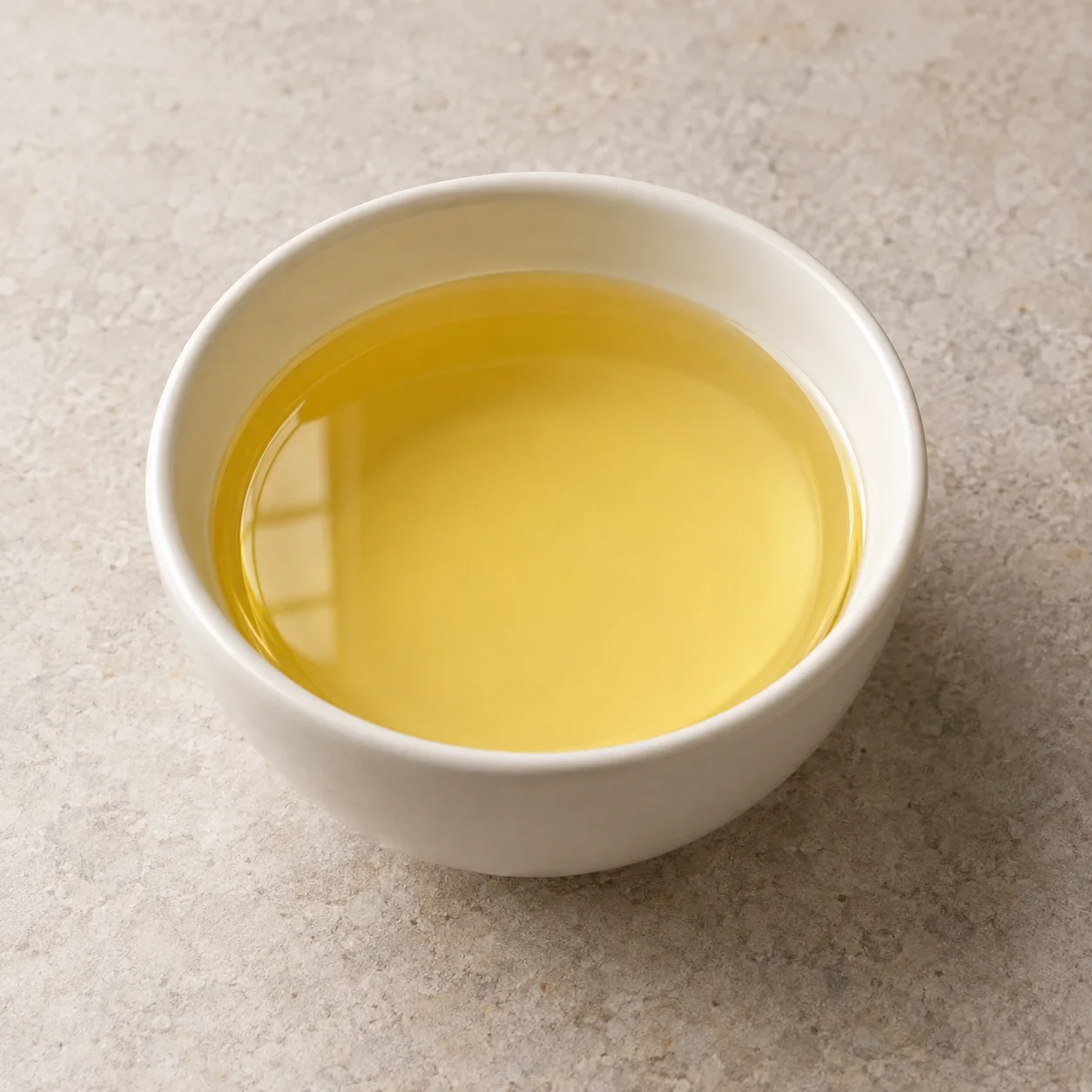
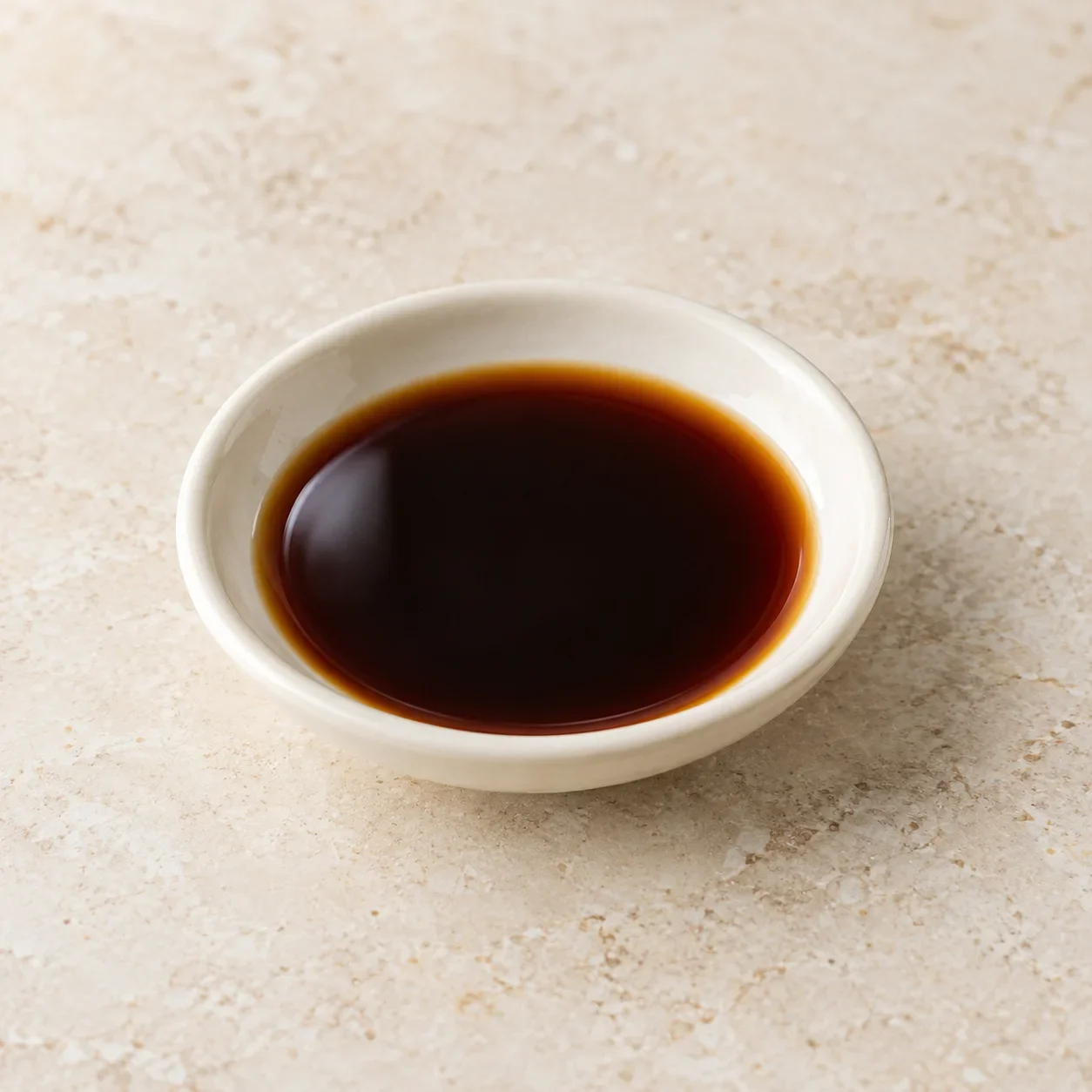
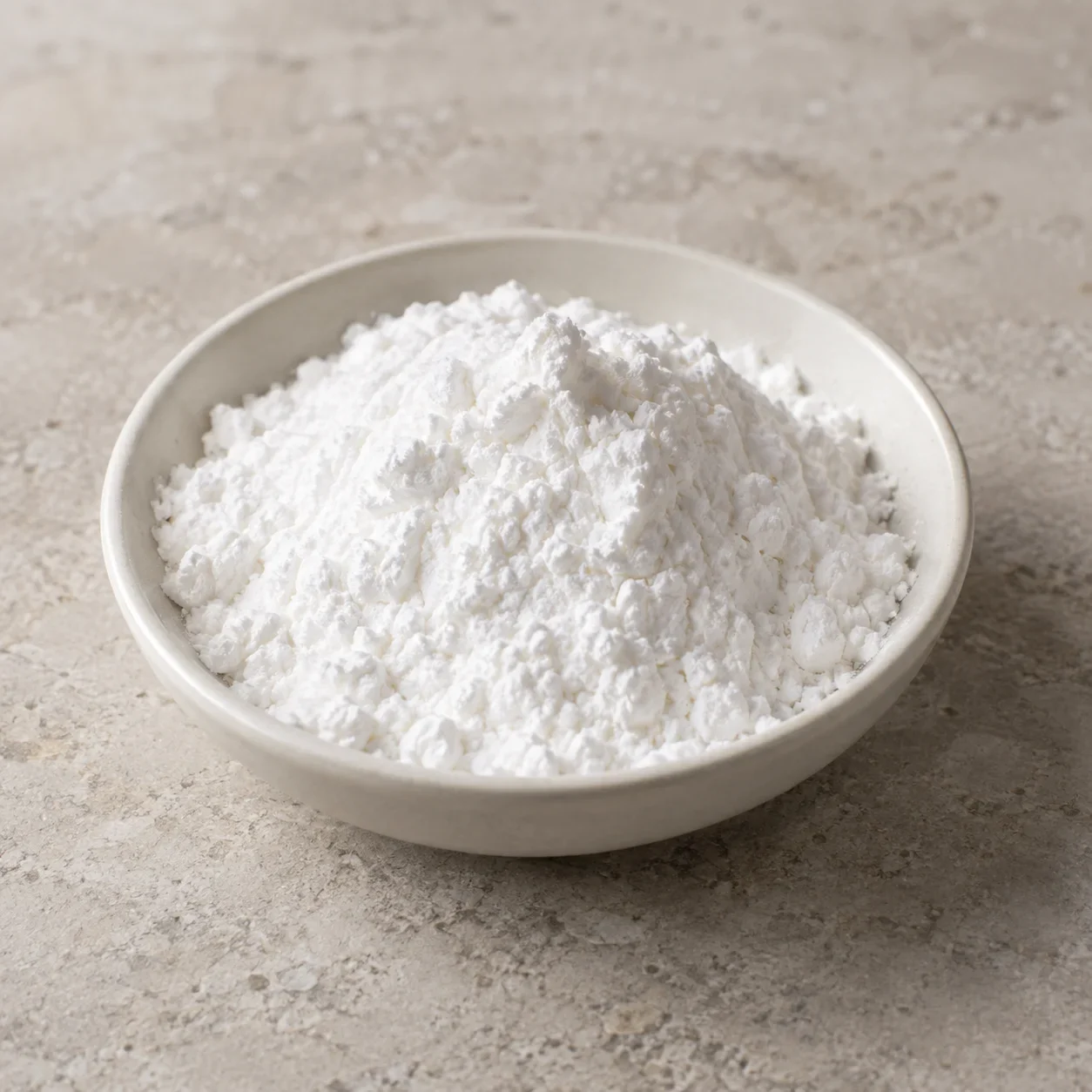
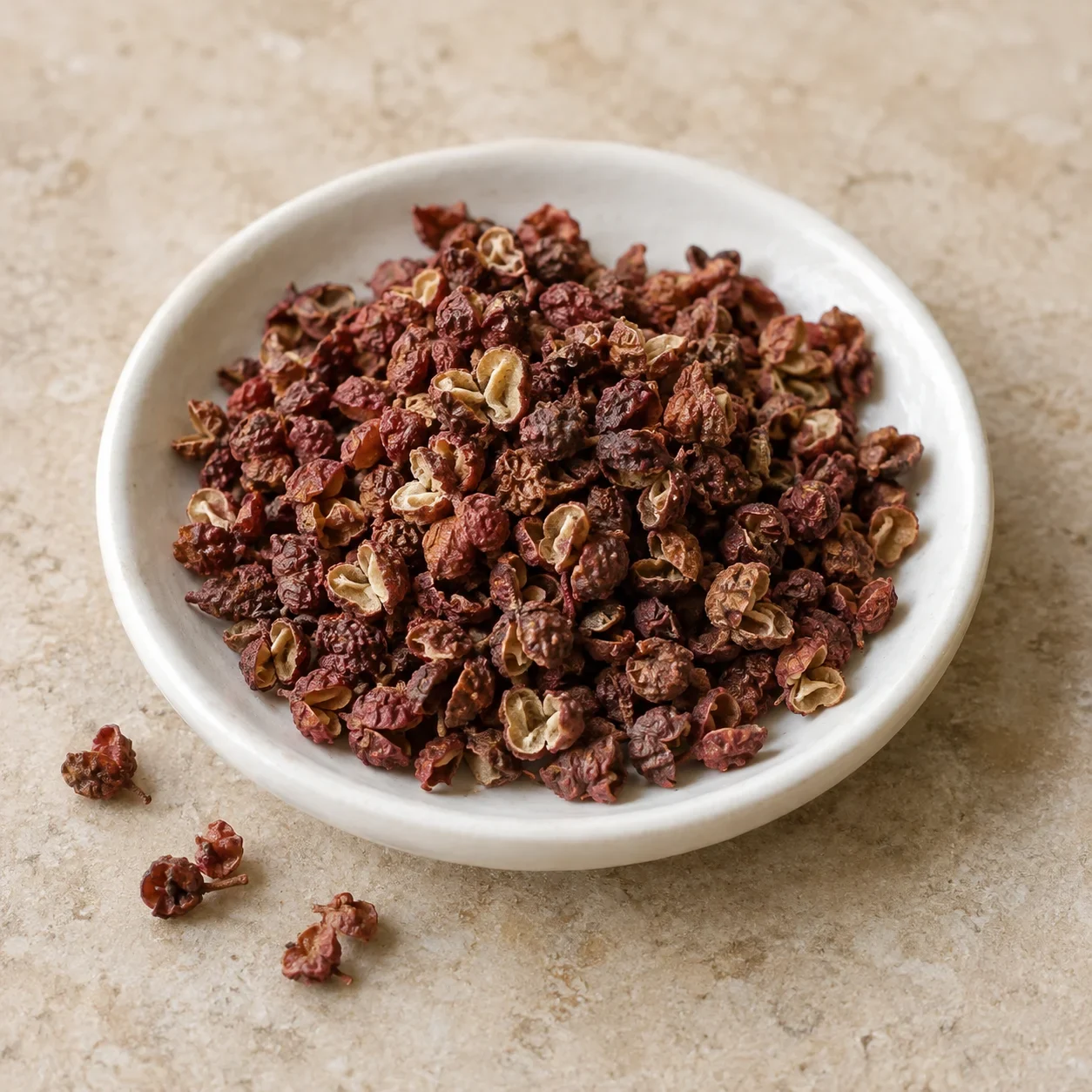
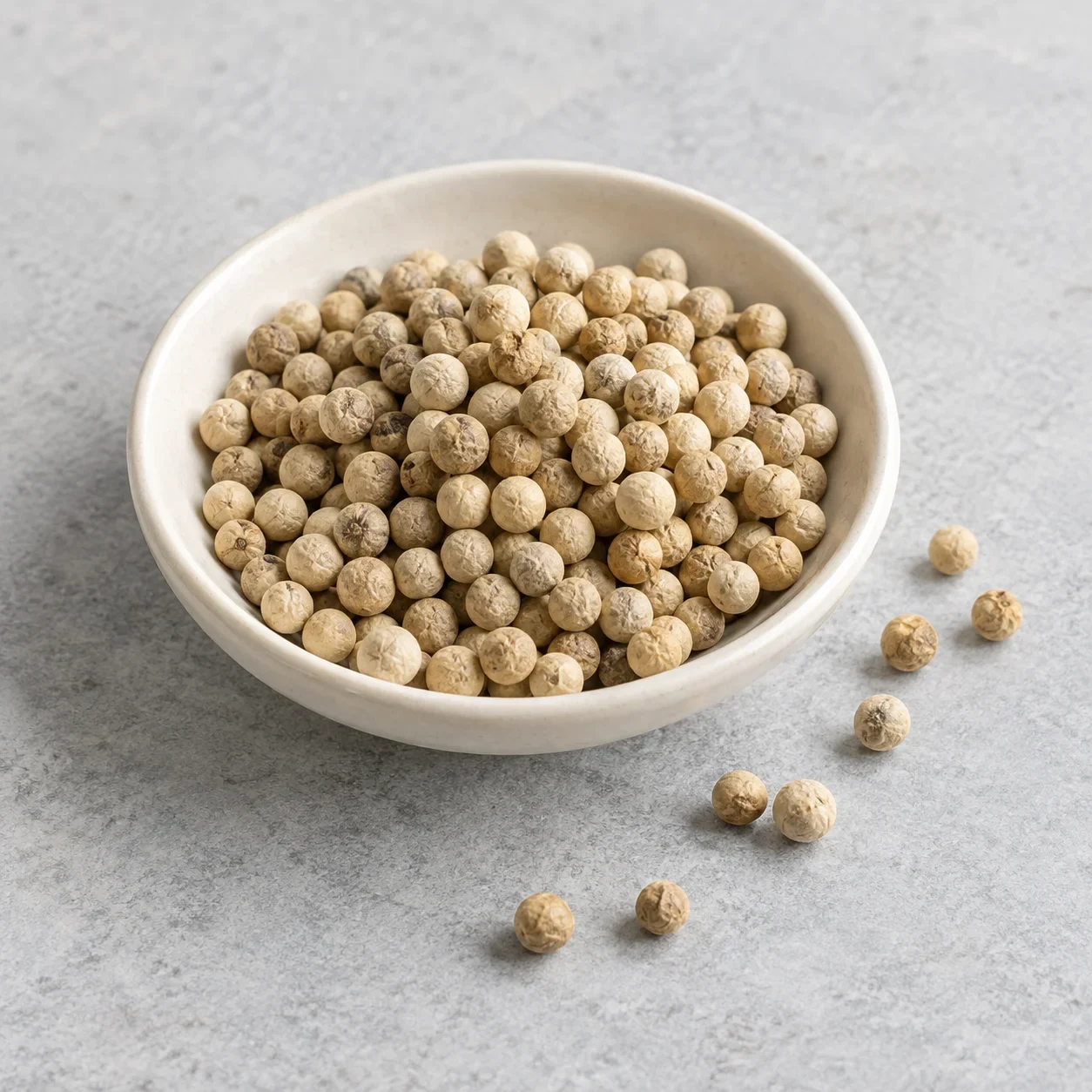
Recipes vary by restaurant.
How does it taste?
Cumin and chili.
- Chili heat
- Texture
- Alternating lean and fatty pieces; final tenderness varies.
- How it’s made
- Grill the skewers and sprinkle with ground seasonings.
Small pieces of lamb-leg fat can be included on the skewers.
A CONNECTION TO PLACE
Origin & regional roots
Associated with Xinjiang.
Ask if they have it first
请问你们有新疆烤羊肉串吗?
Do you have this item?
A LITTLE SOMETHING TO READ
Story & history
Qawap connects Xinjiang street food with the dining table
In Xinjiang, sheep-meat skewers are known in Uyghur as qawap. They can be a quick street-side snack or a dish served to guests at the table. A 1986 comedy sketch at China’s televised Spring Festival Gala helped bring Turpan’s version to national attention, after which the snack spread widely. That route from the grill to a shared meal helps explain why a skewer belongs to everyday eating as well as regional hospitality; sizes and seasonings vary.