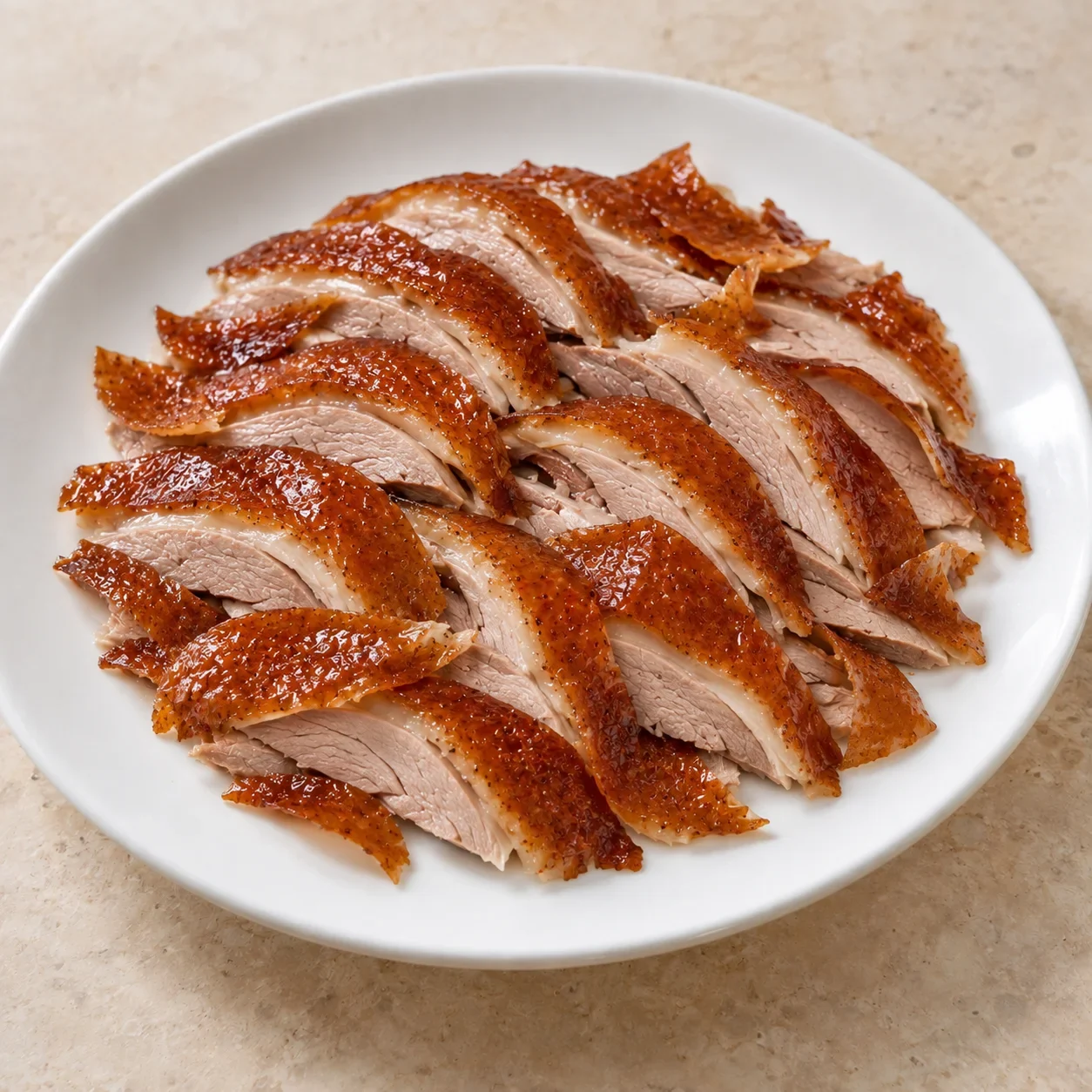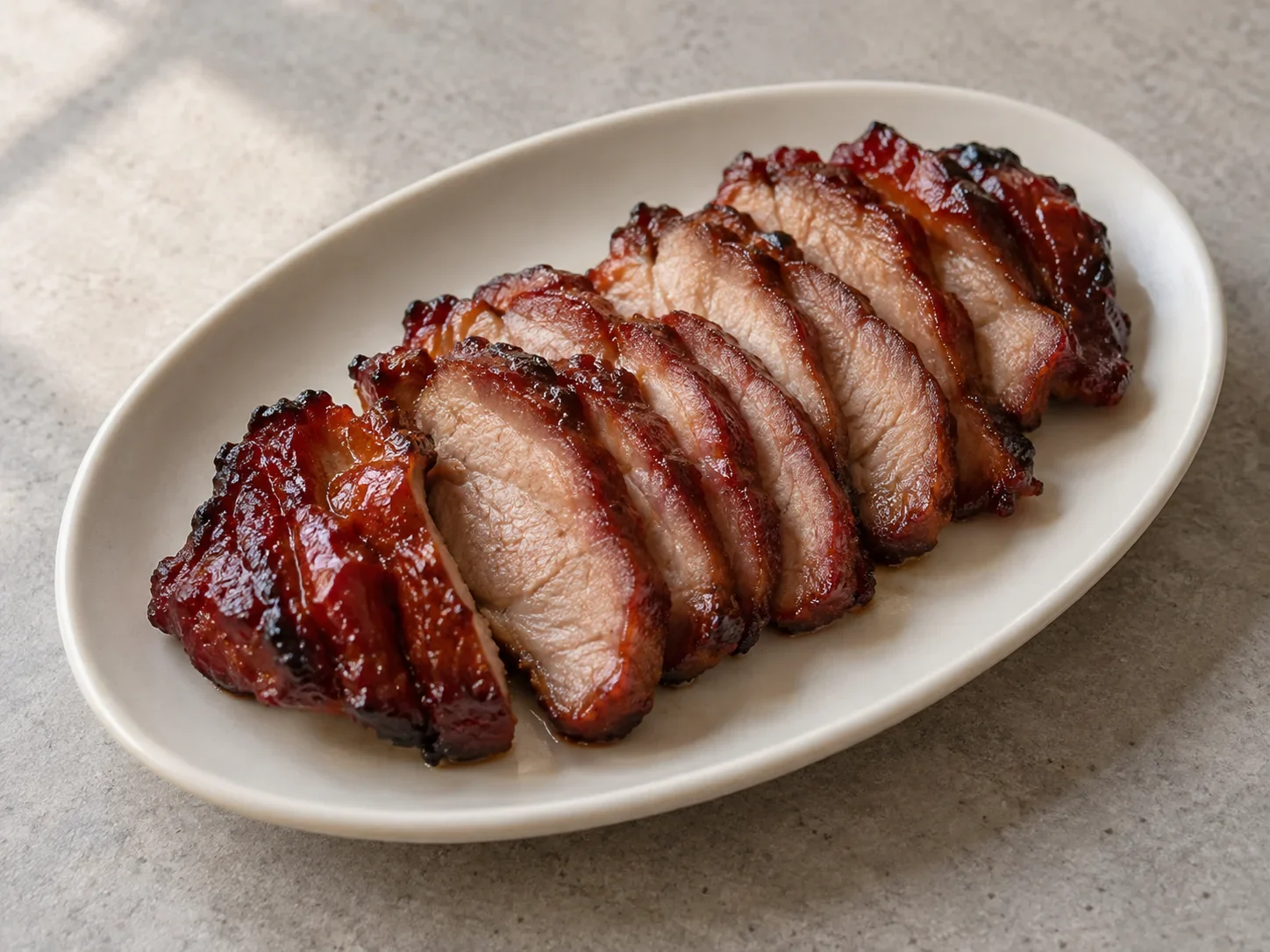
Tender sliced roast pork is easy to share in small portions with rice; cool it and remove any chewy edge pieces if needed.
Recipes vary. Ask the restaurant about ingredients and serving before you order.
GET TO KNOW THE DISH
What goes into it?
Explore some key ingredients below. Preparations may use additional seasonings and ingredients.
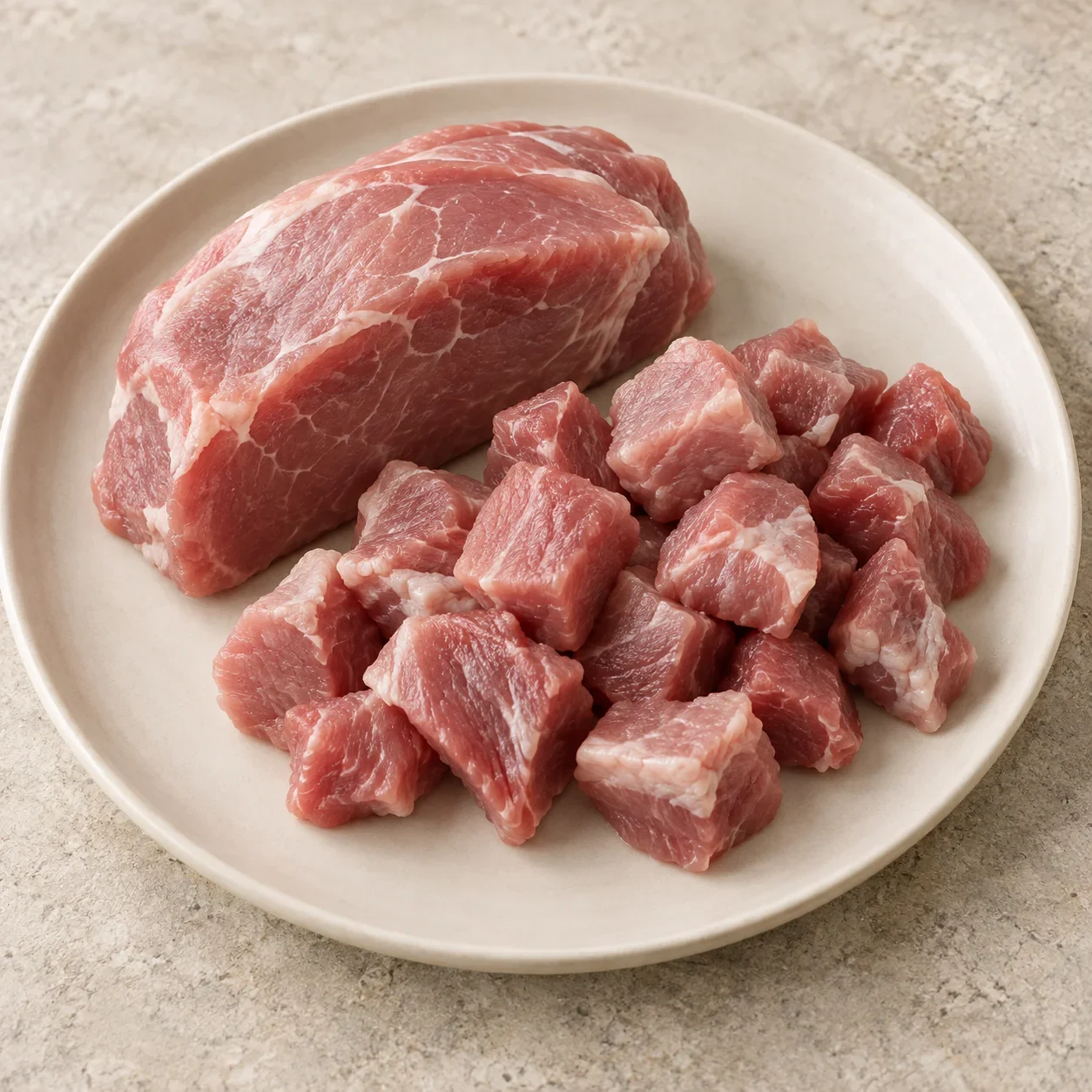
Pork cuts and marinades vary. Dachi-kan’s local version uses pork shoulder roasted with lychee wood.
Typical ingredients


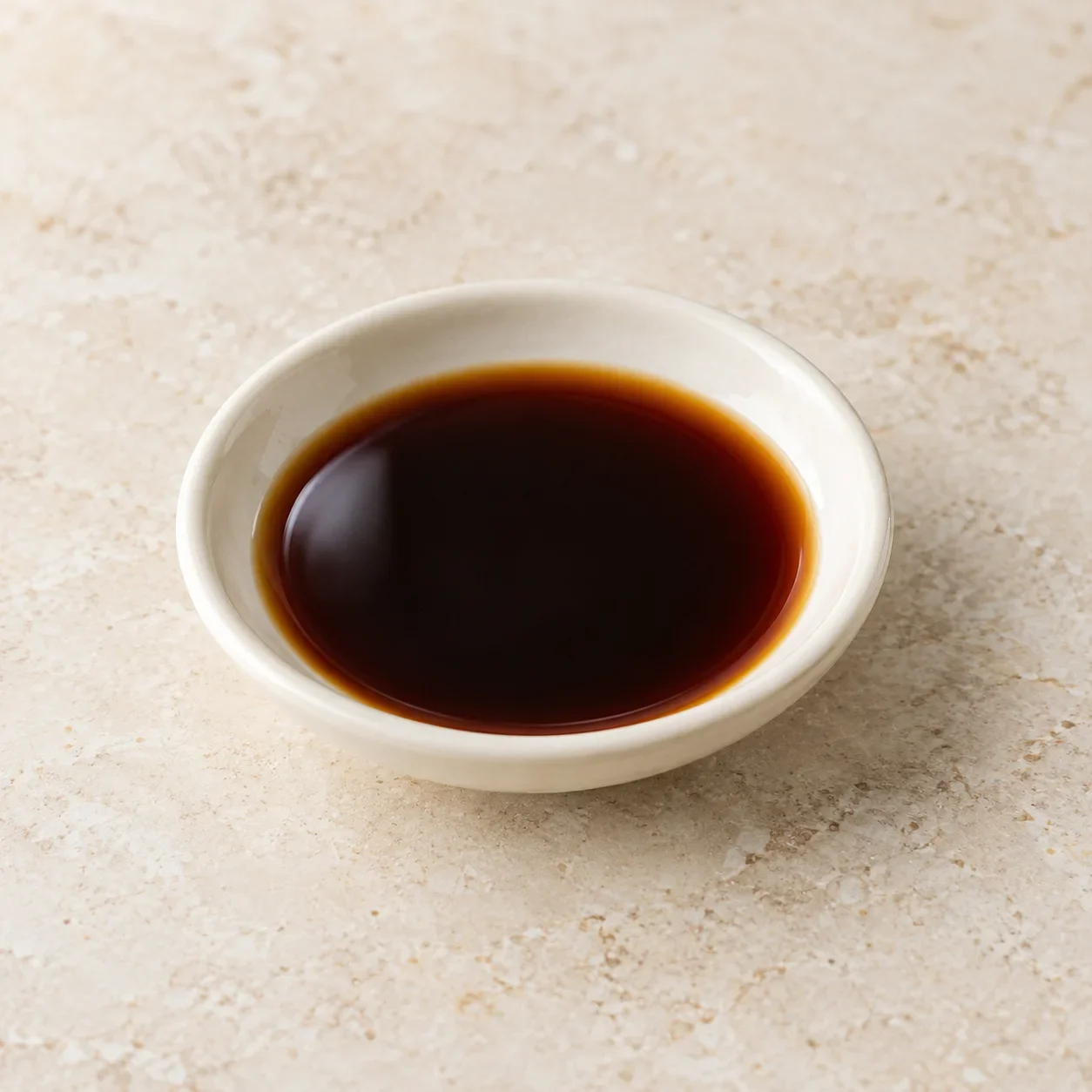
In some versions
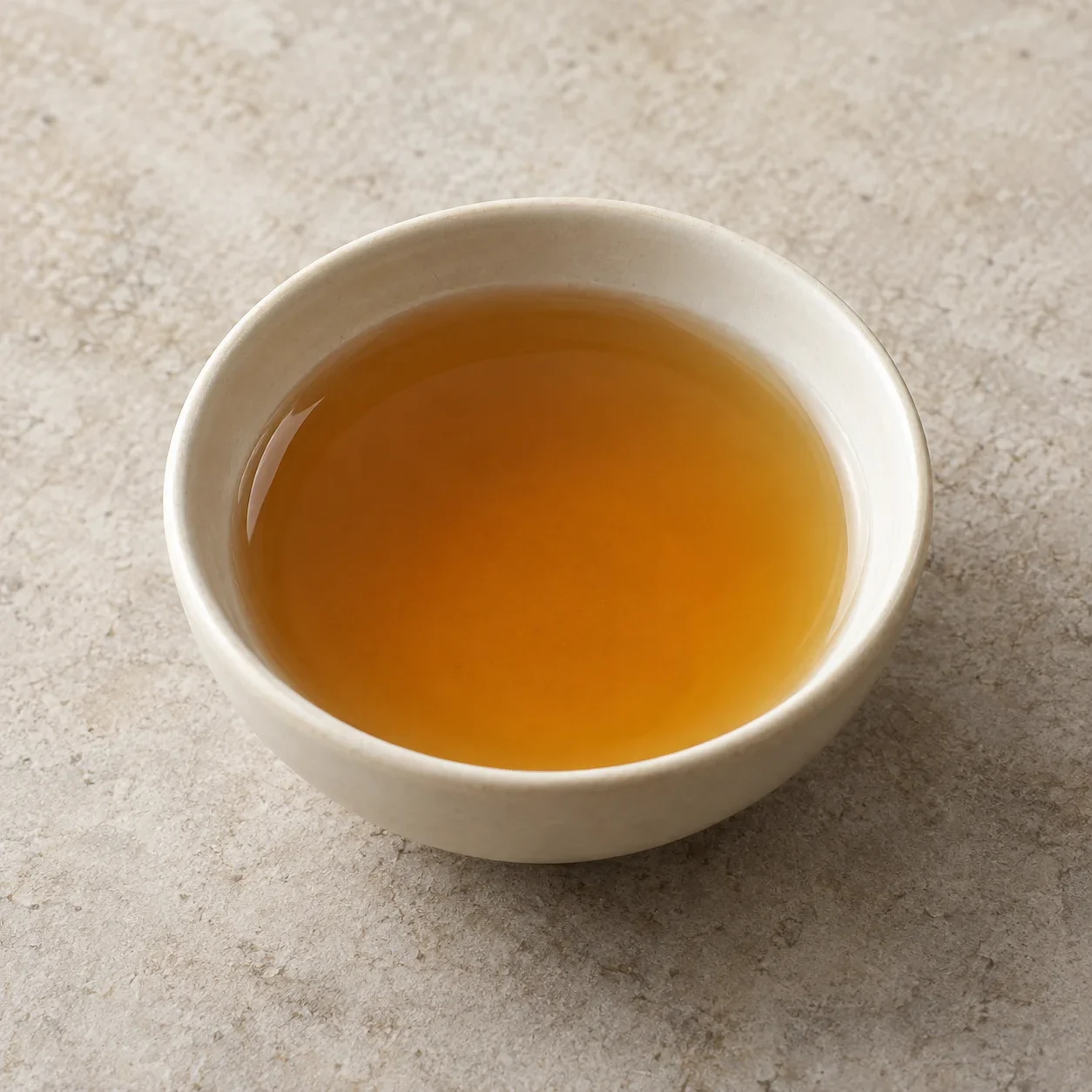
Recipes vary by restaurant.
How does it taste?
Savoury pork with a sweet coating.
- Chili heat
- Texture
- Tender and juicy.
- How it’s made
- Marinate strips of pork in a sweet, savoury sauce, then roast them and slice before serving.
Pork cuts and marinades vary. Dachi-kan’s local version uses pork shoulder roasted with lychee wood.
A CONNECTION TO PLACE
Origin & regional roots
Associated with Guangdong.
Ask if they have it first
请问你们有广式叉烧吗?
Do you have this item?
A LITTLE SOMETHING TO READ
Story & history
Char siu between Manila and Doumen
In Dachi-kan, Doumen, a family tradition links local char siu to Zhao Chida, later known as Zhao Zuoxiu. The family story tells of him going to Manila as a 13-year-old worker in 1913, learning the craft from a Guangdong migrant, then bringing his roast-meat business back home. The family’s sauces and roasting skills passed through four generations. In June 2015, Zhuhai listed Dachi-kan’s open-fire char siu and roast-rib craft as municipal intangible cultural heritage.