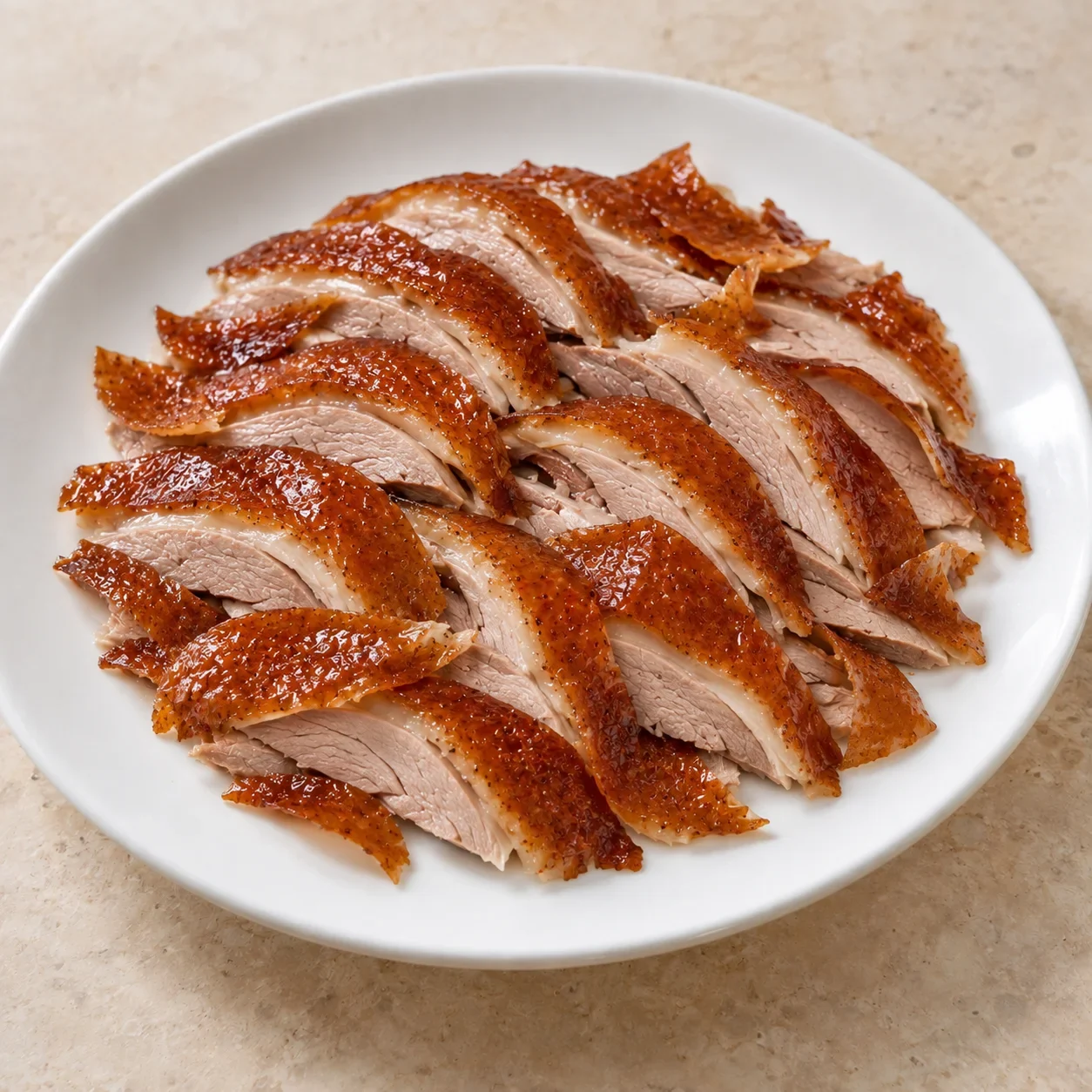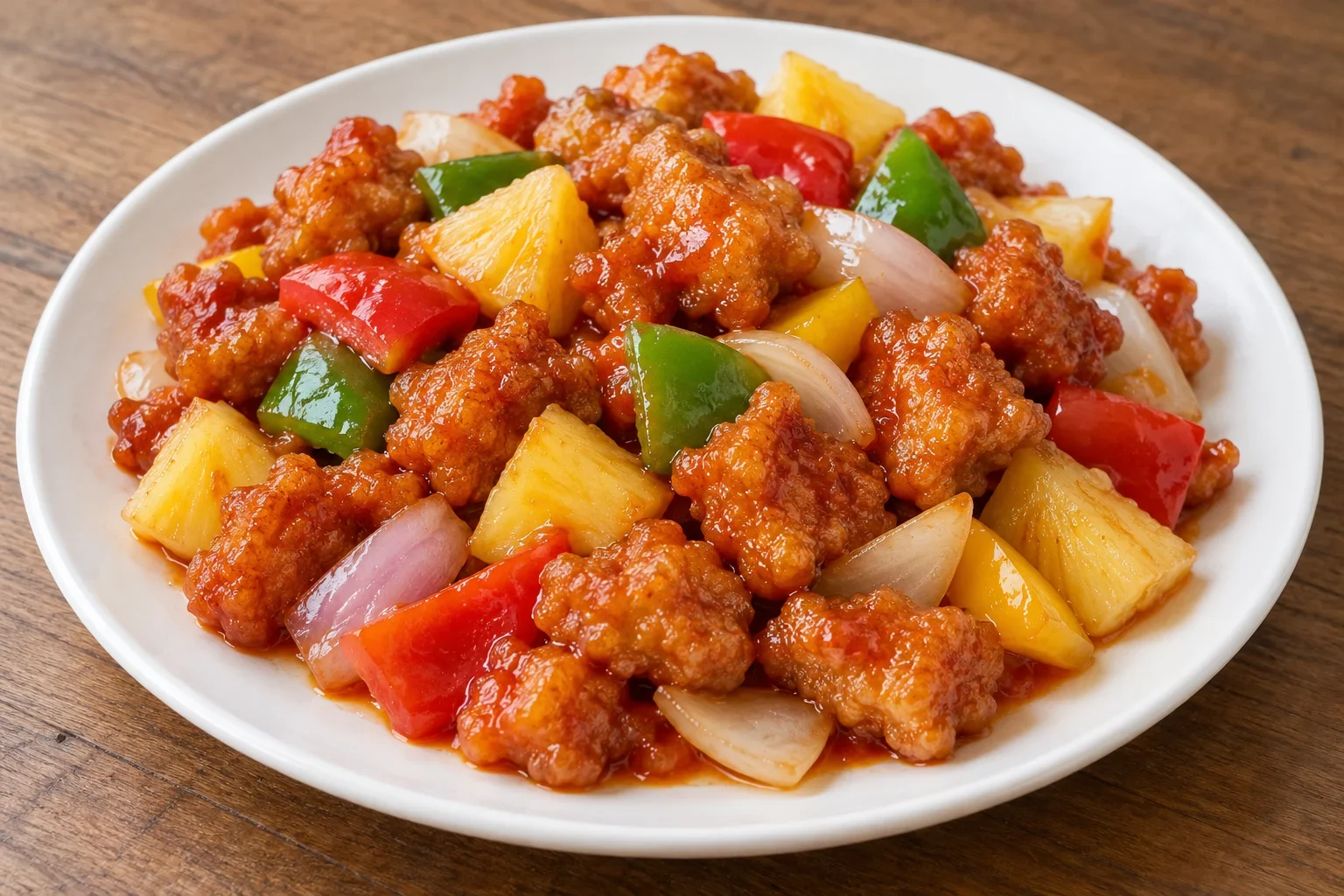
At the table
Enjoy while the coating is crisp, but let a hot piece cool first. Cut large pieces into smaller bites.
The coating and seasoning may contain wheat, egg and soy. Confirm the recipe if you have allergies.
Pineapple, peppers and onion are optional. One familiar sauce combines ketchup, sugar and vinegar; the balance differs between cooks.
Tender pork, a crisp fried coating and sweet-sour sauce make a flavorful combination in pieces that are easy to share. Let it cool and cut into small pieces.
Recipes vary. Ask the restaurant about ingredients and serving before you order.
GET TO KNOW THE DISH
What goes into it?
Explore some key ingredients below. Preparations may use additional seasonings and ingredients.
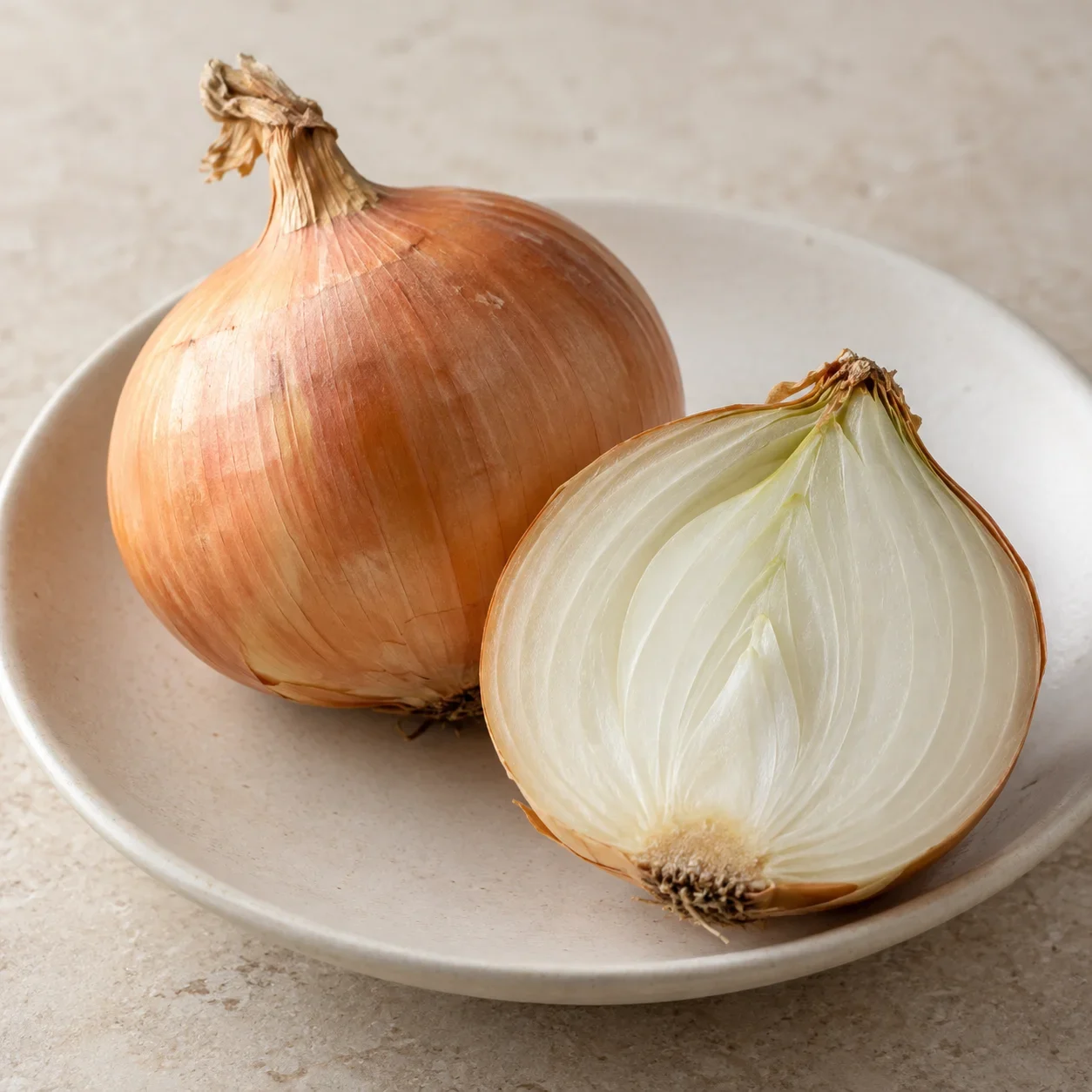
Pineapple, peppers and onion are optional. One familiar sauce combines ketchup, sugar and vinegar; the balance differs between cooks.
Typical ingredients
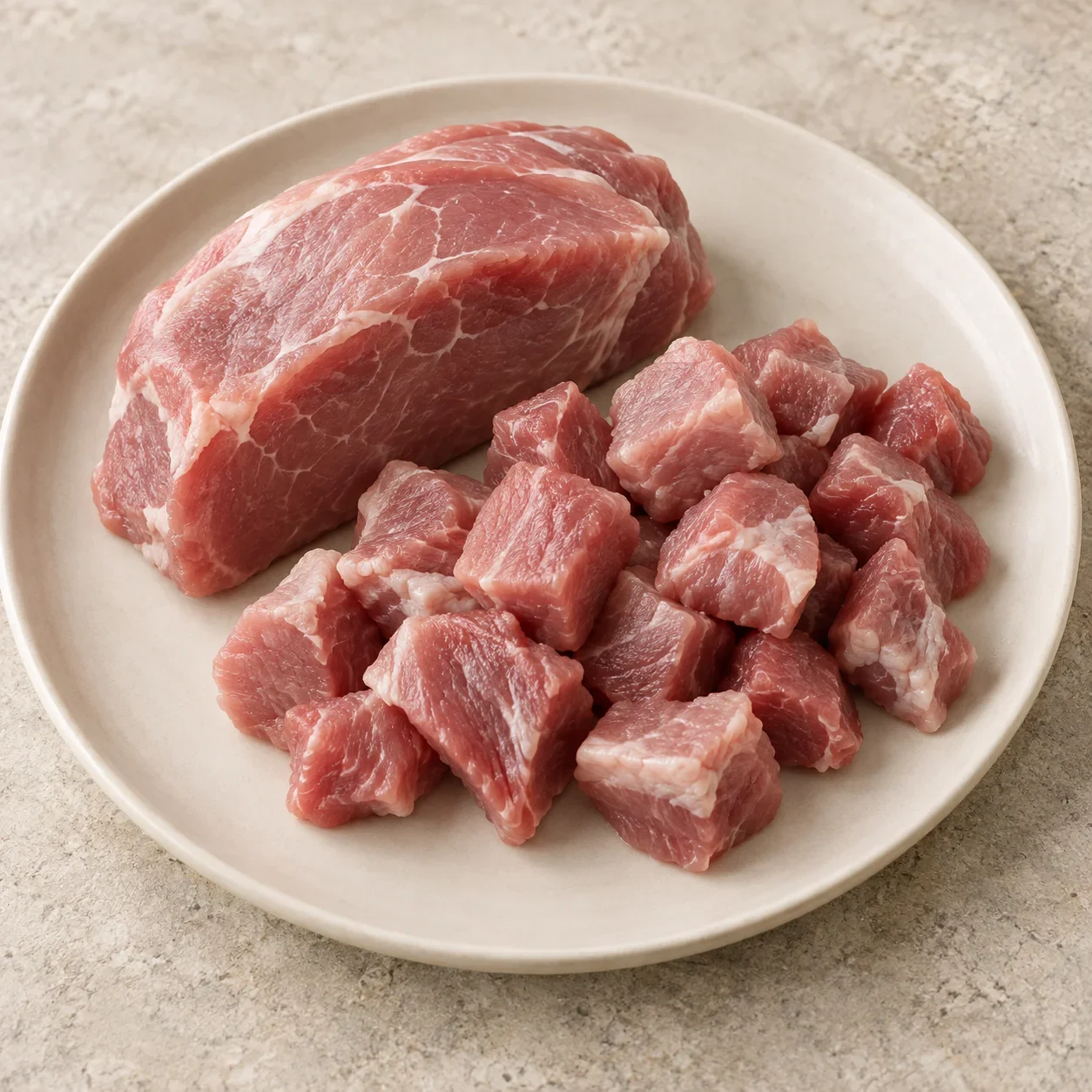
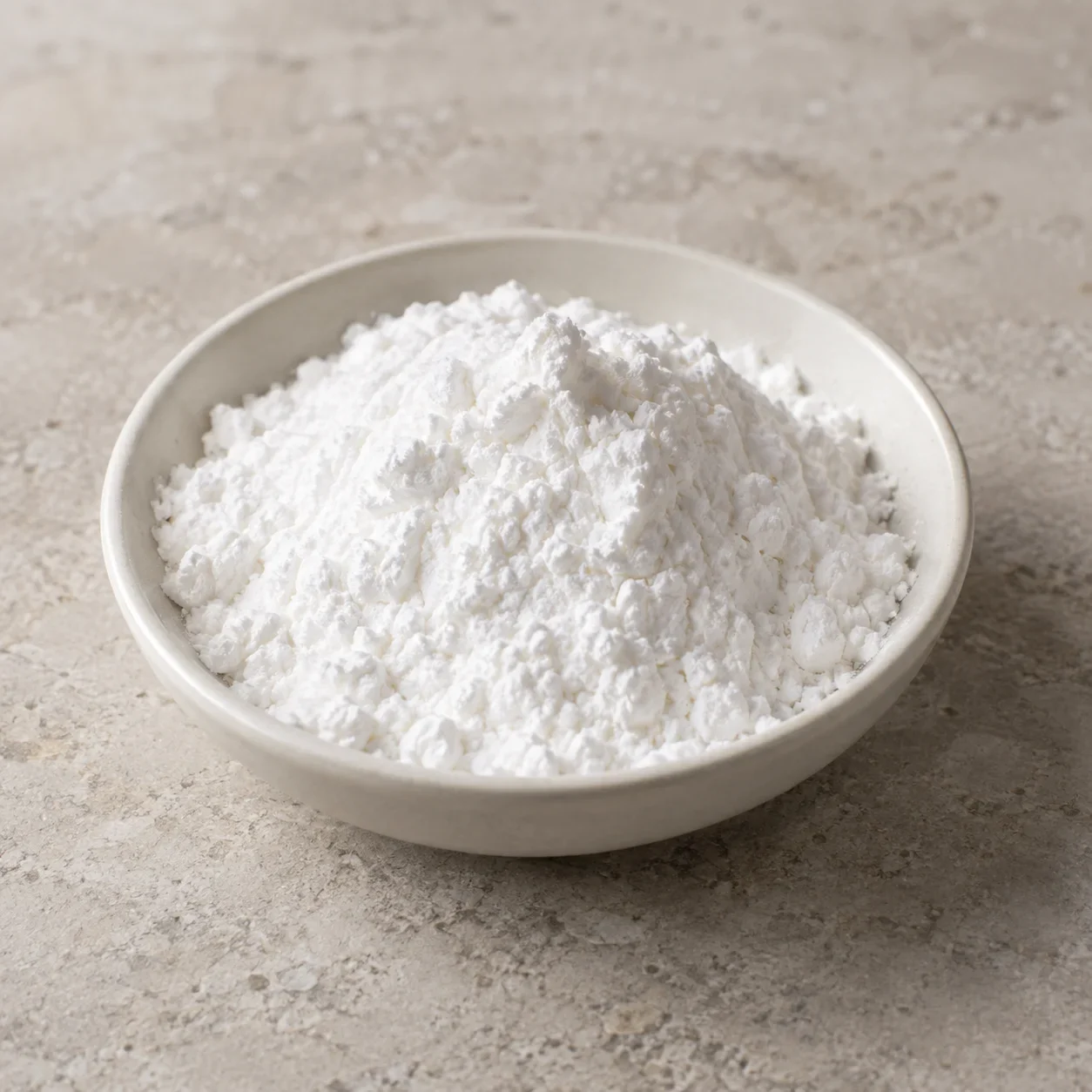
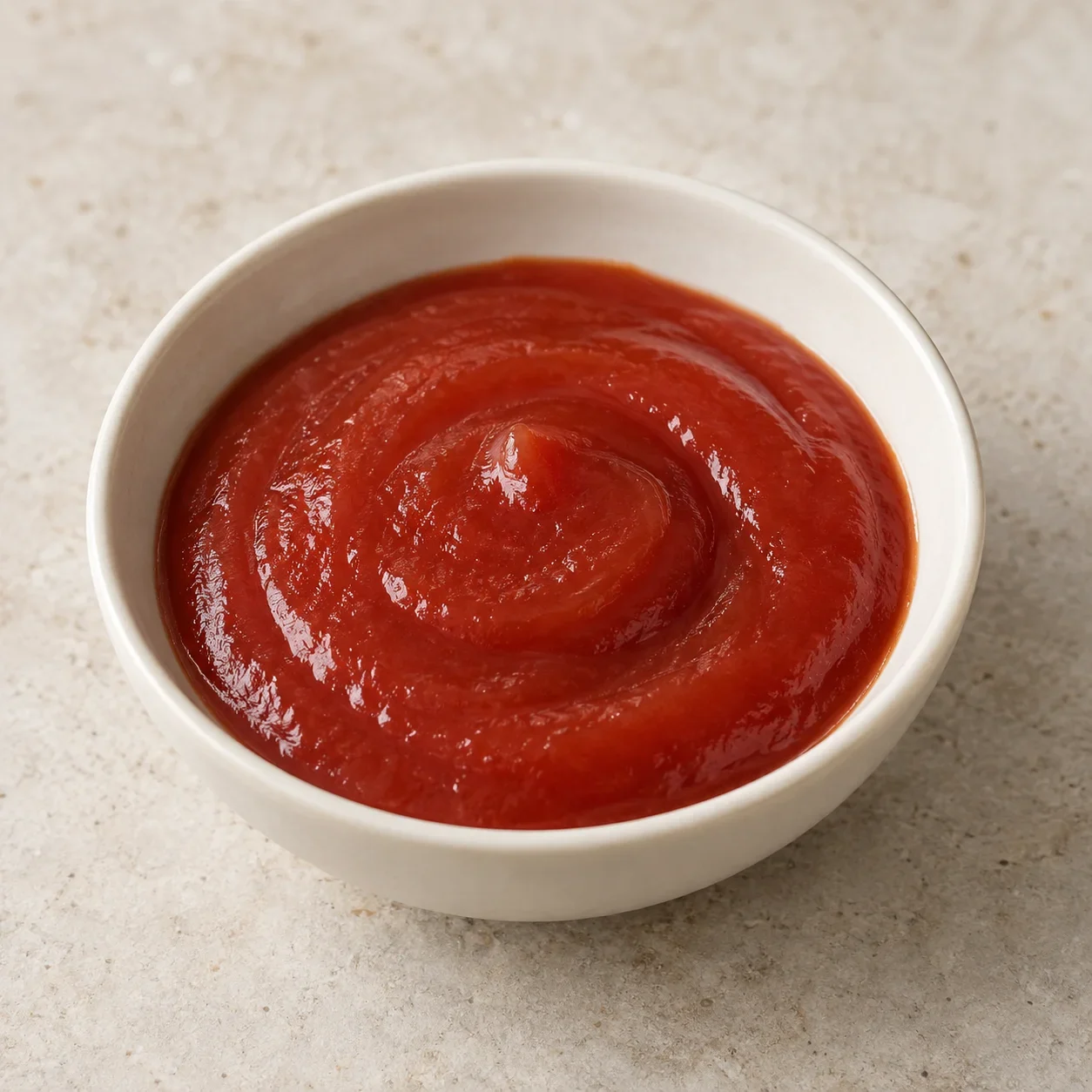

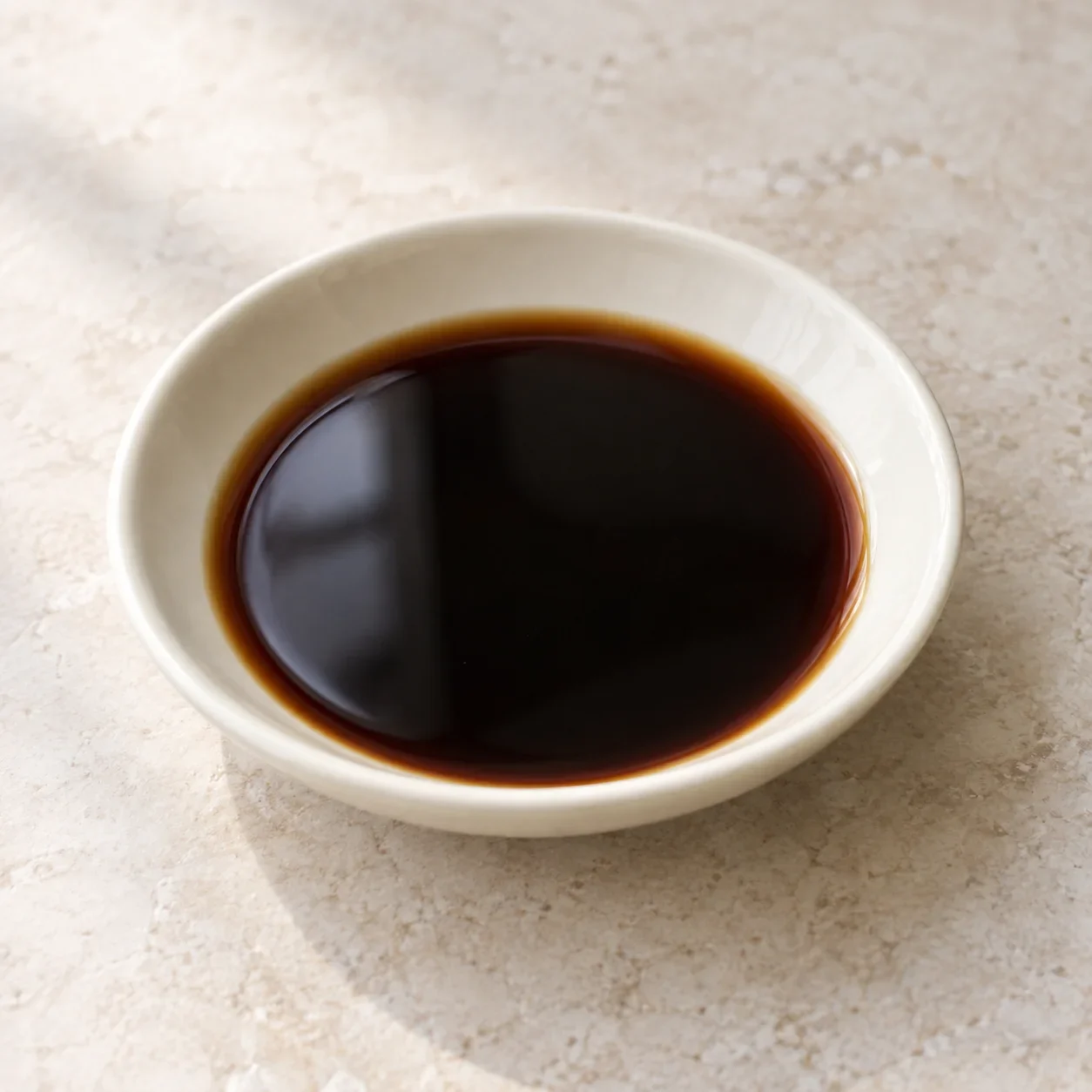
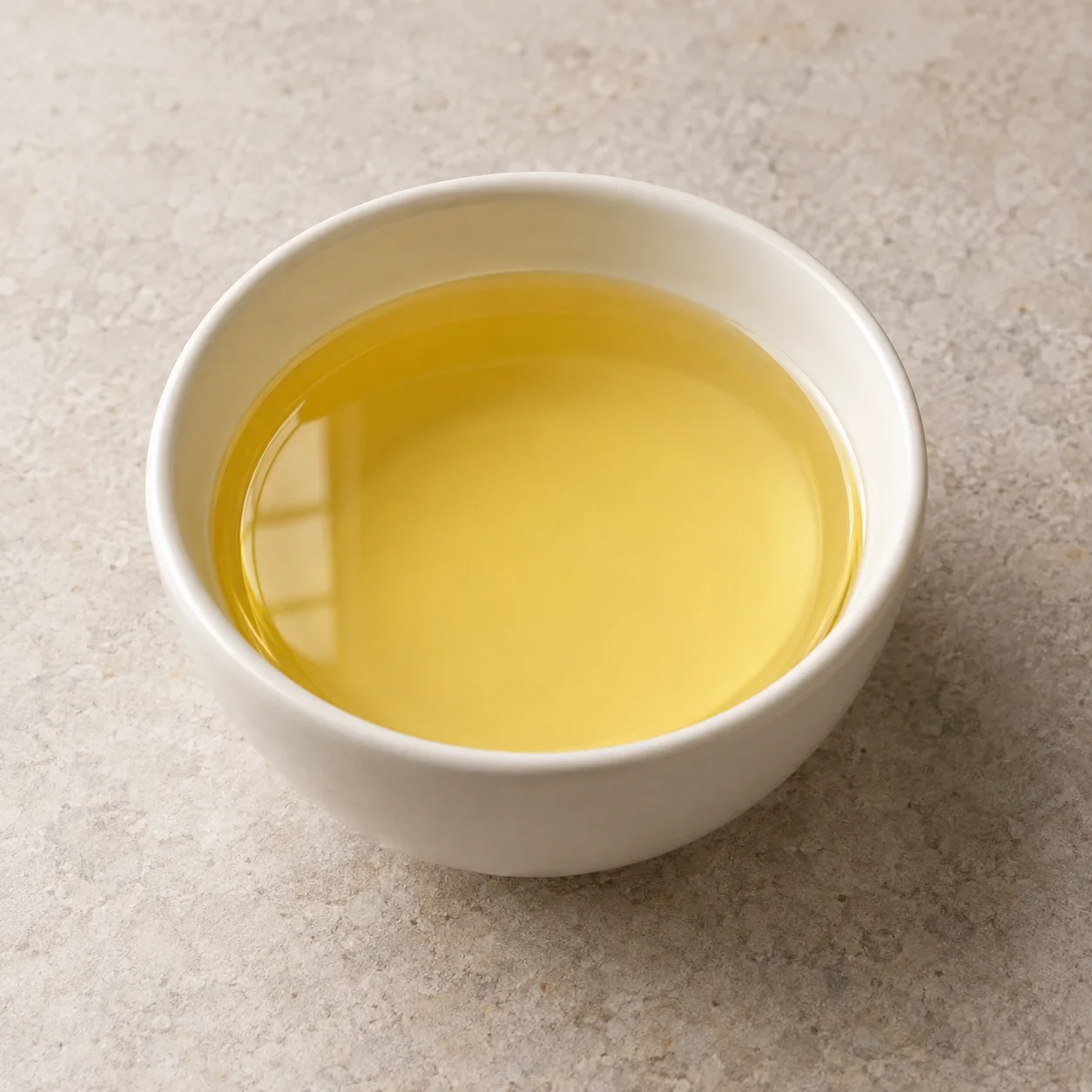
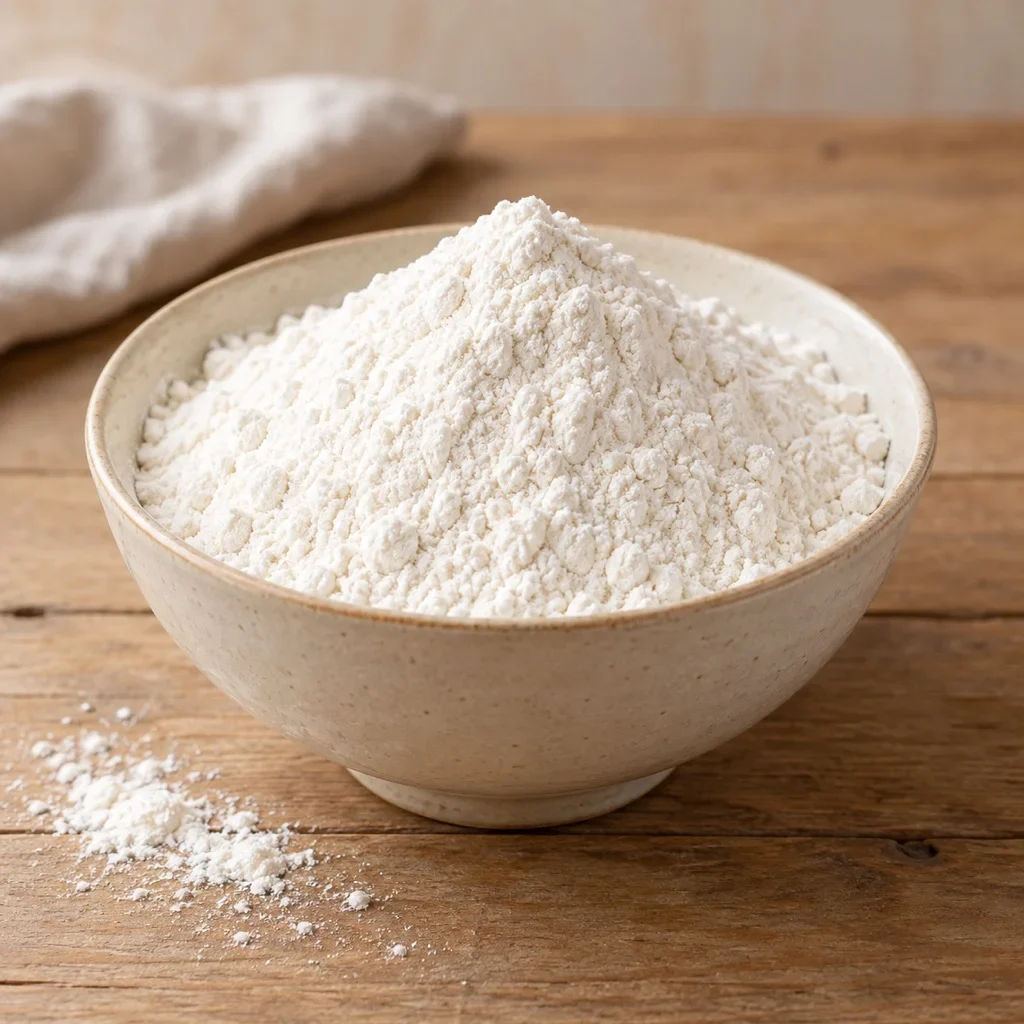
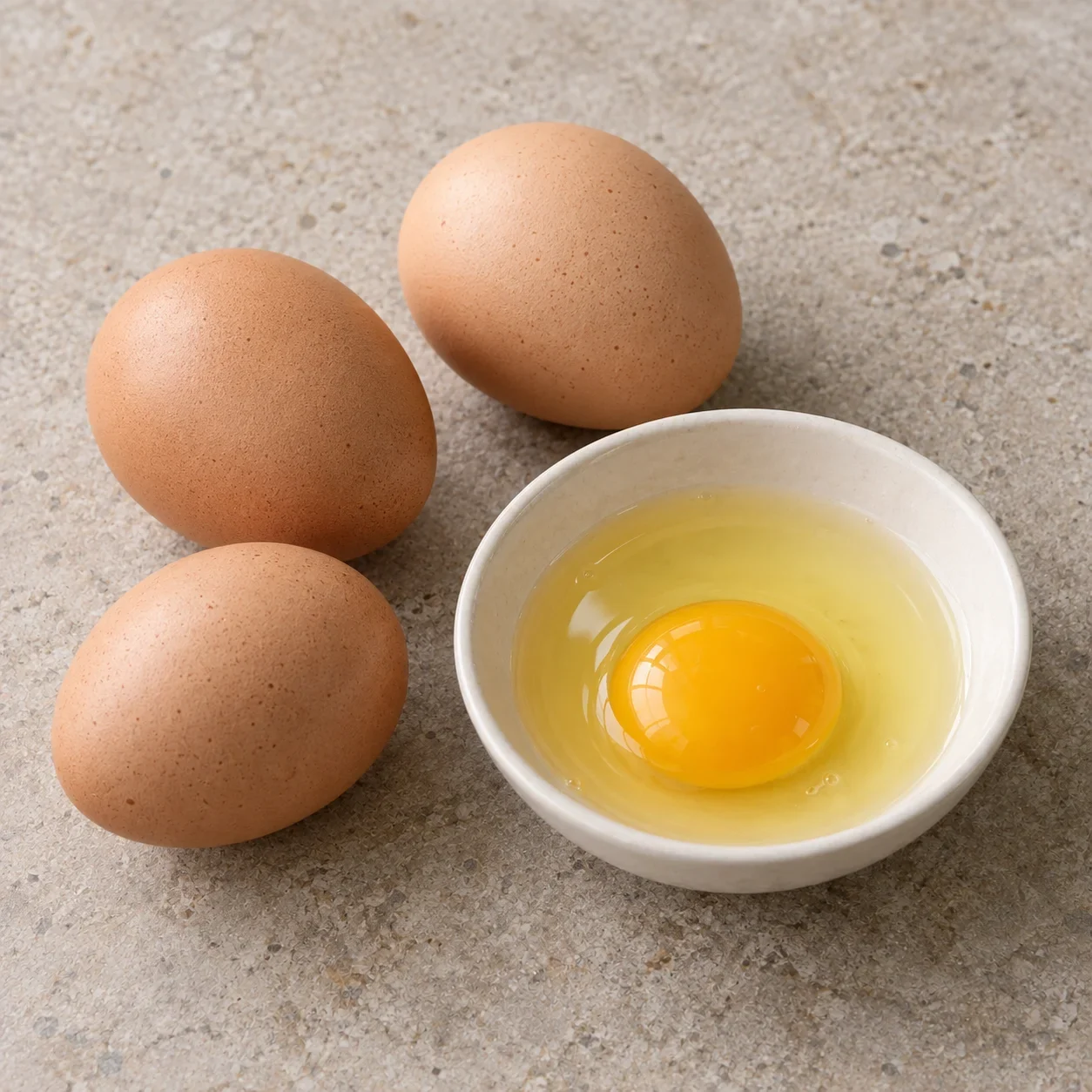
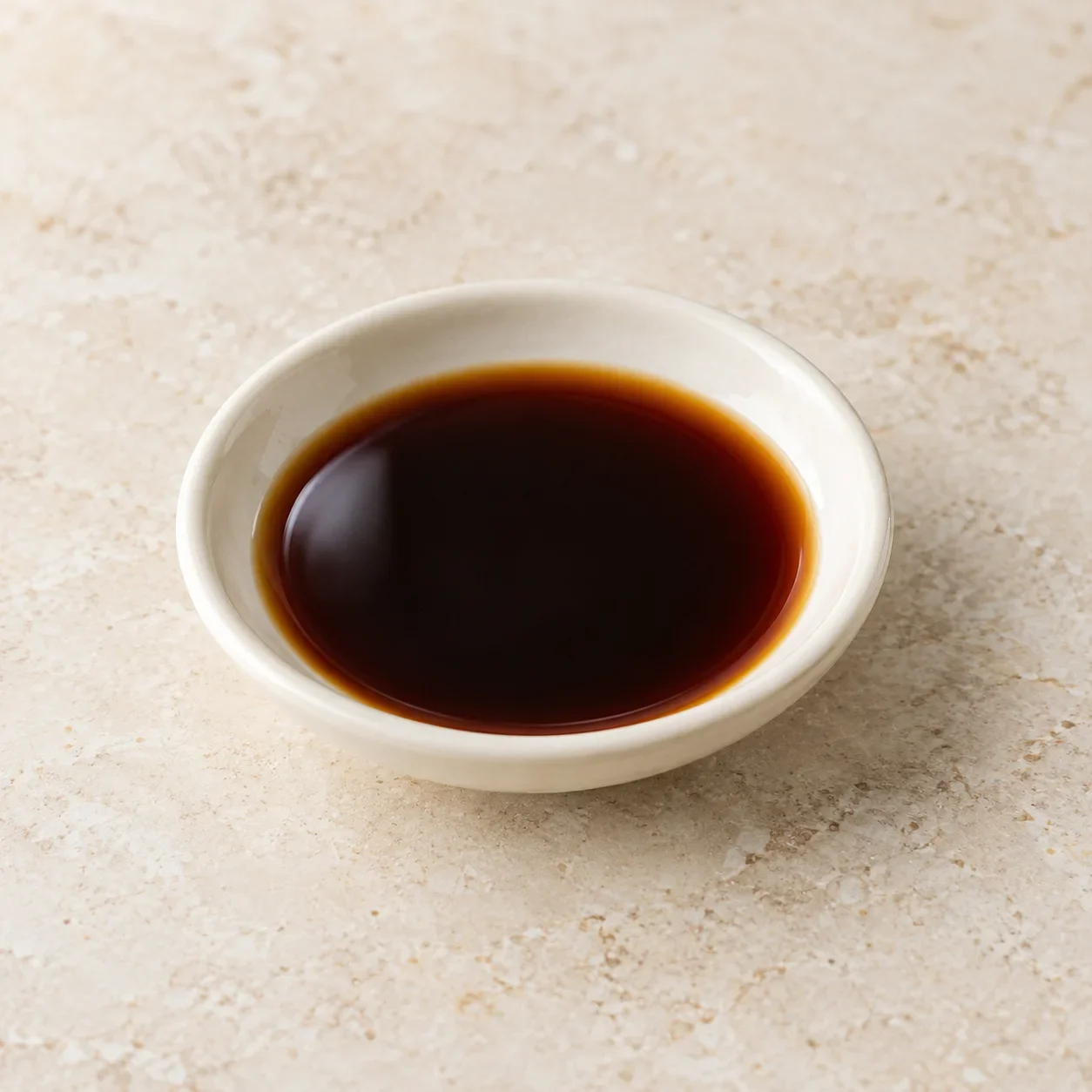

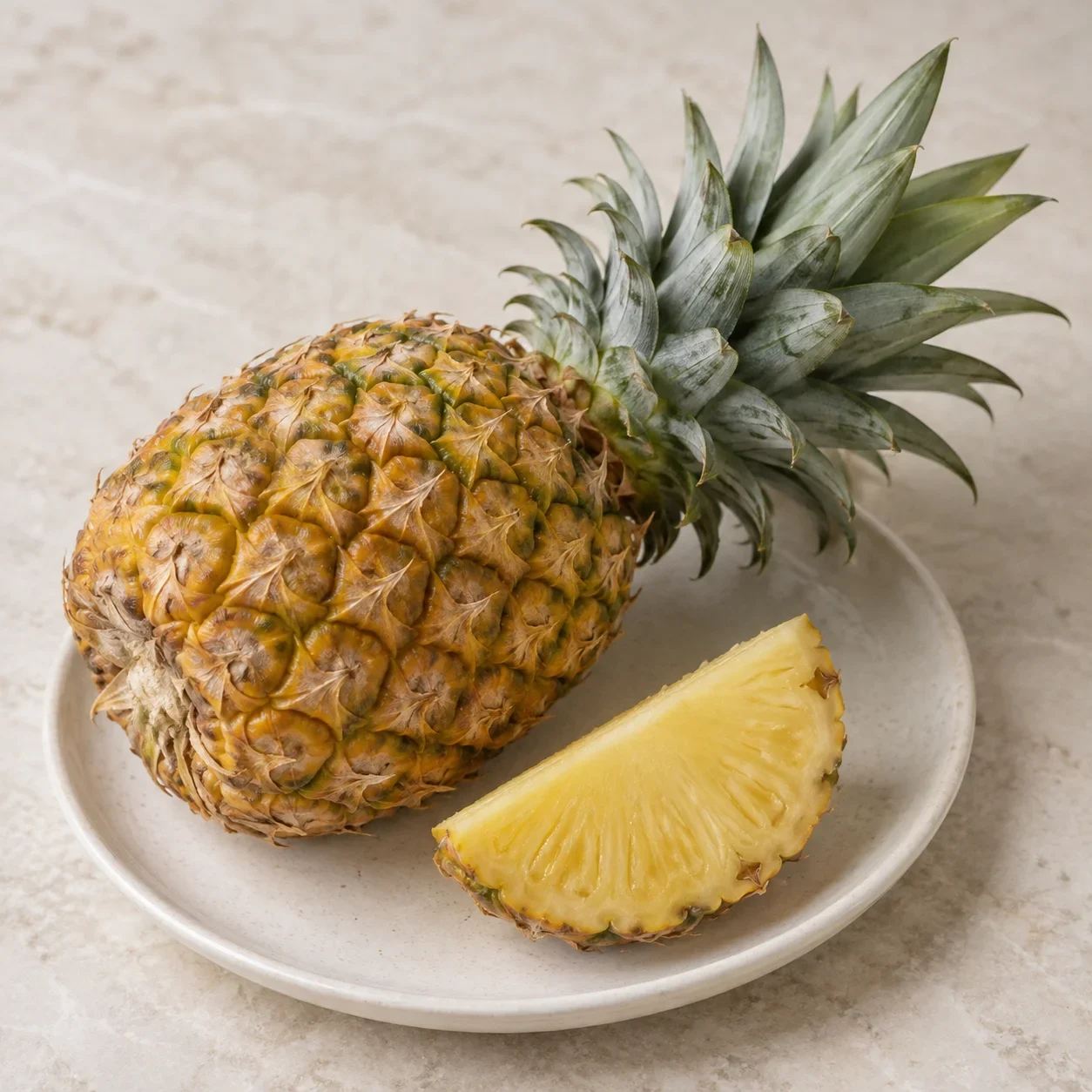
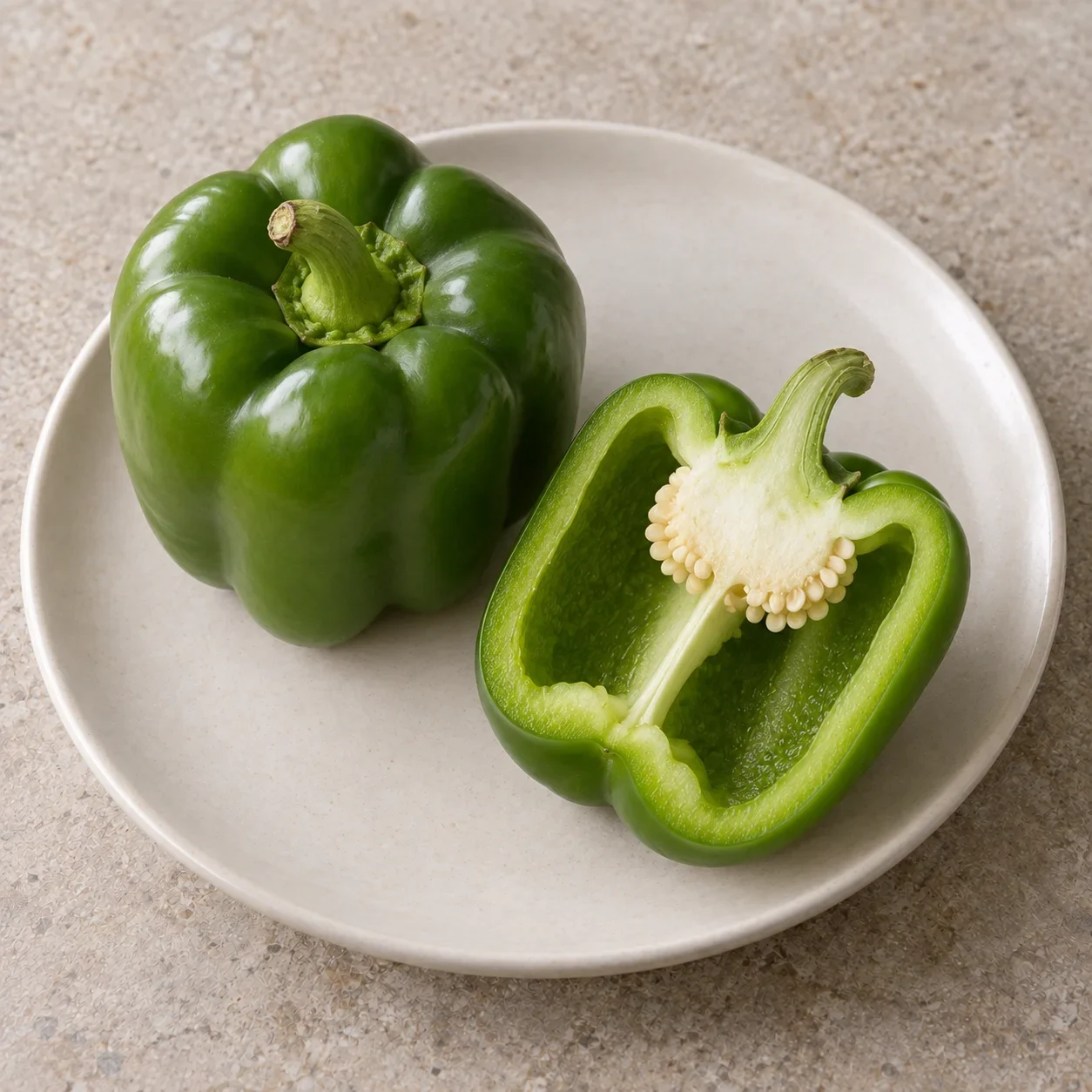
Recipes vary by restaurant.
How does it taste?
Sweet, tangy and savoury.
- Chili heat
- Texture
- Crisp-edged coating around tender pork; the sauce softens the crust over time.
- How it’s made
- Coat and fry the pork, then toss it with the prepared sauce and any accompanying vegetables or fruit.
Pineapple, peppers and onion are optional. One familiar sauce combines ketchup, sugar and vinegar; the balance differs between cooks.
A CONNECTION TO PLACE
Origin & regional roots
Associated with Guangdong.
About this regional connection
Guangdong: Guangdong association; not an exclusive origin claim.
Ask if they have it first
请问你们有咕噜肉吗?
Do you have this item?
A LITTLE SOMETHING TO READ
Story & history
A Cantonese dish with several written names
Crisp-coated pork and sweet-tart sauce are the heart of this Cantonese dish. Its Chinese name has appeared in several forms: a food essay published in 1941 used 古老肉 and 家乡肉, while a Shanghai restaurant advertisement in 1943 listed 炒咕咾肉. Today, 咕噜肉 and 咕咾肉 are useful names to recognize on a Chinese menu.