On this page
- Set the lower chopstick
- Add the moving chopstick
- Practice, then eat
- At a shared table
Set the lower chopstick
Rest the lower chopstick in the hollow between thumb and index finger, with its shaft supported by the ring finger. Hold it comfortably so that it stays still. Keep your fingers away from the eating tips; adjust the height of your grip until the stick feels balanced.
Add the moving chopstick
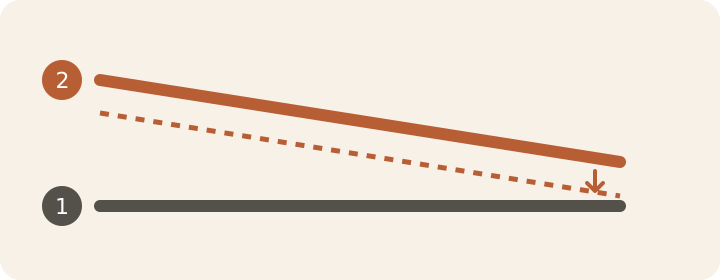
Hold the upper chopstick with thumb, index and middle finger, a little like a pencil. Line up both tips. Move only the upper stick to open and close them. If the tips cross, loosen your grip, realign them and try again before picking anything up.
Practice, then eat
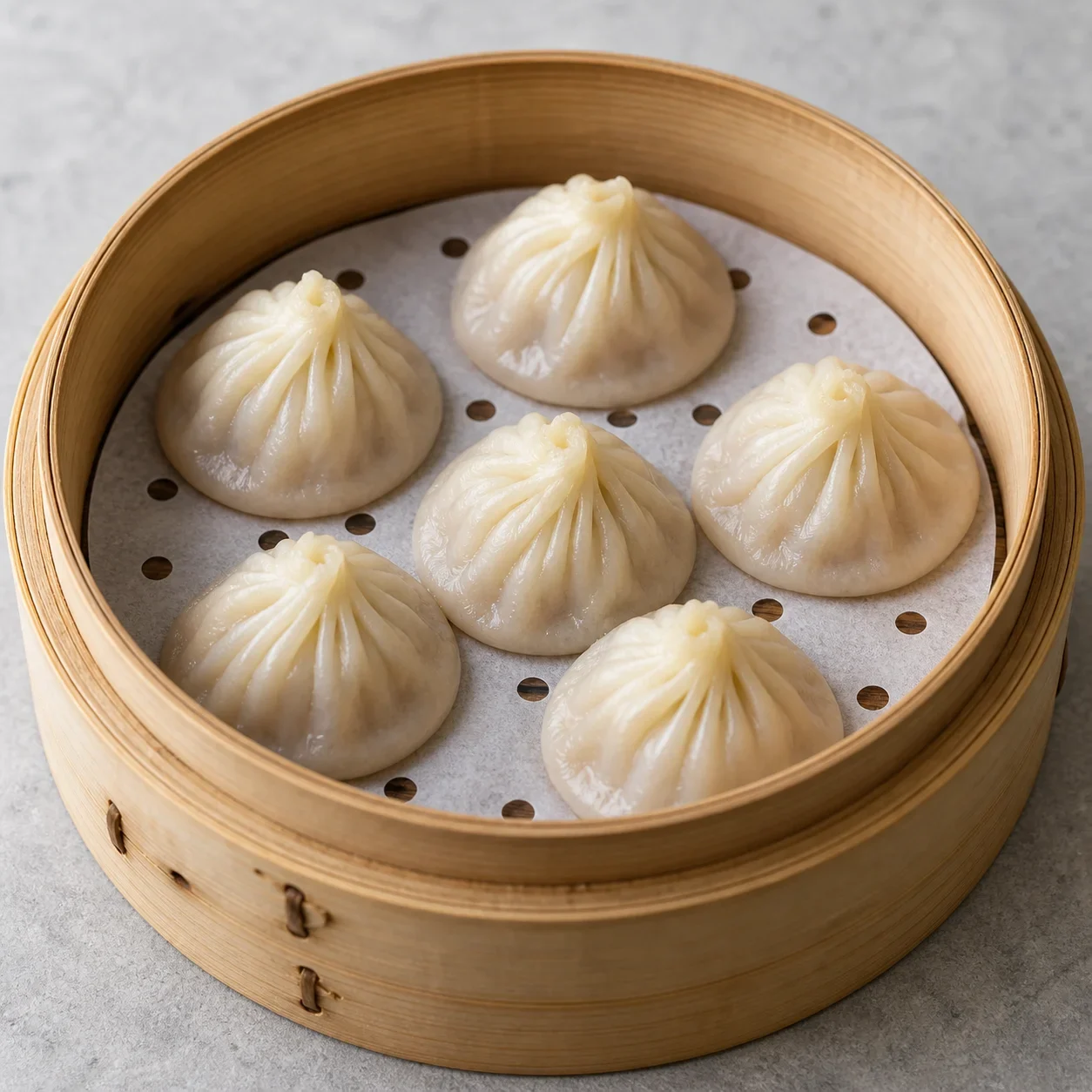
Start with a small, firm piece of food on your own plate. Lift it a short distance, put it down and repeat. Do not begin with slippery noodles or a large dumpling. For soup dumplings, use a spoon to support the dumpling and let it cool before taking a bite; do not squeeze the wrapper hard.
At a shared table
Use the serving utensils provided for shared dishes. Set your chopsticks down on a rest when taking a break rather than standing them upright in rice. If using them is uncomfortable, ask for a spoon or fork. The aim is to enjoy the meal, not pass a dexterity test.
Before you order
- Check fillings, broth and sauces as well as the main ingredient.
- Ask about the serving size before ordering several dishes.
Phrases to show at the table
这里面有什么食材?
What is in this?
可以少放一点辣椒吗?
Can you make this less spicy?
Turn curiosity into a shortlist.
Pick one food you are curious about and keep its Chinese name with your notes. Use the questions above when you compare it with a restaurant menu.
Explore the food