Mapo Tofu 101
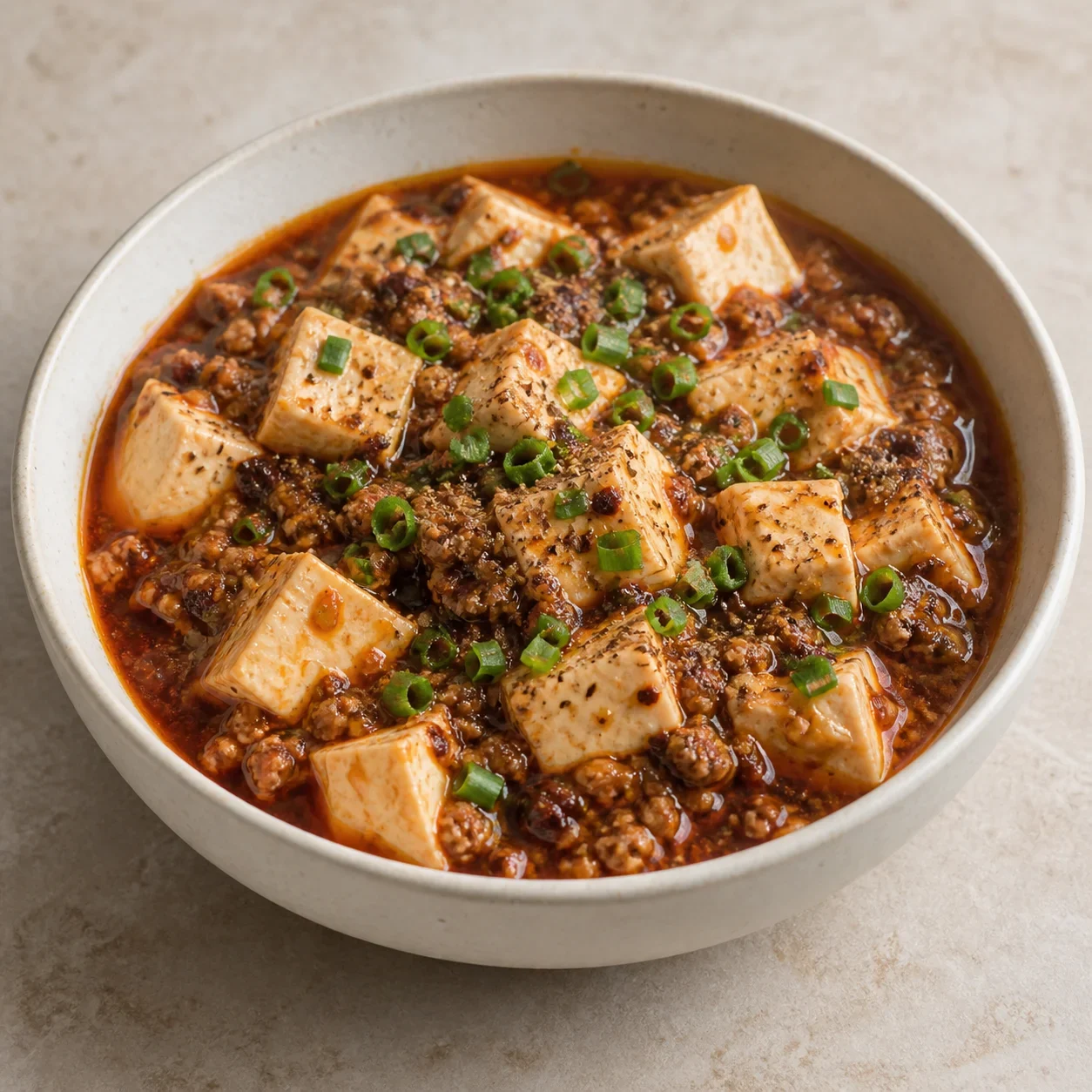
Mapo tofu is tender tofu in a savory chili-bean sauce with a tingling Sichuan-pepper finish. Tofu is the main ingredient, but some versions contain minced meat. Ask about the complete preparation before choosing it as a vegetarian dish.
Eating in China editorial guide · Reviewed October 14, 2026
Know what the name does—and does not—tell you
麻婆豆腐 is the Chinese name to save or show at the table. The word “tofu” identifies the main ingredient, not the rest of the recipe. The version described in our public food guide may include minced pork; ask what the kitchen uses in the dish you are ordering.
Look for a soft, saucy dish rather than firm cubes of fried tofu. If you want a different texture, ask for another tofu preparation. An English translation can help you find a name, but a description of texture and sauce helps you decide whether you want to eat it.
Separate chili heat from pepper tingle
Chili and Sichuan pepper create different sensations. Chili gives heat; Sichuan pepper gives the numbing or tingling finish. Tell the kitchen which one you want reduced instead of relying only on the word “mild”.
Ask whether the sauce can be adjusted before ordering. Some seasoning may already be mixed into a prepared paste or sauce. A kitchen may be able to use less of something, but no guide can promise that a particular restaurant can make the dish entirely non-spicy.
Vegetarian? Ask about more than the topping
Ask about minced meat, stock, animal fat and prepared seasoning. Requesting no visible meat is useful, but it does not tell you what is already in the sauce. If you eat vegan, make that explicit and confirm the full preparation.
If the kitchen cannot adapt the recipe, choose another dish. Tofu on a menu is a good starting point for a question, not a dietary guarantee. If an allergy is involved, explain it separately and ask about handling and cross-contact as well as the ingredients.
Make it part of a meal you enjoy
Start with a portion that suits your group and ask about rice or other sides separately. Taste a small amount of the sauce first. You can choose something less intense for the rest of the meal rather than ordering several chili-rich dishes together.
Keep its Chinese name and your preferred heat request with your saved food notes. If you try another version later, expect some variation in seasoning, meat and texture. The useful comparison is what you enjoyed, not whether every bowl looks identical.
Phrases to show at the table
这道麻婆豆腐里面有肉末、肉汤或猪油吗?
Does this mapo tofu contain minced meat, meat stock or pork fat?
可以少辣、少花椒吗?
Can you make it with less chili and less Sichuan pepper?
At the table
Use a spoon to take tofu and sauce with rice. Let the hot tofu cool a little and try a small amount first to judge the chili and numbing sensation.
This version contains pork and soy. Stock may be animal-based; chili-bean paste may contain wheat, and some preparations add sesame oil. Ask about the full recipe, chili level and allergens. Soft tofu can still be very hot inside.
GET TO KNOW THE DISH
What goes into it?
Explore some key ingredients below. Preparations may use additional seasonings and ingredients.
Soft or silken tofu can be paired with pork. Meat, stock, oil and chili quantities vary.
Typical ingredients
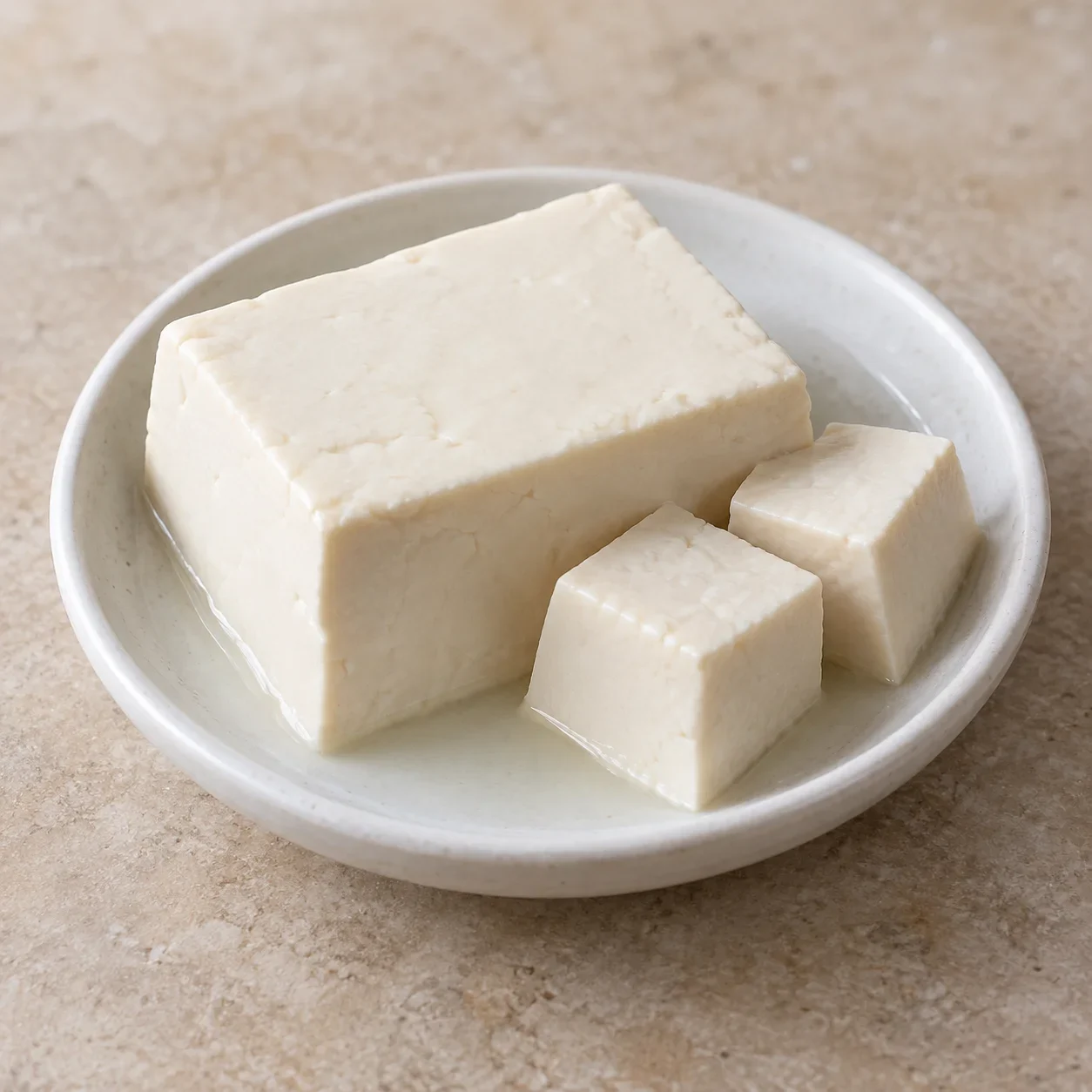
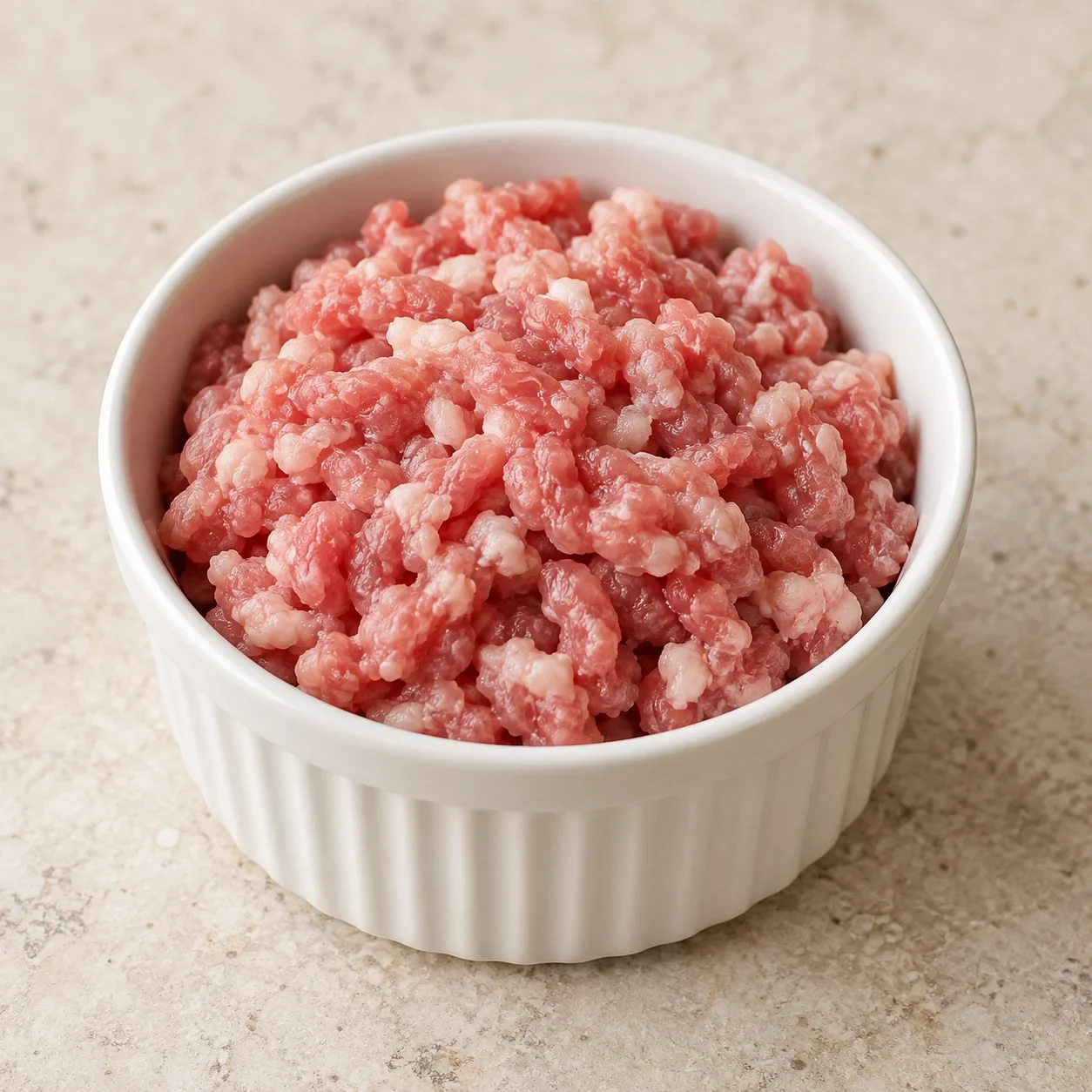
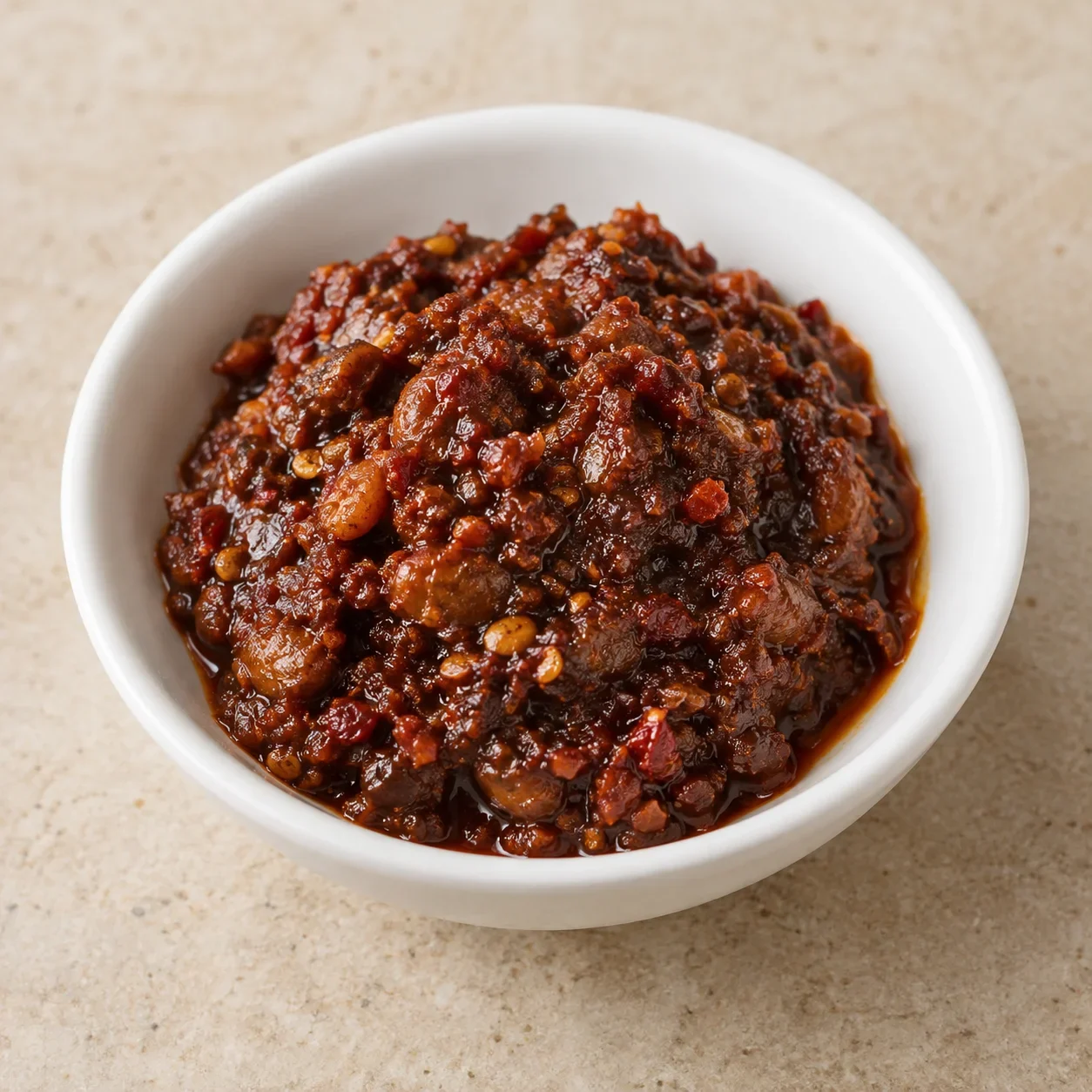
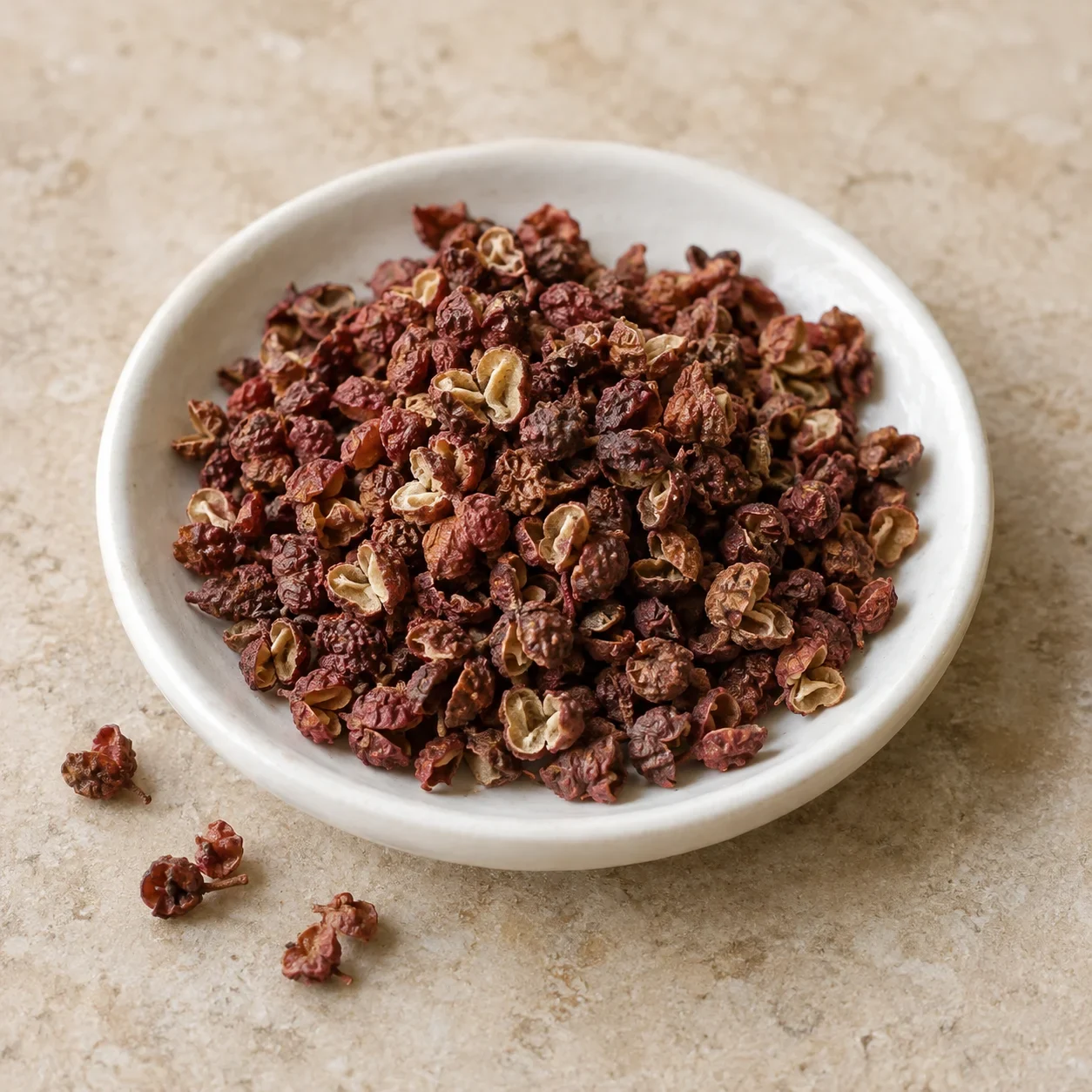
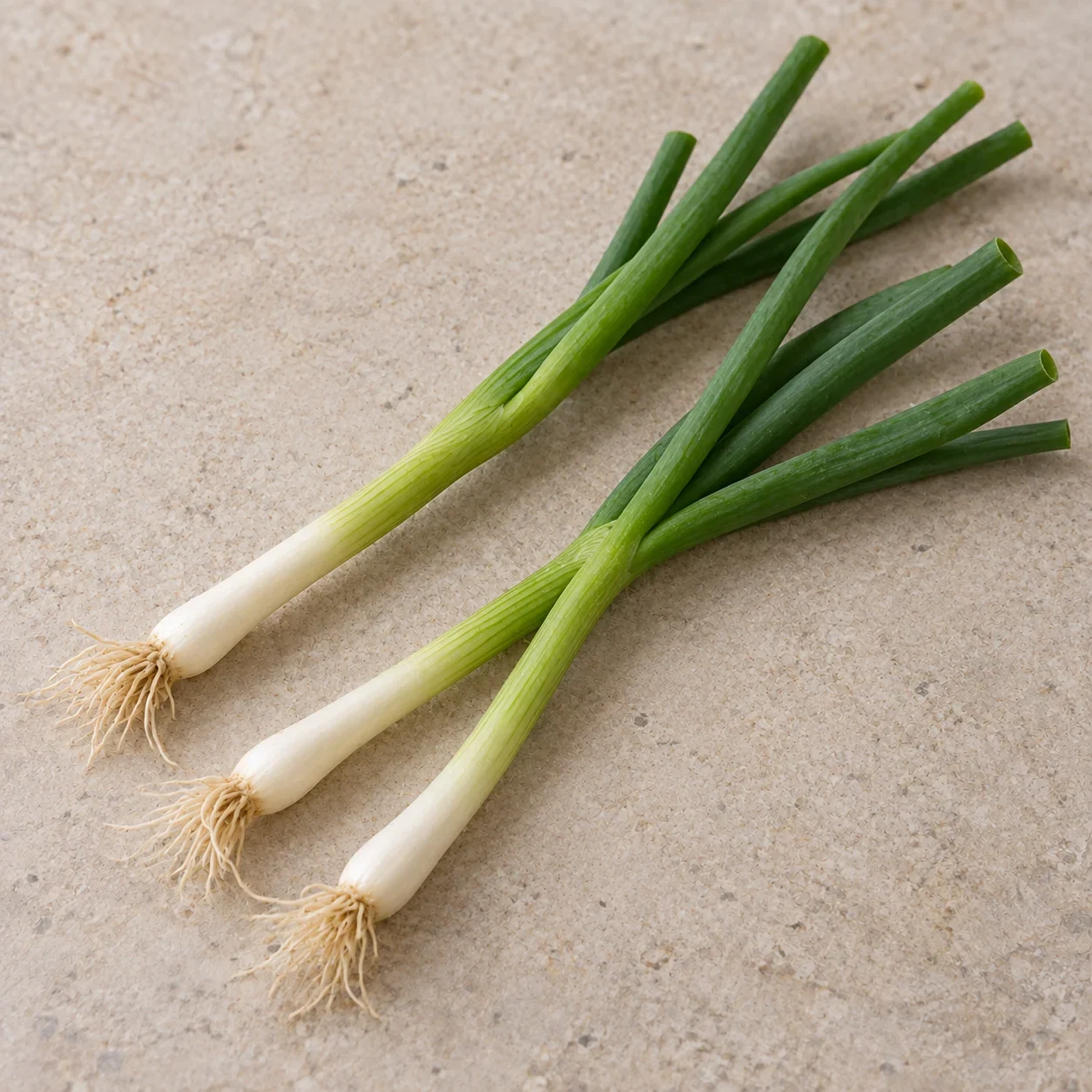
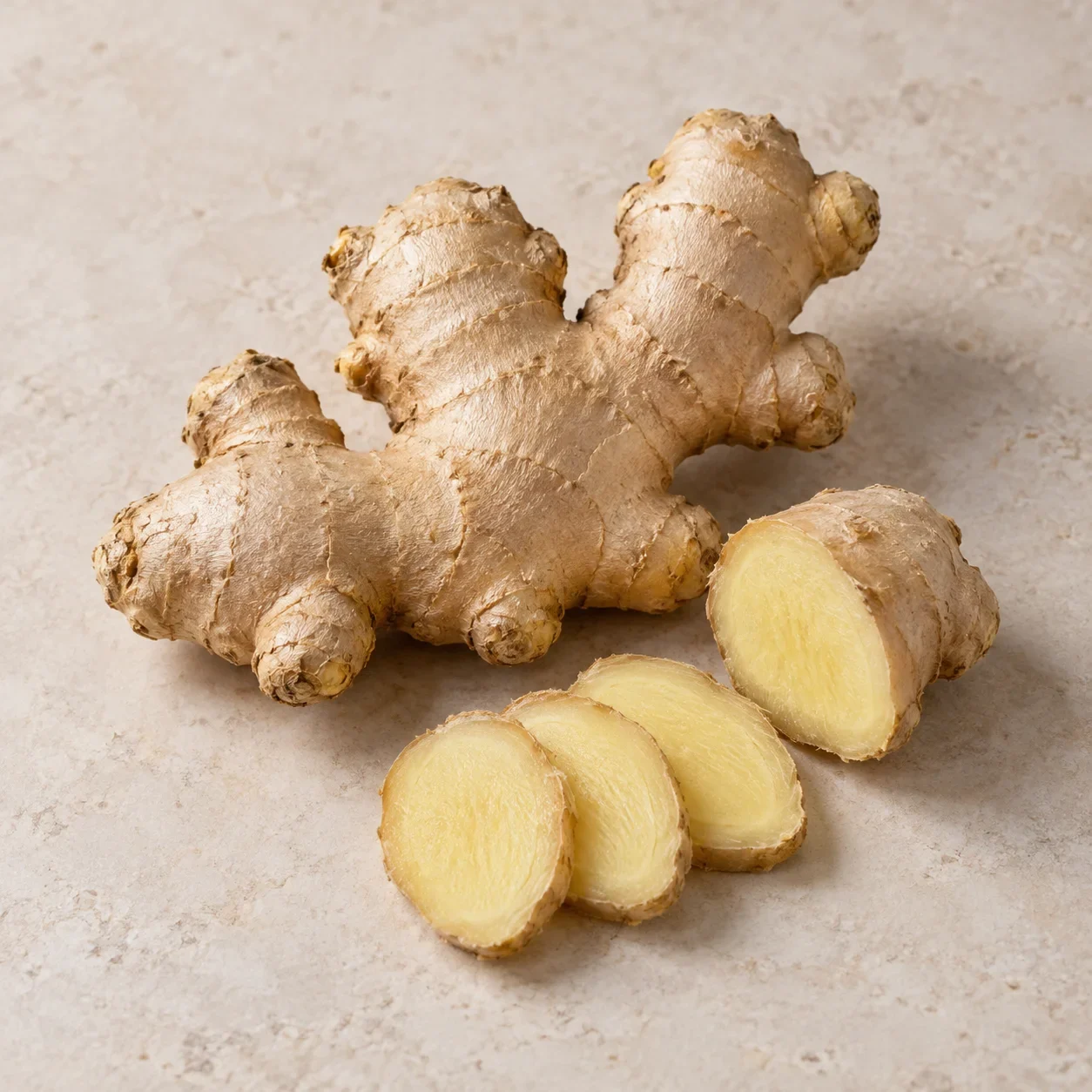
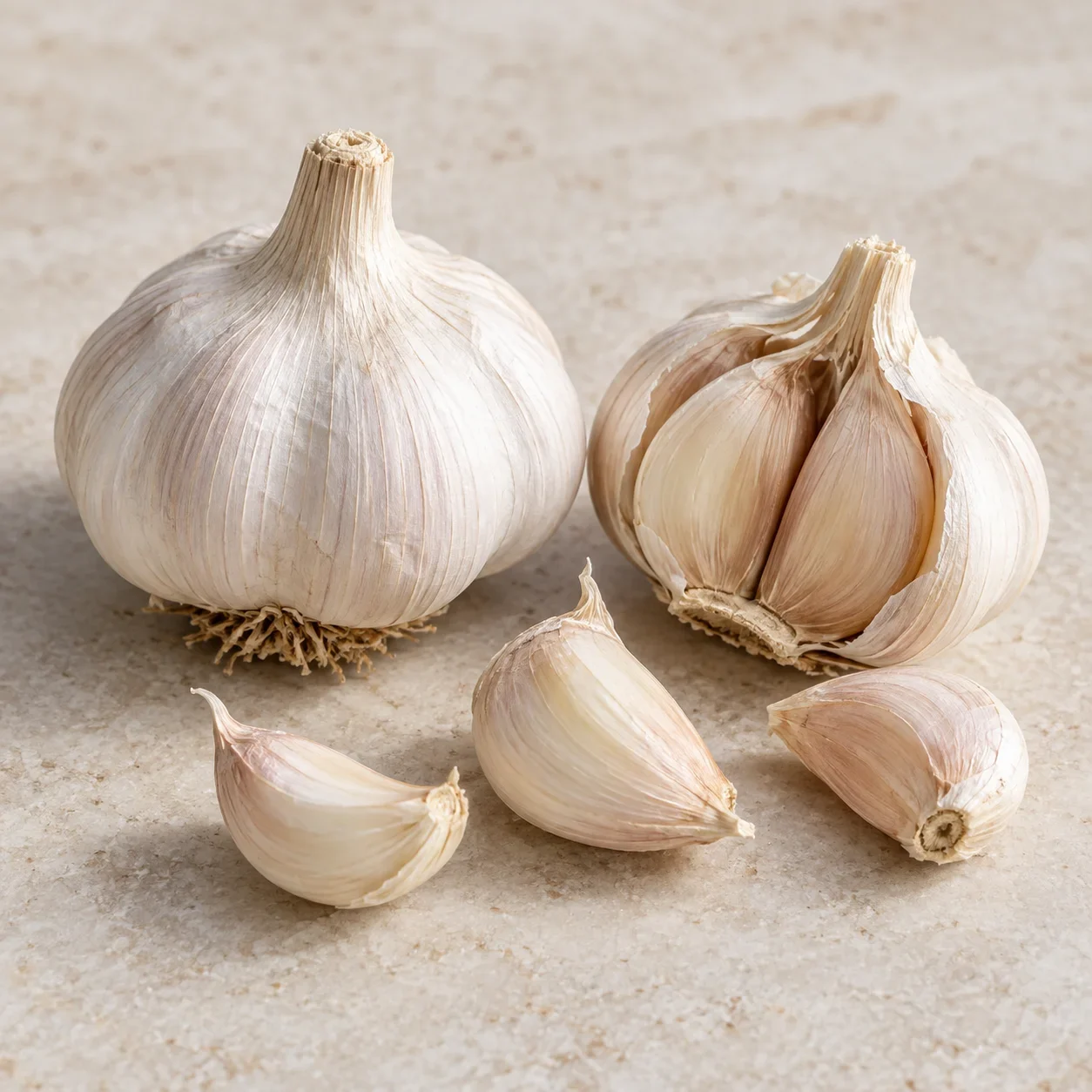
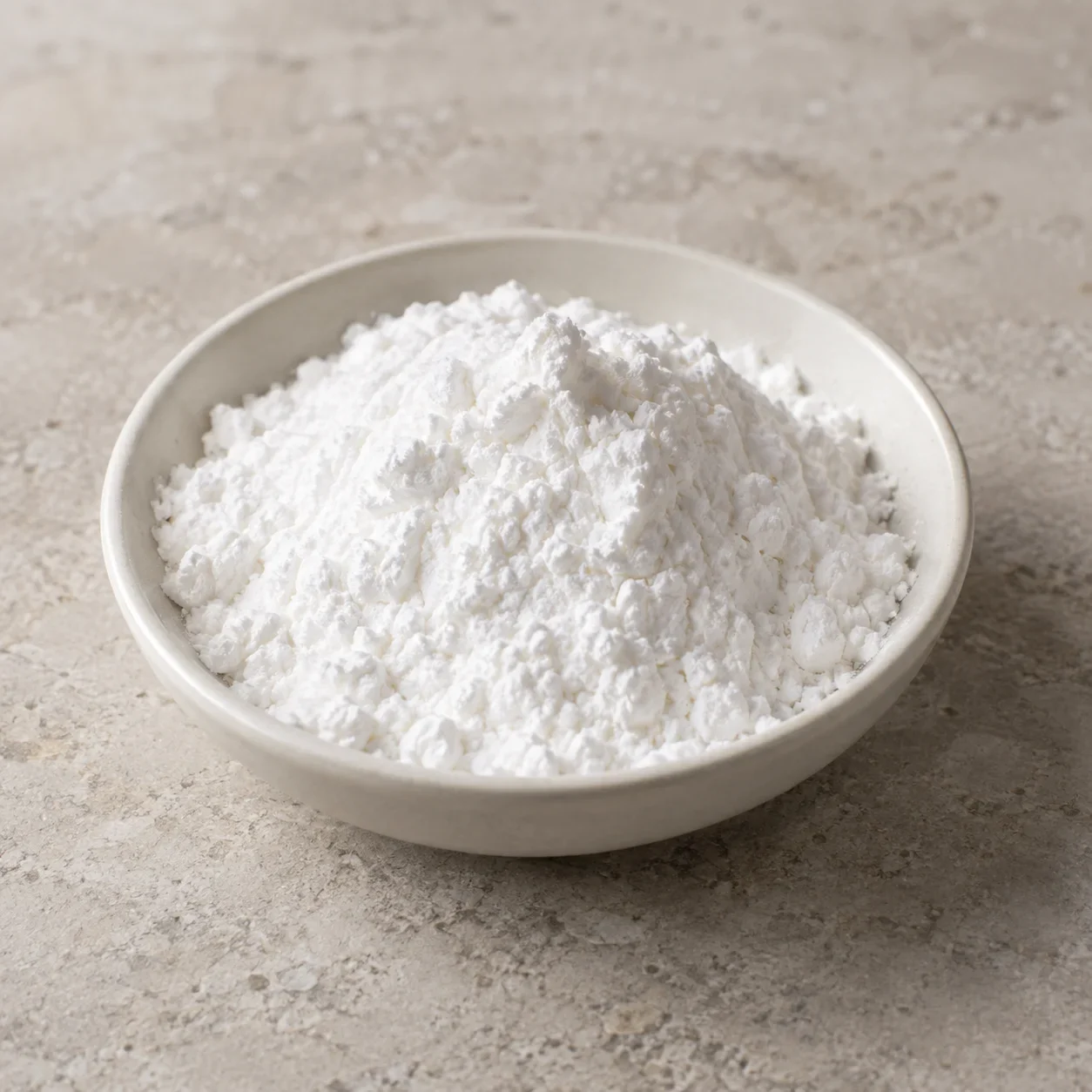
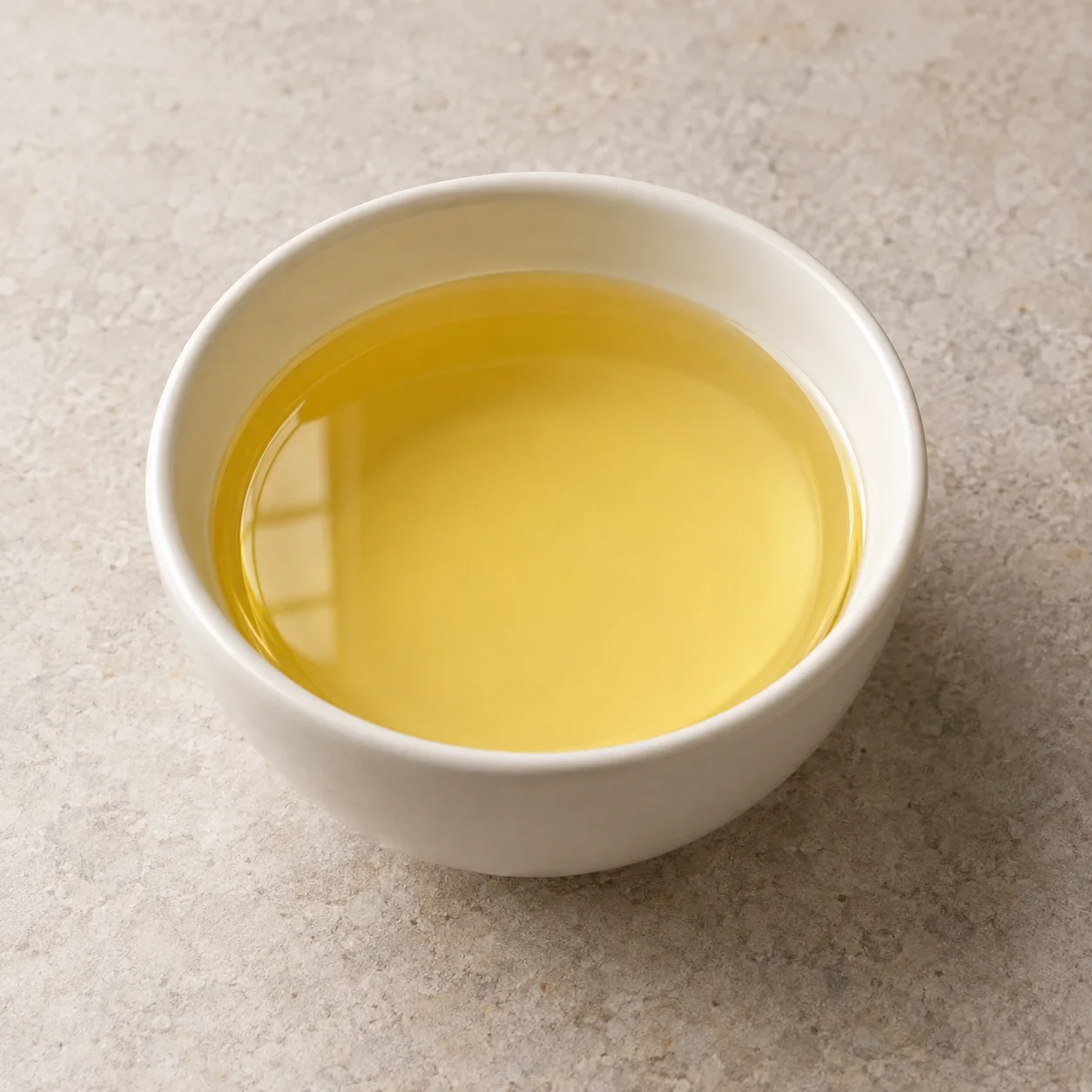
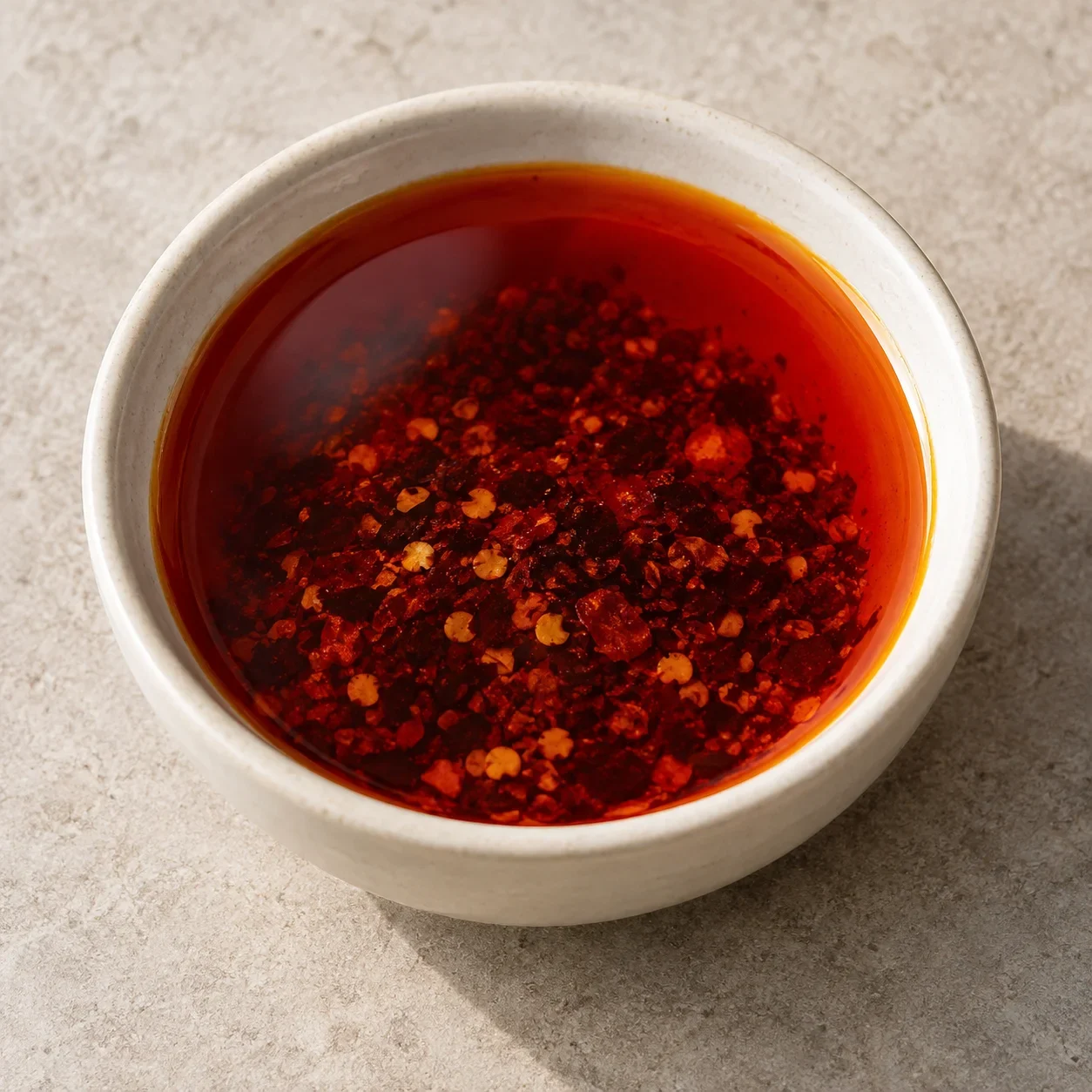
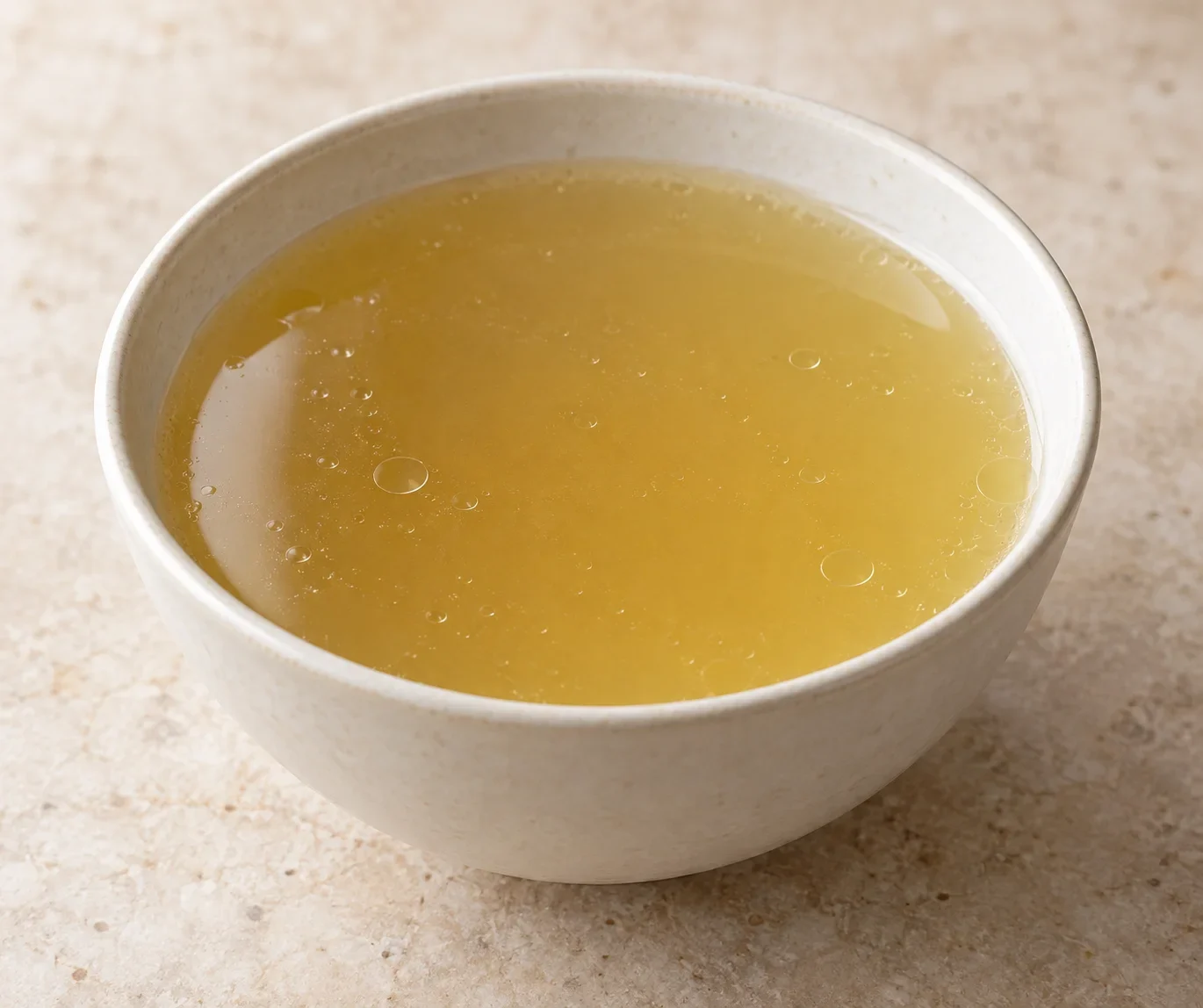
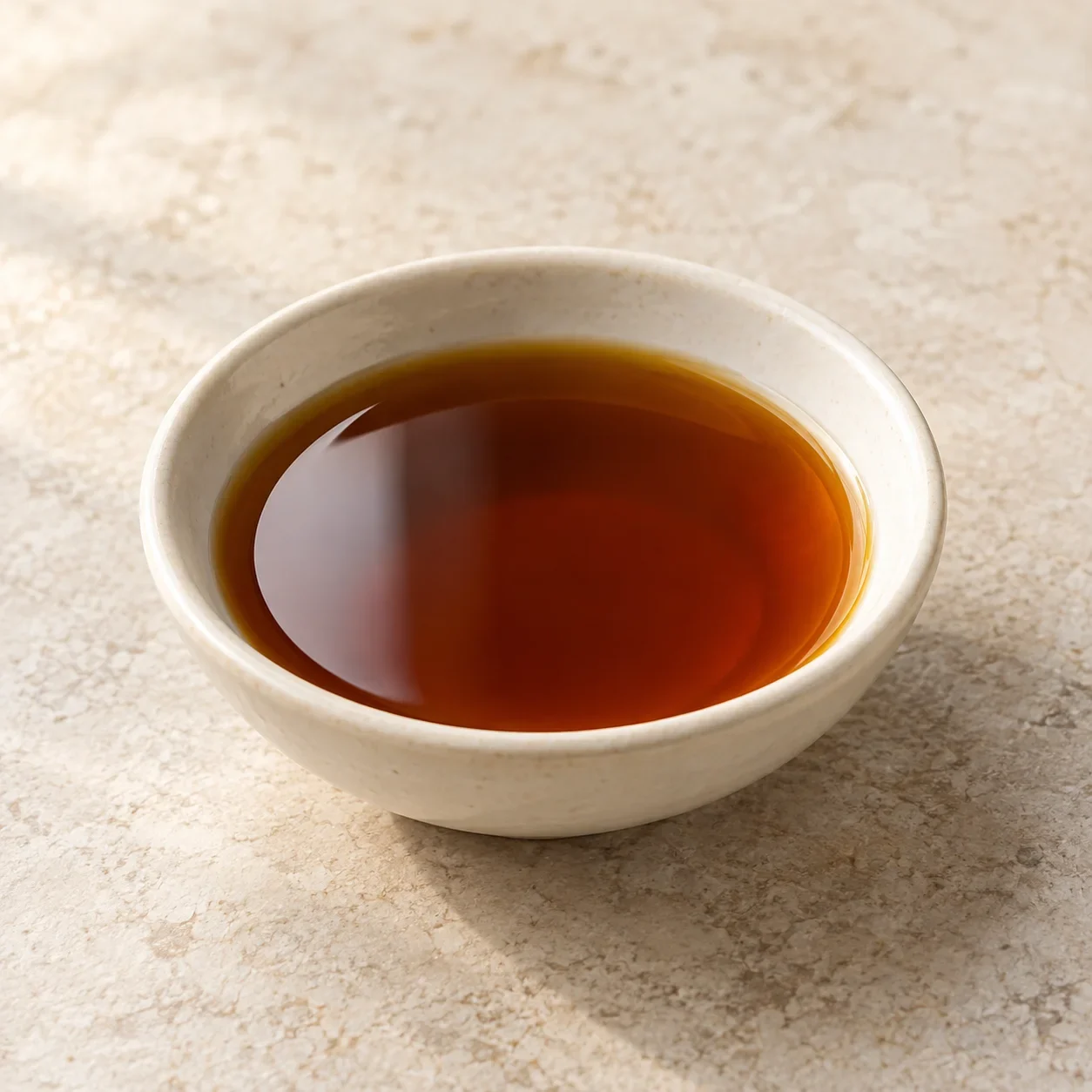
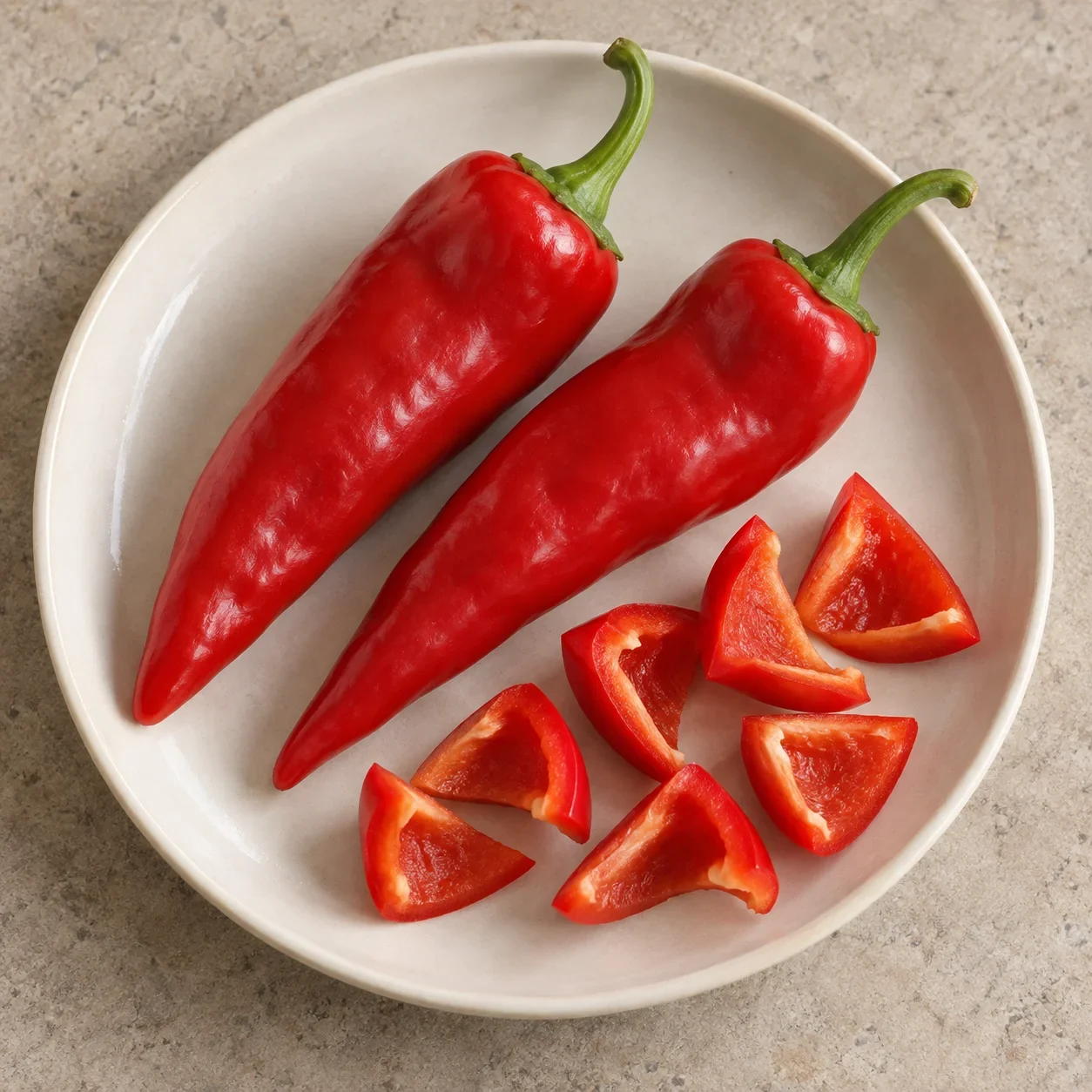
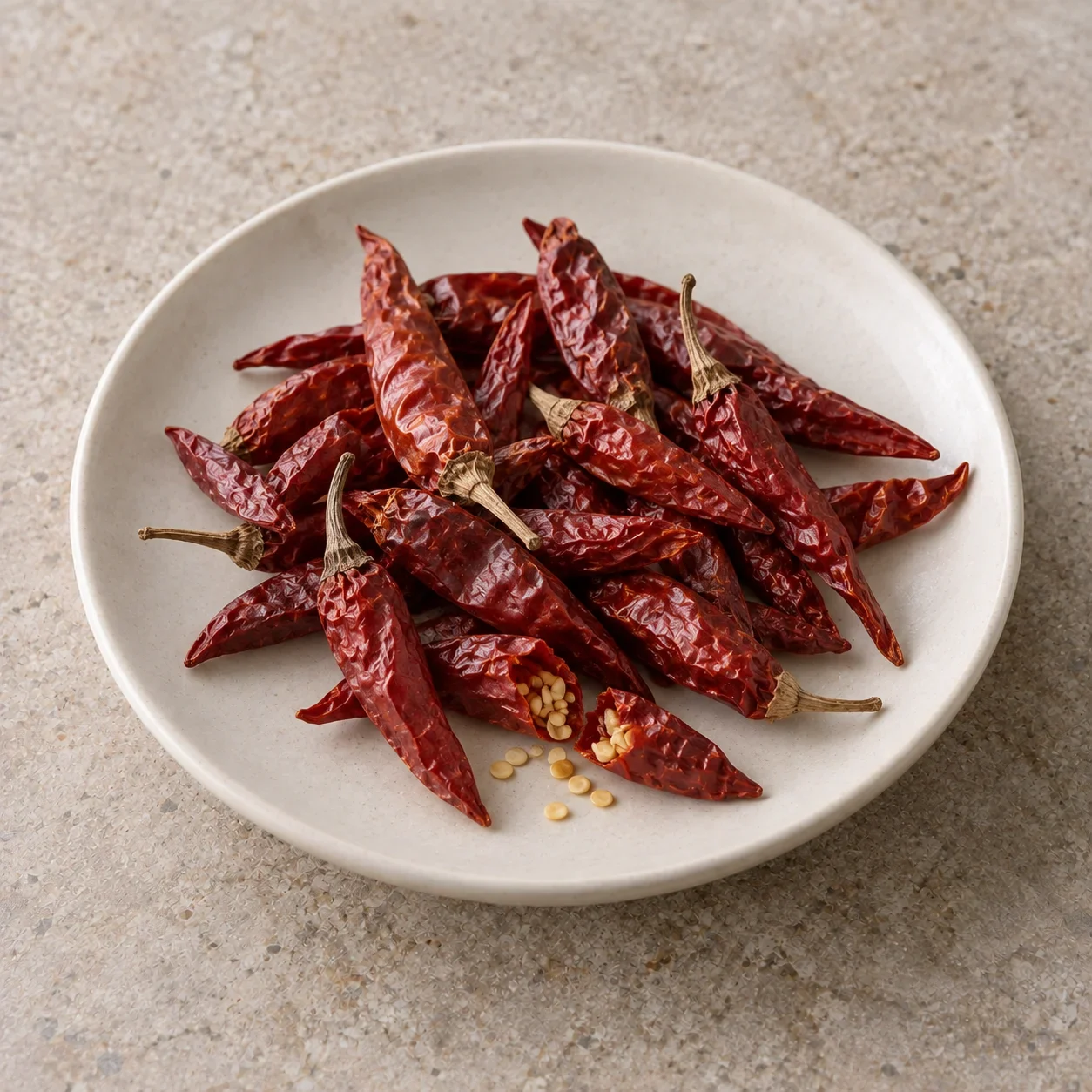
Recipes vary by restaurant.
How does it taste?
Savory, salty, chili-hot and tingling; intensity varies.
- Chili heat
- Texture
- Soft tofu contrasts with small pieces of minced meat.
- How it’s made
- Simmer tofu in a seasoned sauce after frying the mince and aromatics.
Soft or silken tofu can be paired with pork. Meat, stock, oil and chili quantities vary.
A CONNECTION TO PLACE
Origin & regional roots
Associated with Sichuan.
About this regional connection
Sichuan: Closely associated with Sichuan cooking.
Ask if they have it first
请问你们有麻婆豆腐吗?
Do you have this item?
A LITTLE SOMETHING TO READ
Story & history
The nickname behind one Chengdu mapo tofu
A Chen family shop beside Chengdu’s Wanfu Bridge dates its mapo tofu lineage to 1862. In its well-known story, diners called the cook “Mapo,” roughly “pockmarked woman,” because of the marks on her face; her tofu dish took the same name. The nickname points to a person, not an ingredient. This is one shop’s lineage, not a single origin for every mapo tofu made elsewhere.