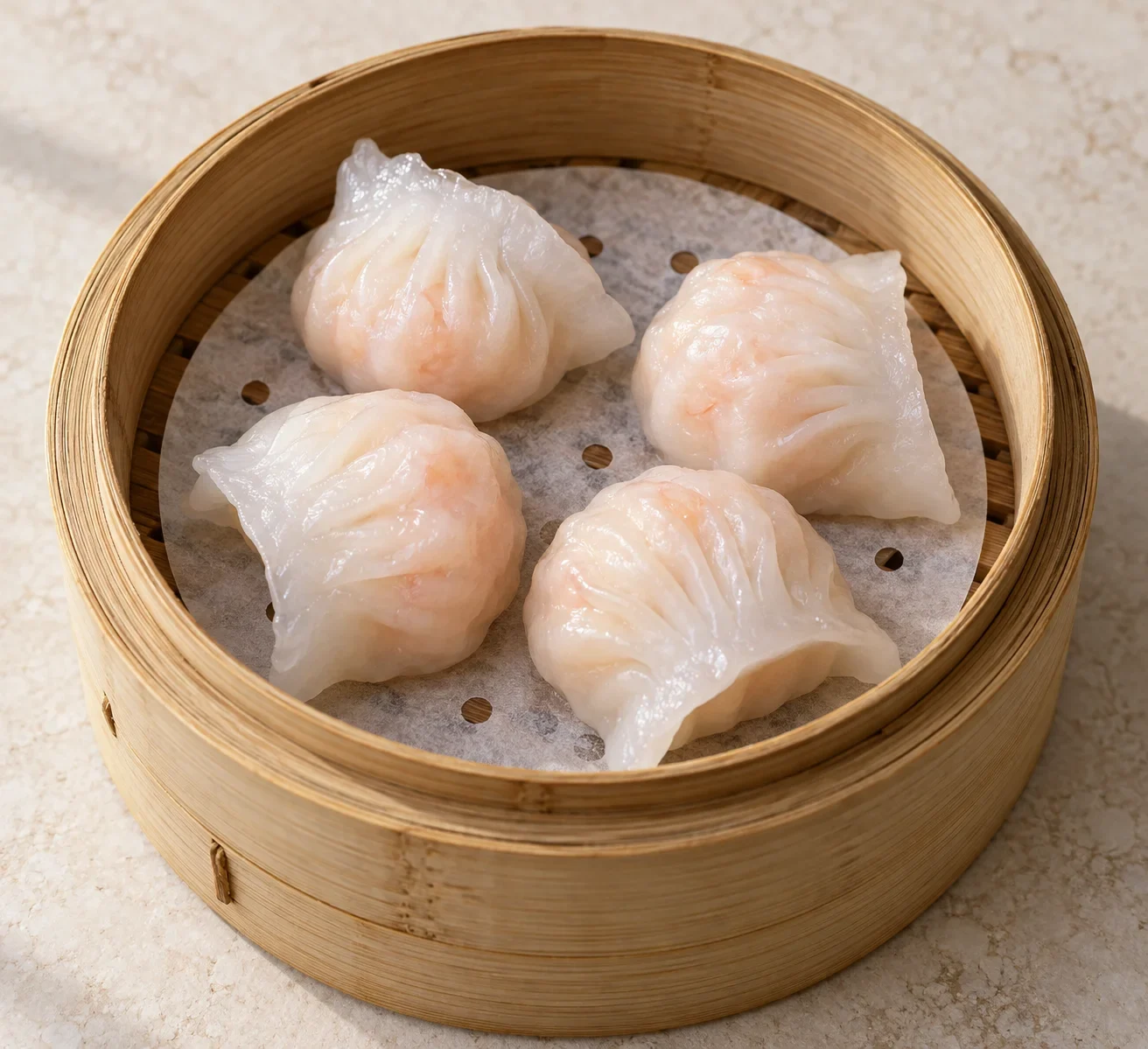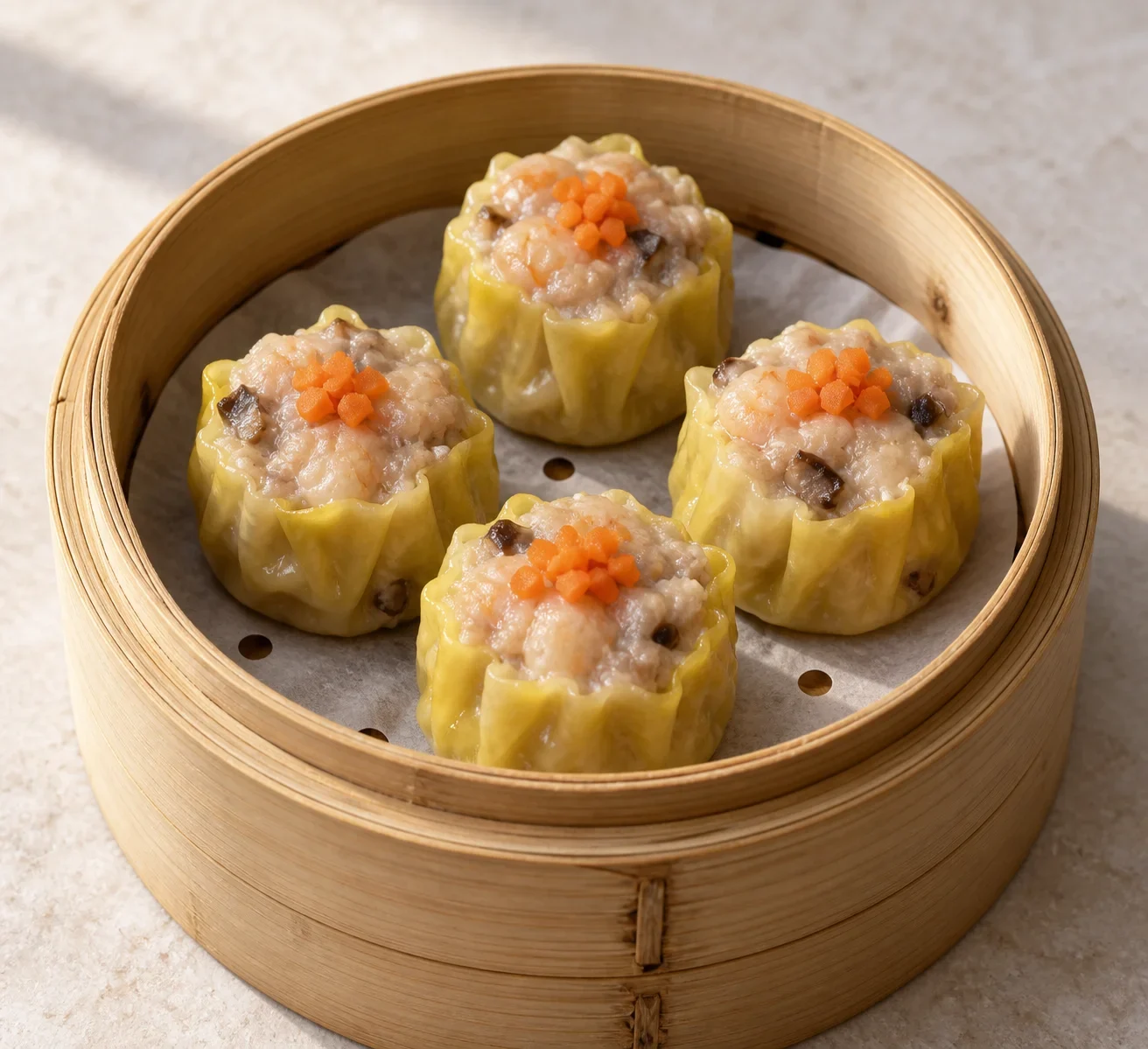
At the table
Lift a dumpling from the steamer and let it cool slightly. Try it plain before adding a little dipping sauce; cut it into smaller pieces if the filling is dense or too hot.
Contains pork, shrimp and wheat. Seasoning may include sesame, soy or oyster sauce; wrappers may contain egg, and toppings may add fish roe or scallops. Check the actual recipe. For children, cool the dumpling and cut the dense filling into small pieces; softness does not guarantee suitability.
The pork-and-shrimp version is neither vegetarian nor vegan. Usually mild, with a little white pepper in some fillings; chili sauces can make it much hotter. Wrappers, seasonings and toppings vary, and an orange garnish is not always fish roe.
GET TO KNOW THE DISH
What goes into it?
Explore some key ingredients below. Preparations may use additional seasonings and ingredients.
Fish roe or carrot may top the dumpling; scallop versions also appear.
Typical ingredients
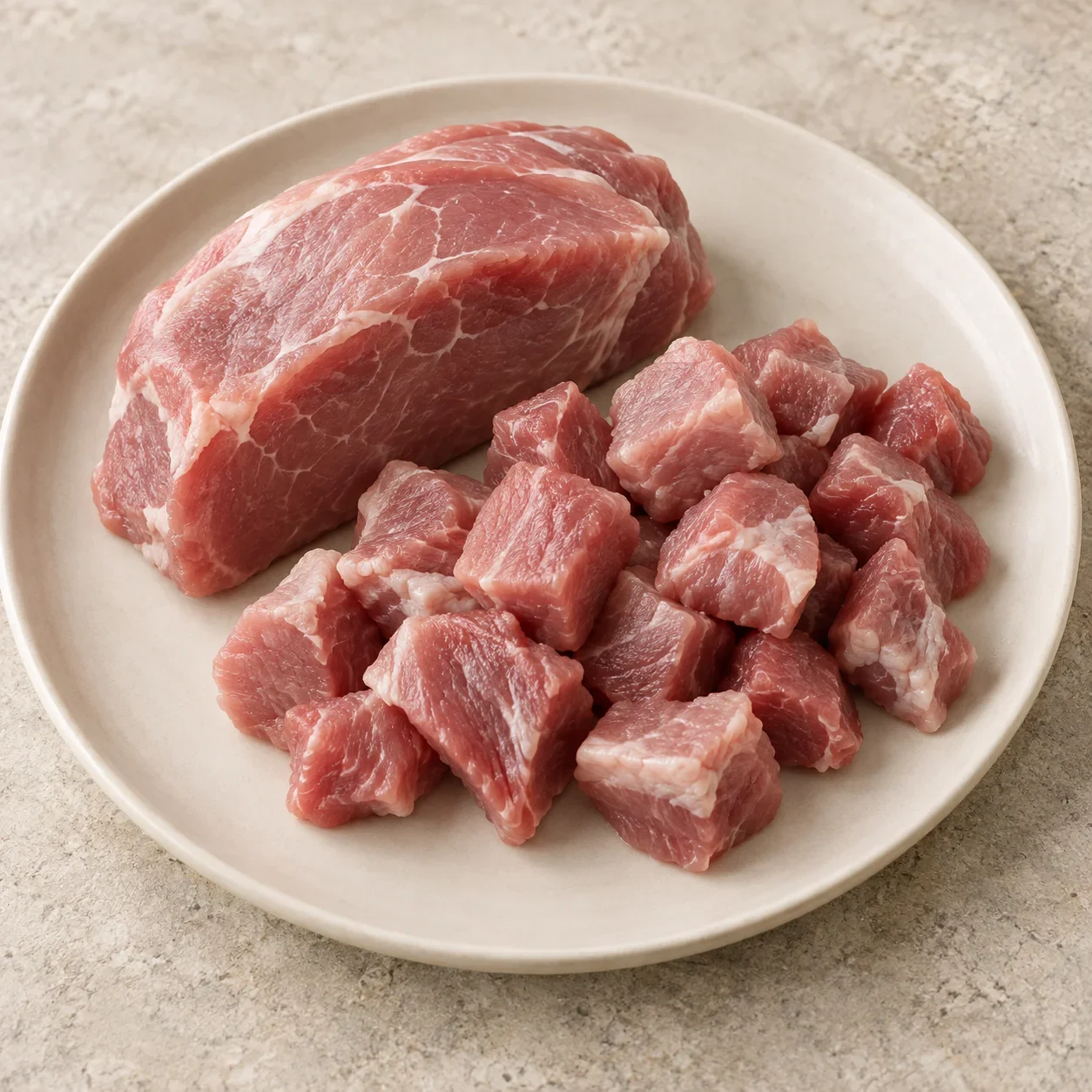
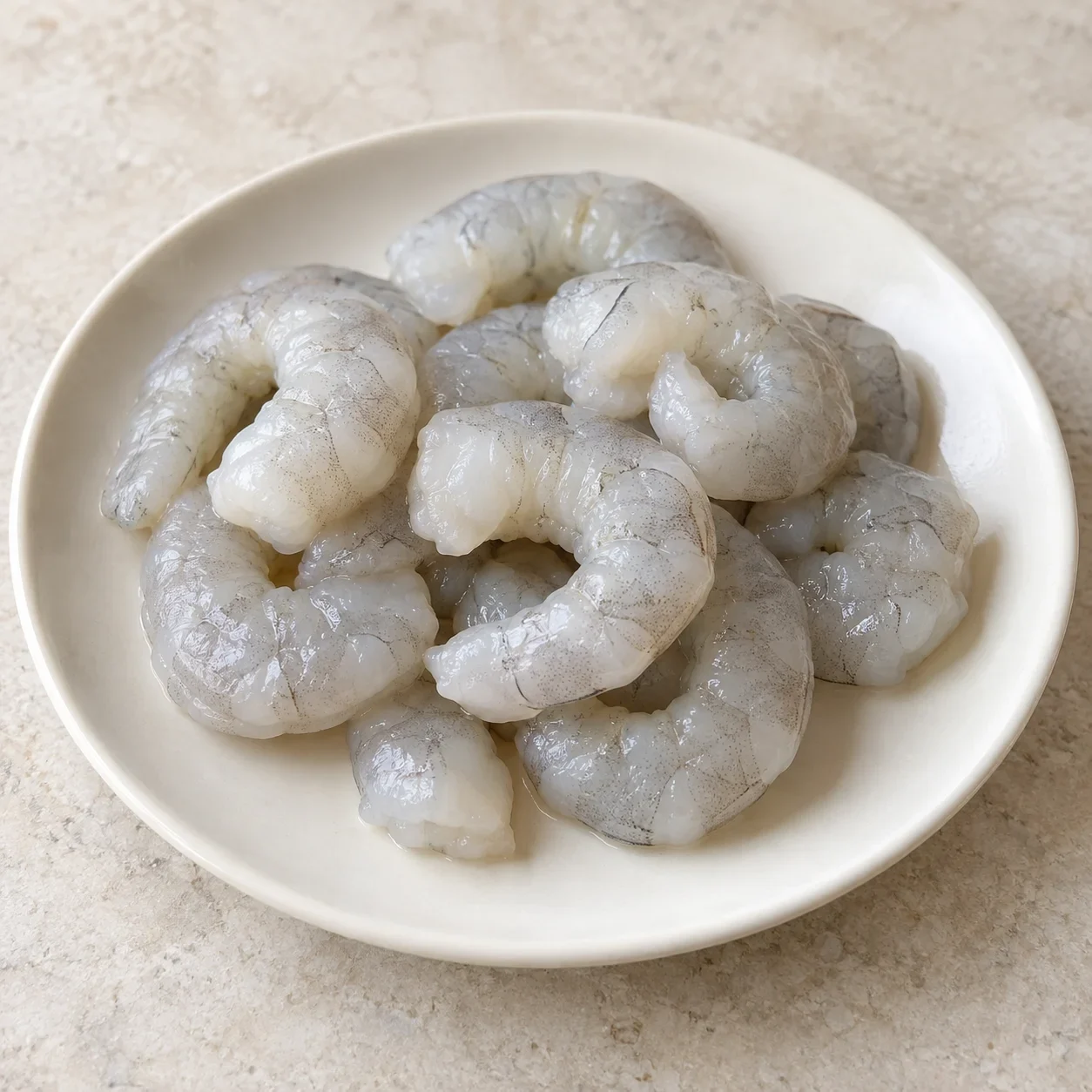
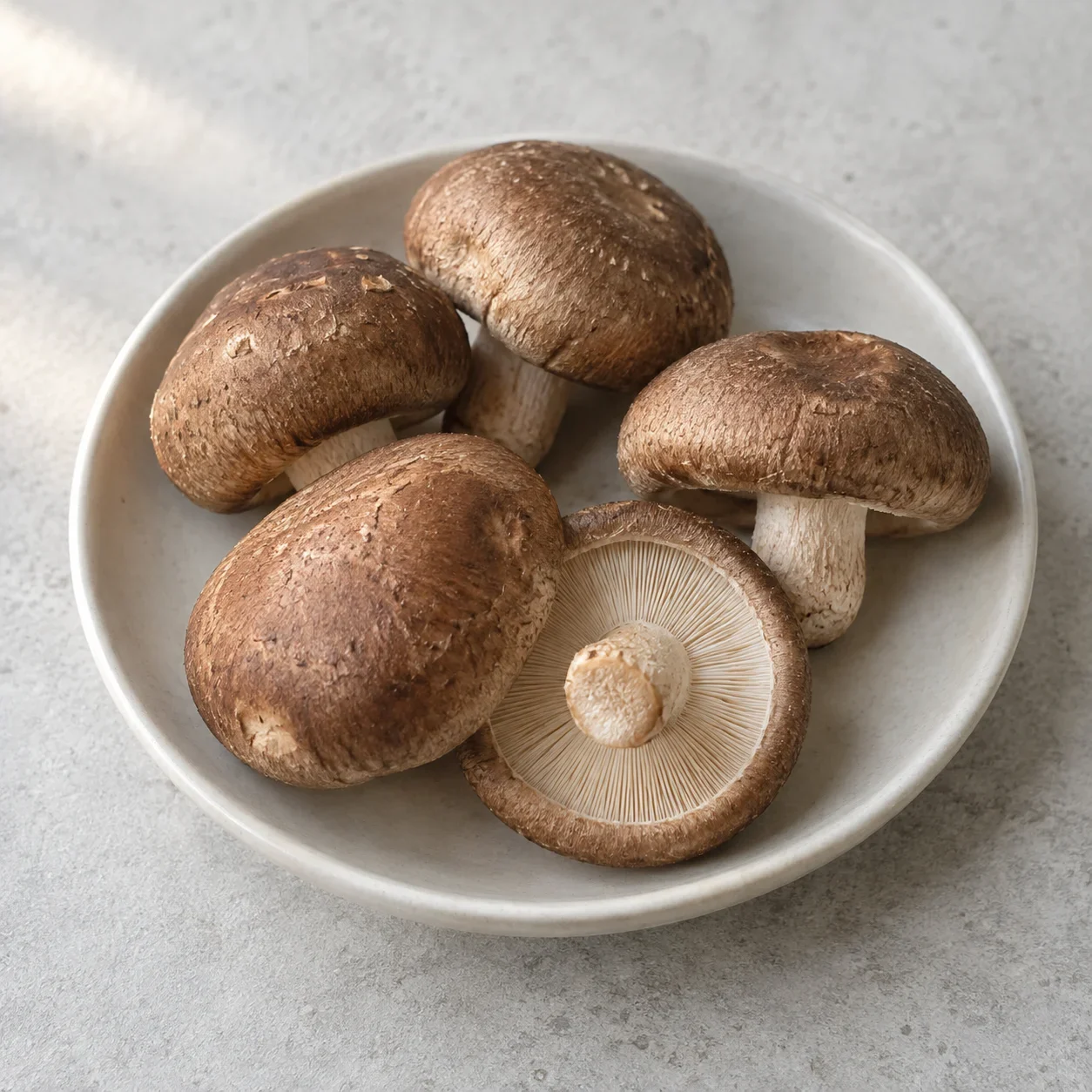
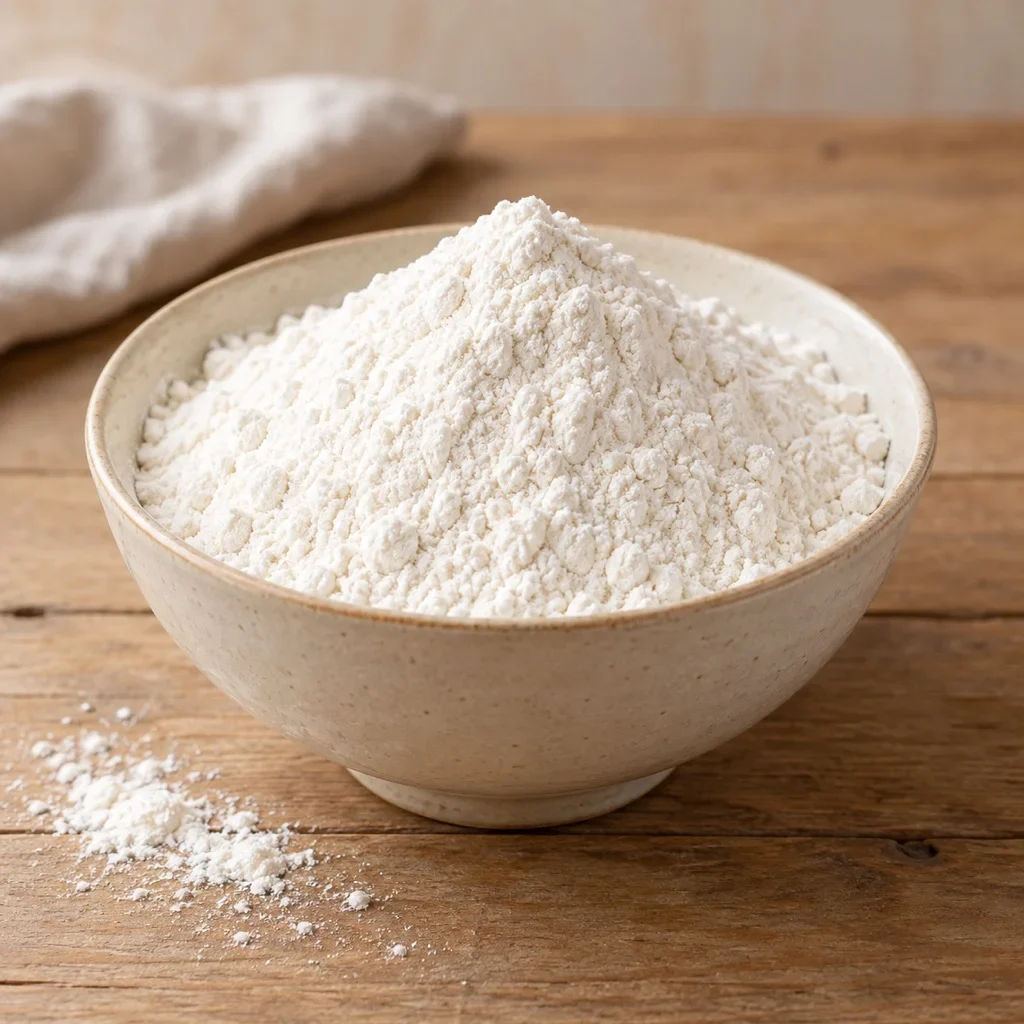


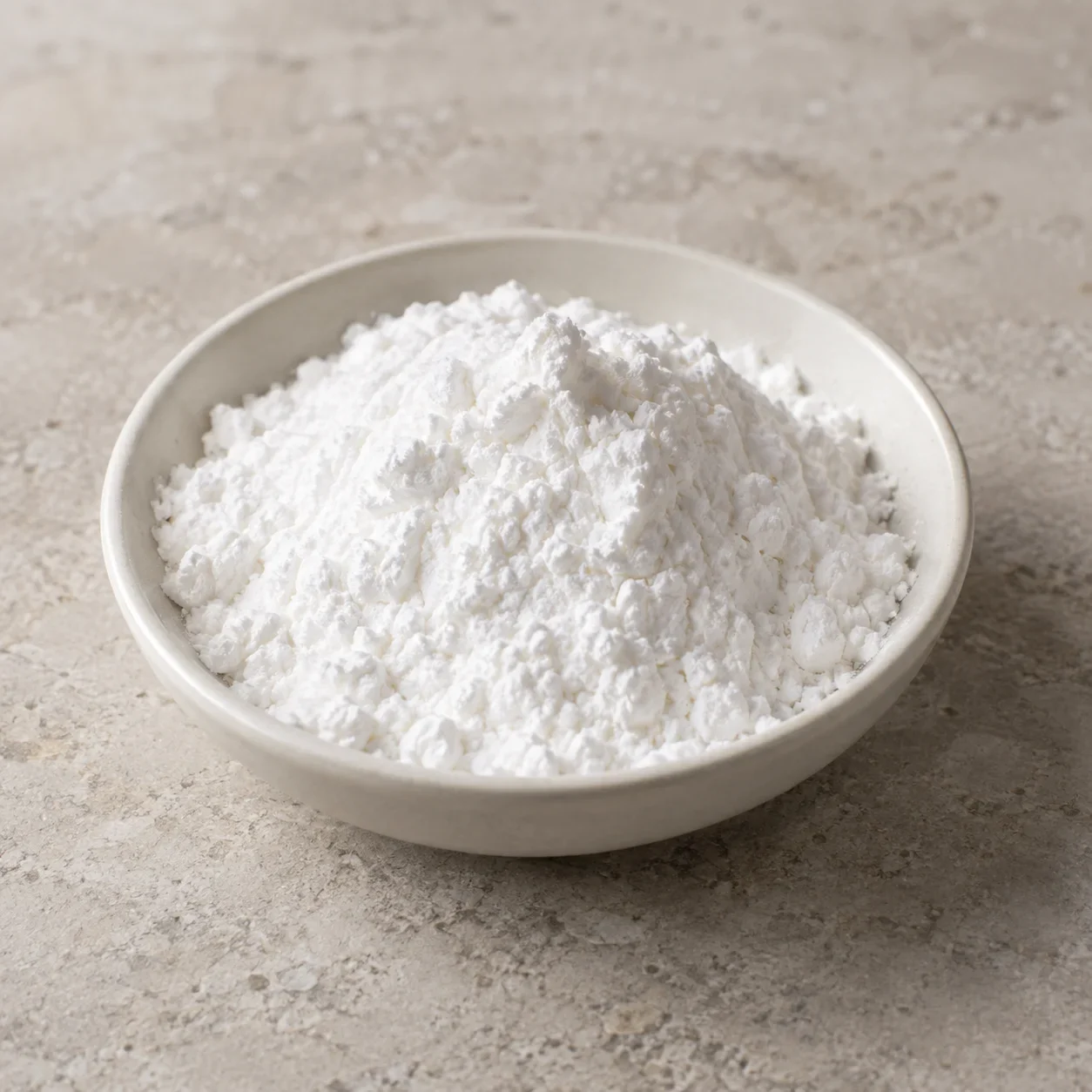
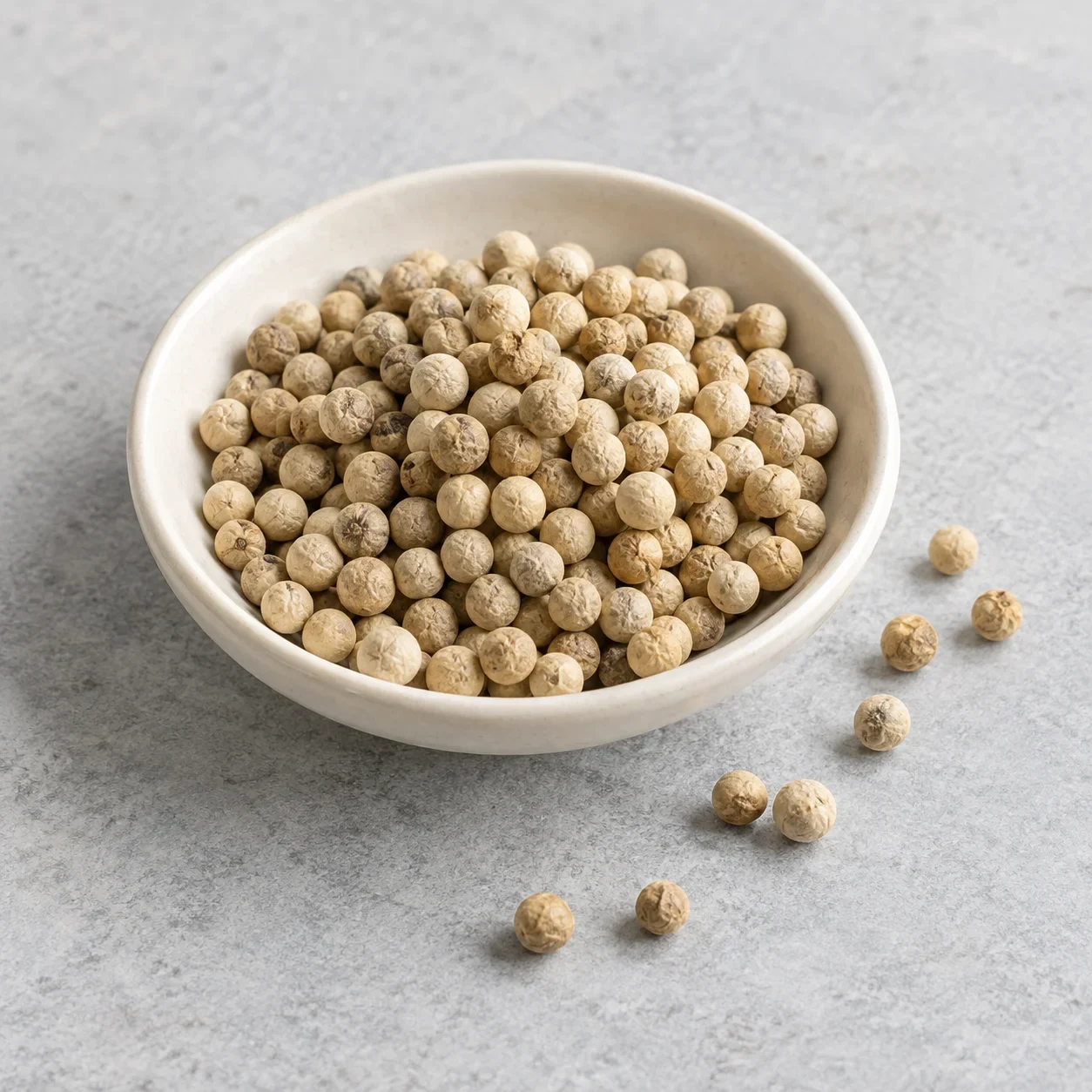

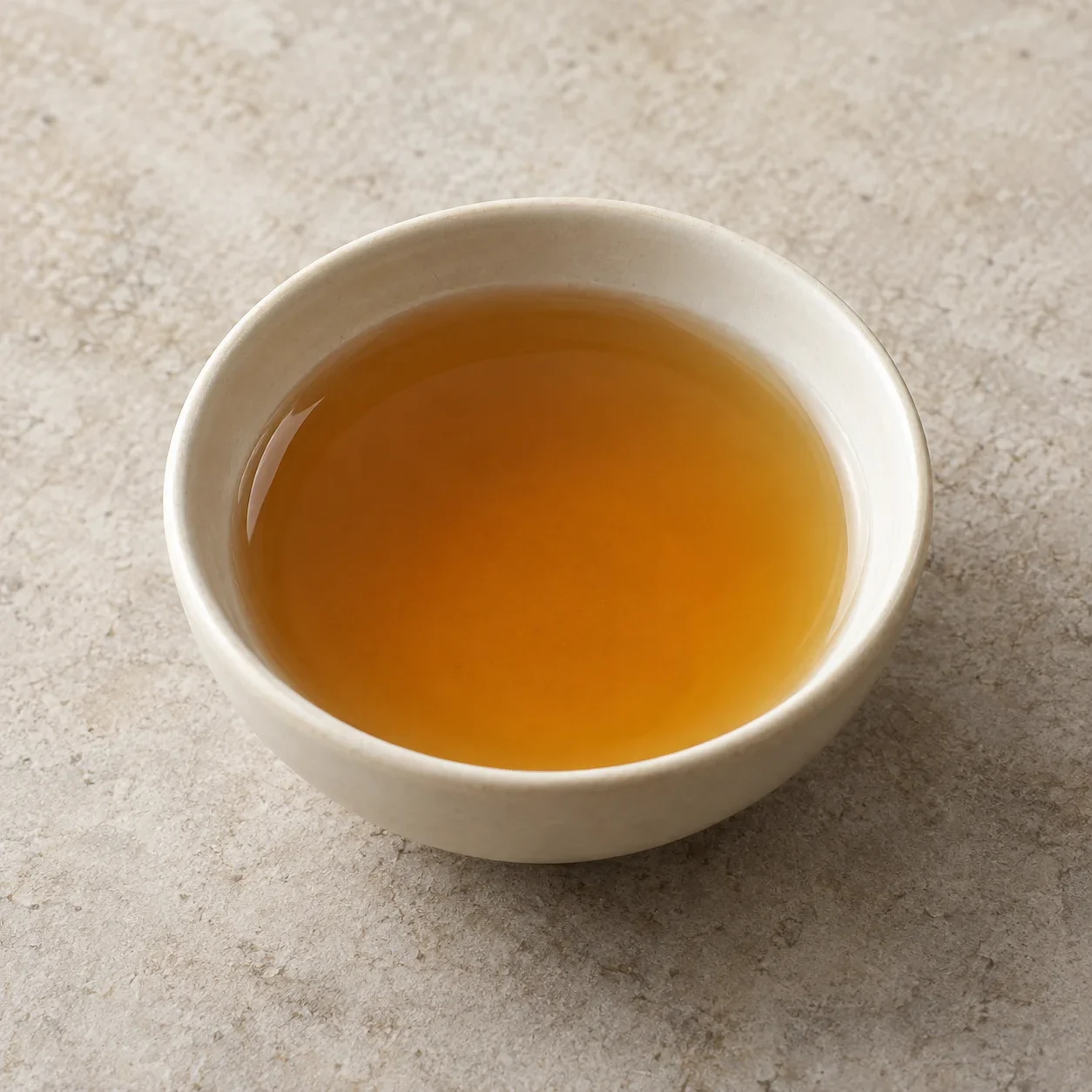
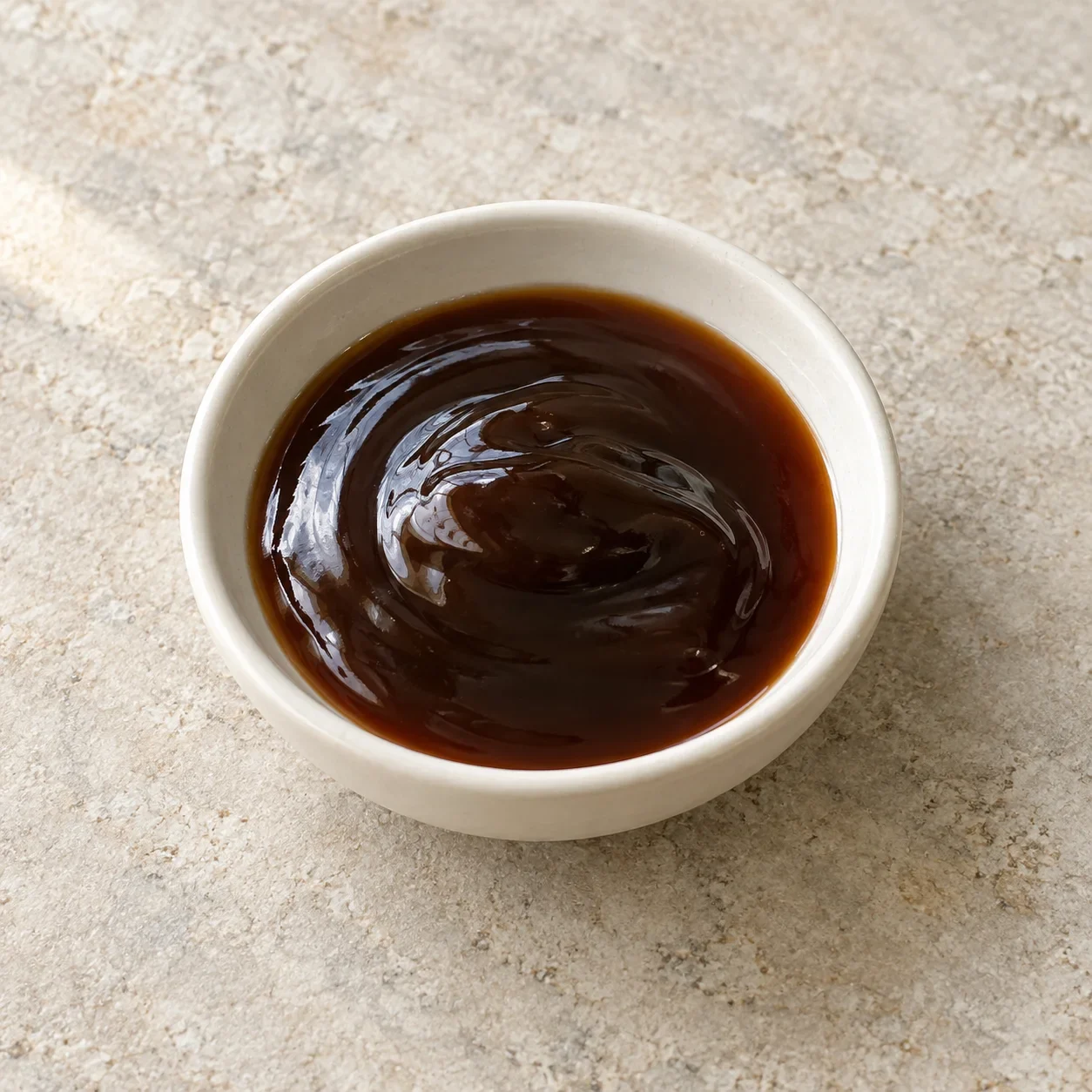
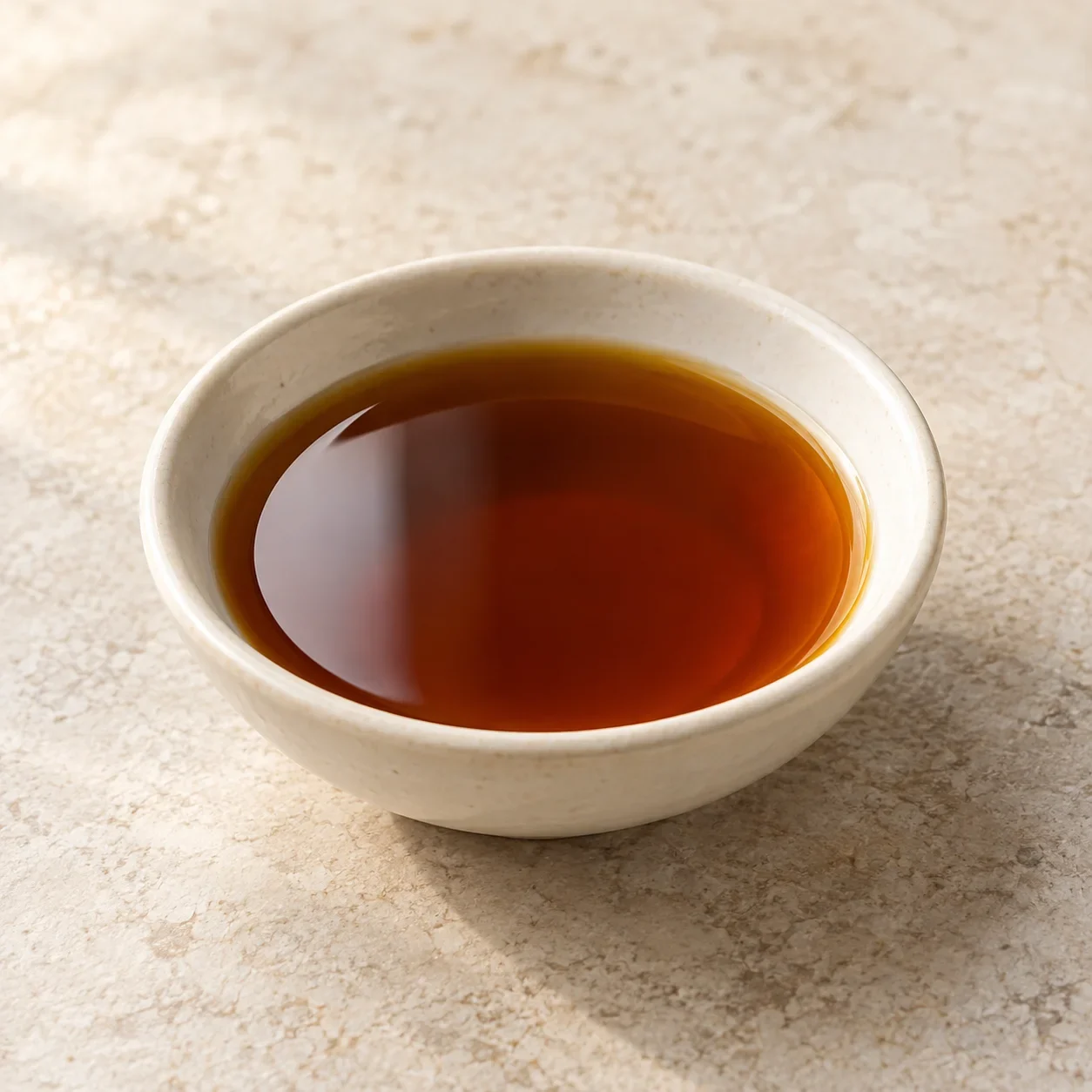
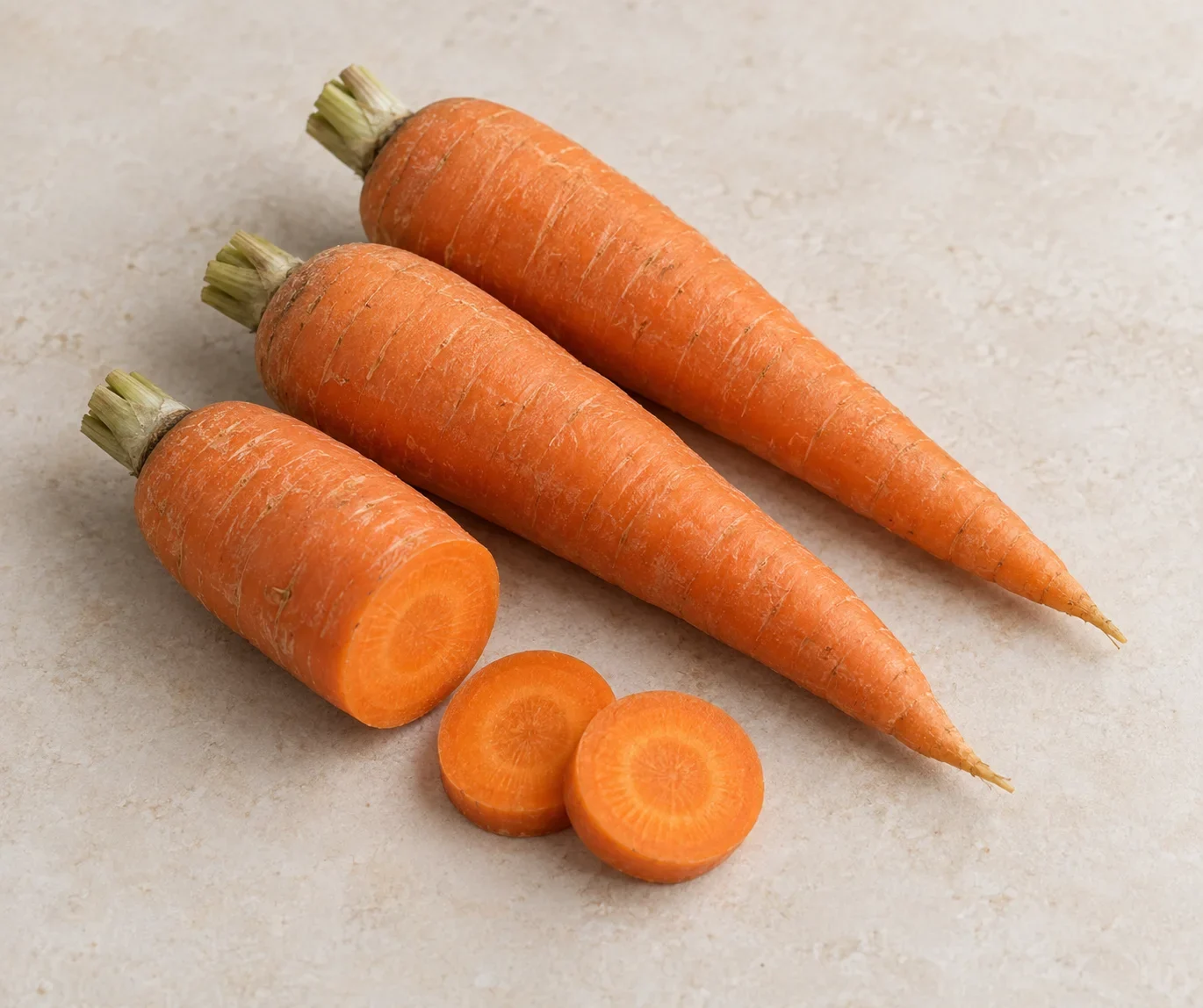
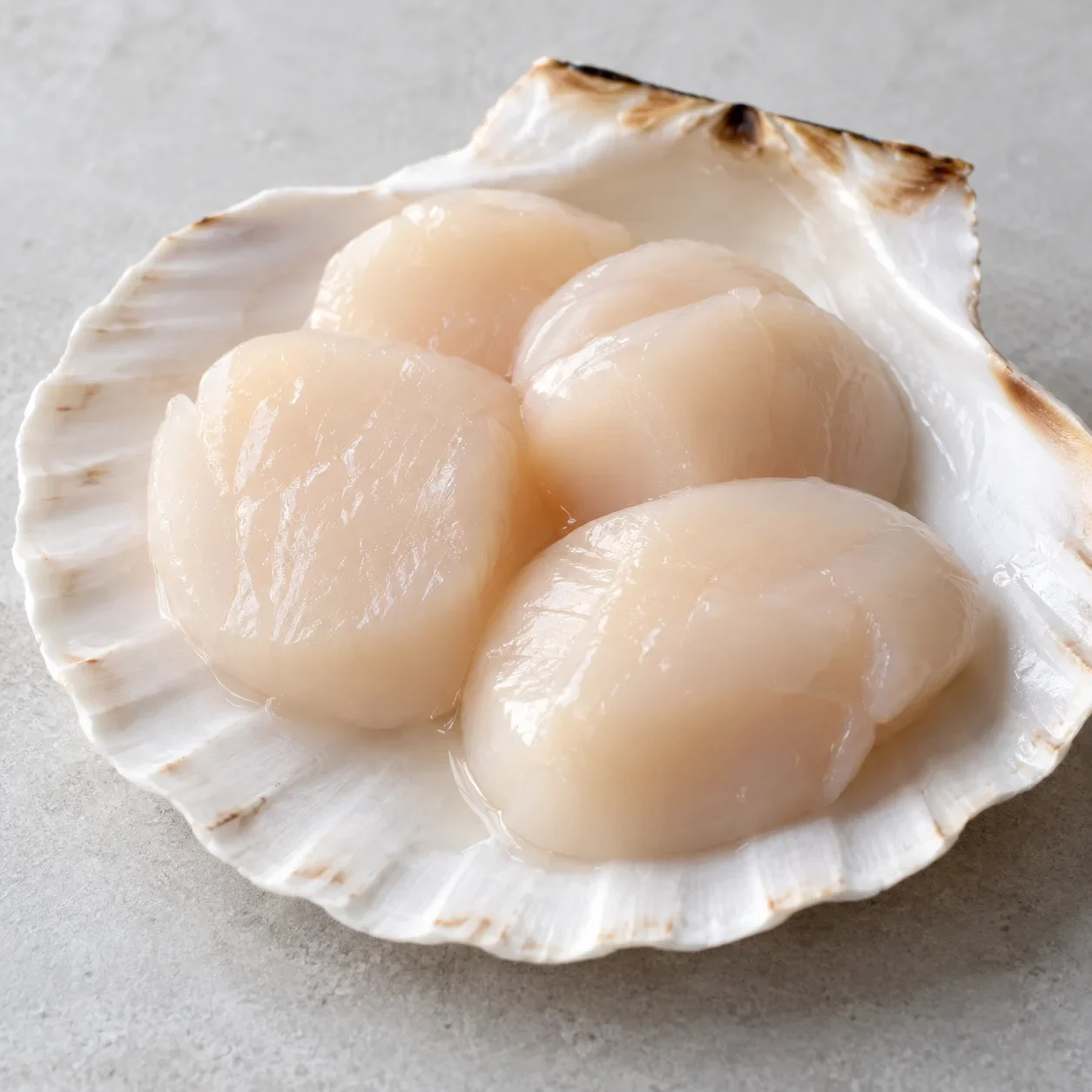

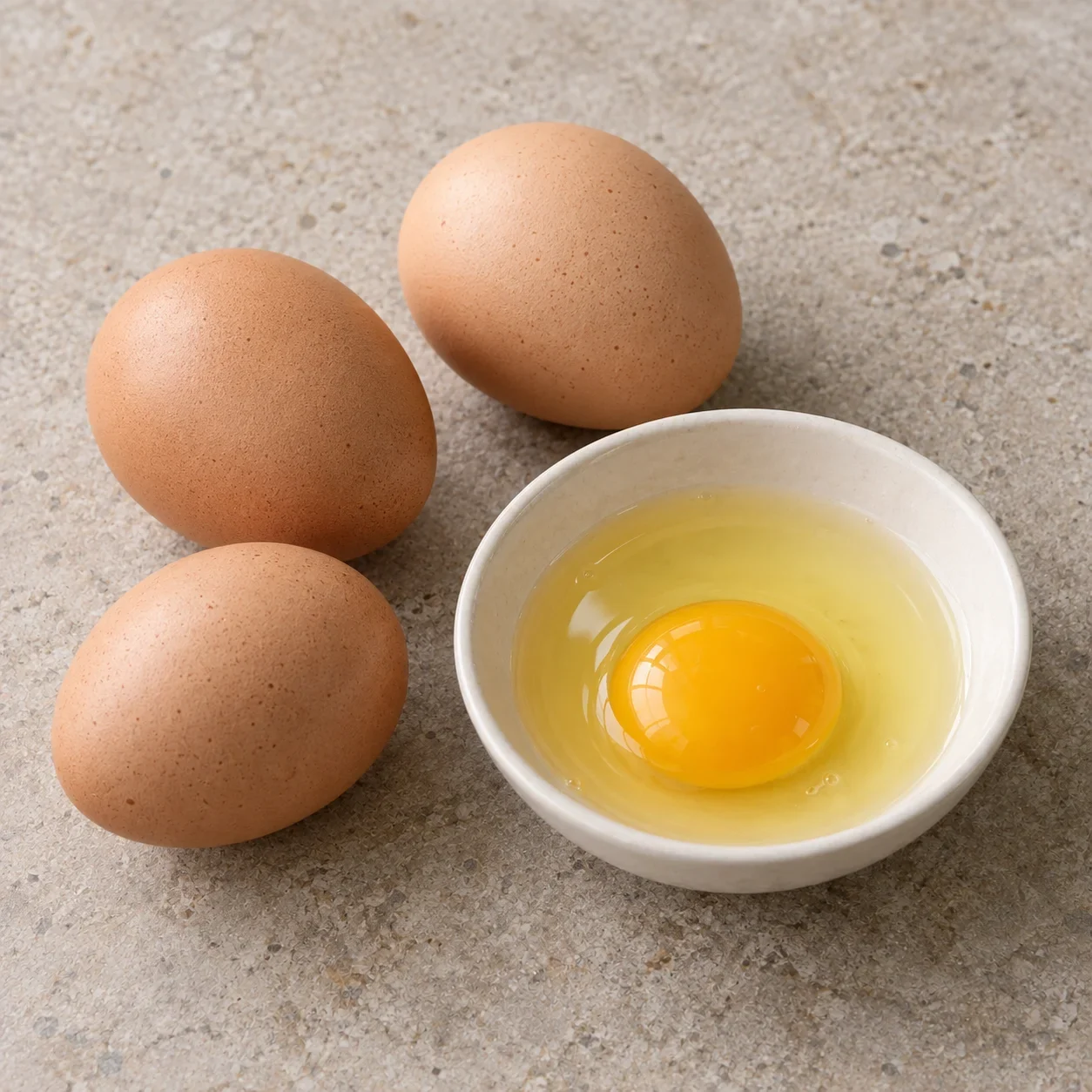
Recipes vary by restaurant.
How does it taste?
Savory.
- Chili heat
- Texture
- Meaty filling.
- How it’s made
- Steam the open-topped pork-and-shrimp dumplings.
Fish roe or carrot may top the dumpling; scallop versions also appear.
A CONNECTION TO PLACE
Origin & regional roots
Associated with Macau. Associated with Hong Kong. Associated with Guangdong.
About this regional connection
Guangdong: Part of Cantonese/Xiguan food traditions.
Ask if they have it first
请问你们有燒賣吗?
Do you have this item?
A LITTLE SOMETHING TO READ
Story & history
A northern dumpling reshaped for Cantonese tea houses
Guangzhou-style siu mai developed through exchanges with northern China during the Qing era. Local cooks adapted the dumpling to Cantonese tastes. As Guangzhou’s teahouses grew, it became a familiar dim sum and one of morning tea’s “Four Kings.” Sharing a steamer over tea connects this small dumpling with the city’s teahouse culture.