
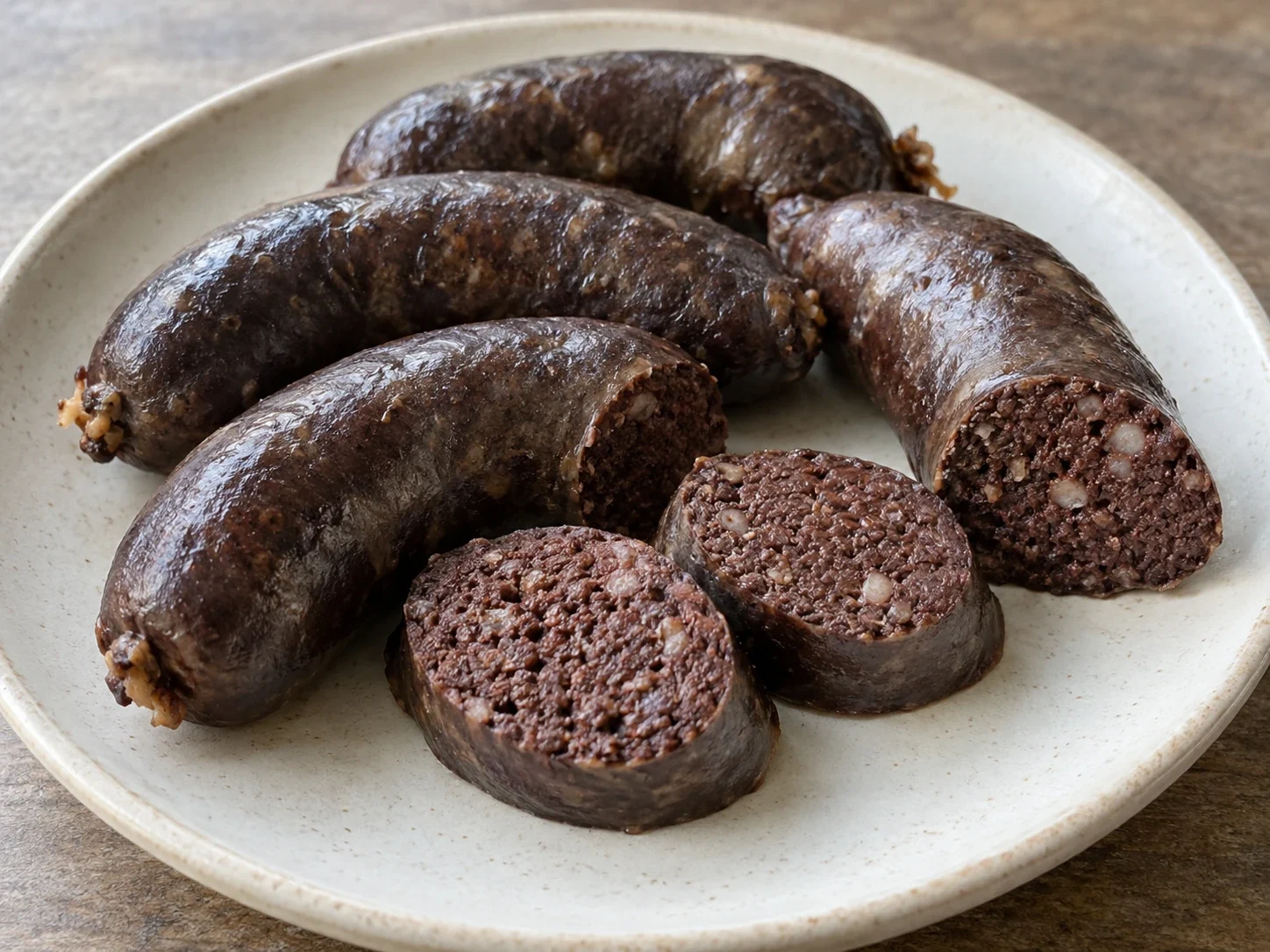
At the table
Order fully cooked. Cut into small pieces with the casing, or leave a tough casing aside. Remove tying string and let hot pieces cool.
Contains animal blood, meat, fat and intestinal casing; this version also contains barley gluten. Ask which cereal and animal species are used.
Other versions use rice or wheat flour, different meat proportions or seasonings. These are not the same as pork or sheep blood sausages.
GET TO KNOW THE DISH
What goes into it?
Explore some key ingredients below. Preparations may use additional seasonings and ingredients.
Other versions use rice or wheat flour, different meat proportions or seasonings. These are not the same as pork or sheep blood sausages.
Typical ingredients
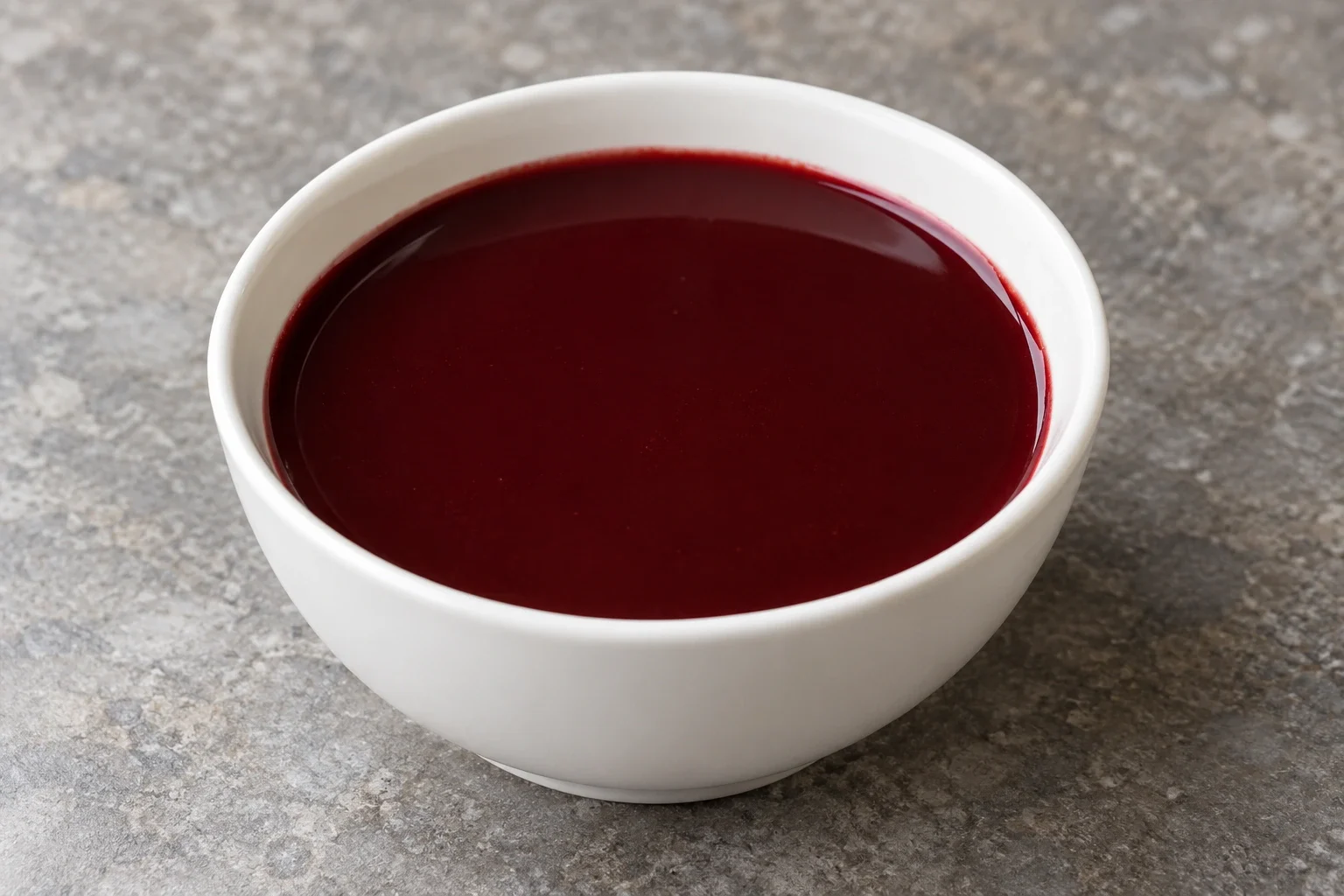
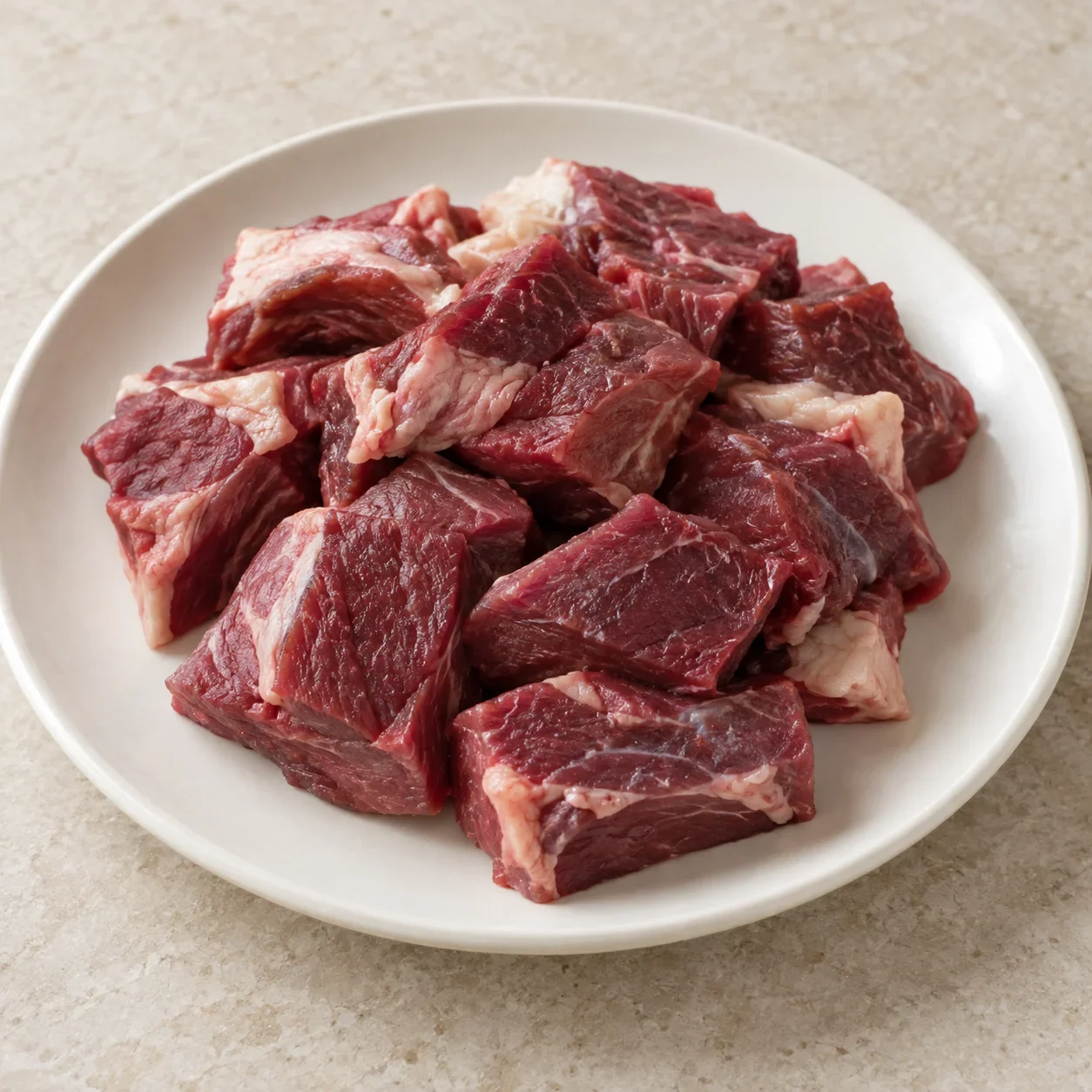
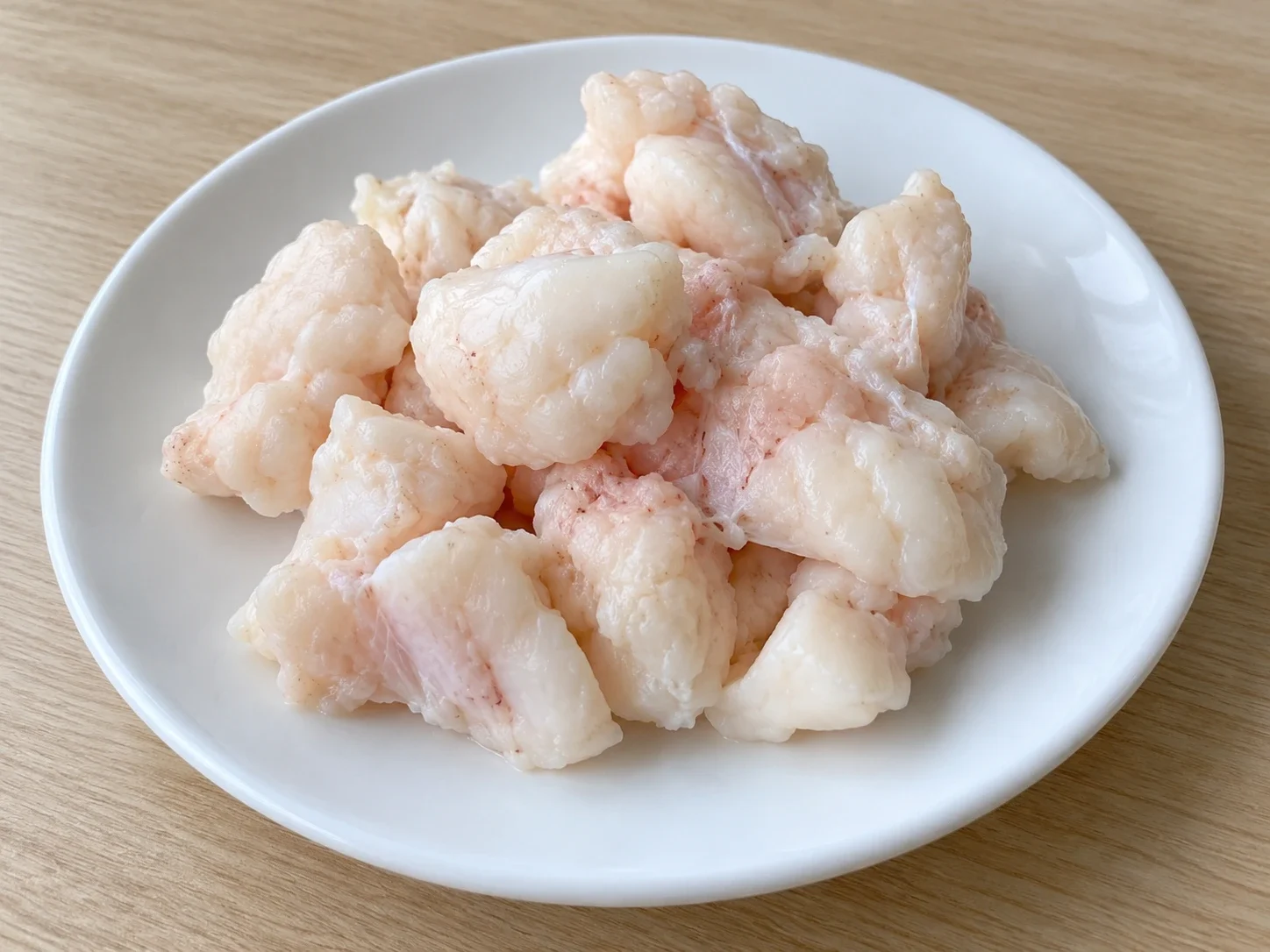
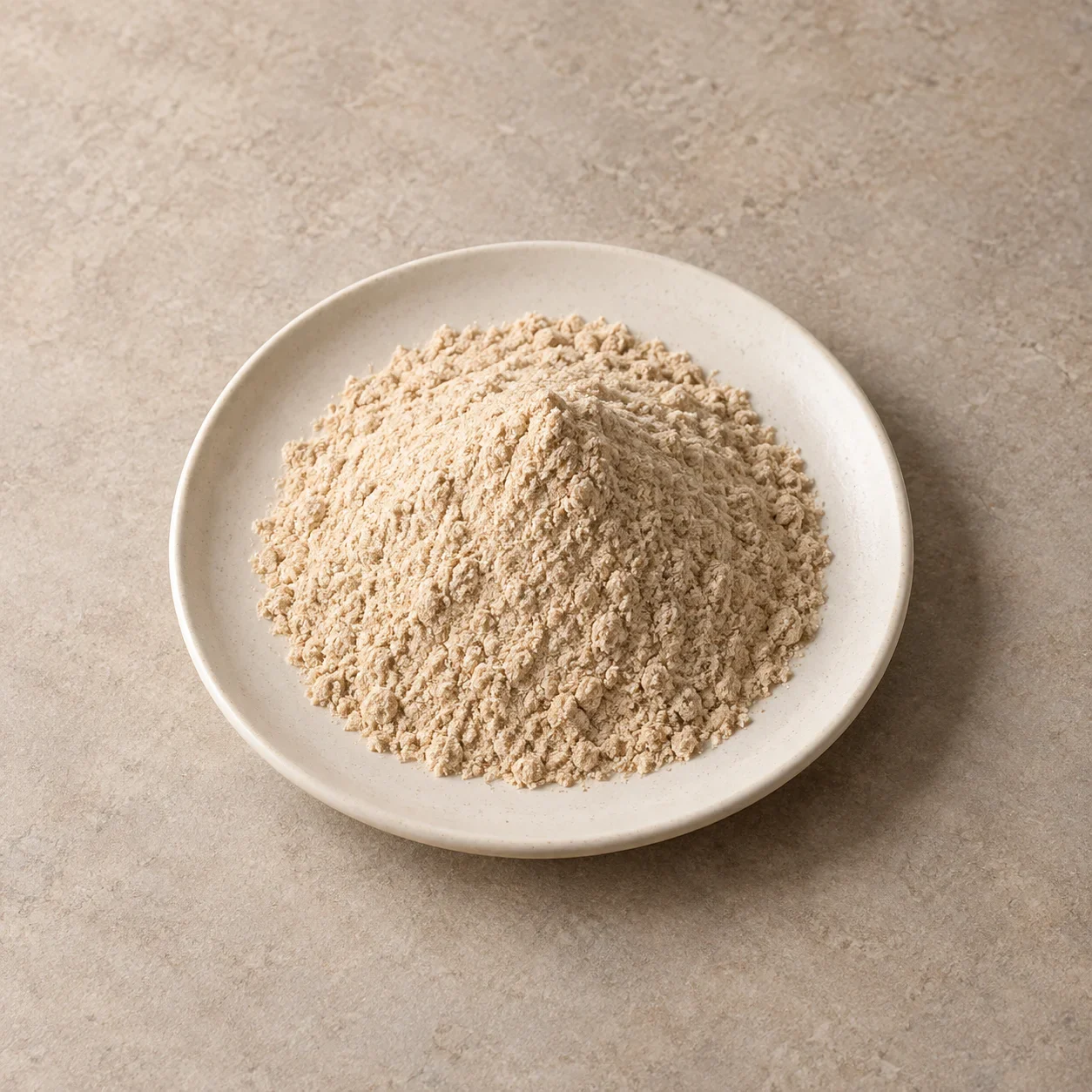
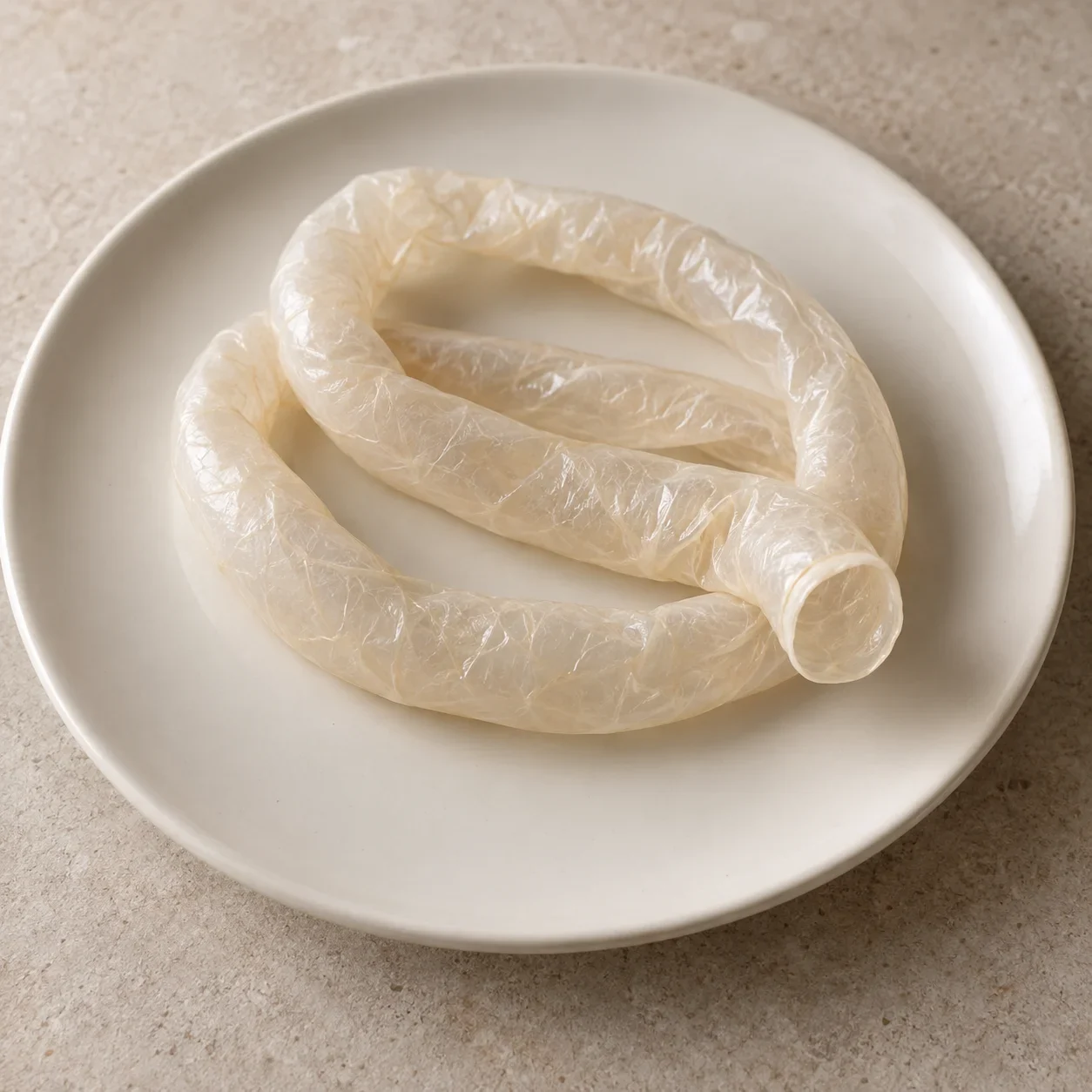

Recipes vary by restaurant.
How does it taste?
Rich, savory and distinctly blood-flavored, with meat and barley notes.
- Chili heat
- Texture
- Tender dense filling, small fat pieces and a chewier casing.
- How it’s made
- Mix yak blood with chopped diaphragm meat, visceral fat, roasted barley flour and salt. Fill cleaned yak small-intestine casing, tie and simmer until fully cooked.
Other versions use rice or wheat flour, different meat proportions or seasonings. These are not the same as pork or sheep blood sausages.
A CONNECTION TO PLACE
Origin & regional roots
Associated with Qinghai.
About this regional connection
Qinghai: 青海互助牦牛宴有牛血肠;代表做法采用藏式牦牛小肠灌肠,不称该宴席独家配方。
Ask if they have it first
请问你们有牛血肠吗?
Do you have this item?
A LITTLE SOMETHING TO READ
Story & history
Using different parts of the yak
This account describes a tradition or story, rather than an established historical fact.
Tibetan pastoral cooking makes blood sausages with blood and other parts of the animal. Qinghai’s Huzhu yak banquet also includes blood sausage, while recipes and serving styles differ between cooks.