
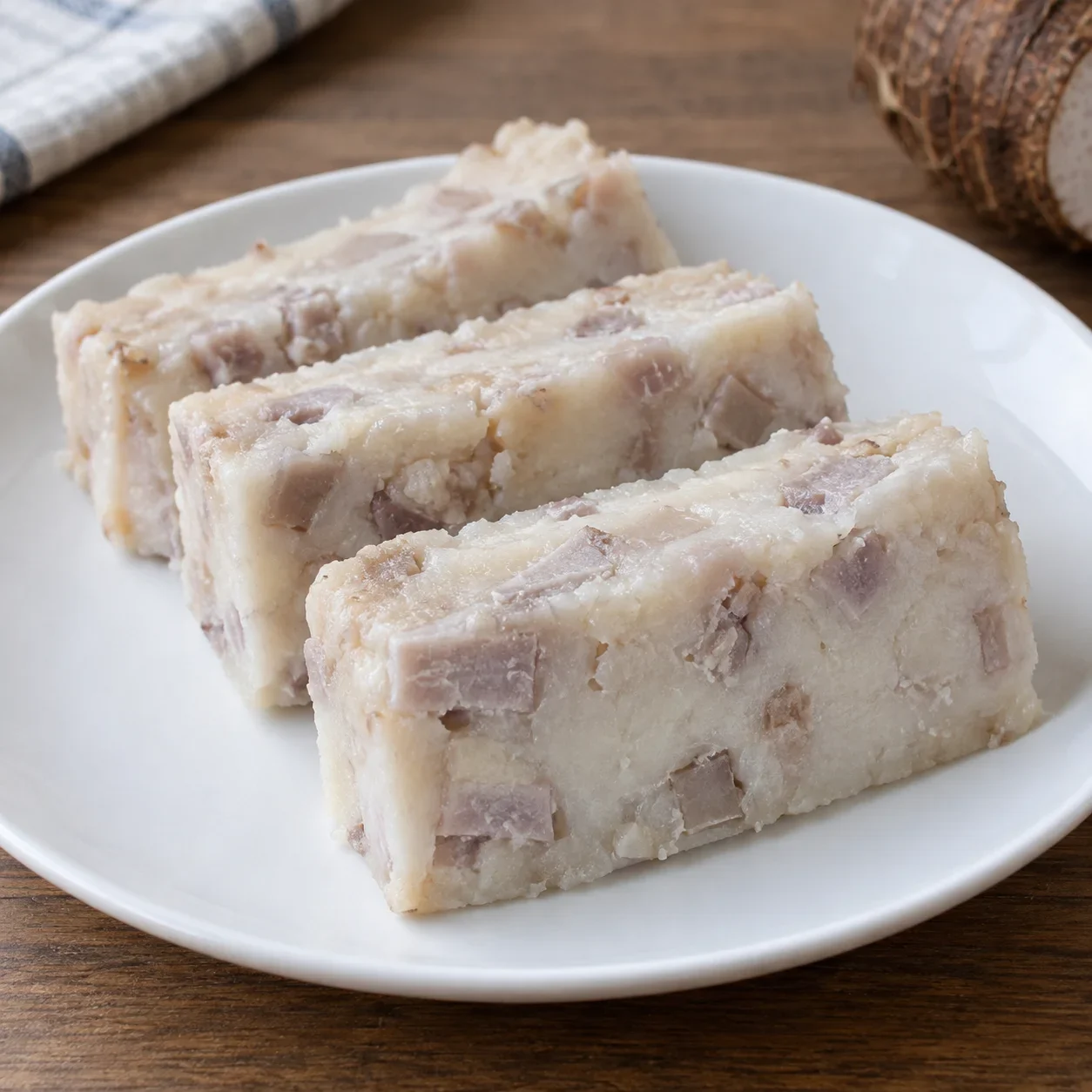
At the table
Eat warm, using chopsticks or a fork to take small pieces. Steamed slices are soft; pan-fried slices have crisper edges. Try a little before adding dipping sauce.
May contain pork sausage, dried shrimp and sesame oil; dipping sauces may add shellfish, soy or wheat. Ask about the full recipe if you have an allergy. Dense, chewy pieces should be cut small and cooled for children.
Sausage or shrimp versions are not vegetarian or vegan. A plain-looking cake still needs checking for animal ingredients, cooking fat and sauces. Rice-flour ratios vary. The representative cake has no chili; white pepper is a different kind of warmth, and dipping sauces vary.
GET TO KNOW THE DISH
What goes into it?
Explore some key ingredients below. Preparations may use additional seasonings and ingredients.
Some recipes mix in glutinous rice flour for a chewier texture. Chinese sausage, dried shrimp and scallions vary by recipe.
Typical ingredients
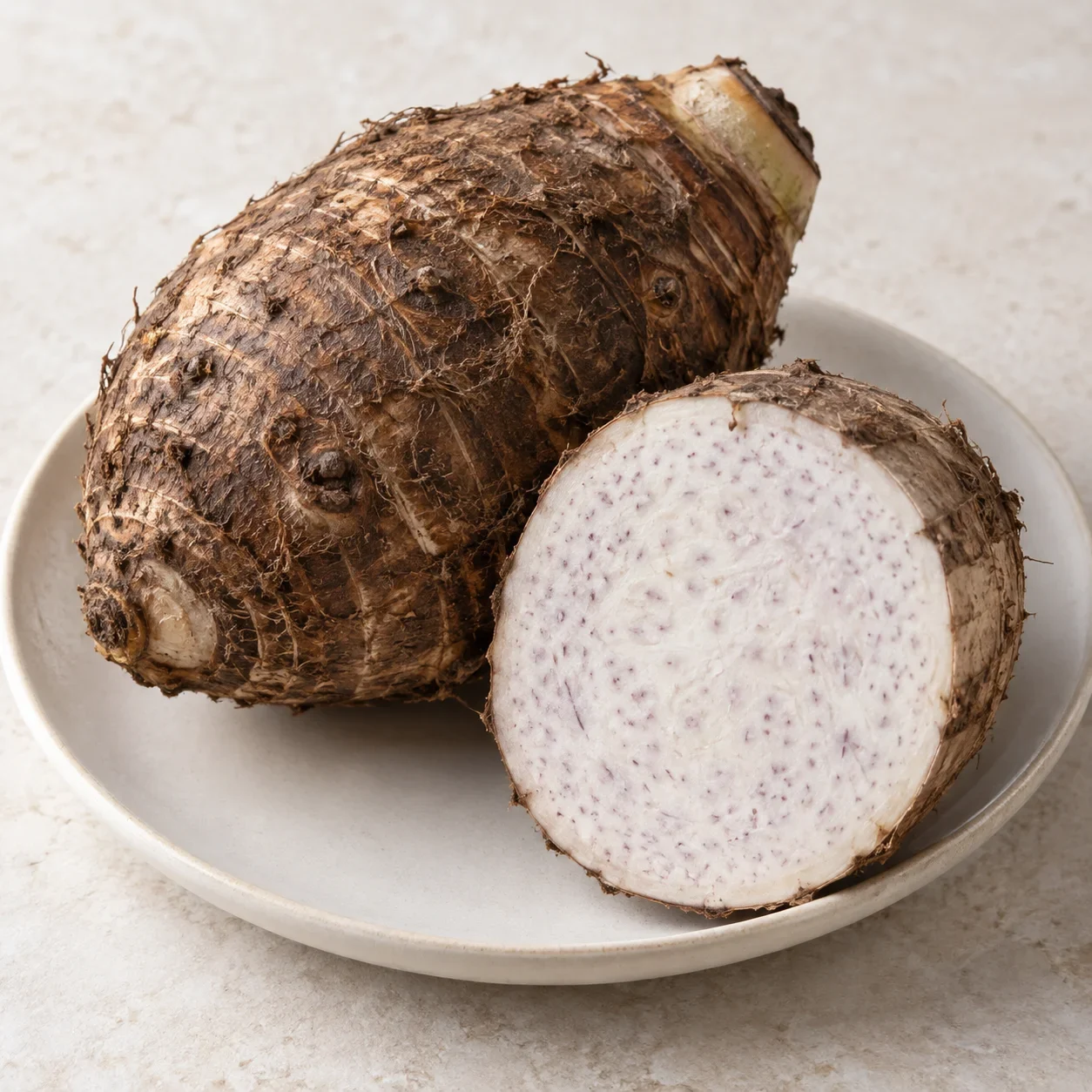
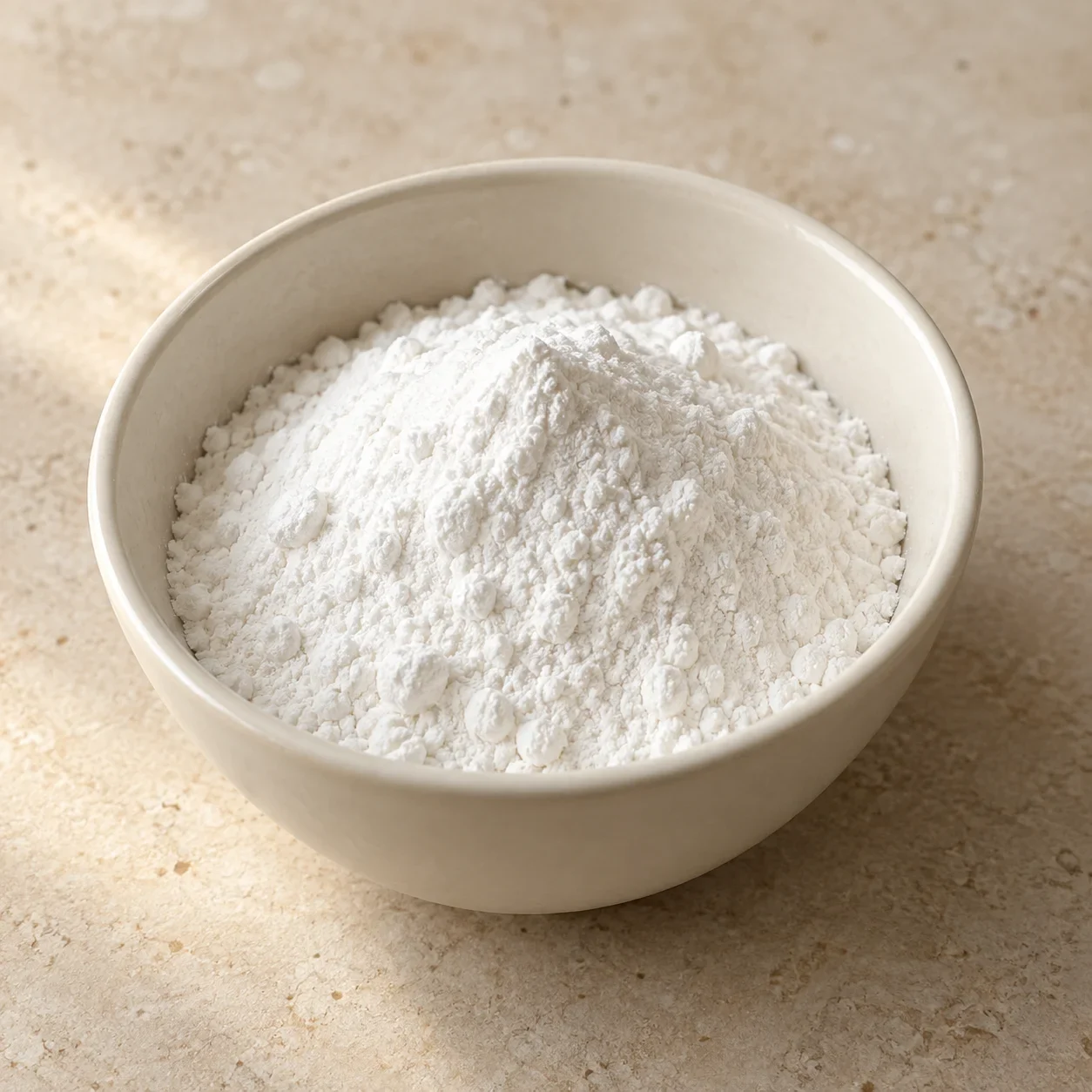

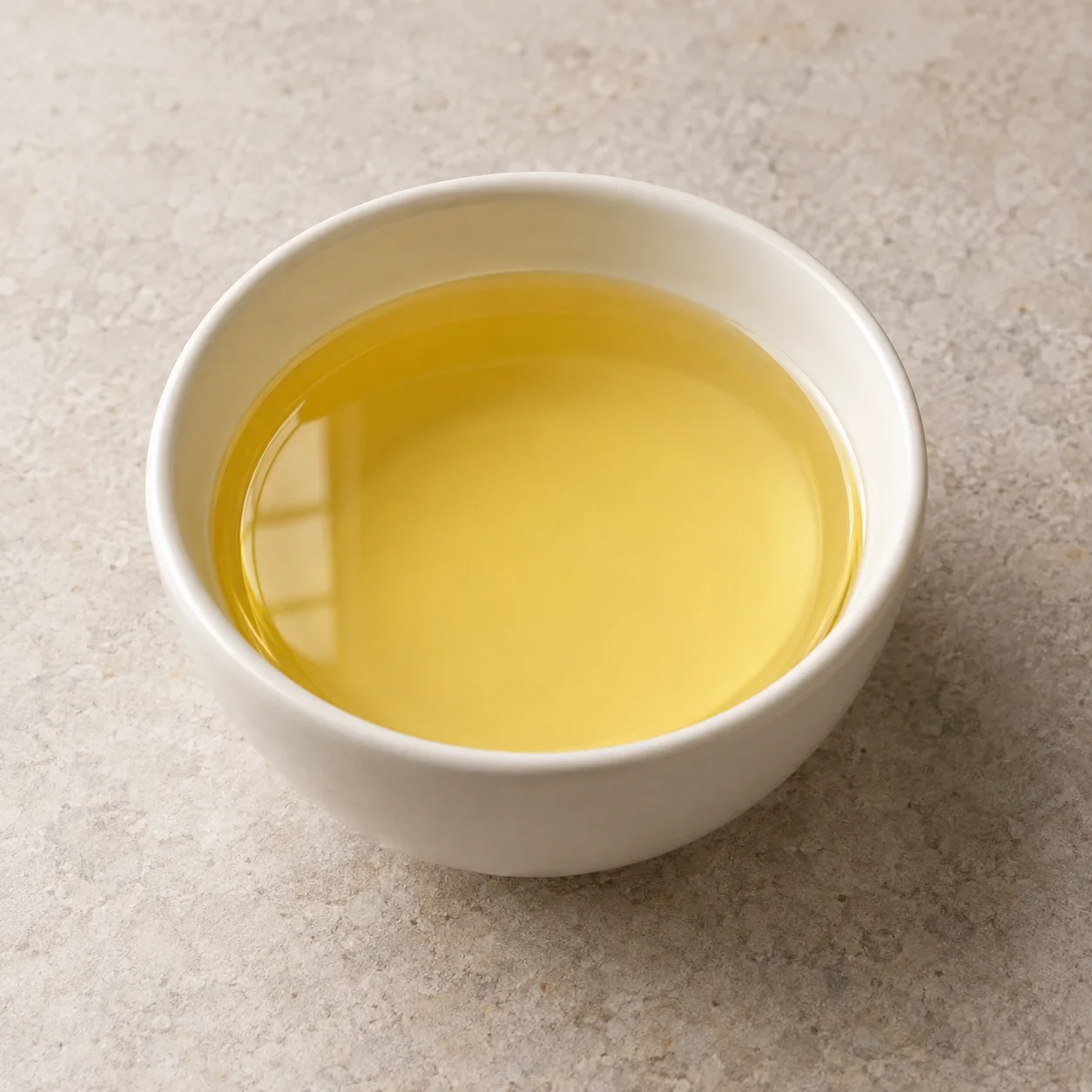
In some versions
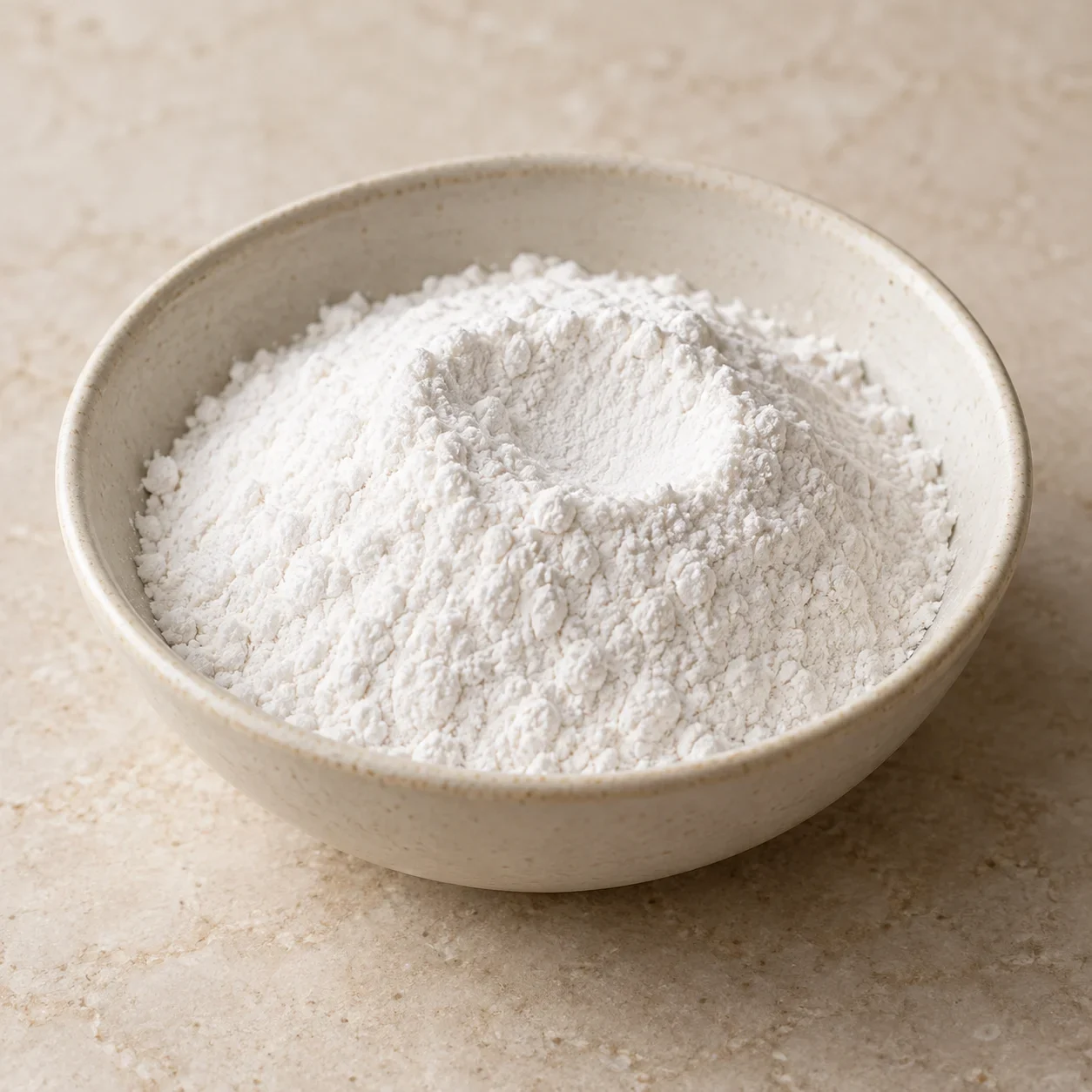
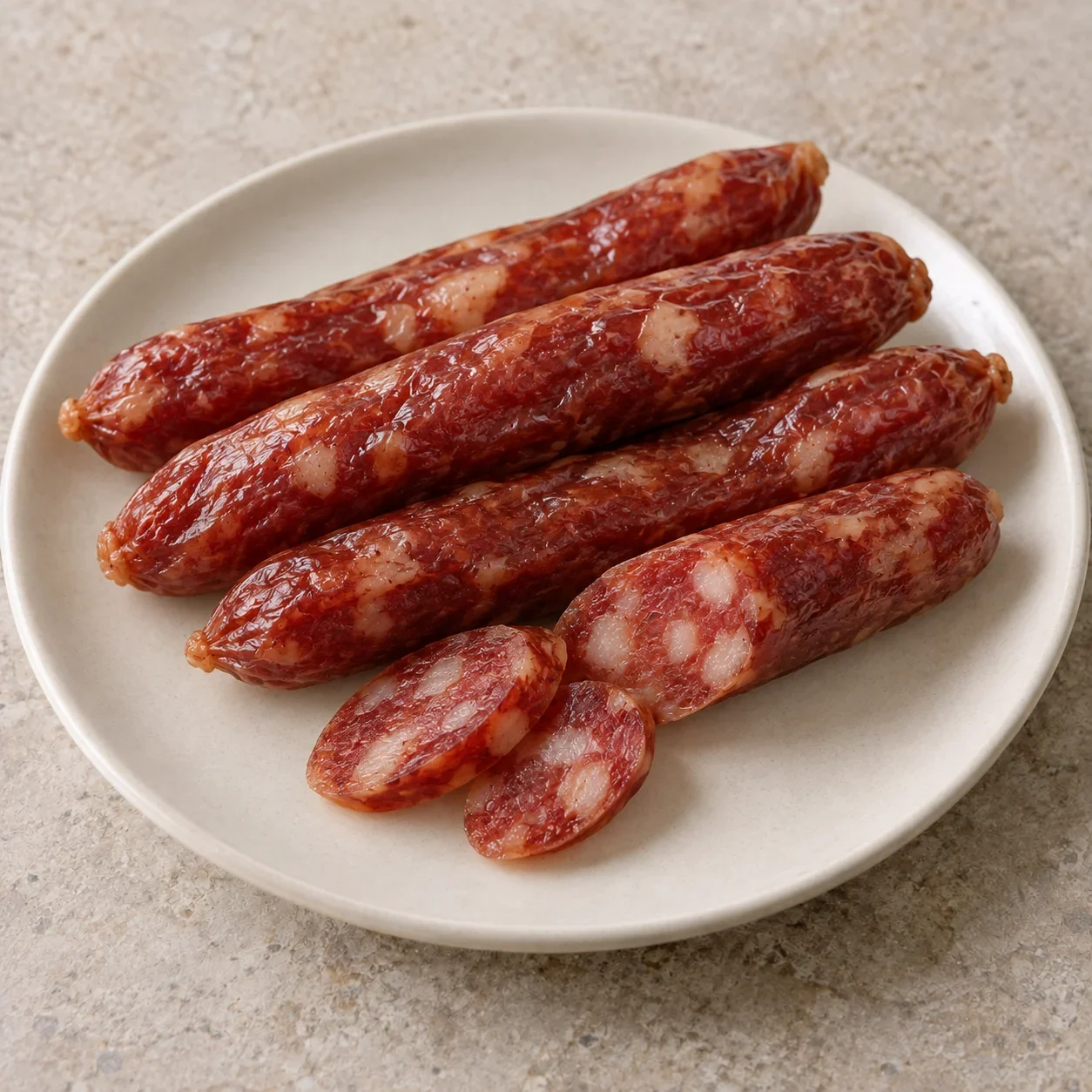
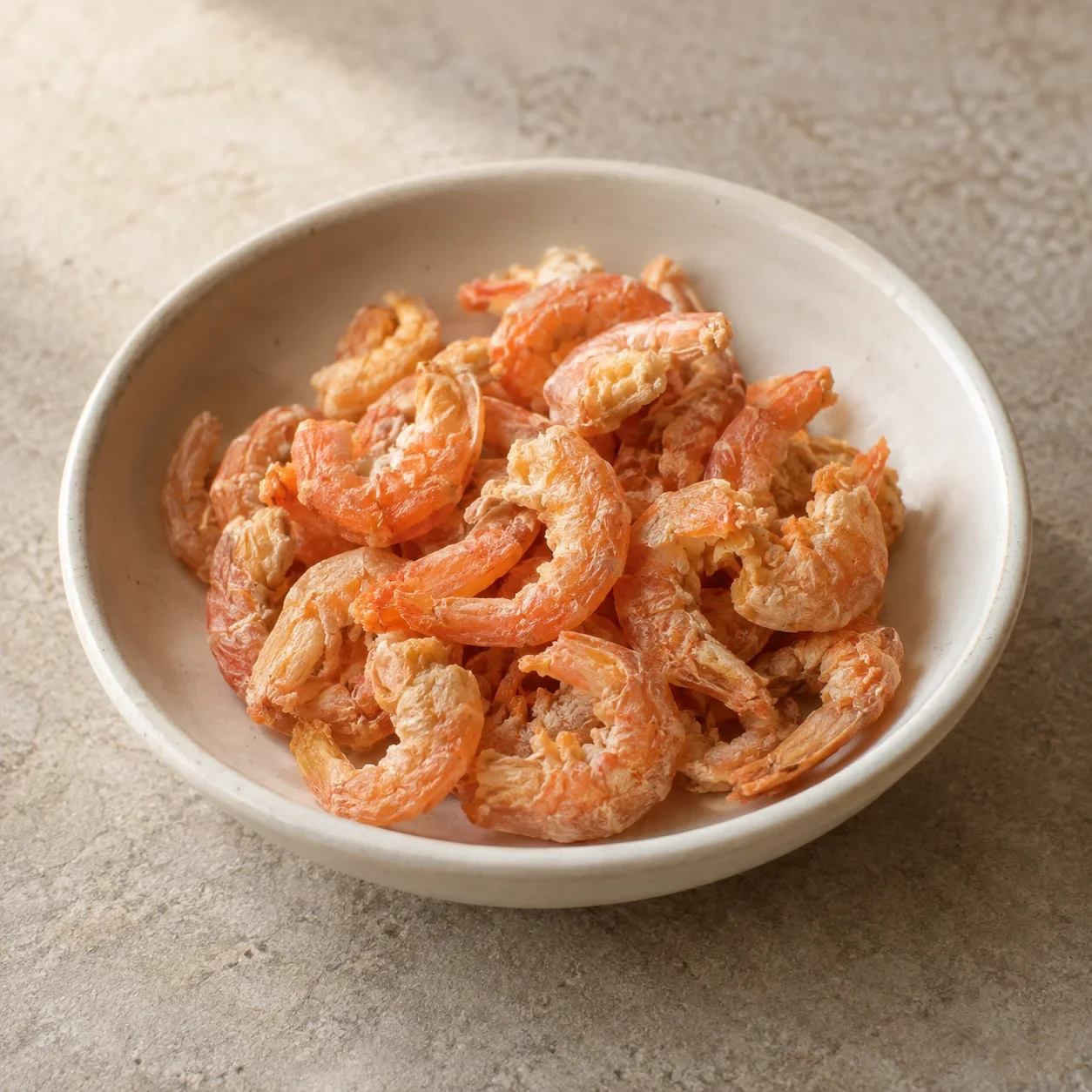
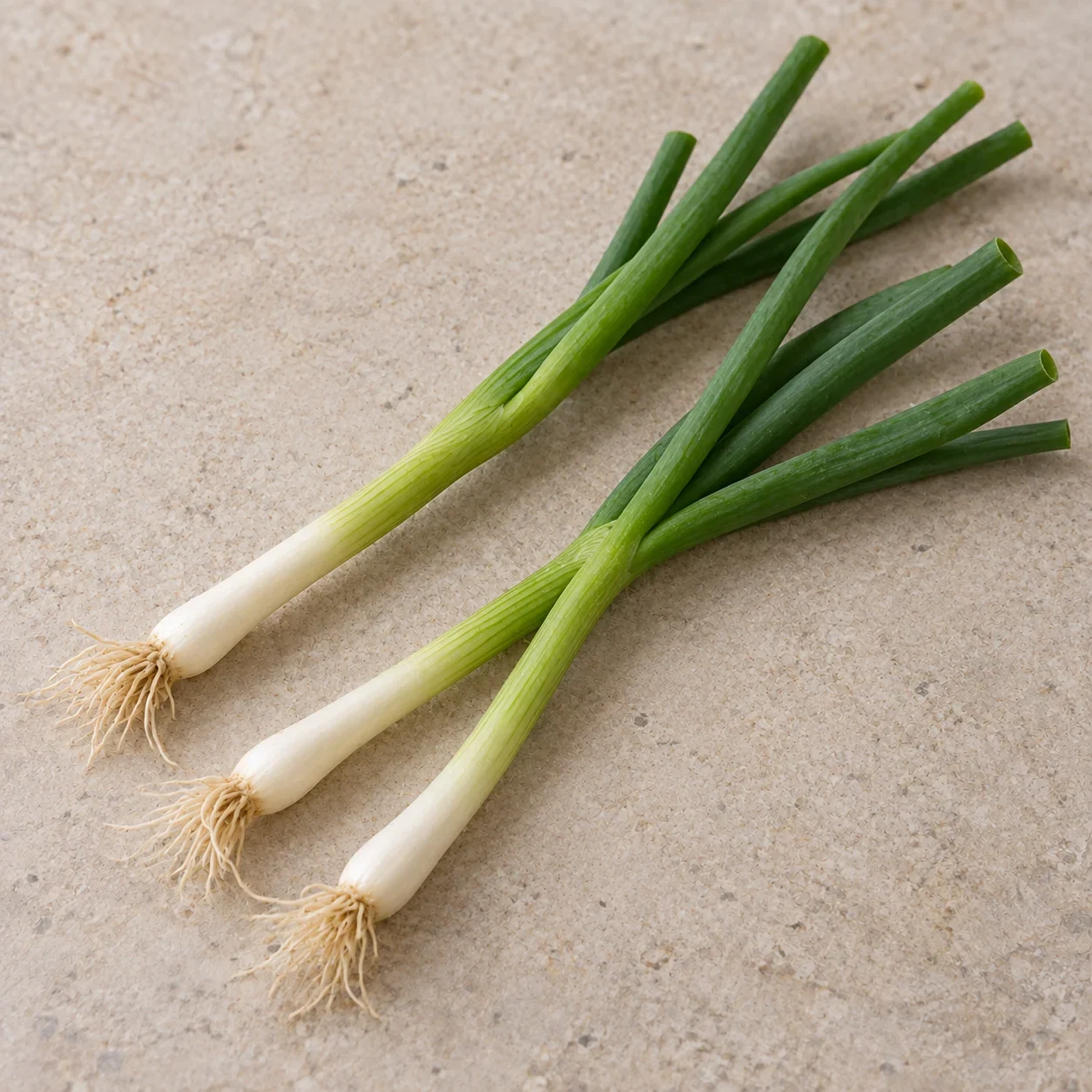
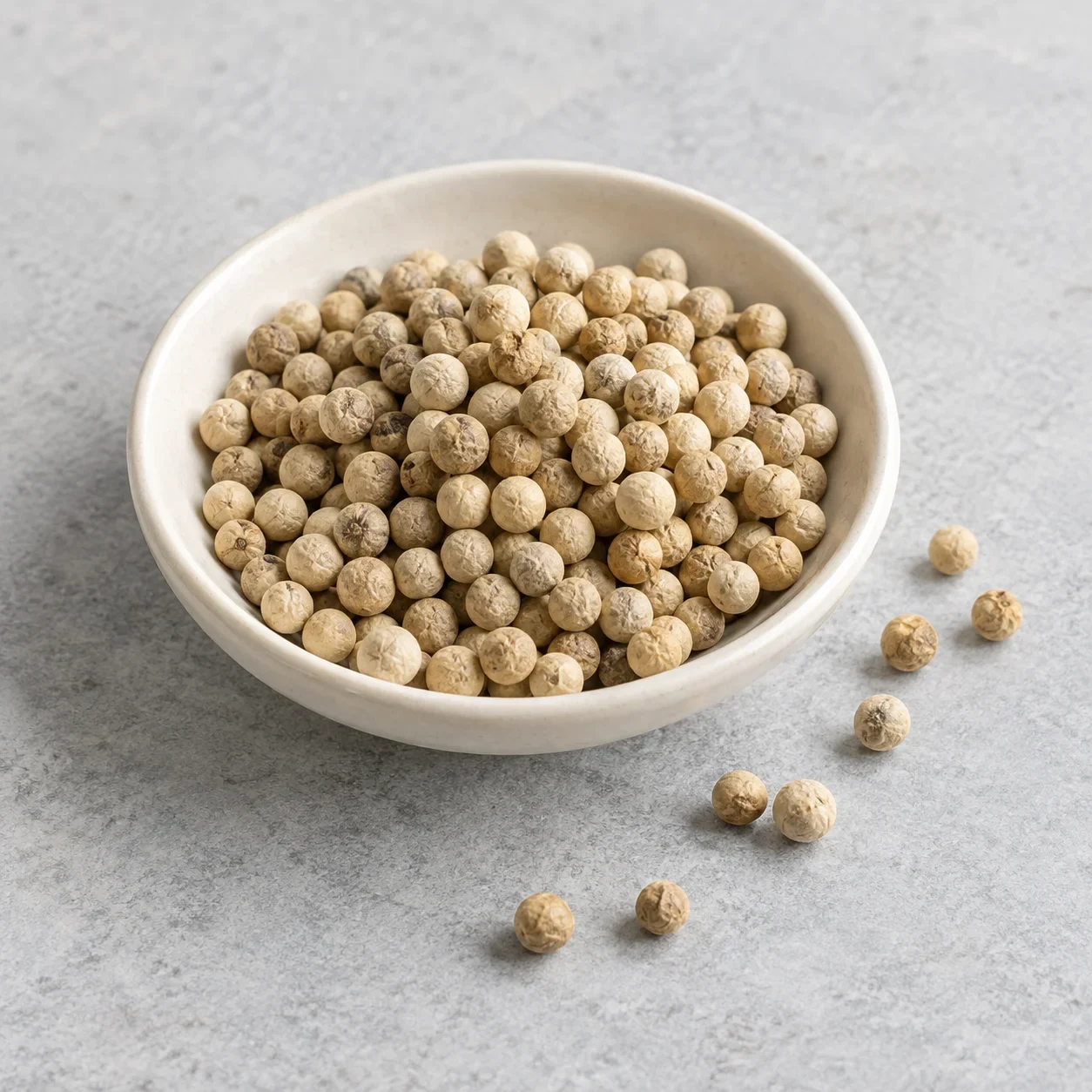
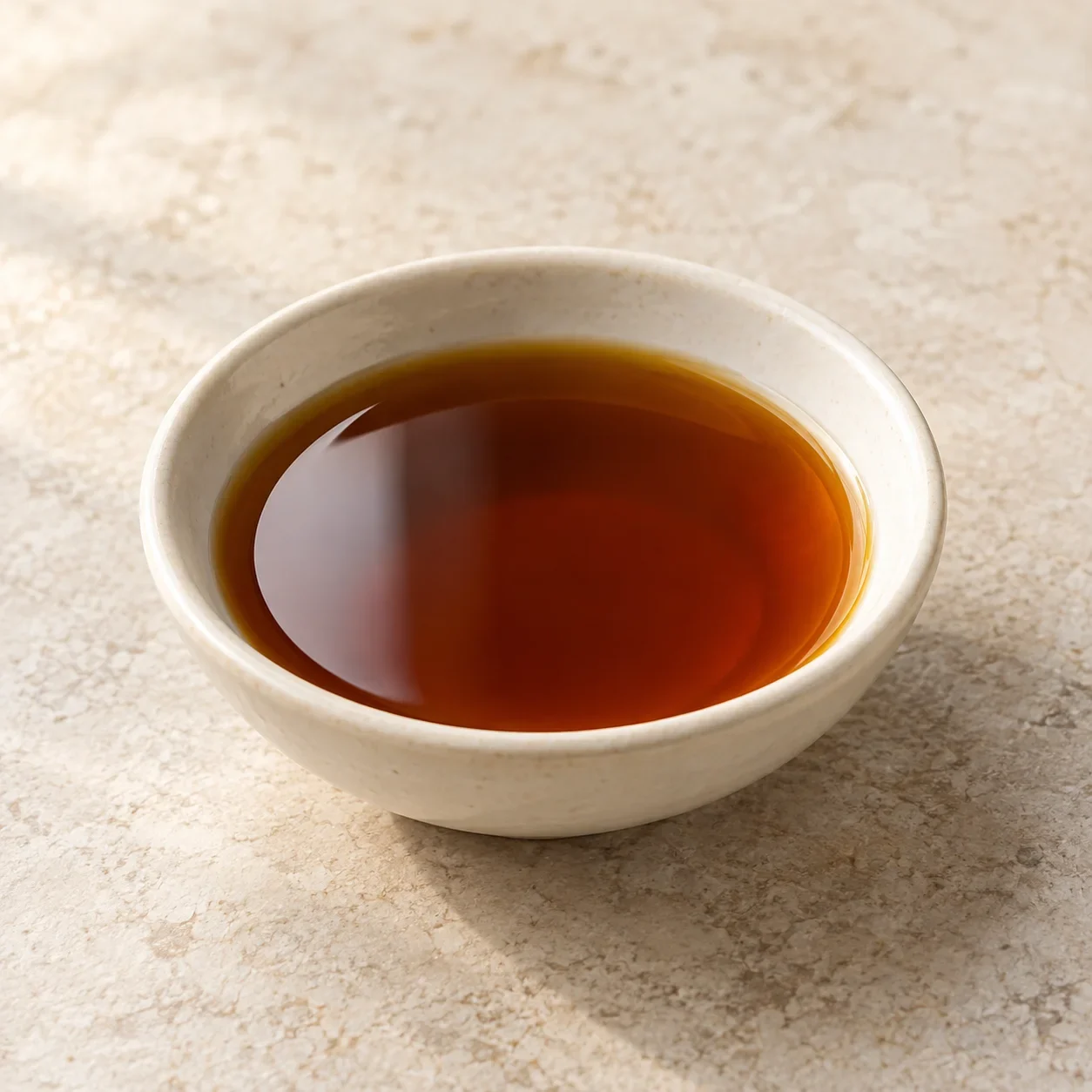
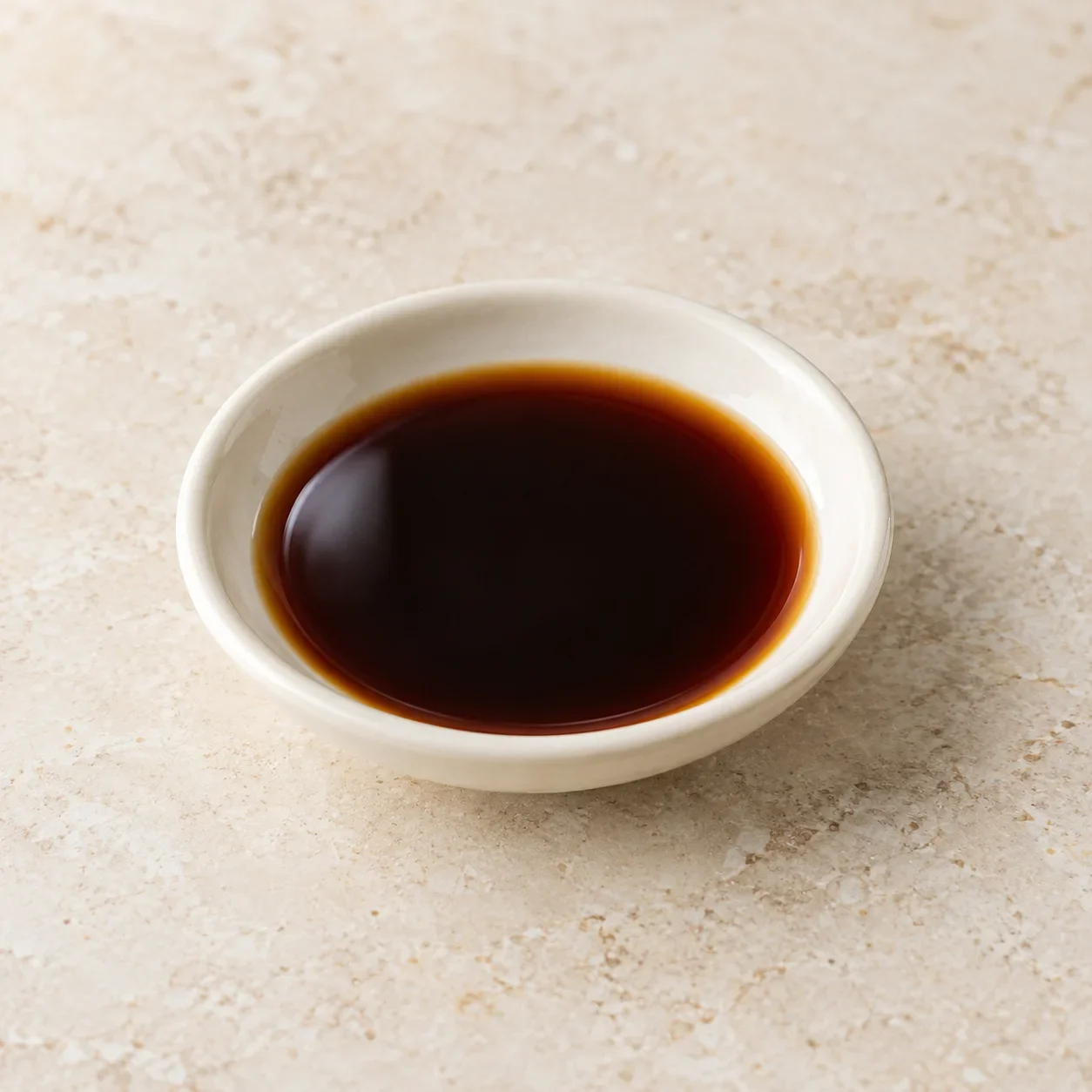
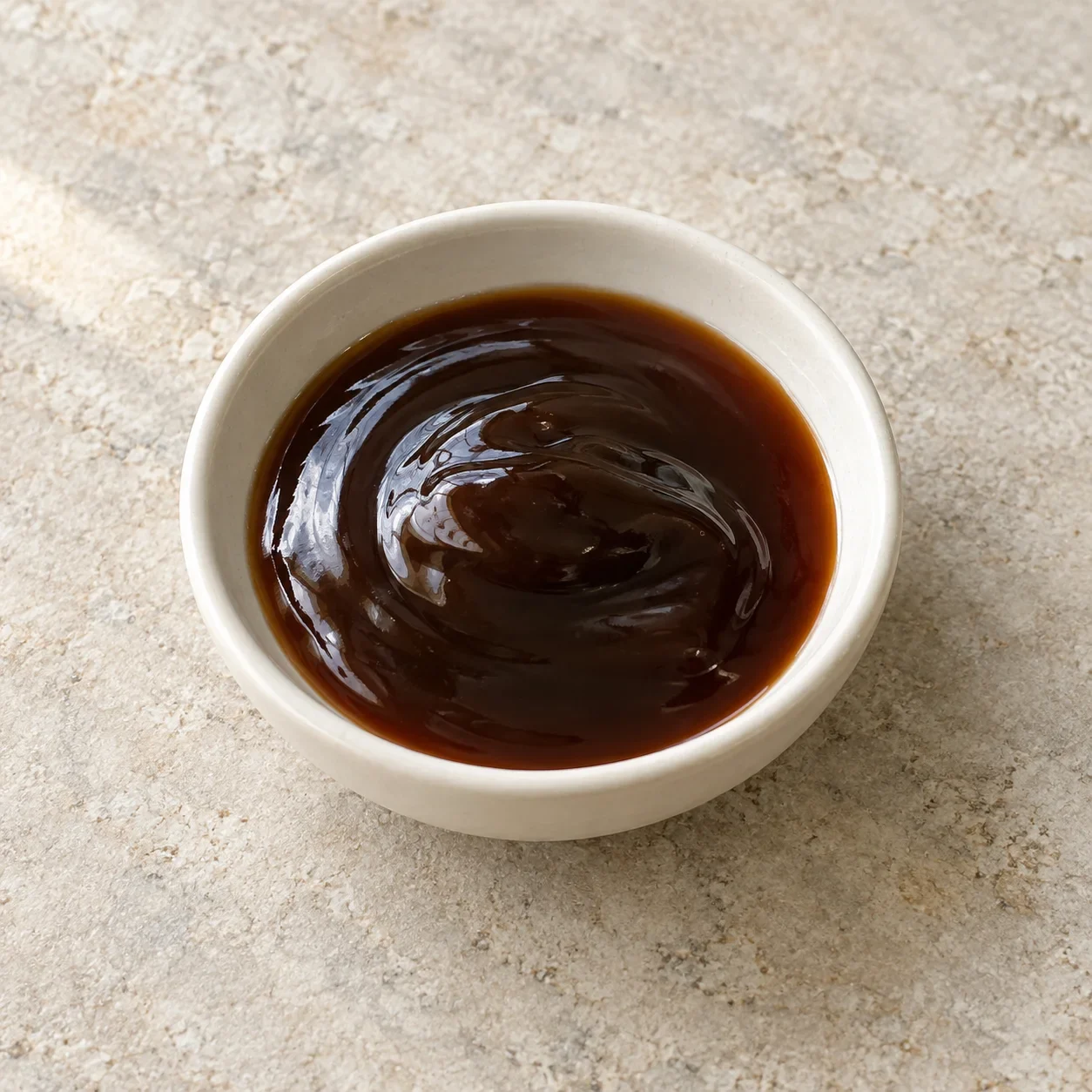
Recipes vary by restaurant.
How does it taste?
Earthy taro with savoury additions.
- Chili heat
- Texture
- Dense and tender with taro pieces; pan-frying adds crisp edges.
- How it’s made
- Combine cooked taro and seasoned additions with rice-flour batter, steam until set, then cool and slice.
Some recipes mix in glutinous rice flour for a chewier texture. Chinese sausage, dried shrimp and scallions vary by recipe.
A CONNECTION TO PLACE
Origin & regional roots
Associated with Guangdong.
About this regional connection
Guangdong: Guangdong association; no exclusive origin claim.
Ask if they have it first
请问你们有芋头糕吗?
Do you have this item?
A LITTLE SOMETHING TO READ
Story & history
Taro cake with tea by the Pearl River
In Qing-era Guangzhou, workers by the Pearl River stopped at modest tea stalls for tea and filling snacks such as taro cake. This everyday pairing of tea and small dishes became part of the city’s yum cha culture. Today, savoury taro cake belongs both on dim sum tables and among the steamed cakes sold by neighbourhood shops and carts.