
At the table
Share with chopsticks and a serving spoon; take small pieces of hot taro. Ask which meat and broth are used.
Contains pork in this version. Broth, cured-meat seasonings and soy-sauce ingredients vary; soy sauce may contain wheat. Earlier household versions use local winter taro.
Contains pork in this version. Broth, cured-meat seasonings and soy-sauce ingredients vary; soy sauce may contain wheat. Earlier household versions use local winter taro.
GET TO KNOW THE DISH
What goes into it?
Explore some key ingredients below. Preparations may use additional seasonings and ingredients.
Contains pork in this version. Broth, cured-meat seasonings and soy-sauce ingredients vary; soy sauce may contain wheat. Earlier household versions use local winter taro.
Typical ingredients
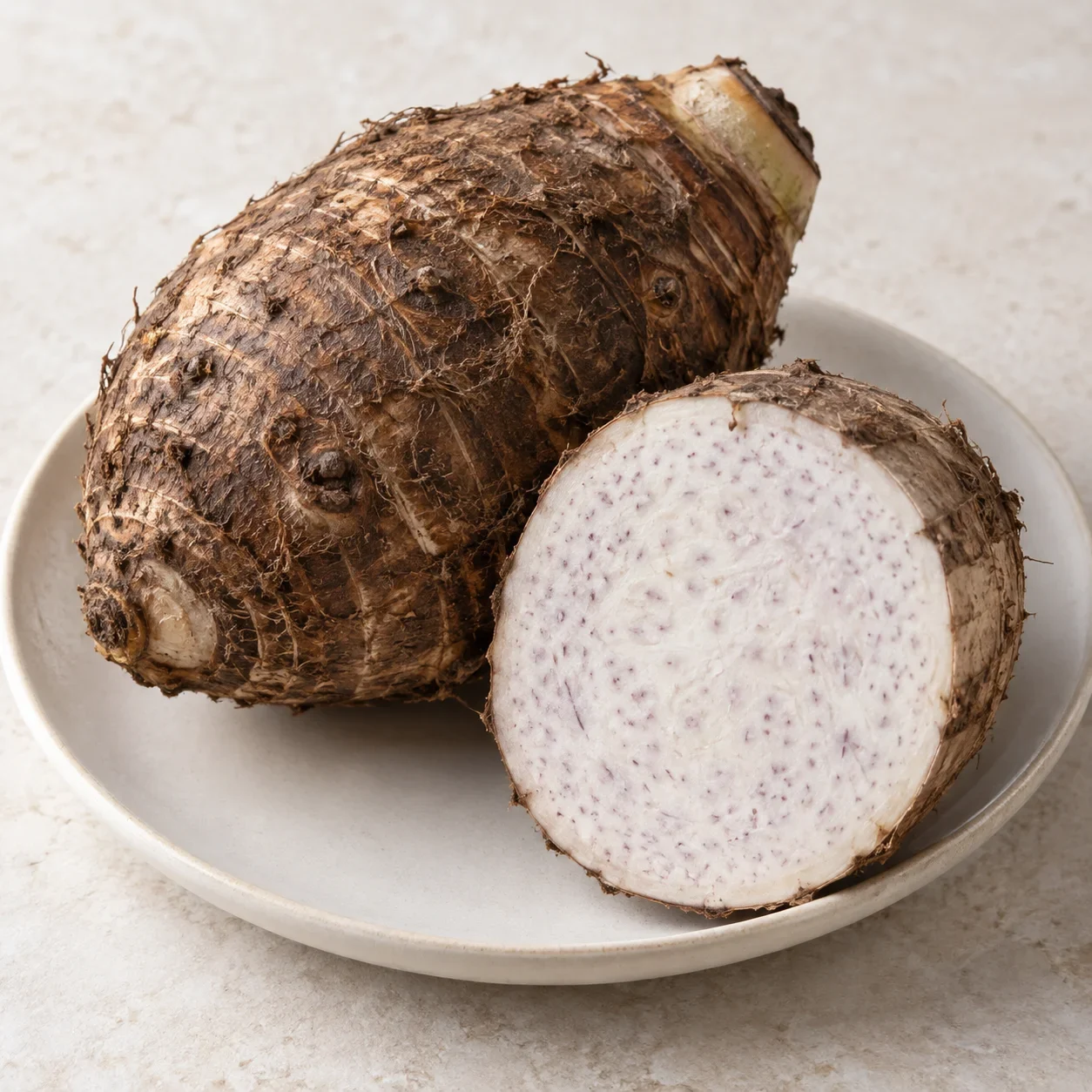
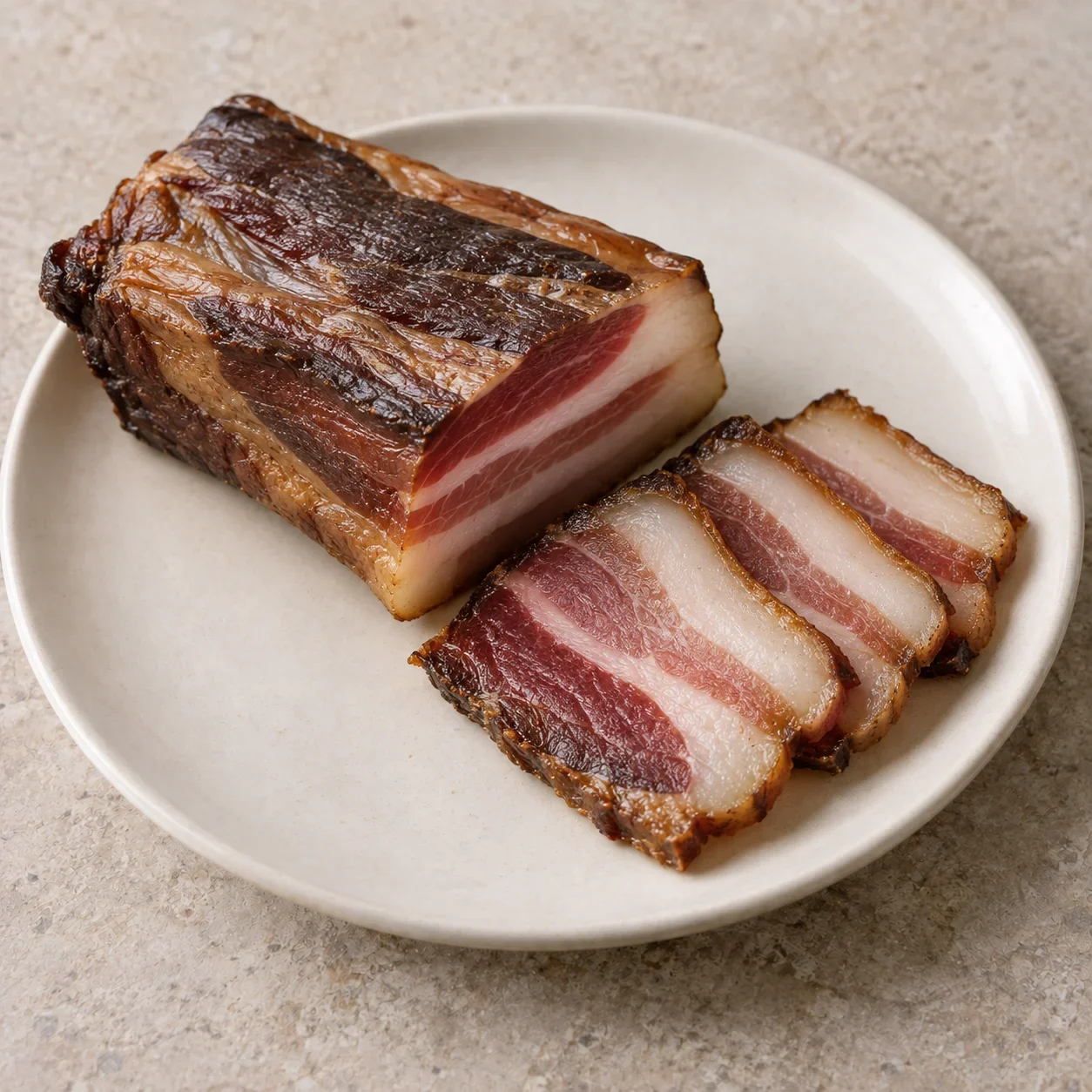
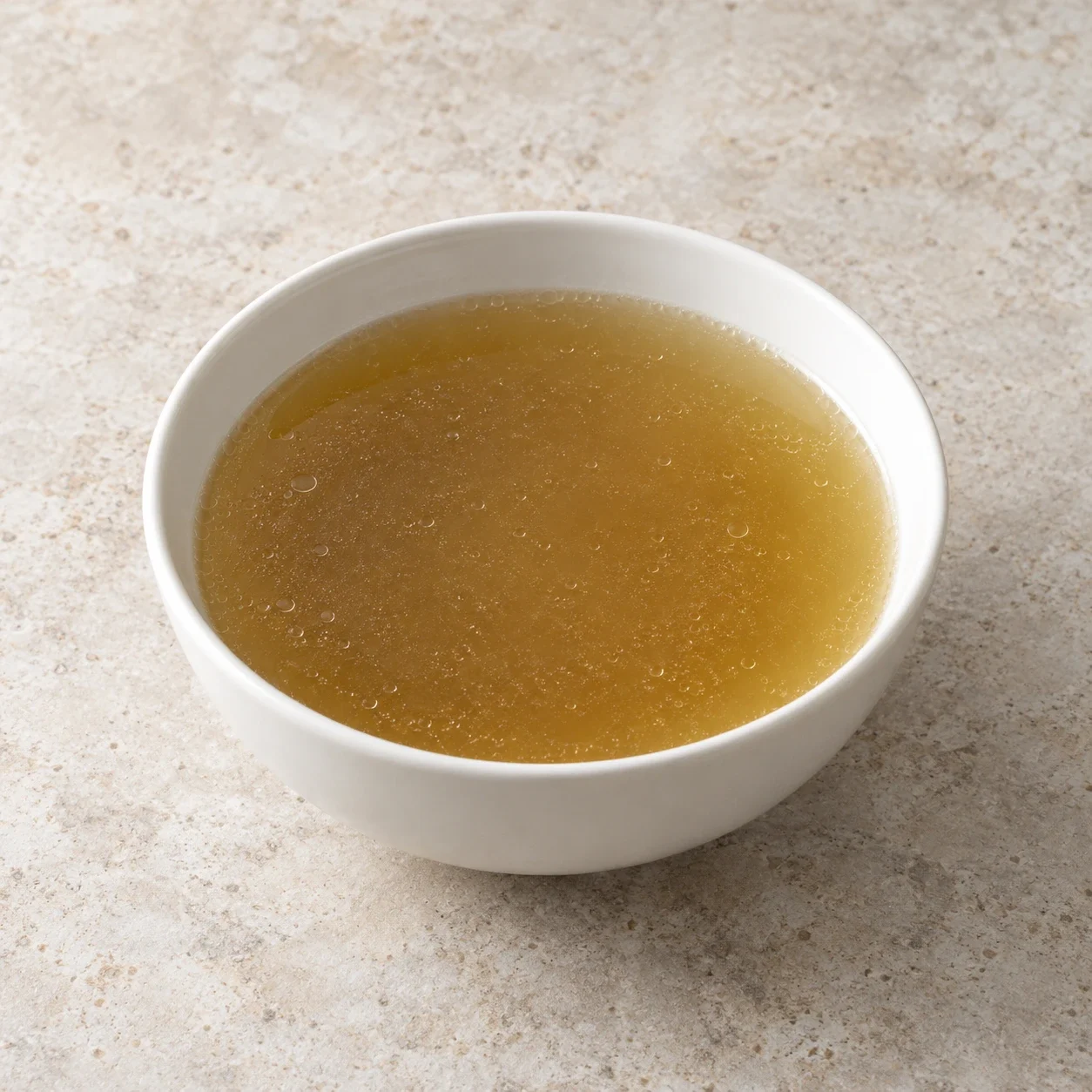
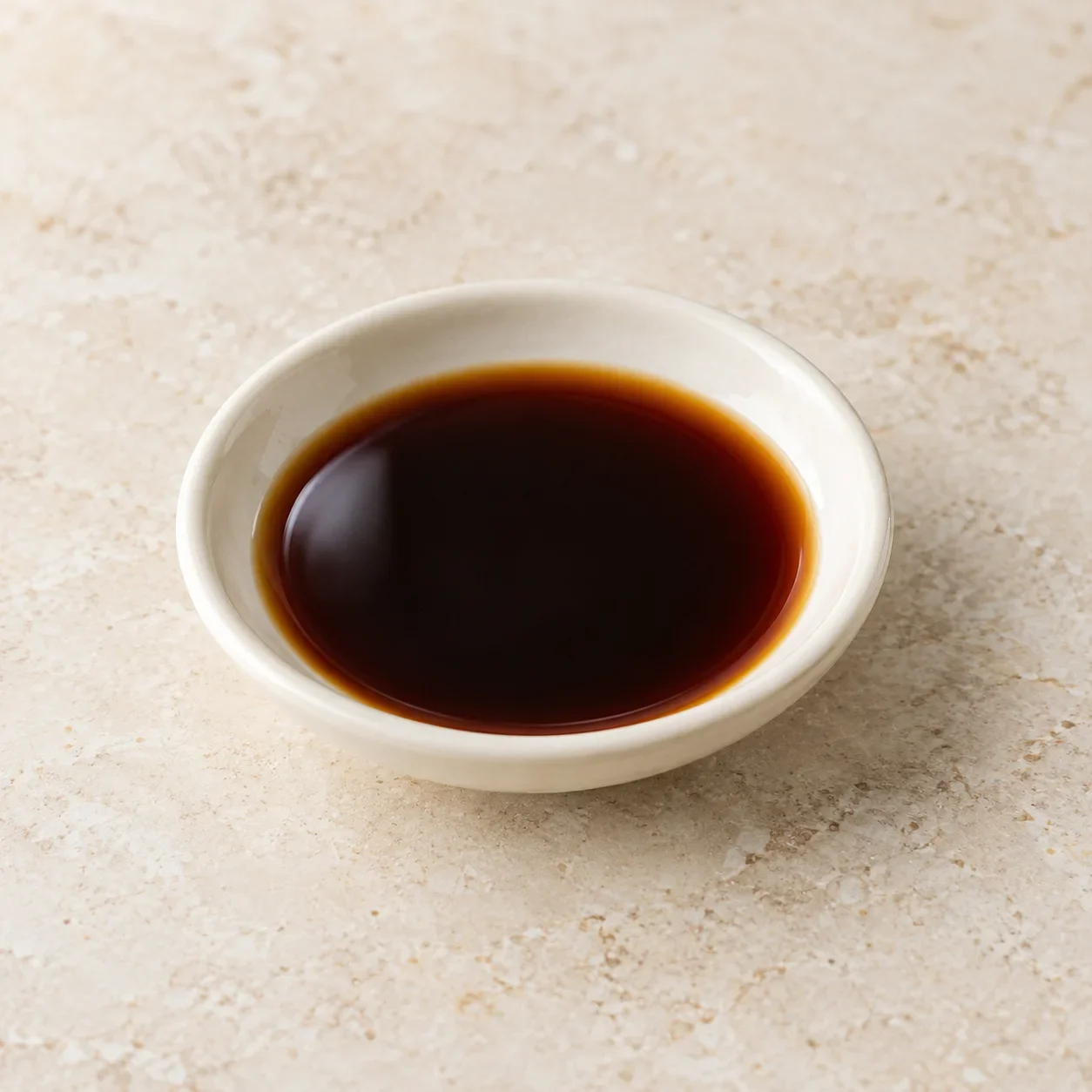
Recipes vary by restaurant.
How does it taste?
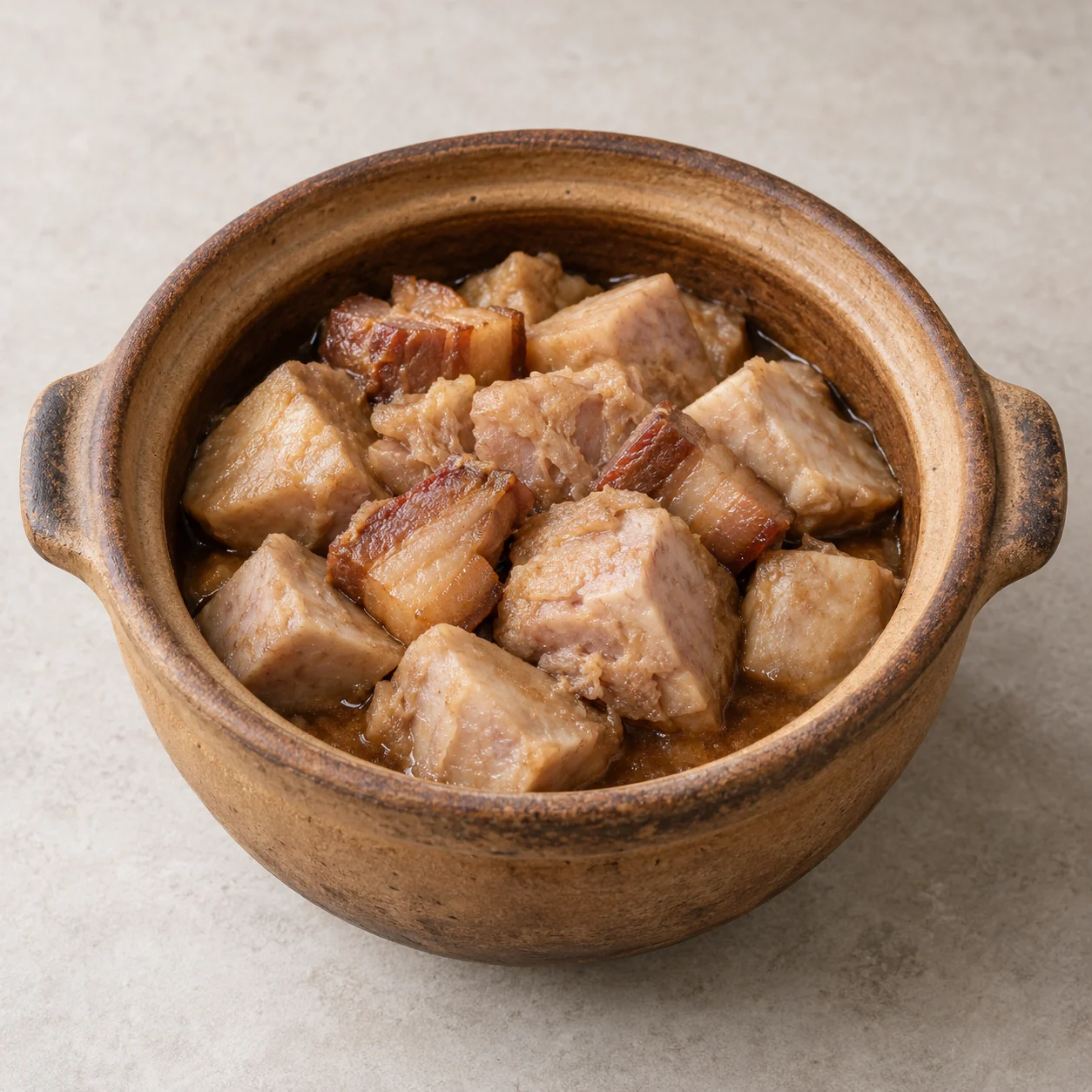
Savory and salty, with a strong taro aroma.
- Chili heat
- Texture
- Soft, floury taro and firmer cured meat.
- How it’s made
- Braise taro and cured pork gently in a clay pot with meat broth and soy sauce until the taro is soft.
Contains pork in this version. Broth, cured-meat seasonings and soy-sauce ingredients vary; soy sauce may contain wheat. Earlier household versions use local winter taro.
A CONNECTION TO PLACE
Origin & regional roots
Associated with Chongqing.
About this regional connection
Chongqing: The official CQ02 table places 砂锅焖香芋 at 重庆高新区, and the directly read 2024 event account associates the dish with Huxi in Chongqing High-Tech Zone. This supports a regional association, not exclusive origin or current vendor availability.
Ask if they have it first
请问你们有砂锅焖香芋吗?
Do you have this item?
A LITTLE SOMETHING TO READ
Story & history
Local cooking tradition
This account describes a tradition or story, rather than an established historical fact.
The Huxi account links this dish to household winter-taro cooking. A later restaurant version uses Lipu taro, showing a change of taro variety within the same clay-pot tradition.