
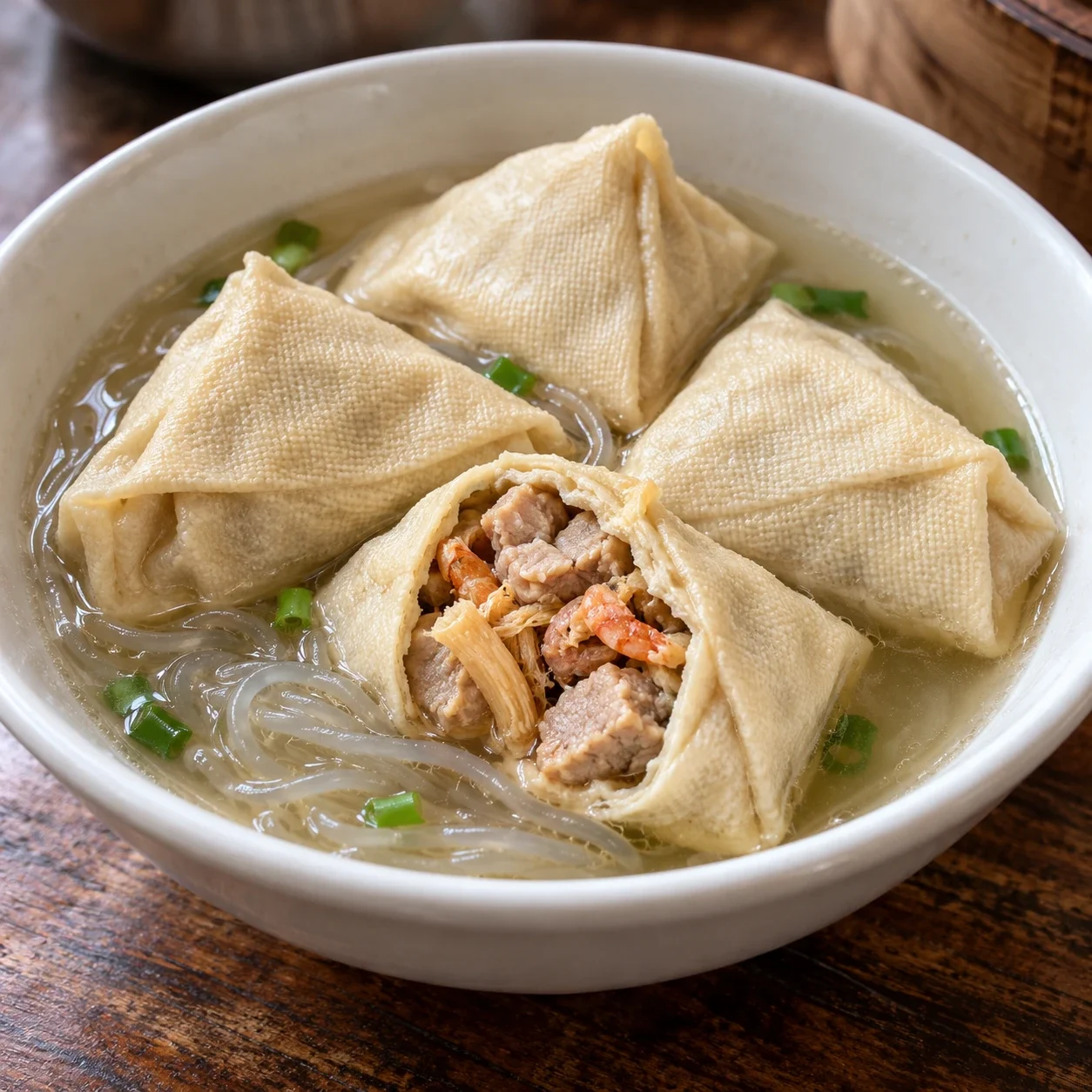
At the table
Lift a parcel with chopsticks, supporting it with a spoon if needed. Bite or split it carefully, let the hot filling cool, and eat the wrapper too. Eat any noodles and soup alongside.
Contains soy, pork, shrimp and scallop. The filling and soup may be very hot. Some recipes use cooking wine; do not assume all alcohol disappears.
Ask “汤底是什么?” (What is the soup base?) and “辣酱另放,可以吗?” (Can the chili sauce come separately?). The visible tofu wrapper does not make the filling vegetarian.
GET TO KNOW THE DISH
What goes into it?
Explore some key ingredients below. Preparations may use additional seasonings and ingredients.
Seasoning and serving style vary. Glass noodles, scallions and separately added chili may accompany the parcels; the wrapper is part of the food.
Typical ingredients
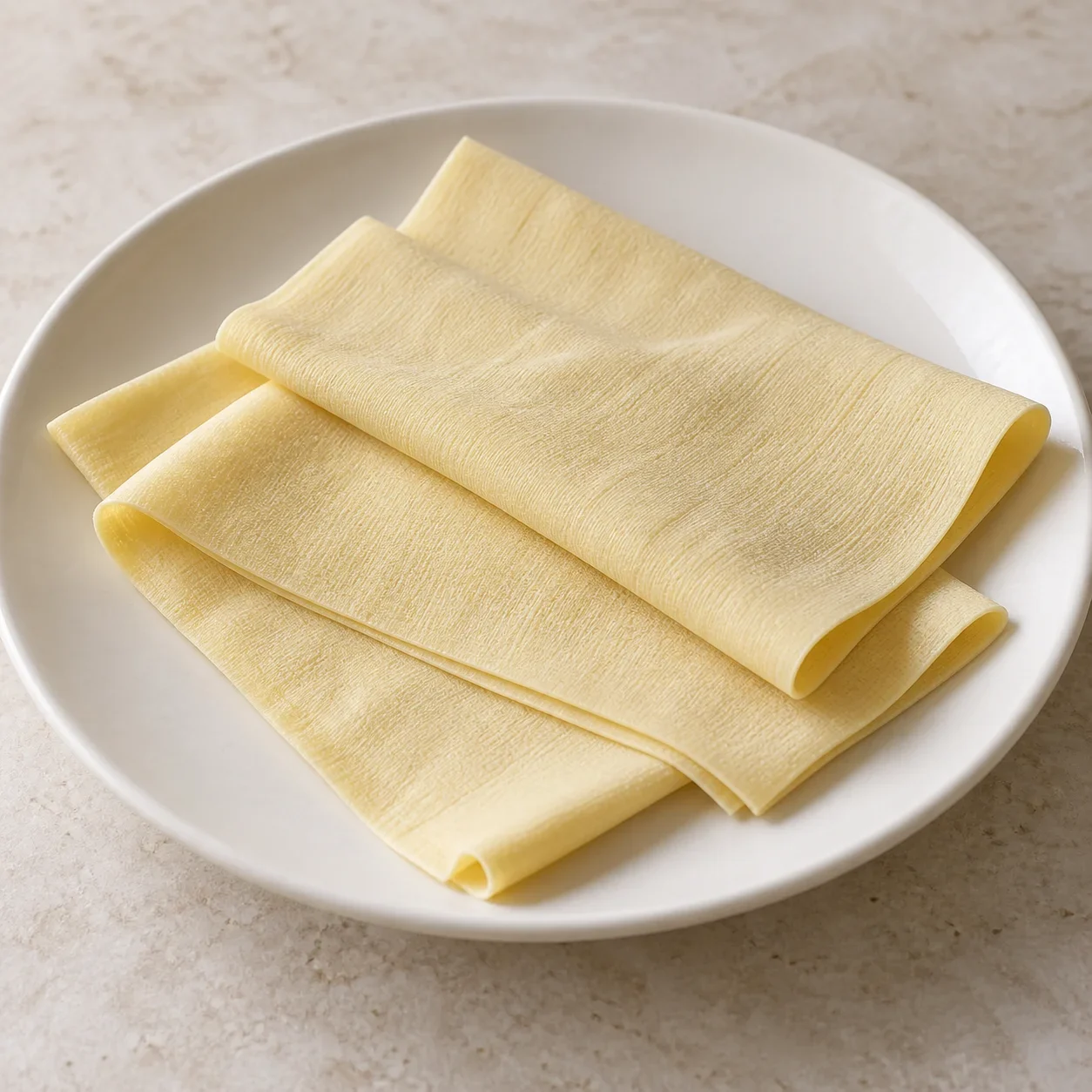
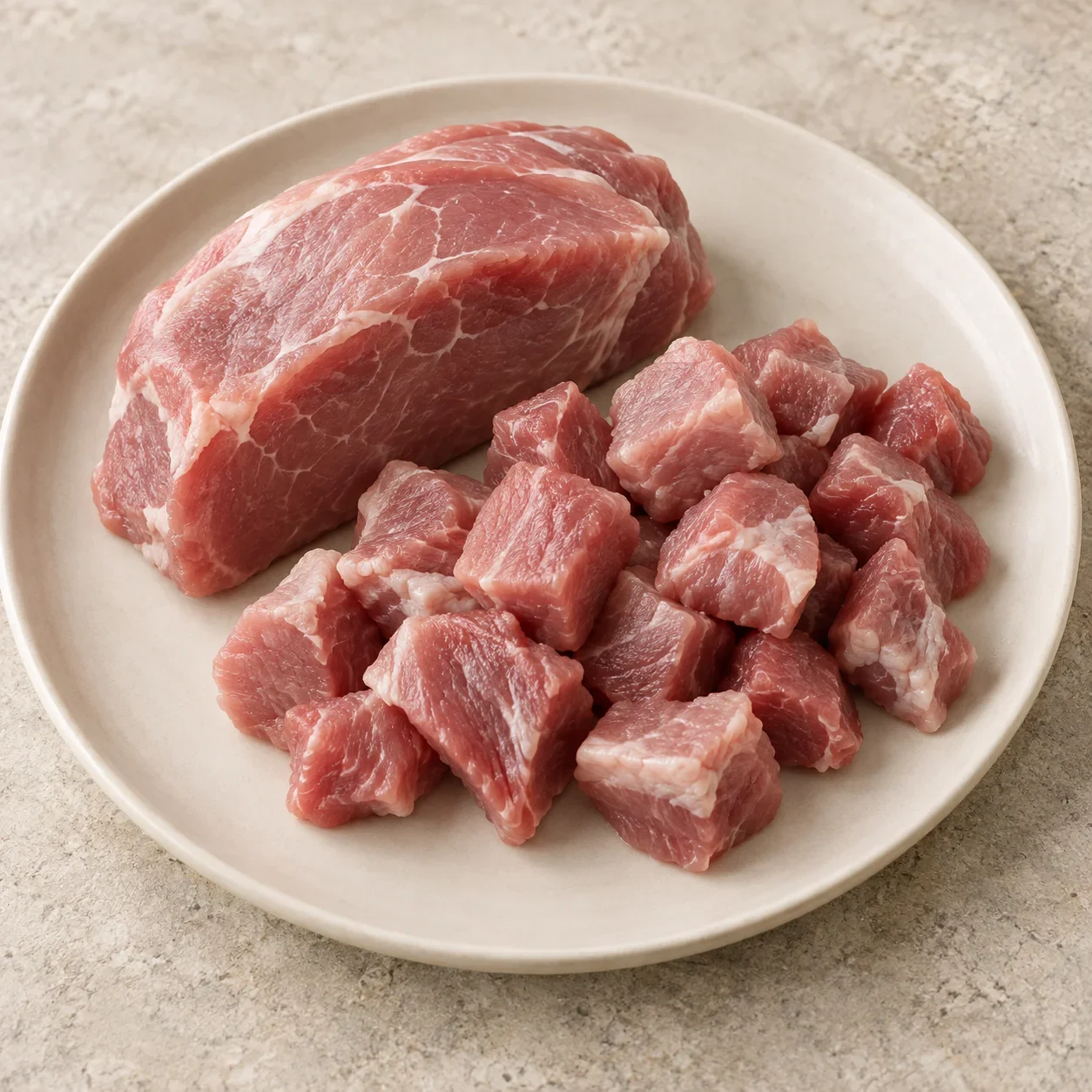
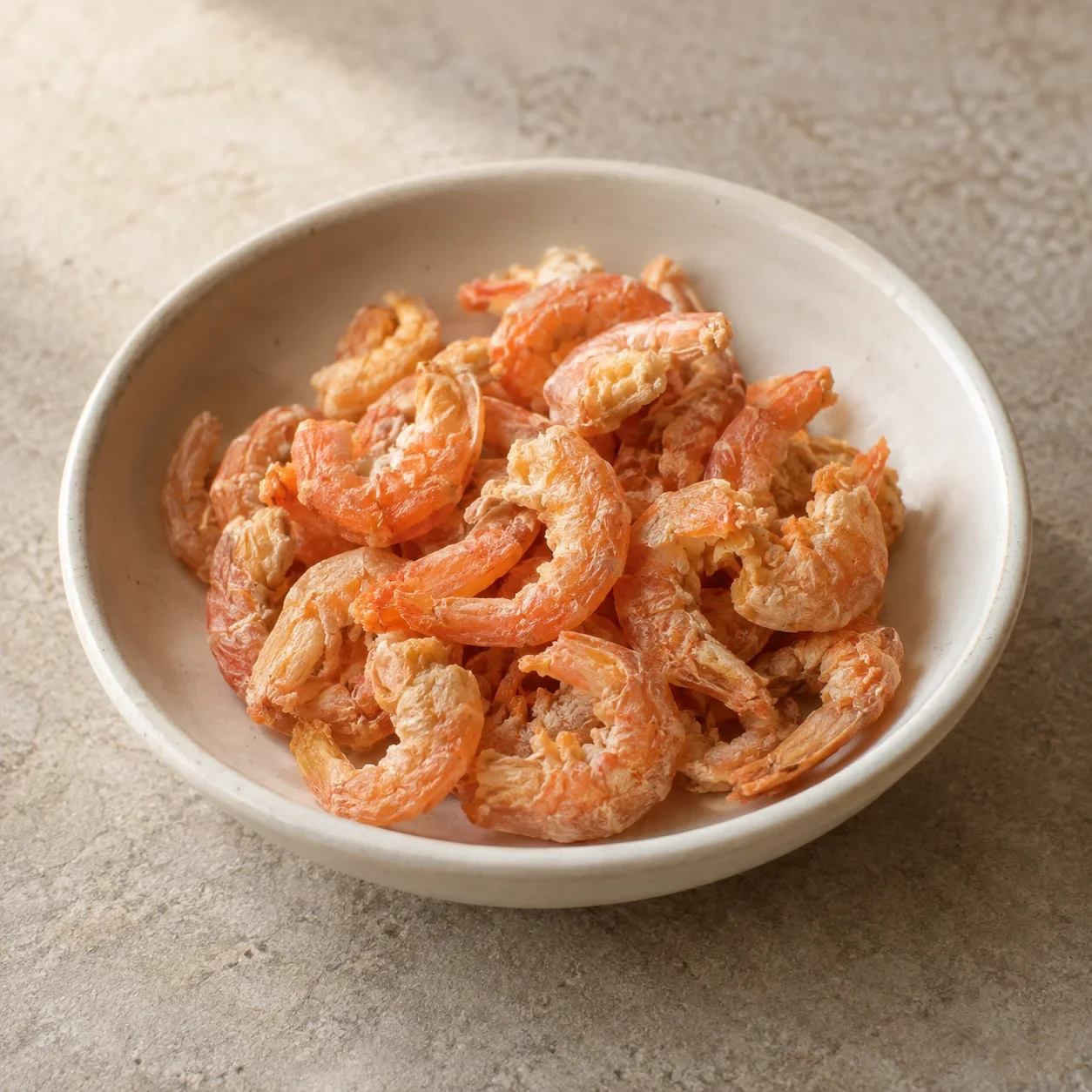
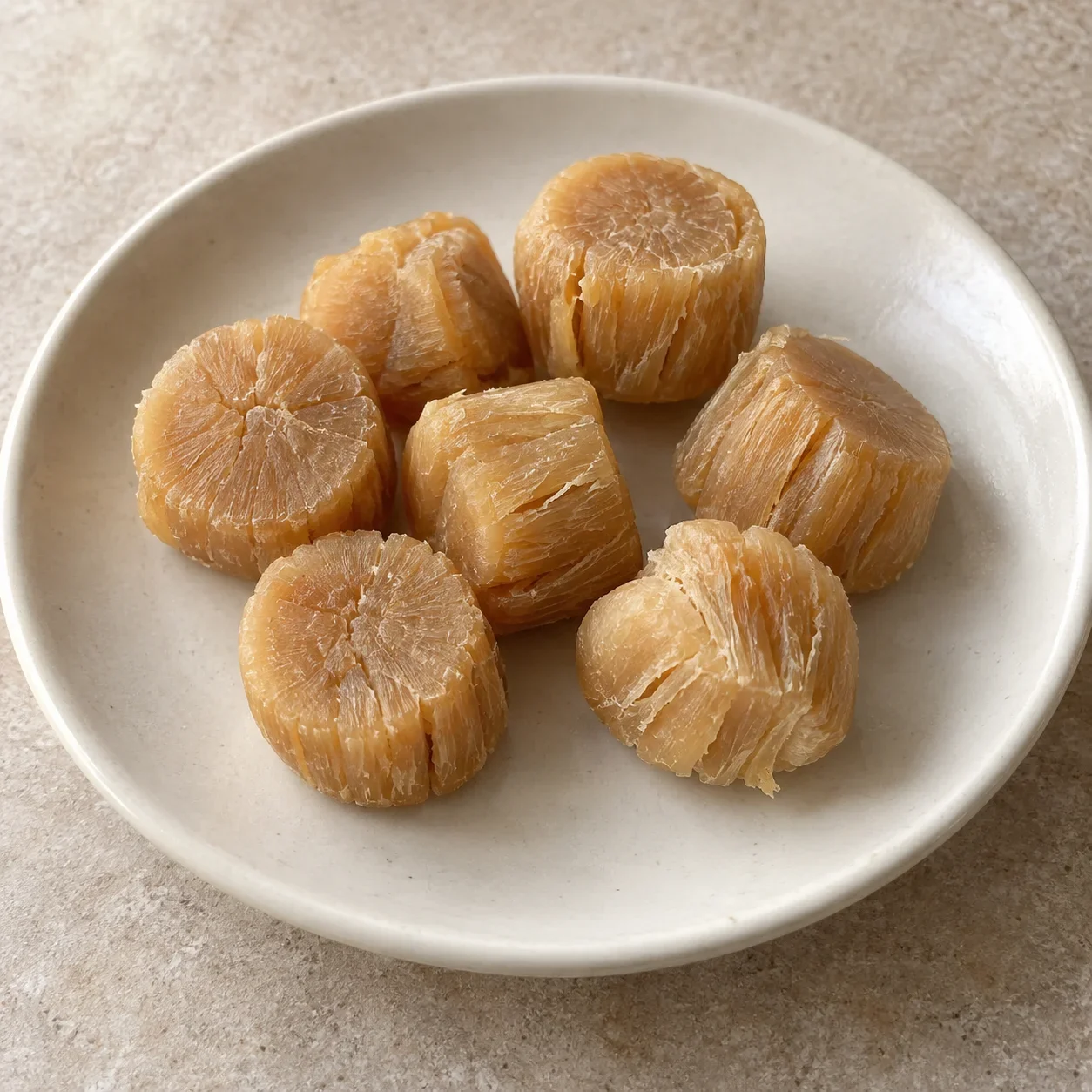
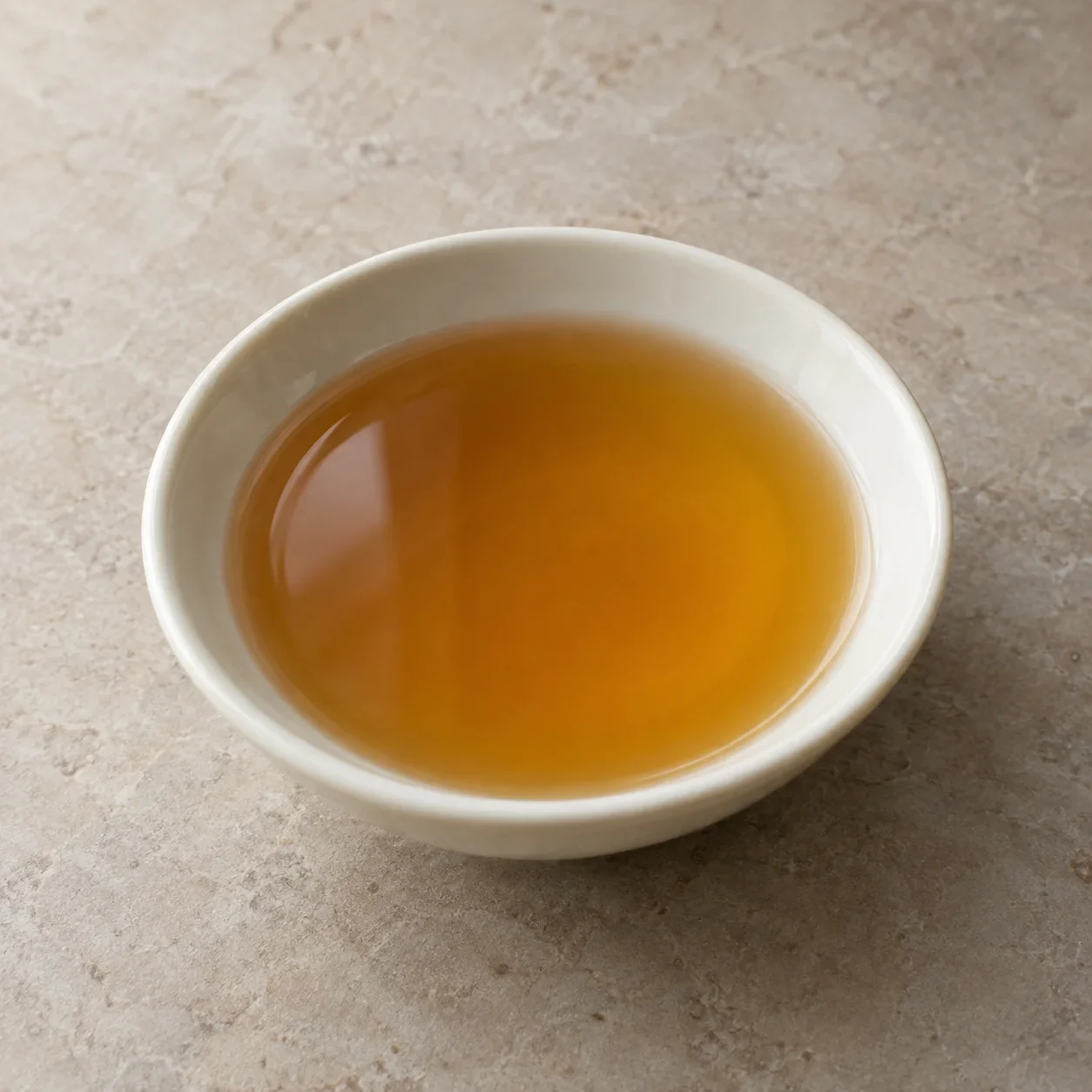

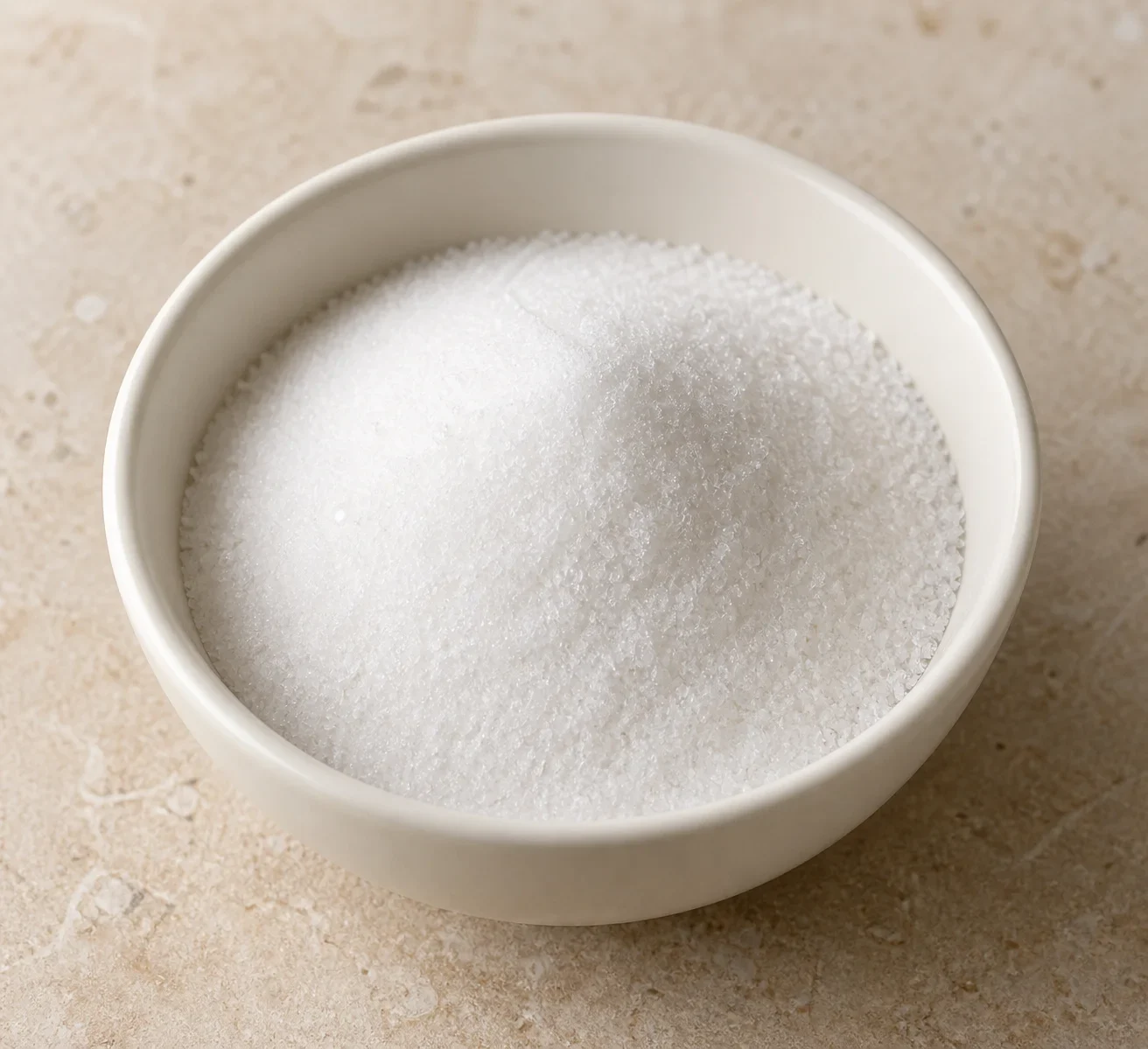
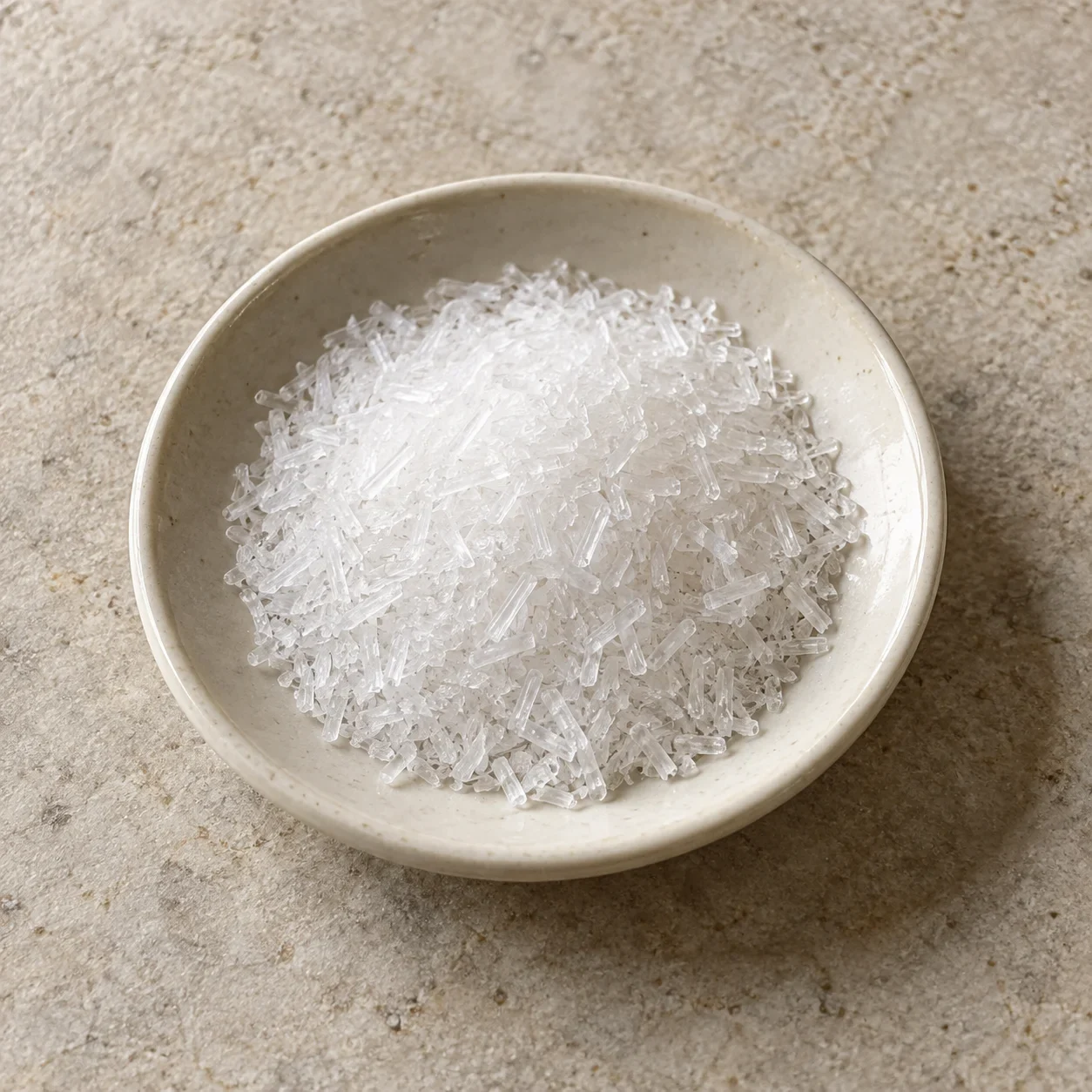
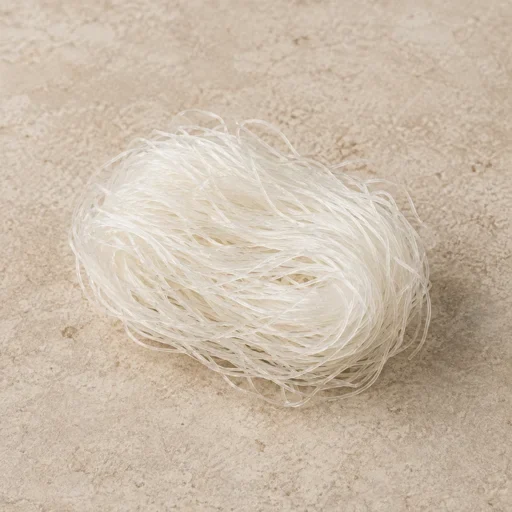
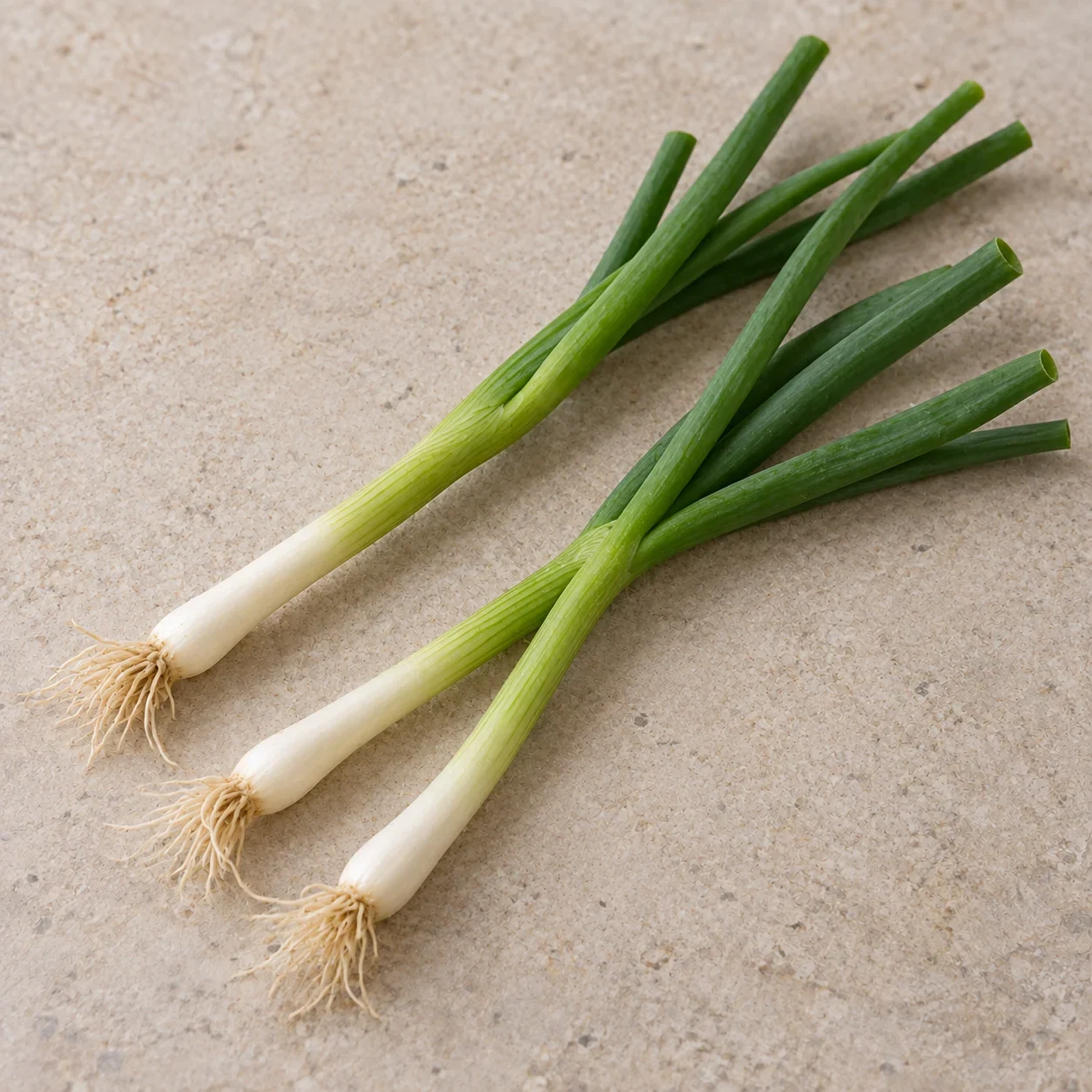
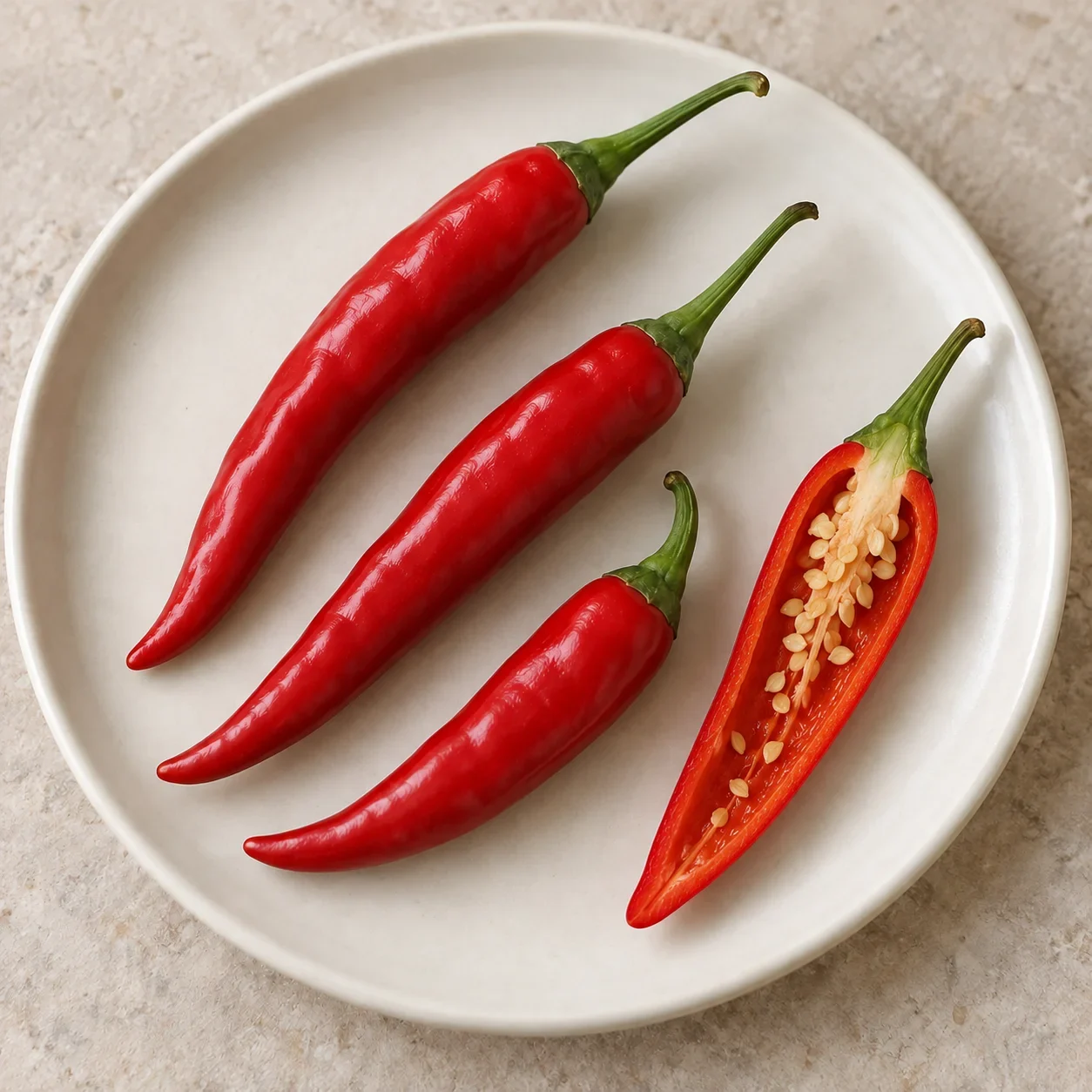
Recipes vary by restaurant.
How does it taste?
Savory pork and dried-seafood richness with a gentle soybean aroma.
- Chili heat
- Texture
- Tender but resilient tofu sheets around juicy pork pieces and softened dried seafood.
- How it’s made
- Wrap seasoned diced lean pork, dried shrimp and dried scallops in triangular pieces of pressed tofu sheet, then cook thoroughly. A representative seasoning uses yellow rice wine, salt, sugar and a little MSG.
Seasoning and serving style vary. Glass noodles, scallions and separately added chili may accompany the parcels; the wrapper is part of the food.
A CONNECTION TO PLACE
Origin & regional roots
Associated with Zhejiang.
Ask if they have it first
请问你们有湖州千张包吗?
Do you have this item?
A LITTLE SOMETHING TO READ
Story & history
Tofu sheets in Huzhou snack culture
This account describes a tradition or story, rather than an established historical fact.
Qianzhang bao is a familiar Huzhou specialty associated with local snack shops such as Ding Lian Fang. Its folded soybean wrapper and pork-and-dried-seafood filling distinguish it from wheat-dough buns; a bowl with glass noodles is a characteristic serving.