At the table
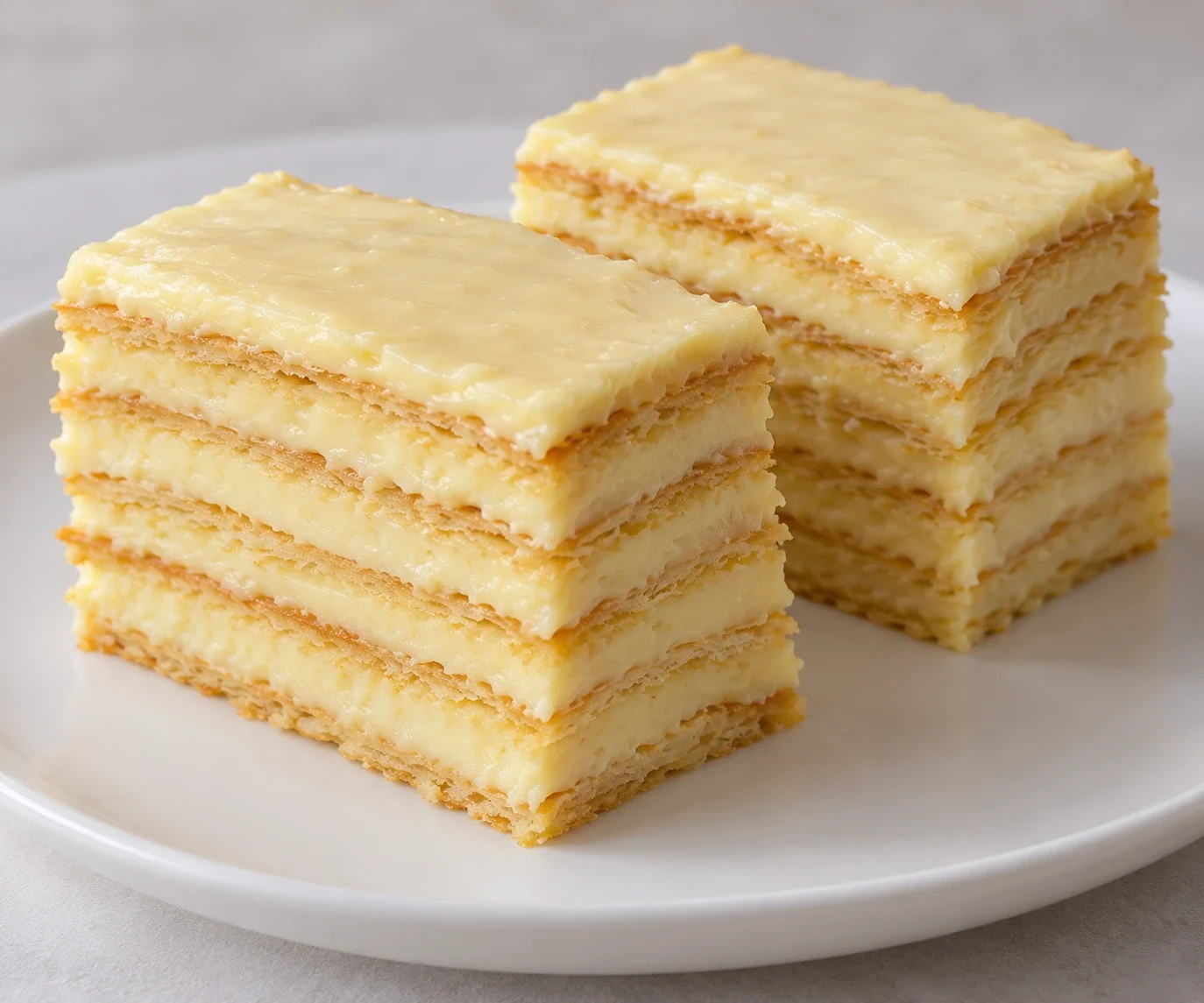
Eat a small slice with a dessert fork or spoon, cutting through the layers together. If very firm from chilling, allow a little softening before eating.
Contains wheat, egg and milk from butter. Ask about additional fillings and toppings; the plain recipe does not guarantee other versions are nut-free.
Layer counts and decorations differ. Do not assume the creamy filling is yogurt, cheese or whipped cream; ask about the actual version.
Soft filling and thin sheets can suit children who chew well; offer a small piece after checking wheat, egg and milk.
Recipes vary. Ask the restaurant about ingredients and serving before you order.
GET TO KNOW THE DISH
What goes into it?
Explore some key ingredients below. Preparations may use additional seasonings and ingredients.
Layer counts and decorations differ. Do not assume the creamy filling is yogurt, cheese or whipped cream; ask about the actual version.
Typical ingredients
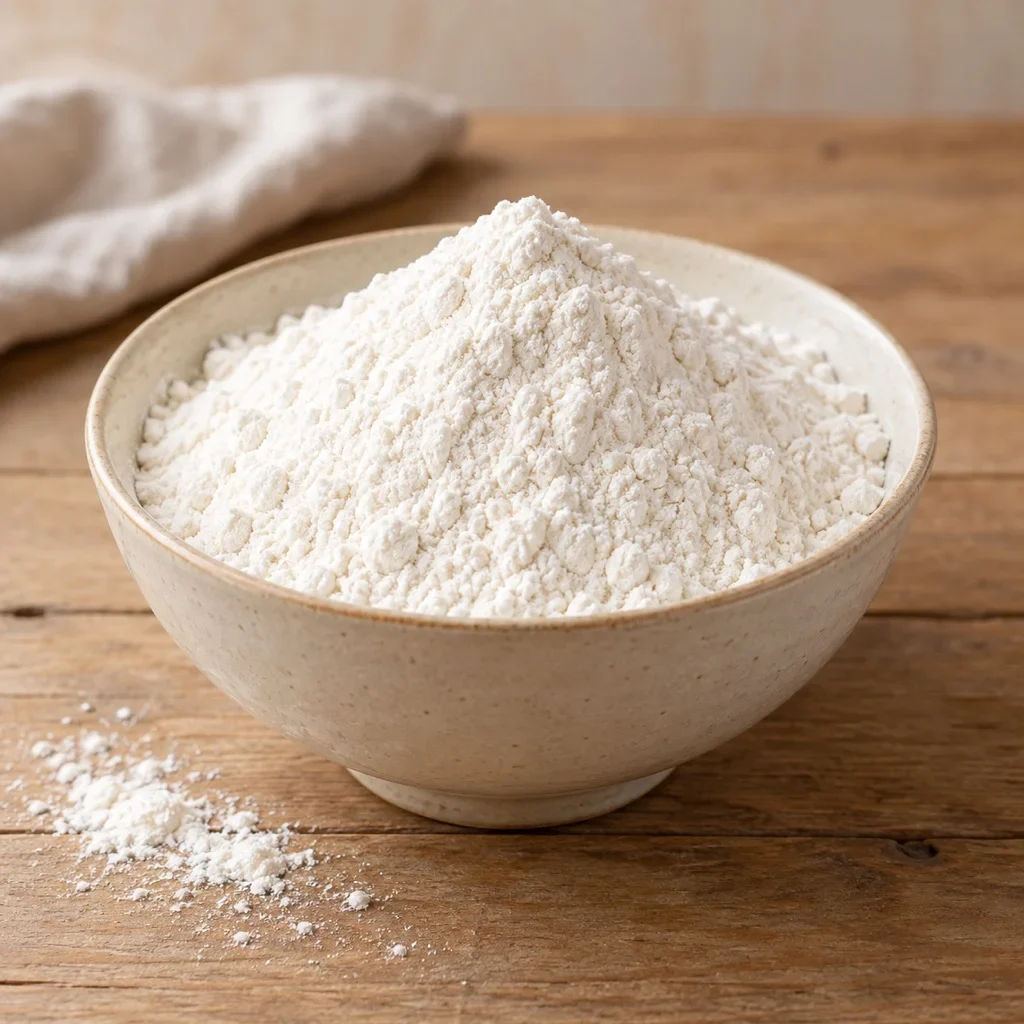

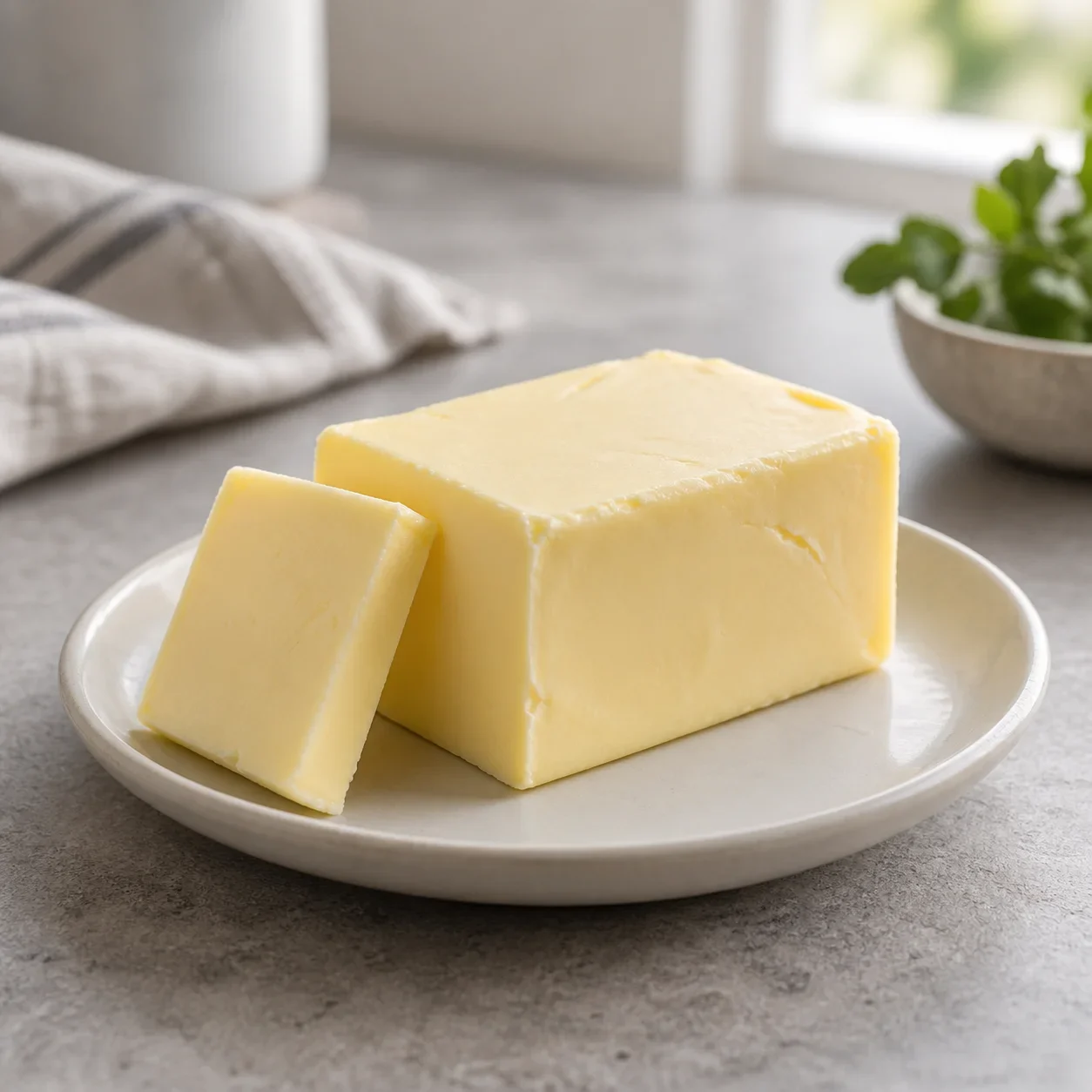

Recipes vary by restaurant.
How does it taste?
Sweet and buttery, with egg and toasted wheat aromas.
- Chili heat
- Texture
- Fine pastry sheets soften against the dense, smooth filling; firmer when cold.
- How it’s made
- Bake thin sheets made from wheat flour, egg and butter. Steam a mixture of egg, butter, wheat flour and sugar until cooked, then beat smooth. Layer the sheets with the filling and chill to set; this plain version has no decorative topping.
Layer counts and decorations differ. Do not assume the creamy filling is yogurt, cheese or whipped cream; ask about the actual version.
A CONNECTION TO PLACE
Origin & regional roots
Associated with Shanghai. Associated with Xinjiang.
About this regional connection
Shanghai: 一手报道观察到上海新疆料理店及市集中的传播。 Xinjiang: 与新疆风味餐饮关联,不据此主张古老本地起源。
Ask if they have it first
请问你们有娜帕里勇吗?
Do you have this item?
A LITTLE SOMETHING TO READ
Story & history
Layered cake in Xinjiang restaurant culture
This account describes a tradition or story, rather than an established historical fact.
Napaliyong is associated with Xinjiang-style restaurant and market dining, including its spread in Shanghai. It belongs to a wider Eurasian family of layered pastry cakes; it should not be assumed to be an ancient, uniquely Xinjiang recipe.