
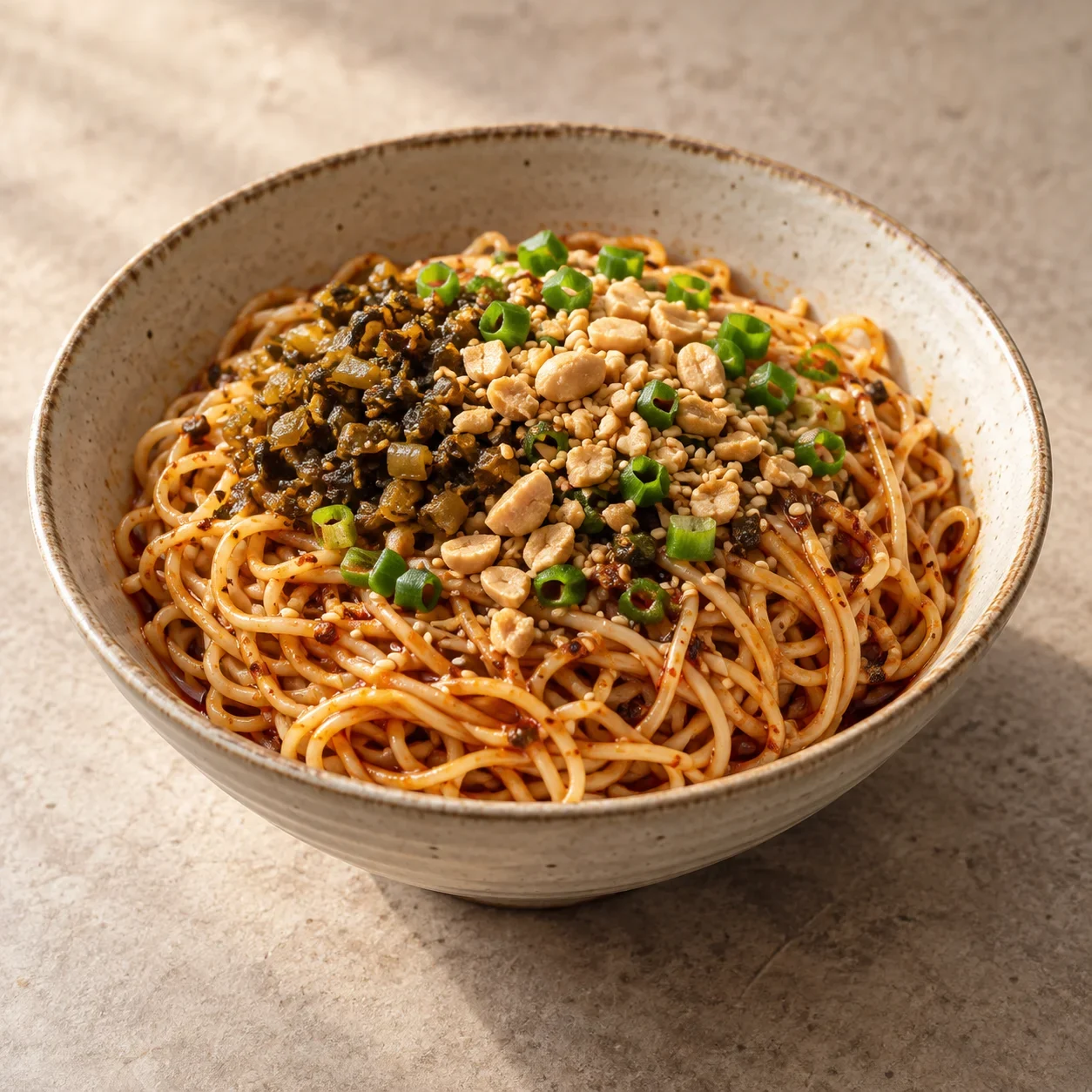
At the table
Mix the toppings thoroughly into the warm noodles before eating. Soup, if ordered, is served separately. “少放辣椒。” asks for less chili, not a guaranteed chili-free bowl.
Contains wheat, peanuts and sesame; soy sauce adds soy. Some versions contain walnuts, lard or egg noodles. Confirm ingredients for dietary restrictions and allergies.
GET TO KNOW THE DISH
What goes into it?
Explore some key ingredients below. Preparations may use additional seasonings and ingredients.
Oil blends vary. Some richer versions include lard, walnuts, Sichuan pepper, star anise and sand ginger; MSG and soy sauce also vary. A bowl without minced meat is not necessarily vegetarian.
Typical ingredients
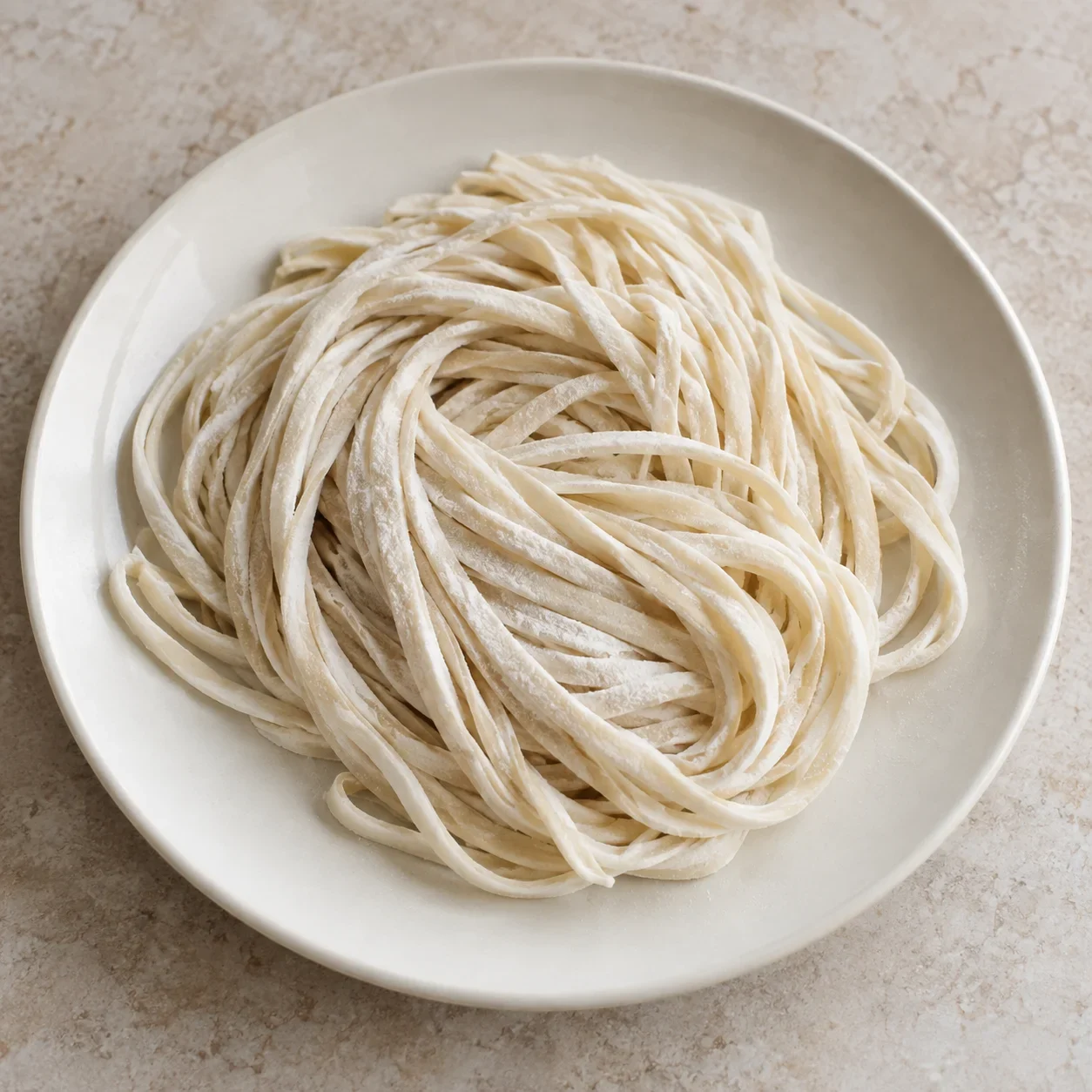
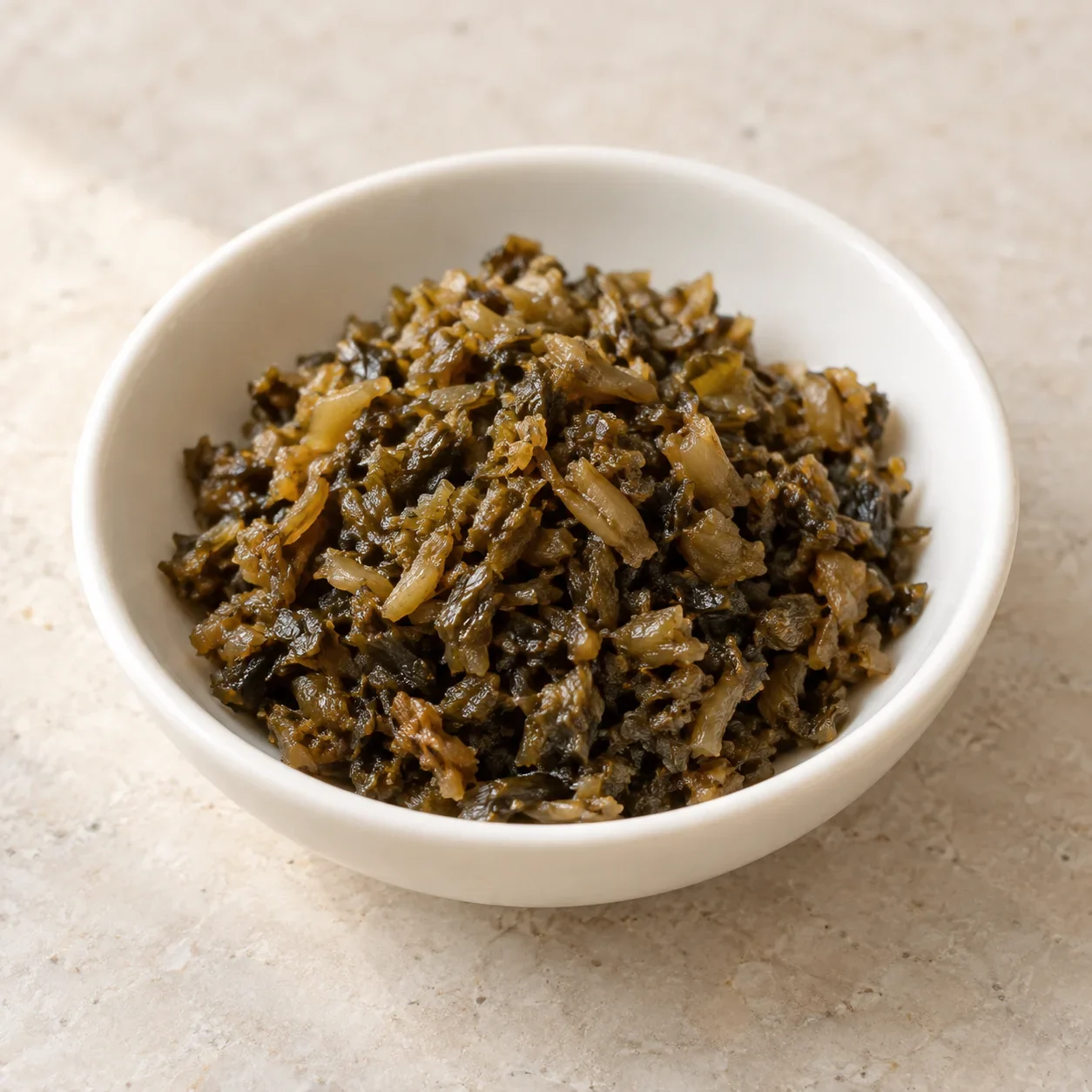
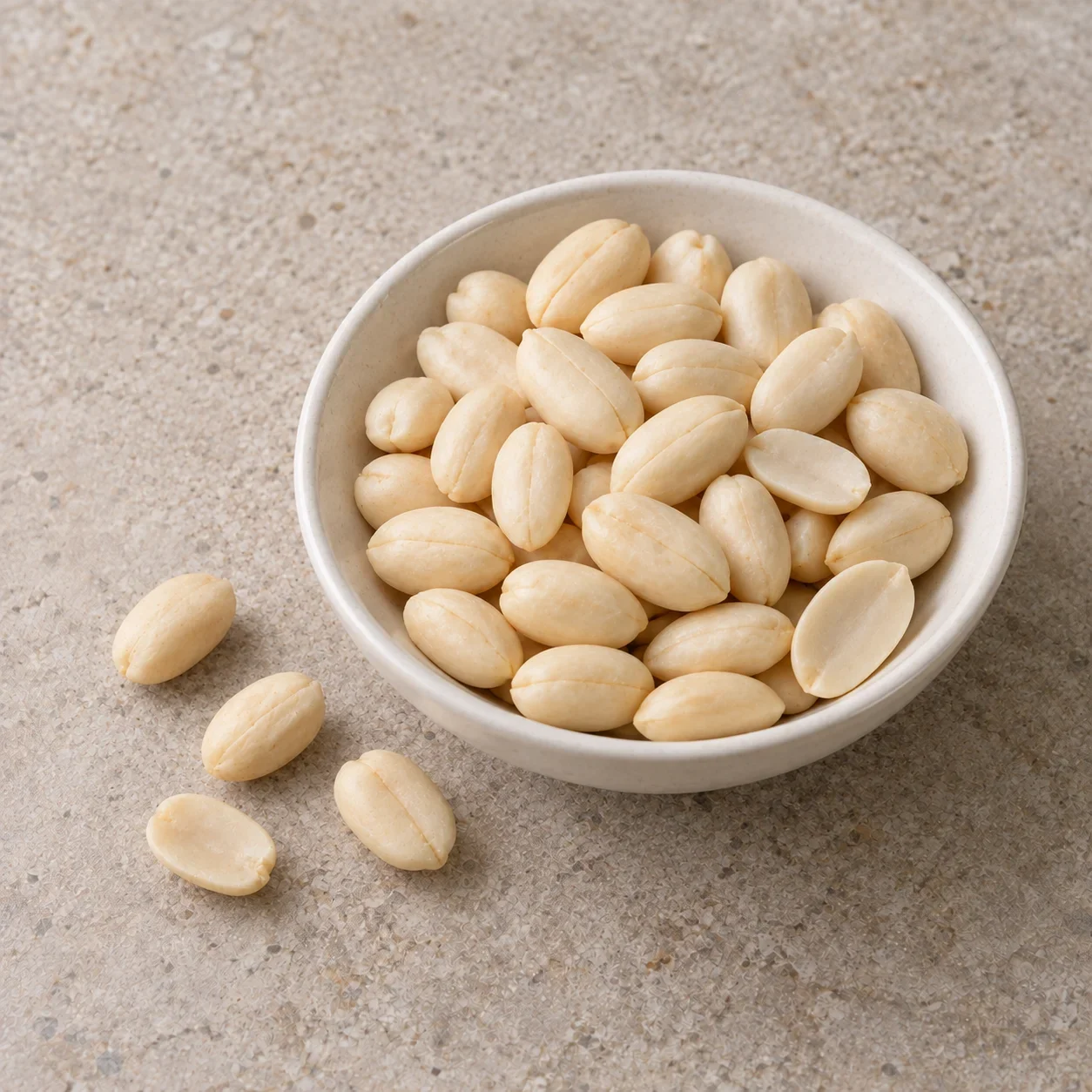
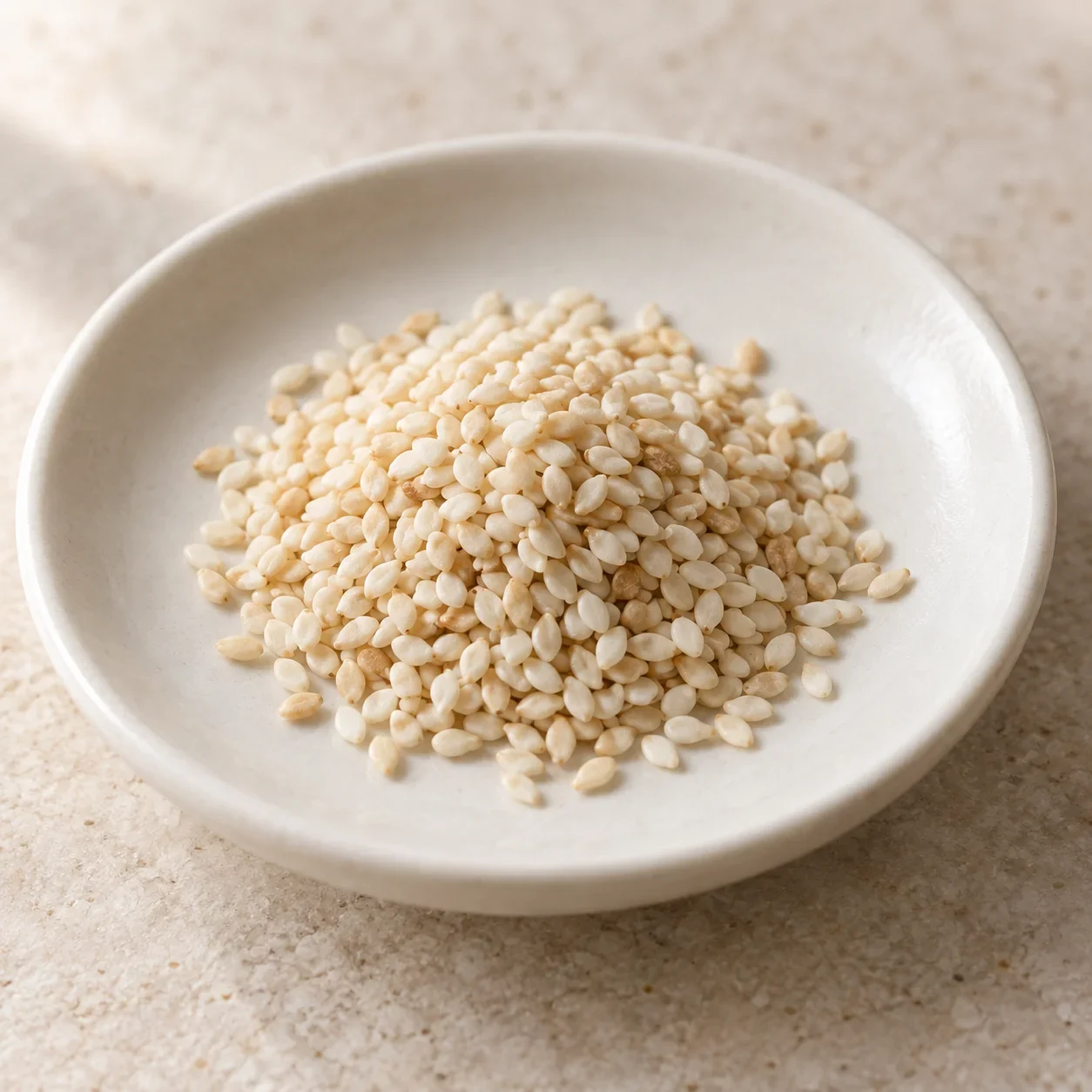
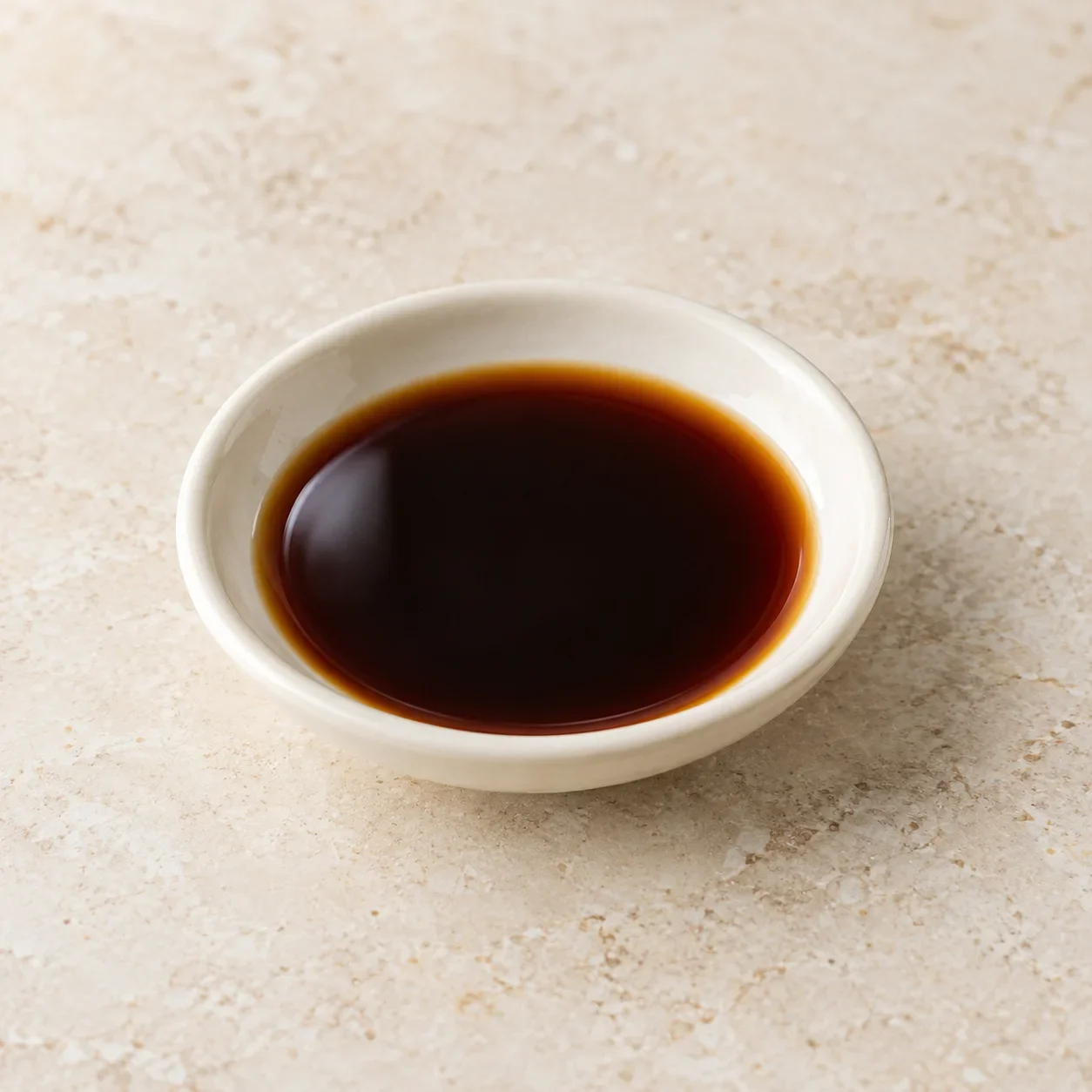
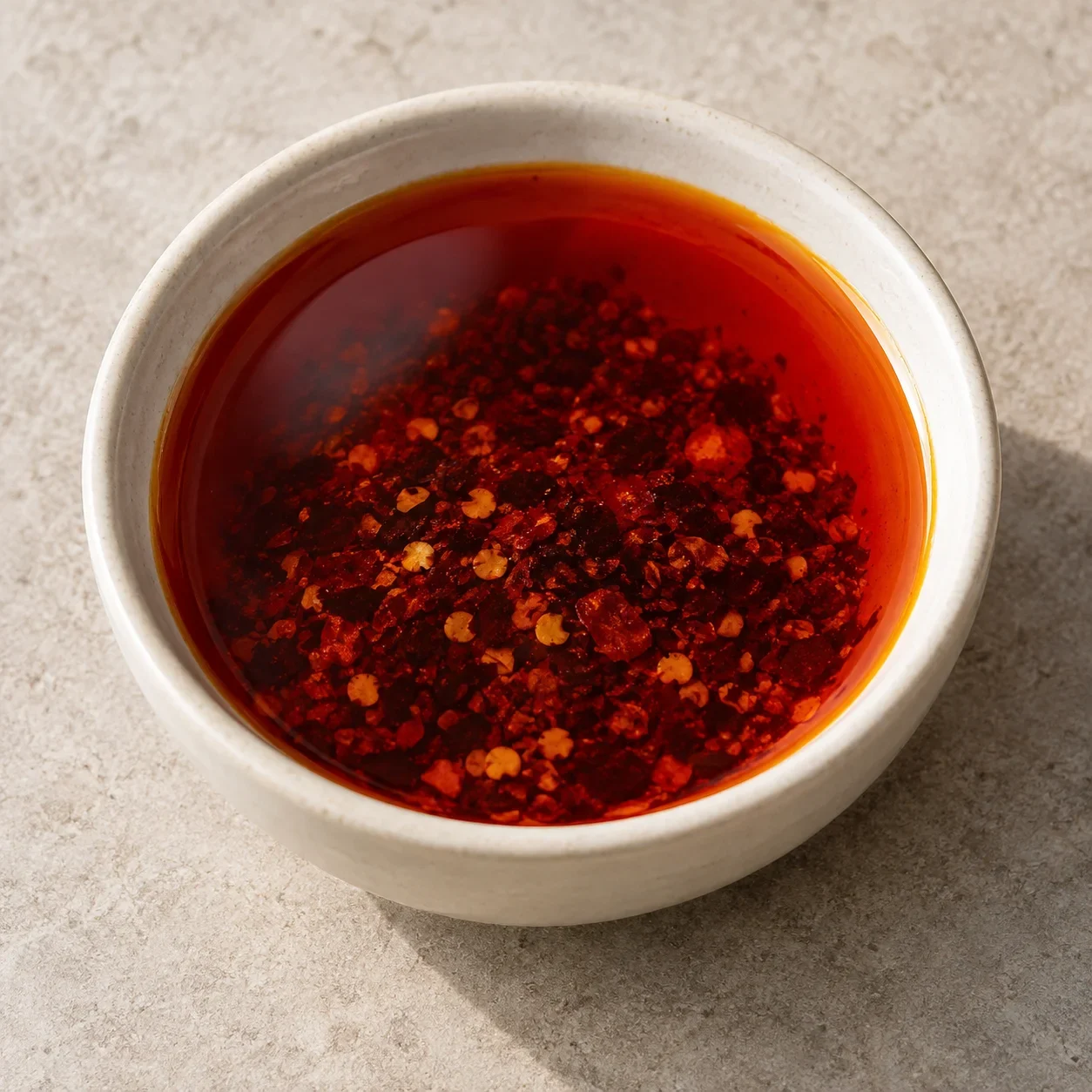
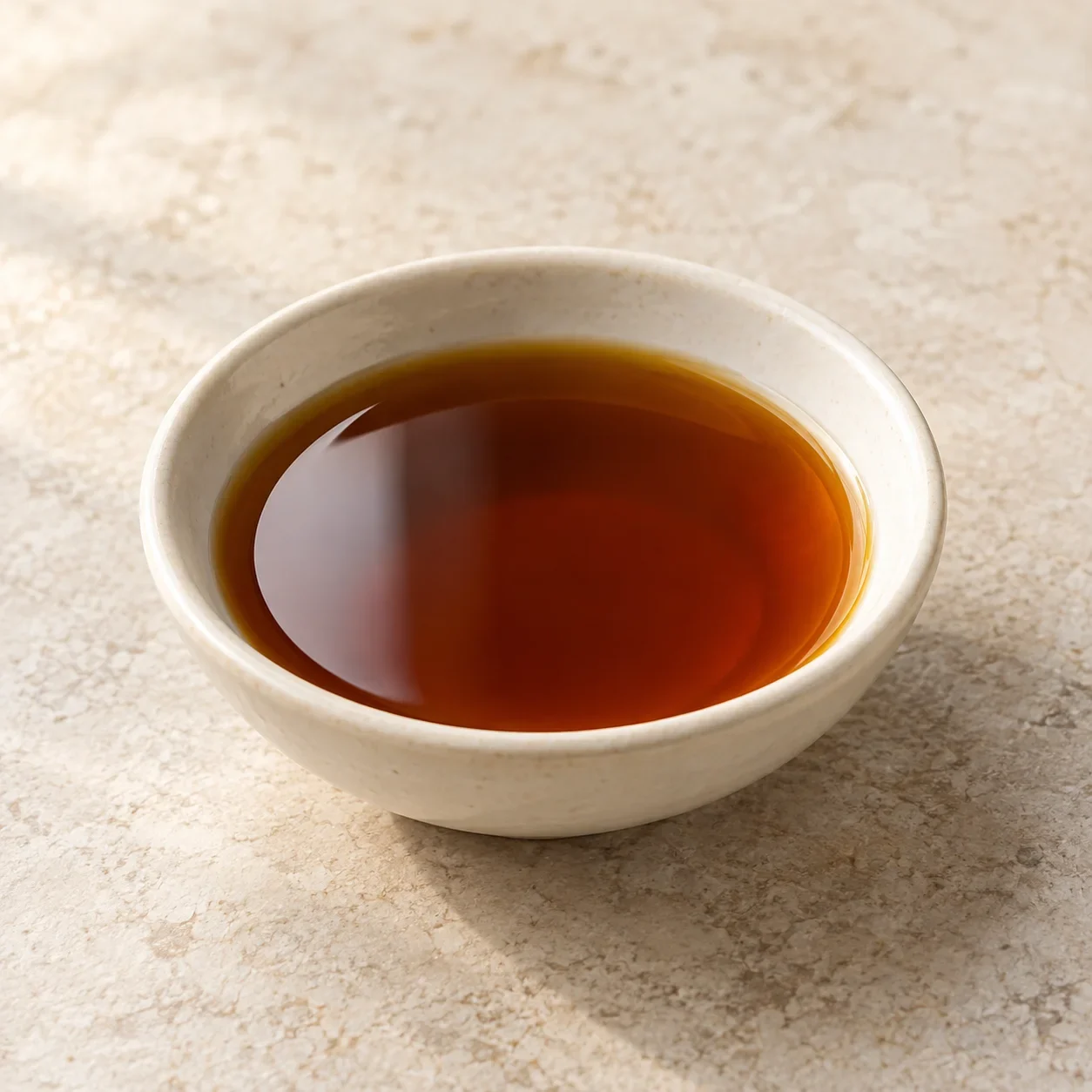
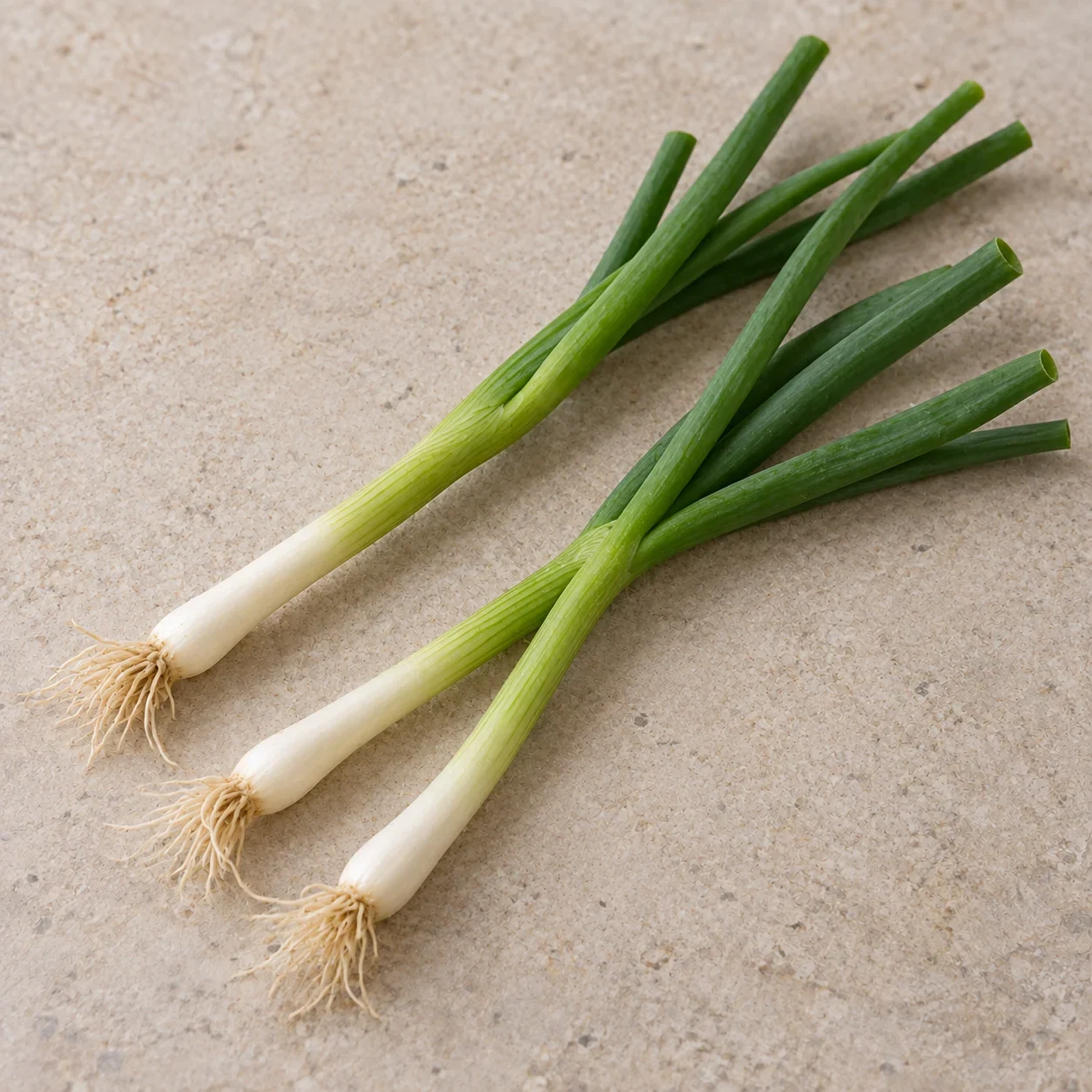
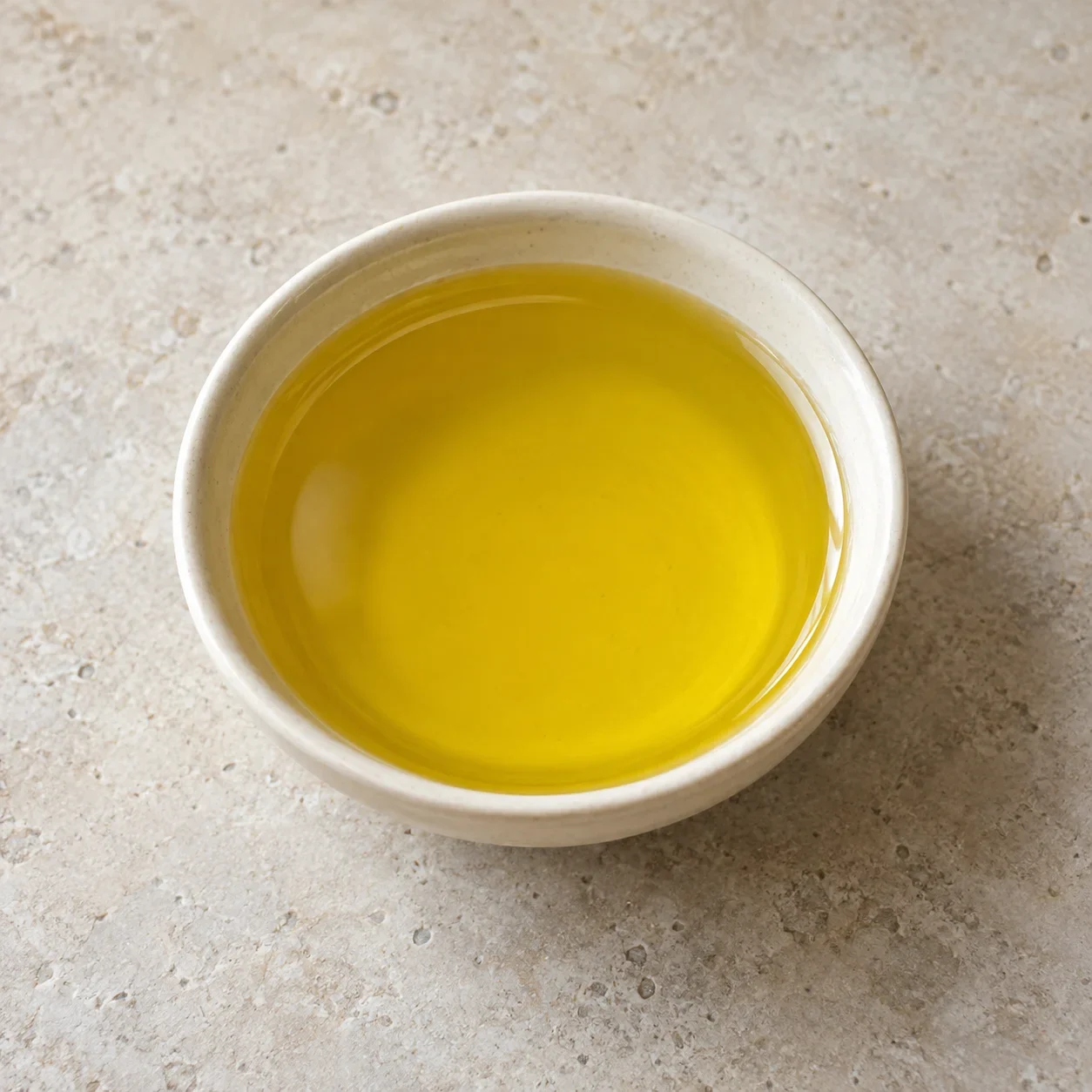
In some versions
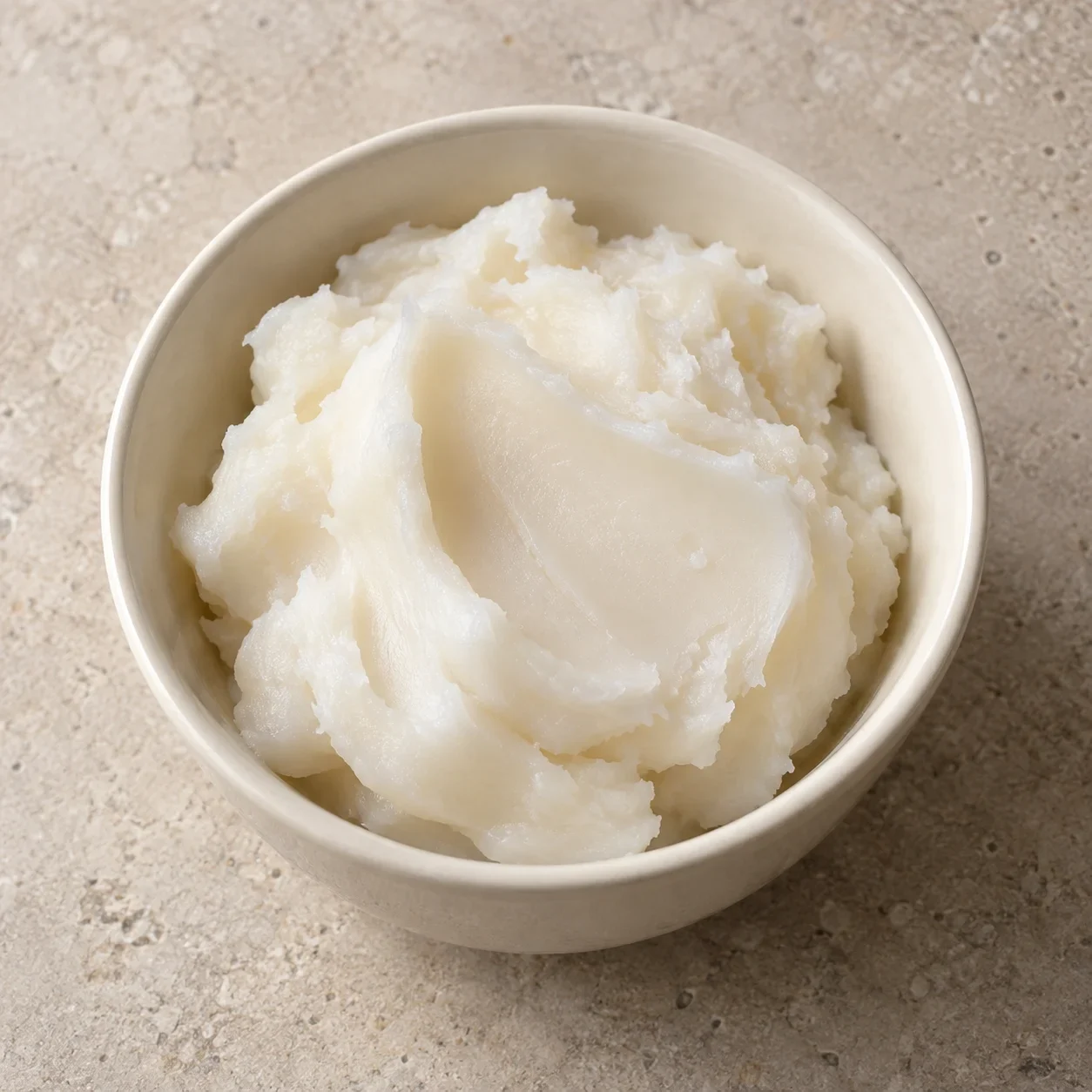
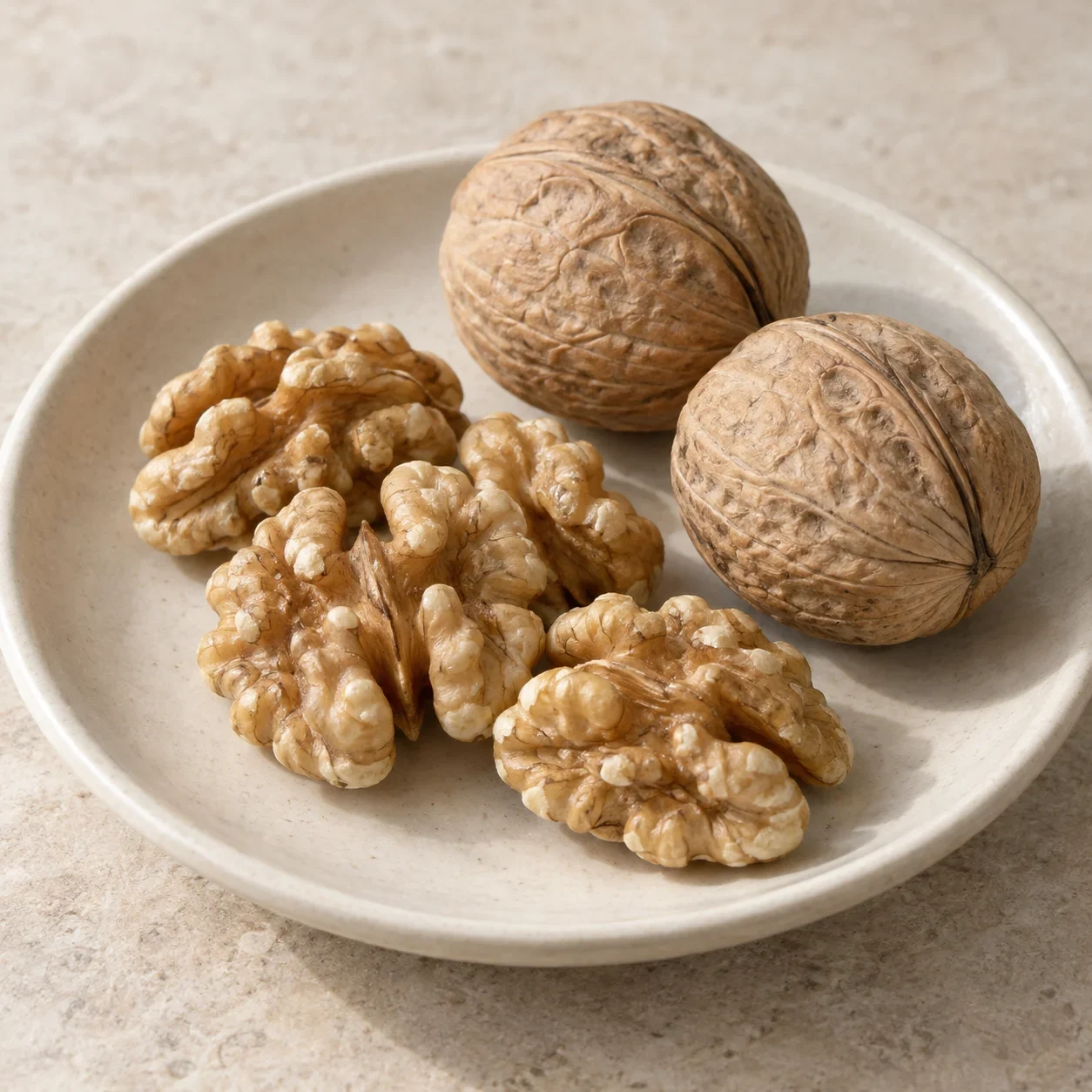
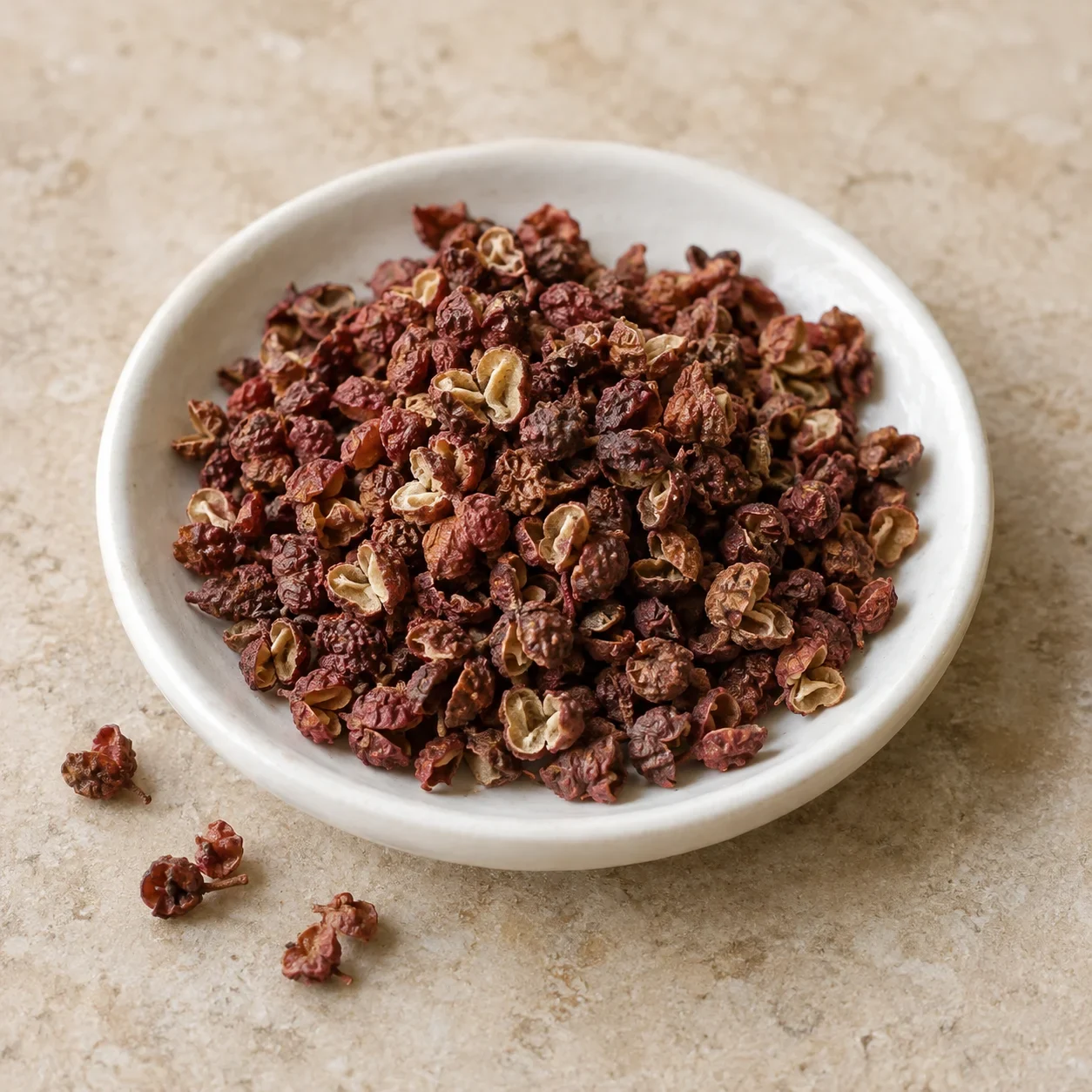
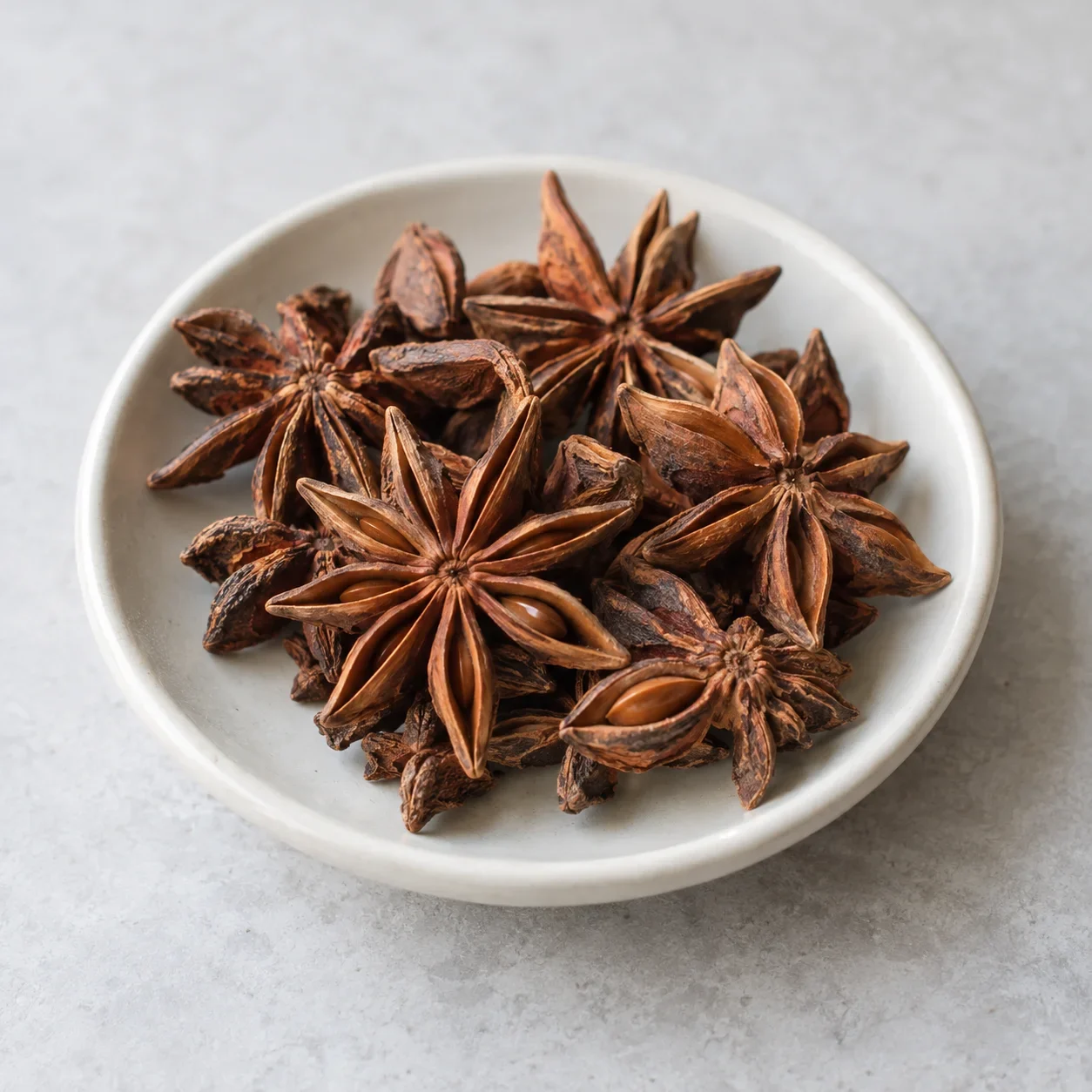
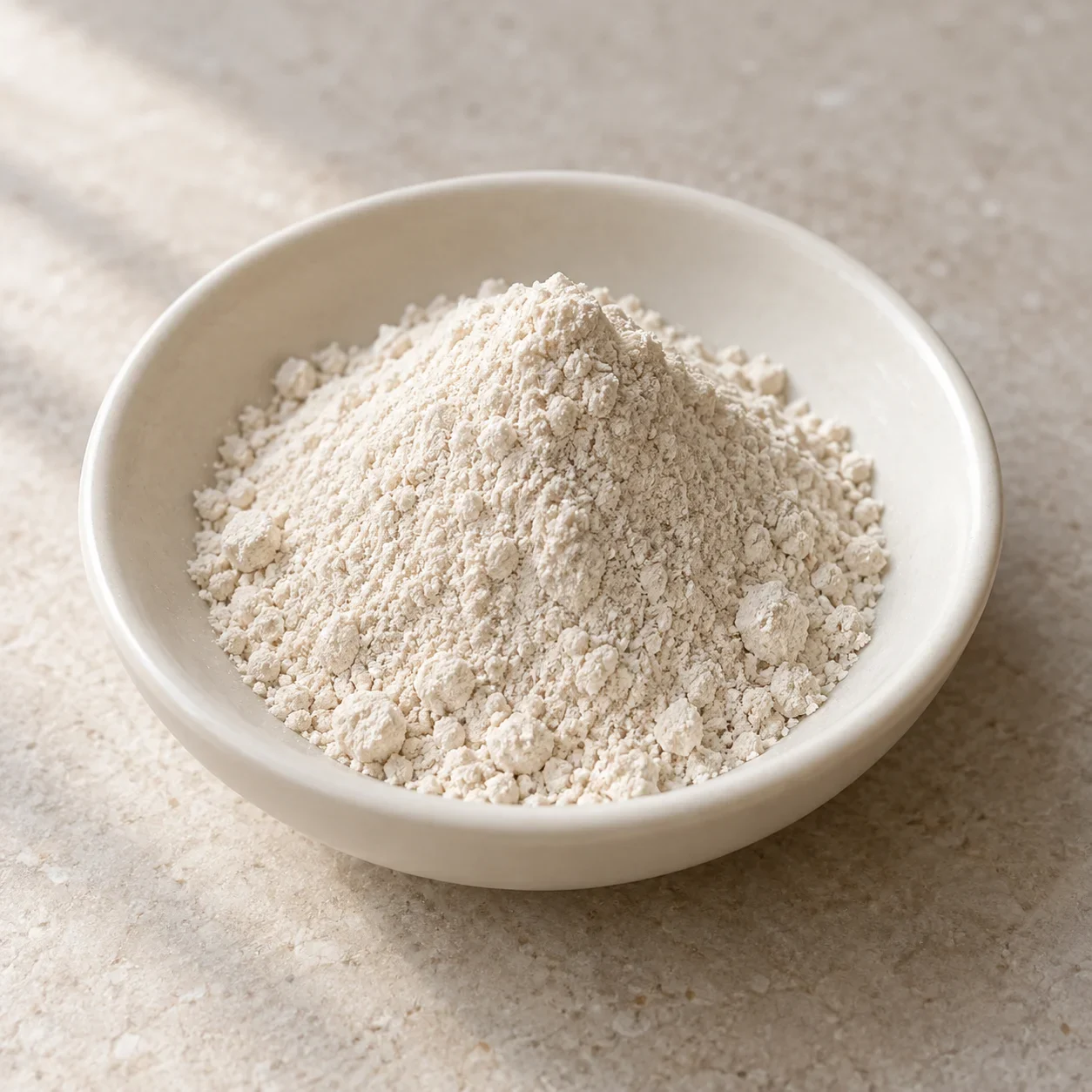
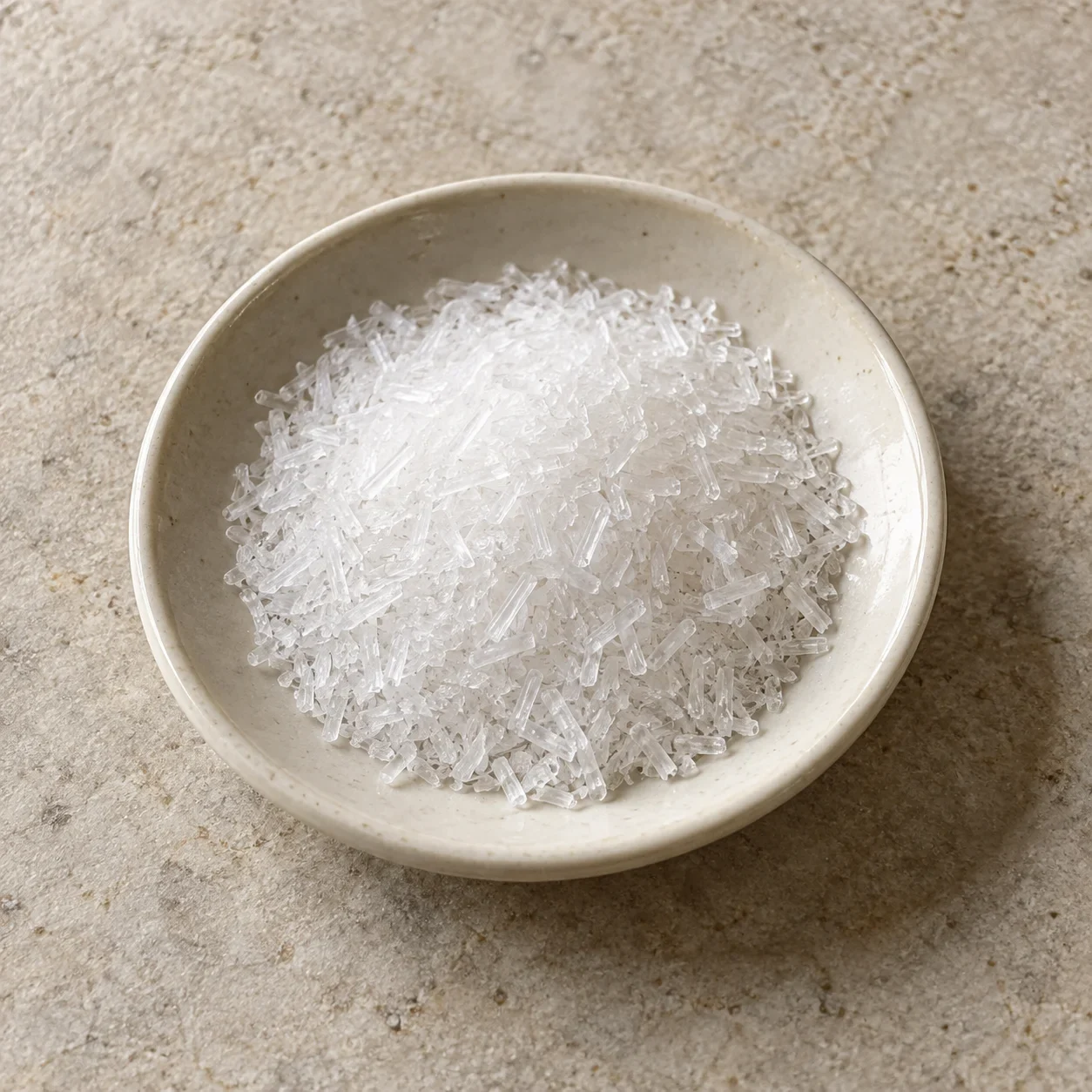
Recipes vary by restaurant.
How does it taste?
Savory, nutty and chili-fragrant, with the salty depth of preserved greens.
- Chili heat
- Texture
- Separate, oil-coated noodles with crunchy peanut pieces.
- How it’s made
- The noodles are boiled, lifted out and shaken dry, then quickly mixed with oils, soy sauce, chopped preserved greens and toppings.
Oil blends vary. Some richer versions include lard, walnuts, Sichuan pepper, star anise and sand ginger; MSG and soy sauce also vary. A bowl without minced meat is not necessarily vegetarian.
A CONNECTION TO PLACE
Origin & regional roots
Associated with Sichuan.
About this regional connection
Sichuan: Associated with Yibin, Sichuan; not an exclusive-origin claim.
Ask if they have it first
请问你们有宜宾燃面吗?
Do you have this item?
A LITTLE SOMETHING TO READ
Story & history
A dry noodle breakfast in Yibin
This account describes a tradition or story, rather than an established historical fact.
Yibin’s noodle shops serve this oil-coated, thoroughly drained noodle dish for breakfast and other meals. Tossing the toppings through the strands is part of eating it; a separately served soup contrasts with the dry noodles.