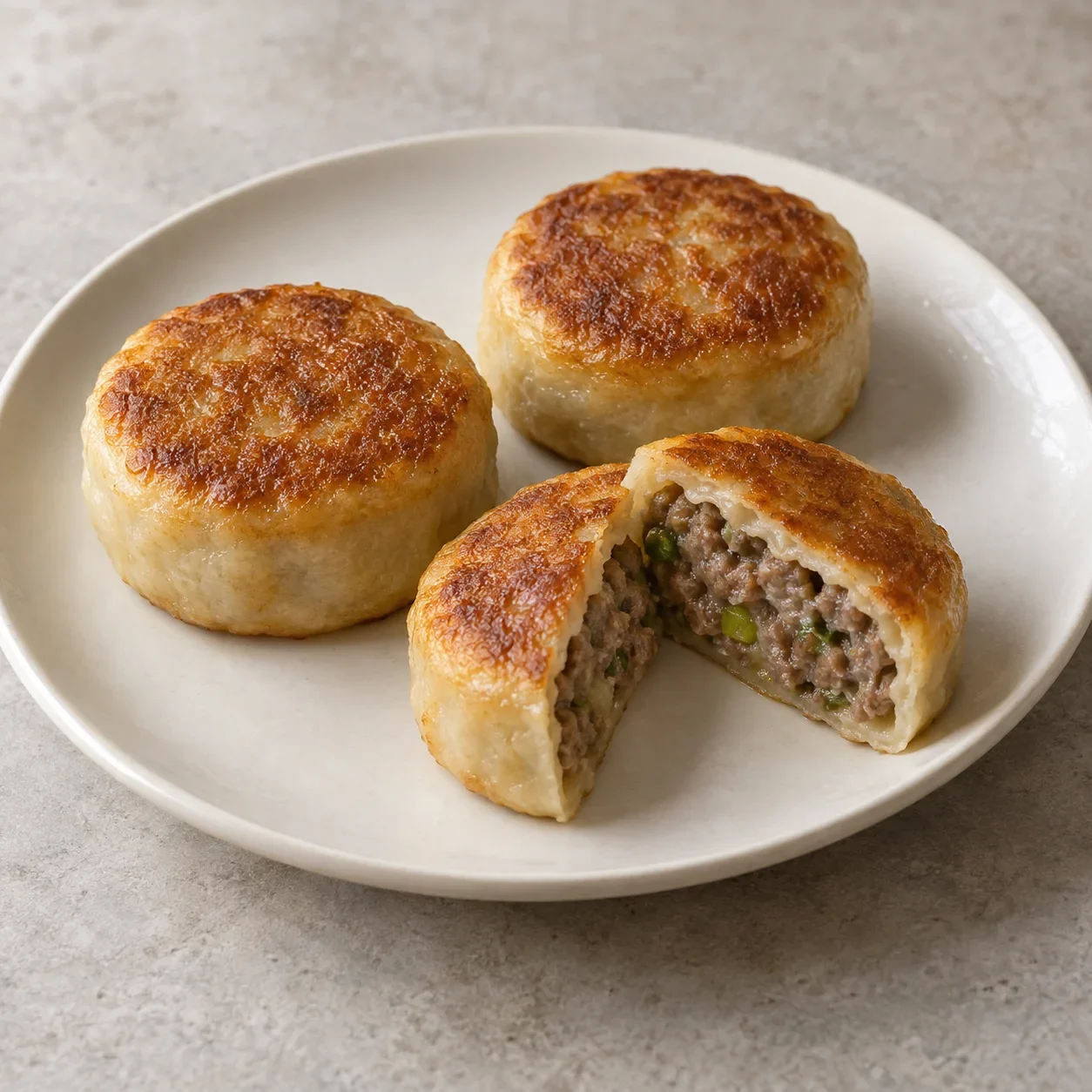
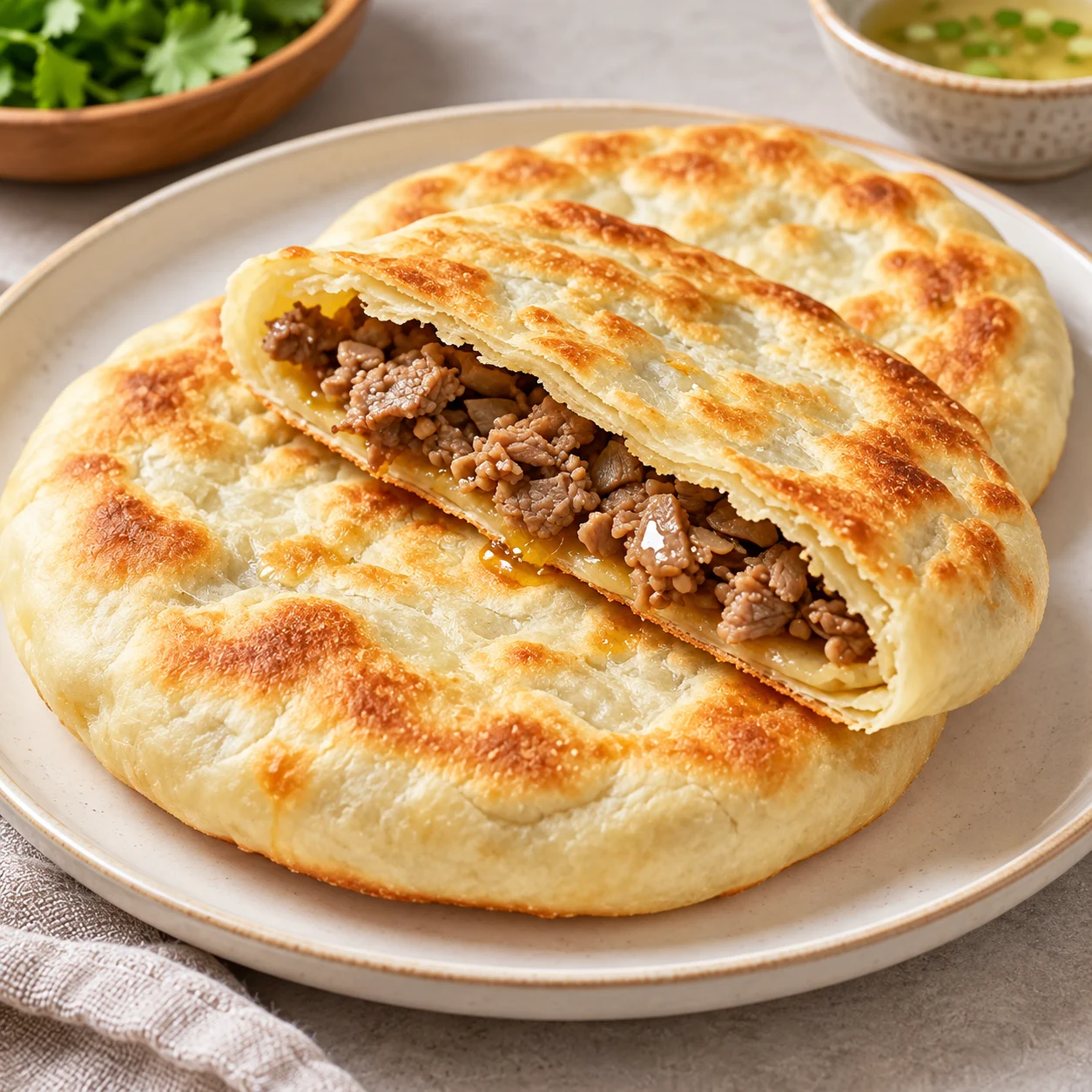
At the table
Open a small edge first to release steam, then cut or bite into the pie. Hold it over the plate to catch hot juices.
Contains meat; wheat, soy and dairy may also be present. Check the chosen filling and frying fat.
Older buckwheat-wrapper forms and wheat-wrapper forms coexist. Meat, vegetables and frying fat vary; dairy fat may be used alongside soybean oil.
GET TO KNOW THE DISH
What goes into it?
Explore some key ingredients below. Preparations may use additional seasonings and ingredients.
Older buckwheat-wrapper forms and wheat-wrapper forms coexist. Meat, vegetables and frying fat vary; dairy fat may be used alongside soybean oil.
Typical ingredients
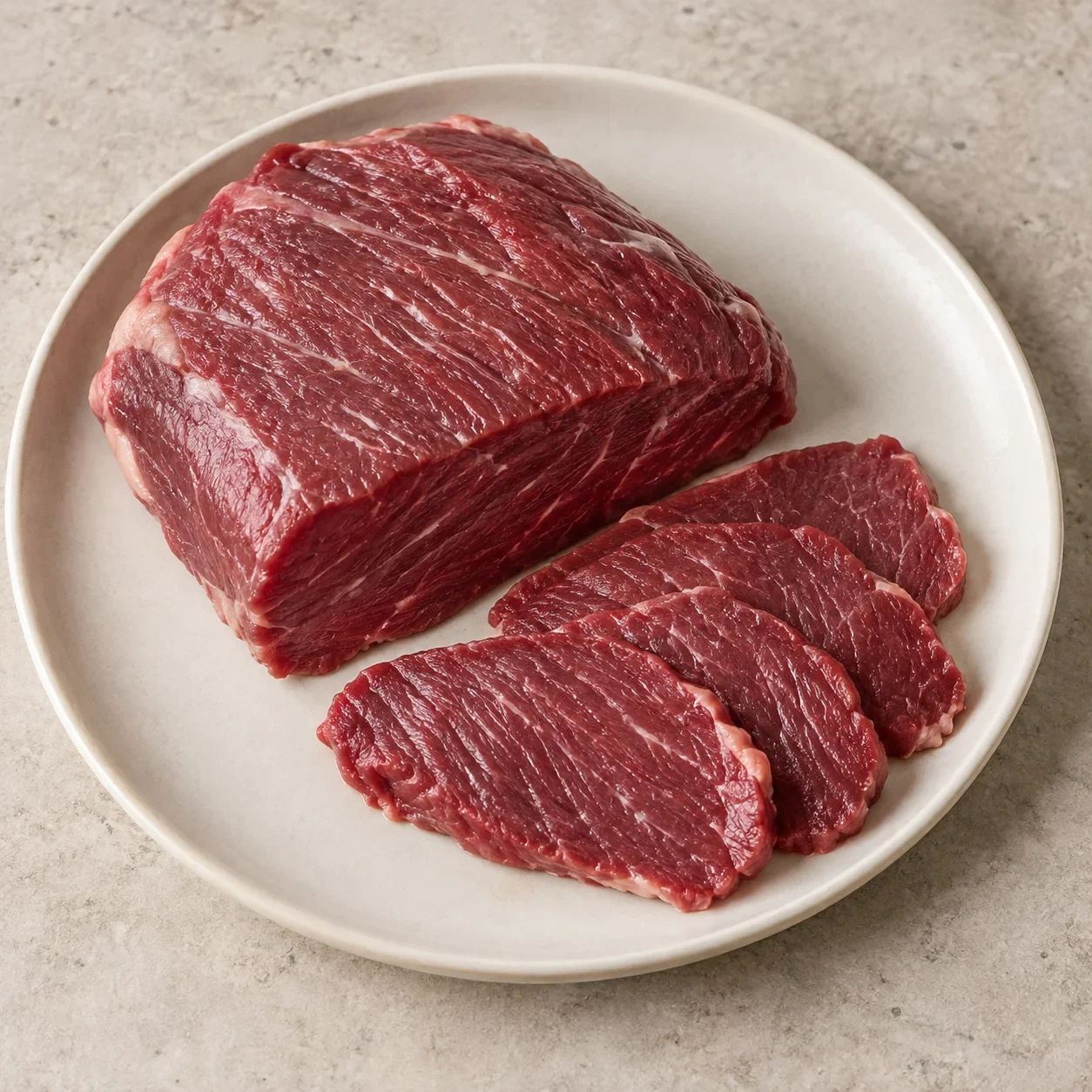
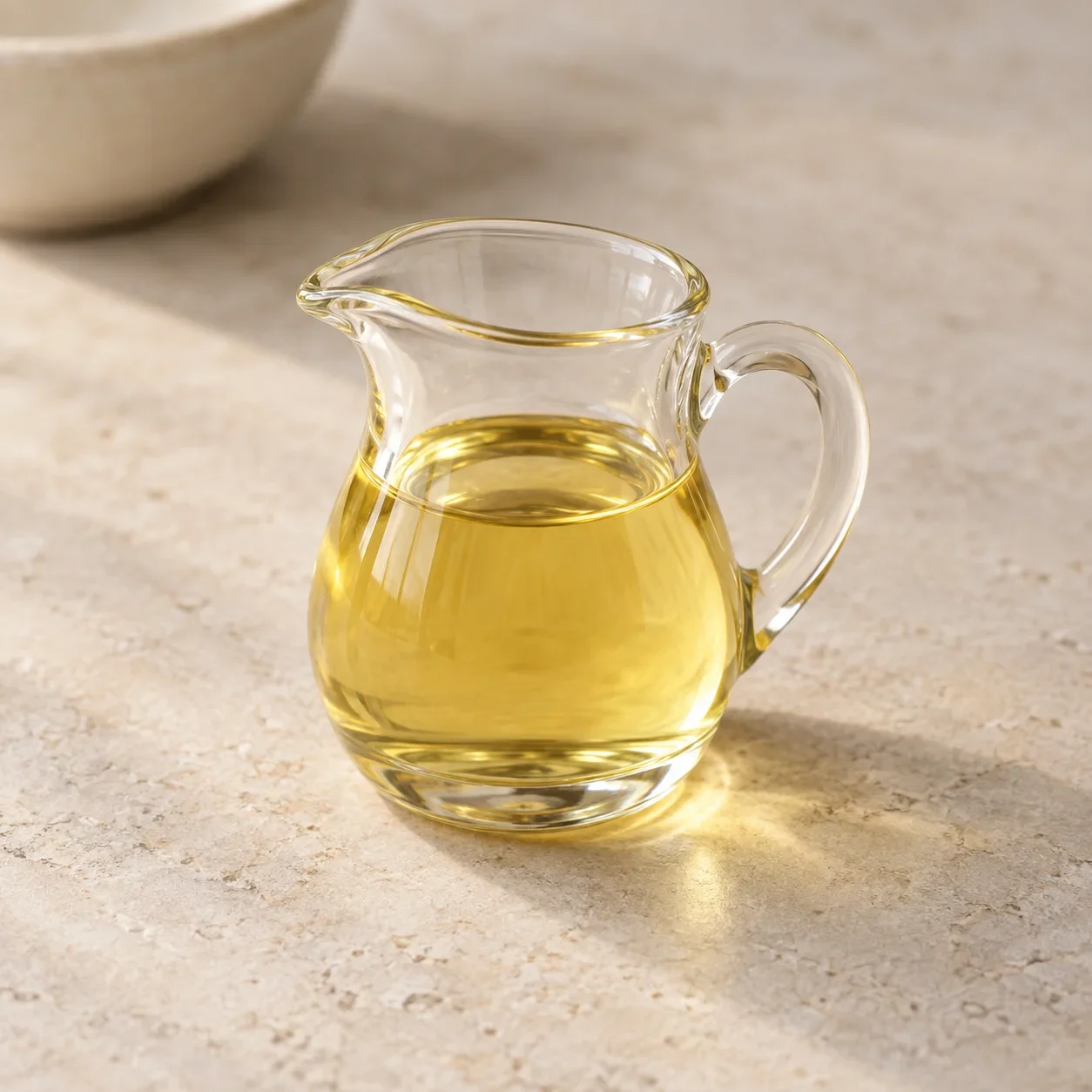
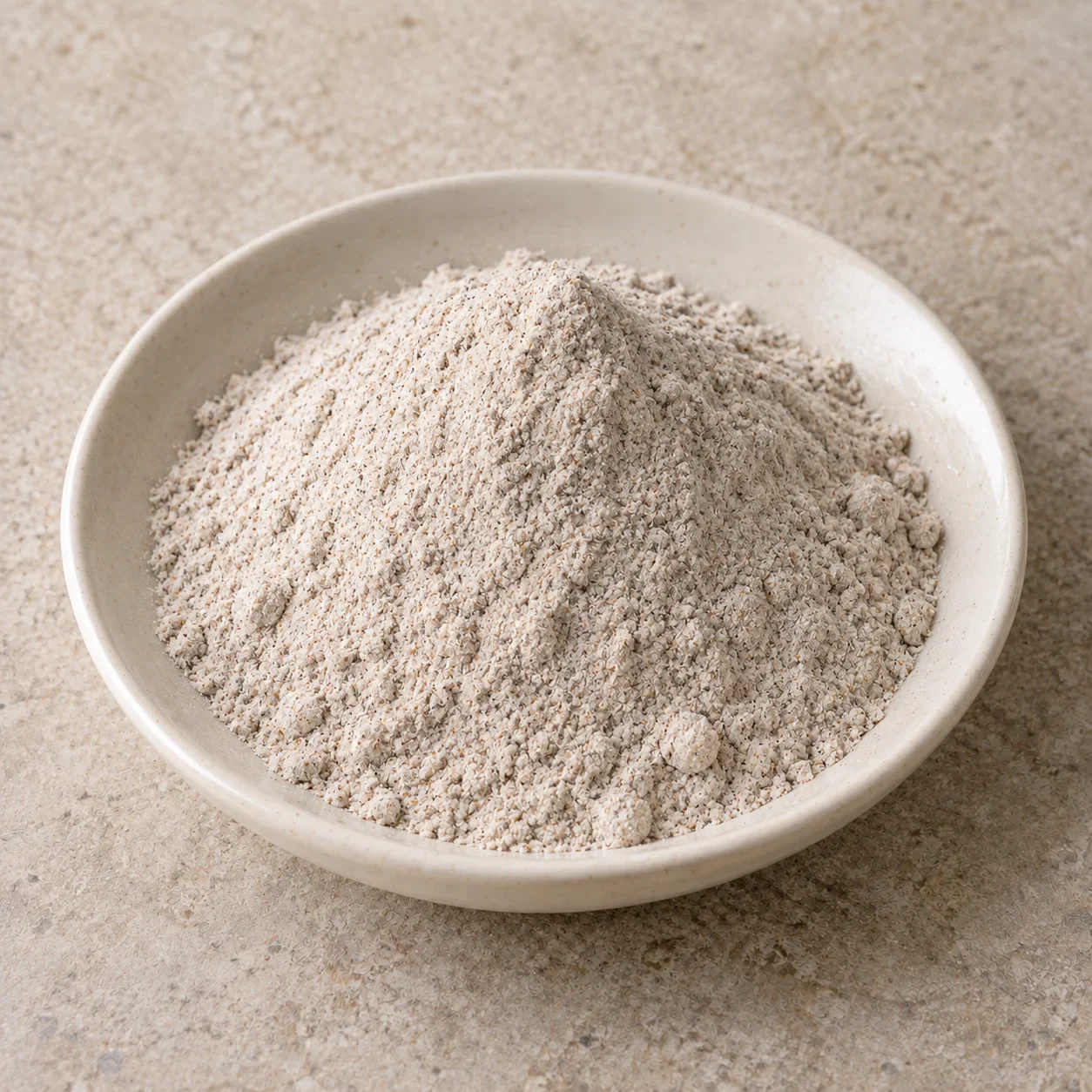
In some versions
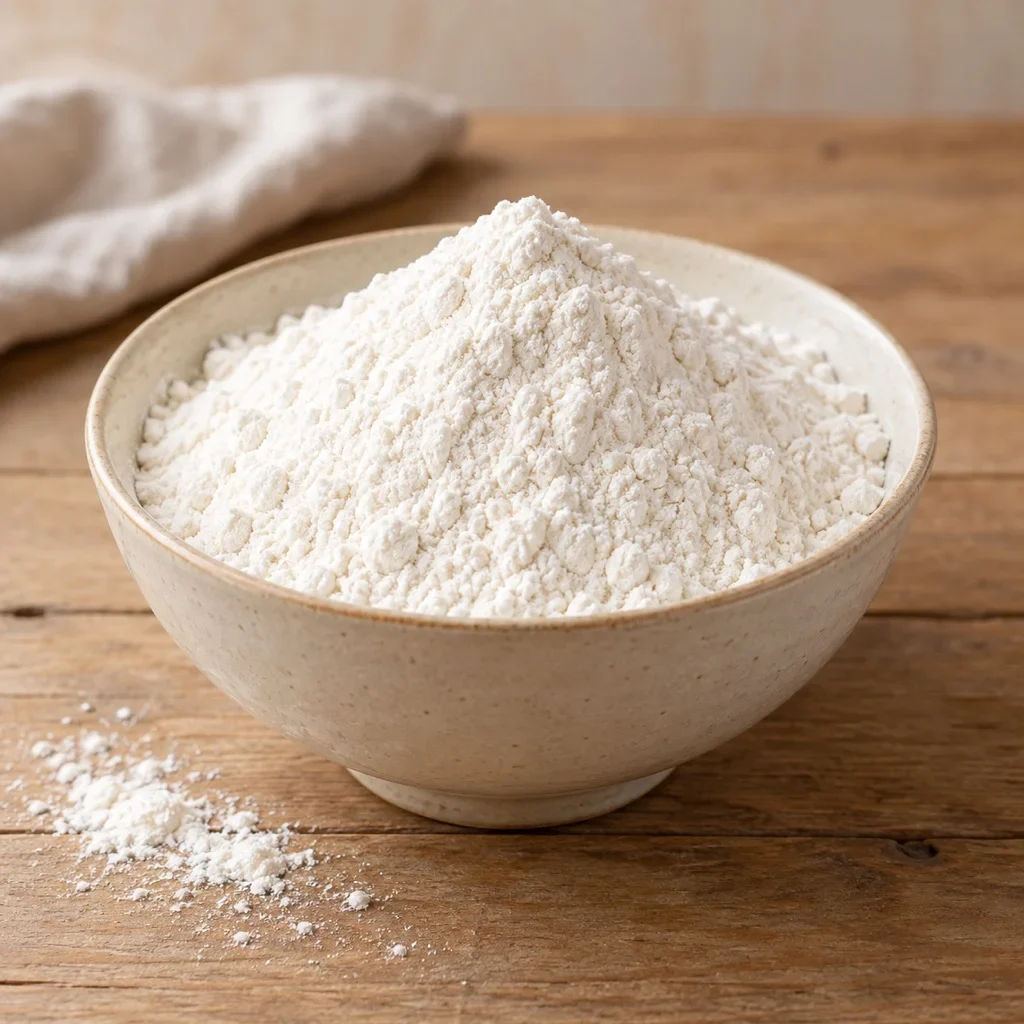
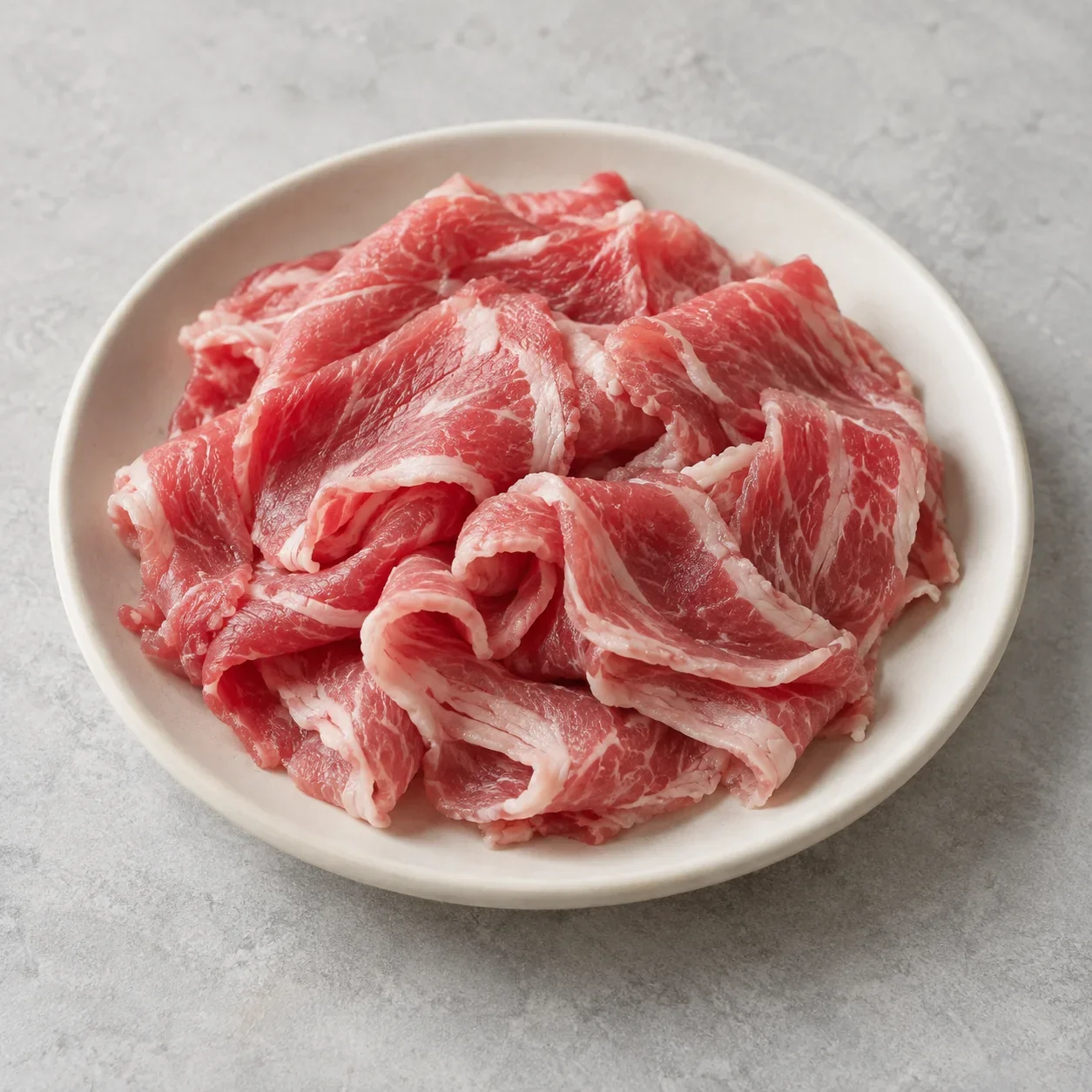
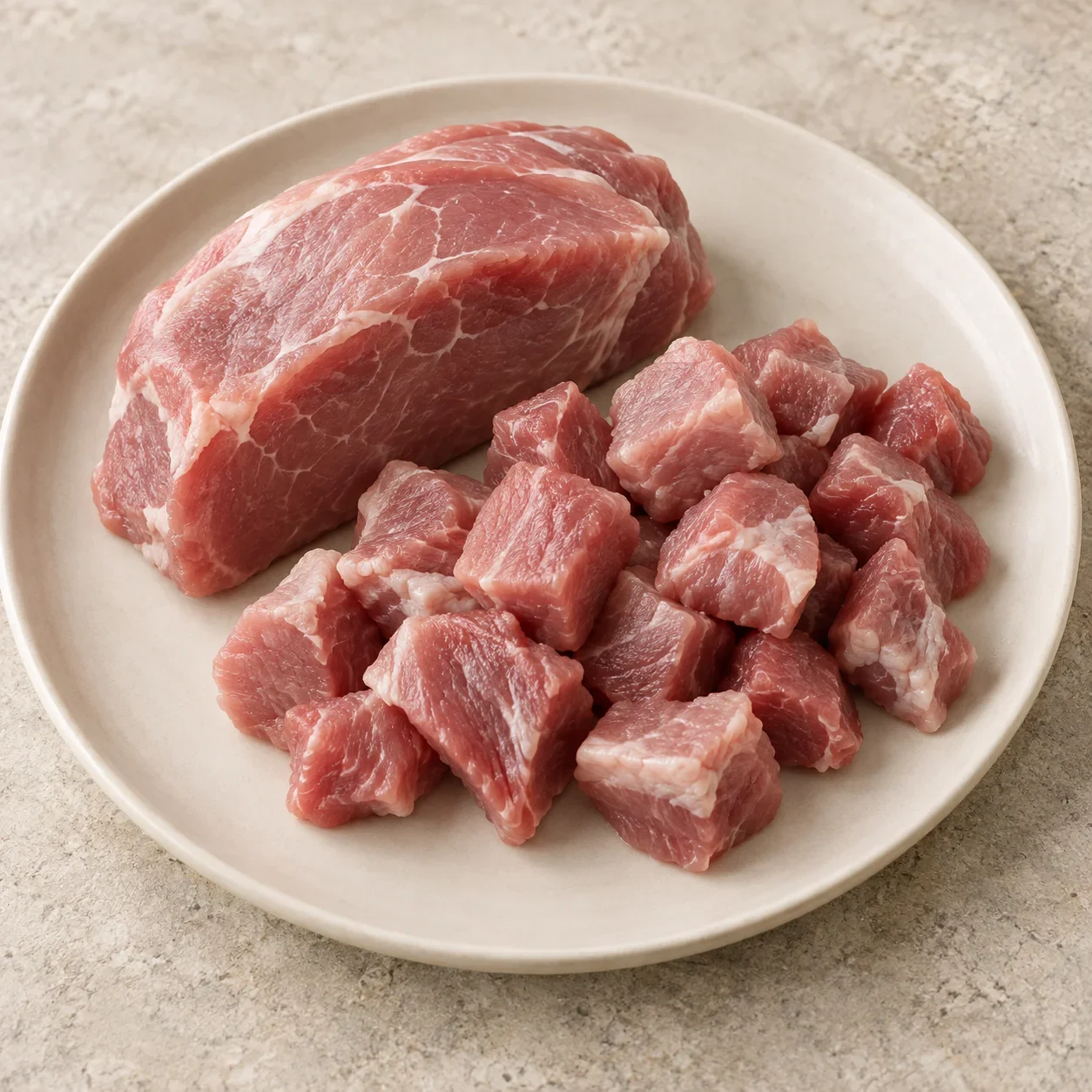
Recipes vary by restaurant.
How does it taste?
Rich, savory meat in a lightly browned wrapper.
- Chili heat
- Texture
- Thin crisp surface with a tender, juicy center.
- How it’s made
- A soft dough is wrapped around finely chopped filling, flattened and pan-fried.
Older buckwheat-wrapper forms and wheat-wrapper forms coexist. Meat, vegetables and frying fat vary; dairy fat may be used alongside soybean oil.
A CONNECTION TO PLACE
Origin & regional roots
Associated with Liaoning.
About this regional connection
Liaoning: Fuxin Mongoljin communities.
Ask if they have it first
请问你们有阜新蒙古勒津馅饼吗?
Do you have this item?
A LITTLE SOMETHING TO READ
Story & history
Fuxin’s thin meat pies
This account describes a tradition or story, rather than an established historical fact.
Mongoljin pie-making in Fuxin includes both buckwheat and wheat wrappers and different pan-cooking traditions. The defining attraction is a thin wrapper around a finely prepared meat filling.