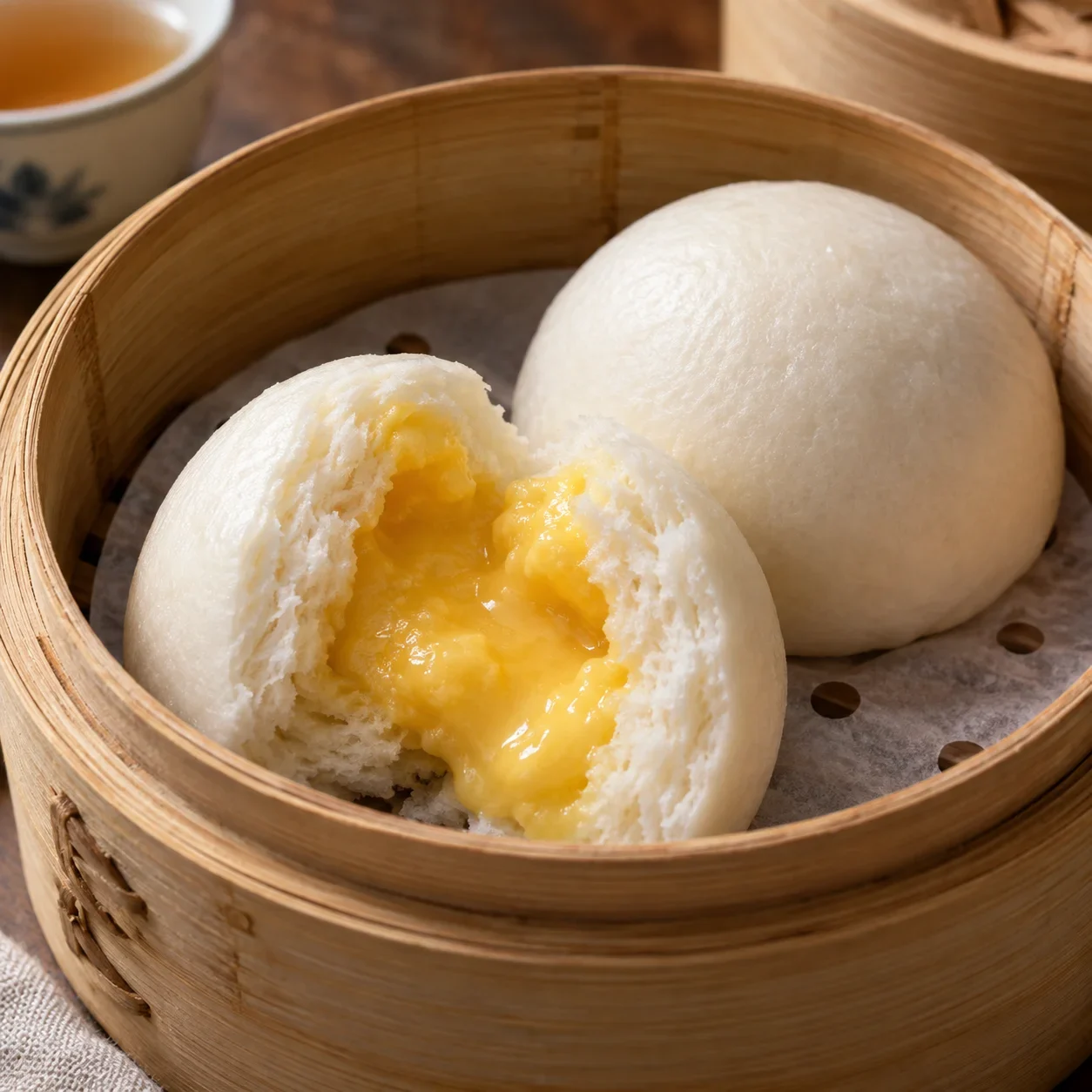
At the table
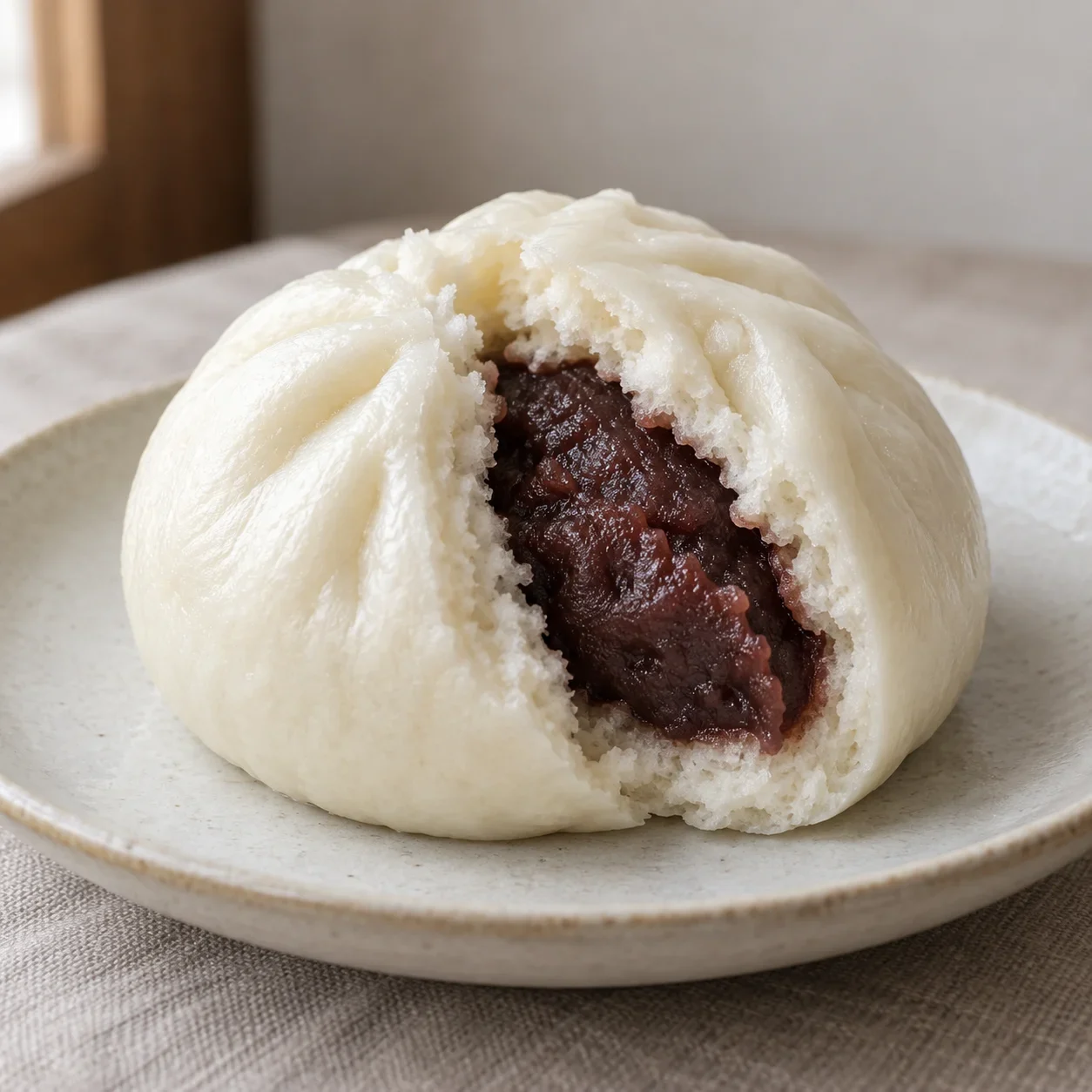
Remove any paper liner. Break the bun open, let the filling cool, then take small bites.
Contains wheat; the dough may contain milk. Check the dough and filling ingredients if you have allergies. Hot bean paste can burn your mouth.
The filling may be homemade or bought ready to use. Dough may include milk, and the amount of filling varies.
The soft steamed bun and smooth sweet bean filling are easy to share in small pieces; let it cool first.
Recipes vary. Ask the restaurant about ingredients and serving before you order.
GET TO KNOW THE DISH
What goes into it?
Explore some key ingredients below. Preparations may use additional seasonings and ingredients.
The filling may be homemade or bought ready to use. Dough may include milk, and the amount of filling varies.
Typical ingredients
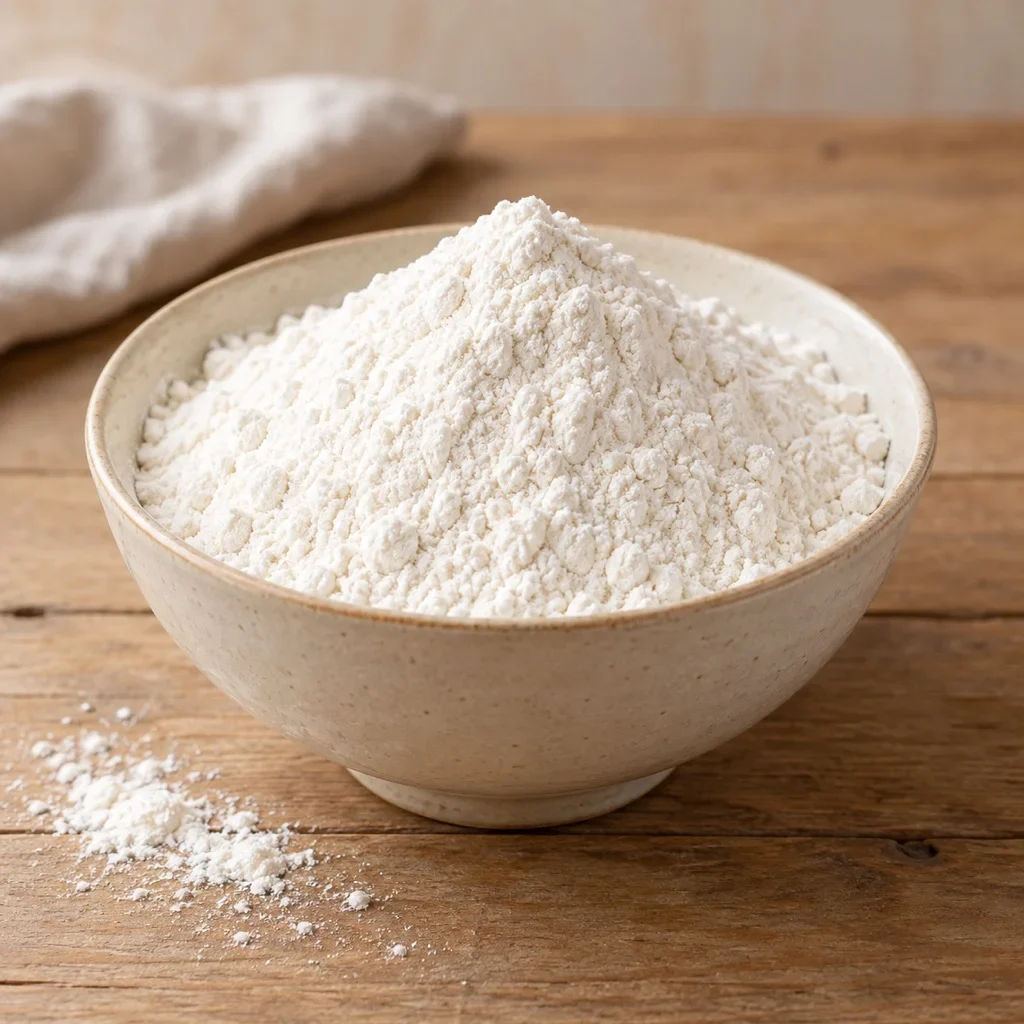
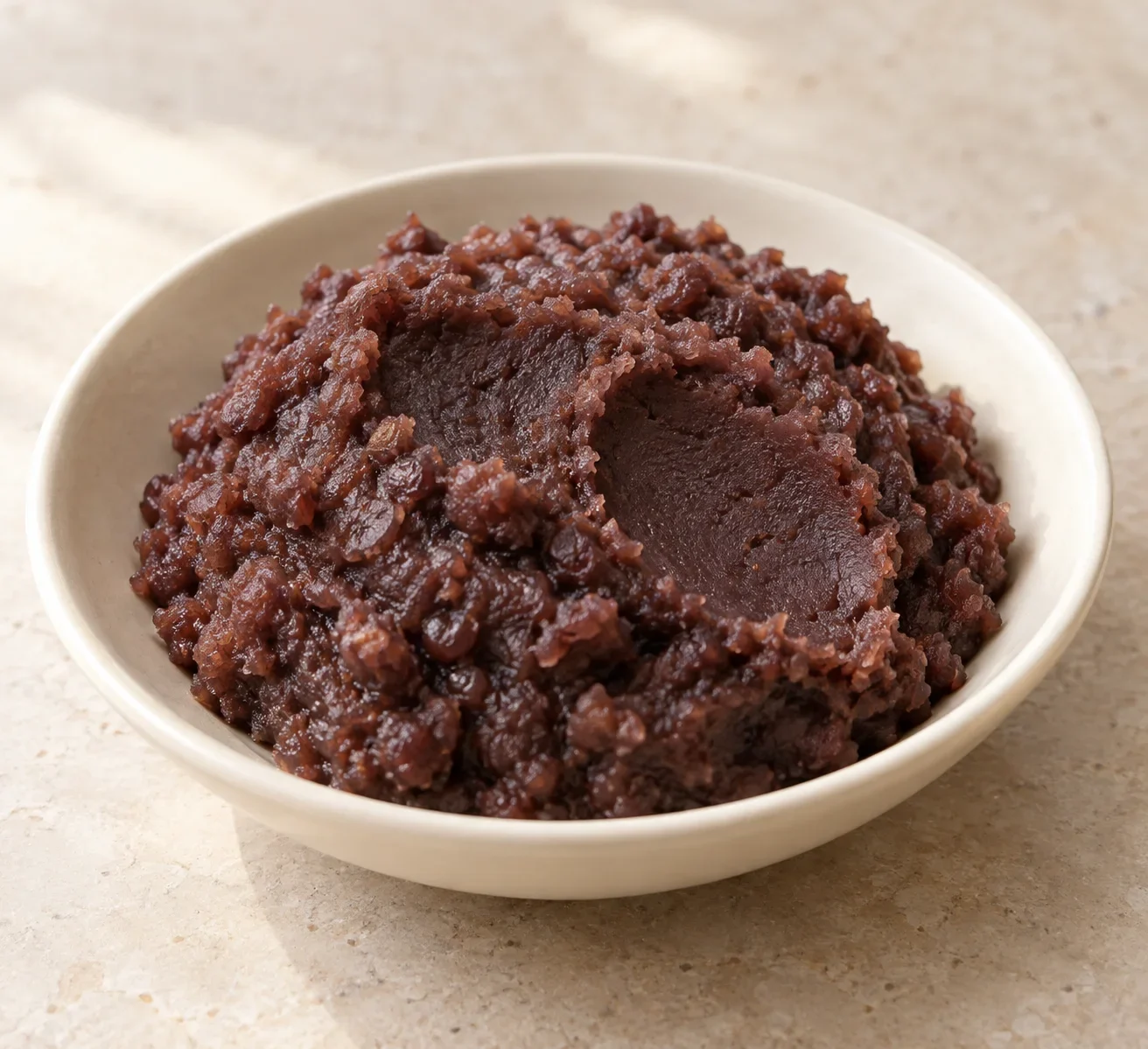
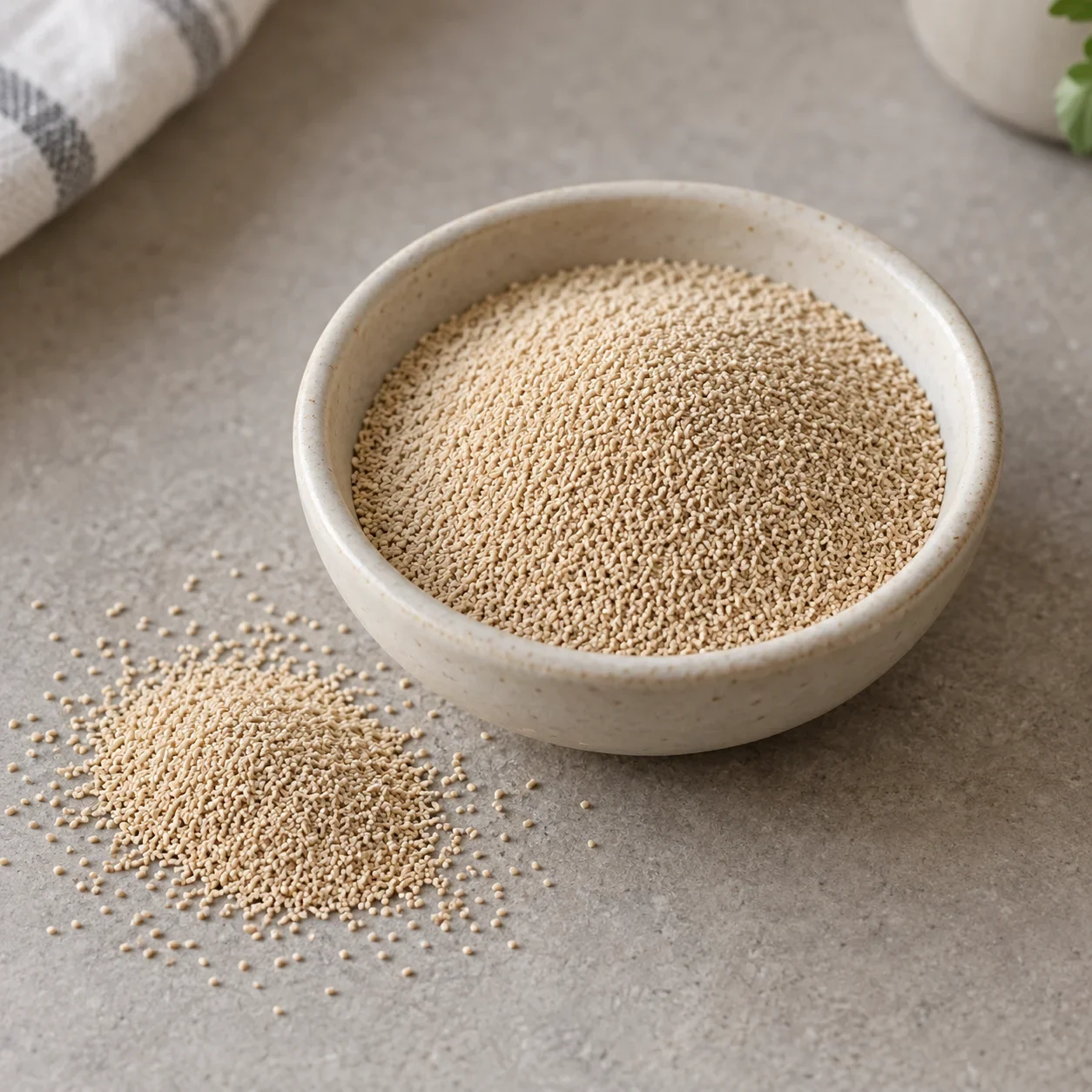


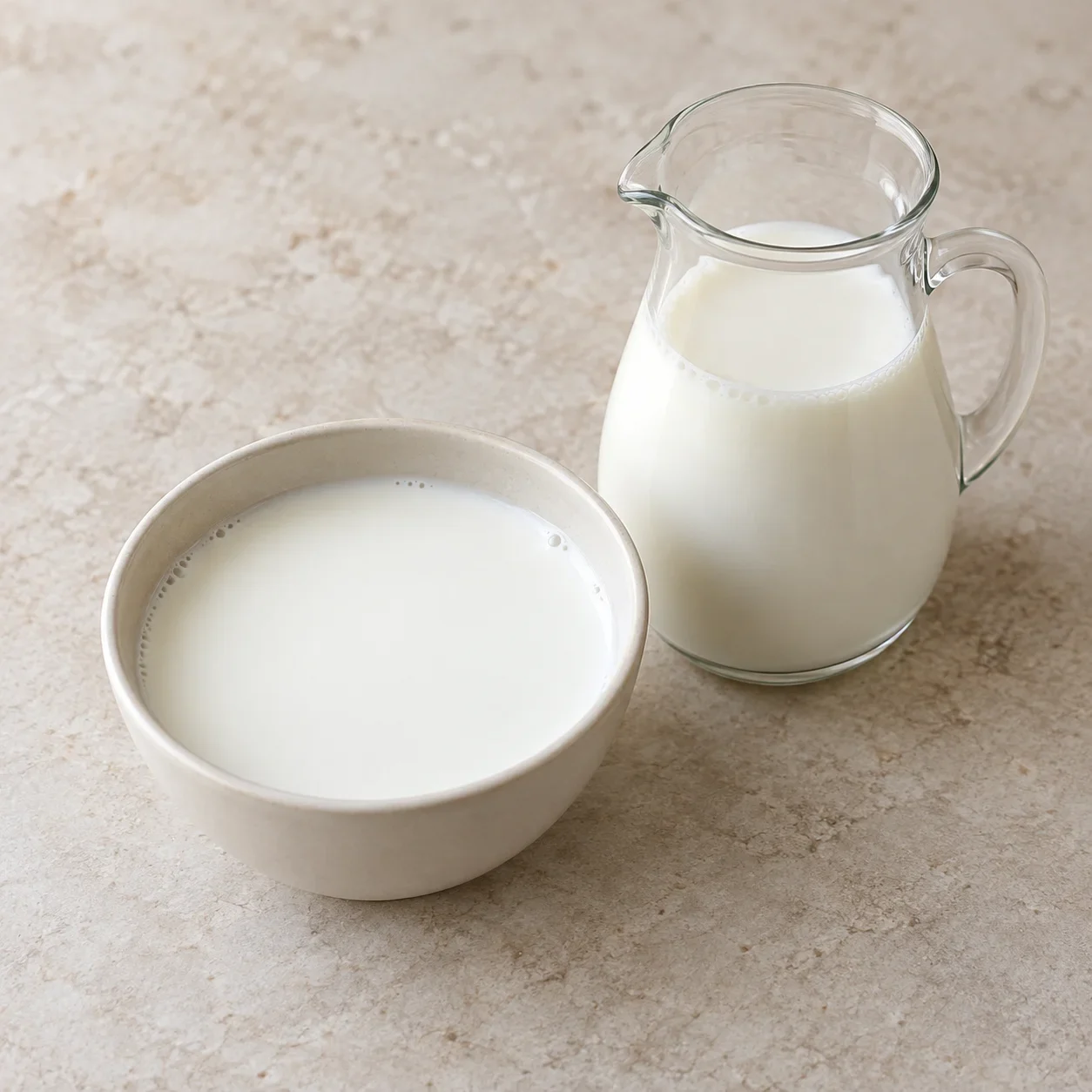
Recipes vary by restaurant.
How does it taste?
Sweet, mellow bean flavour.
- Chili heat
- Texture
- Fluffy bread with a smooth or slightly grainy filling.
- How it’s made
- Wrap red bean paste in risen wheat dough, let the shaped buns proof and steam them.
The filling may be homemade or bought ready to use. Dough may include milk, and the amount of filling varies.
A CONNECTION TO PLACE
Origin & regional roots
Associated with Guangdong.
About this regional connection
Guangdong: Guangdong/Cantonese association, not an exclusive origin claim.
Ask if they have it first
请问你们有红豆包吗?
Do you have this item?
A LITTLE SOMETHING TO READ
Story & history
One filling, different names
In northern China, a steamed bun with sweet red-bean filling is often called doubao; in the south, doushabao makes the bean-paste filling explicit. Both names can point to the familiar pairing of soft wheat dough and sweet beans. The Guangzhou version belongs to this wider family of Chinese sweet steamed buns, rather than being a bun found only in one city.