At the table
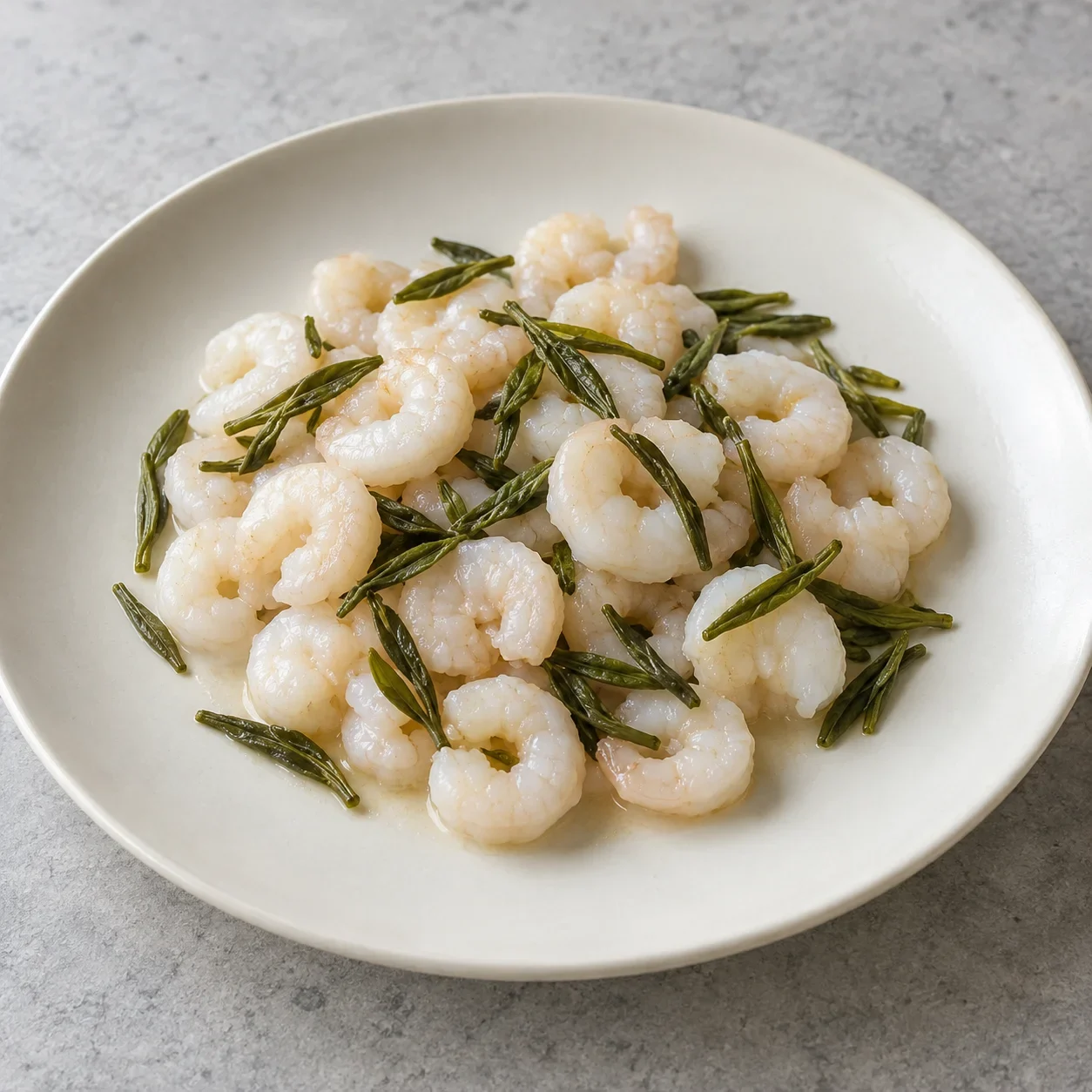
Try a shrimp on its own to notice the tea aroma; vinegar can be offered as a separate dip. Share the plate with rice and other dishes.
Contains shrimp and tea. This version uses cooking wine; other coatings may contain egg. Confirm ingredients and cooking fat if you have dietary restrictions.
This version coats shrimp with cornstarch and uses cooking oil and huangjiu. Other versions may use egg white or lard; shrimp size and tea intensity vary.
GET TO KNOW THE DISH
What goes into it?
Explore some key ingredients below. Preparations may use additional seasonings and ingredients.
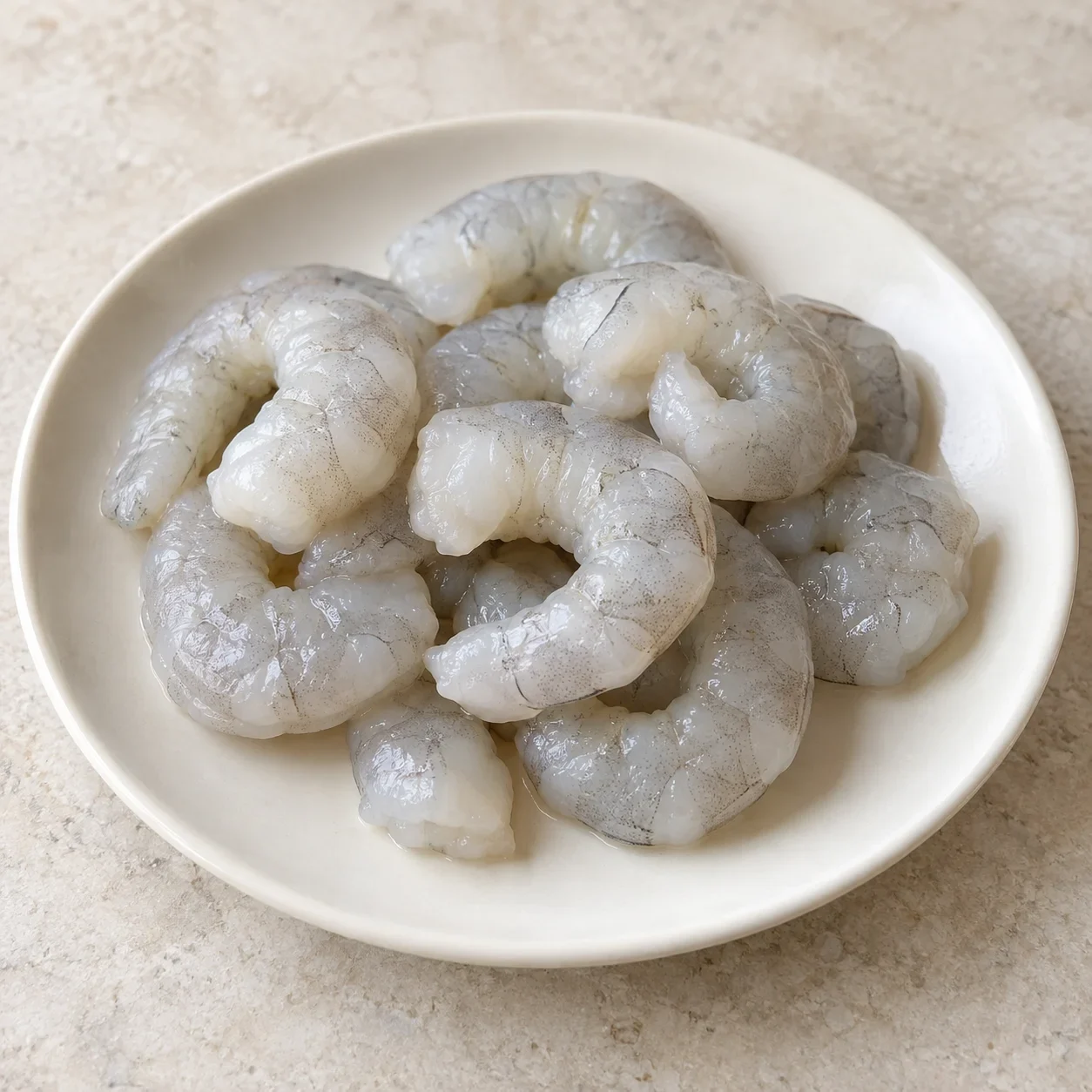
Lake shrimp can be used.

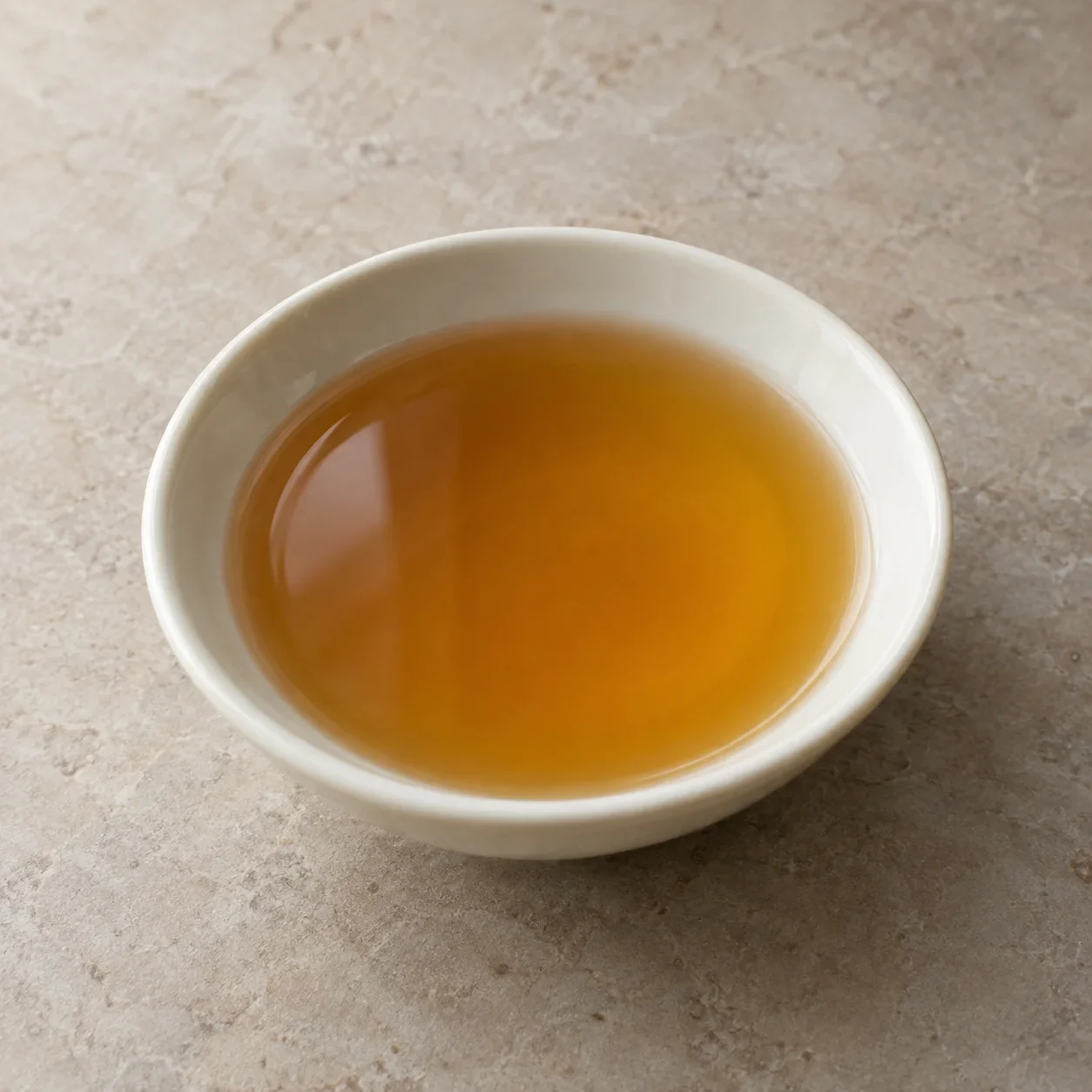
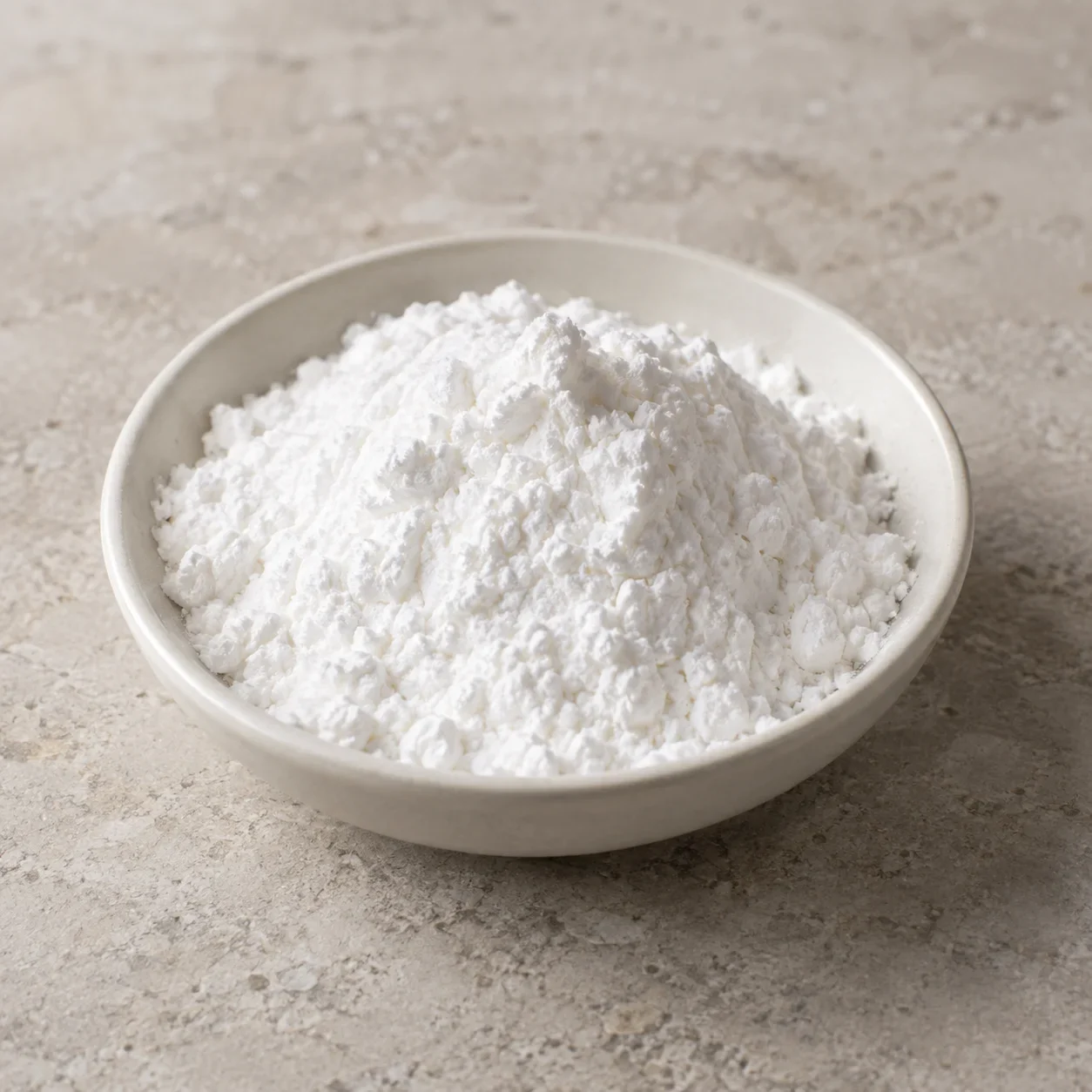
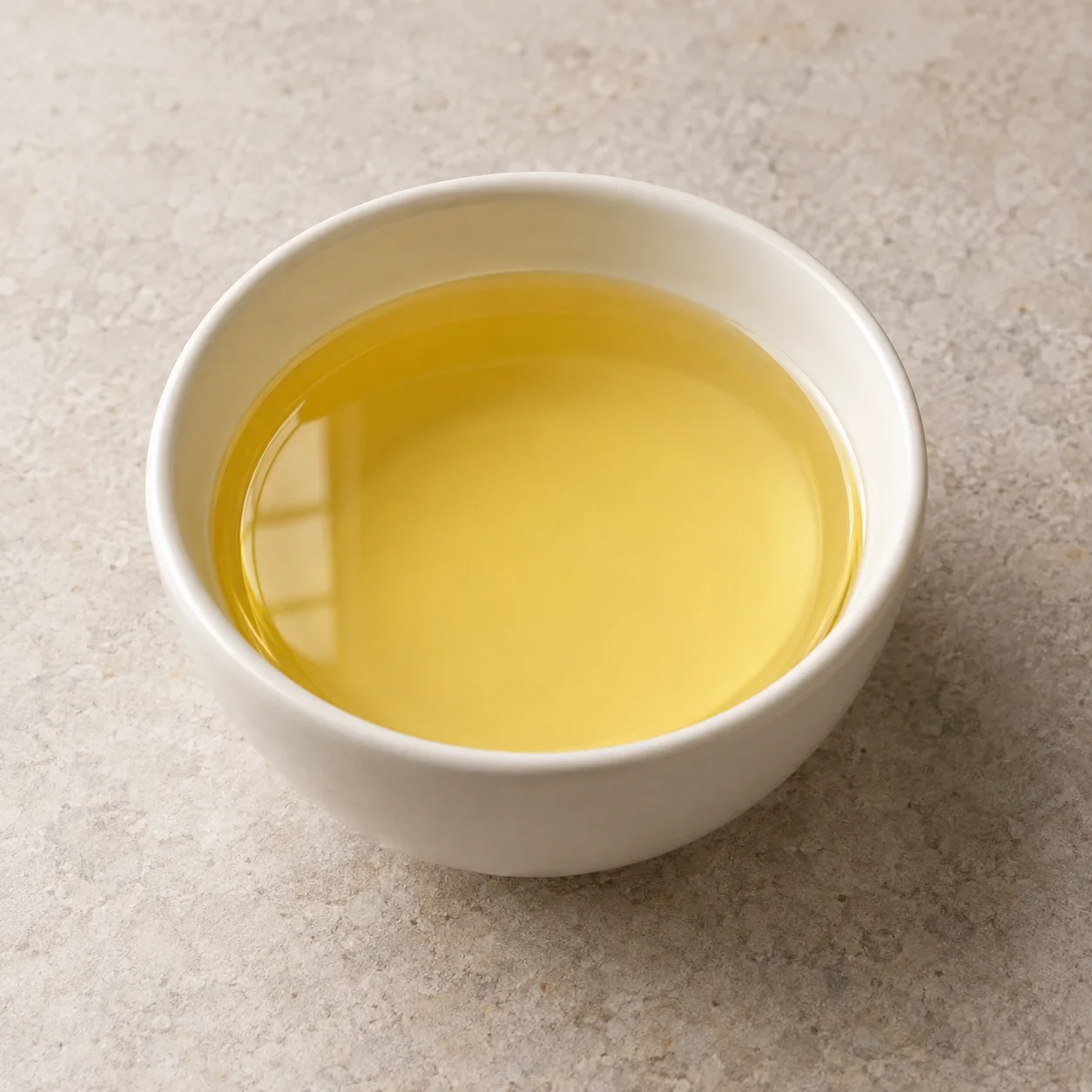
In some versions
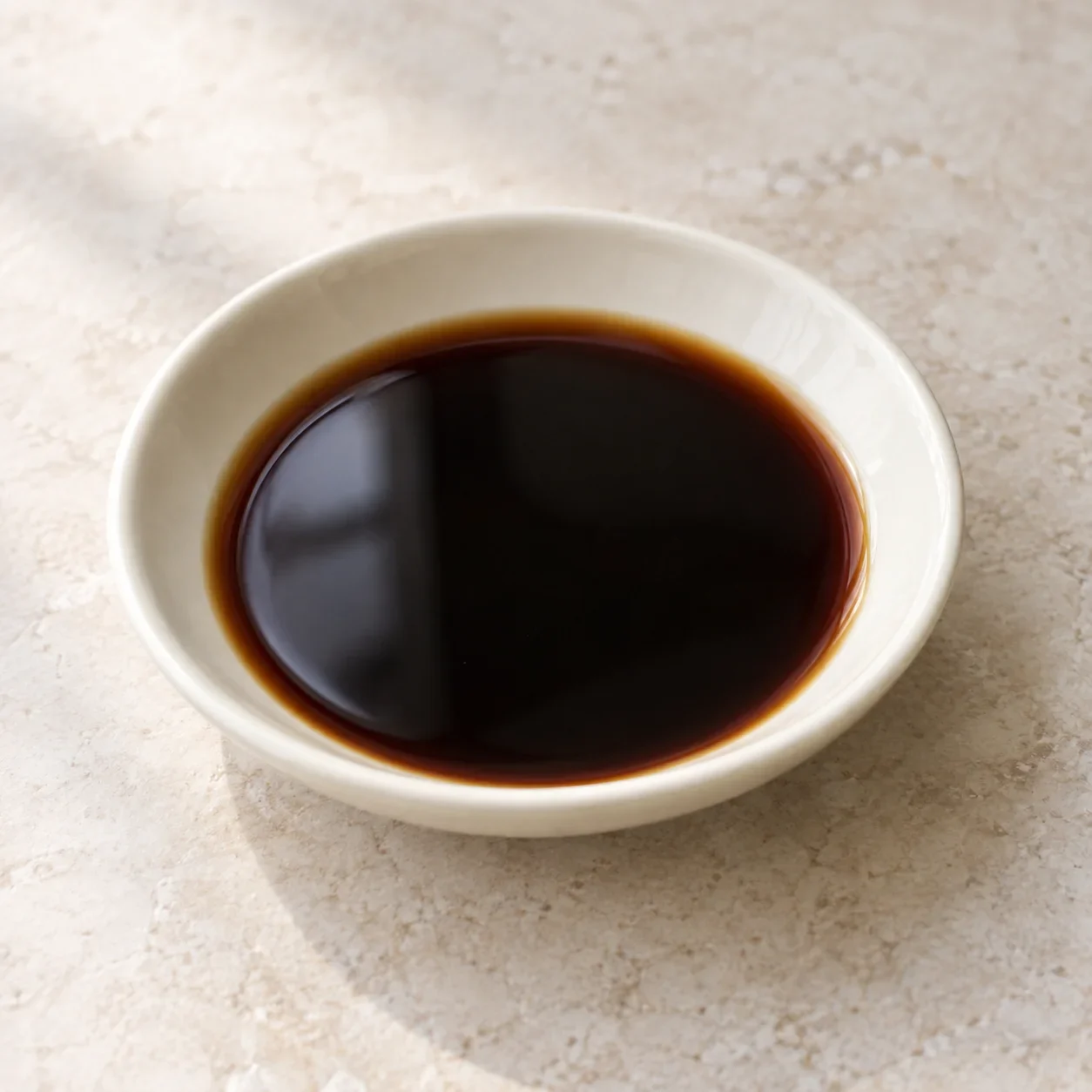
Recipes vary by restaurant.
How does it taste?
Delicate tea aroma
- Chili heat
- Texture
- Tender shrimp.
- How it’s made
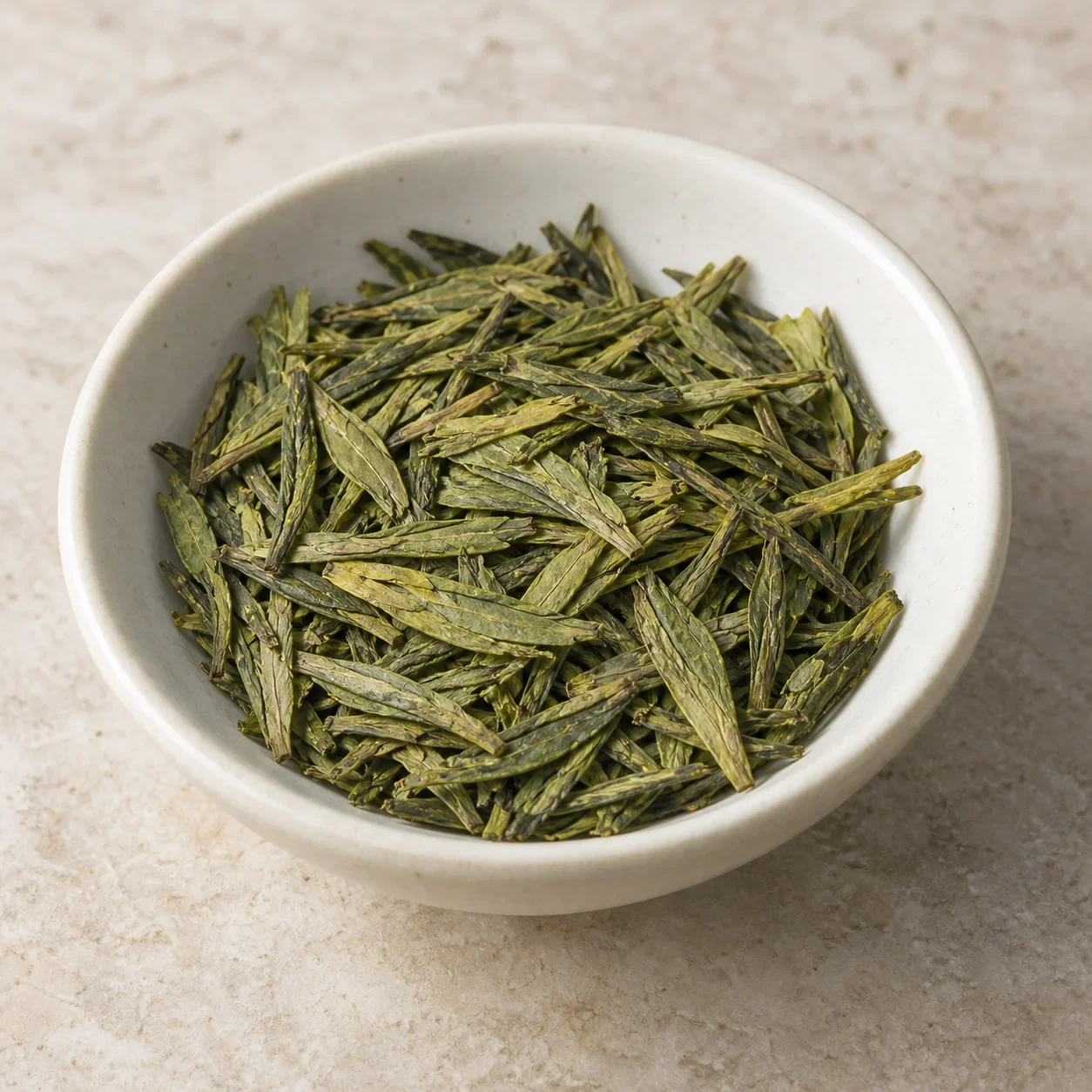
- Briefly fry shrimp, drain, then stir-fry with tea infusion and leaves.
Lake shrimp can be used.
A CONNECTION TO PLACE
Origin & regional roots
Associated with Zhejiang.
Ask if they have it first
请问你们有龙井虾仁吗?
Do you have this item?
A LITTLE SOMETHING TO READ
Story & history
Tea on the plate
This account describes a tradition or story, rather than an established historical fact.
Longjing shrimp brings two familiar Hangzhou flavors together: shrimp and fragrant local green tea. Pale shrimp and green leaves make a restrained-looking dish whose appeal is its delicate aroma, rather than a heavy sauce.