
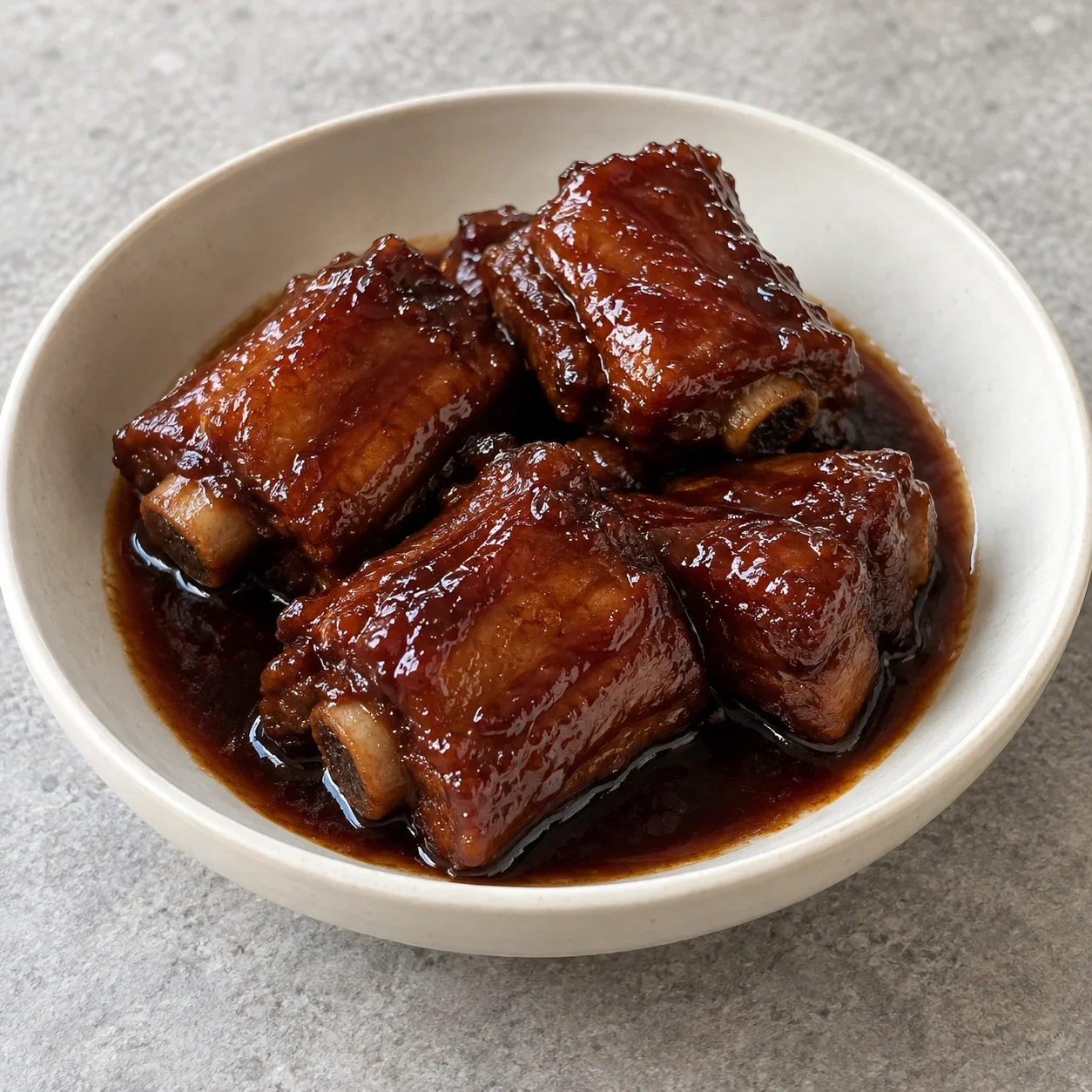
At the table
Let the ribs cool slightly. Separate the meat from the bones and take small bites; do not bite through bone or cartilage.
Contains pork and usually soy sauce, which may contain wheat. Watch for bones and fragments; sauce can be hot. Cooking wine may contribute alcohol.
The representative recipe contains no chili. Ginger and aromatic spices give fragrance, not a chili-heat rating. Sweetness and added chili, vinegar or ketchup vary in adaptations.
The mild, tender pork may suit children when an adult removes all bones and cartilage and offers small, cooled pieces.
Recipes vary. Ask the restaurant about ingredients and serving before you order.
GET TO KNOW THE DISH
What goes into it?
Explore some key ingredients below. Preparations may use additional seasonings and ingredients.
Some adaptations add vinegar or ketchup, while others omit them.
Typical ingredients
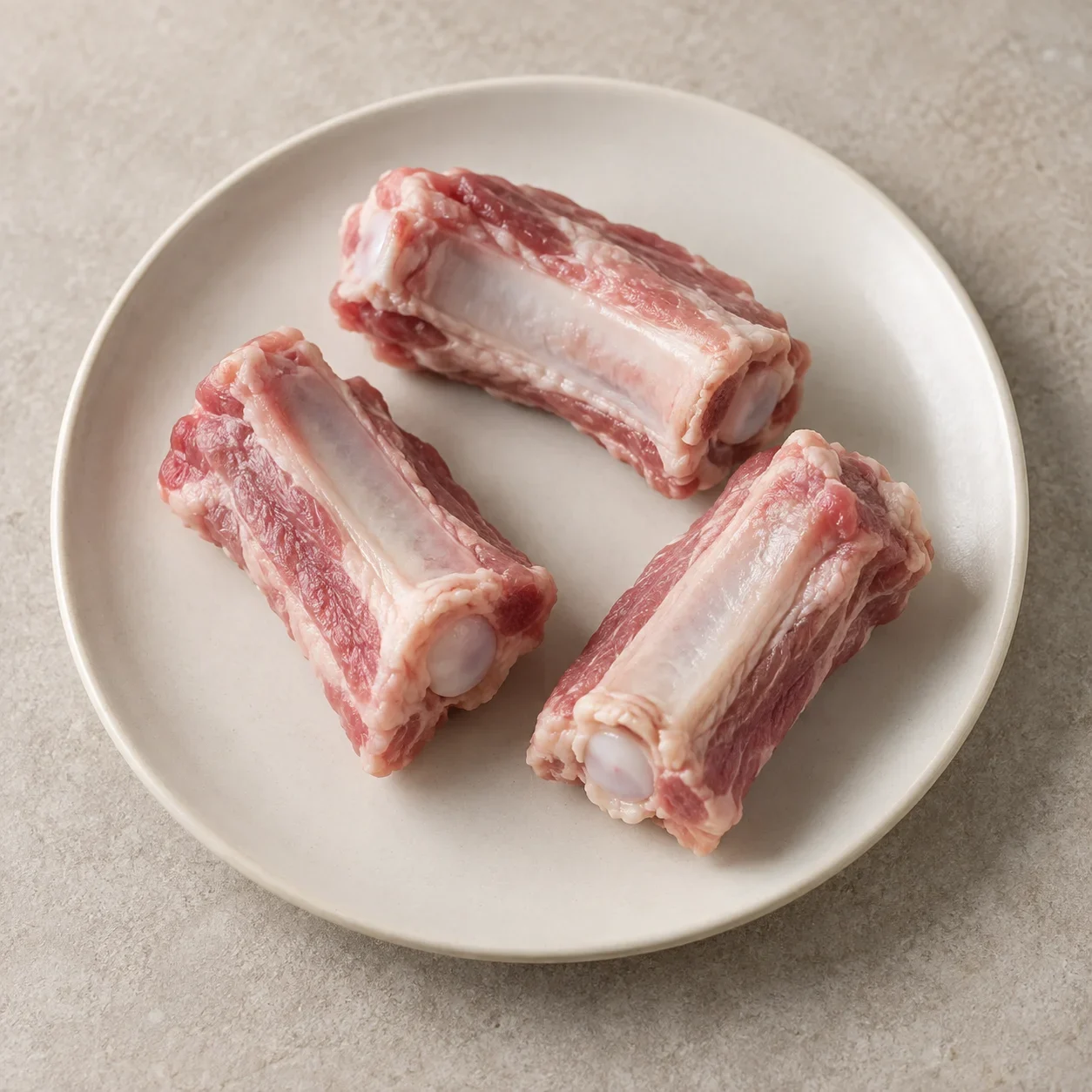
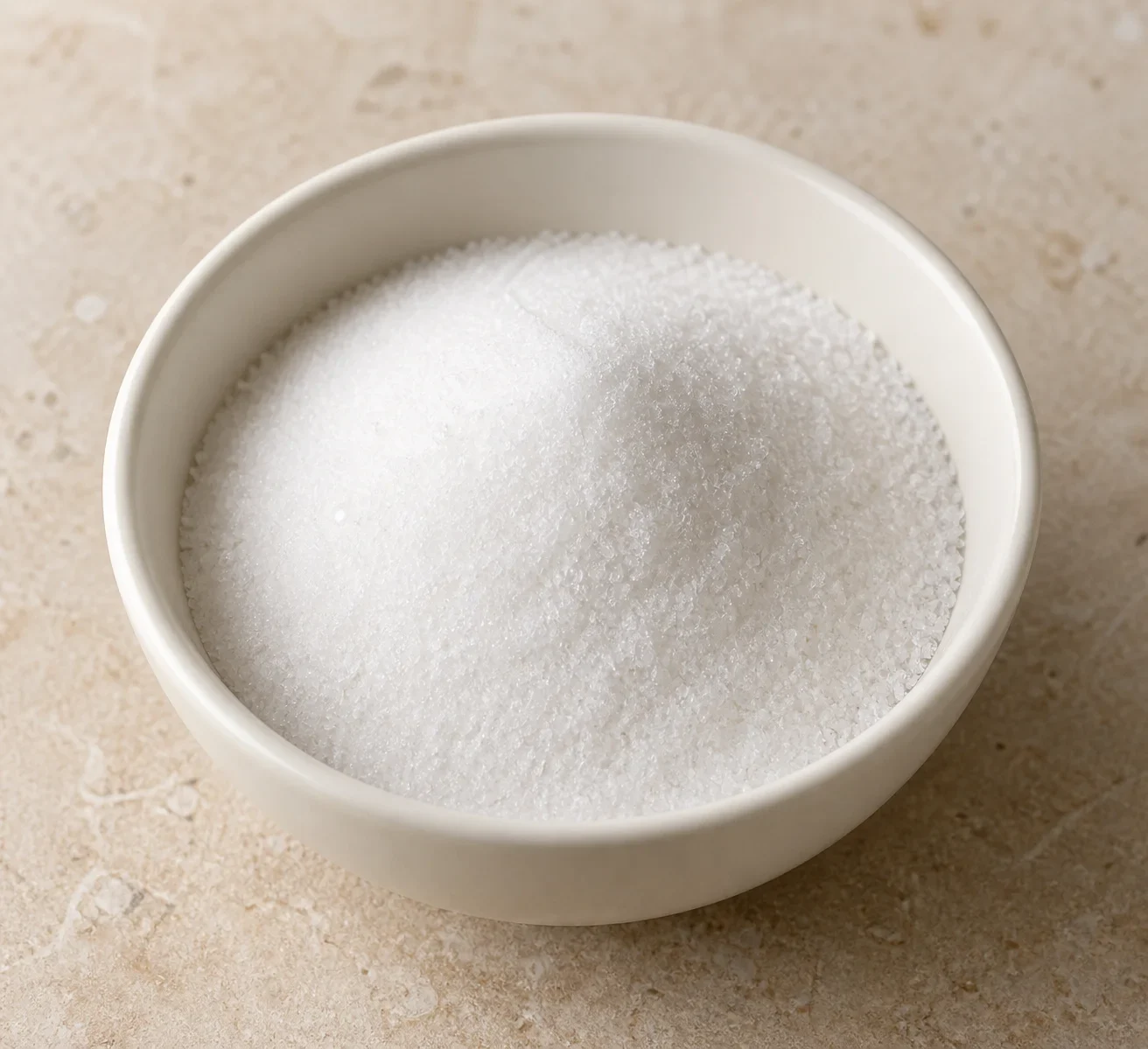
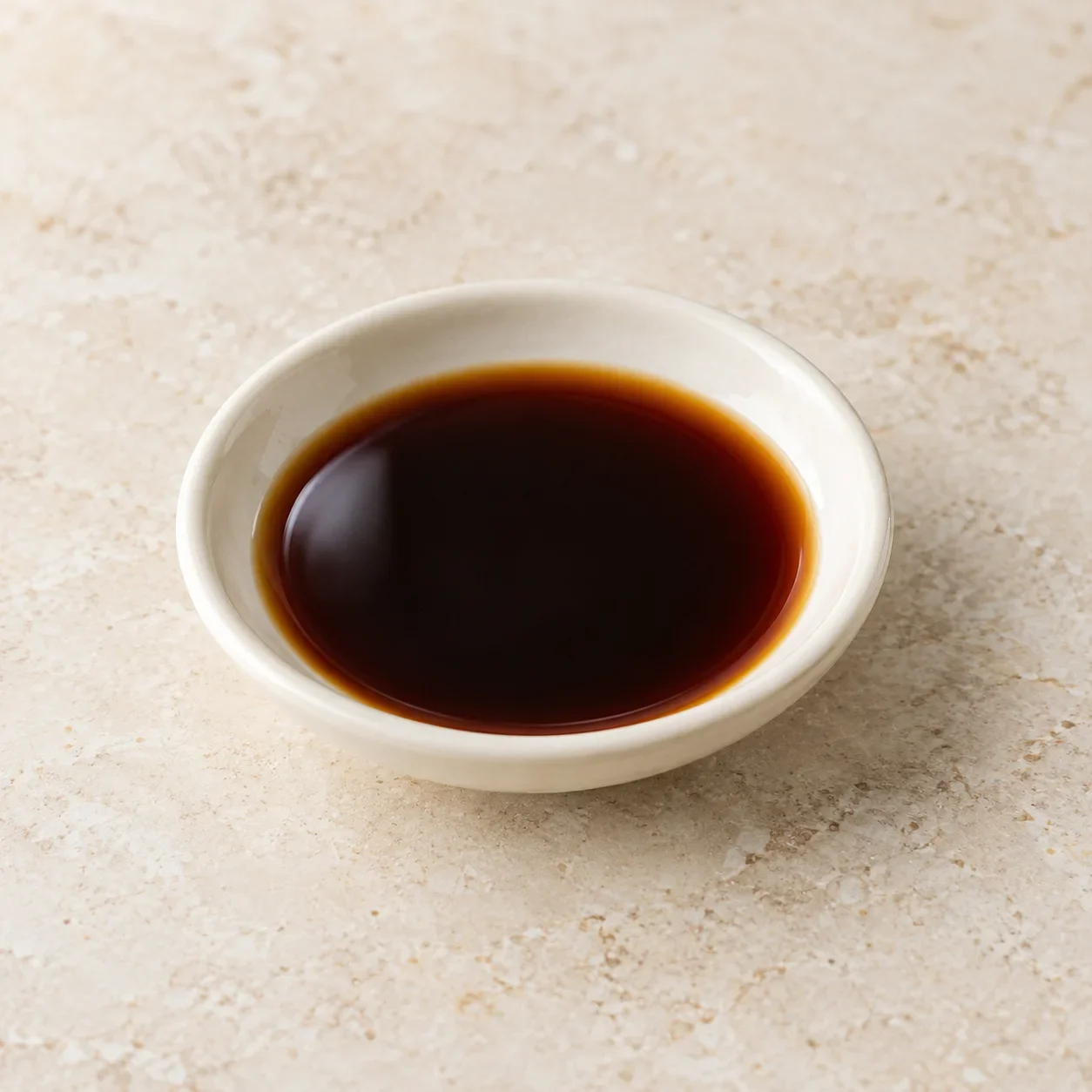
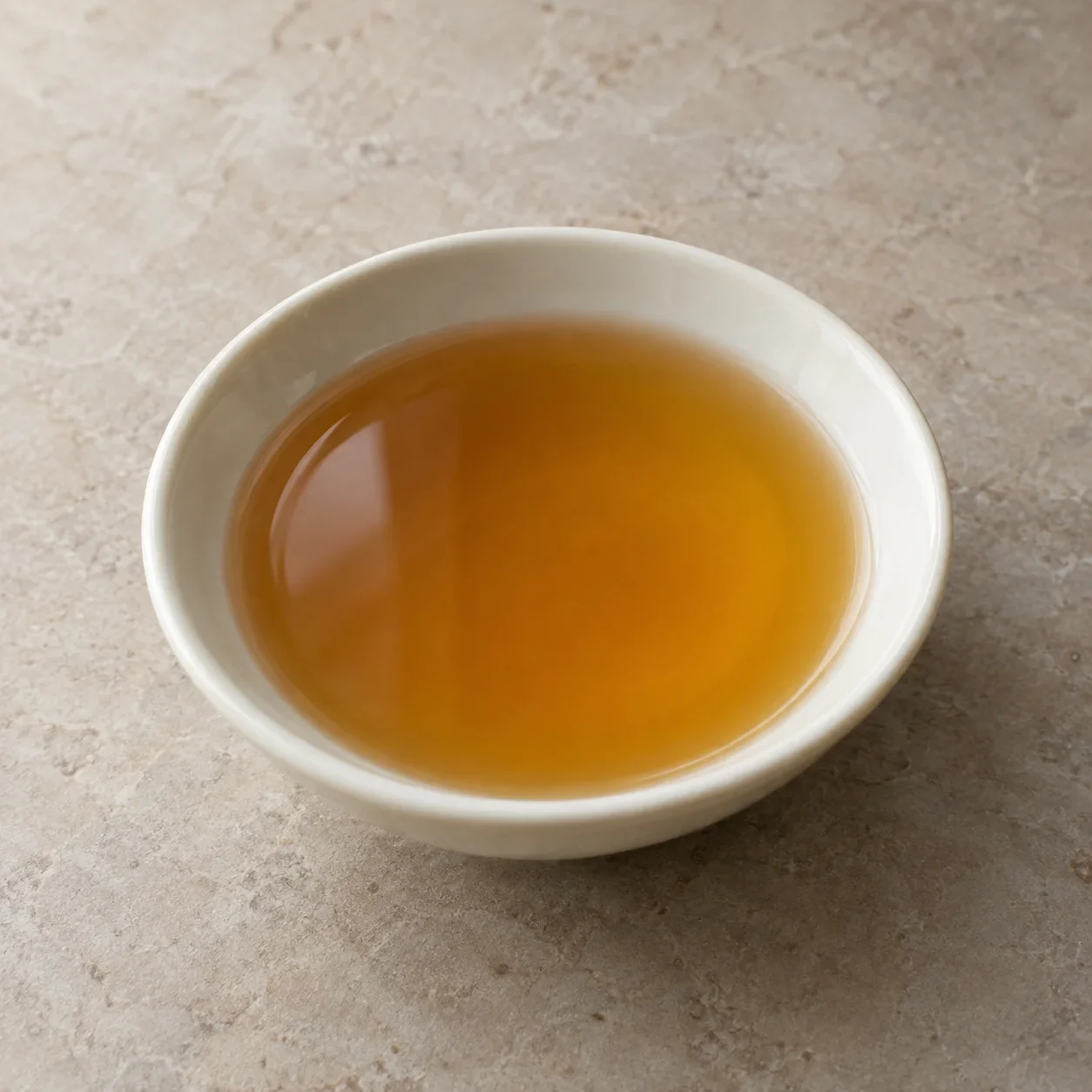
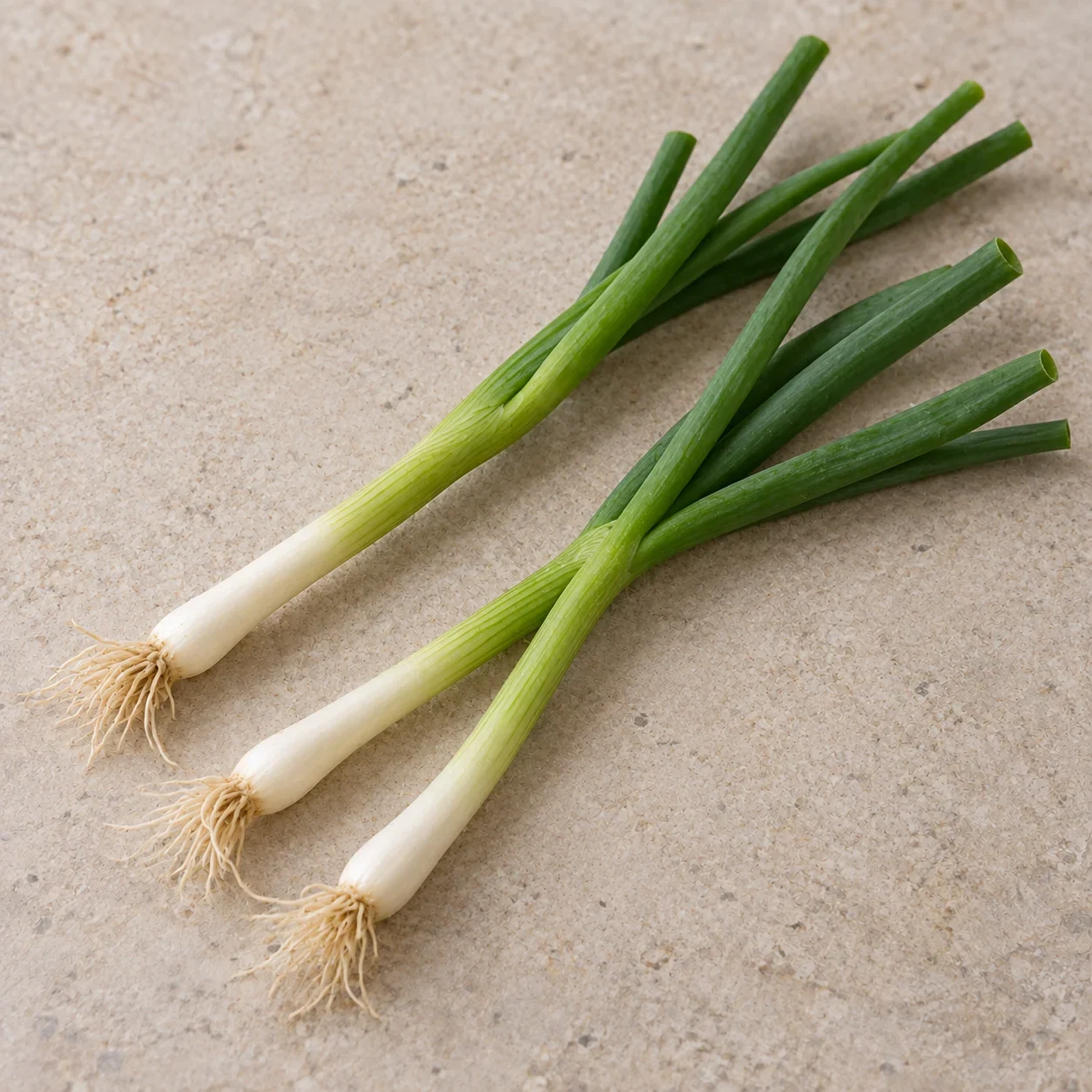
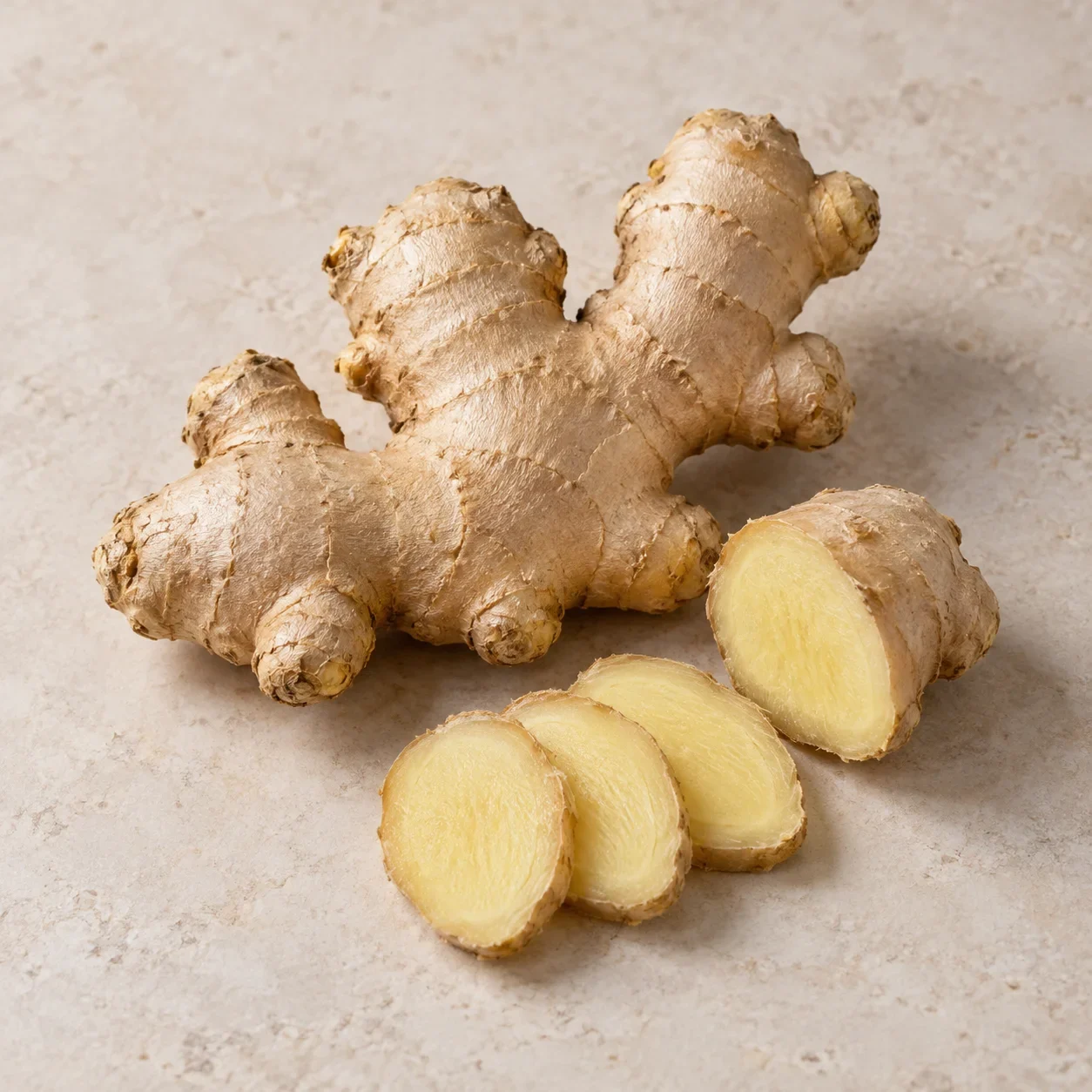
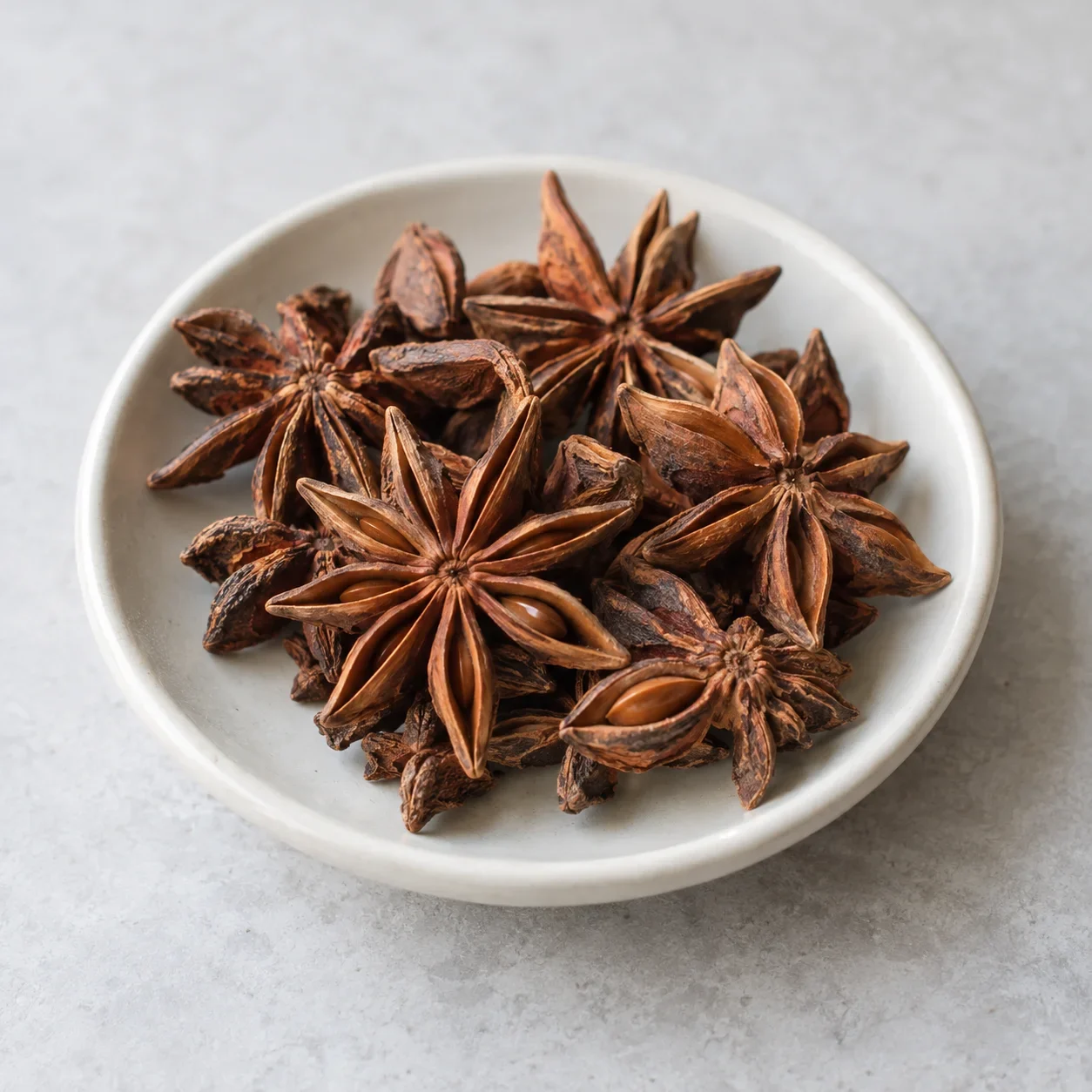
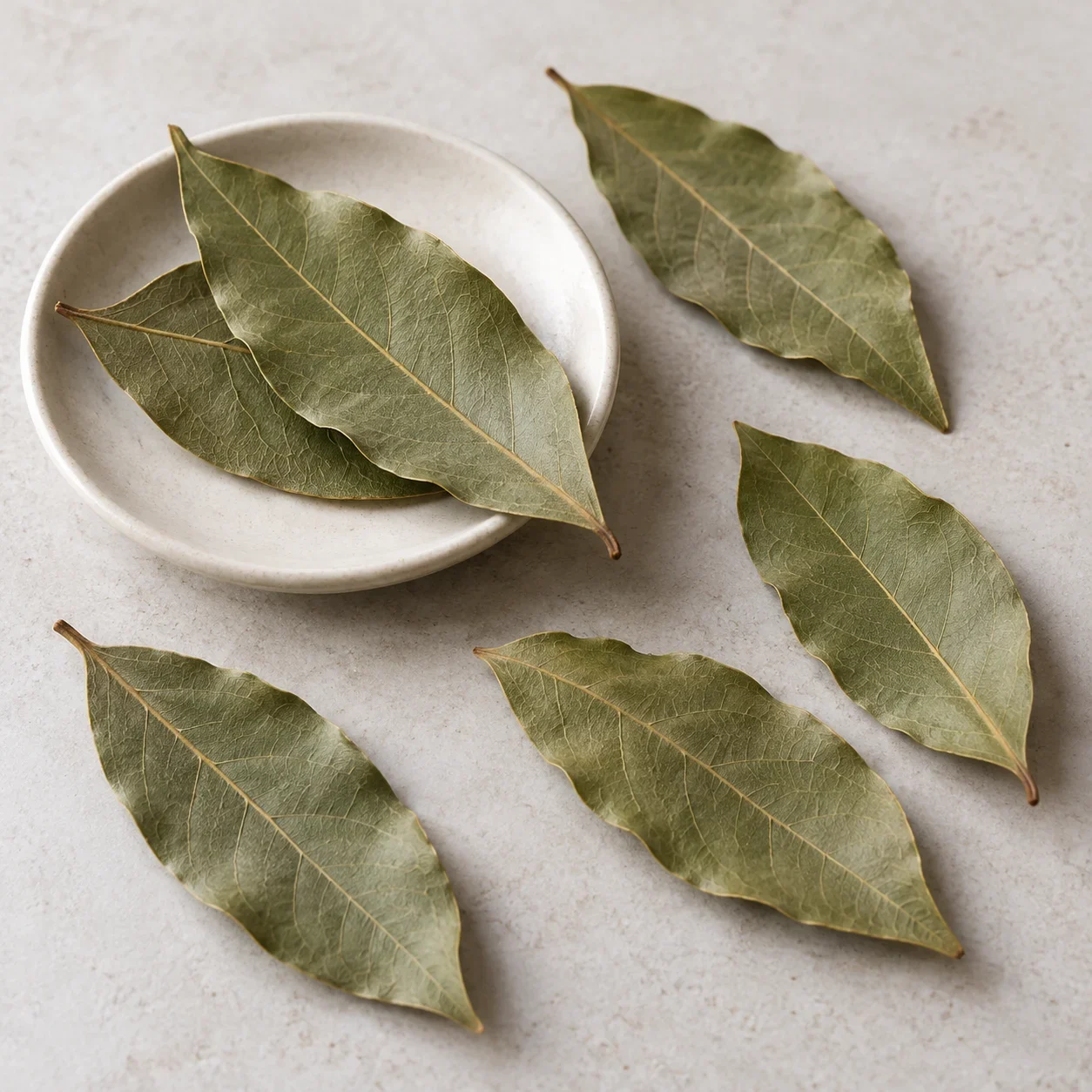
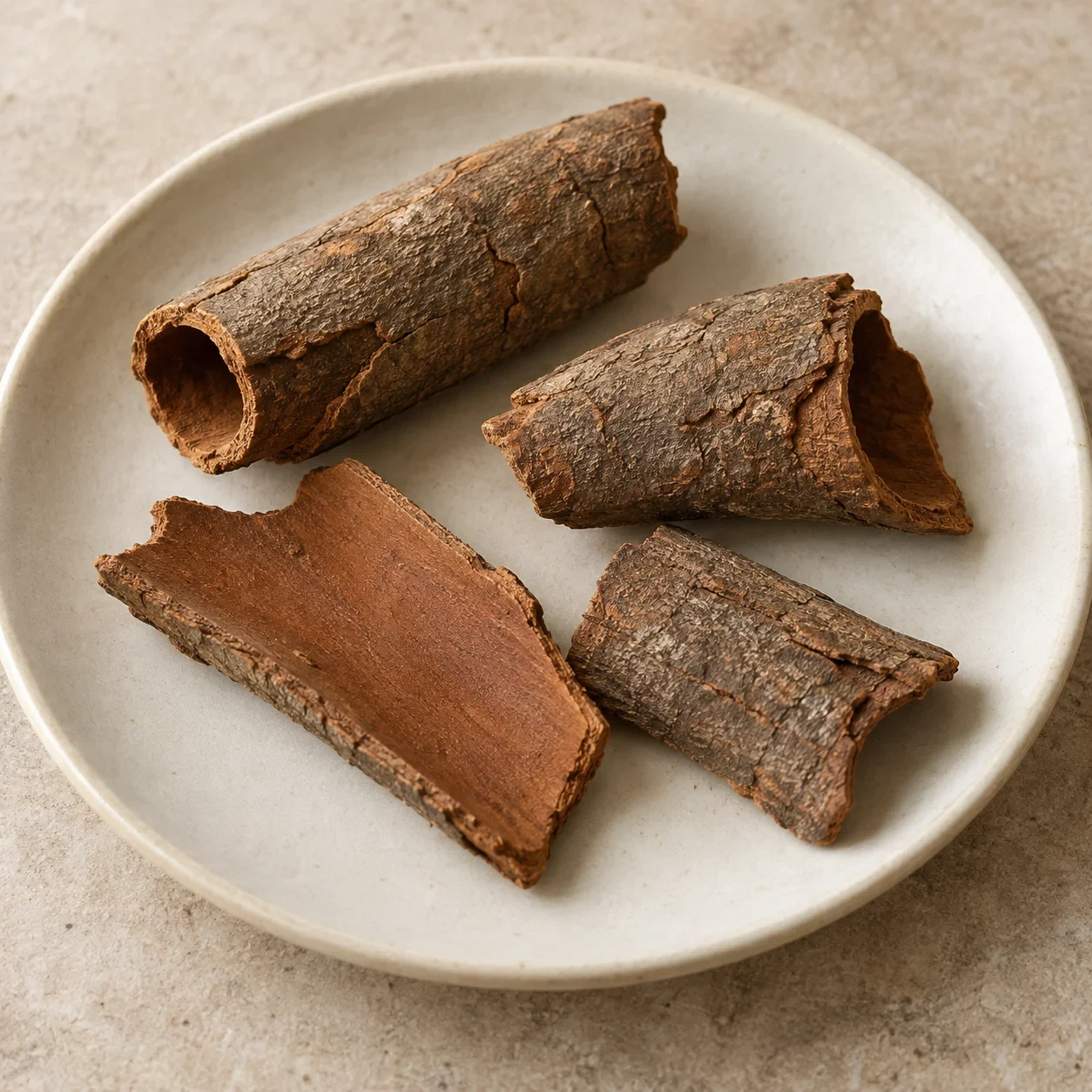
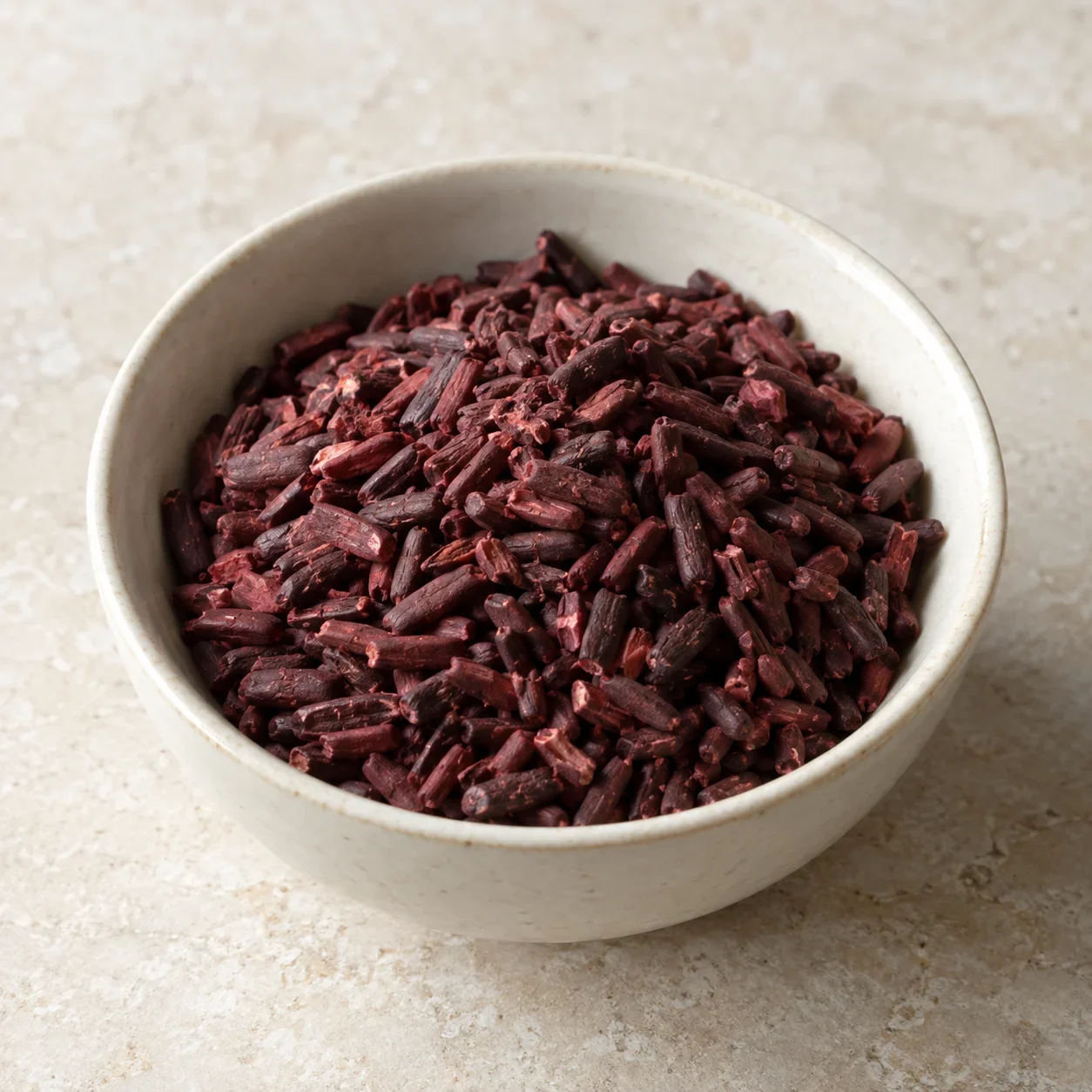

Recipes vary by restaurant.
How does it taste?
Sweet and savory
- Chili heat
- Texture
- Soft meat.
- How it’s made
- Salt and blanch ribs, braise with seasonings, then reduce.
Some adaptations add vinegar or ketchup, while others omit them.
A CONNECTION TO PLACE
Origin & regional roots
Associated with Jiangsu.
Ask if they have it first
请问你们有无锡酱排骨吗?
Do you have this item?
A LITTLE SOMETHING TO READ
Story & history
Wuxi’s sweet-savory braise
This account describes a tradition or story, rather than an established historical fact.
Wuxi sauce ribs show the city’s fondness for combining savory seasoning with a sweet finish. Pork ribs simmer with soy sauce, sugar, wine and aromatics until tender, then the liquid reduces to a glossy coating. The pleasure is in the soft meat and concentrated sauce around the bones. The traditional profile is sweet-savory rather than chili-hot; modern adaptations may taste different.