
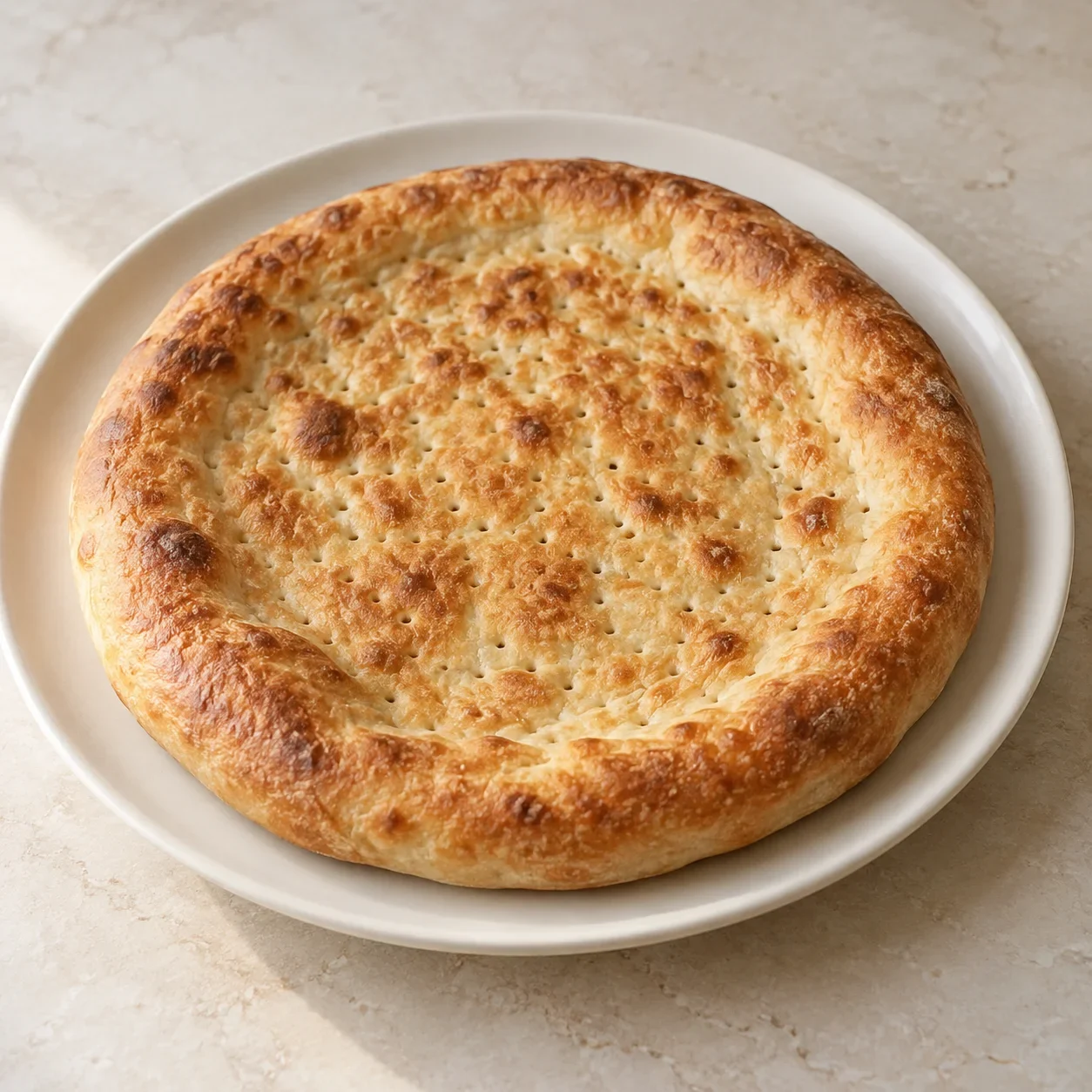
At the table
Tear off a piece and eat it plain or with your meal. It can accompany milk tea or grilled meat. Texture varies: choose a softer bread if you find a crisp crust difficult to chew.
This wheat bread contains gluten. Some versions include sesame, milk, butter, egg or meat, and the cooking fat varies. Ask about the chosen bread before treating it as vegetarian or vegan.
Wheat flour is the base of this round-bread example. Onion, cumin, sesame, milk, egg, butter, oil, salt and sugar vary by recipe; some doughs use a fermented starter. Meat-filled versions may include sheep meat and pepper. These are alternatives, not ingredients in every loaf.
The bread can be torn into small pieces and shared; choose a softer piece if the crust is firm.
Recipes vary. Ask the restaurant about ingredients and serving before you order.
GET TO KNOW THE DISH
What goes into it?
Explore some key ingredients below. Preparations may use additional seasonings and ingredients.
Recipes and size vary; some include milk or egg.
Typical ingredients
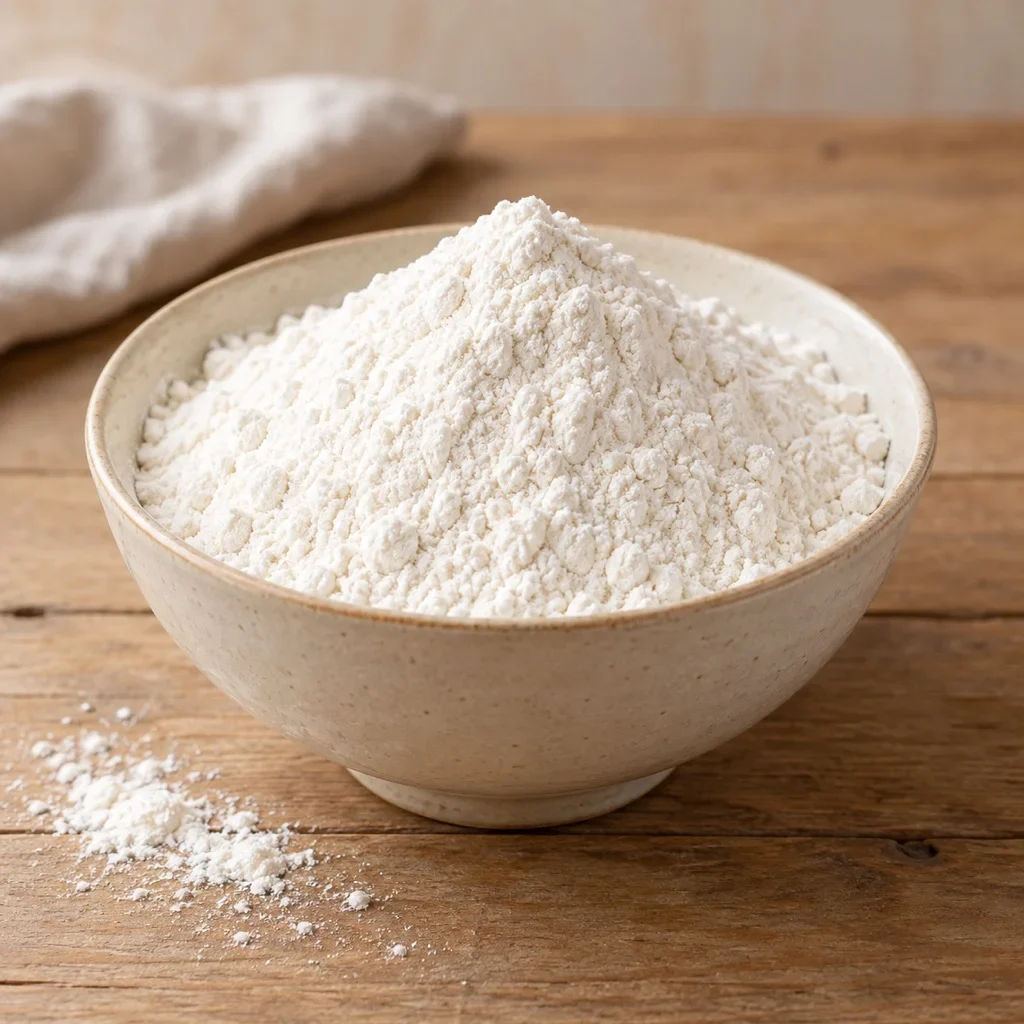
In some versions
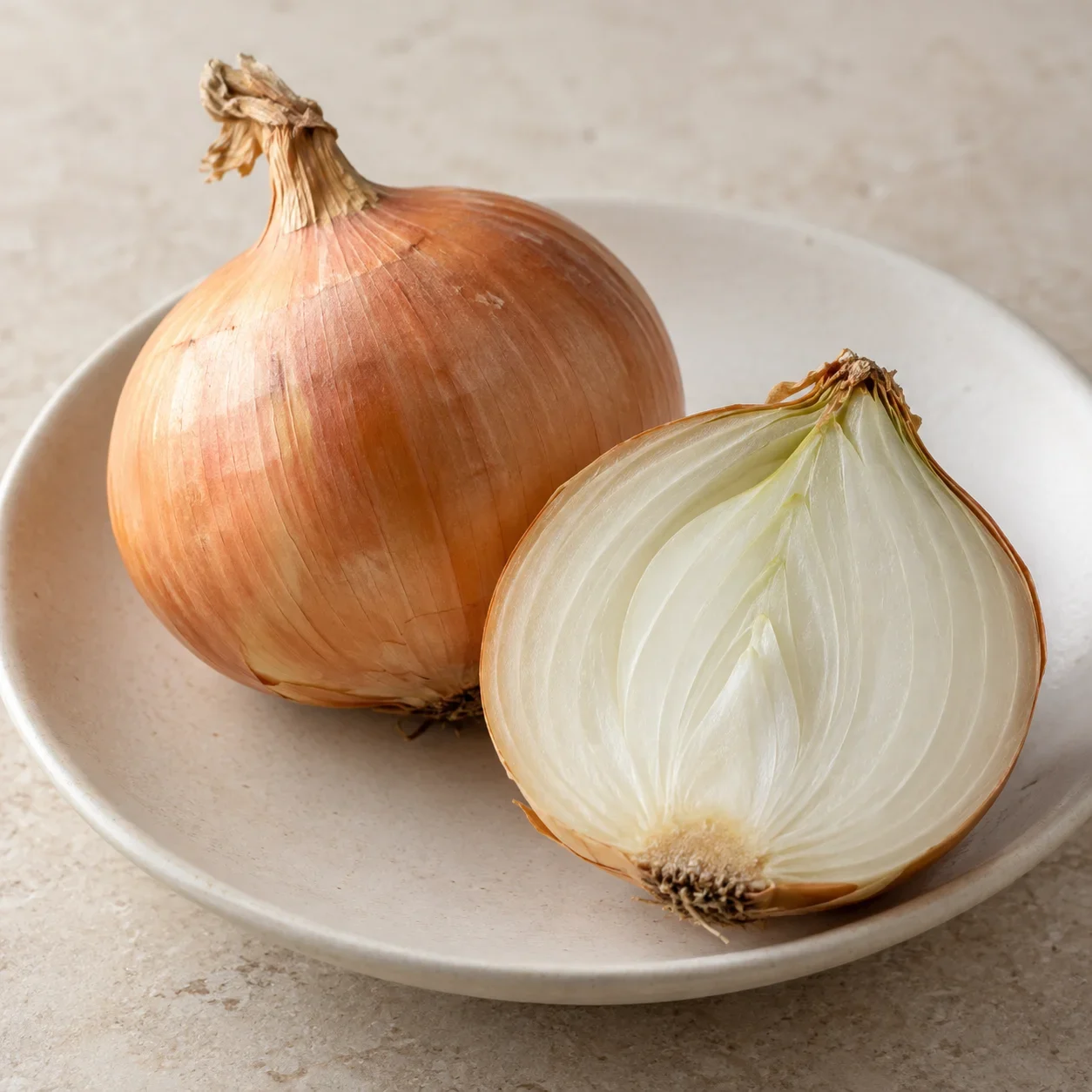
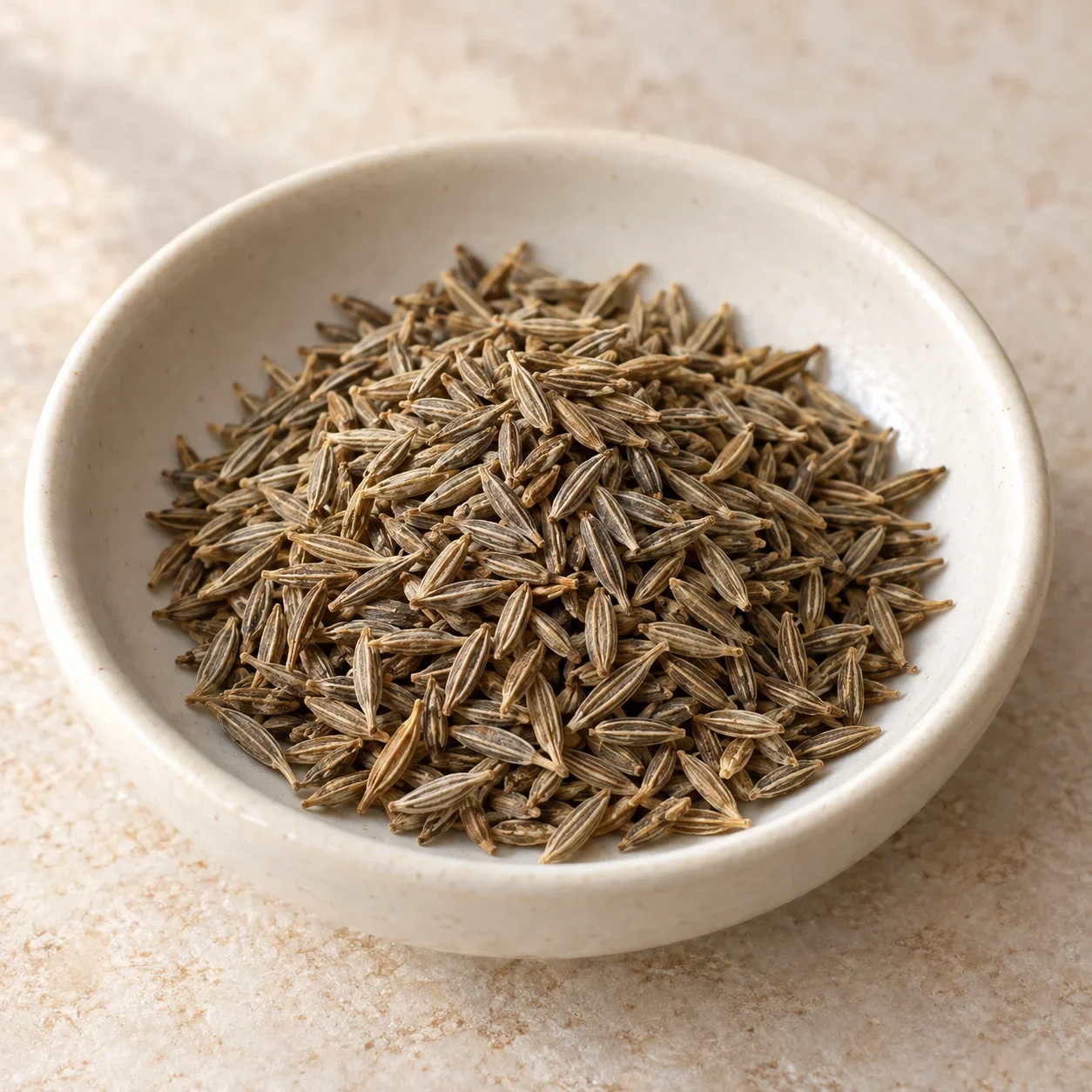
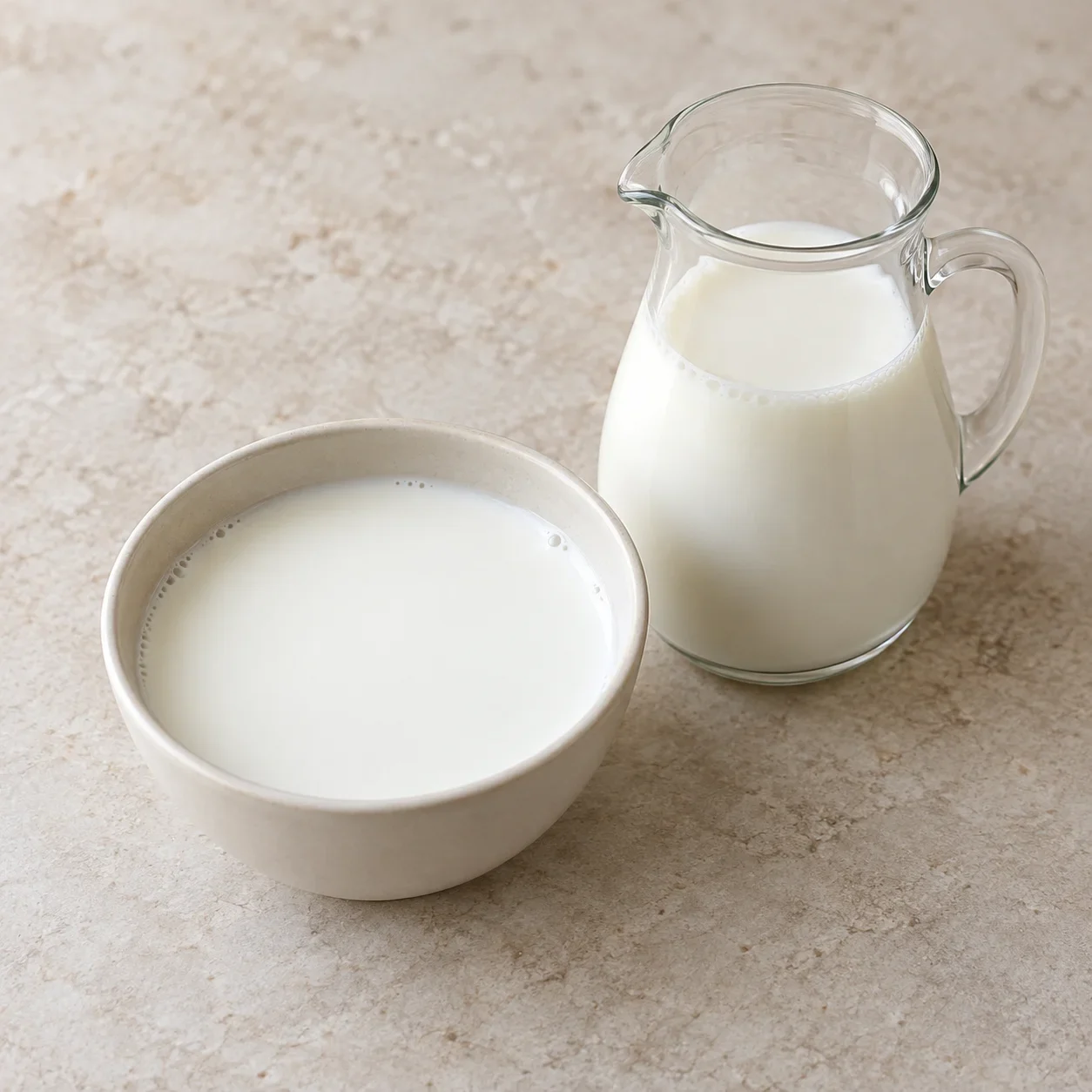
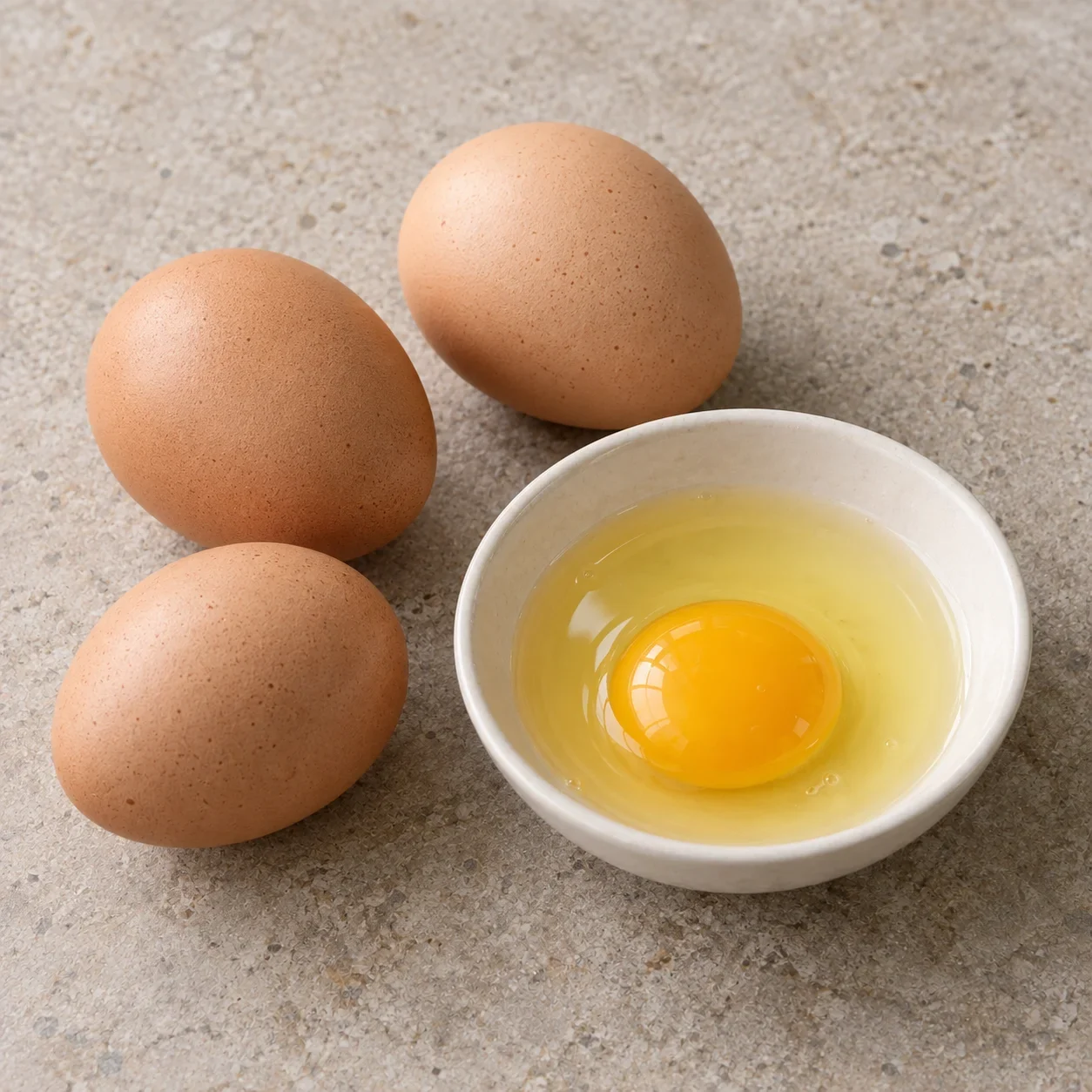
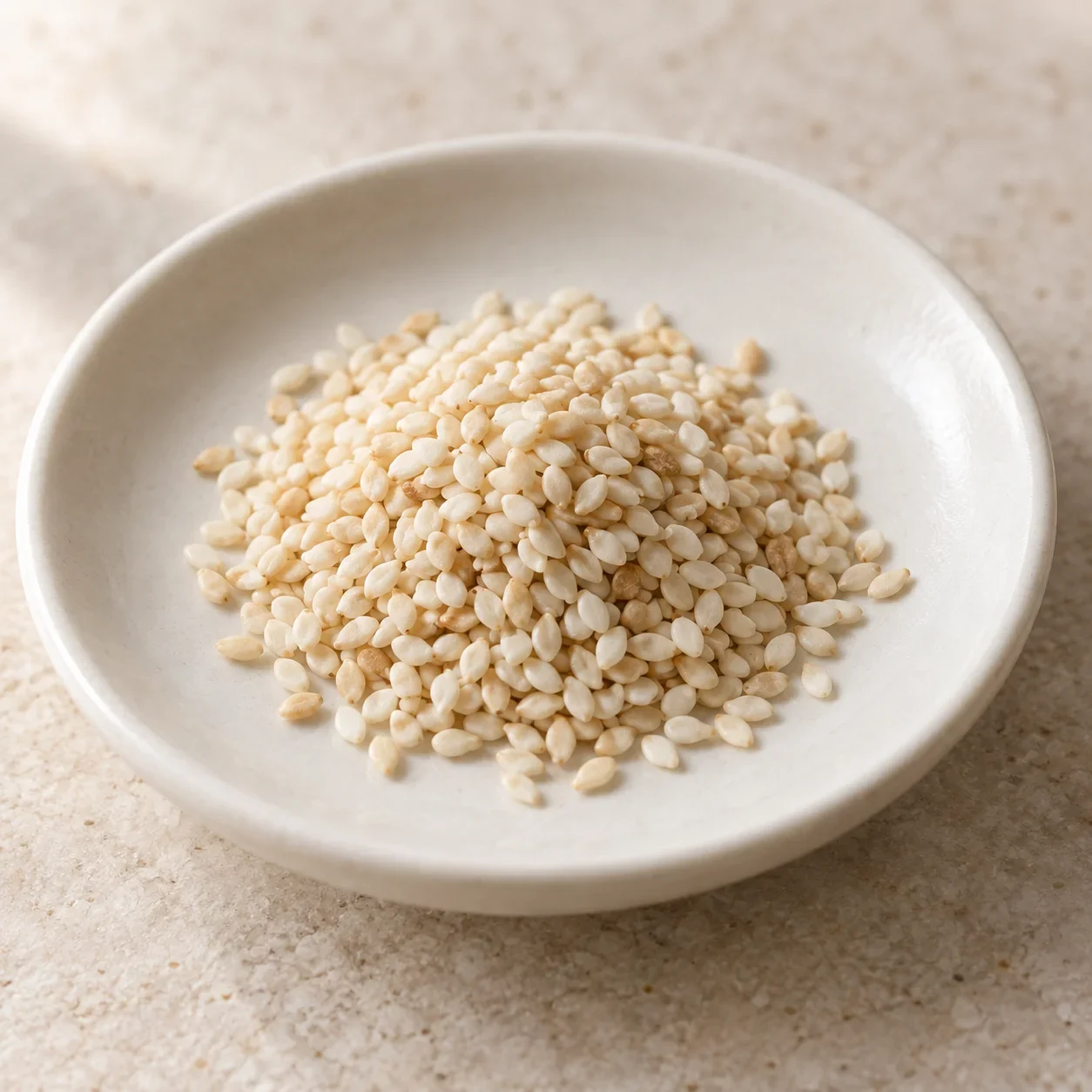

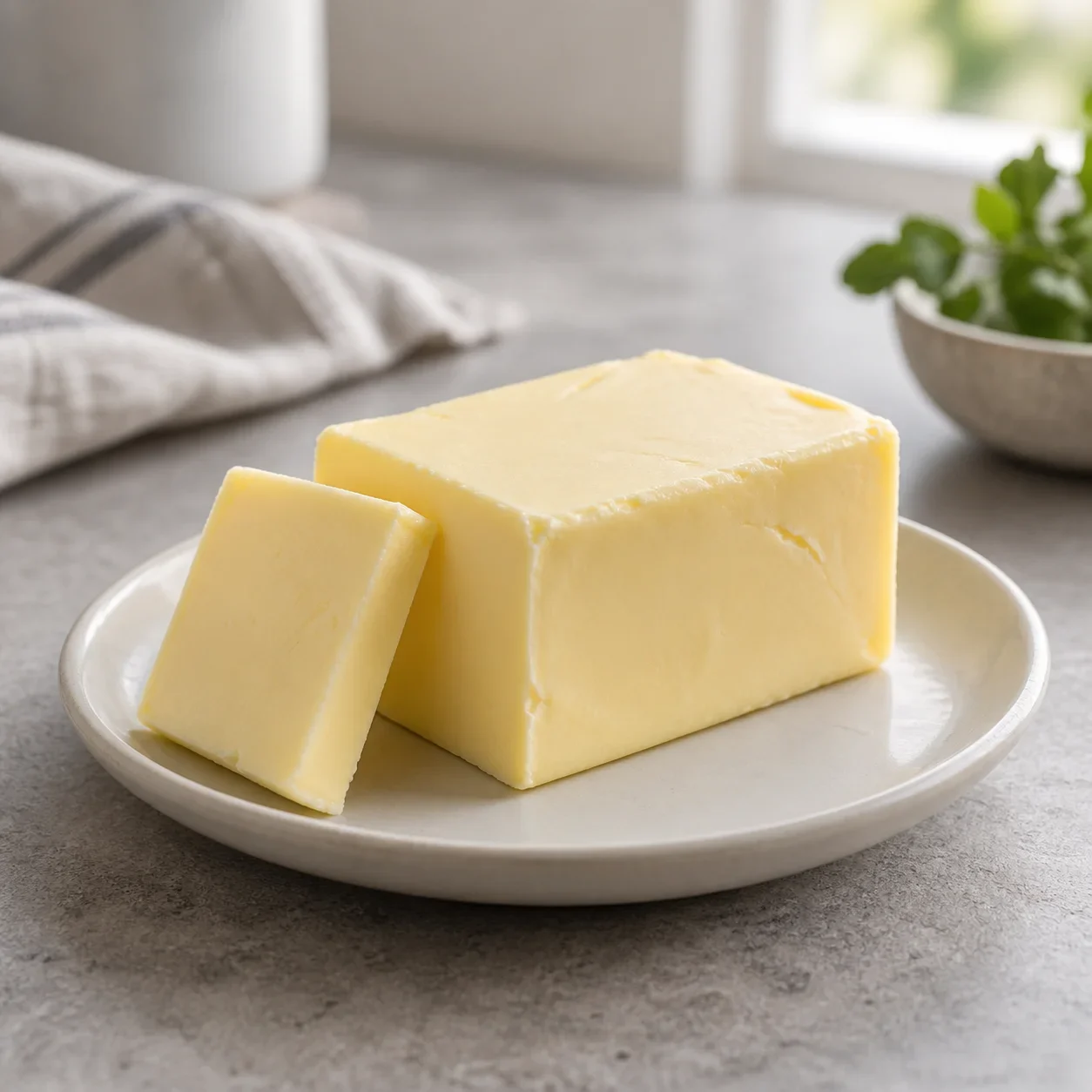


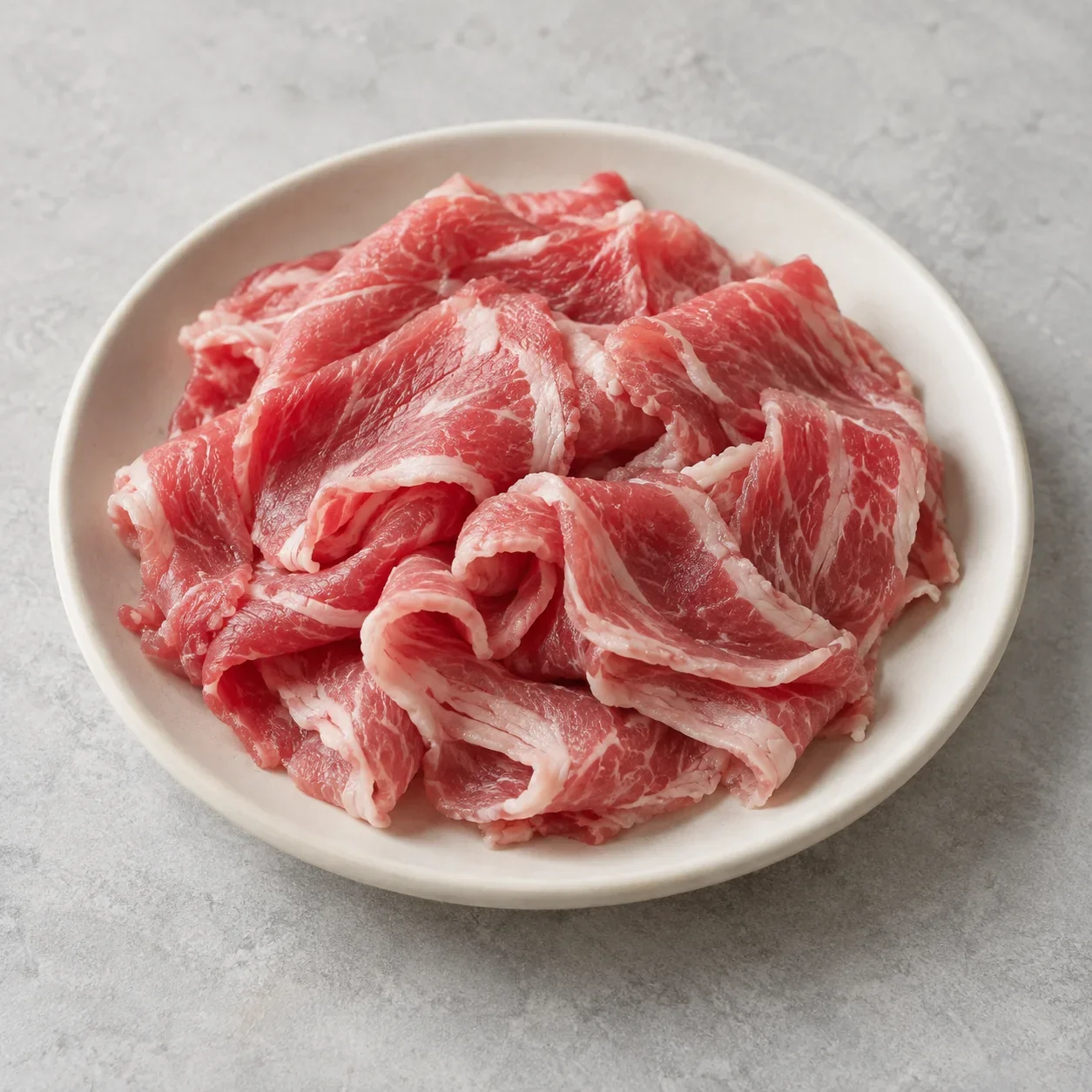
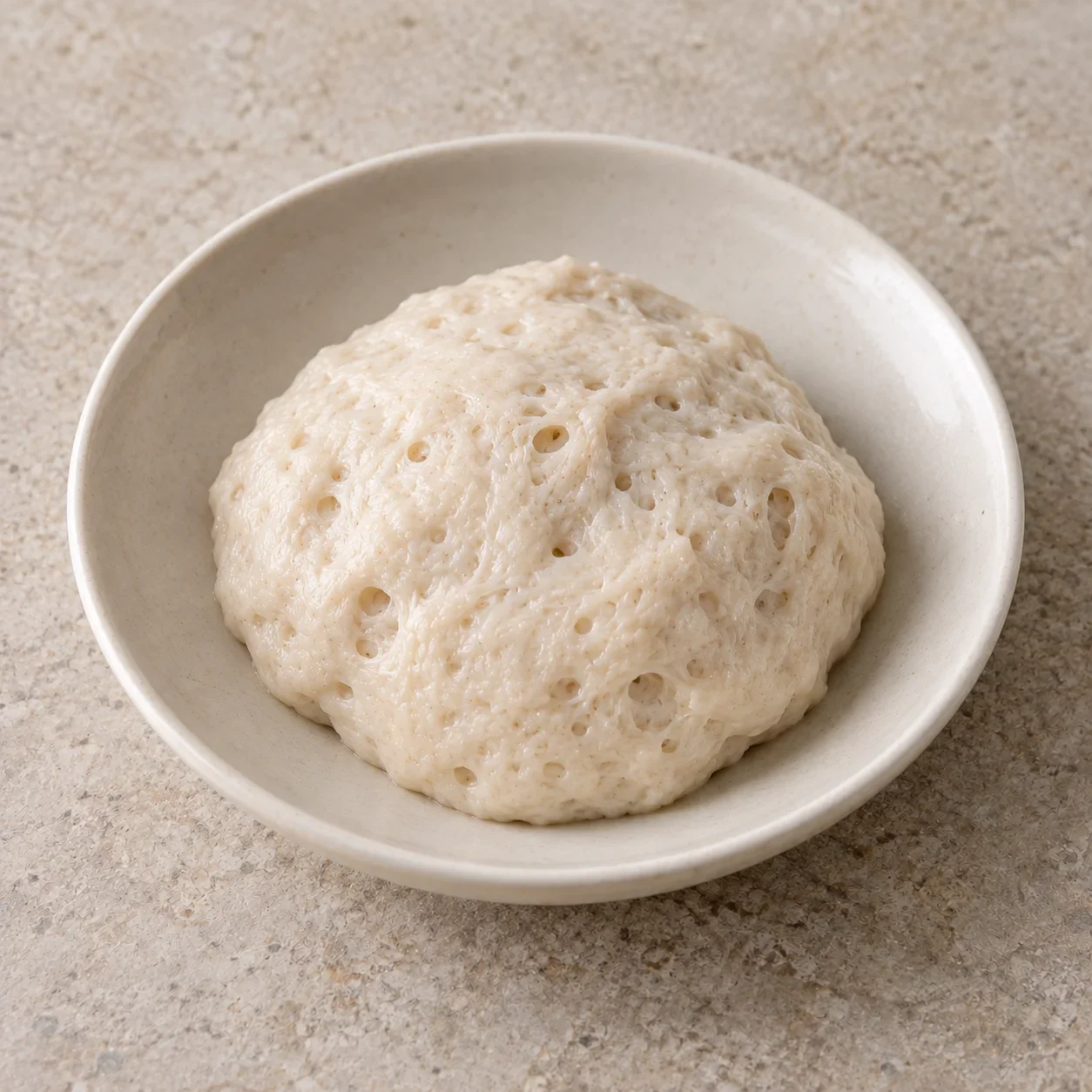
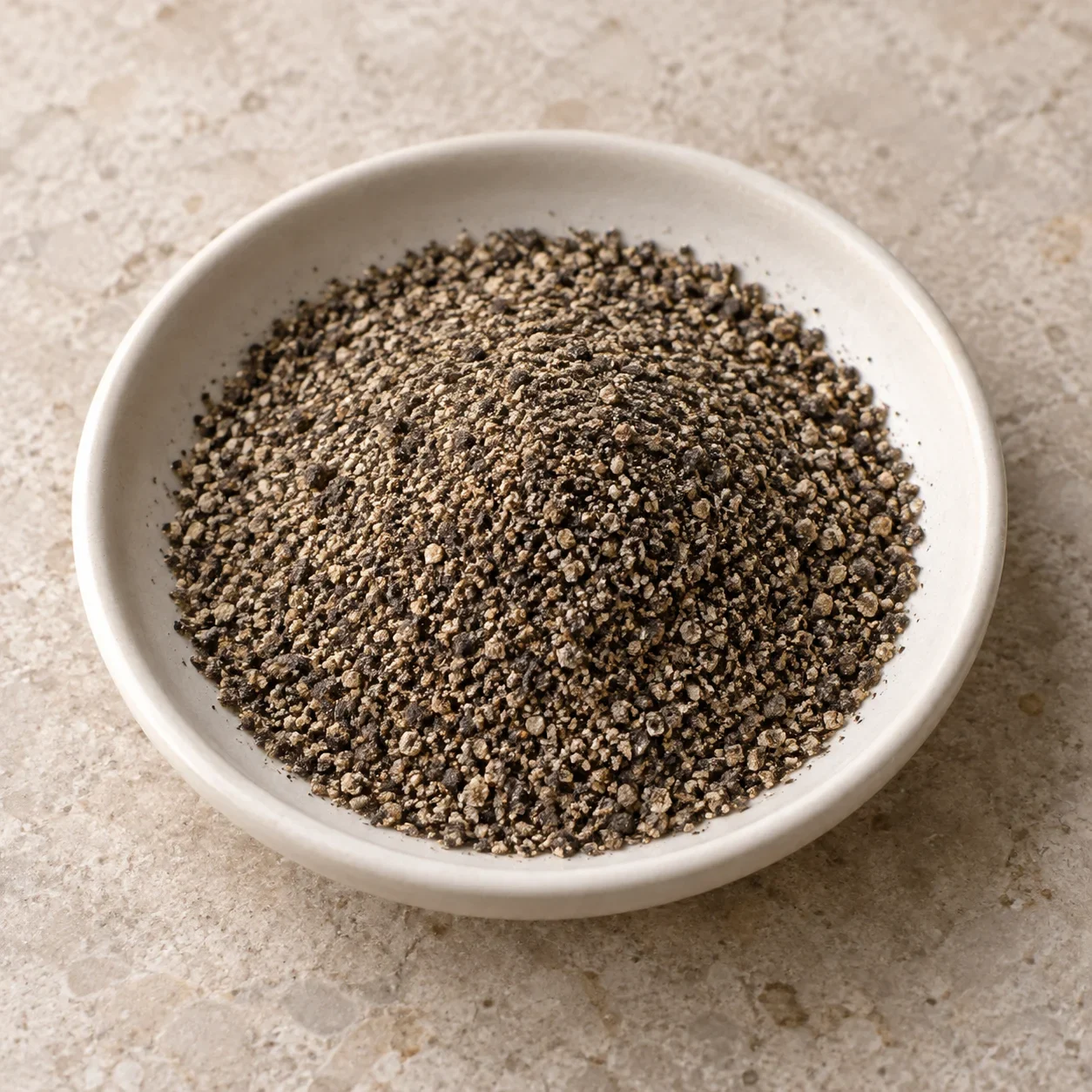
Recipes vary by restaurant.
How does it taste?
Wheaty, with optional onion or cumin.
- Chili heat
- Texture
- Ranges from crisp to soft.
- How it’s made
- Shape and bake the dough.
Recipes and size vary; some include milk or egg.
A CONNECTION TO PLACE
Origin & regional roots
Associated with Xinjiang.
Ask if they have it first
请问你们有馕吗?
Do you have this item?
A LITTLE SOMETHING TO READ
Story & history
Everyday bread in many forms
Nang is an everyday bread in Xinjiang, with shapes, sizes and textures that differ between bakers and recipes. Some rounds are thin and crisp; others are softer. In Keping, thin-bread makers have also moved from household ovens to cooperative production with newer equipment. The familiar bread can accompany breakfast milk tea or a meal of grilled meat. Its place at the table is shared, but its ingredients are not fixed: a plain wheat round, a milk-and-egg version and a meat-filled nang are different choices.