
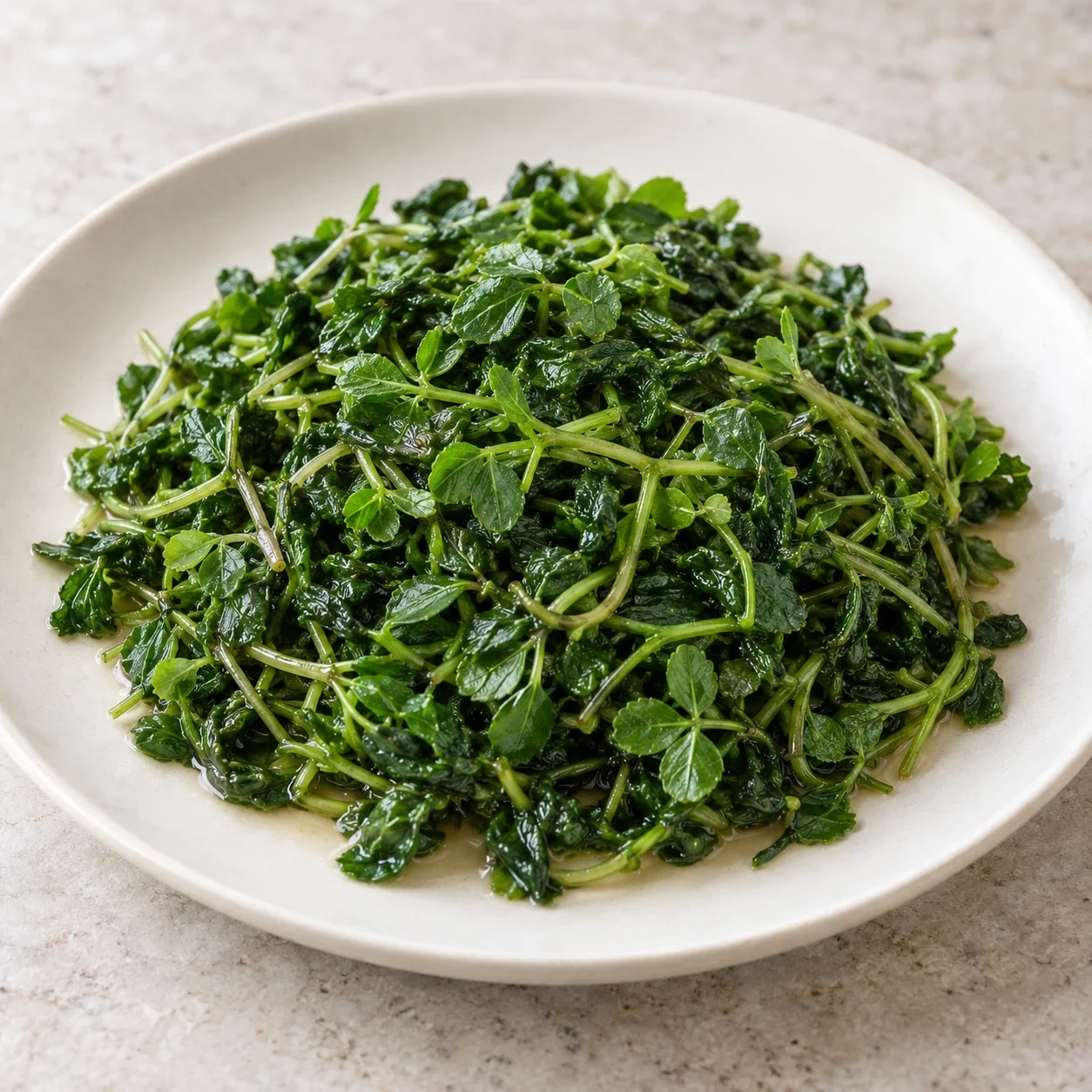
At the table
Pick up small portions with chopsticks and eat as a shared vegetable dish alongside rice.
This lard version is not vegetarian or vegan. Baijiu is added during cooking; do not assume the dish is alcohol-free.
Cooking fat may be lard or plant oil. Some versions add soy sauce, sugar or MSG. Ask about the actual oil and seasonings.
GET TO KNOW THE DISH
What goes into it?
Explore some key ingredients below. Preparations may use additional seasonings and ingredients.
Cooking fat may be lard or plant oil. Some versions add soy sauce, sugar or MSG. Ask about the actual oil and seasonings.
Typical ingredients
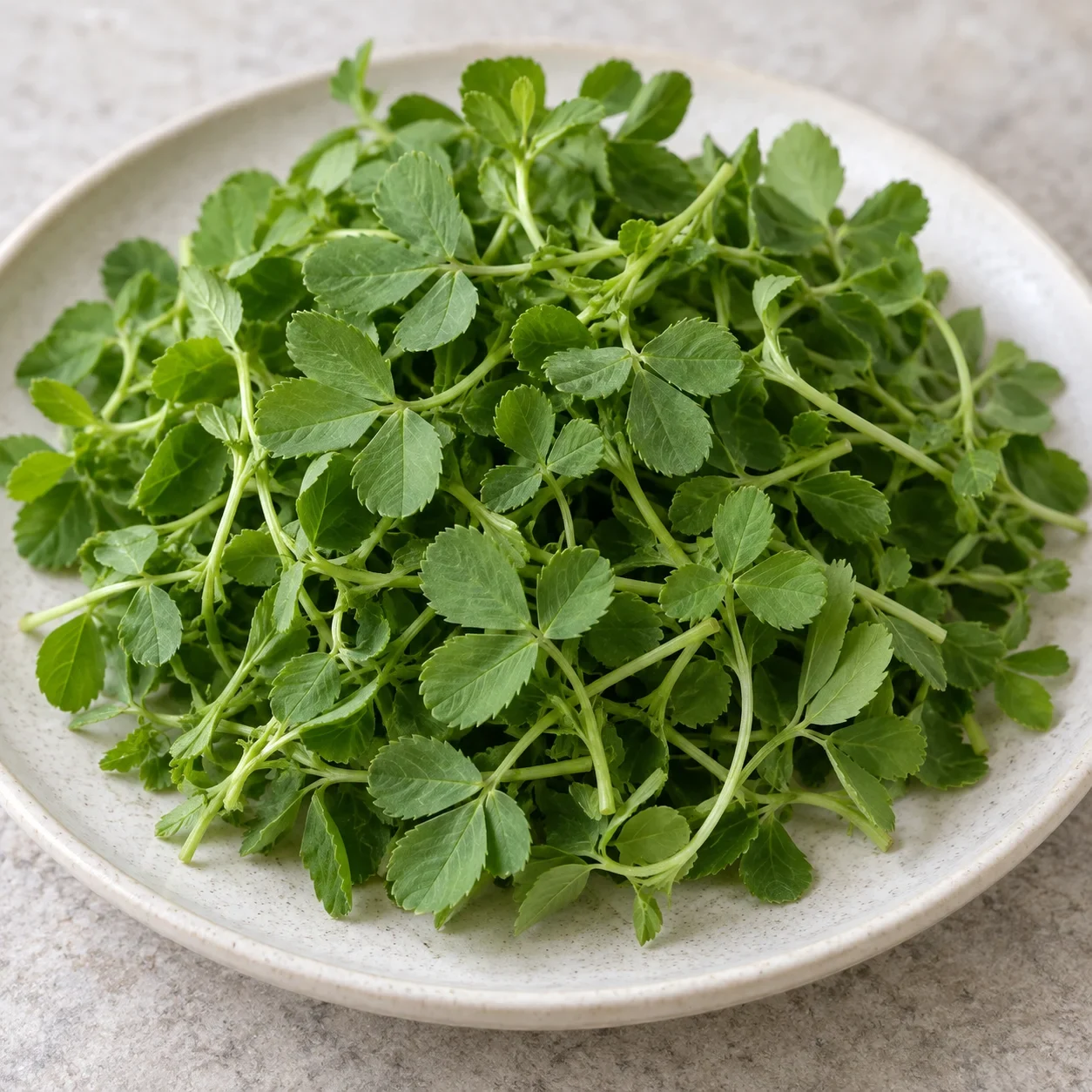

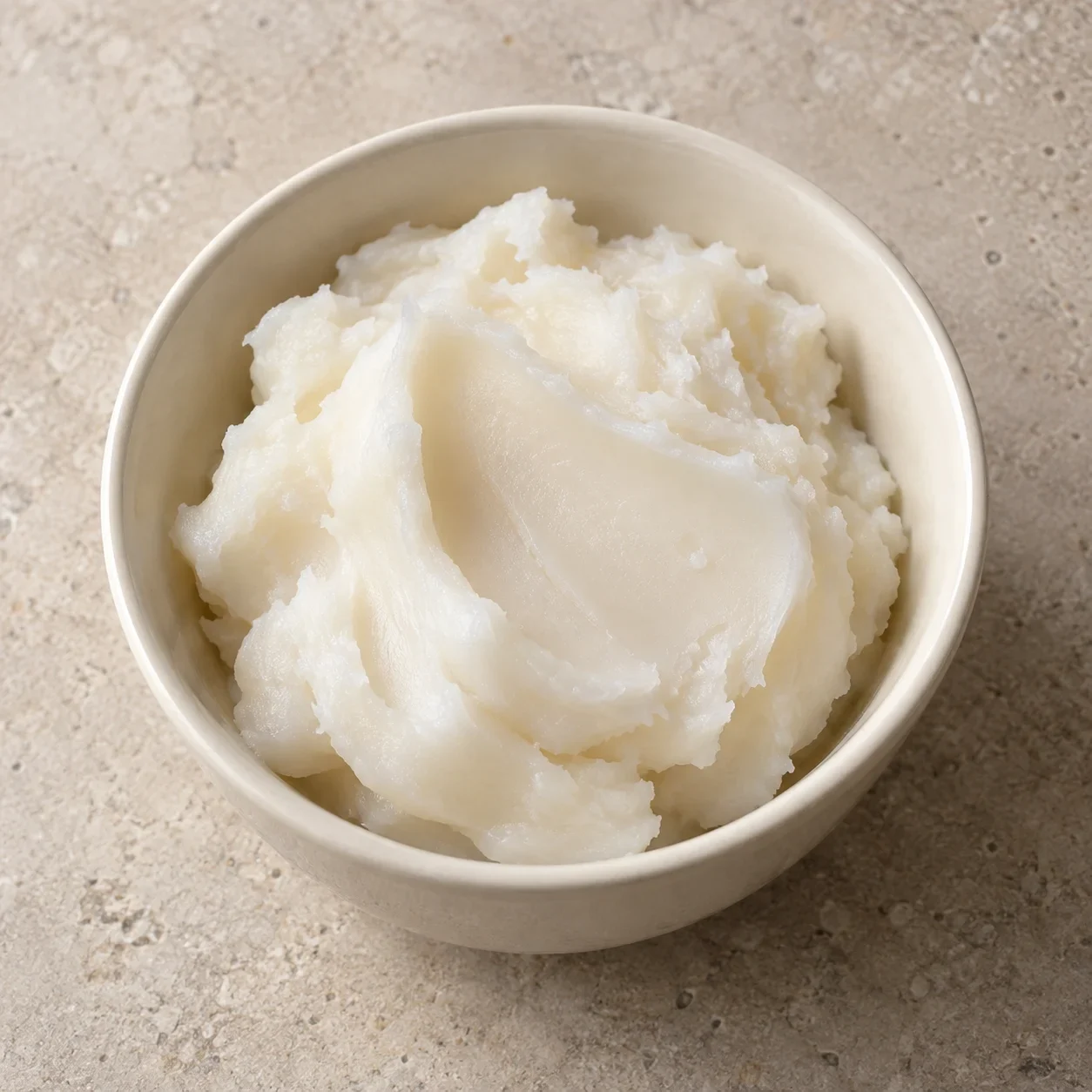

In some versions
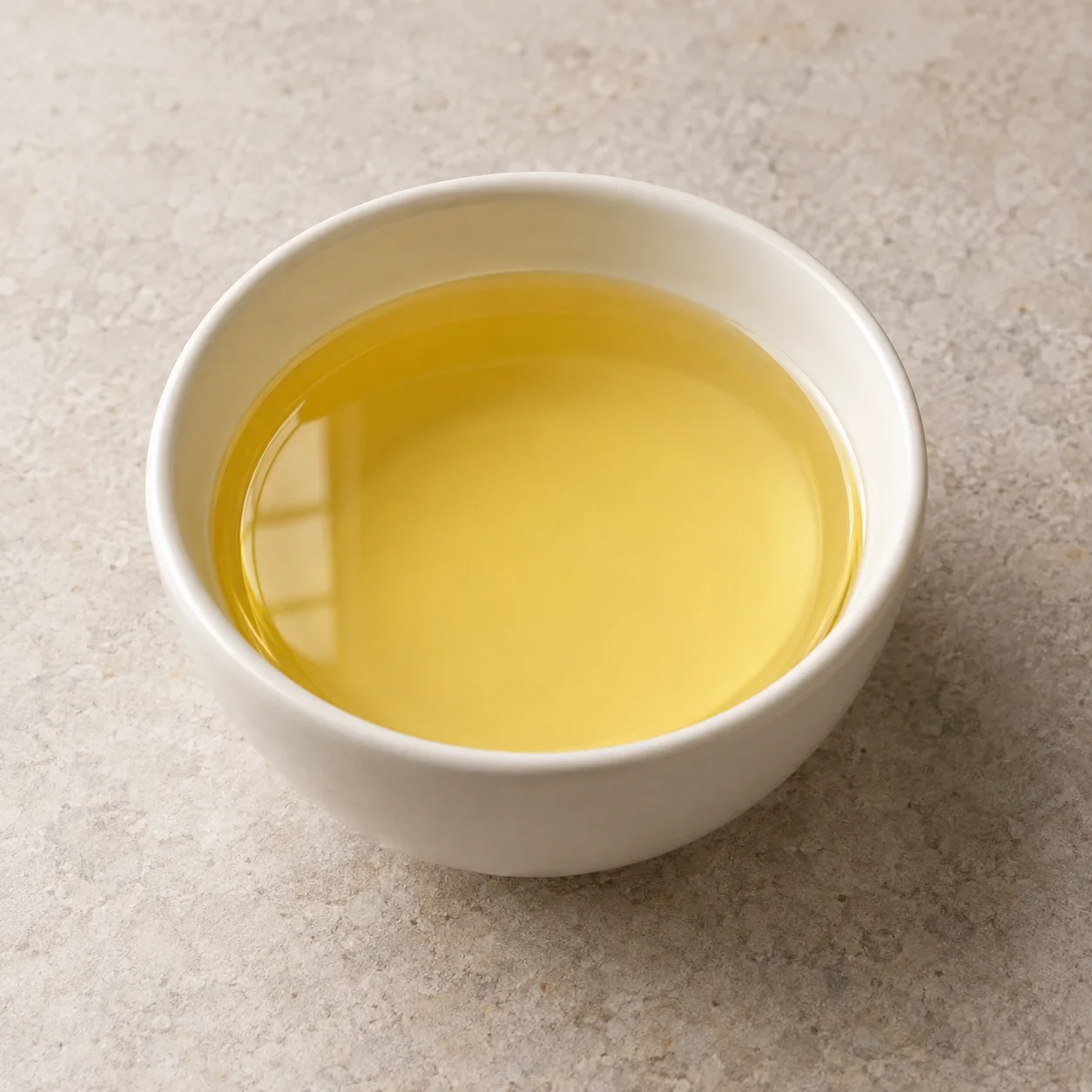
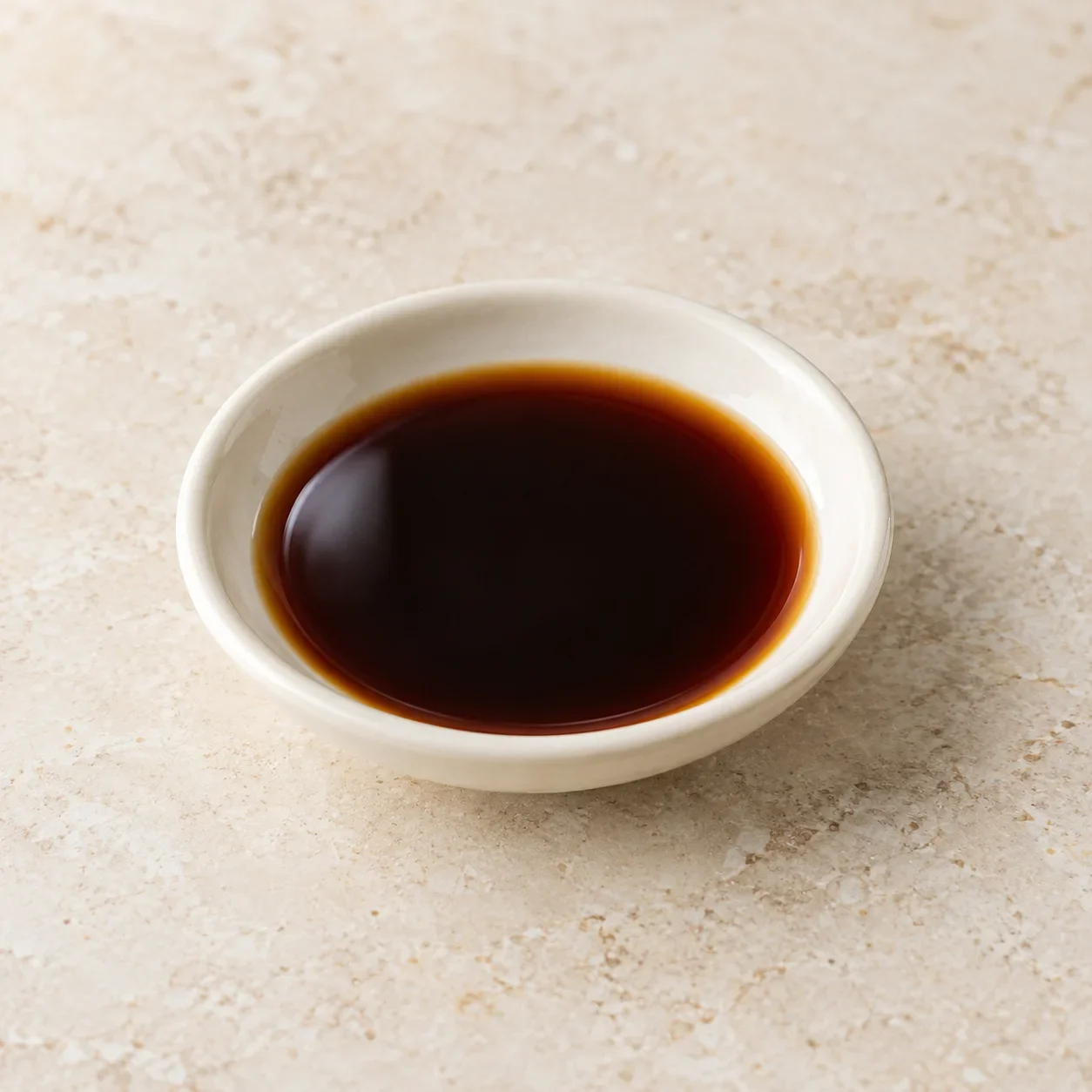
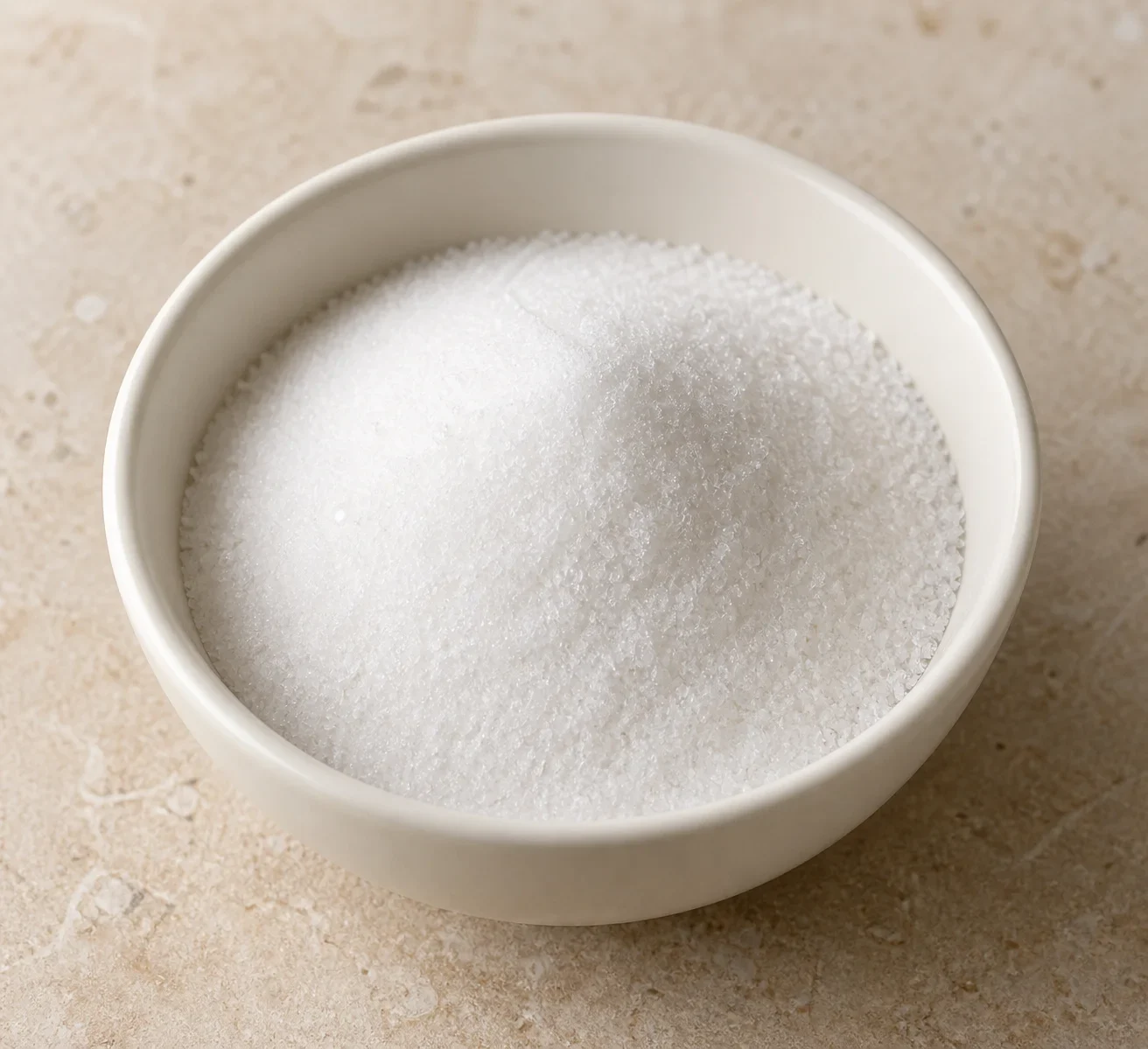
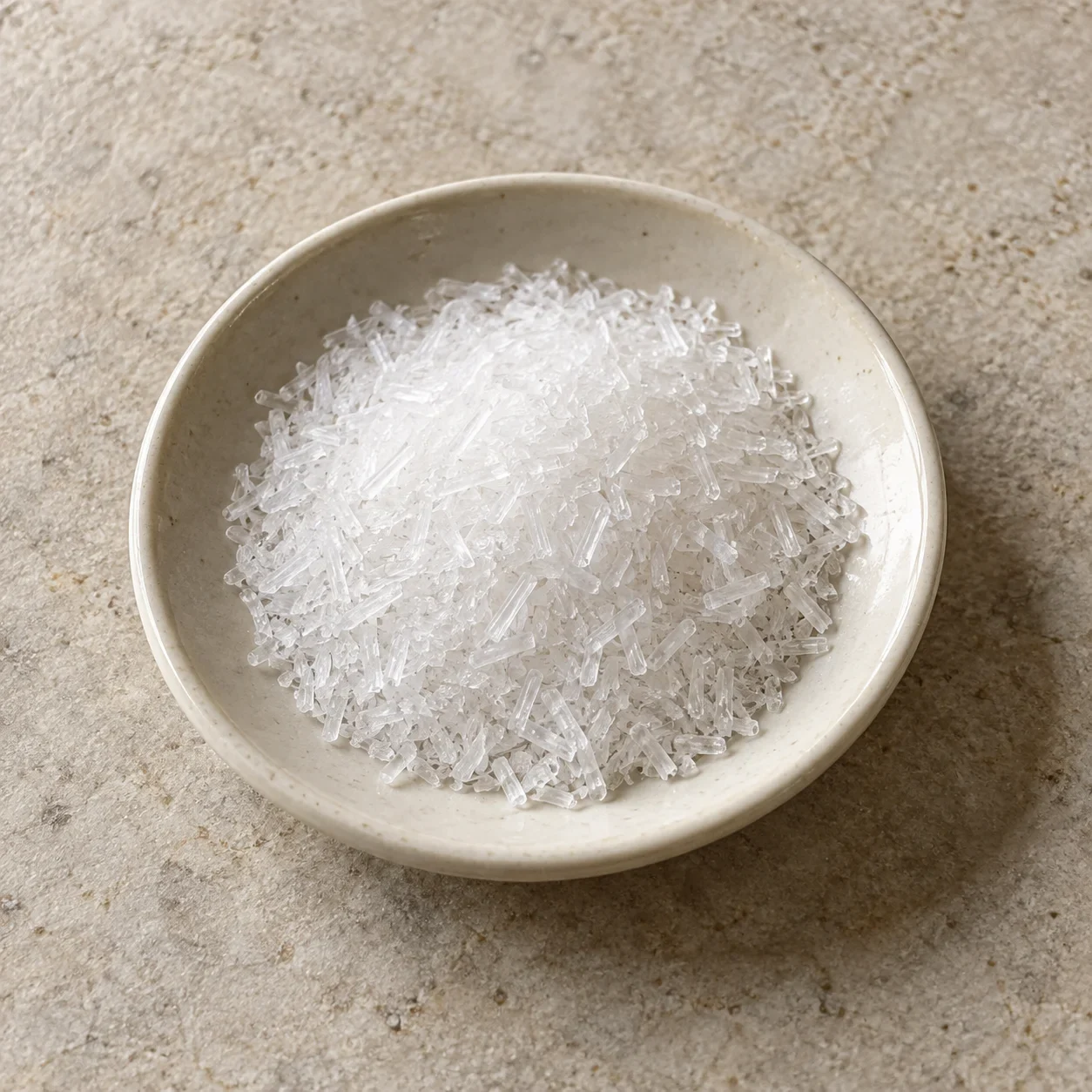
Recipes vary by restaurant.
How does it taste?
Fresh green flavor, savory richness and a noticeable baijiu aroma.
- Chili heat
- Texture
- Wilted tender leaves and slender stems with a light oily coating.
- How it’s made
- Tender greens are quickly stir-fried in lard, then finished with baijiu and salt.
Cooking fat may be lard or plant oil. Some versions add soy sauce, sugar or MSG. Ask about the actual oil and seasonings.
A CONNECTION TO PLACE
Origin & regional roots
Associated with Shanghai.
About this regional connection
Shanghai: Shanghai local stir-fried seasonalgreens dish.
Ask if they have it first
请问你们有酒香草头吗?
Do you have this item?
A LITTLE SOMETHING TO READ
Story & history
A Shanghai spring green
This account describes a tradition or story, rather than an established historical fact.
Caotou is a familiar spring vegetable around Shanghai. This quick stir-fry highlights the greens and baijiu, whereas caotou quanzi pairs the greens with pork intestine.