
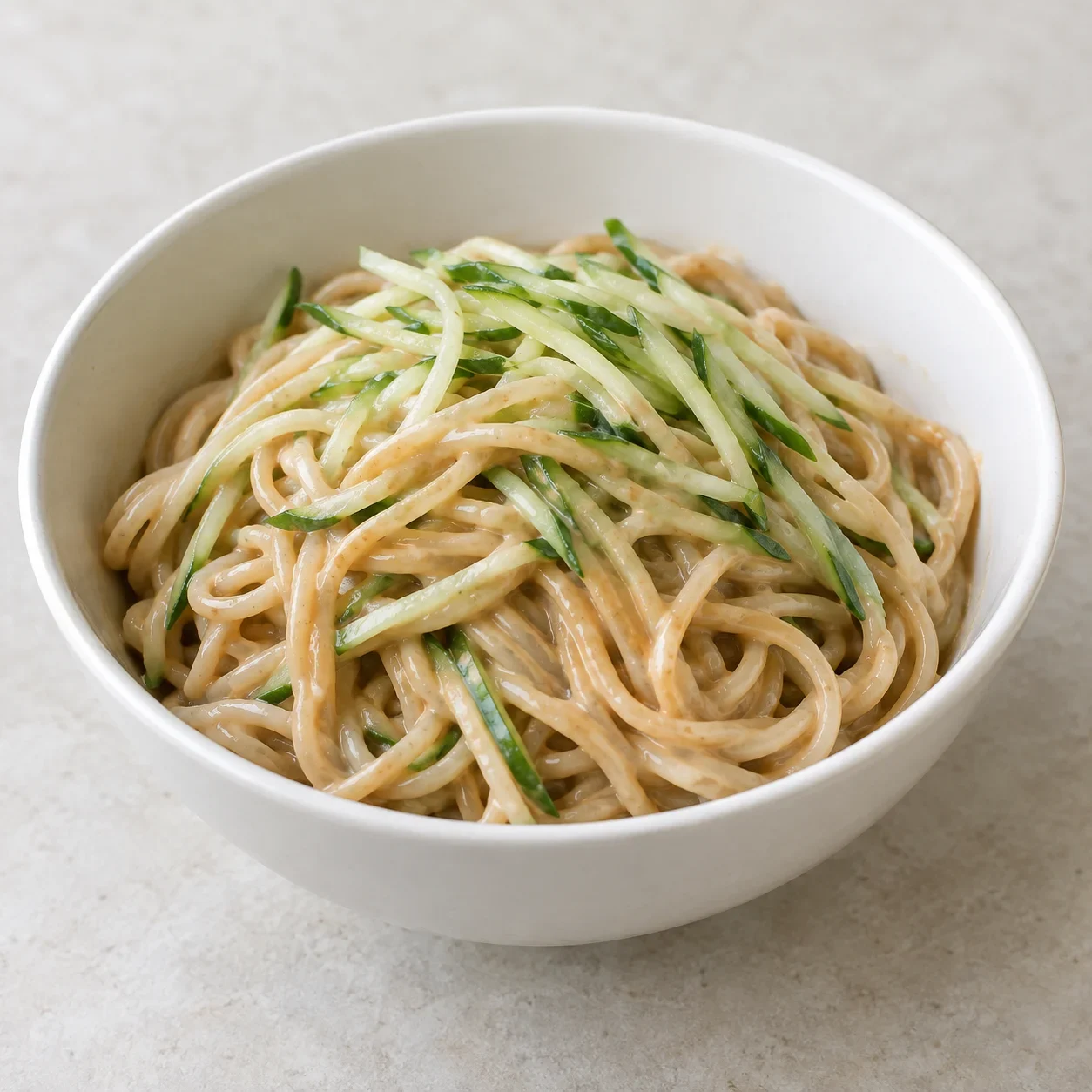
At the table
Lift and turn the noodles to distribute the dressing, including sauce beneath them. Eat the cucumber with the noodles; garlic alongside is optional.
Contains sesame, soy and usually wheat. Ask about peanuts in the paste and egg in the noodles when relevant.
This representative dressing has no chili; peppercorn aroma is not chili heat. Noodle and paste composition vary, so vegan and vegetarian status is unconfirmed.
GET TO KNOW THE DISH
What goes into it?
Explore some key ingredients below. Preparations may use additional seasonings and ingredients.
Some versions use a sesame-peanut blend or added chili. Whole garlic cloves may be eaten alongside.
Typical ingredients
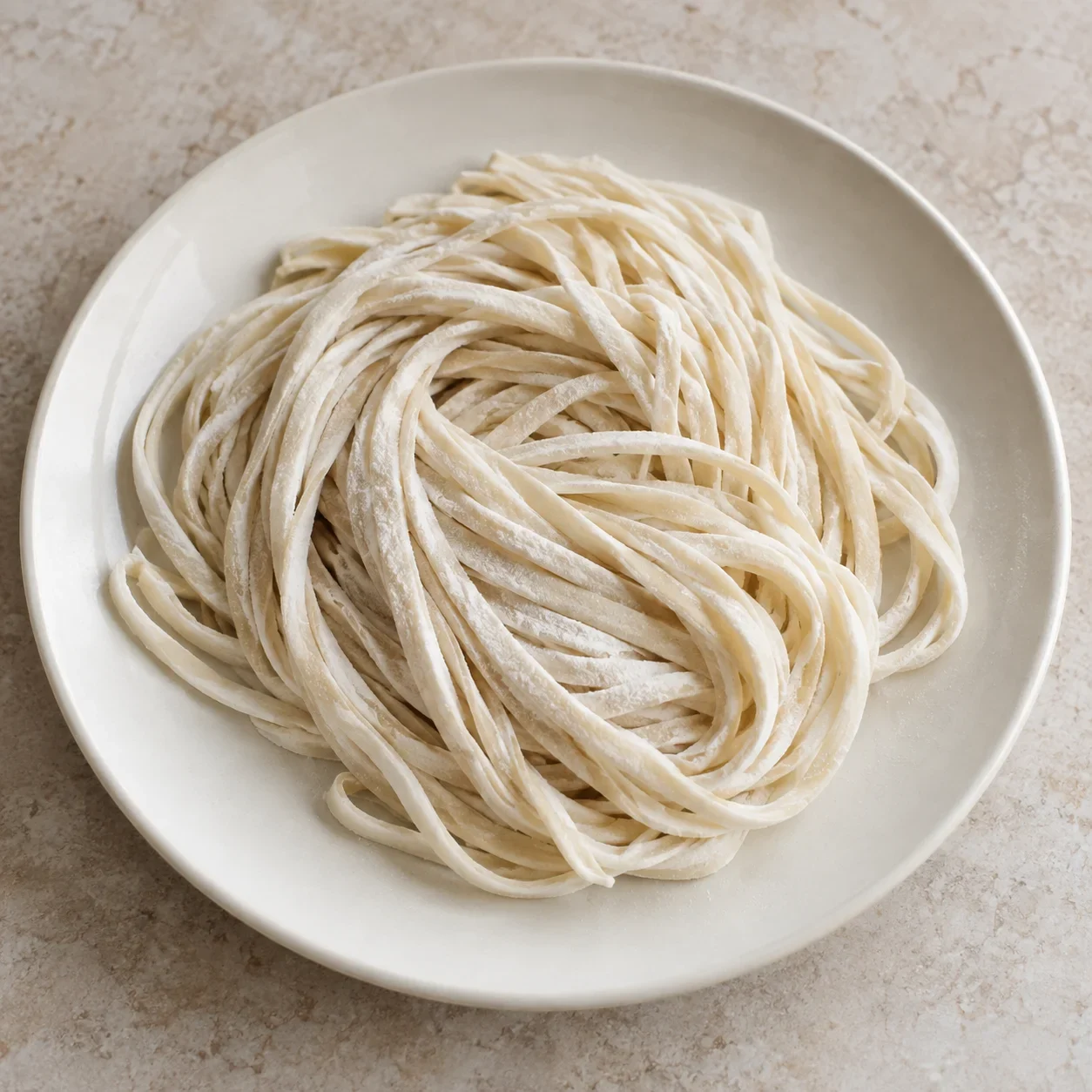
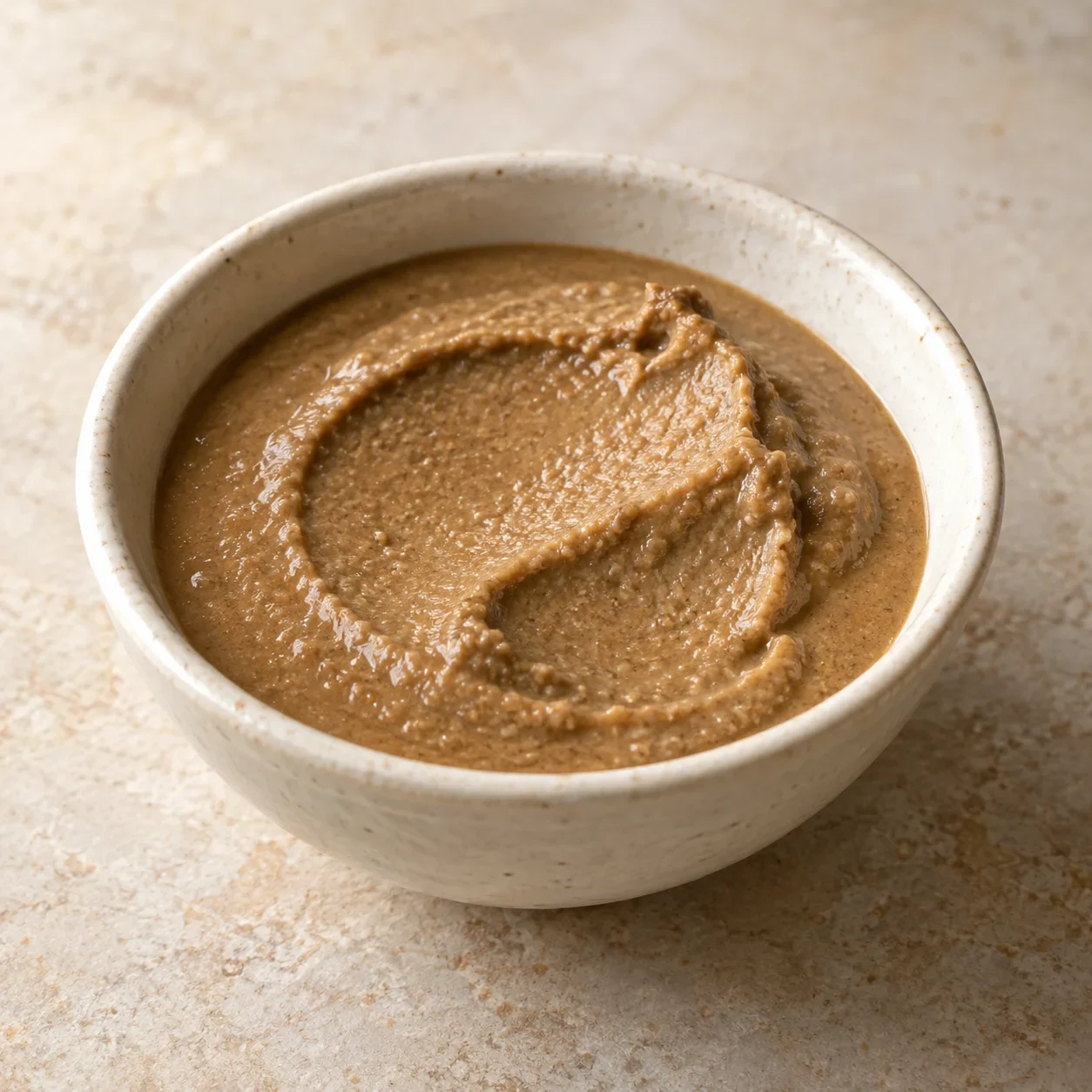
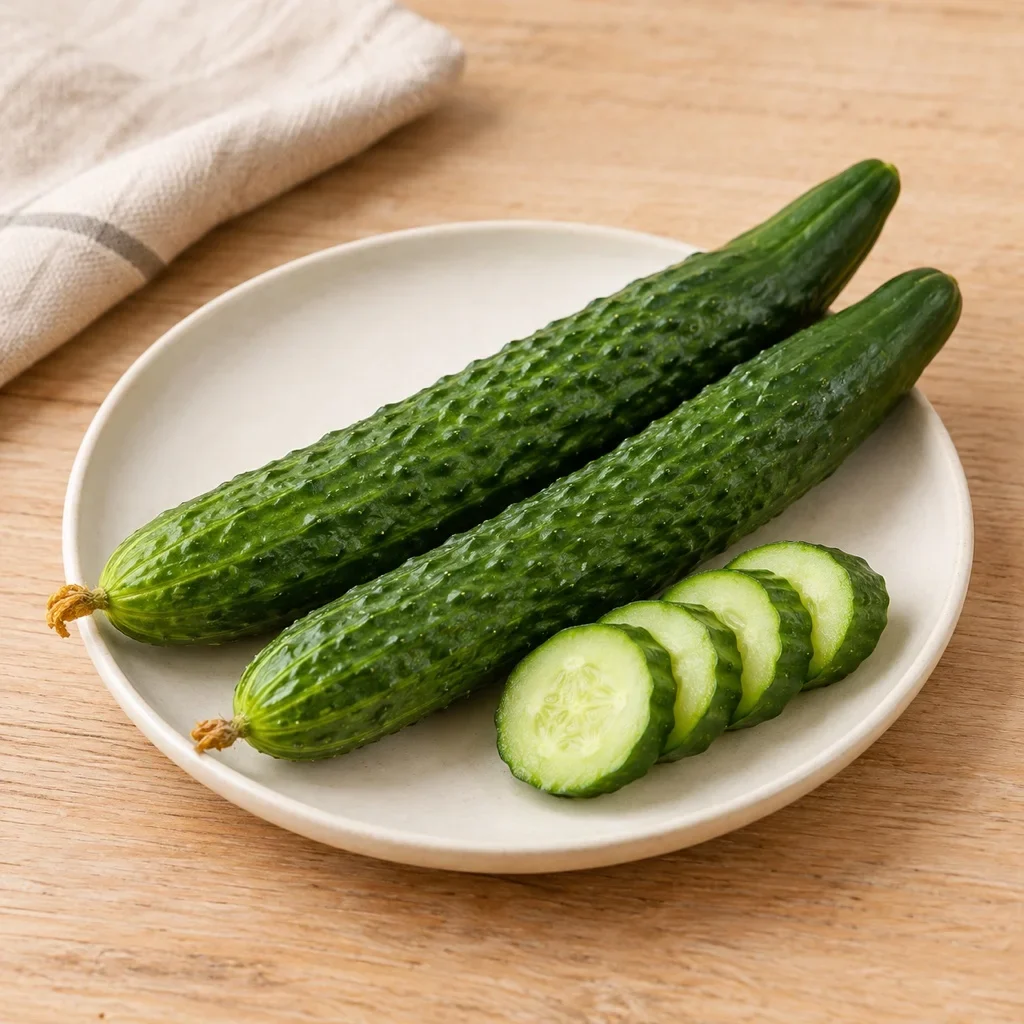

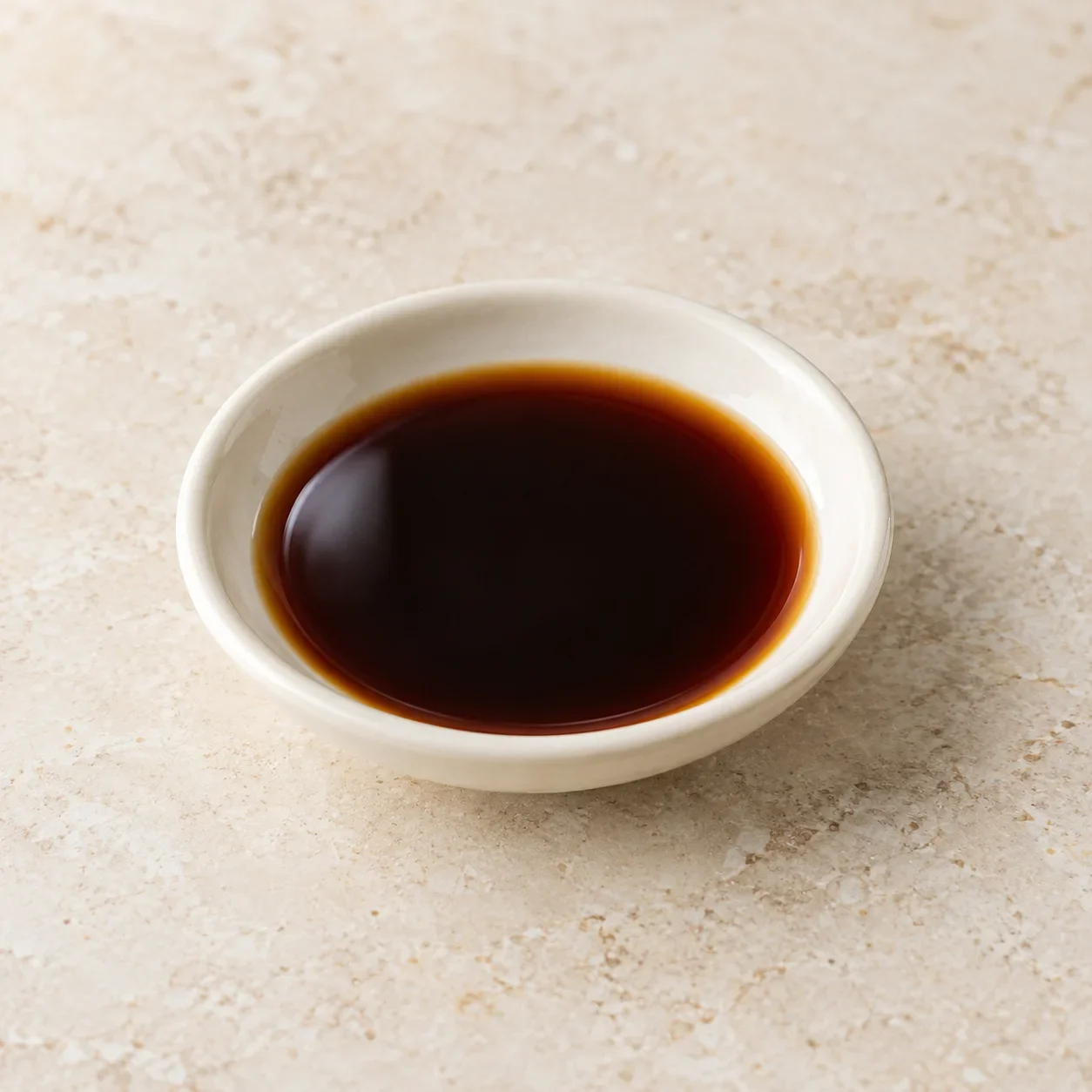
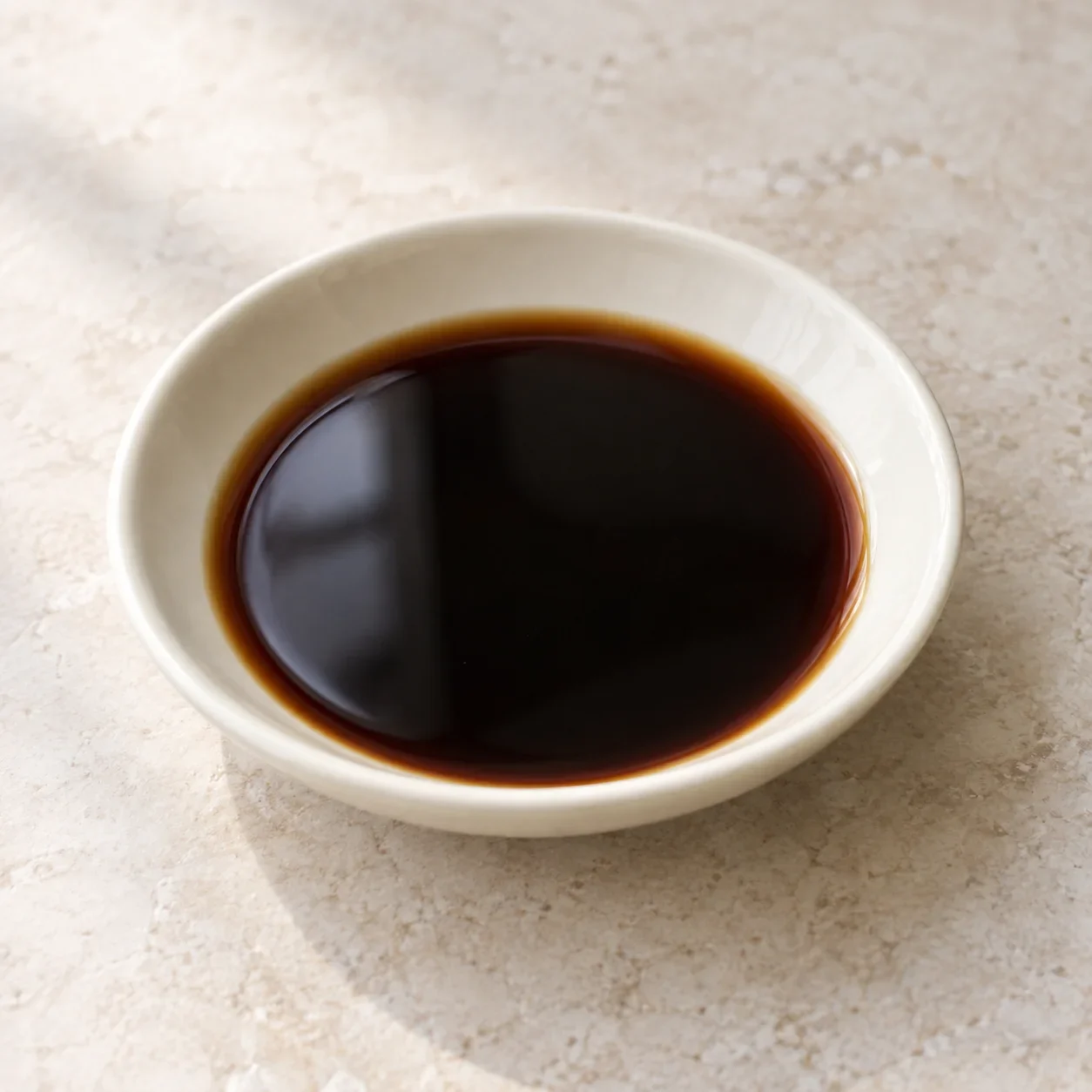
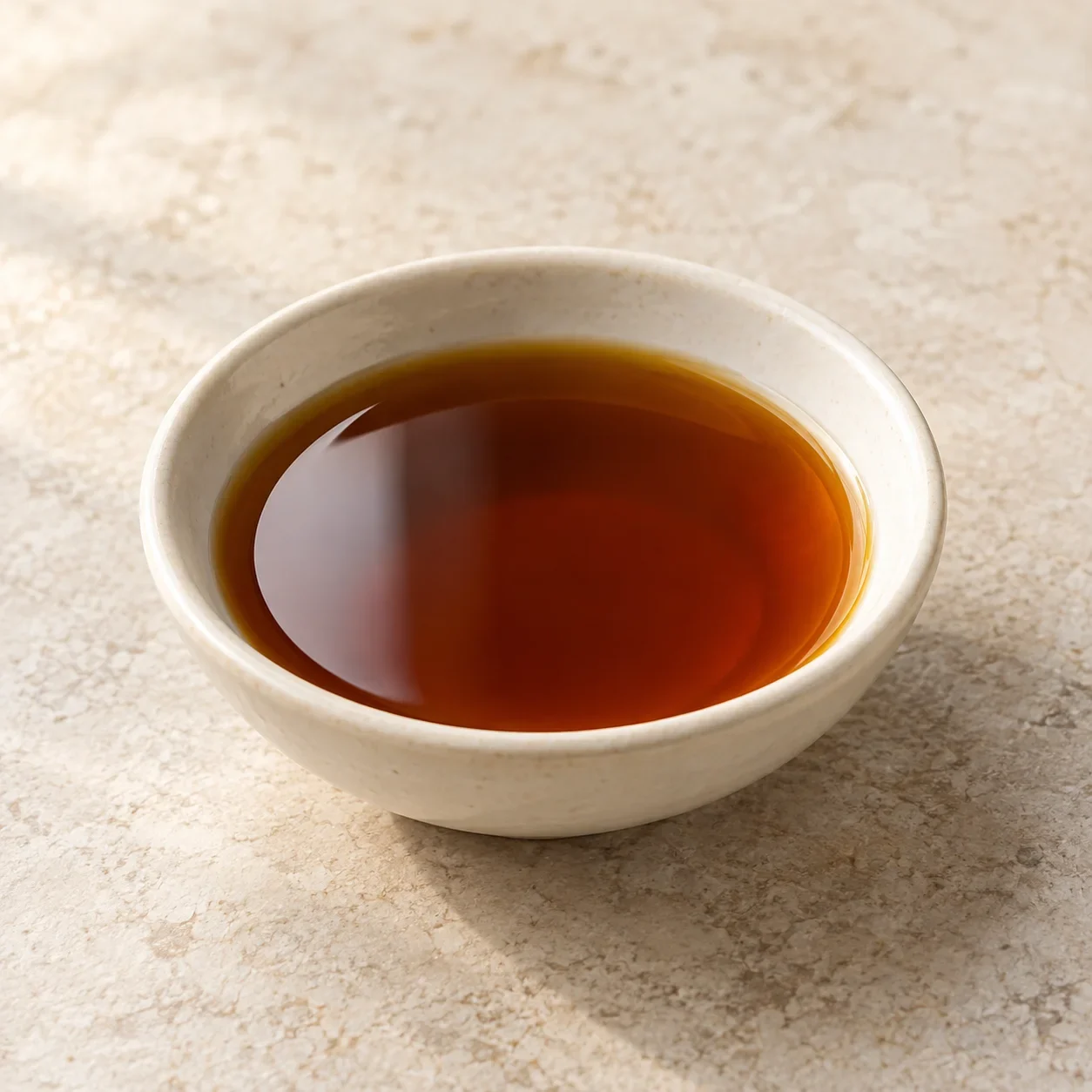
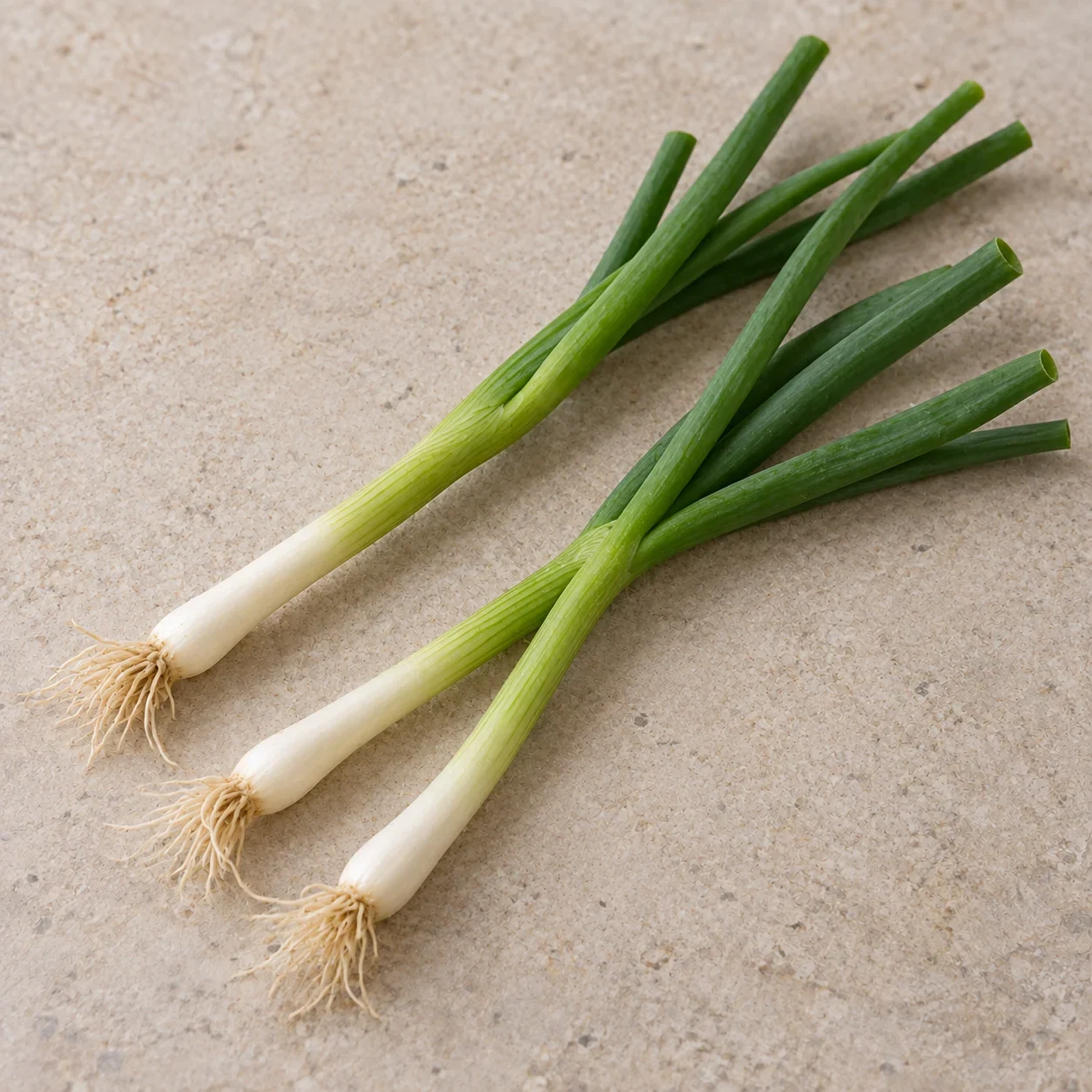
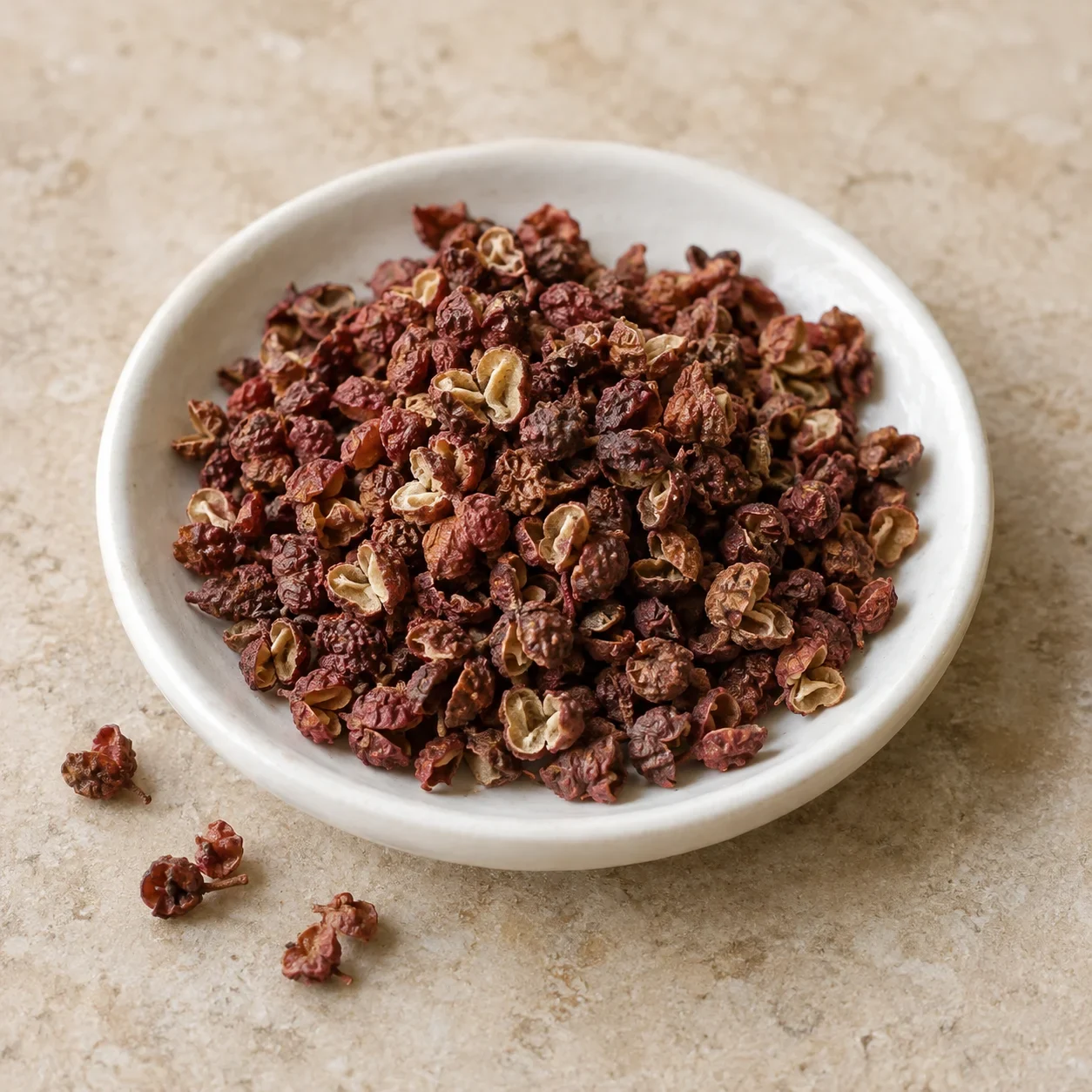
In some versions
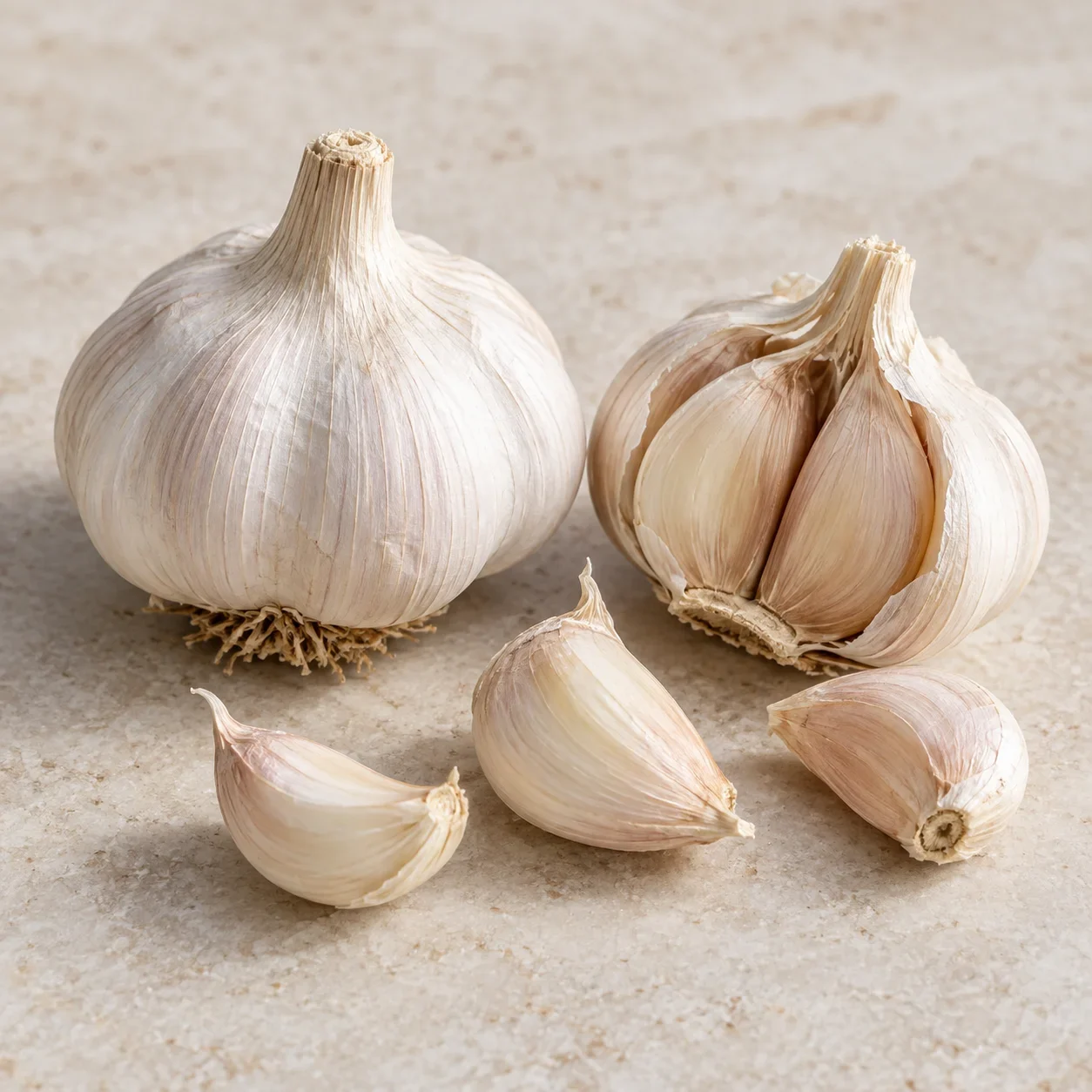
Recipes vary by restaurant.
How does it taste?
Rich toasted sesame, savory soy and vinegar, with fragrant Sichuan pepper.
- Chili heat
- Texture
- Springy noodles, thick creamy dressing and crisp cucumber.
- How it’s made
- Cooked noodles are cooled and mixed with thinned sesame paste, salt, cucumber and soy-vinegar dressing with scallion and pepper-infused sesame oil.
Some versions use a sesame-peanut blend or added chili. Whole garlic cloves may be eaten alongside.
A CONNECTION TO PLACE
Origin & regional roots
Associated with Beijing.
About this regional connection
Beijing: Beijing Tourism names sesame-paste noodles in Beijing summer-food context and separately describes a Beijing restaurant's 麻酱凉面; this supports association, not exclusive origin or current availability.
Ask if they have it first
请问你们有麻酱面吗?
Do you have this item?
A LITTLE SOMETHING TO READ
Story & history
Sesame paste for a summer bowl
This account describes a tradition or story, rather than an established historical fact.
In Beijing, sesame paste is a familiar dressing for cooled noodles. Loosened into a smooth sauce, it coats the strands rather than forming a soup; cucumber gives a crisp contrast.