
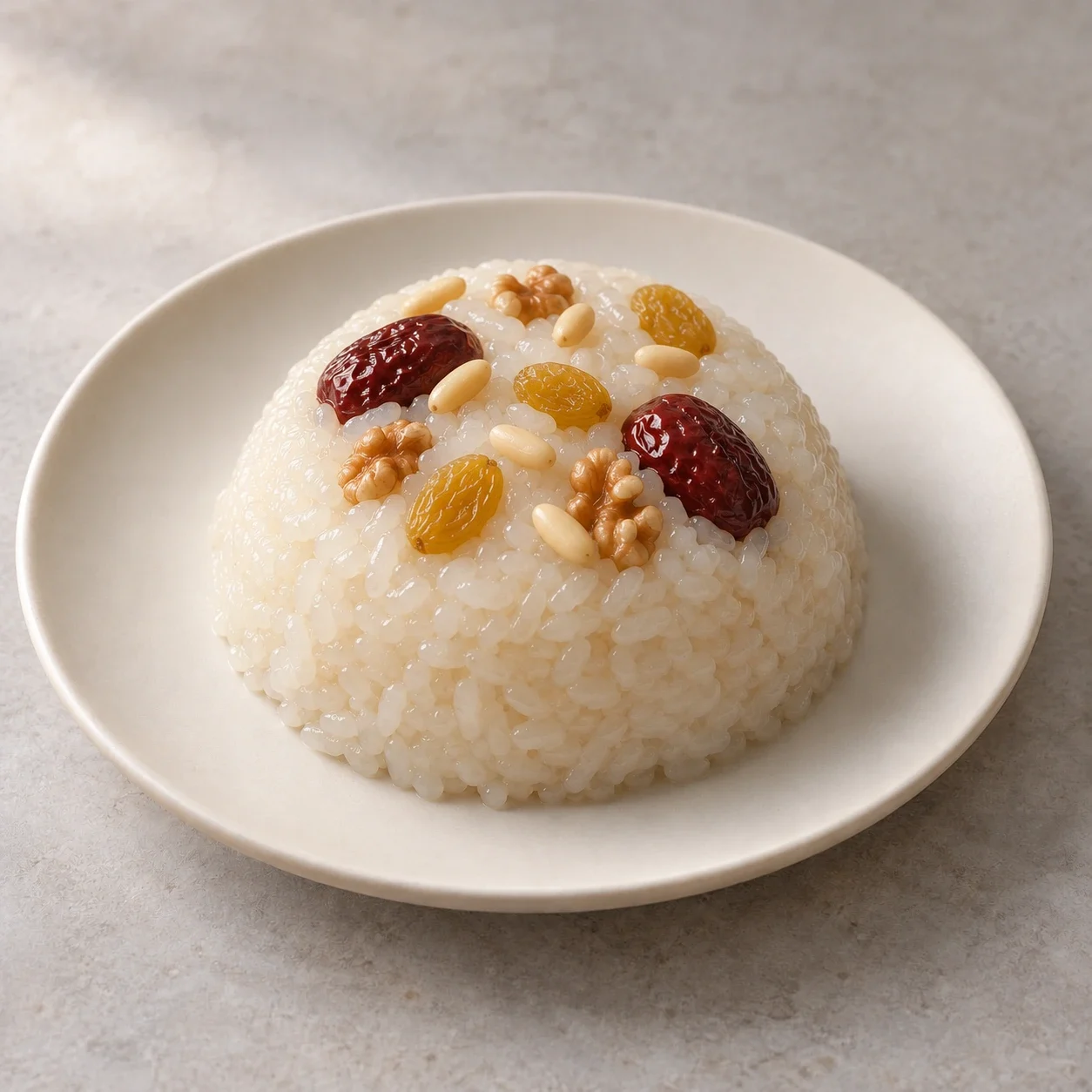
At the table
Take small spoonfuls from the rice and bean-paste centre, including some toppings, and let hot rice cool before eating. A molded bowl is easy to share.
This lard-based version contains pork fat, walnuts and pine nuts. Sticky rice and firm fruit or nut pieces need careful chewing; remove date stones if present. Ask about the filling and toppings for dietary restrictions.
The pictured white-rice version uses lard. Dark rice, different toppings or plant oil belong to other preparations; the name alone does not establish dietary suitability.
GET TO KNOW THE DISH
What goes into it?
Explore some key ingredients below. Preparations may use additional seasonings and ingredients.
White and dark glutinous-rice versions are separate choices. Fruit and nut combinations vary. Some makers use plant oil instead of lard; check the actual serving rather than assuming it is vegetarian.
Typical ingredients
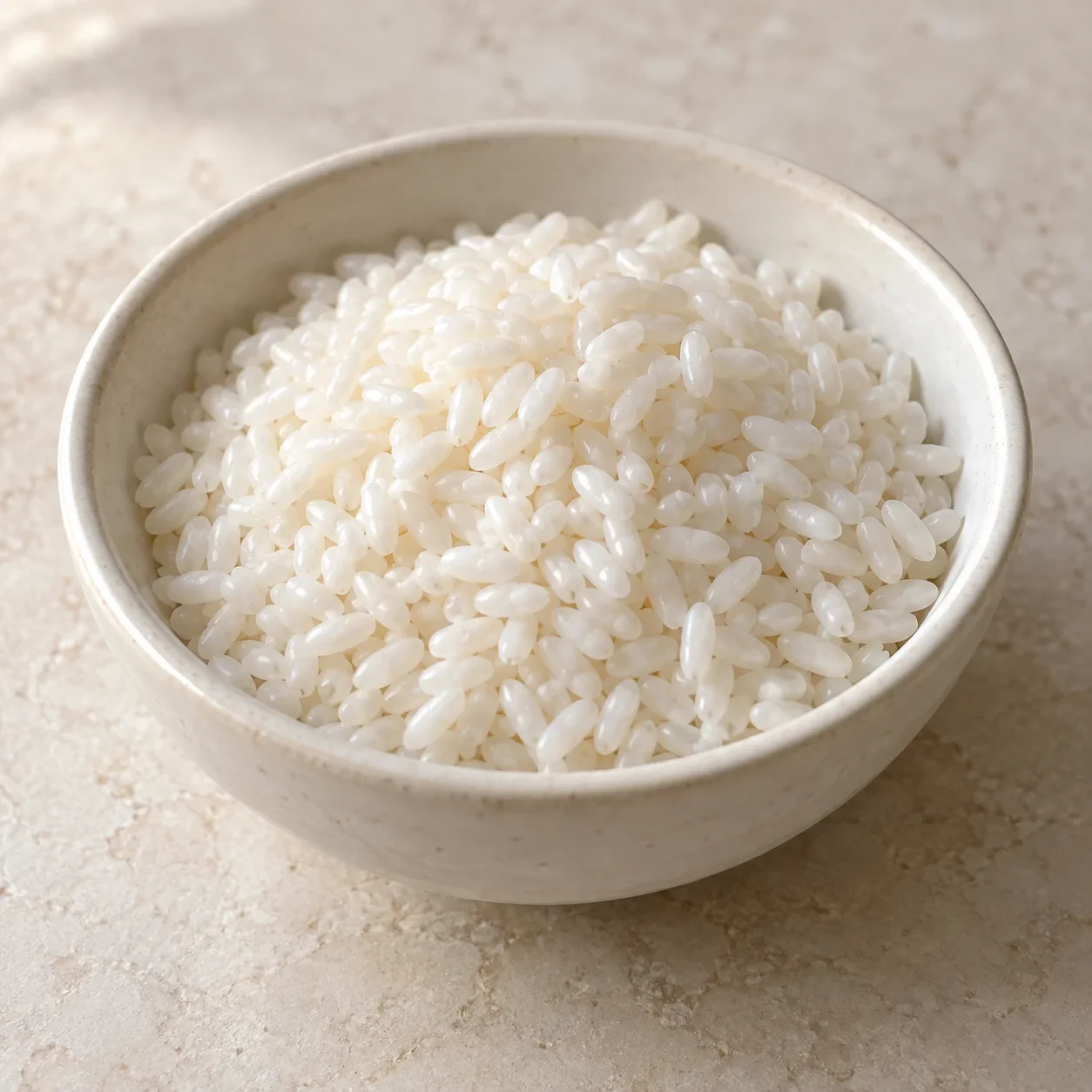
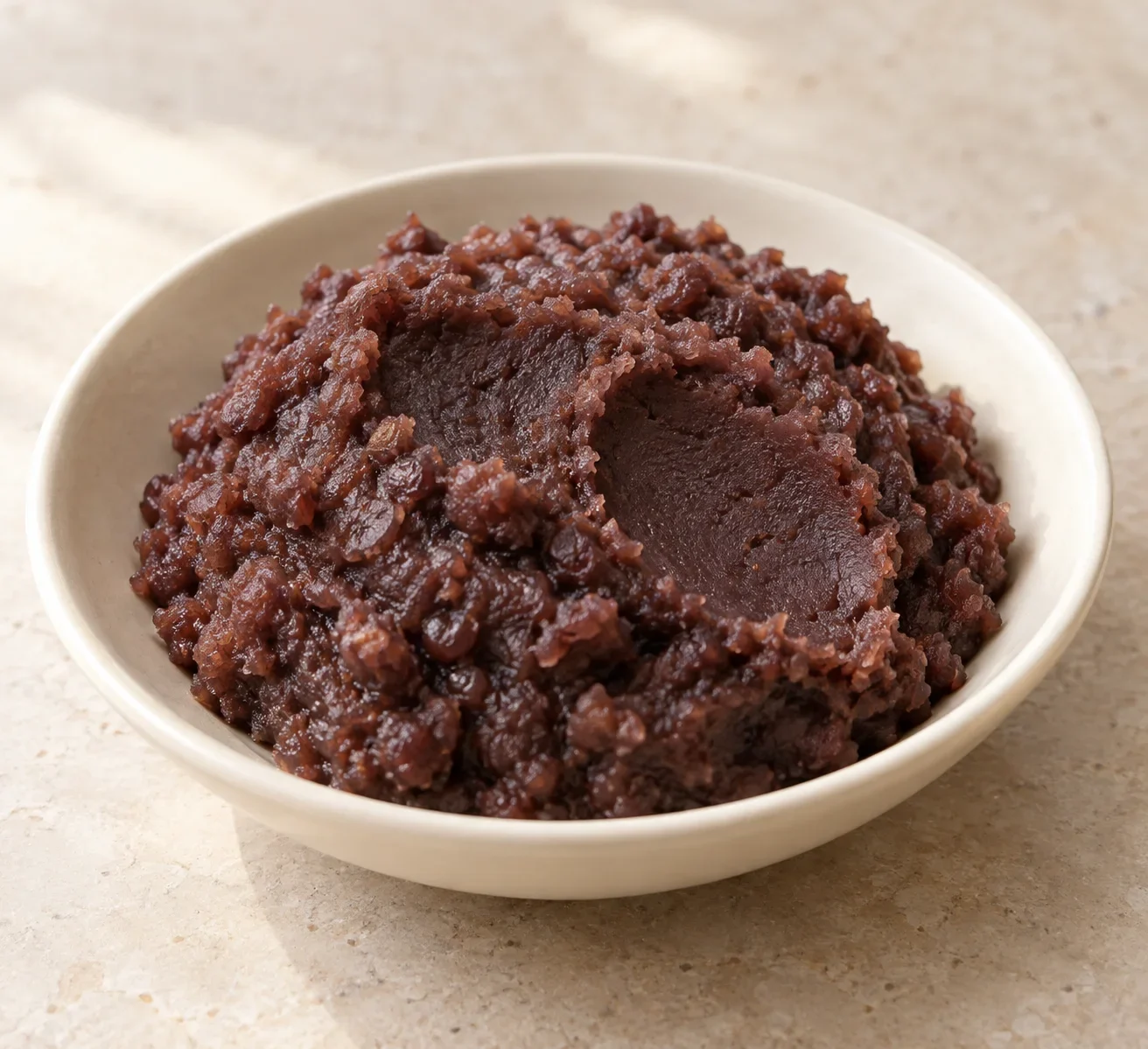
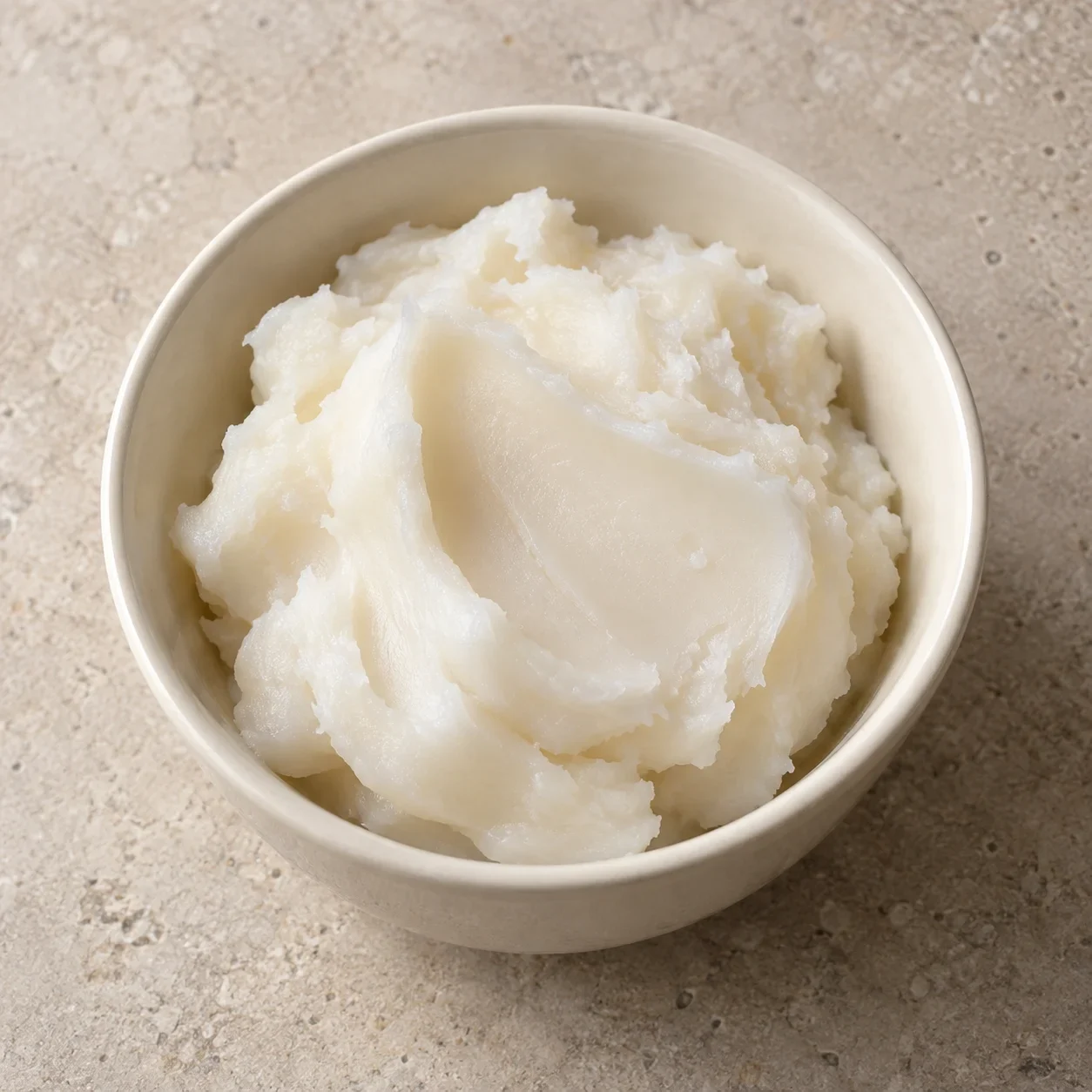

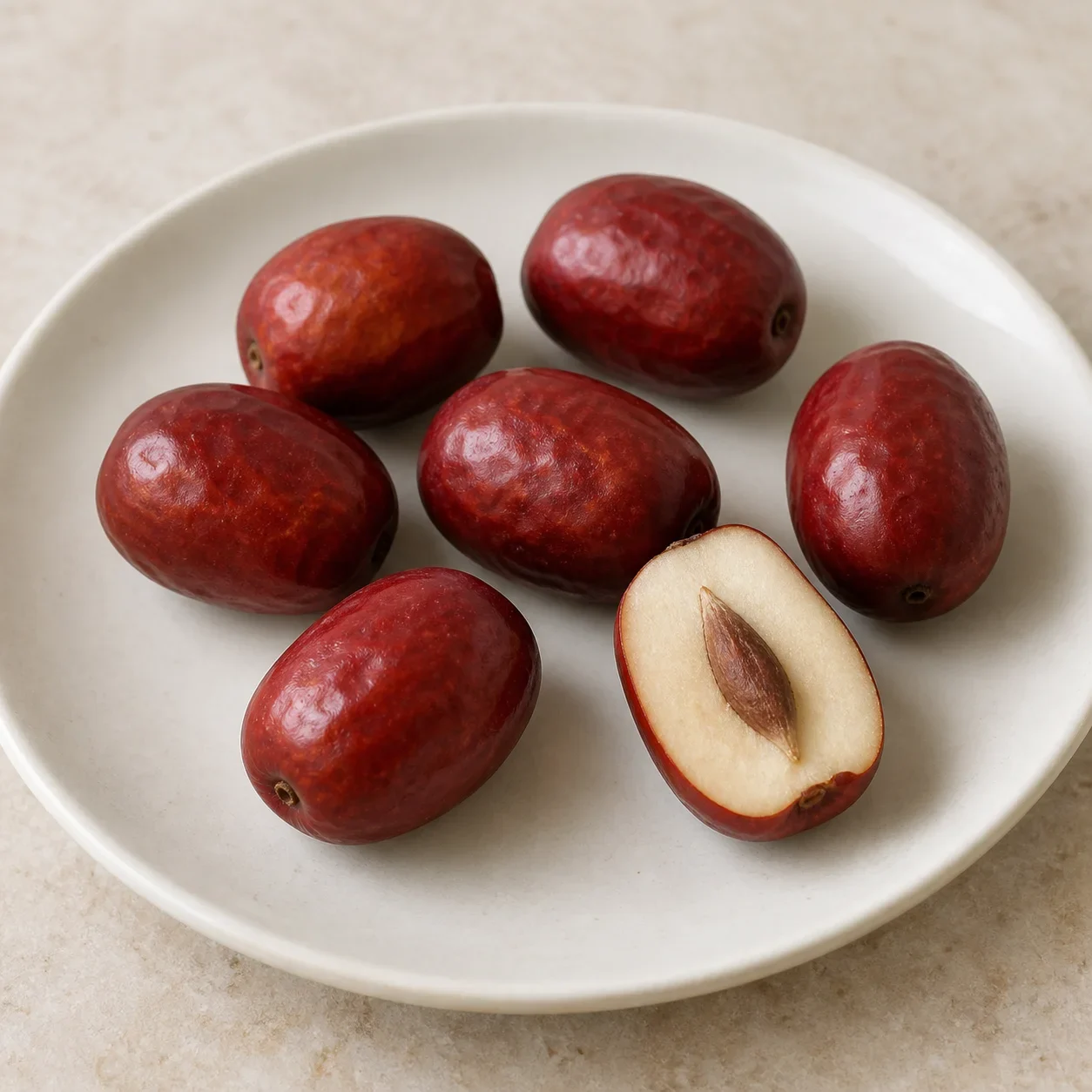
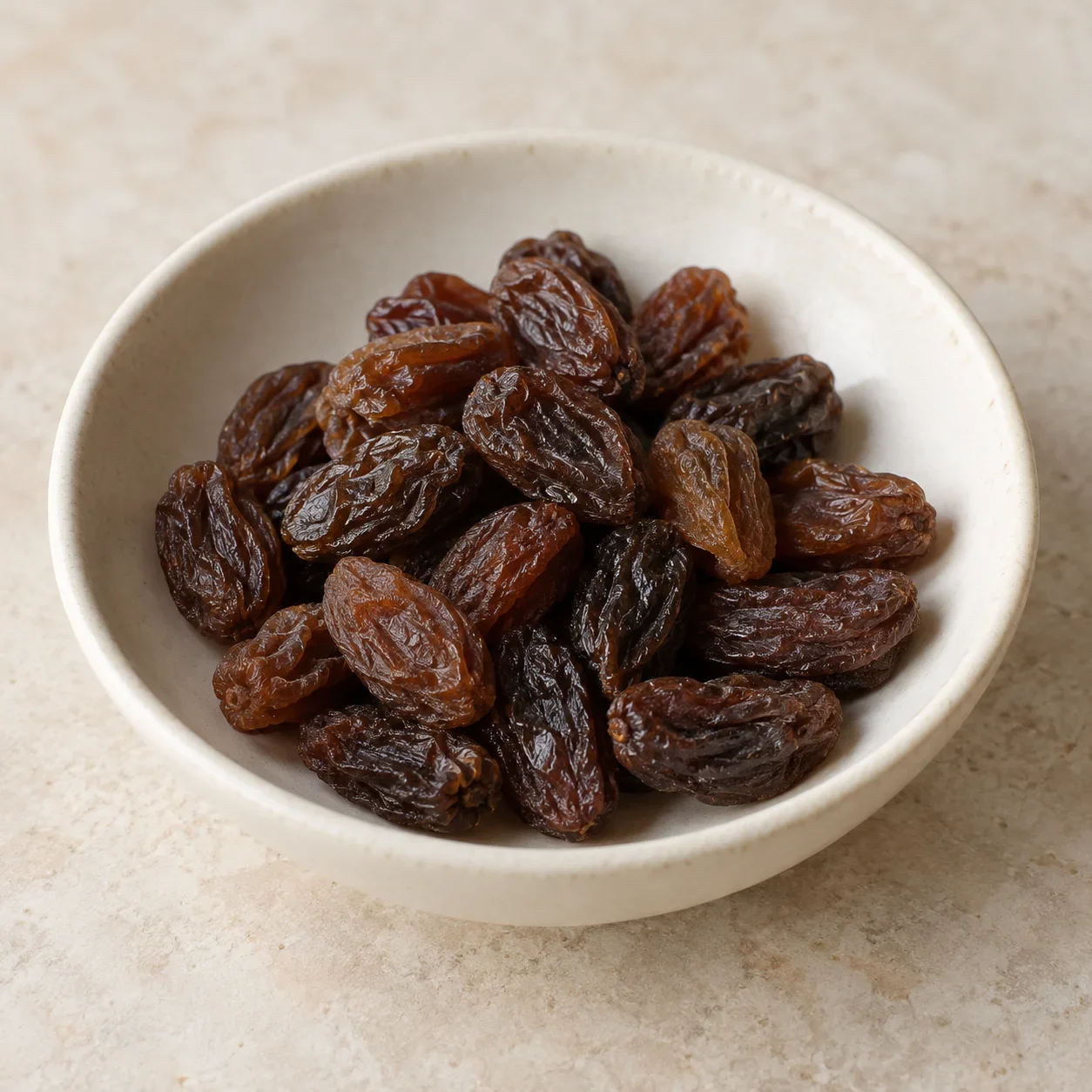
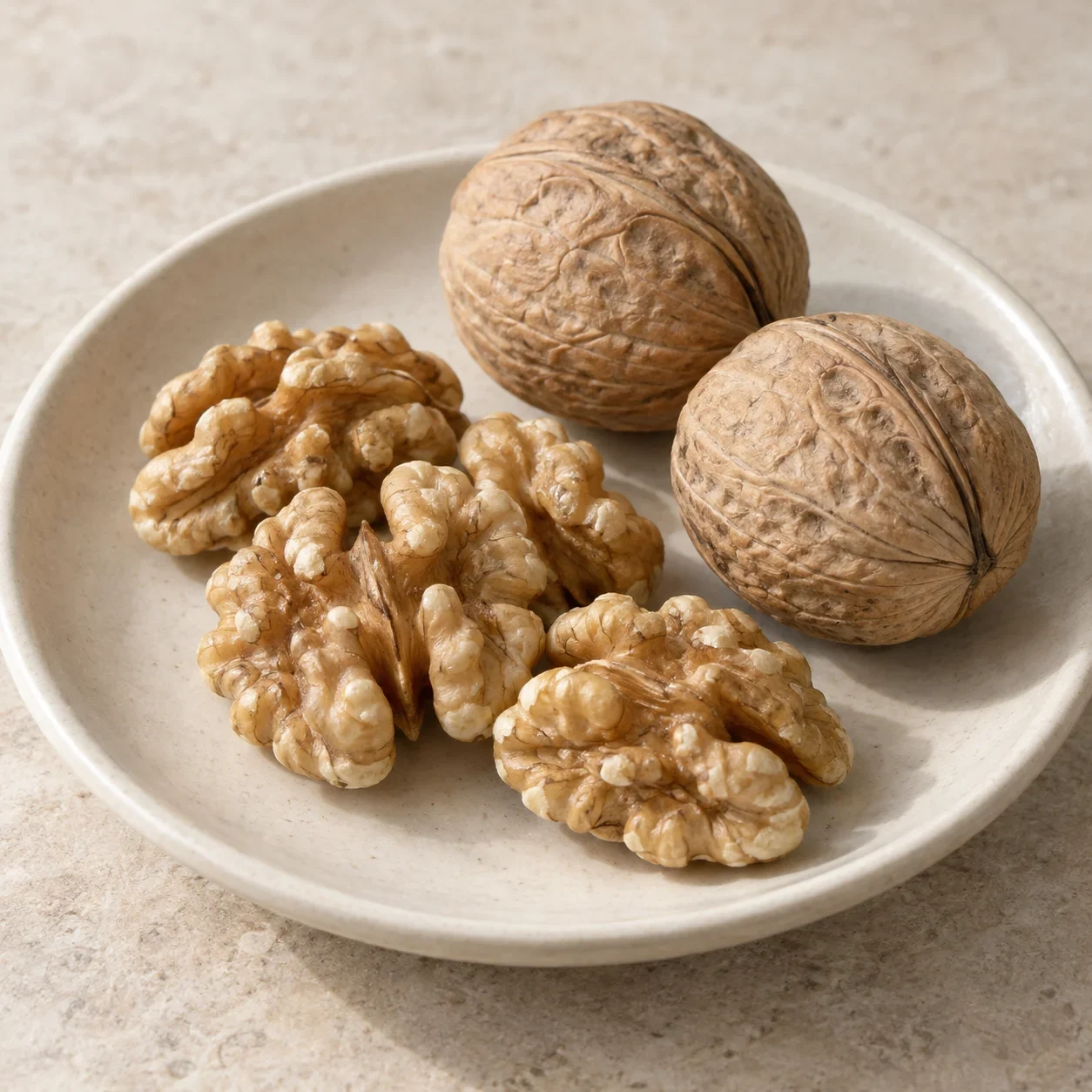
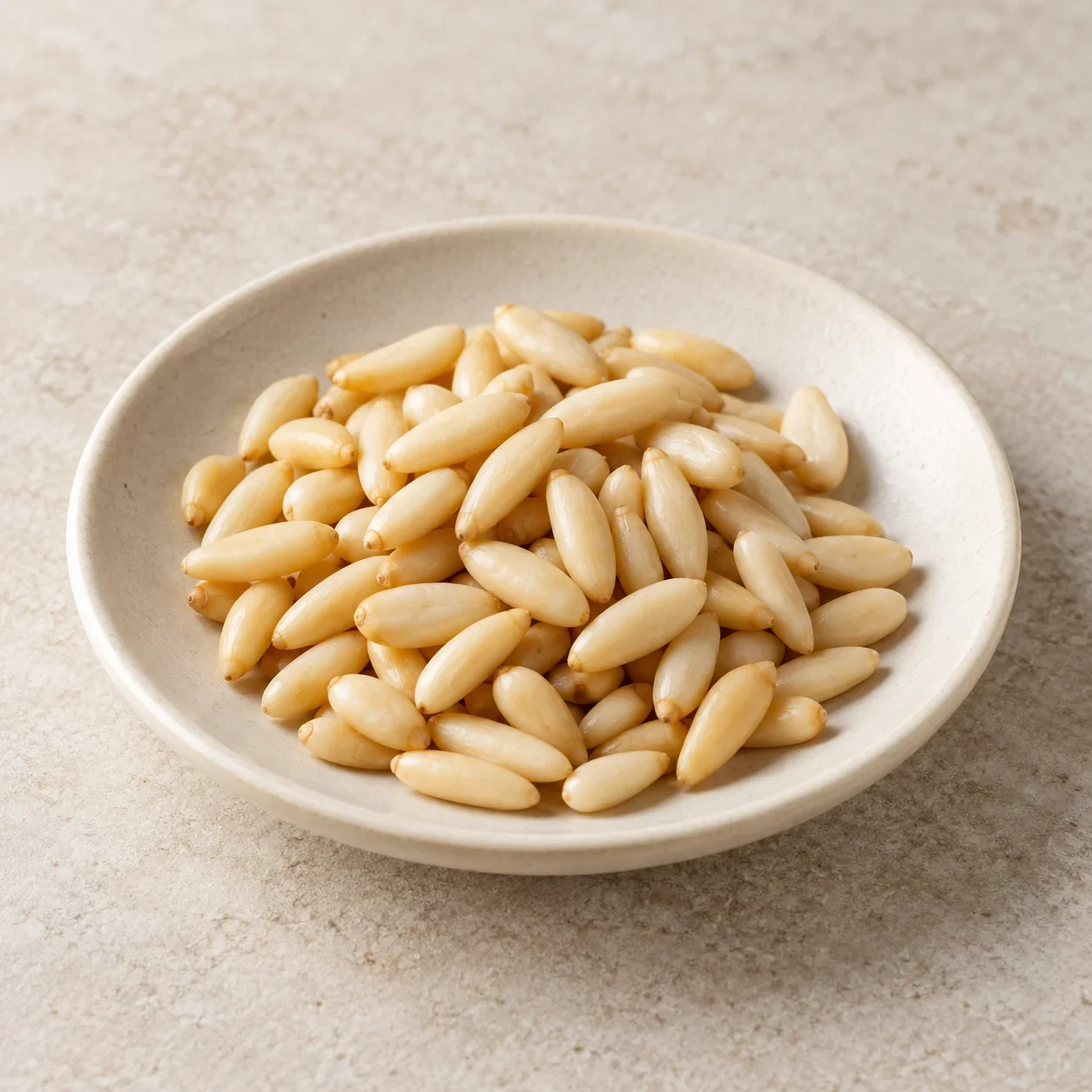
Recipes vary by restaurant.
How does it taste?
Sweet rice and red-bean paste, with fruity notes from dates and raisins and nuttiness from walnuts and pine nuts. Lard adds richness; sweetness varies by maker.
- Chili heat
- Texture
- The rice is soft, sticky and chewy, with a denser bean-paste center and contrasting dried-fruit or nut toppings in some versions. Molding and steaming help it hold its bowl-shaped form.
- How it’s made
- White glutinous rice is steamed, mixed with lard and sugar, layered around bean paste and shaped in a bowl with fruit and nuts. It may be steamed again to reheat before serving.
White and dark glutinous-rice versions are separate choices. Fruit and nut combinations vary. Some makers use plant oil instead of lard; check the actual serving rather than assuming it is vegetarian.
A CONNECTION TO PLACE
Origin & regional roots
Associated with Shanghai.
Ask if they have it first
请问你们有八宝饭吗?
Do you have this item?
A LITTLE SOMETHING TO READ
Story & history
A sweet finish to the reunion meal
This account describes a tradition or story, rather than an established historical fact.
In Shanghai, babaofan is a familiar sweet ending to a Lunar New Year's Eve family meal. Its round shape and sweet filling evoke reunion and good wishes. Recipes vary between households and pastry shops, rather than following a single fixed set of eight toppings.