
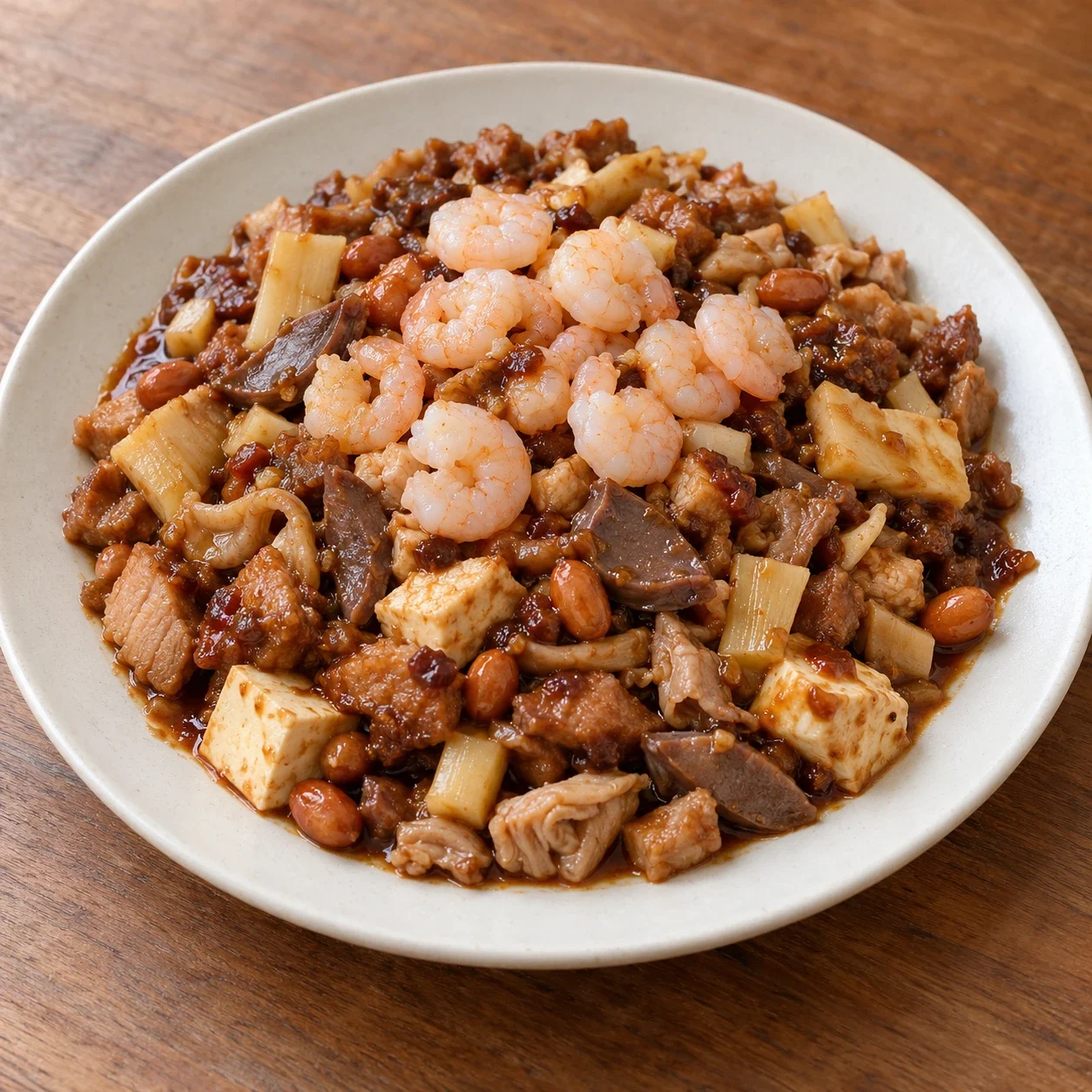
At the table
Use chopsticks or a serving spoon to take some of the mixed ingredients onto your rice. If ordering it as a noodle topping, confirm whether noodles are included.
Contains pork, chicken, duck gizzard, pork stomach, shrimp, peanuts and soy; not vegetarian or vegan. Bean and wheat sauces can add wheat. Ask about the actual recipe if you have allergies.
This representative version includes meat, offal, shrimp, winter bamboo shoots, plain pressed tofu and peanuts. Other versions change the ingredients and bean or chili sauces; the number eight does not ensure a fixed recipe. Sweet wheat sauce may be added.
GET TO KNOW THE DISH
What goes into it?
Explore some key ingredients below. Preparations may use additional seasonings and ingredients.
One traditional combination uses pork, chicken, duck gizzard, pig stomach, shrimp, winter bamboo shoots, pressed tofu and peanuts. The selection and sauce vary; sweet wheat sauce may be added.
Typical ingredients
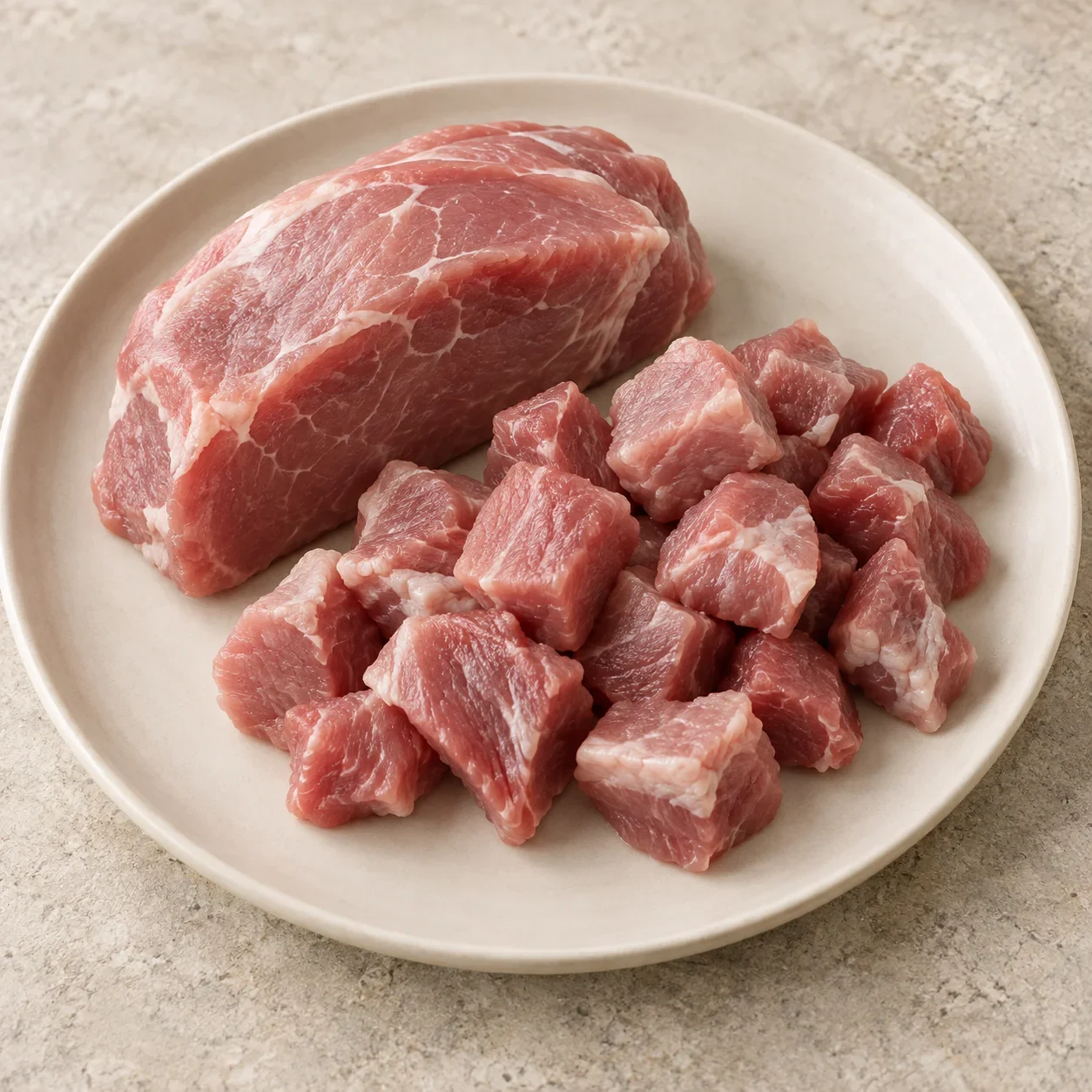
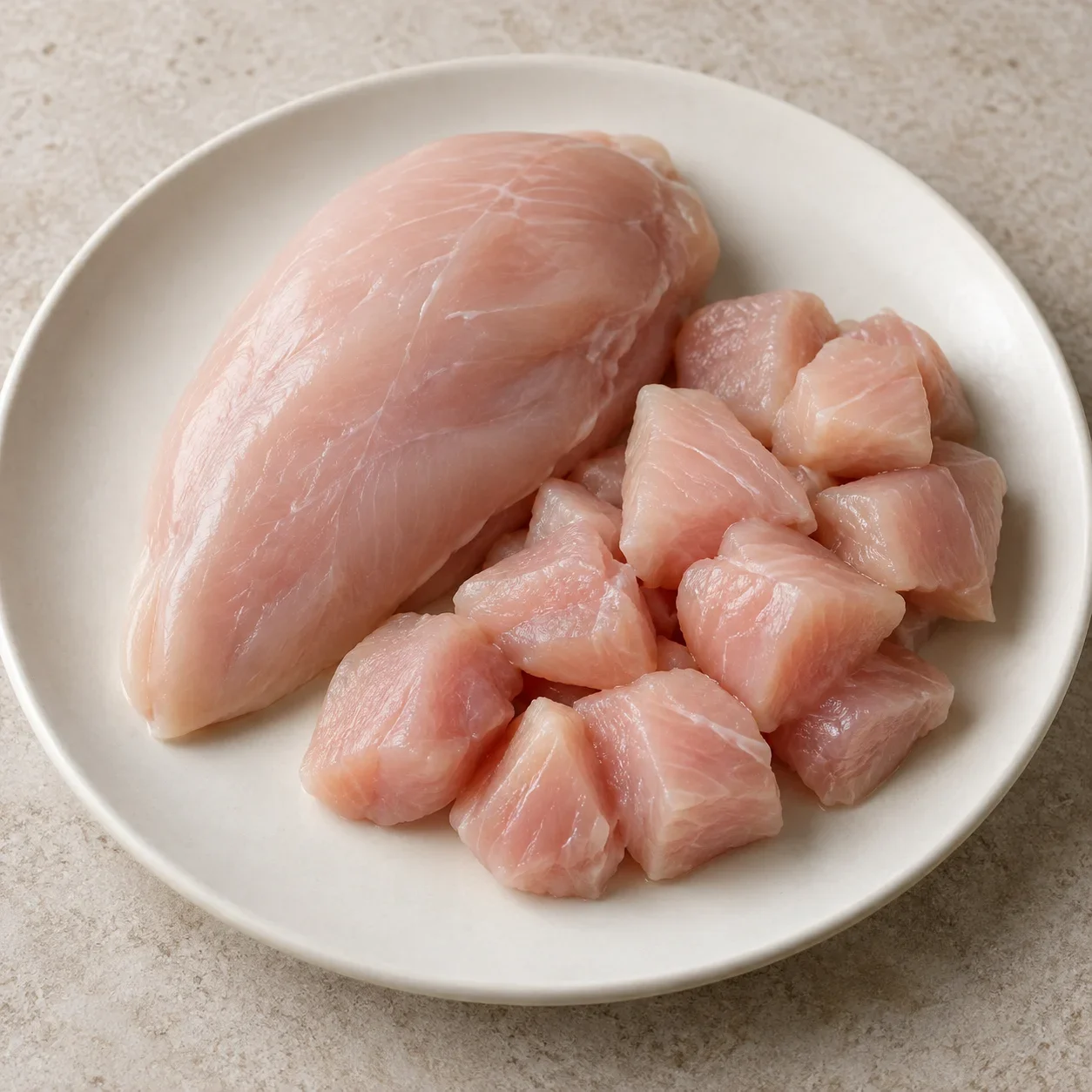
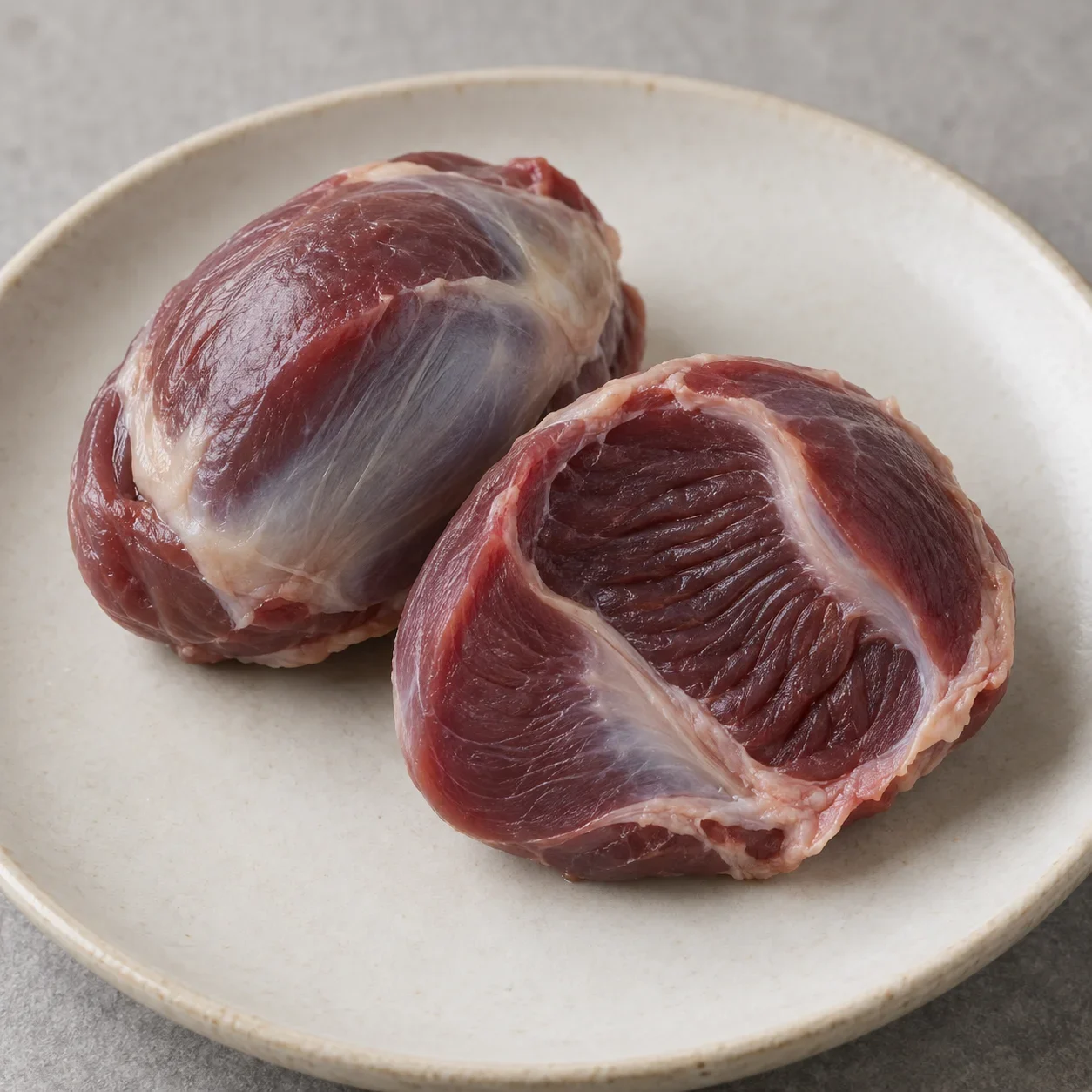
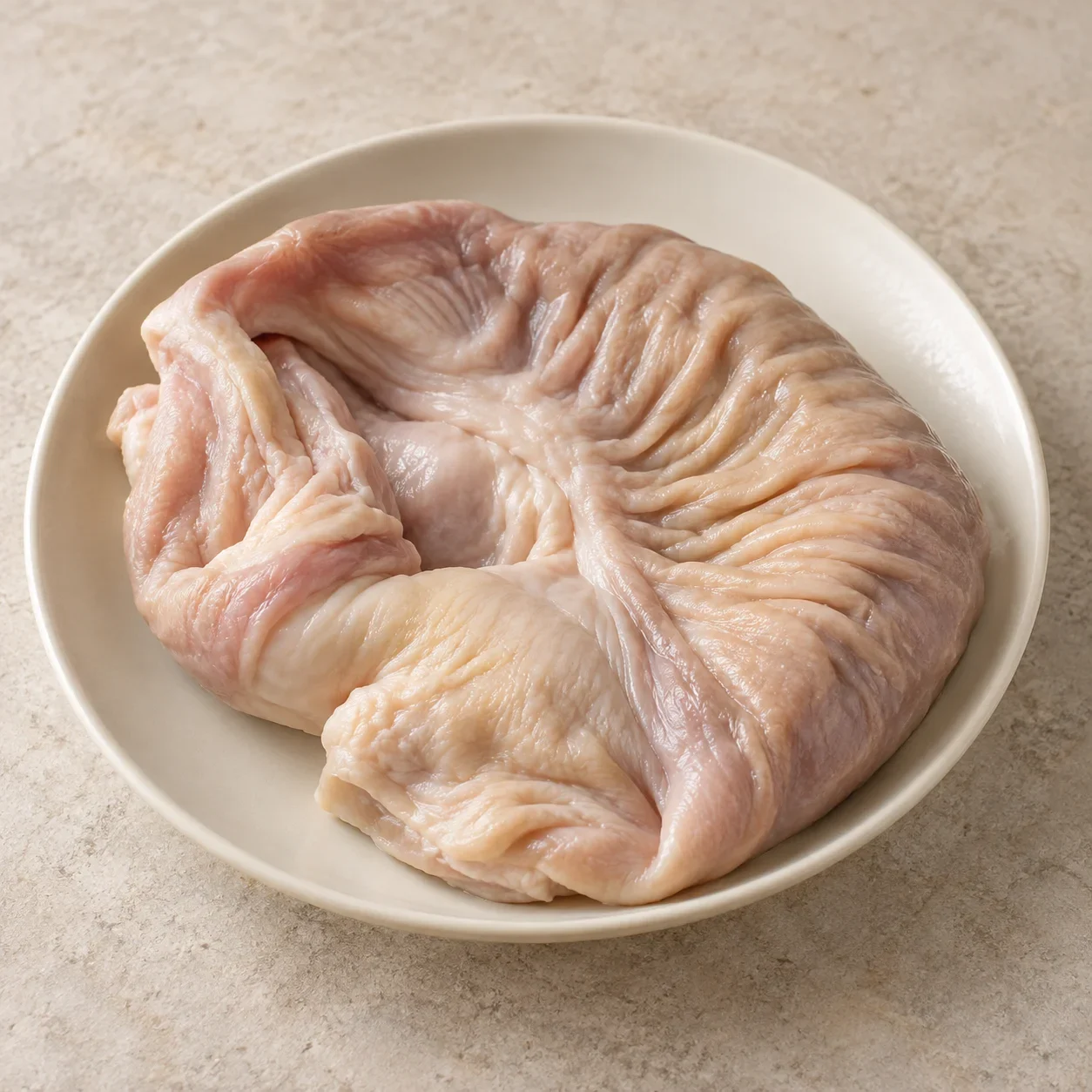
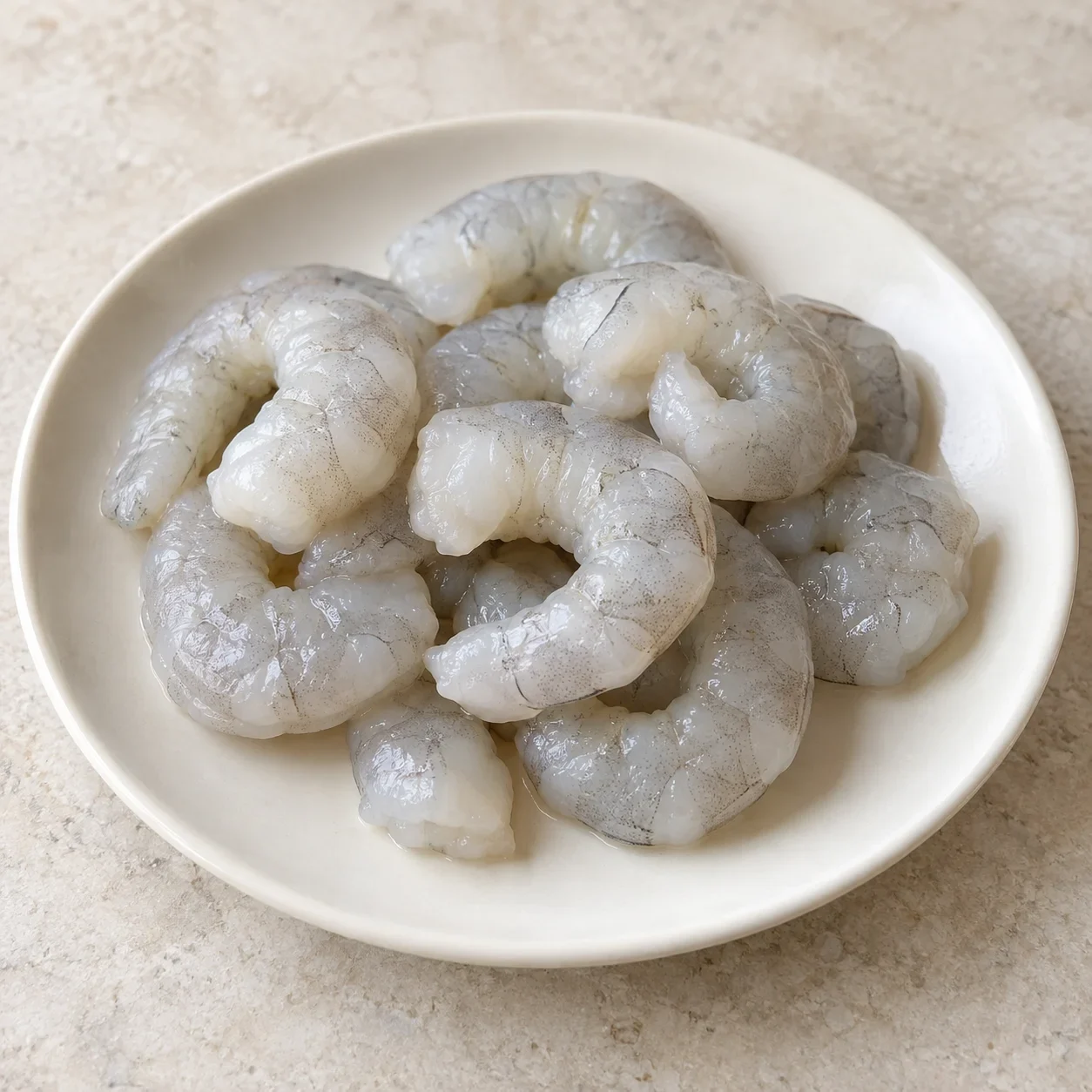
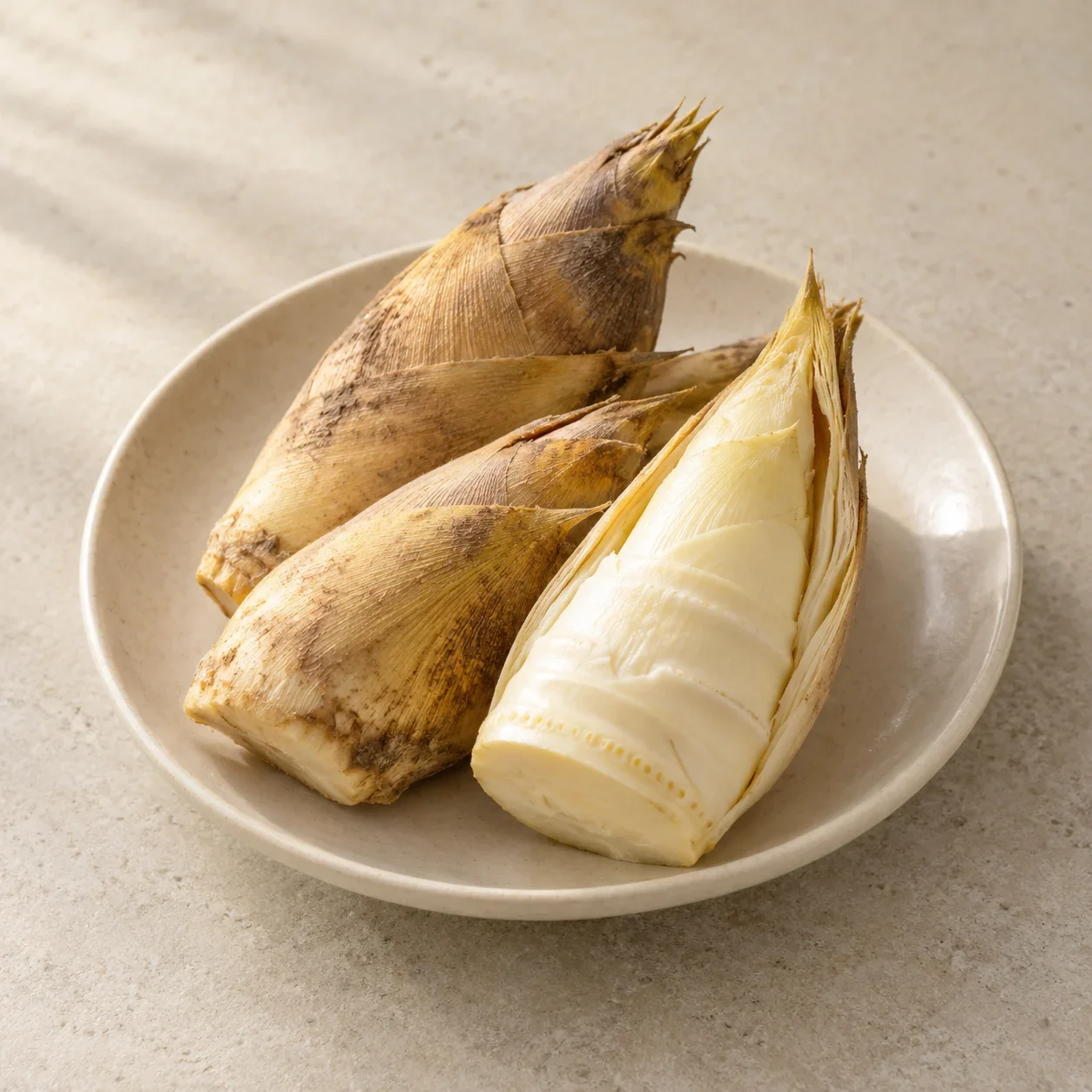
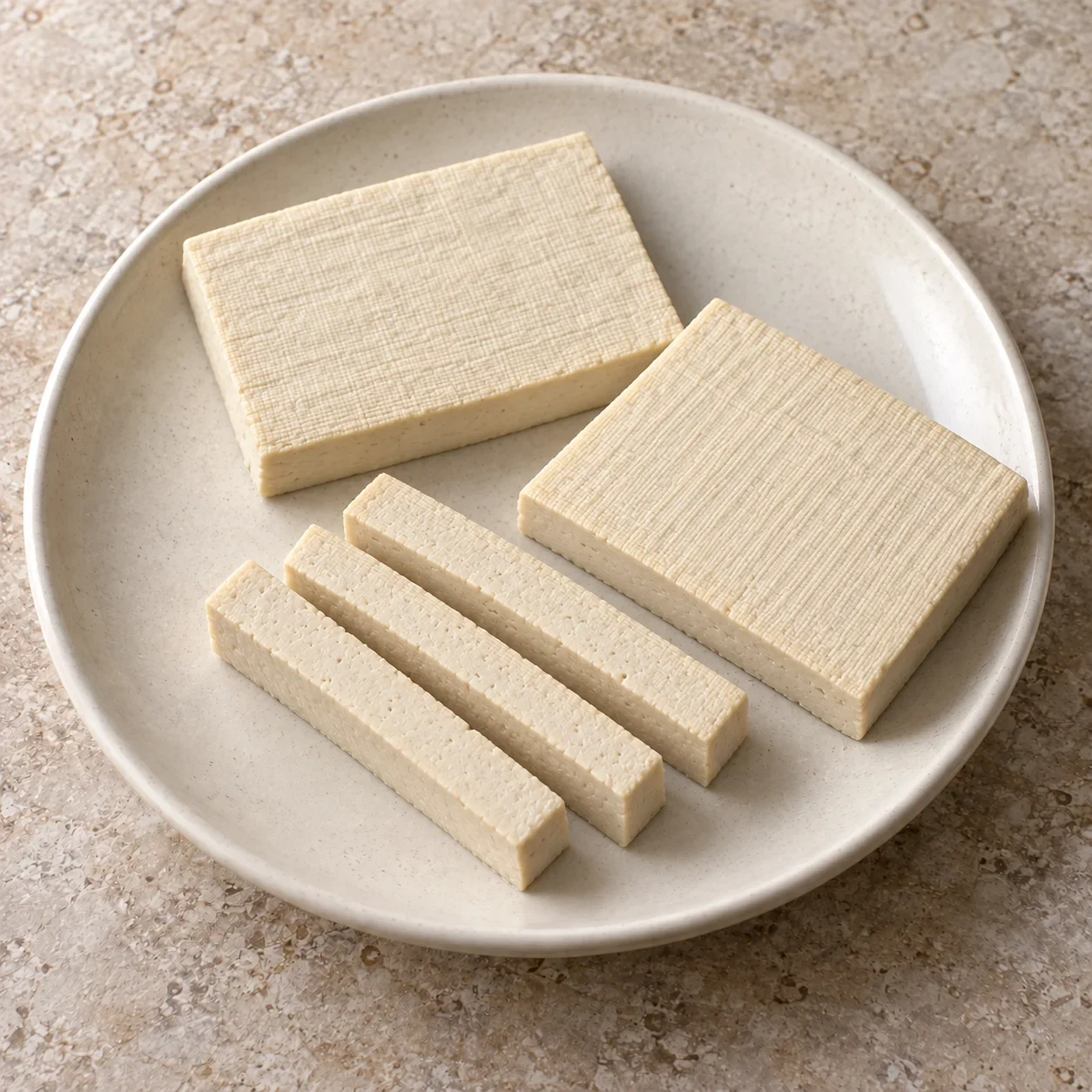
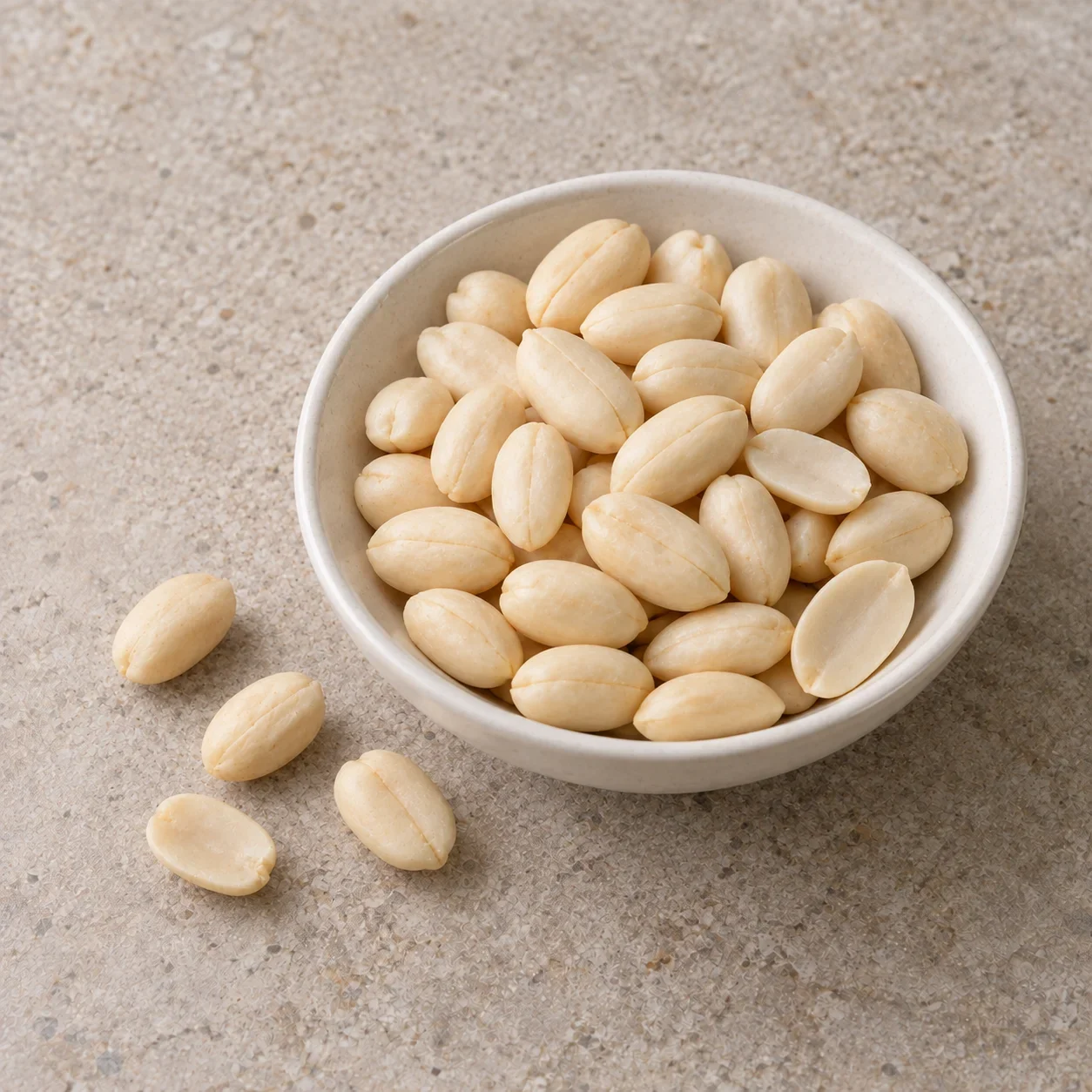
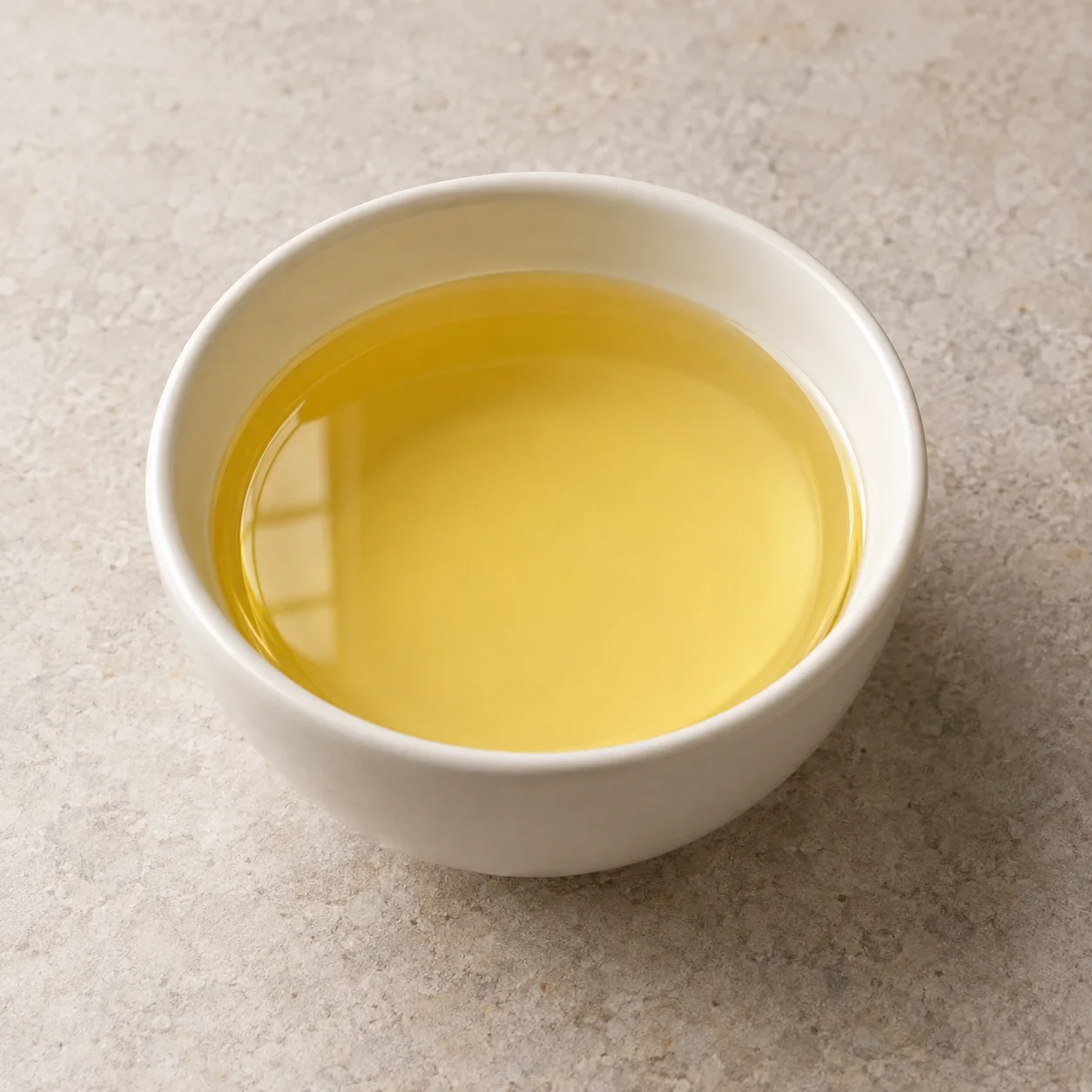
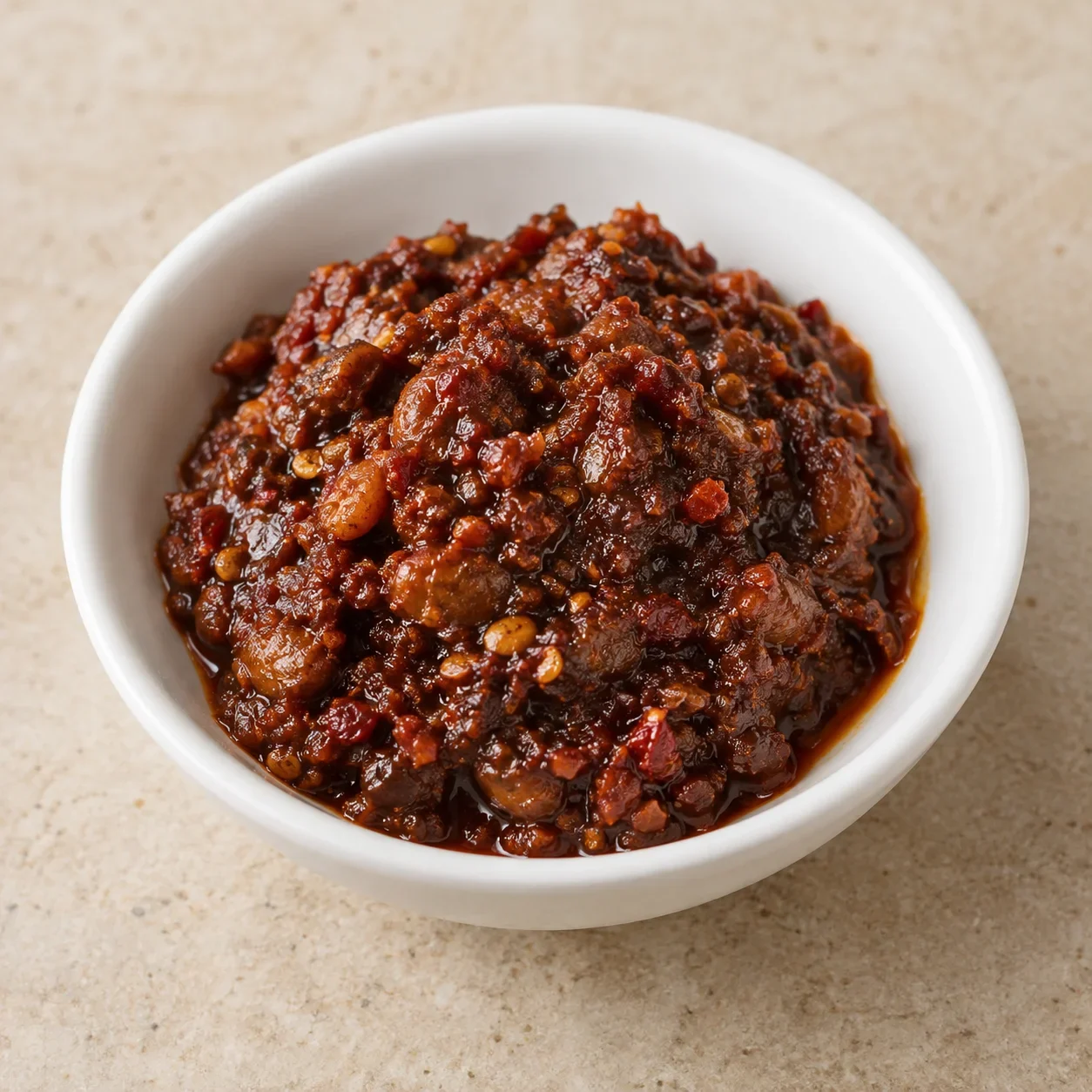
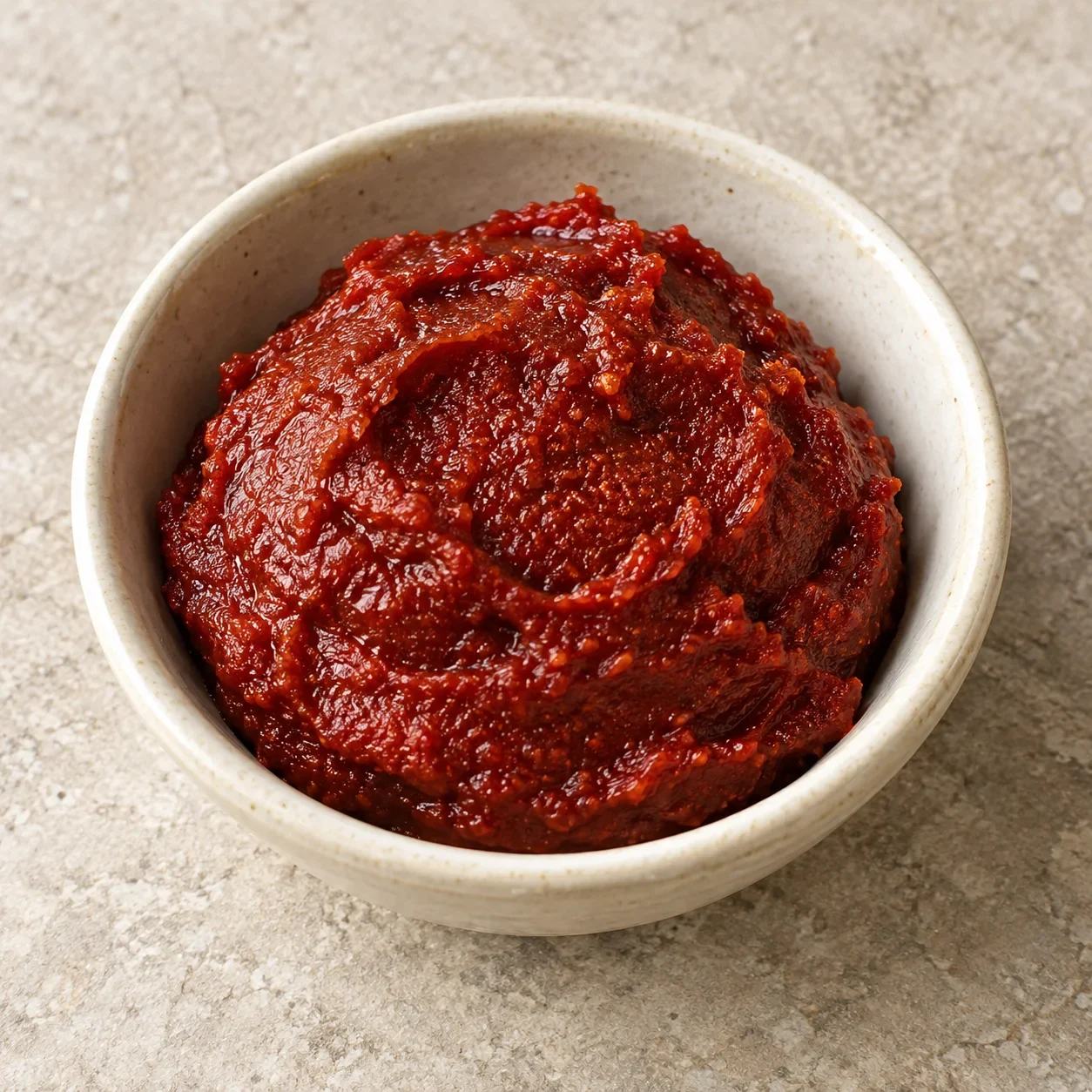


In some versions
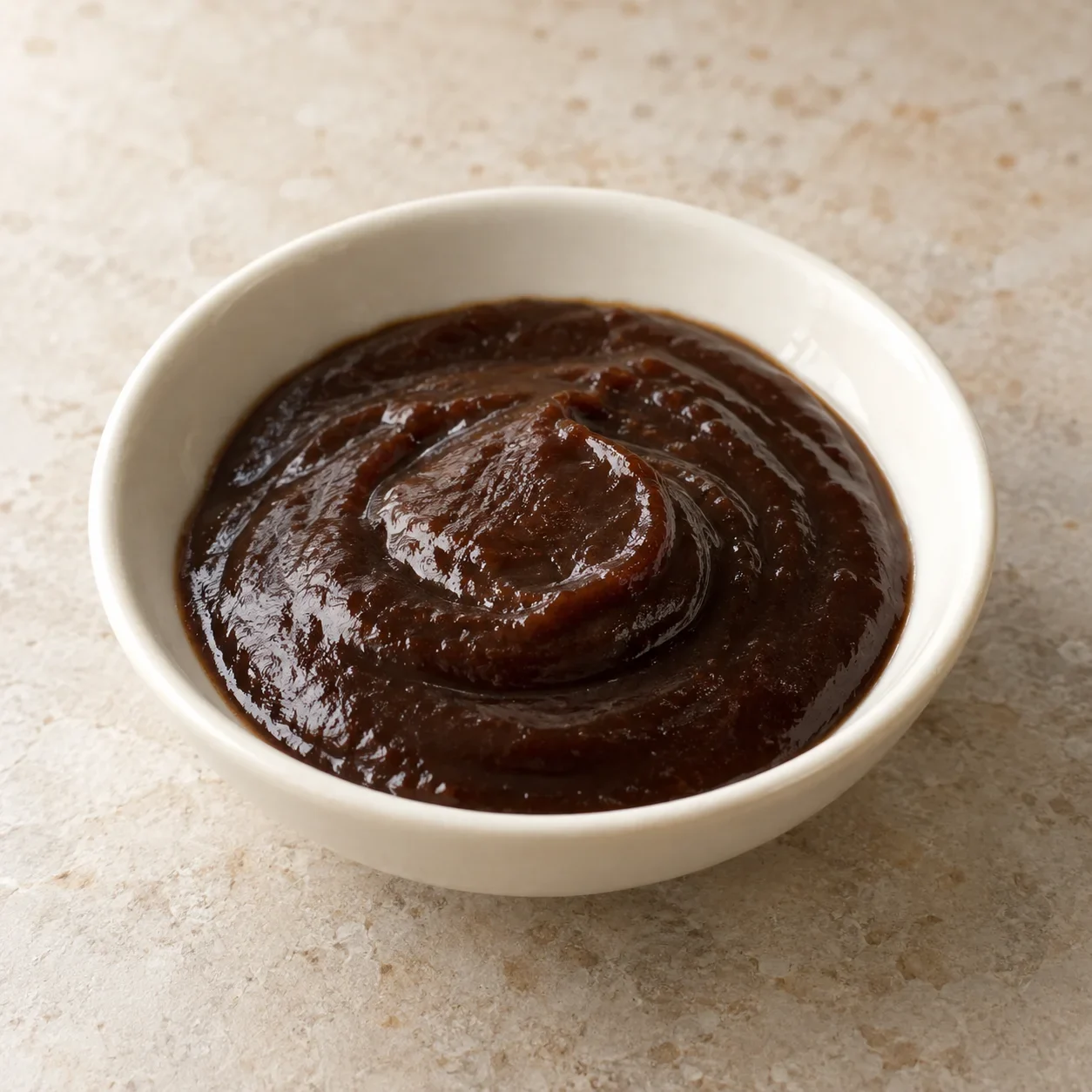
Recipes vary by restaurant.
How does it taste?
Savory bean-paste flavor with chili heat and some sweetness.
- Chili heat
- Texture
- Mixed tender and chewy pieces with crunchy peanuts.
- How it’s made
- Cook the offal first, then stir-fry the prepared meat, bamboo shoots and plain pressed tofu in bean and chili sauces. Add fried peanuts at the end; cook the shrimp separately and place them on top.
One traditional combination uses pork, chicken, duck gizzard, pig stomach, shrimp, winter bamboo shoots, pressed tofu and peanuts. The selection and sauce vary; sweet wheat sauce may be added.
A CONNECTION TO PLACE
Origin & regional roots
Associated with Shanghai.
About this regional connection
Shanghai: Associated with Shanghai Benbang cooking.
Ask if they have it first
请问你们有八宝辣酱吗?
Do you have this item?
A LITTLE SOMETHING TO READ
Story & history
A Shanghai dish, not a jar of sauce
This account describes a tradition or story, rather than an established historical fact.
Despite its name, babao lajiang is a dish of chopped ingredients in a rich sauce. It is eaten with rice or used as a noodle topping. The mixed textures and separately cooked shrimp topping distinguish it from a plain chili condiment.