
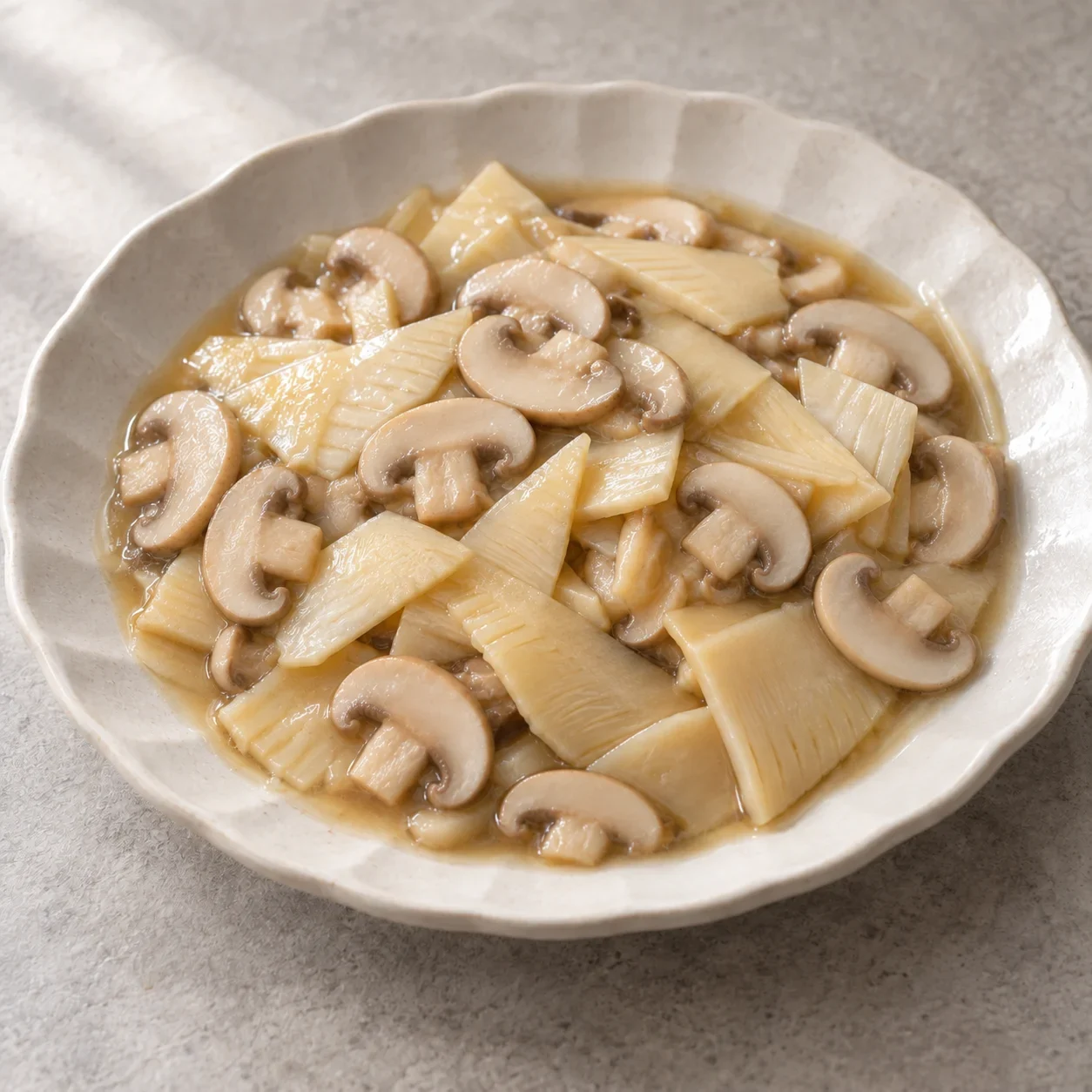
At the table
Let a small portion cool before eating; the inside may be hotter than the surface.
The mushrooms and bamboo shoots do not make this version vegetarian: it uses chicken fat. Confirm the stock and cooking fat before ordering.
Recipes vary; confirm the actual ingredients if you have dietary restrictions.
GET TO KNOW THE DISH
What goes into it?
Explore some key ingredients below. Preparations may use additional seasonings and ingredients.
Typical ingredients
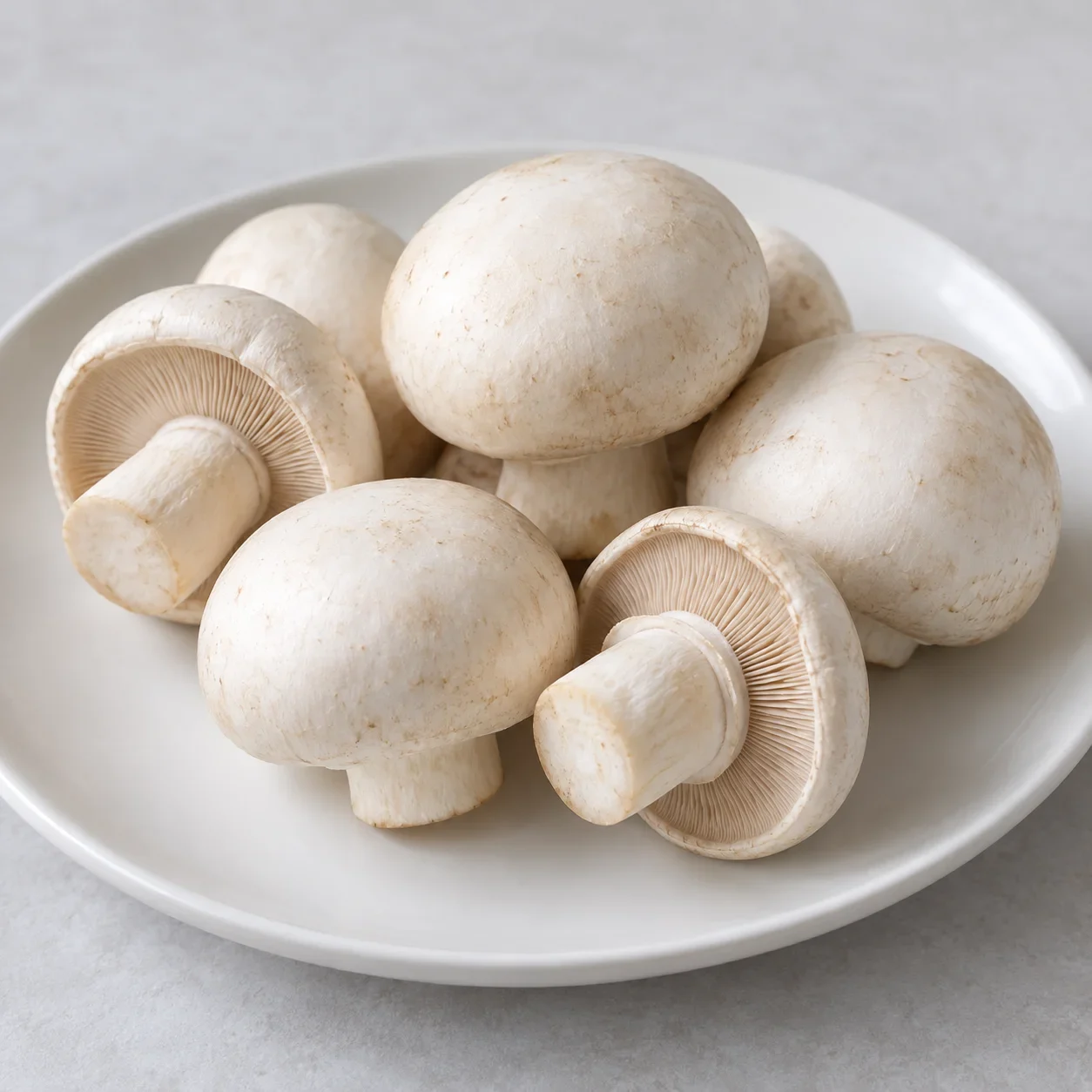
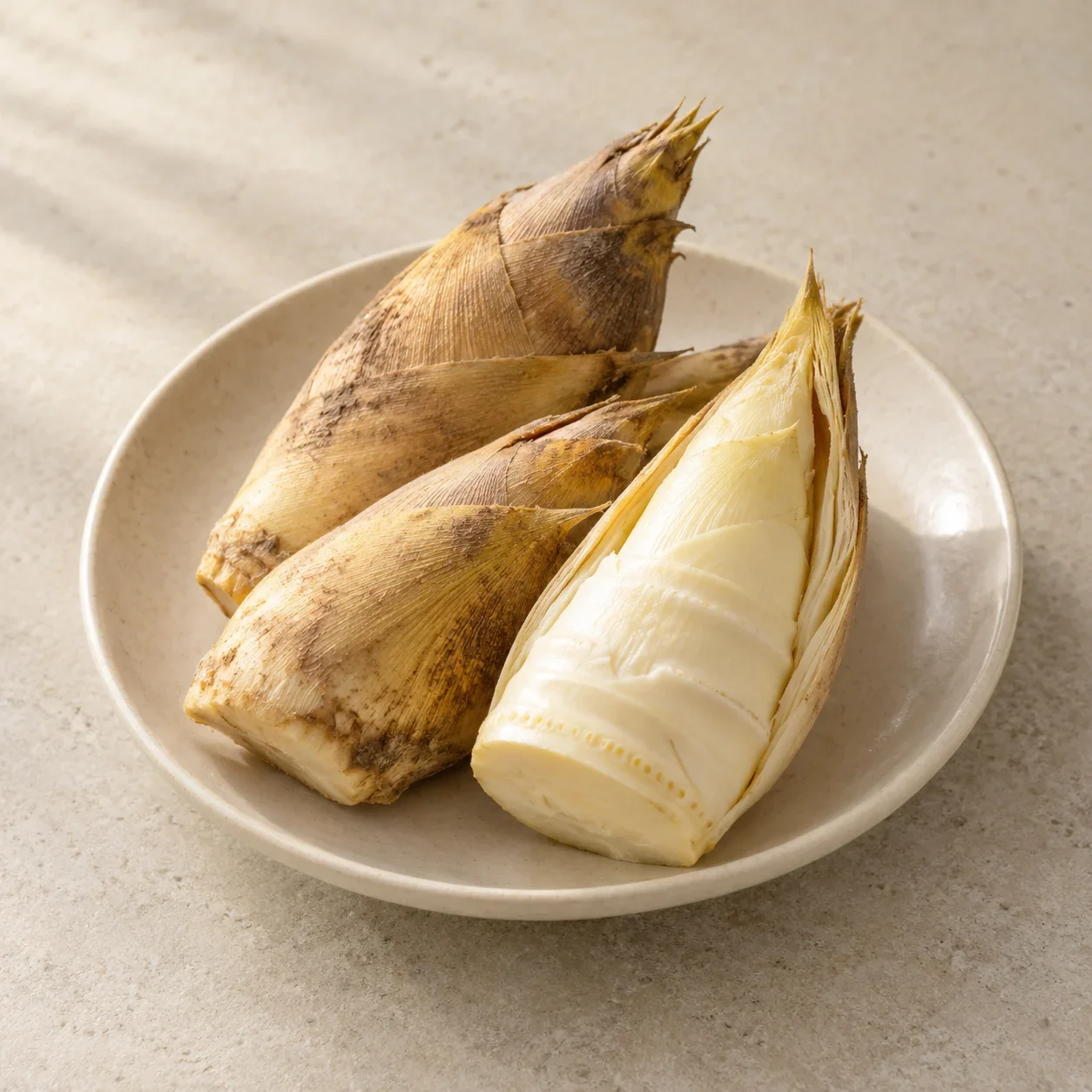
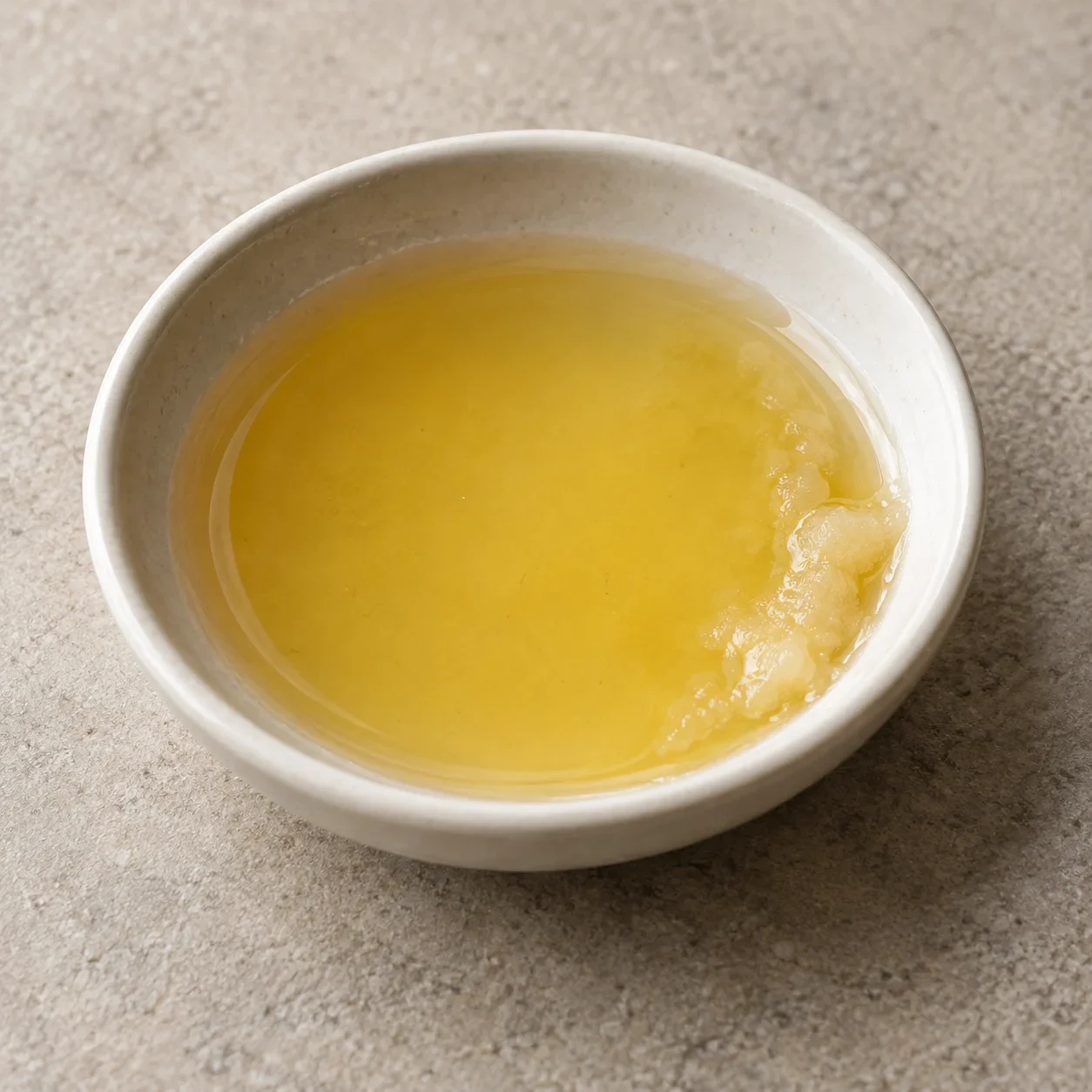
Recipes vary by restaurant.
How does it taste?
Savory
- Chili heat
- Heat not recorded
- Texture
- Sliced mushrooms and shoots in thickened sauce.
- How it’s made
- Stir-fry, simmer in stock and finish with chicken fat.
A CONNECTION TO PLACE
Origin & regional roots
Associated with Hebei.
Ask if they have it first
请问你们有烩南北吗?
Do you have this item?
A LITTLE SOMETHING TO READ
Story & history
Zhangjiakou’s North–South Pairing
Hui nanbei (烩南北), also called shao nanbei (烧南北), turns “north and south” into a menu clue. The northern side is koumo, a mushroom carried from the Mongolian plateau along the Zhangku trade route to Zhangjiakou markets; the southern side is bamboo shoot. One familiar pairing uses dried shoots called yulanpian, while later versions have also used fresh Hunan shoots. Zhangjiakou’s Great Jingmen was a frontier gateway where steppe and inland trade met. A local culinary master sees that traffic as a natural setting for the pairing, but no precise local origin is recorded; this is a plausible interpretation, not a proven invention story. In 1985, chef Zhai Zhenwen changed a pale, partly soupy version into a red, drier braise. Recipes vary.