
At the table
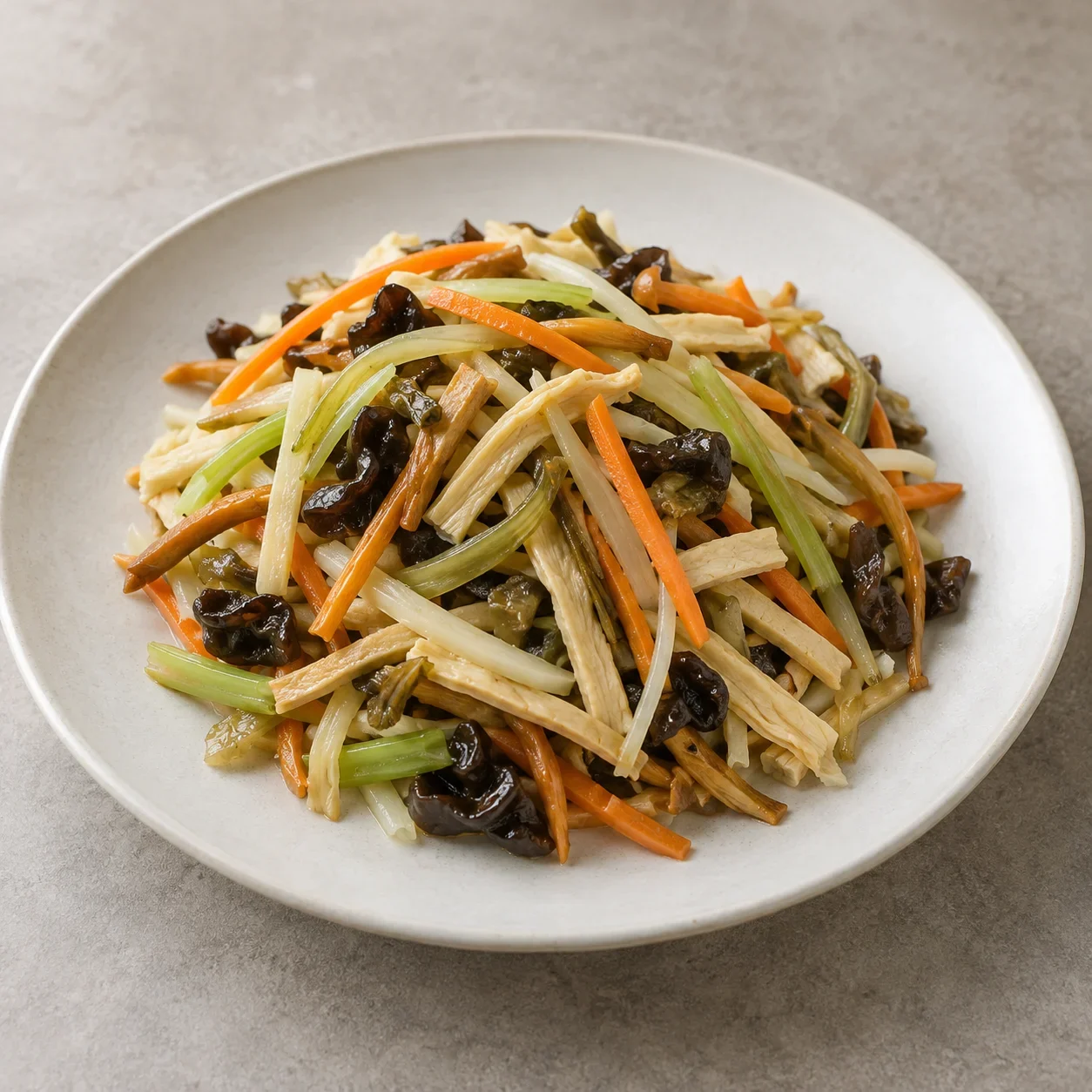
Take a small mix of the different vegetables to enjoy their contrasting textures. It is often served as a shared side dish. Ask what is in the day’s mixture rather than expecting an identical set of ten ingredients.
Tofu and soy sauce add soy; wheat gluten and many soy sauces add wheat. Sesame oil may also be used. Check every component and mixed seasoning for allergies. Long vegetable strips and chewy gluten may need cutting for anyone who has difficulty chewing.
The documented vegetable-oil and vegetarian-seasoning preparation is vegetarian. Vegan suitability remains unconfirmed unless the mixed seasonings are checked. Do not assume every restaurant follows that recipe. Chili heat is 0 for this non-chili style; added sauces can differ.
GET TO KNOW THE DISH
What goes into it?
Explore some key ingredients below. Preparations may use additional seasonings and ingredients.
Component lists vary widely by restaurant and season.
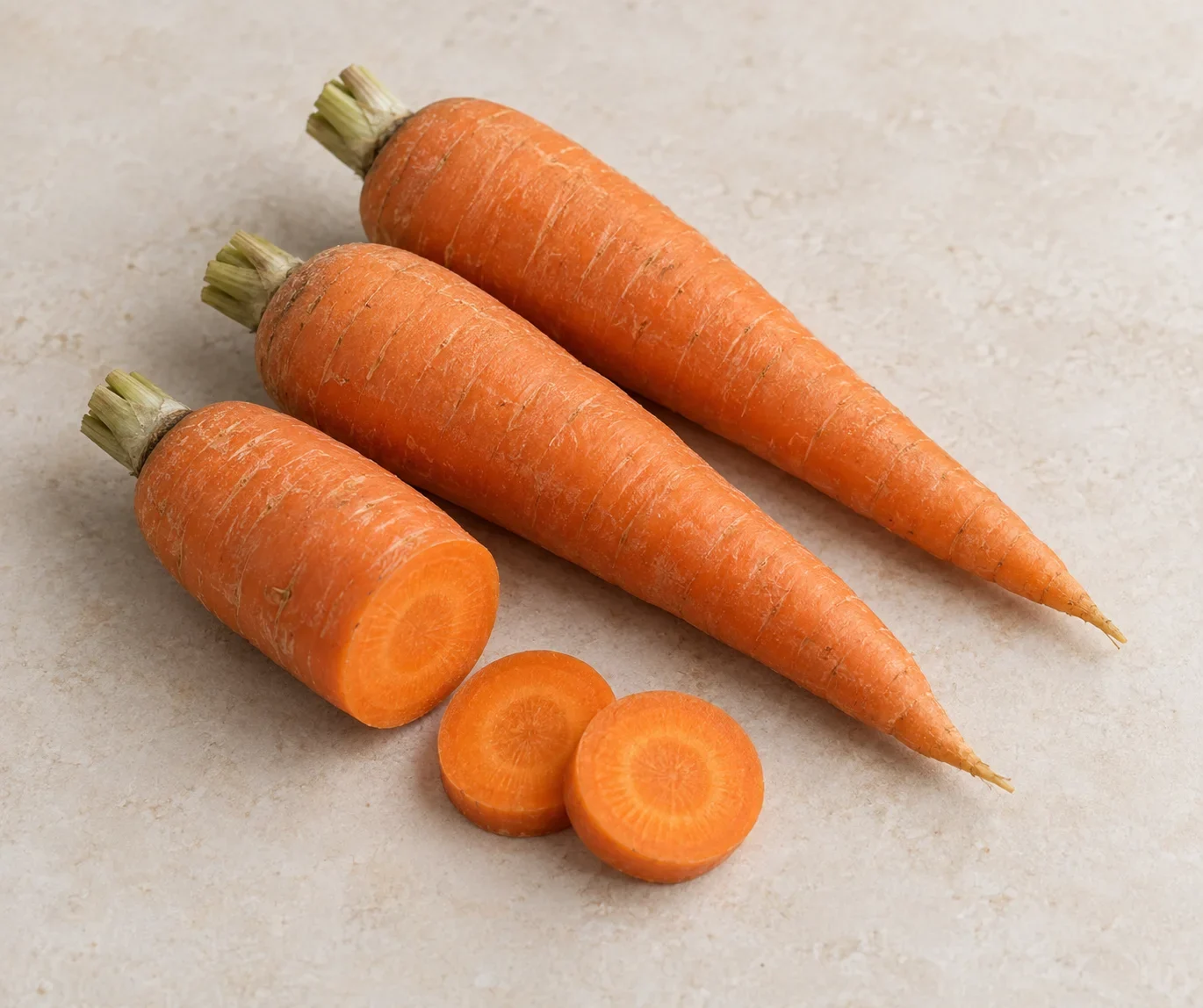
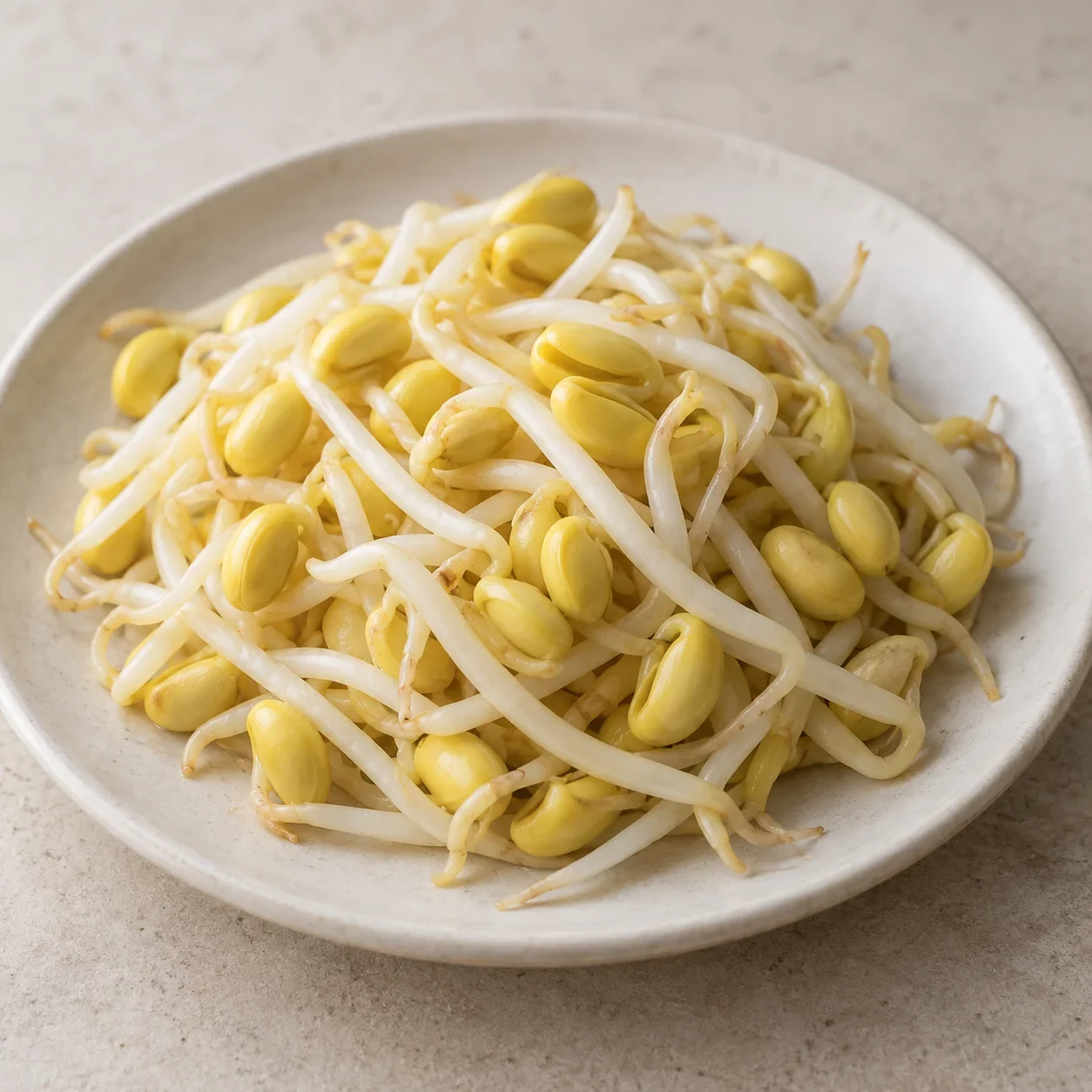
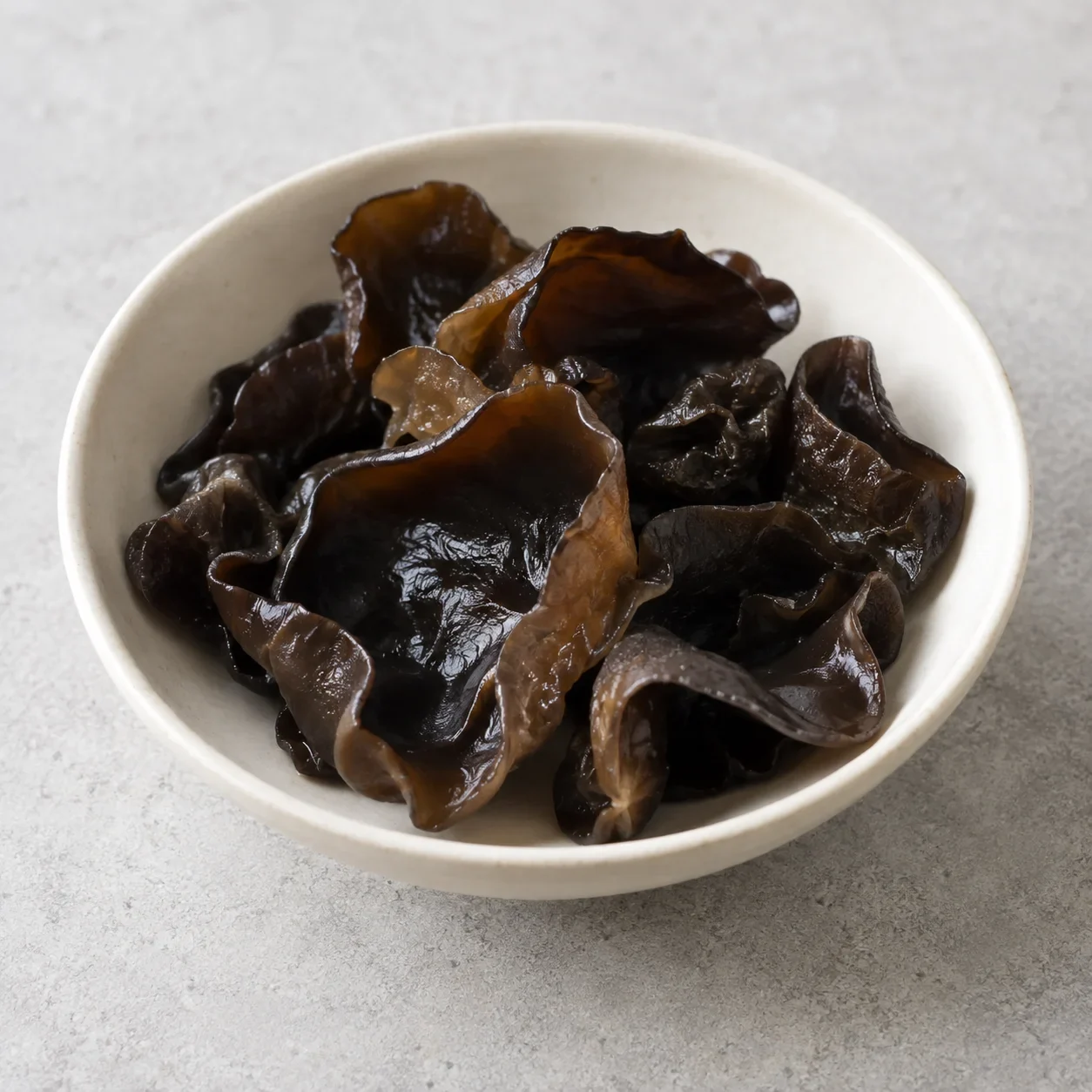
Typical ingredients
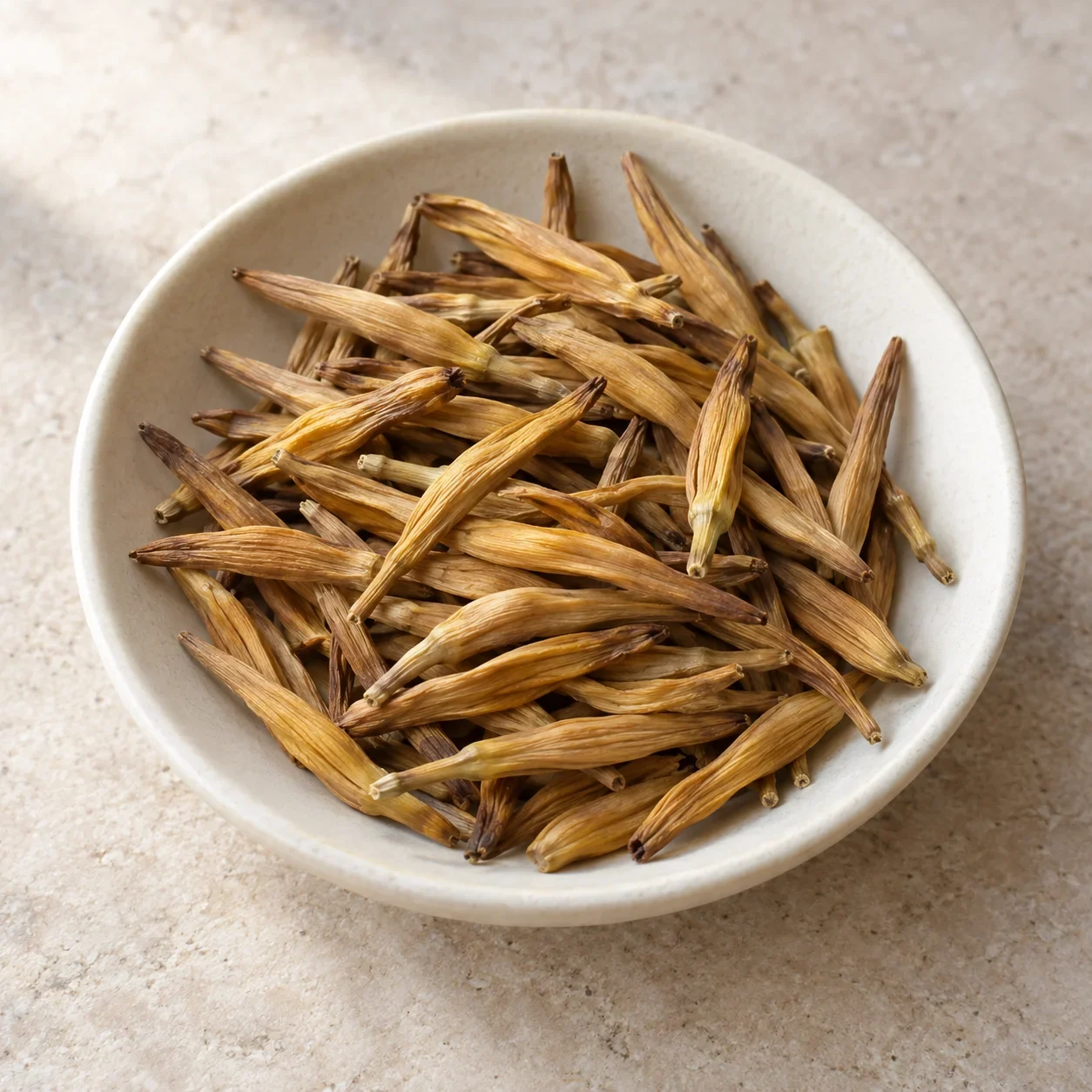
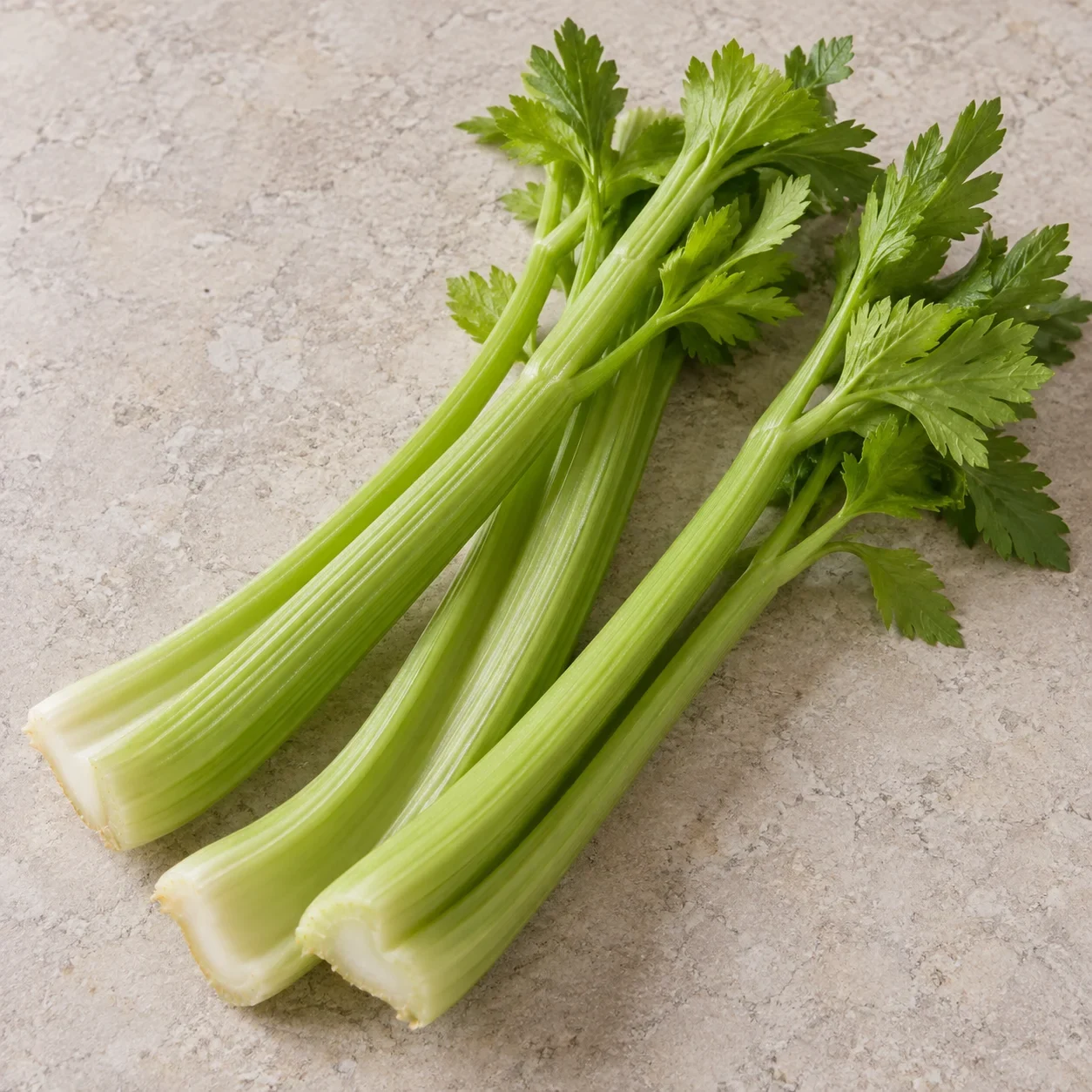
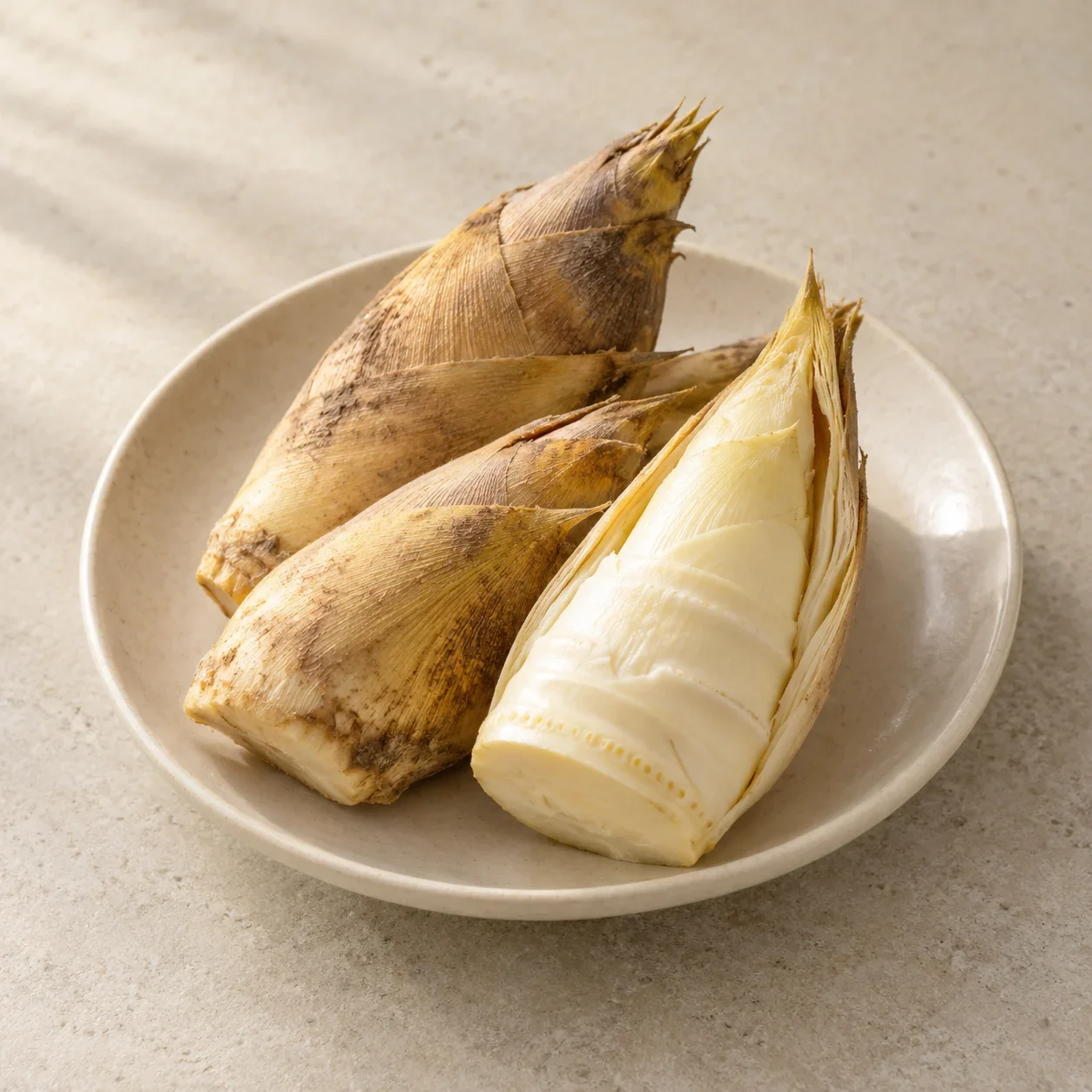
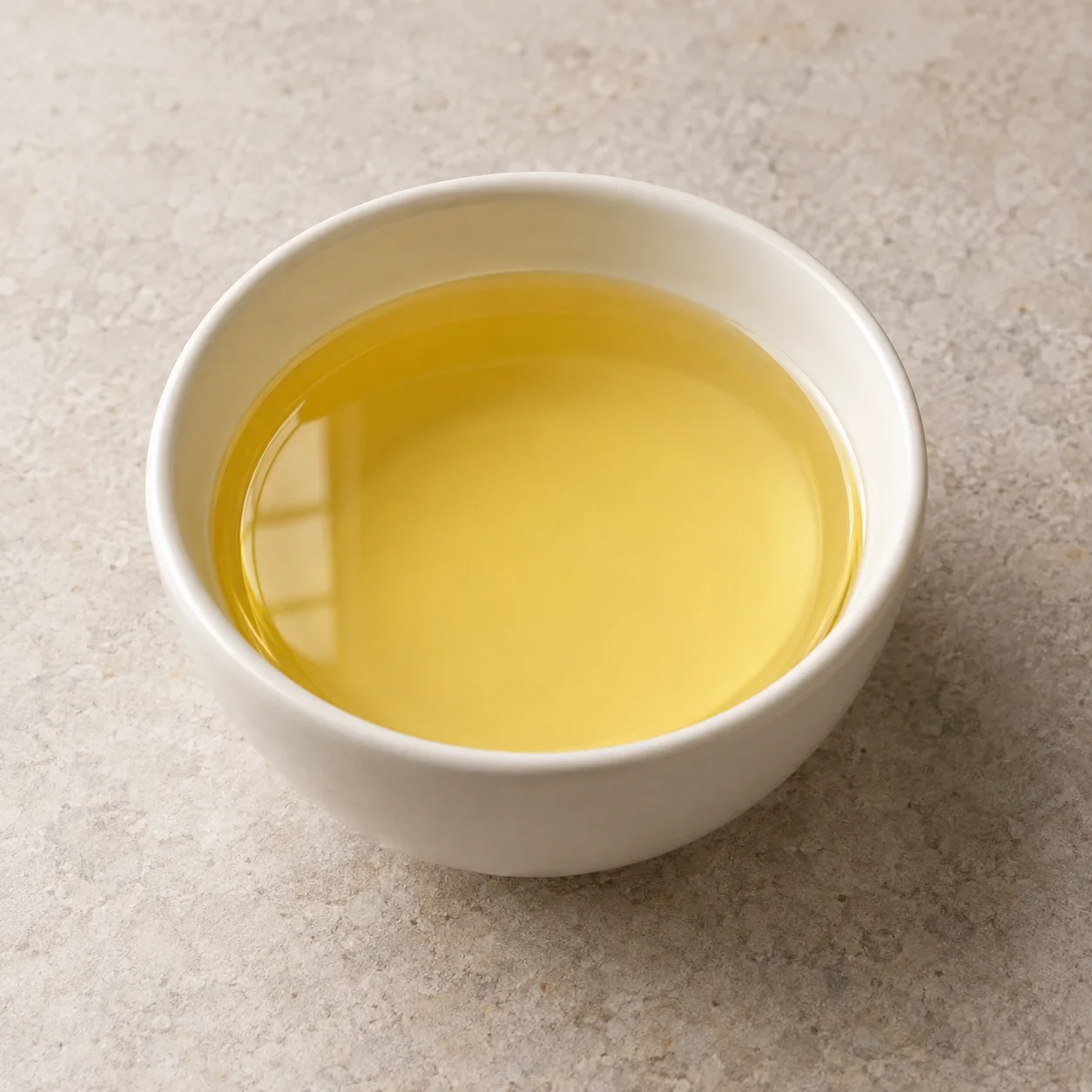

In some versions
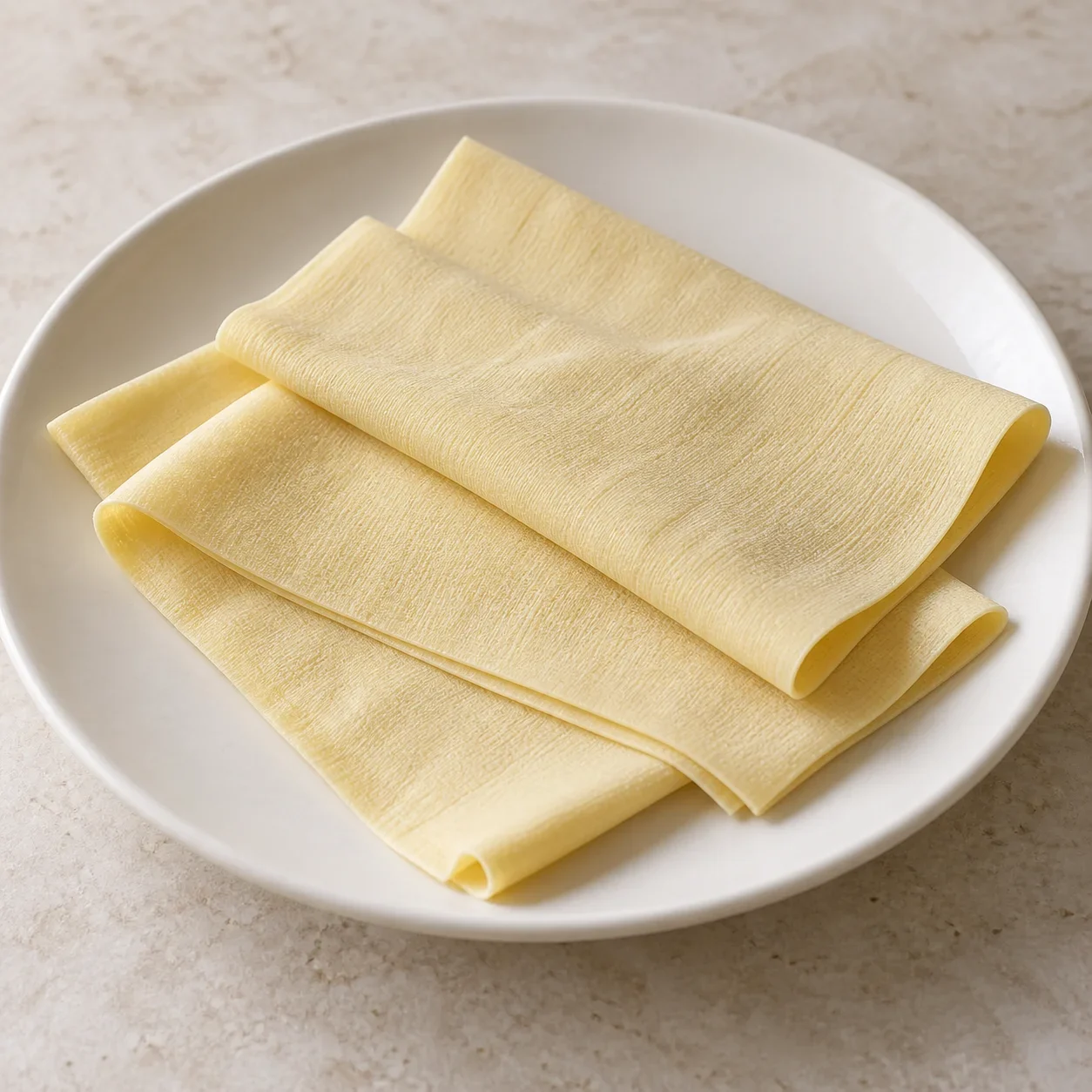
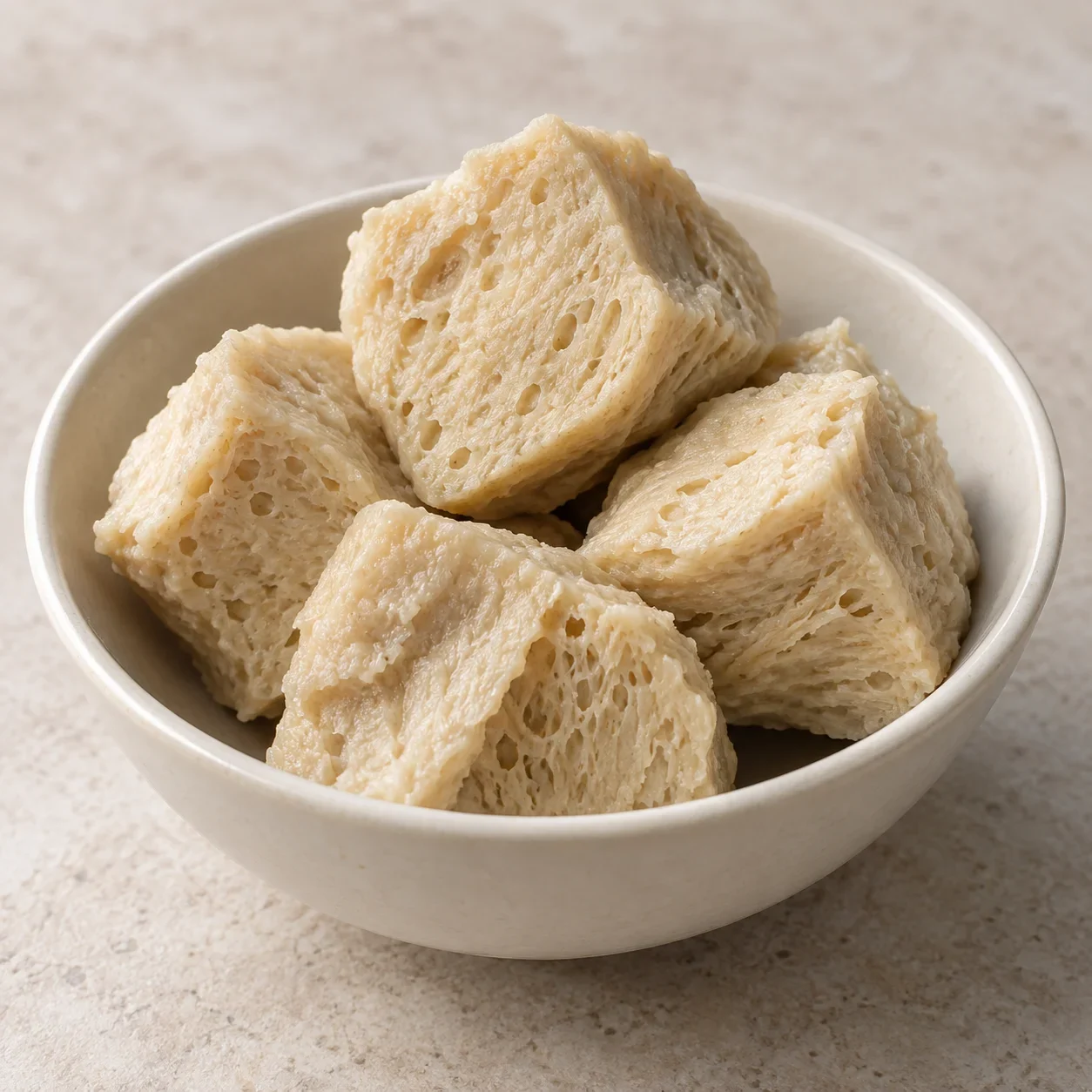
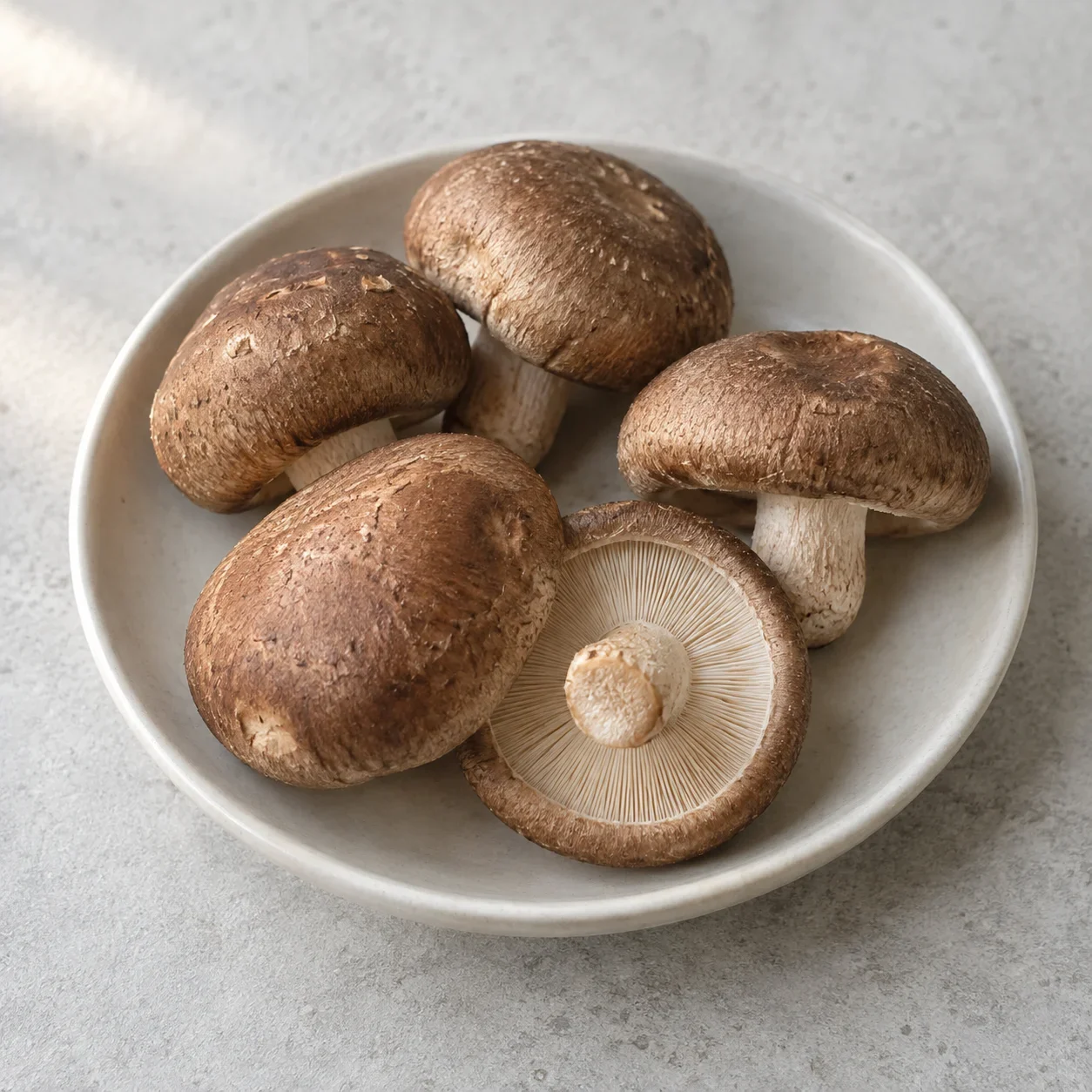
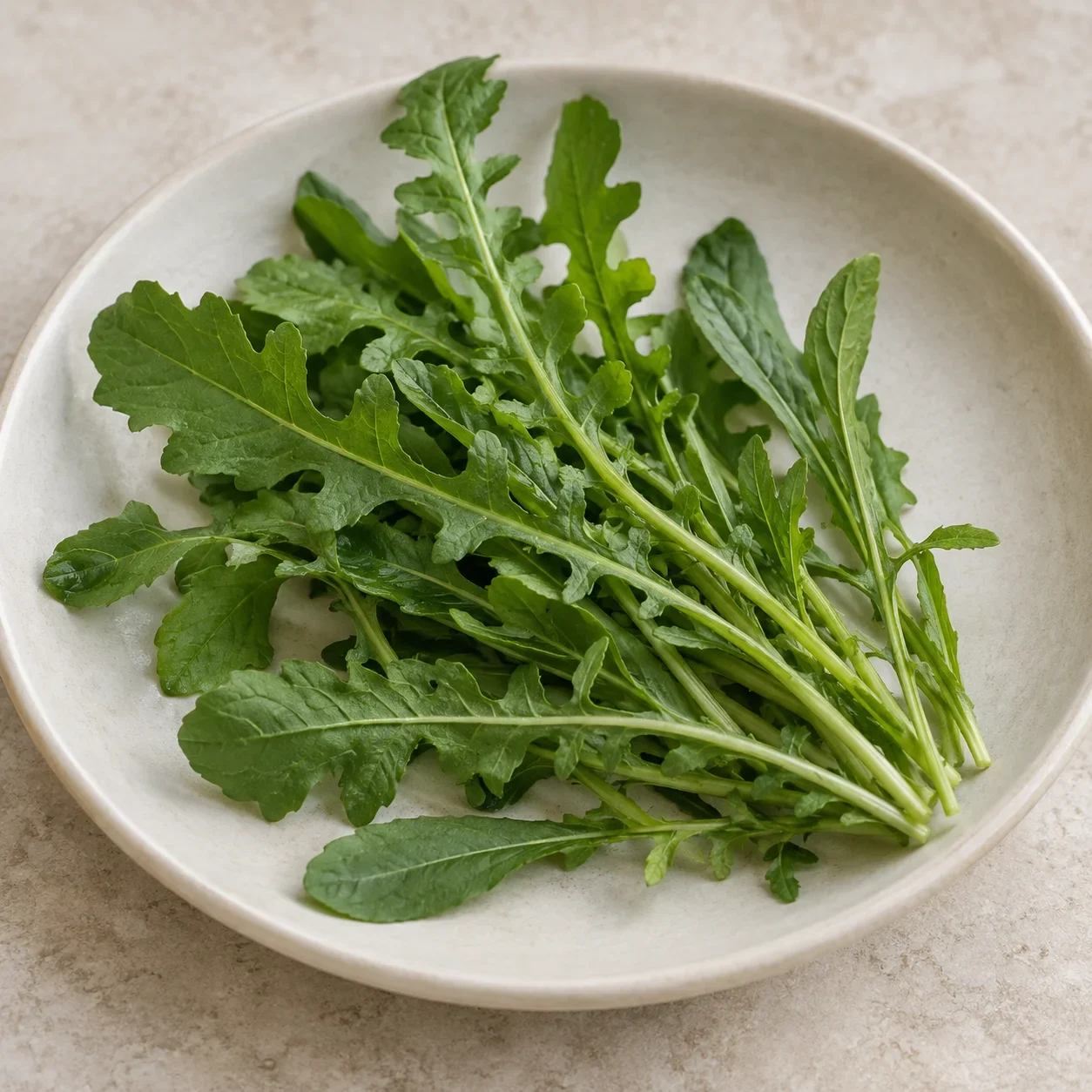
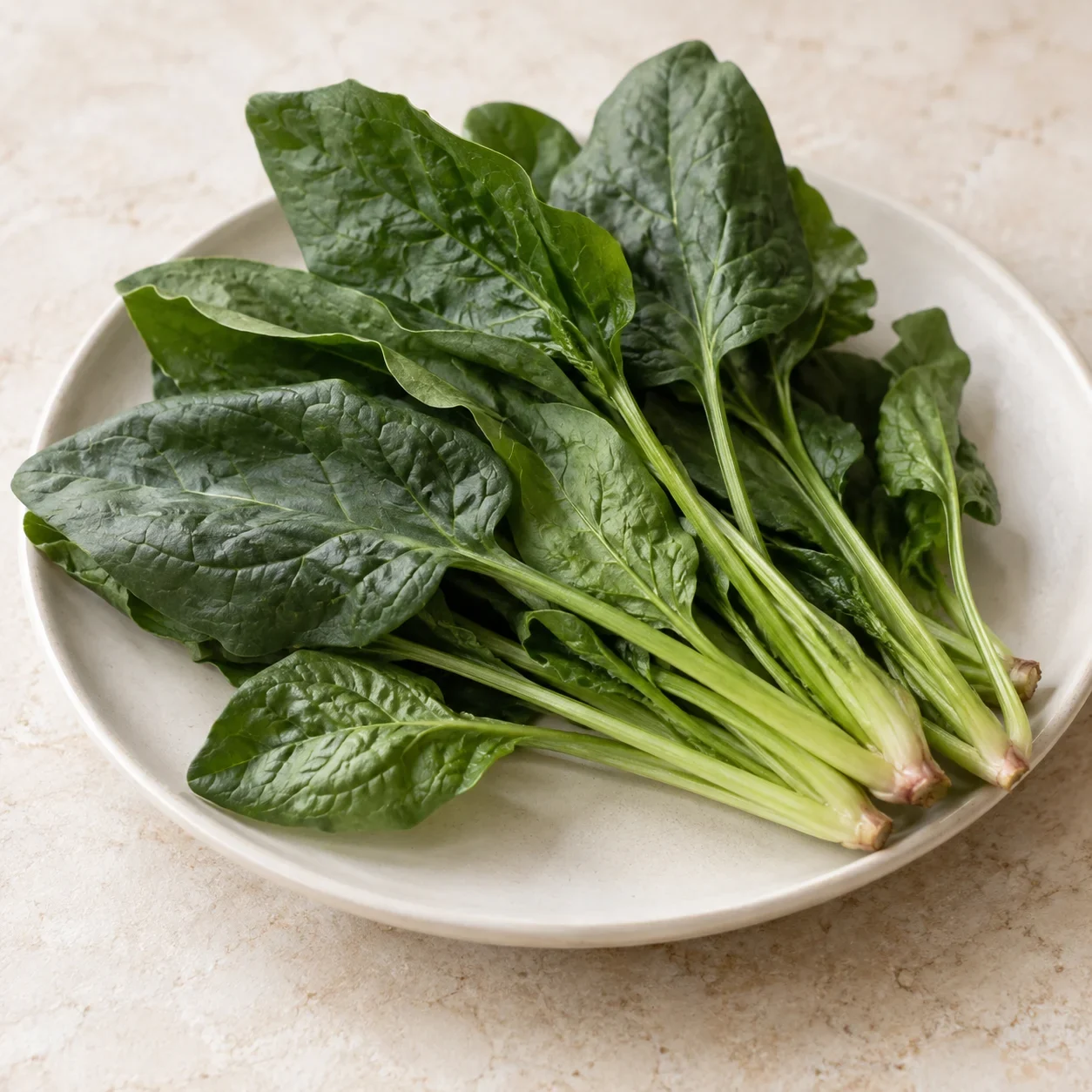
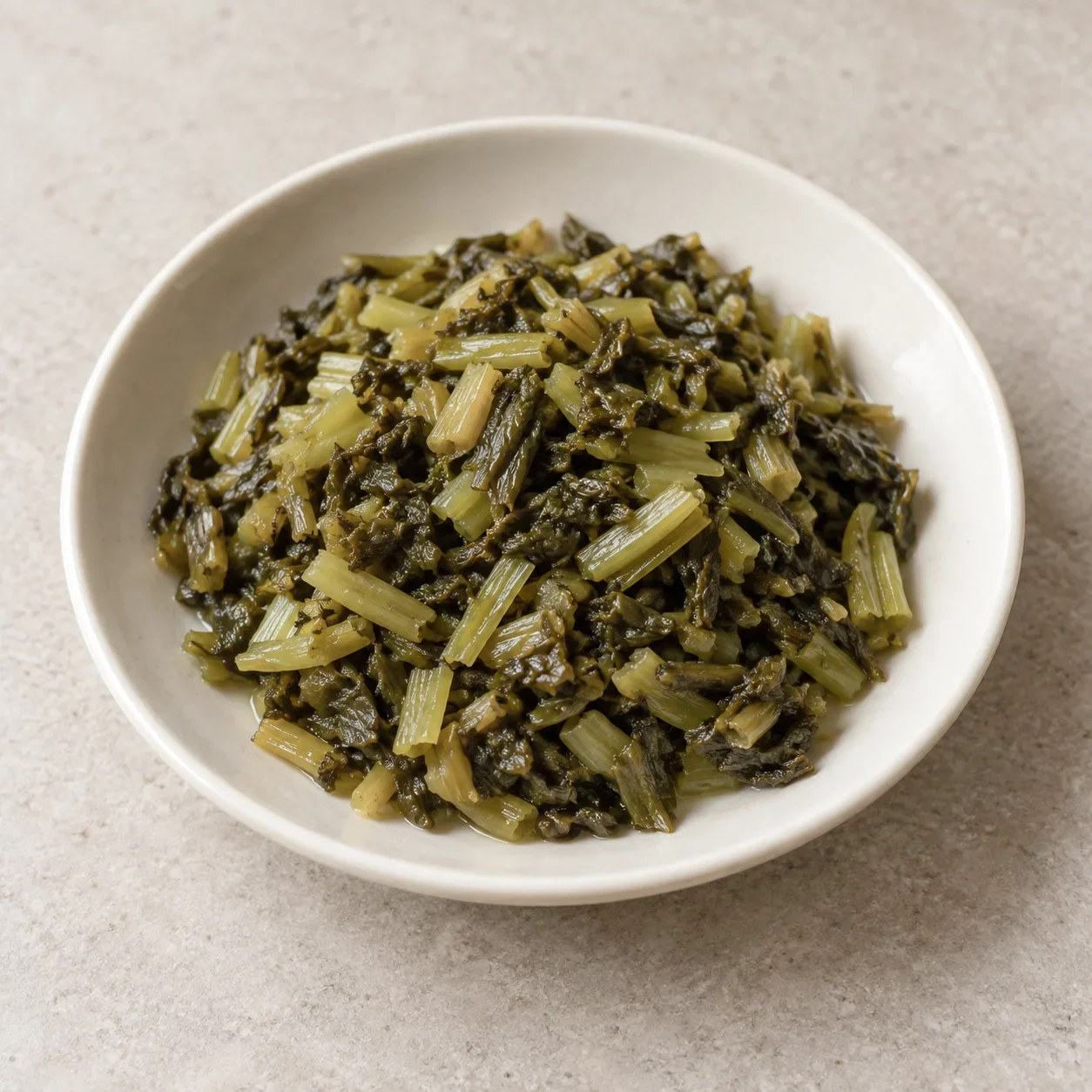
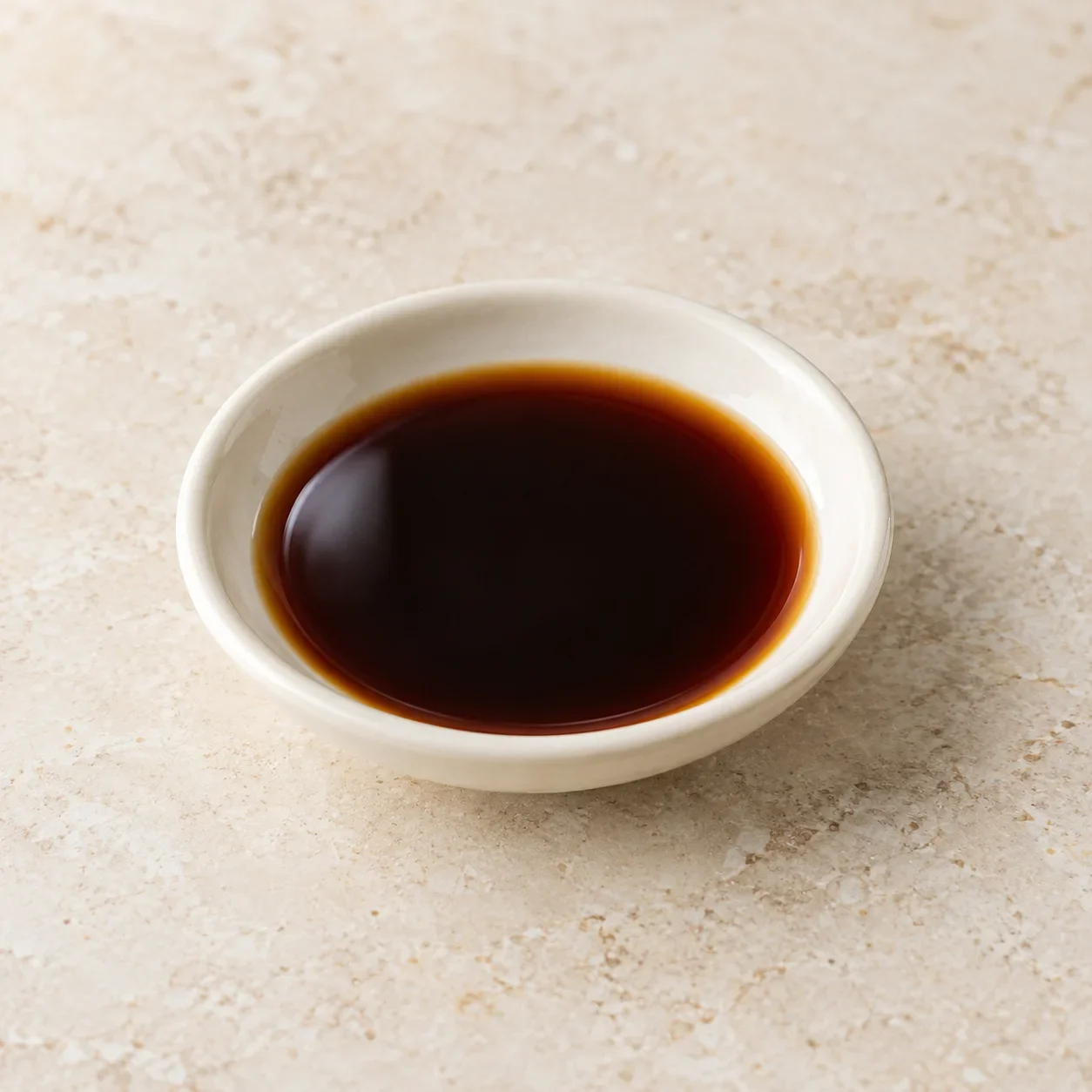

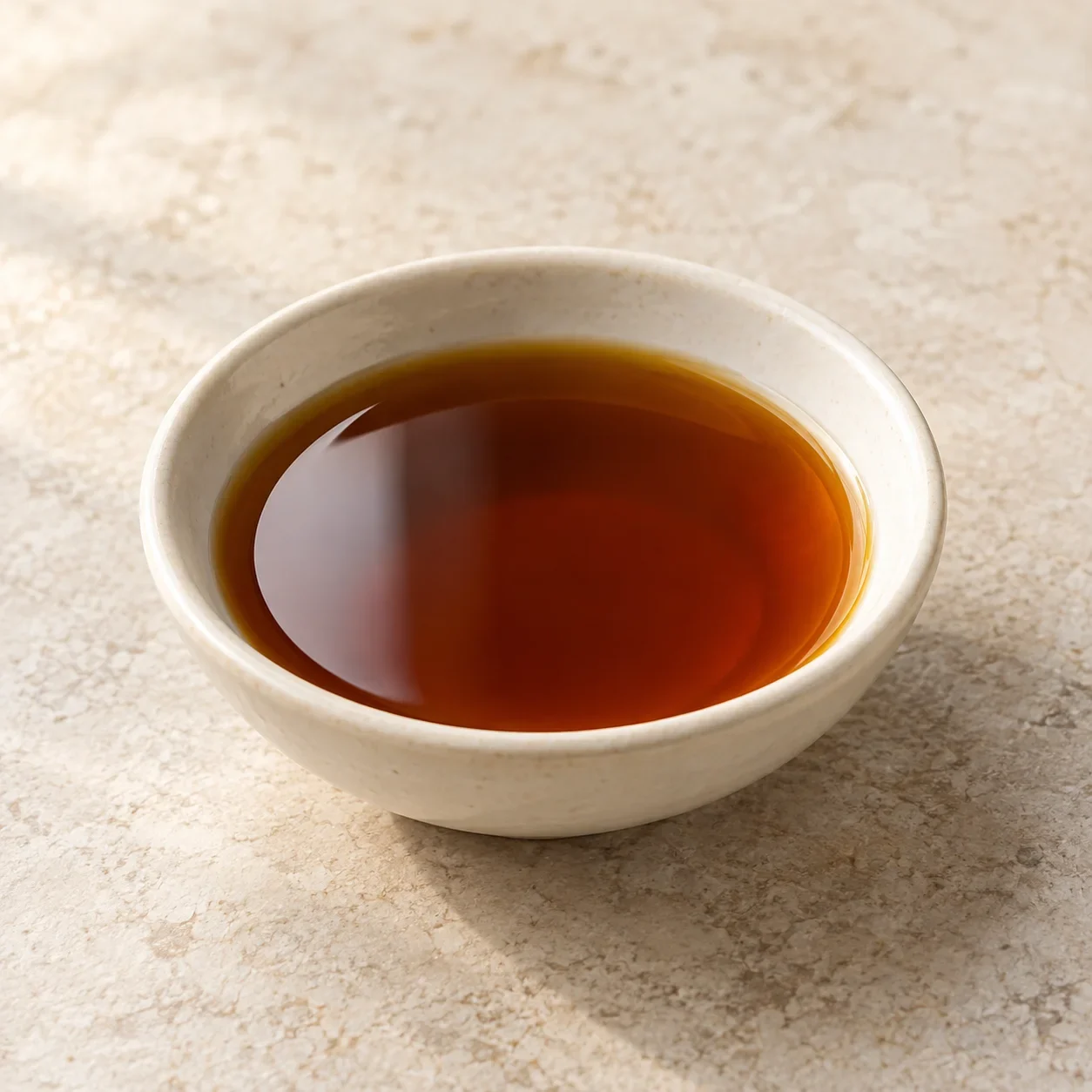
Recipes vary by restaurant.
How does it taste?
Lightly savory vegetables and tofu or gluten, sometimes finished with sesame oil; soy sauce and a little sugar vary by ingredient and recipe.
- Chili heat
- Texture
- A varied mix of crisp-tender vegetable strips, soft tofu sheets and chewy gluten or fungi.
- How it’s made
- Cut the vegetables and tofu products into strips or small pieces. Cook each ingredient separately to suit its texture, then combine and season. Some preparations finish with sesame oil; the ingredients are not simply braised together in one thick sauce.
Component lists vary widely by restaurant and season.
A CONNECTION TO PLACE
Origin & regional roots
Associated with Jiangsu.
About this regional connection
Jiangsu: Nanjing NewYear sushijin exact identity.
Ask if they have it first
请问你们有金陵素什锦吗?
Do you have this item?
A LITTLE SOMETHING TO READ
Story & history
New Year wishes in a colorful vegetable dish
This account describes a tradition or story, rather than an established historical fact.
In Nanjing, families prepare sushijin for the Lunar New Year table. Its “ten kinds” name evokes completeness and good wishes, while the actual mixture changes. Soybean sprouts can symbolize wishes fulfilled; celery’s Chinese name echoes diligence. Cutting and cooking each ingredient separately takes care, and keeps the finished dish varied in color and texture.