
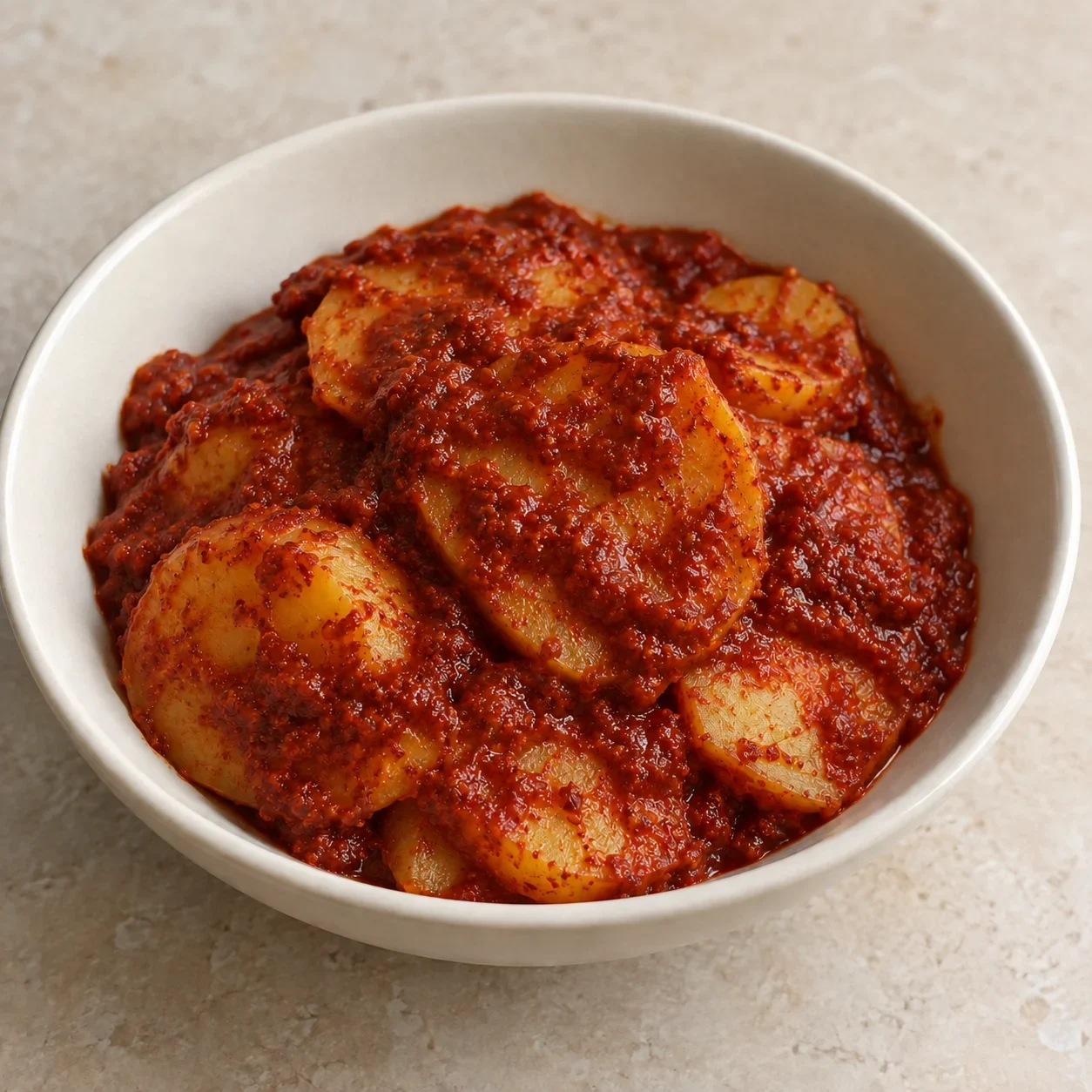
At the table
Let the sauce cool a little and take small bites. Slide food off sharp skewers before eating, or use chopsticks for loose pieces.
This chicken-stock version is not vegetarian. Tofu sheets contain soy; some shops add peanuts, walnuts, sesame or wheat-based sauces. Confirm the broth and seasonings when ordering.
Ingredient choices and chili strength vary. Cumin and Sichuan pepper are optional seasonings; their aroma or numbing sensation is distinct from chili heat.
GET TO KNOW THE DISH
What goes into it?
Explore some key ingredients below. Preparations may use additional seasonings and ingredients.
Earlier snack servings dip prepared skewers; modern hotpot versions cook selections in the sauce. Cumin and Sichuan pepper vary by shop.
Typical ingredients
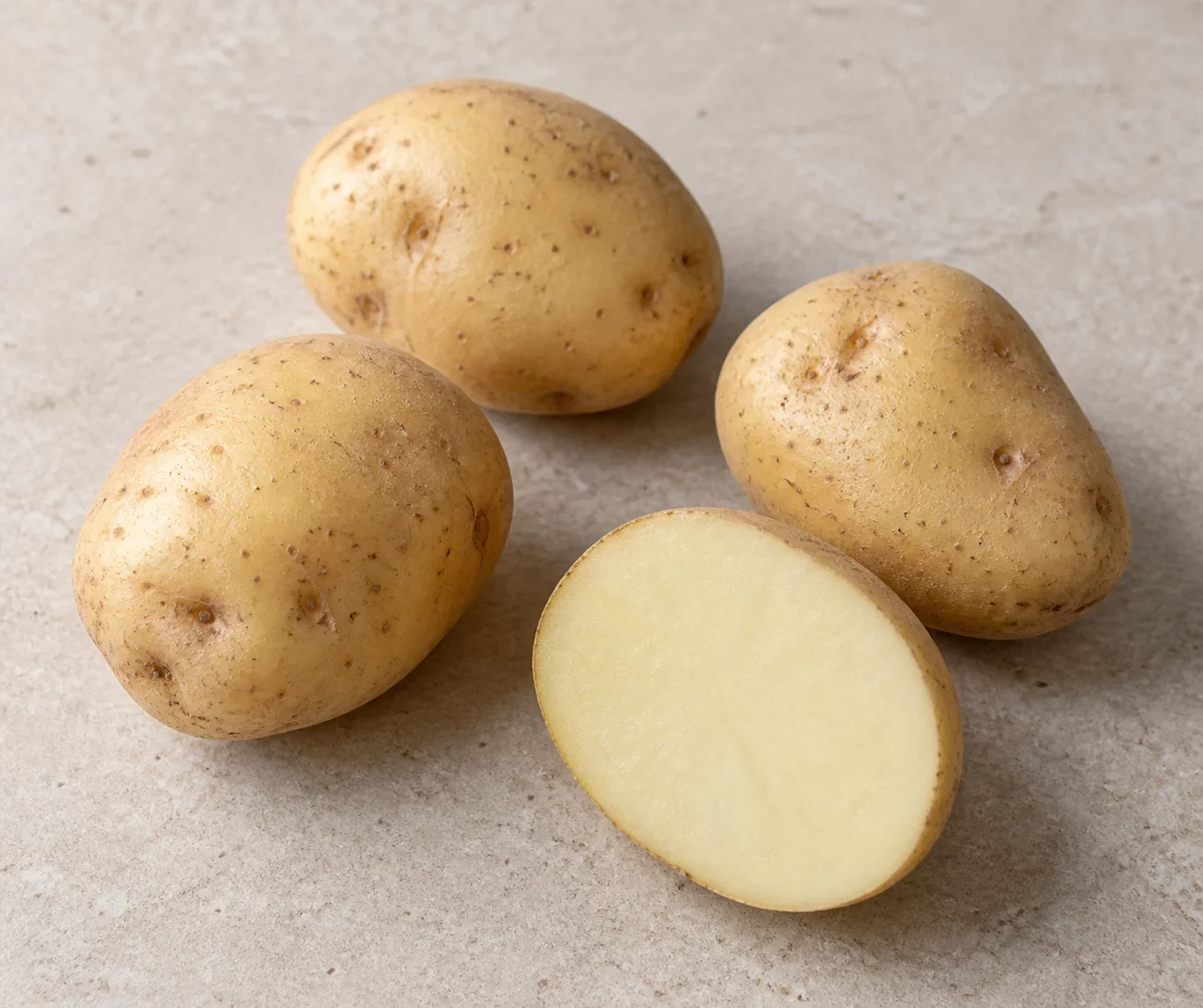
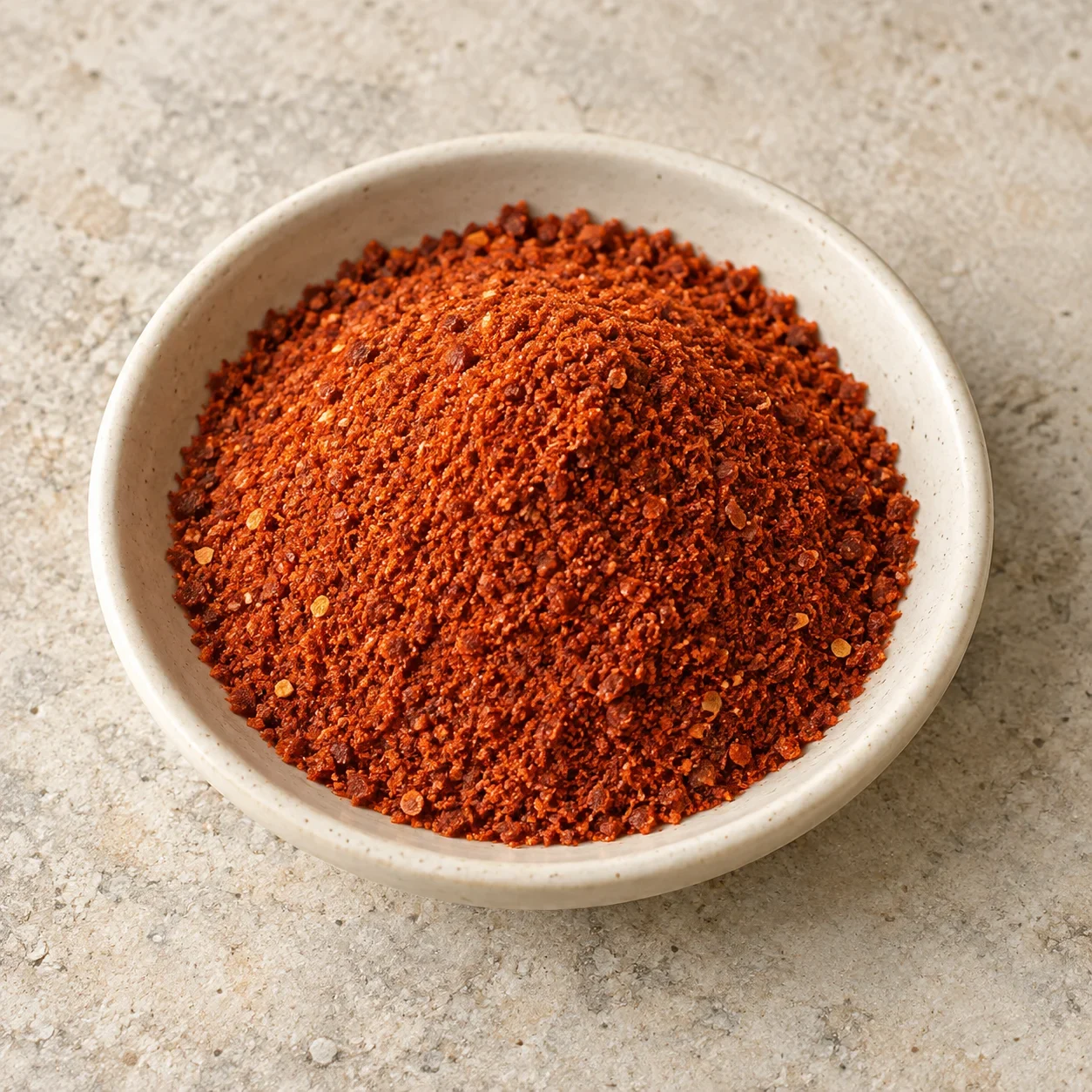
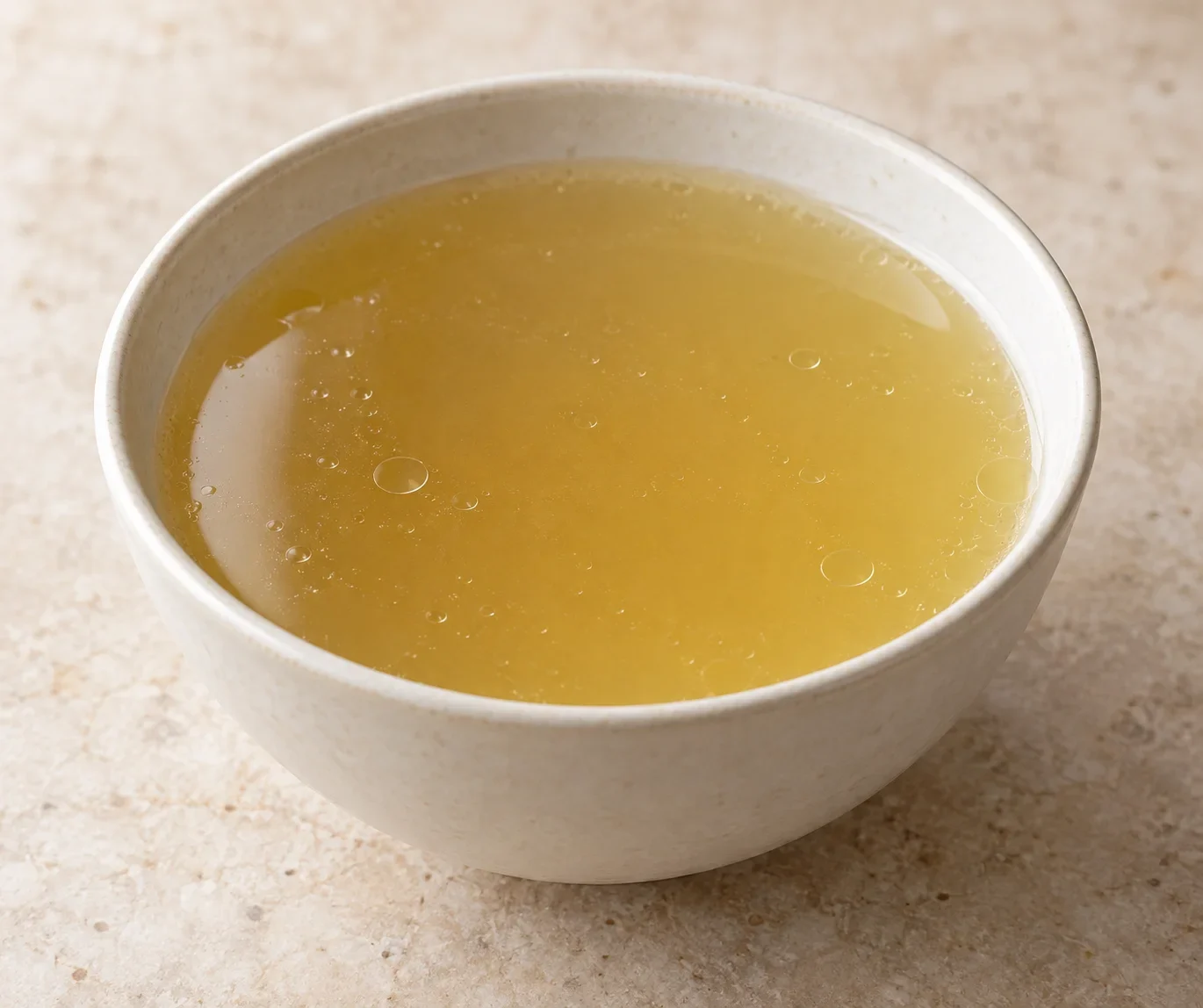
In some versions
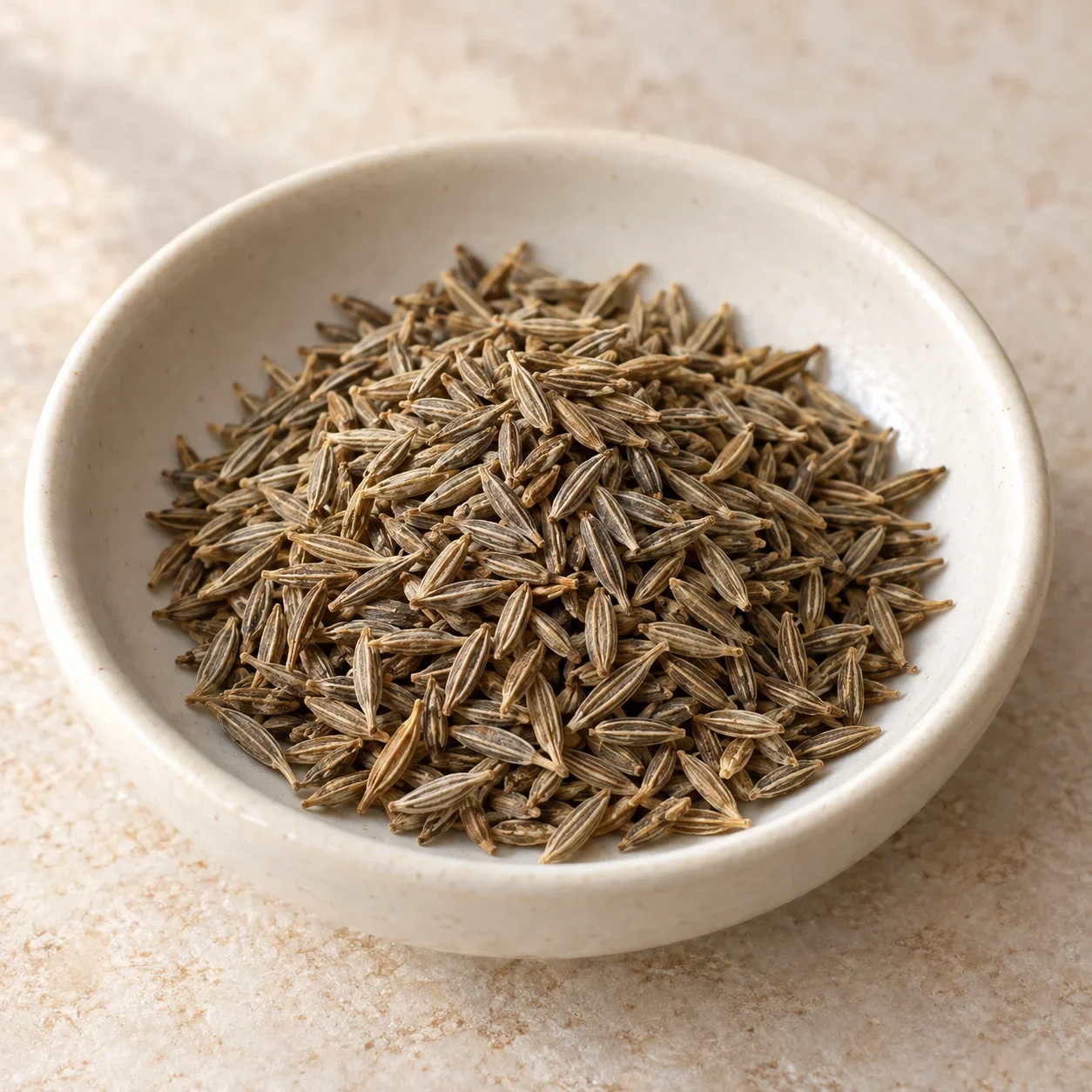
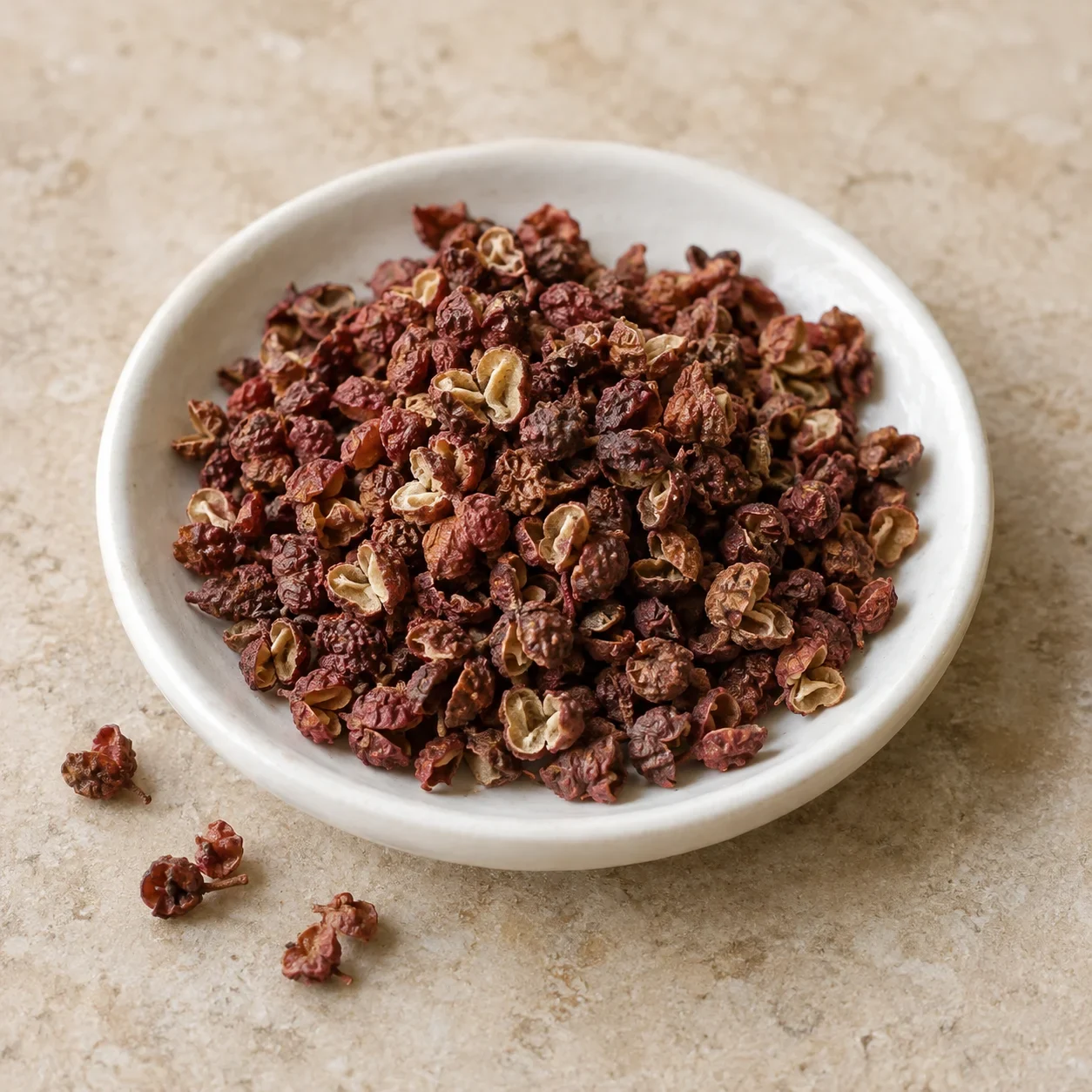
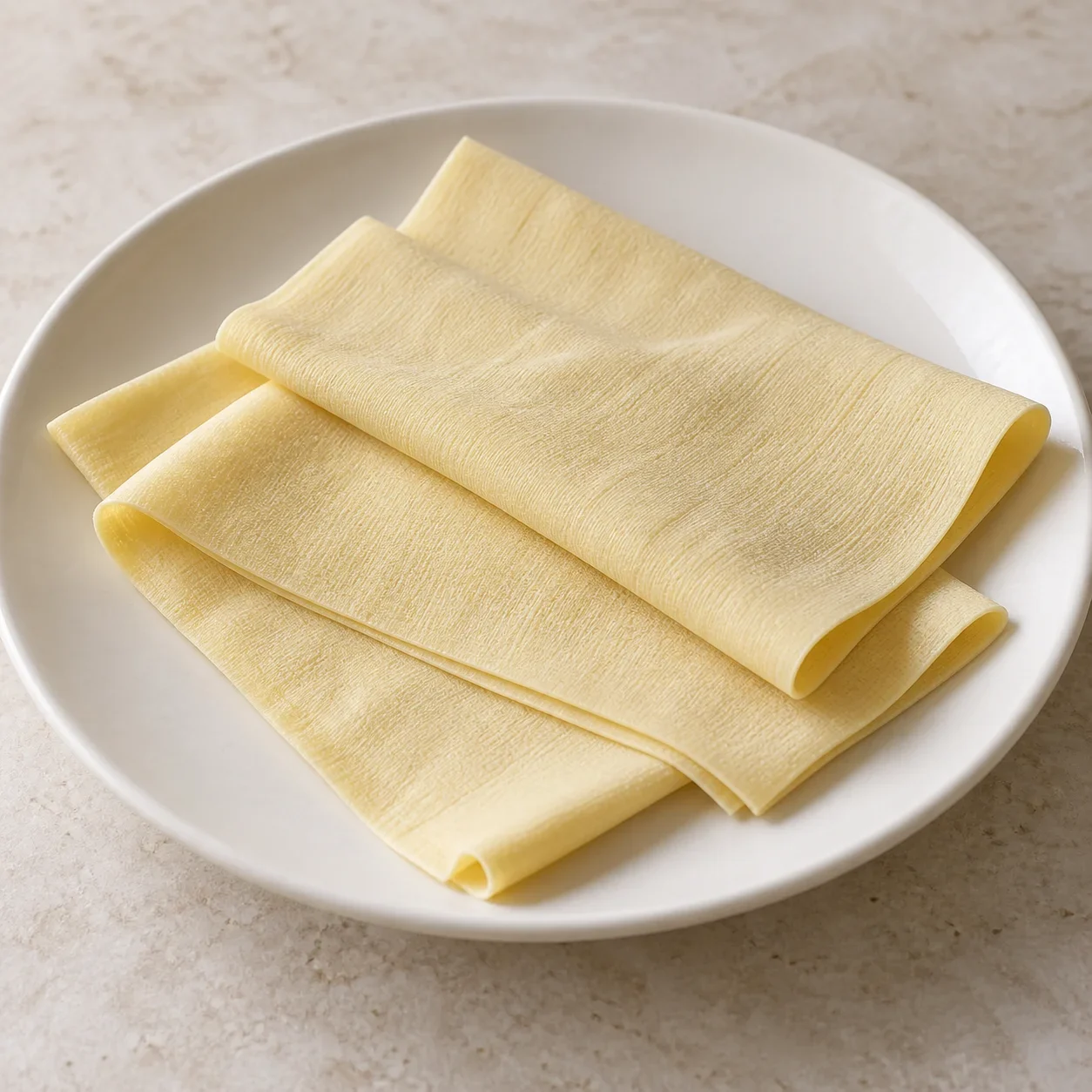
Recipes vary by restaurant.
How does it taste?
Fragrant chili heat.
- Chili heat
- Texture
- The thick sauce clings to the ingredients.
- How it’s made
- Simmer ground-chili sauce and cook prepared ingredients in it.
Earlier snack servings dip prepared skewers; modern hotpot versions cook selections in the sauce. Cumin and Sichuan pepper vary by shop.
A CONNECTION TO PLACE
Origin & regional roots
Associated with Ningxia.
Ask if they have it first
请问你们有辣糊糊吗?
Do you have this item?
A LITTLE SOMETHING TO READ
Story & history
A sauce that coats every bite
This account describes a tradition or story, rather than an established historical fact.
Lahuhu takes its name from its thick chili sauce. Ningxia snack stalls serve coated skewers, while hotpot versions let diners choose ingredients to cook in the sauce. Potato slices and pressed tofu sheets are familiar choices. Ground chili gives the sauce its clinging texture; chicken stock adds savoury depth in this version.