
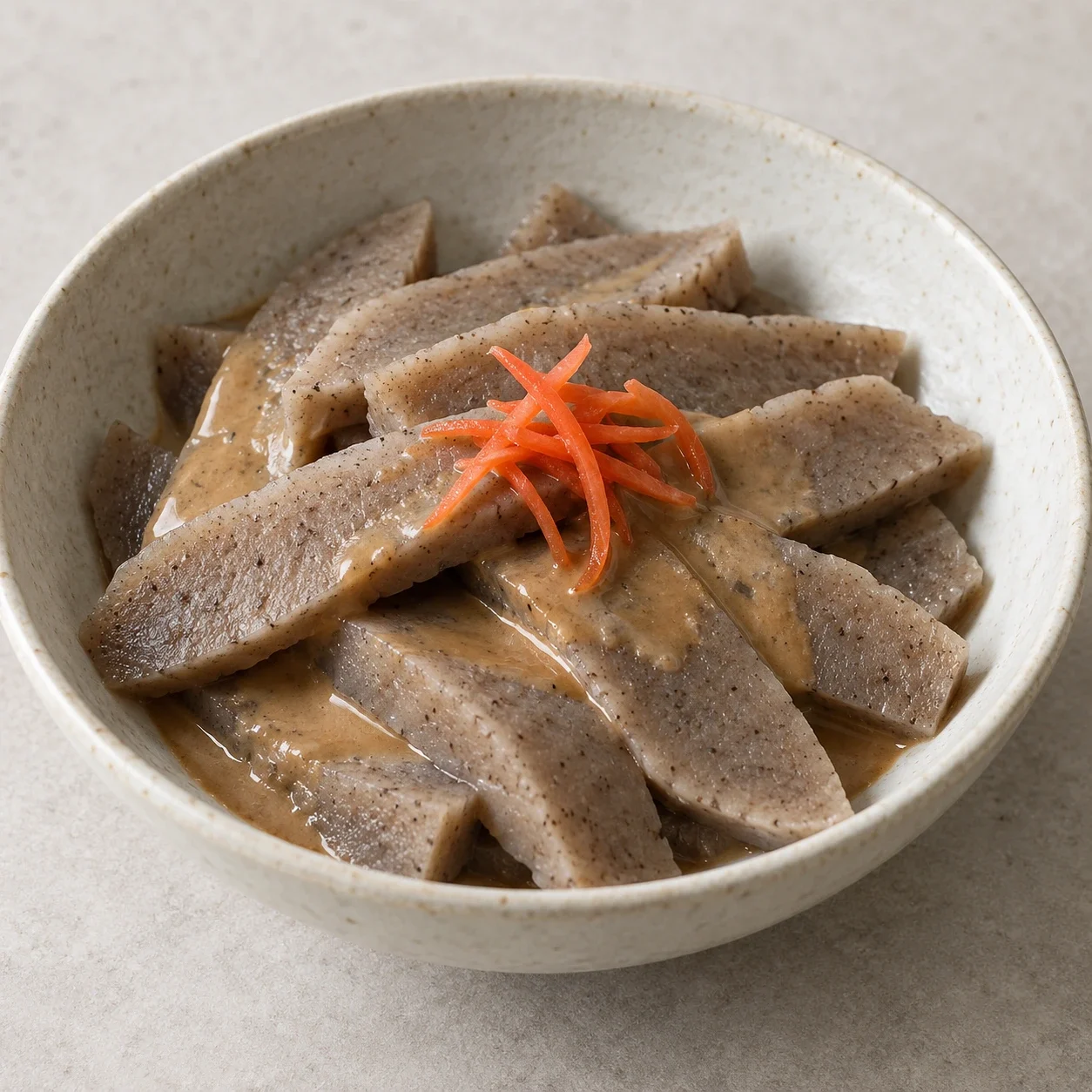
At the table
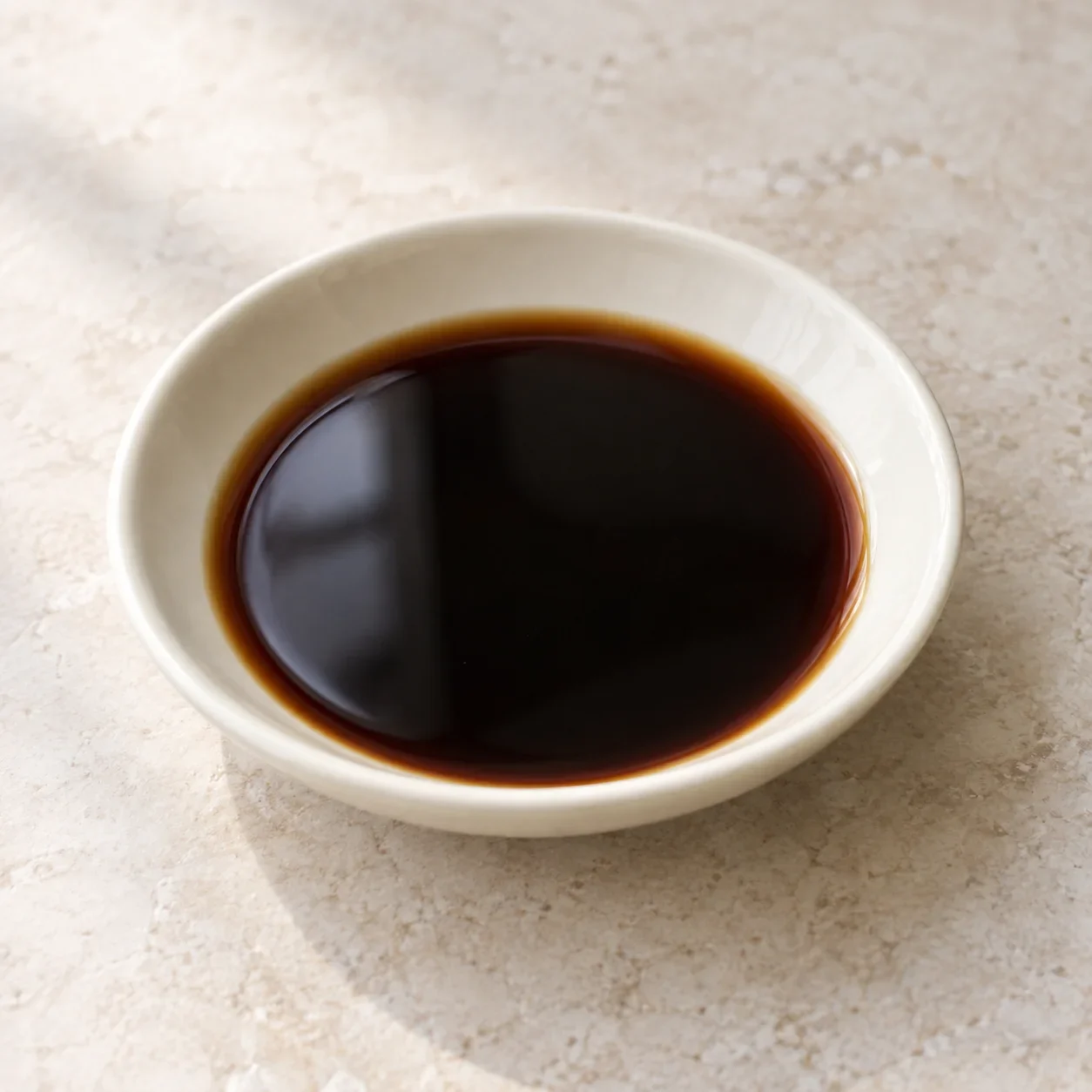
Mix the dressing through a few pieces and eat small bites with chopsticks or a spoon. Add pungent condiments gradually; the buckwheat chew is part of the appeal.
Contains buckwheat; dressings commonly contain sesame and soy and may contain wheat or mustard. Check sauces, mixed flours and oil for allergies or dietary restrictions; it is not automatically gluten-free.
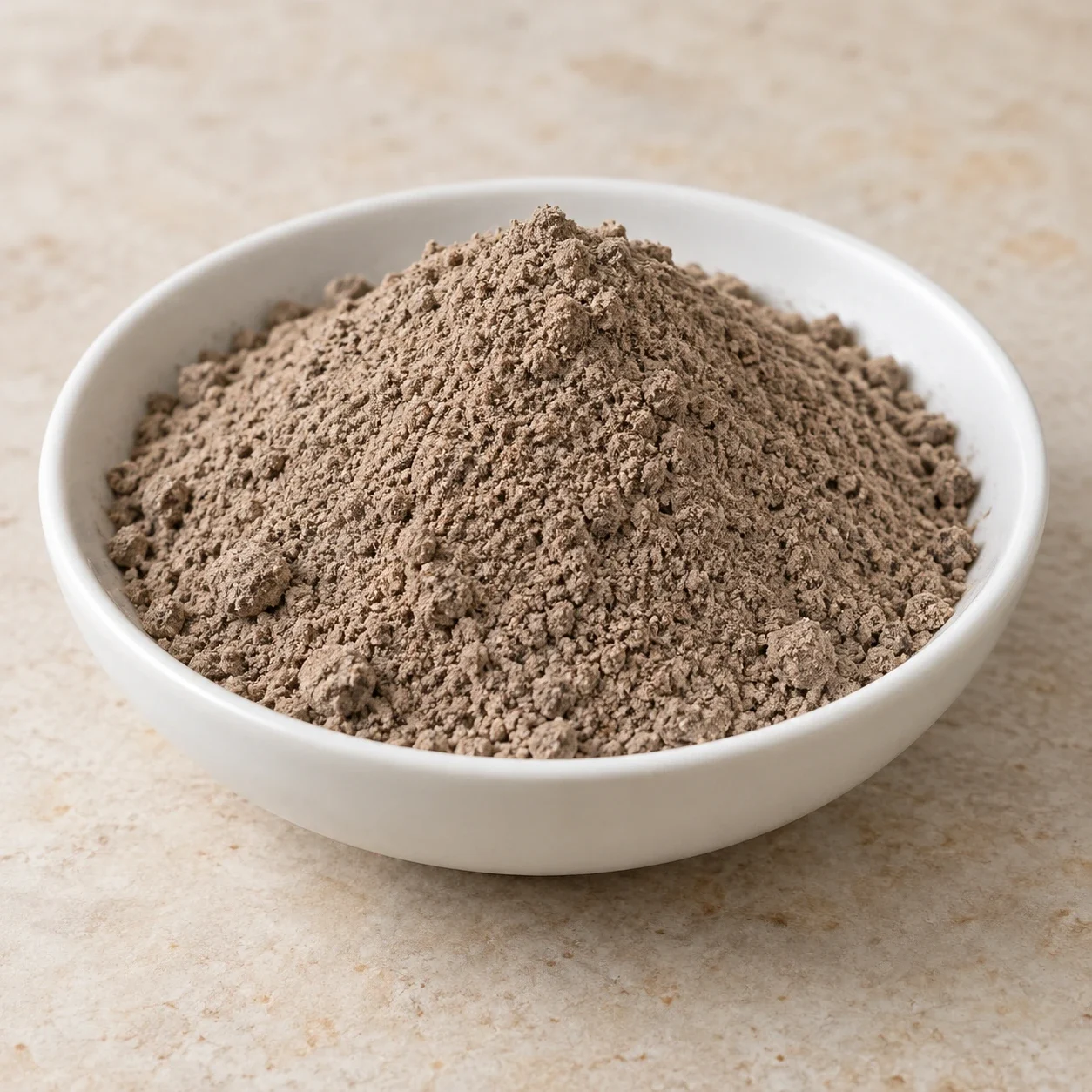
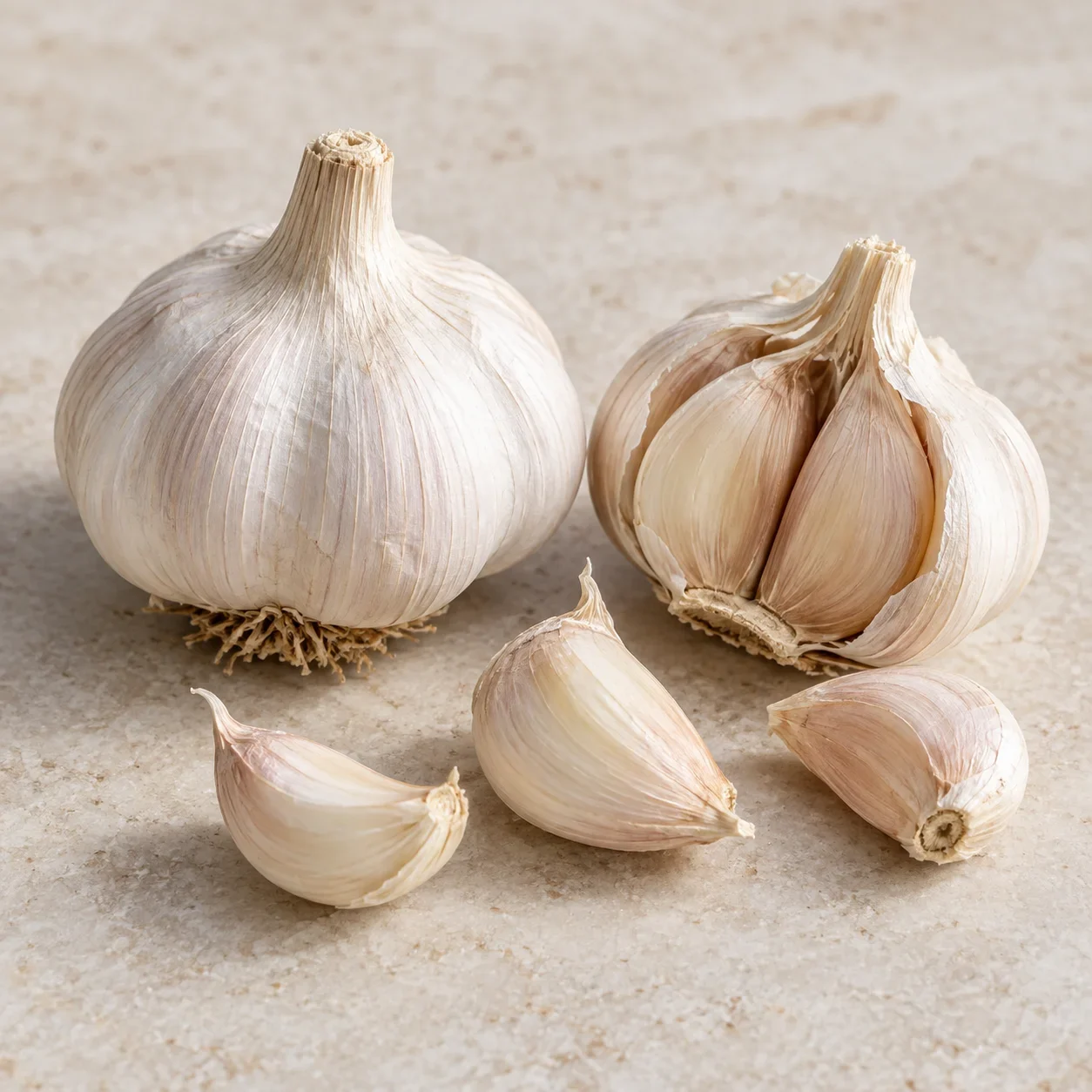
The cold sesame-soy-vinegar version is described here. Elm-bark flour belongs to some steamed variants, while garlic, mustard, chili and other garnishes vary.
Offer small, mild pieces only if the child can chew the firm, slippery cake. Limit strong condiments, check allergens and supervise eating.
Recipes vary. Ask the restaurant about ingredients and serving before you order.
GET TO KNOW THE DISH
What goes into it?
Explore some key ingredients below. Preparations may use additional seasonings and ingredients.
Some steamed versions contain elm-bark flour; the boiled version need not. Toppings vary, and winter versions may be pan-fried in oil and served hot.
Typical ingredients
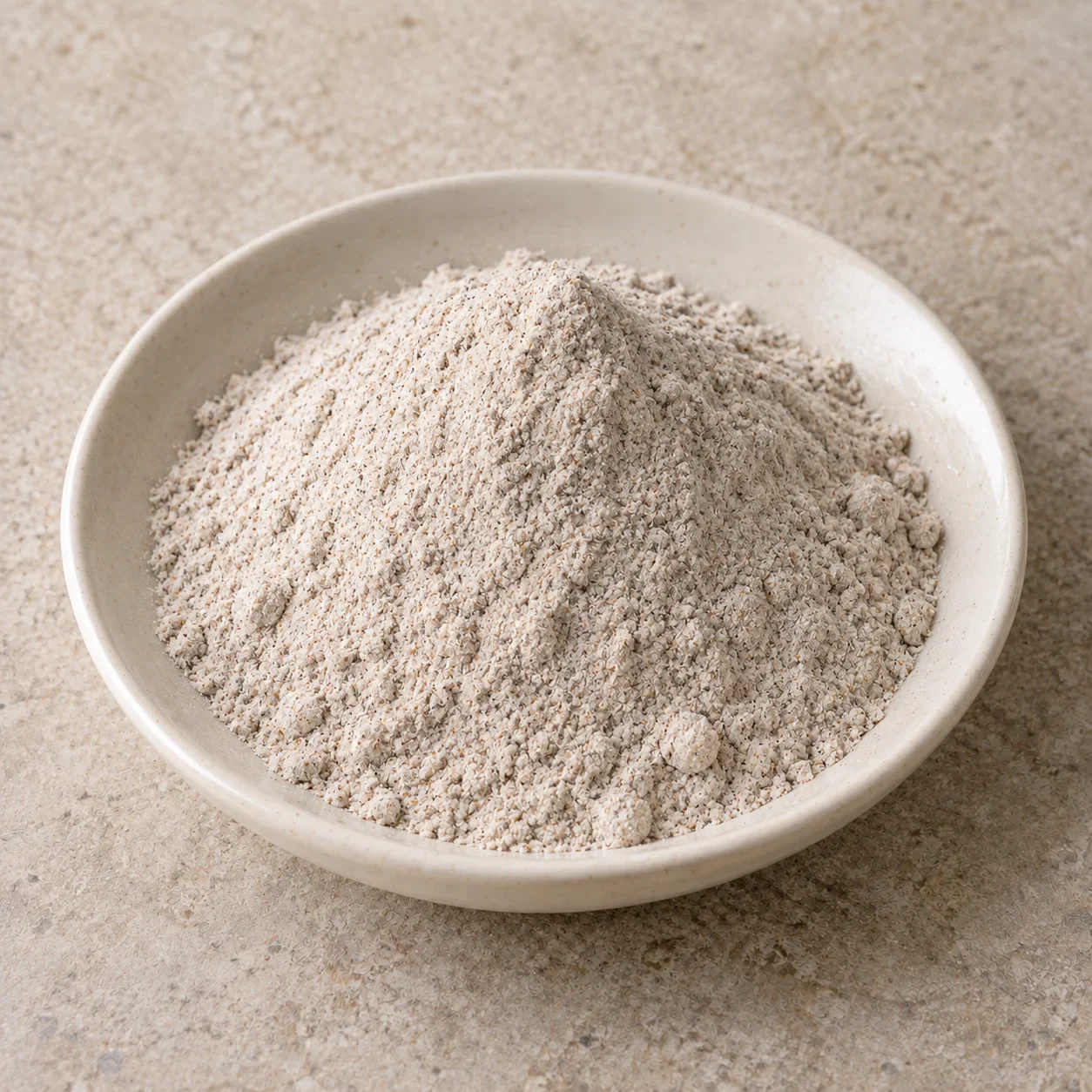
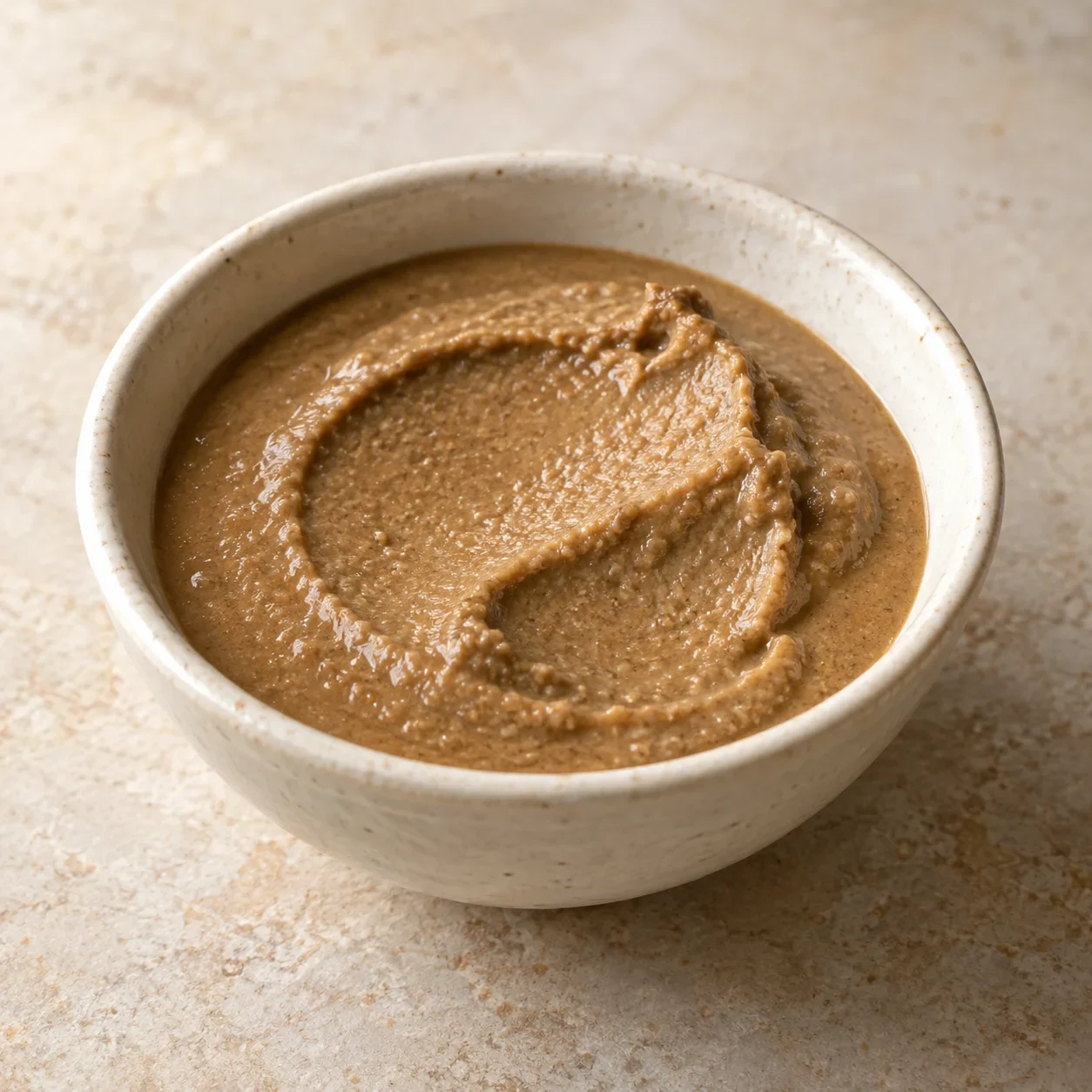
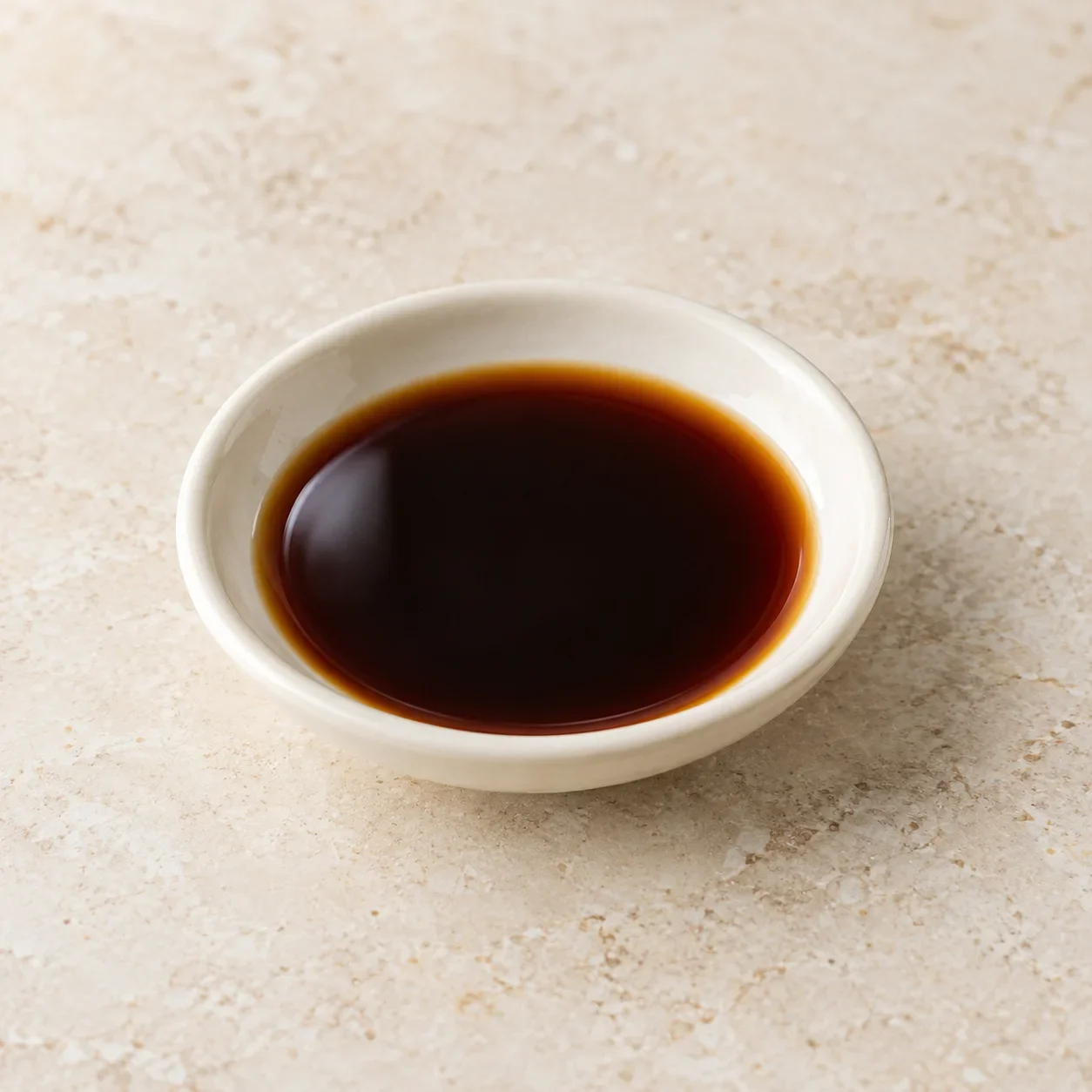

In some versions
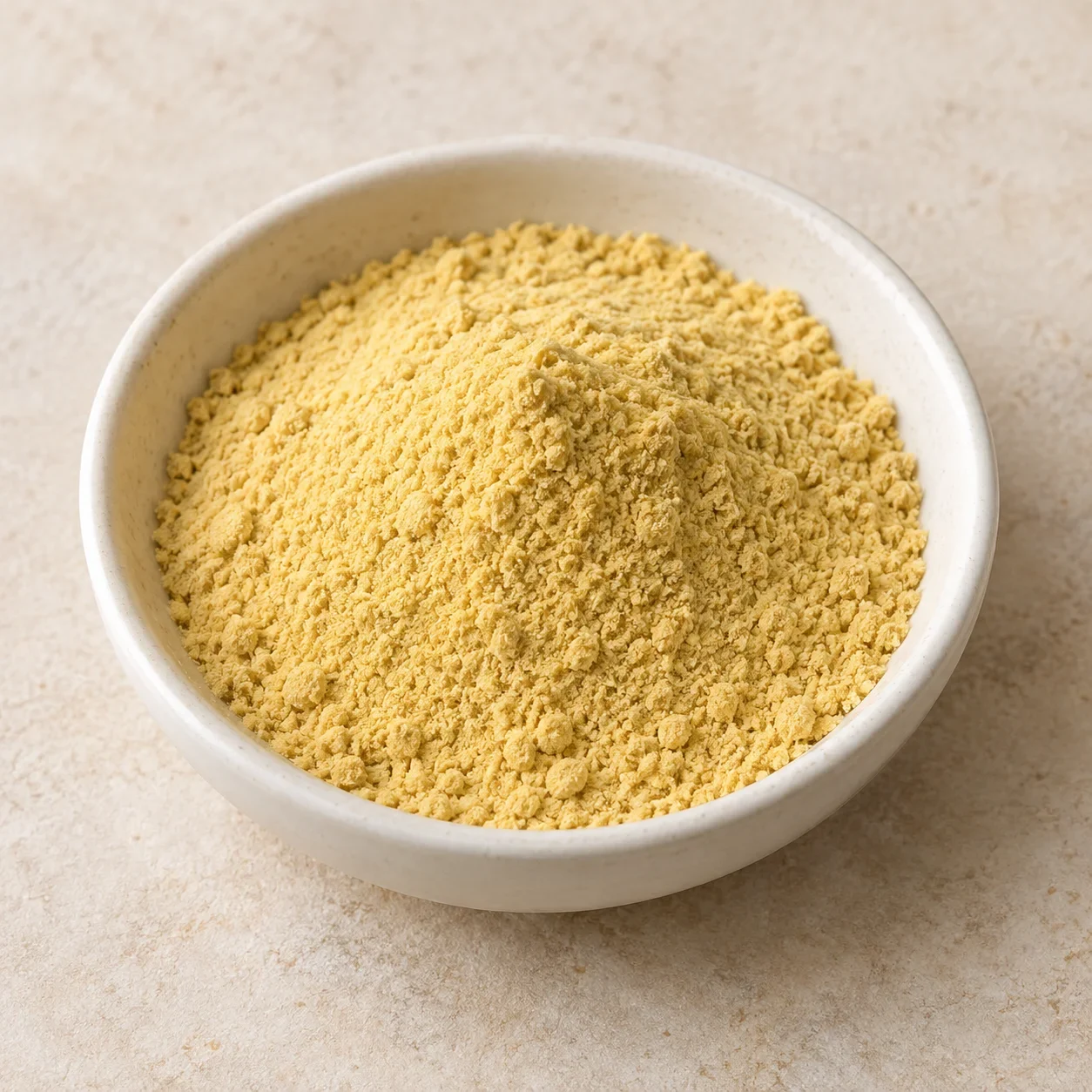
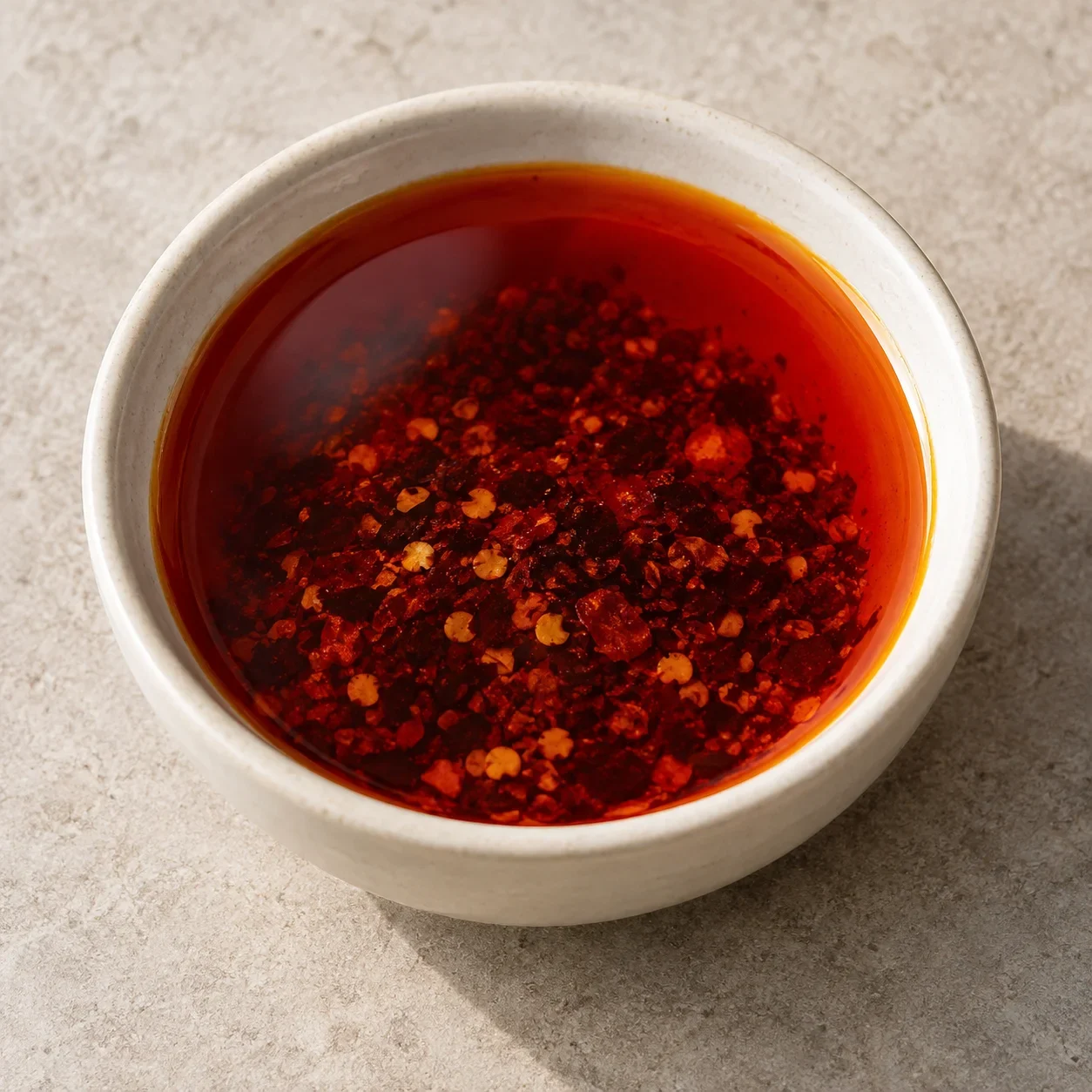
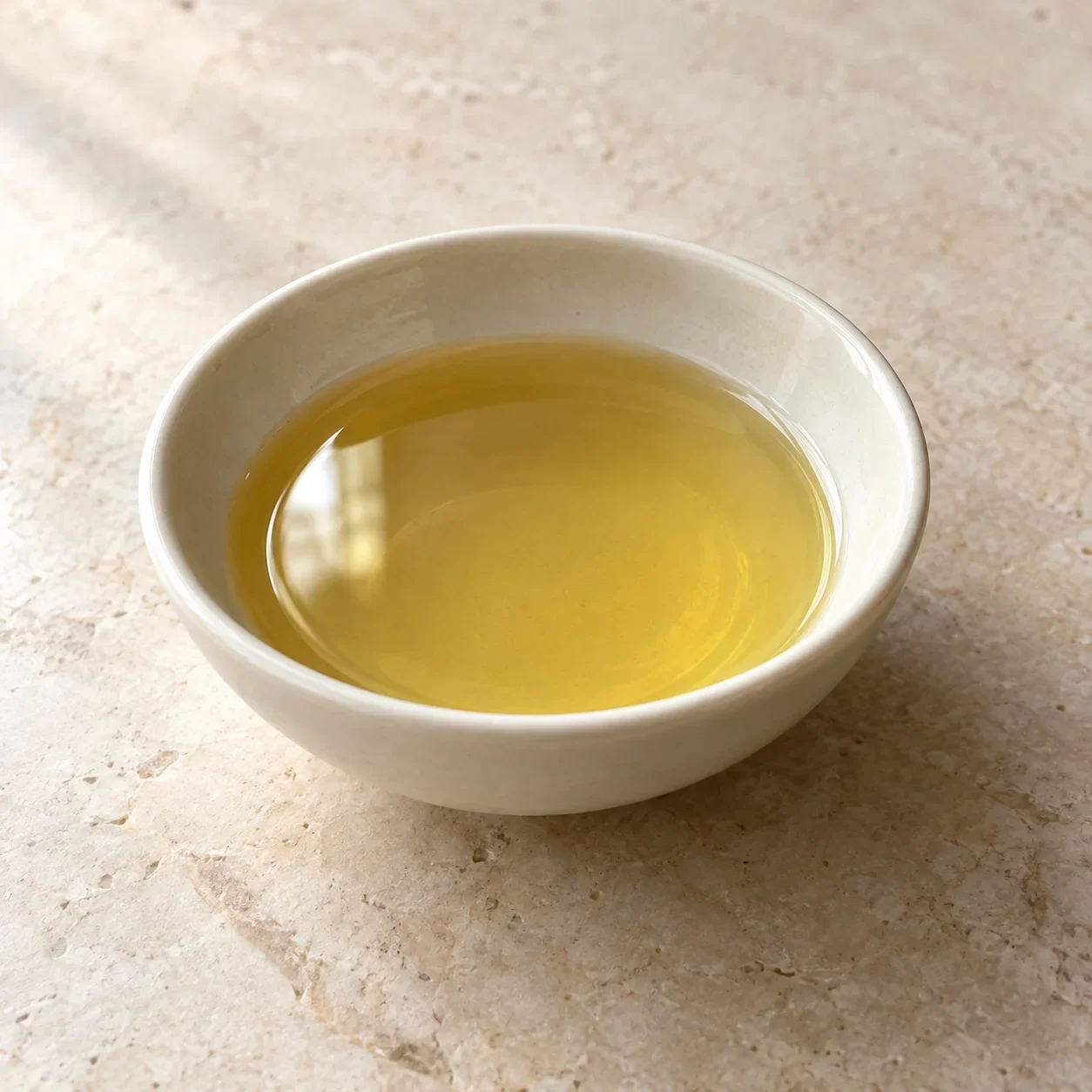
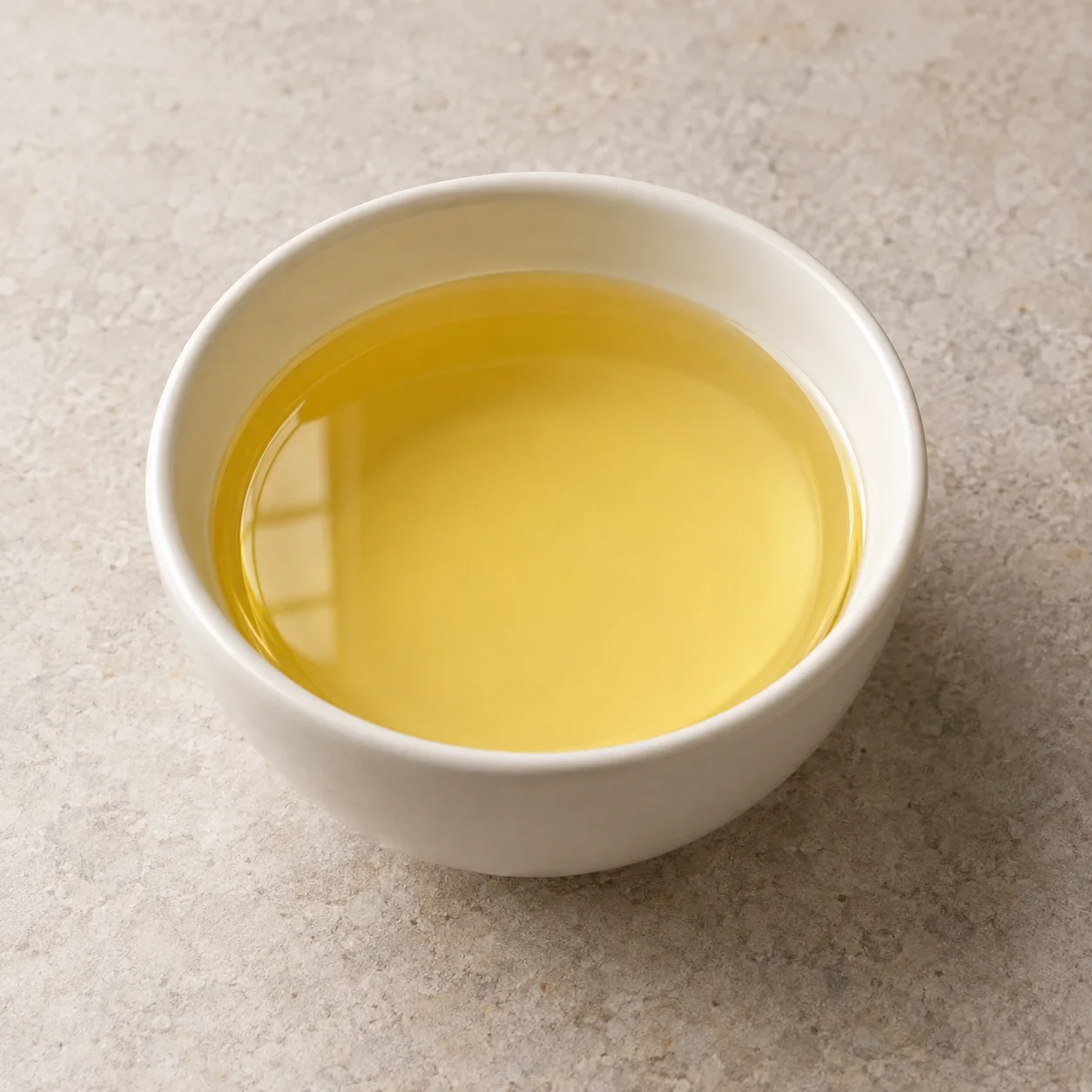
Recipes vary by restaurant.
How does it taste?
Earthy buckwheat with nutty sesame, savory soy and sour vinegar. Garlic, mustard and chili can add different kinds of sharpness.
- Chili heat
- Texture
- Firm, moist and chewy, with thin edges and thicker centers; more substantial than translucent starch jelly.
- How it’s made
- Cook buckwheat flour in boiling water while stirring, flatten and cool, then shave and dress. Another form mixes buckwheat with elm-bark flour and steams small rounds before cooling.
Some steamed versions contain elm-bark flour; the boiled version need not. Toppings vary, and winter versions may be pan-fried in oil and served hot.
A CONNECTION TO PLACE
Origin & regional roots
Associated with Beijing.
About this regional connection
Beijing: Beijingpagao specificallydescribed; relatedbuckwheatfoods elsewhere notexclusiveoriginproof.
Ask if they have it first
请问你们有扒糕吗?
Do you have this item?
A LITTLE SOMETHING TO READ
Story & history
Beijing’s buckwheat pagao for Lixia
This account describes a tradition or story, rather than an established historical fact.
In Beijing’s Lixia customs, noodle dishes mark the start of summer. Pagao is made from buckwheat, steamed into a cake, cooled in water, cut into strips and dressed with vinegar, garlic and soy sauce. The wider Lixia custom links flour dishes with hopes for a full grain harvest as wheat nears maturity. Alongside noodles and summer cakes, pagao was one of the three foods associated with the day. Its cool, slippery texture belongs to that seasonal meal.