
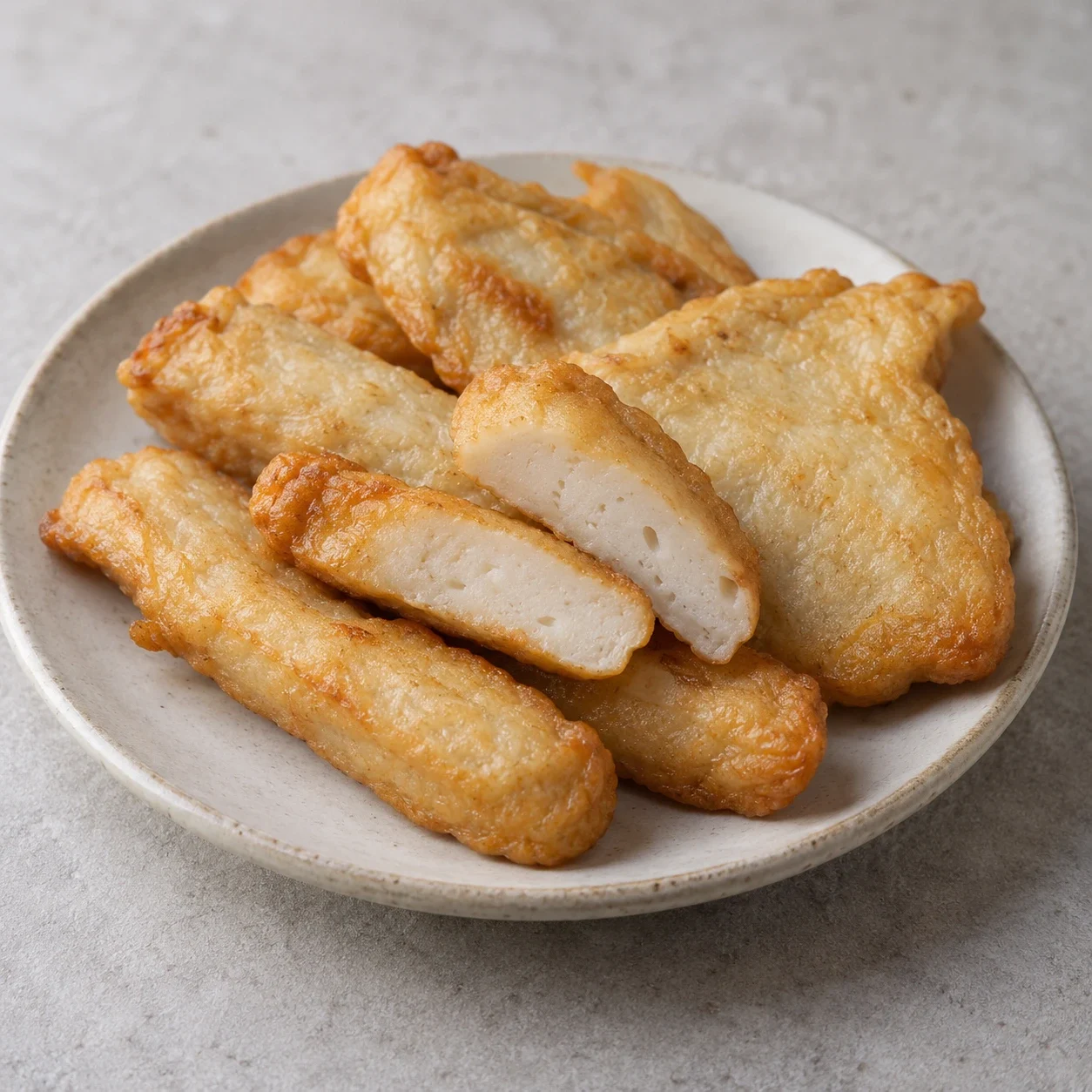
At the table
Eat the cooked fritters with chopsticks, letting the first bite cool. If sauce is offered, try a little first; ask whether you are ordering plain fried pieces or a sauced serving.
Contains fish and uses rice wine; not vegetarian or vegan and not guaranteed alcohol-free. Other recipes and sauces may contain pork or additional allergens.
Fish species, starch and sauces vary. Some recipes add fatty pork; sauces can add chili. The plain version described here contains no chili.
GET TO KNOW THE DISH
What goes into it?
Explore some key ingredients below. Preparations may use additional seasonings and ingredients.
Fish species, starch and sauces vary. Some recipes add fatty pork; sauces can add chili. The plain version described here contains no chili.
Typical ingredients
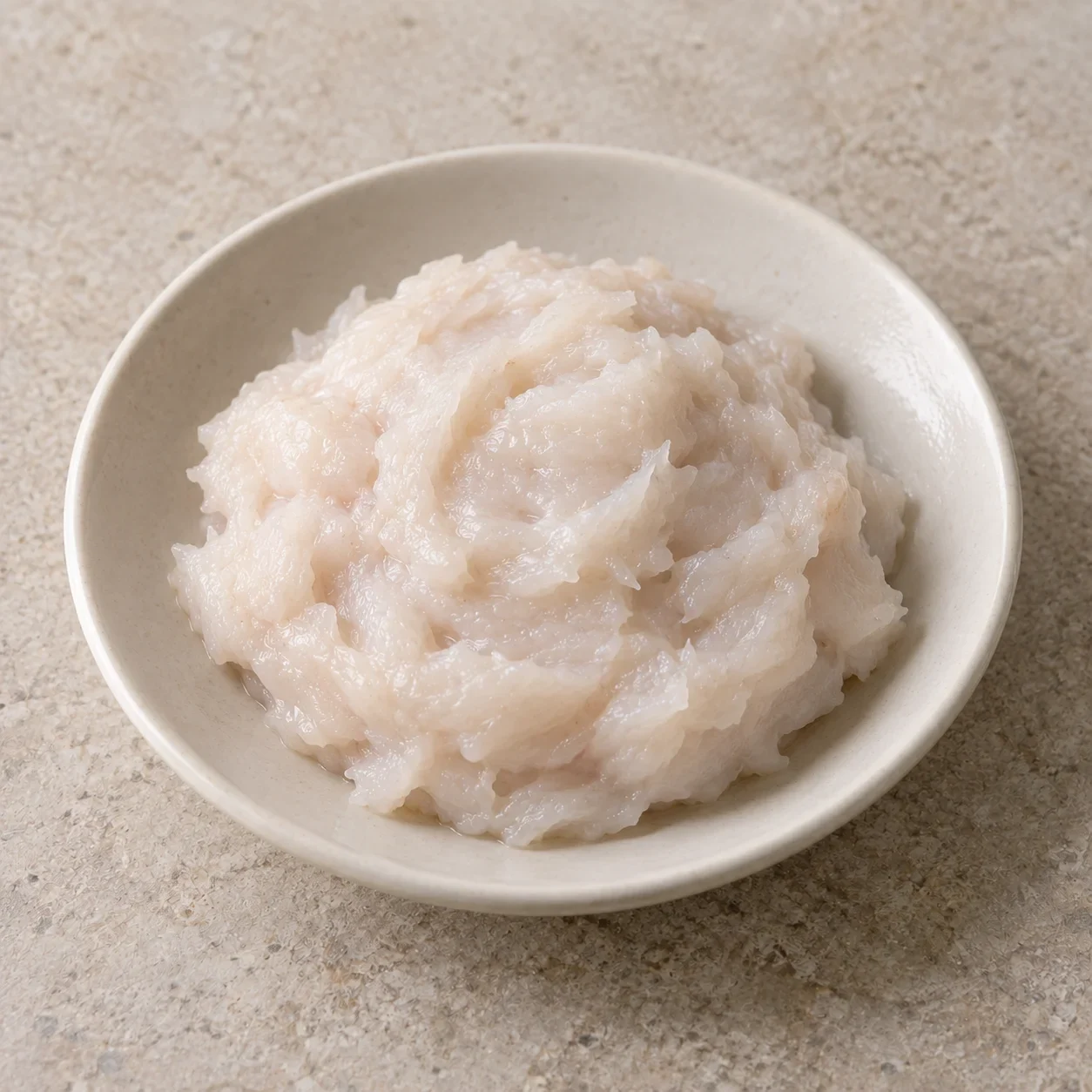
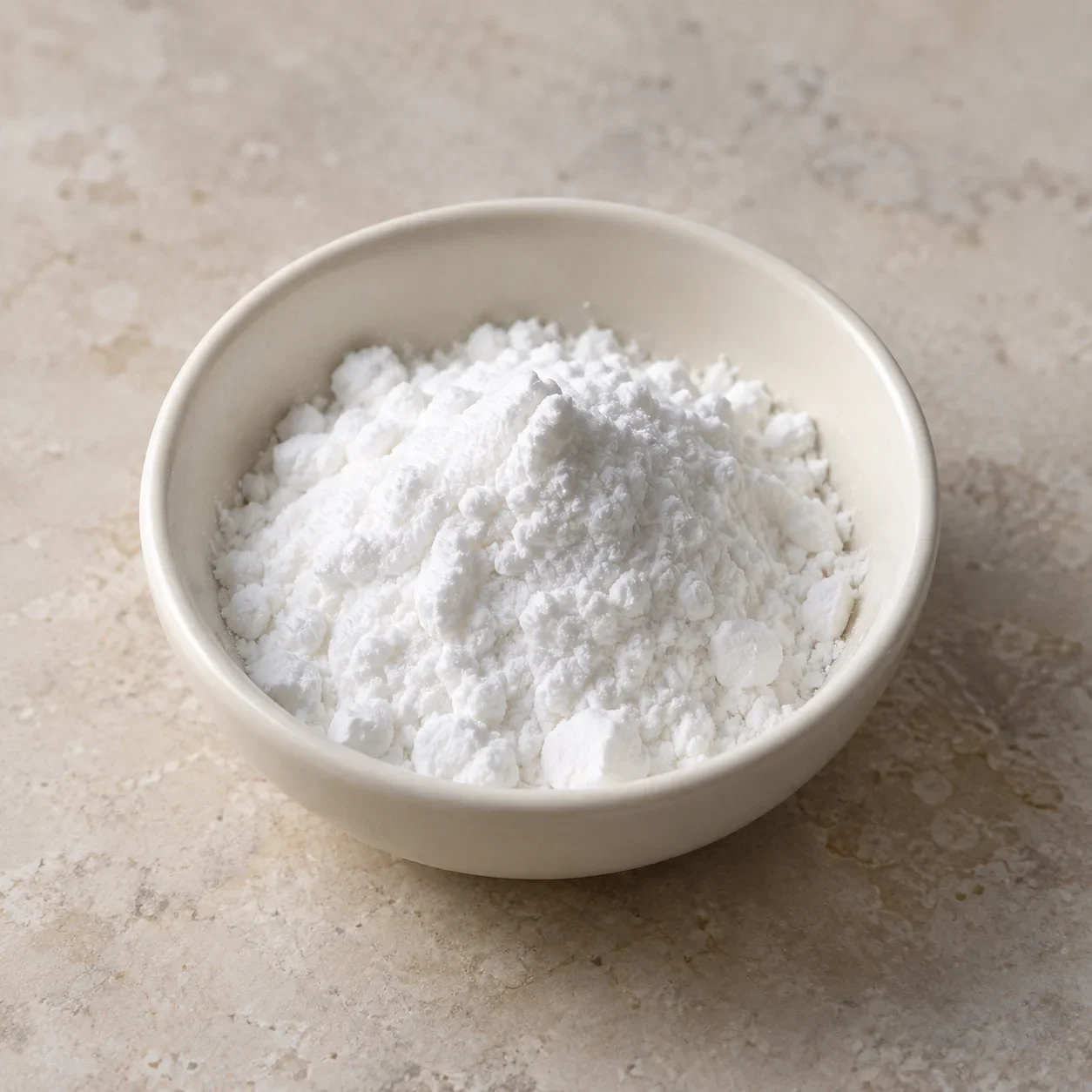
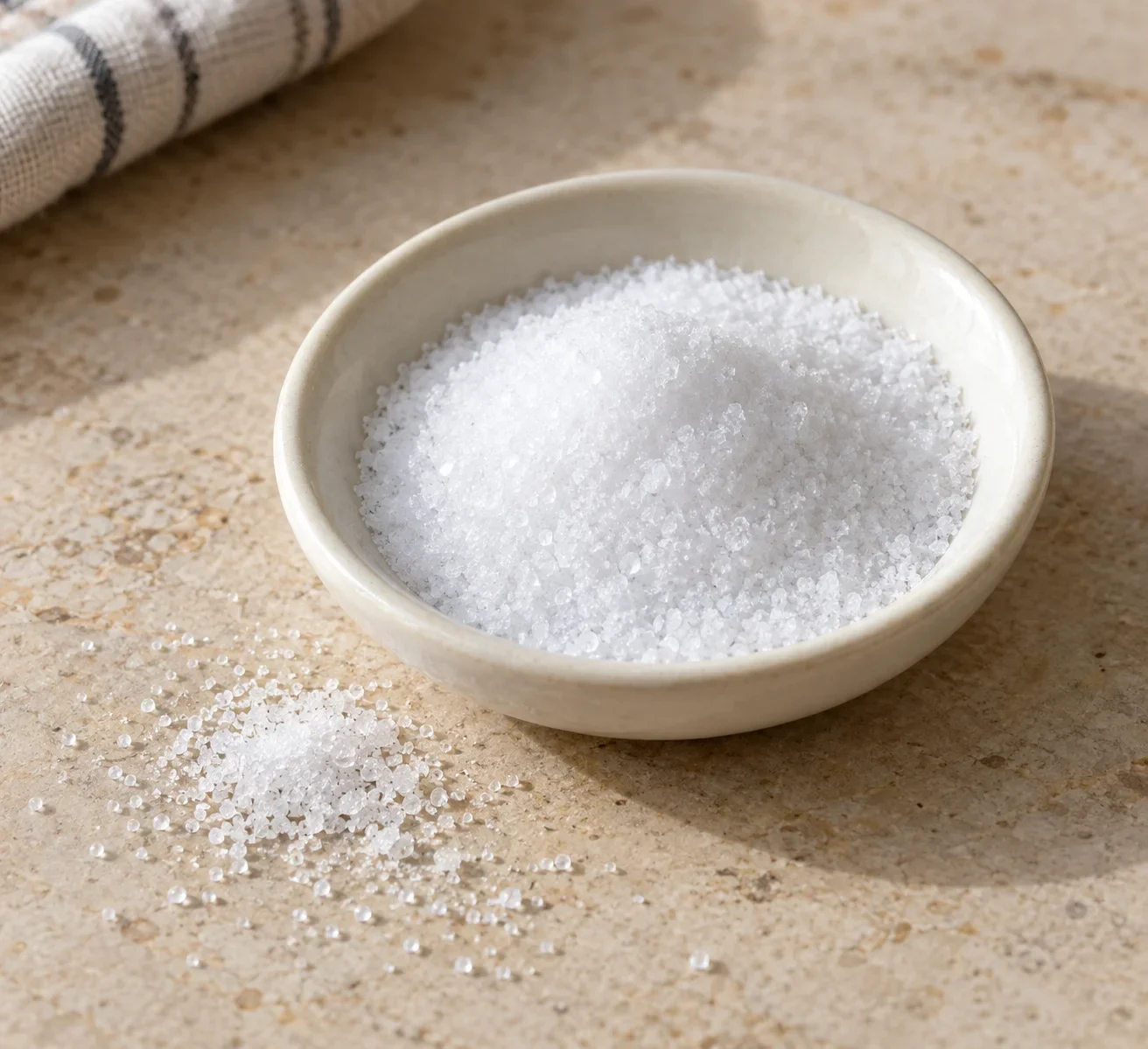
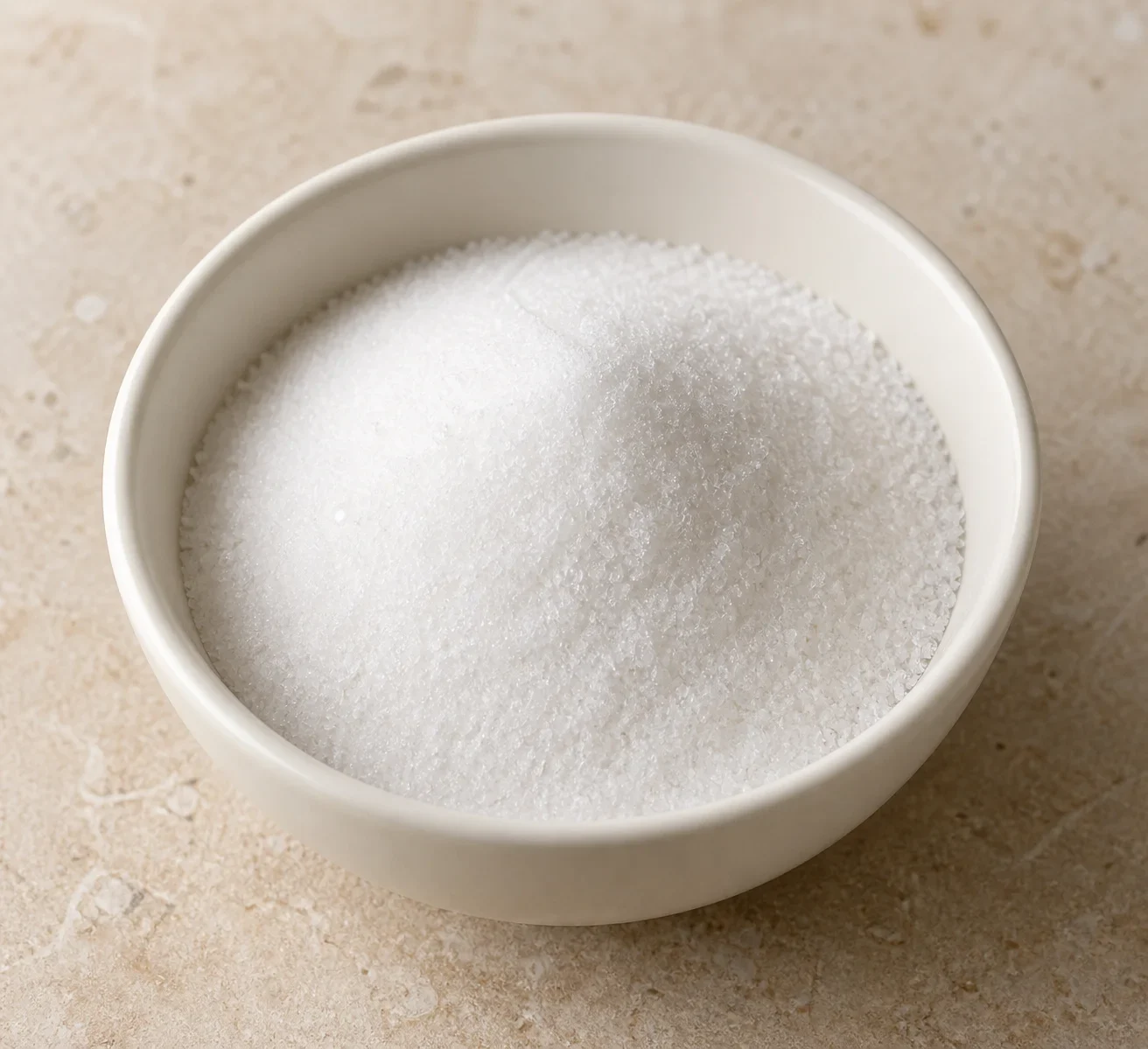
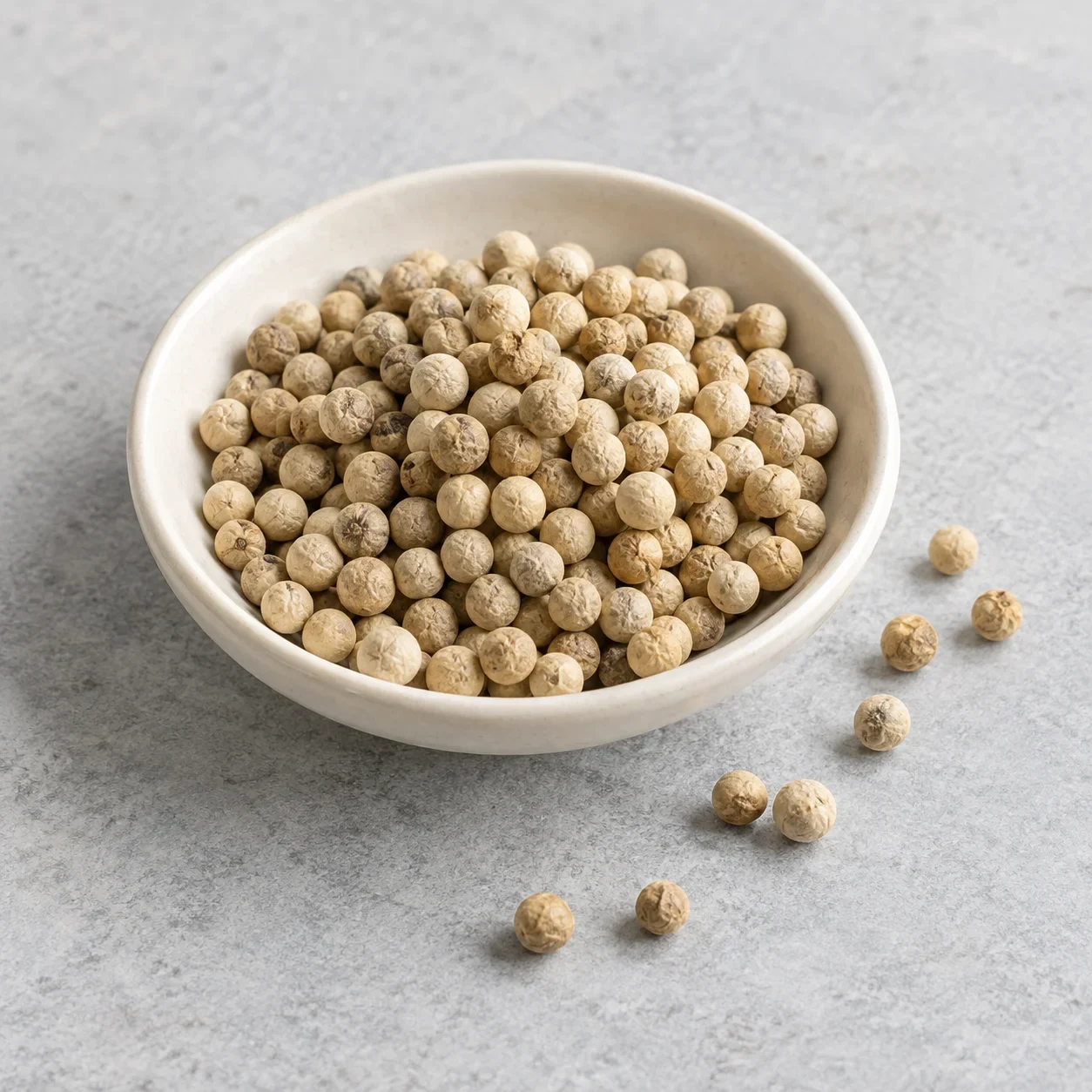
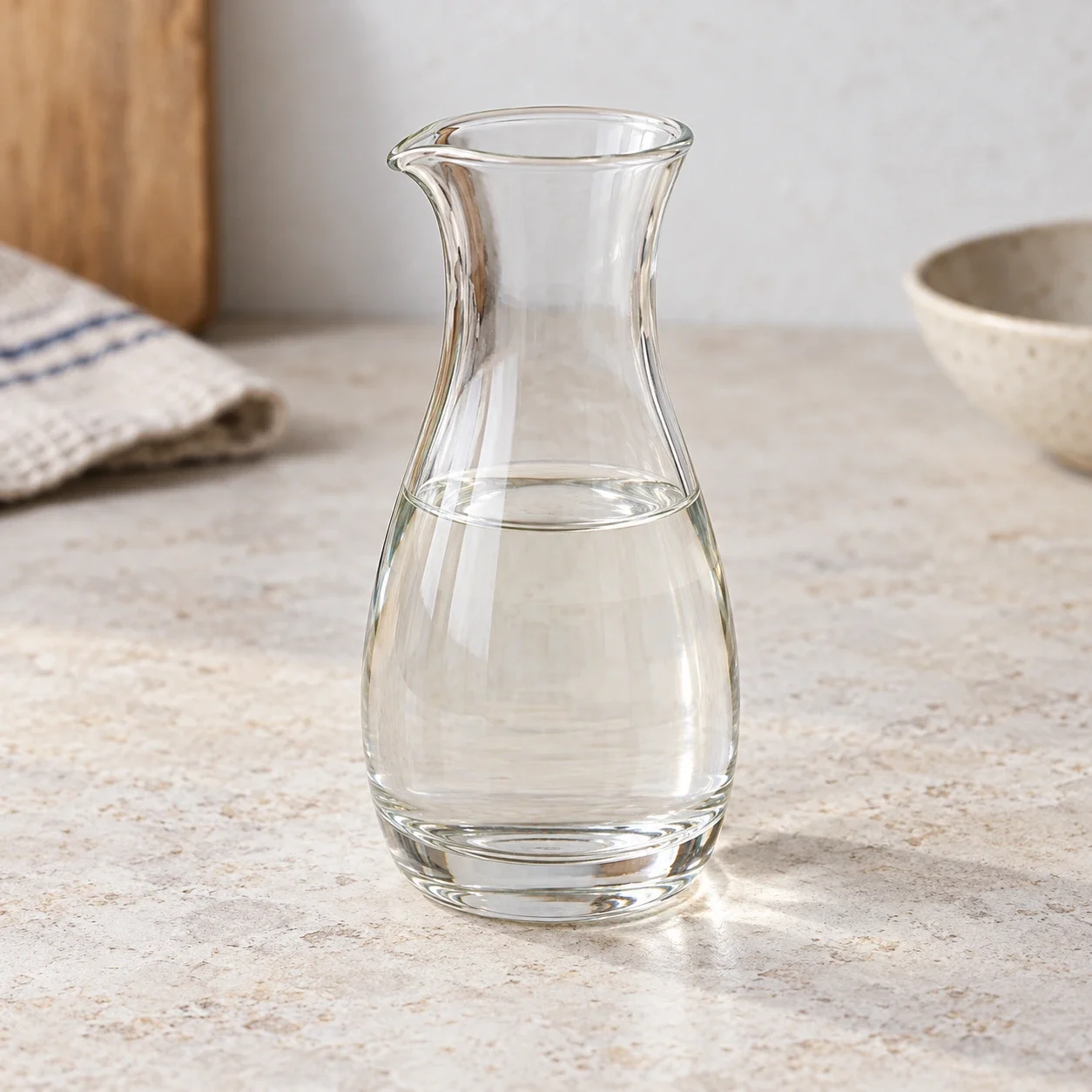
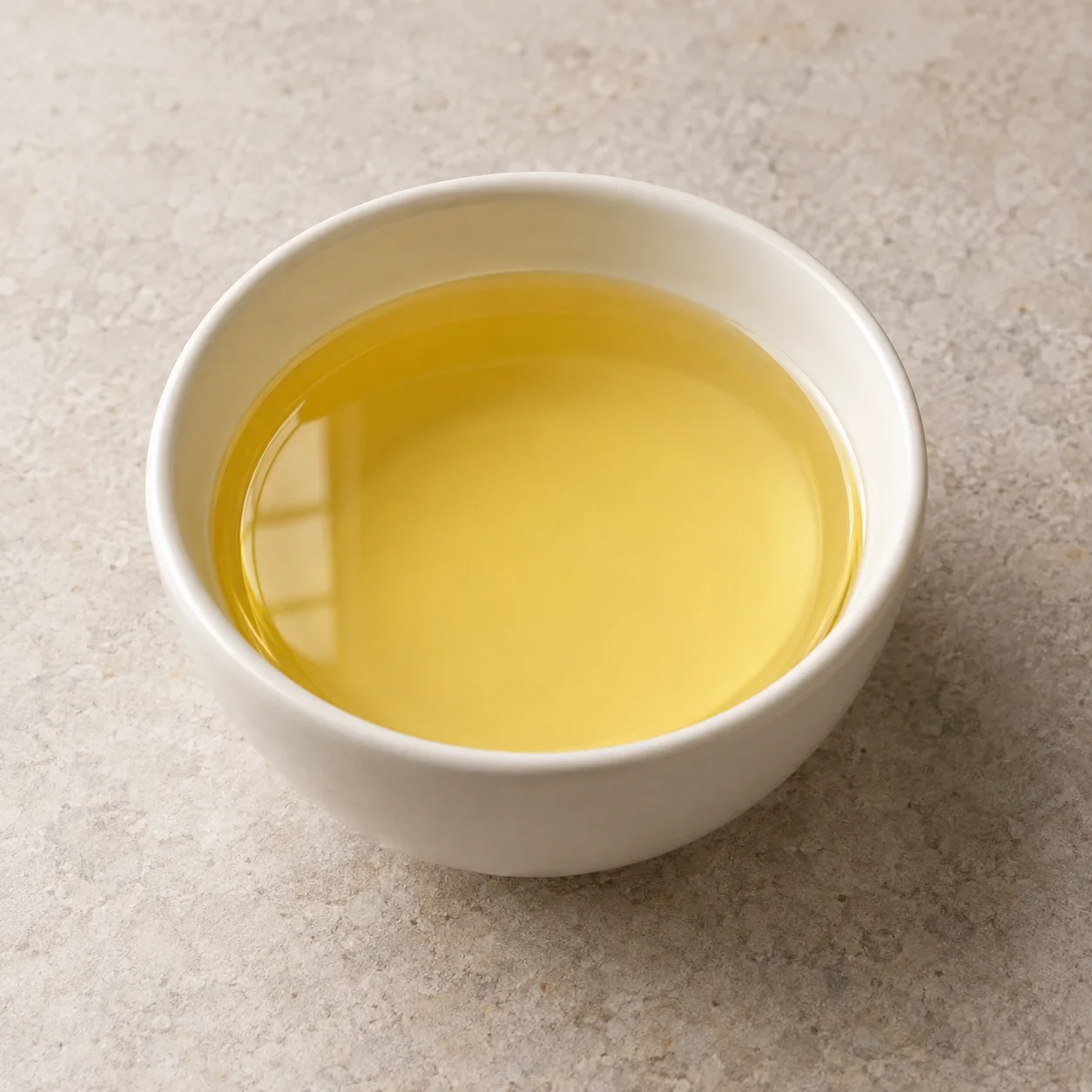
Recipes vary by restaurant.
How does it taste?
Savory fish flavor, slight sweetness and white-pepper aroma.
- Chili heat
- Texture
- Golden surface and a soft, springy interior.
- How it’s made
- White-fleshed fish is worked into a paste with salt, starch, sugar, white pepper, rice wine and cold water, then shaped and deep-fried.
Fish species, starch and sauces vary. Some recipes add fatty pork; sauces can add chili. The plain version described here contains no chili.
A CONNECTION TO PLACE
Origin & regional roots
Associated with Taiwan.
About this regional connection
Taiwan: Taiwanese shaped fried fish paste, distinct from Japanese batter tempura.
Ask if they have it first
请问你们有臺式魚漿天婦羅(甜不辣)吗?
Do you have this item?
A LITTLE SOMETHING TO READ
Story & history
A name borrowed by sound
This account describes a tradition or story, rather than an established historical fact.
Tianbula, also called Taiwanese tempura, takes its name from Japanese tempura. The characters do not guarantee a sweet or non-spicy dish; in Taiwan the familiar form is shaped fish paste.