
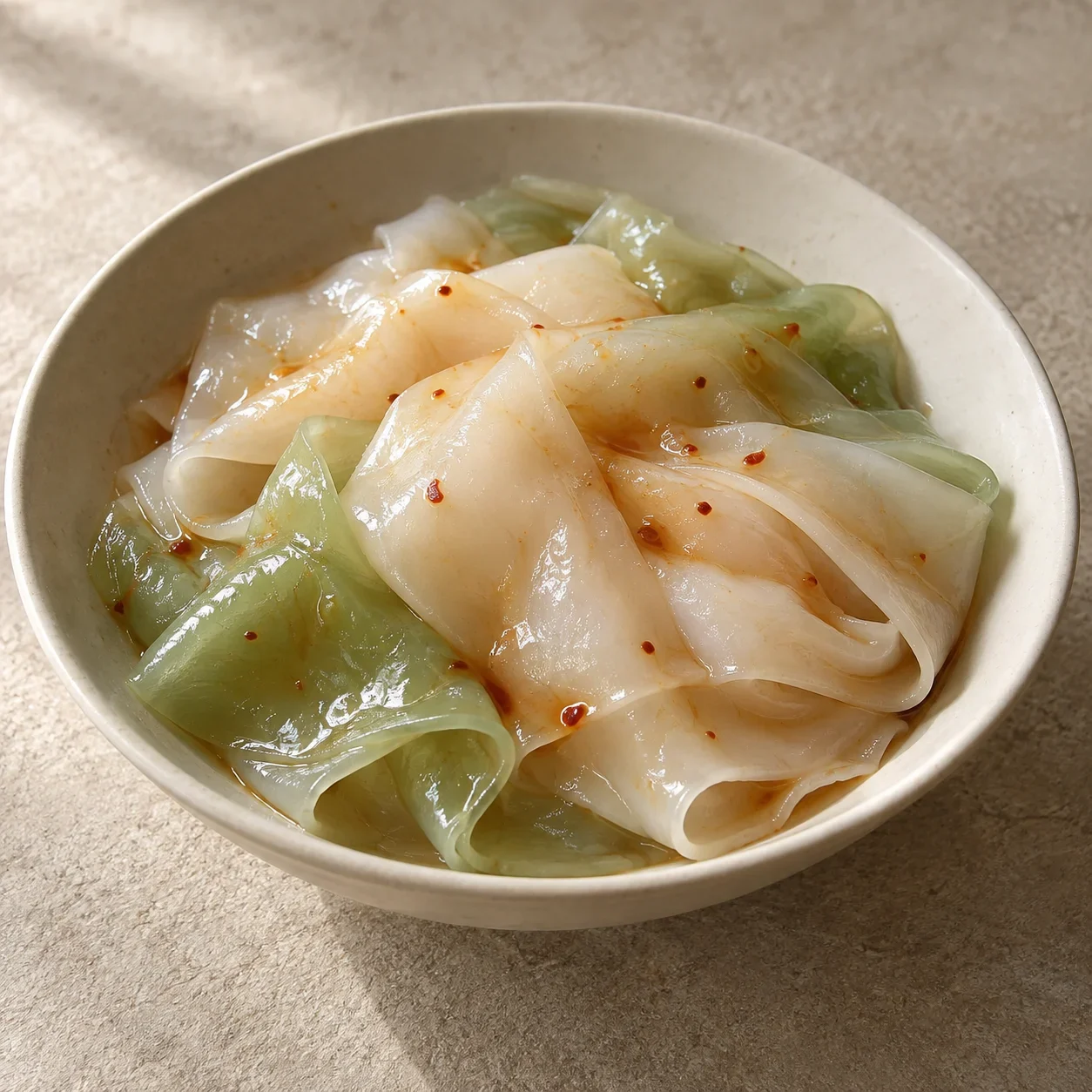
At the table
Separate a few slippery sheets with chopsticks, coat them with dressing and take small bites. Ask about chili and mustard before ordering.
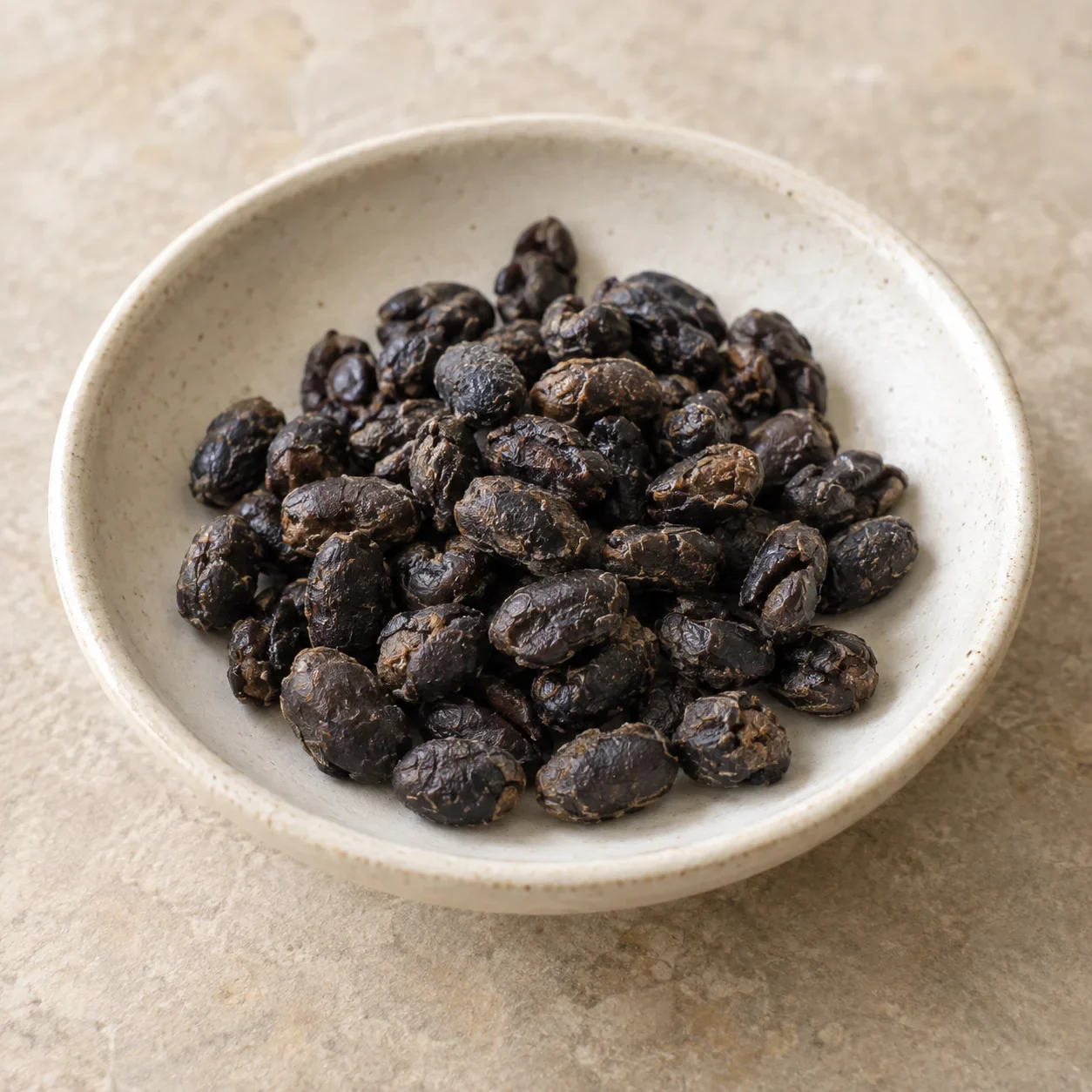
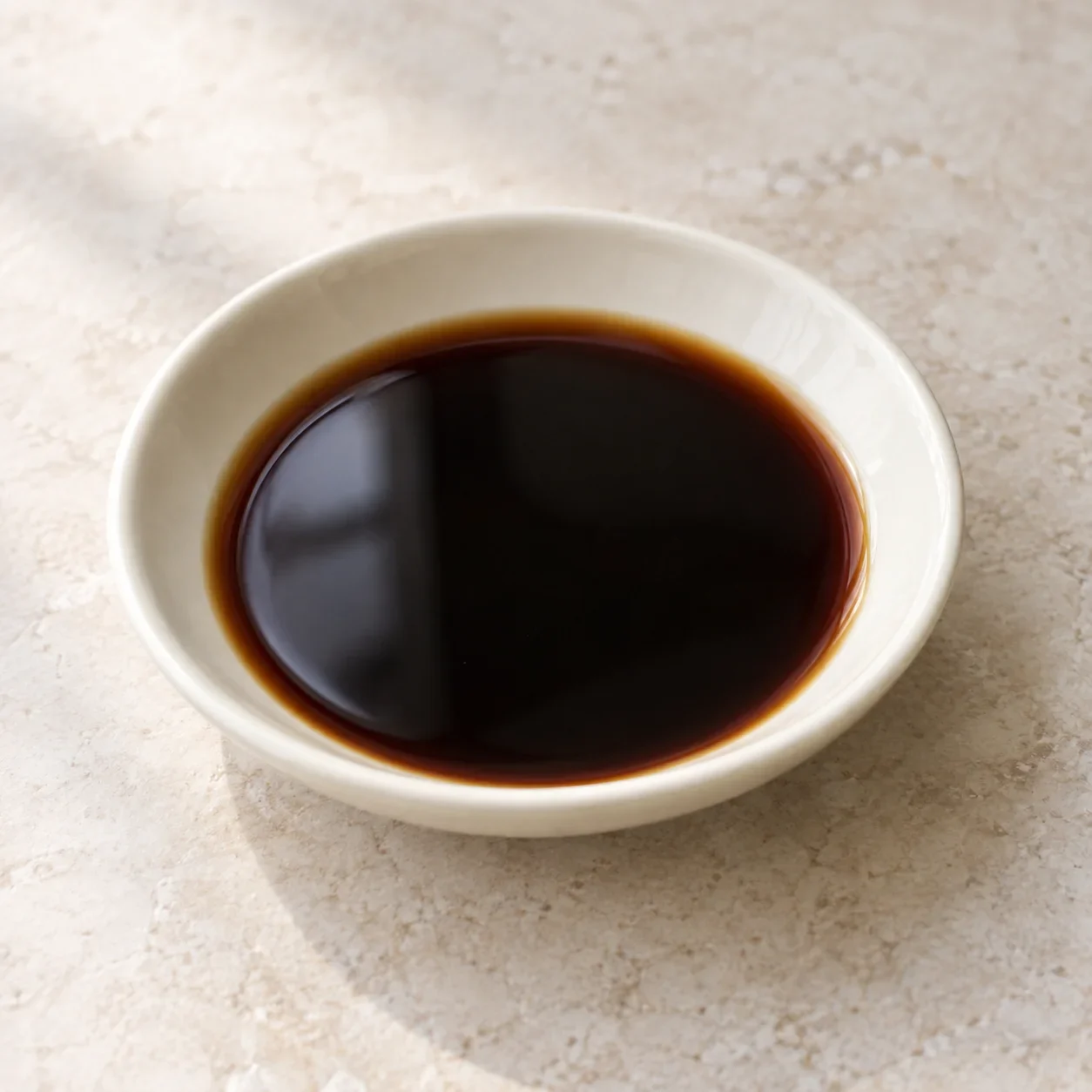
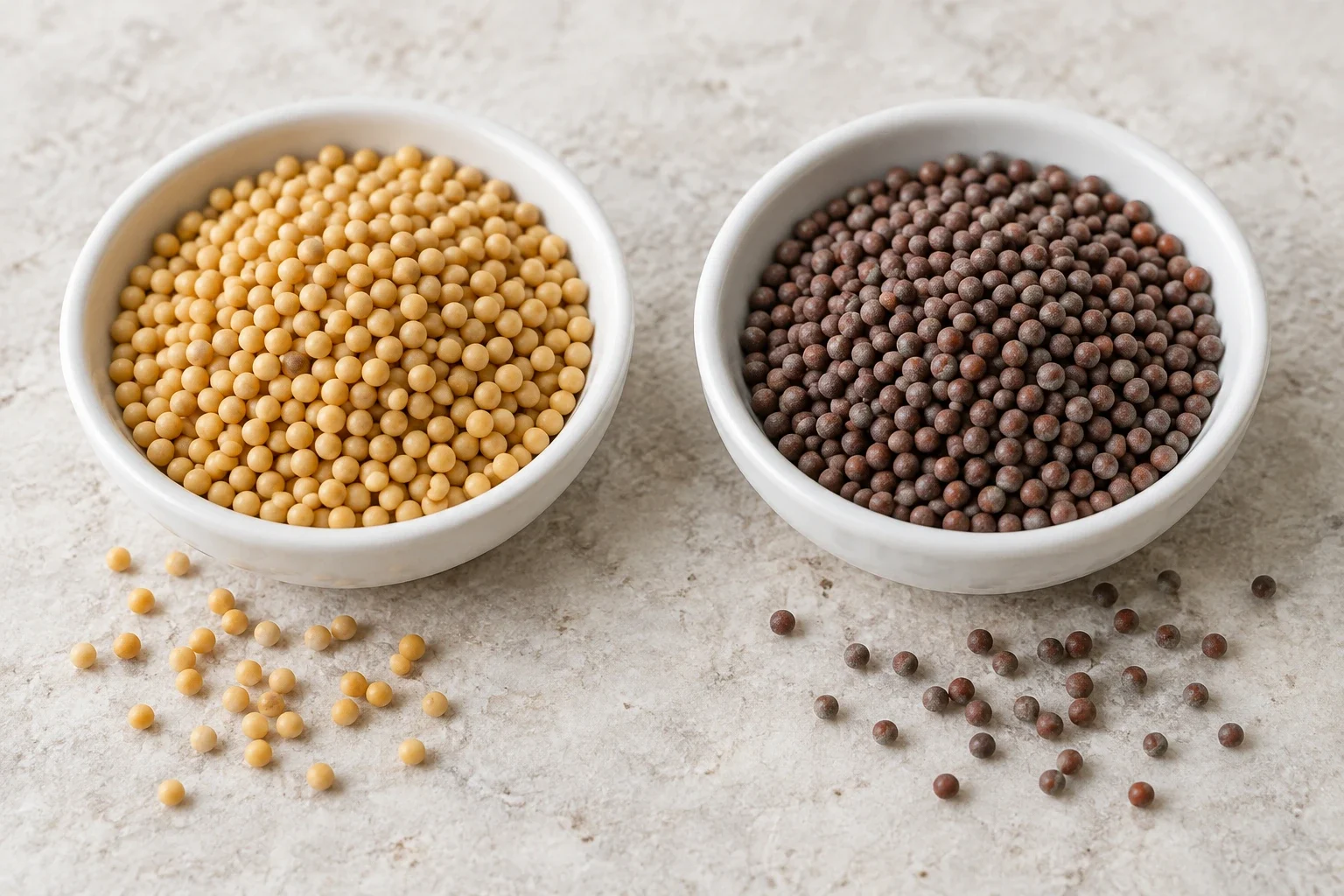
The usual cold-dressed recipe is plant-based, but sauces, cooking fats and hot preparations vary. Soy sauce or fermented beans can add soy or wheat; mustard may also be used. Check the recipe if you avoid these ingredients.
GET TO KNOW THE DISH
What goes into it?
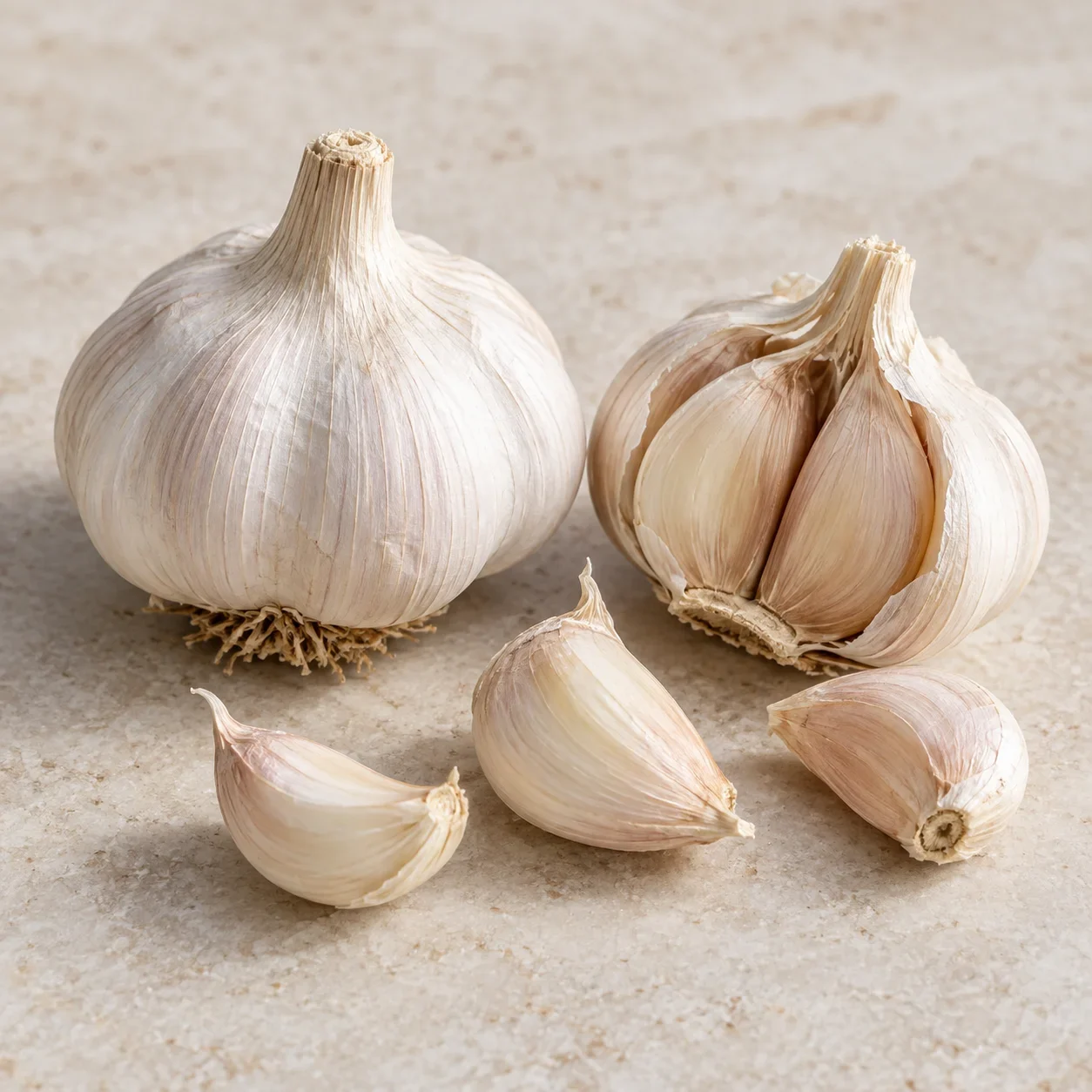
Explore some key ingredients below. Preparations may use additional seasonings and ingredients.
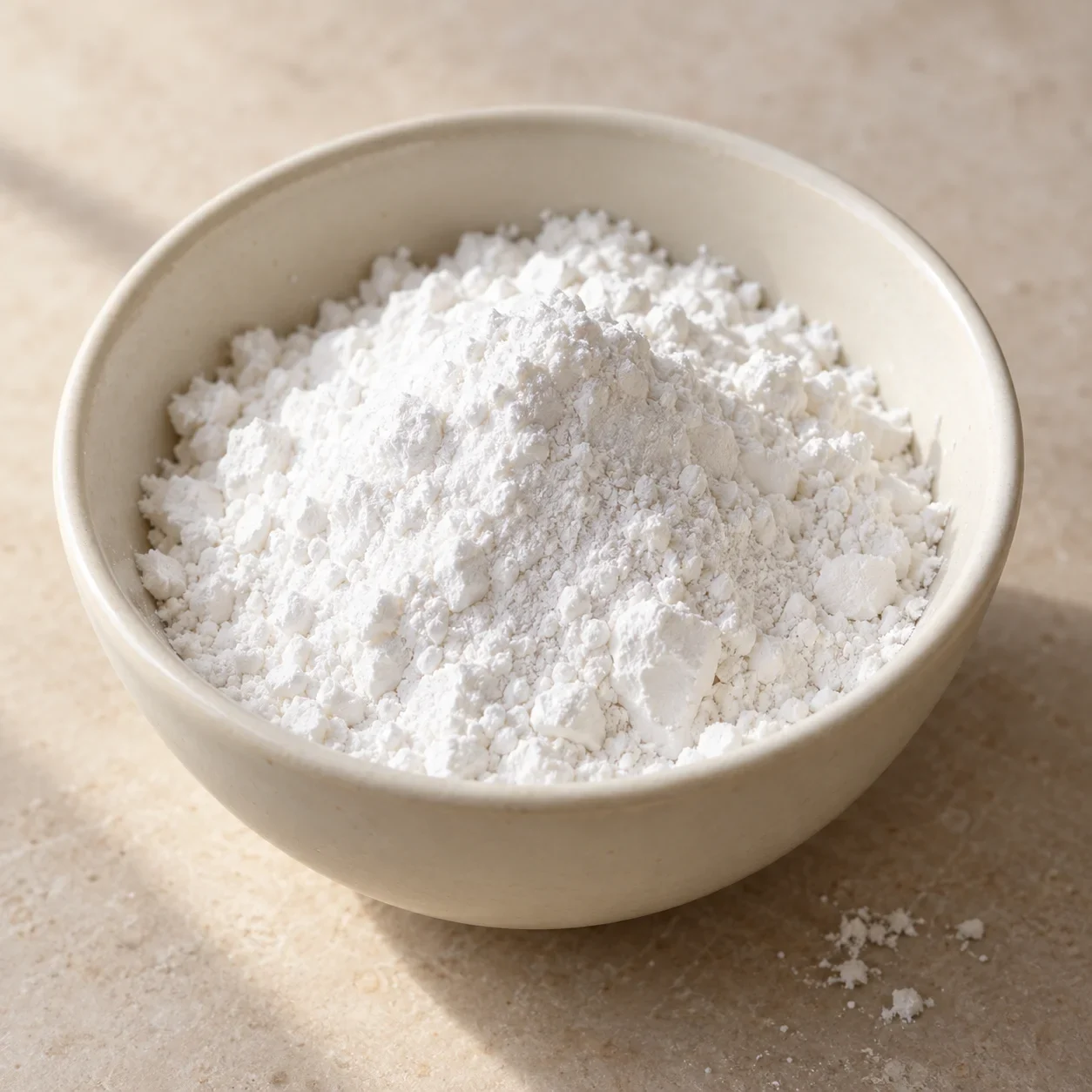
Mung-bean, pea or sweet-potato starch may be used. Leafy-vegetable or chive juice colors some versions; the sheets can also be served hot.
Typical ingredients
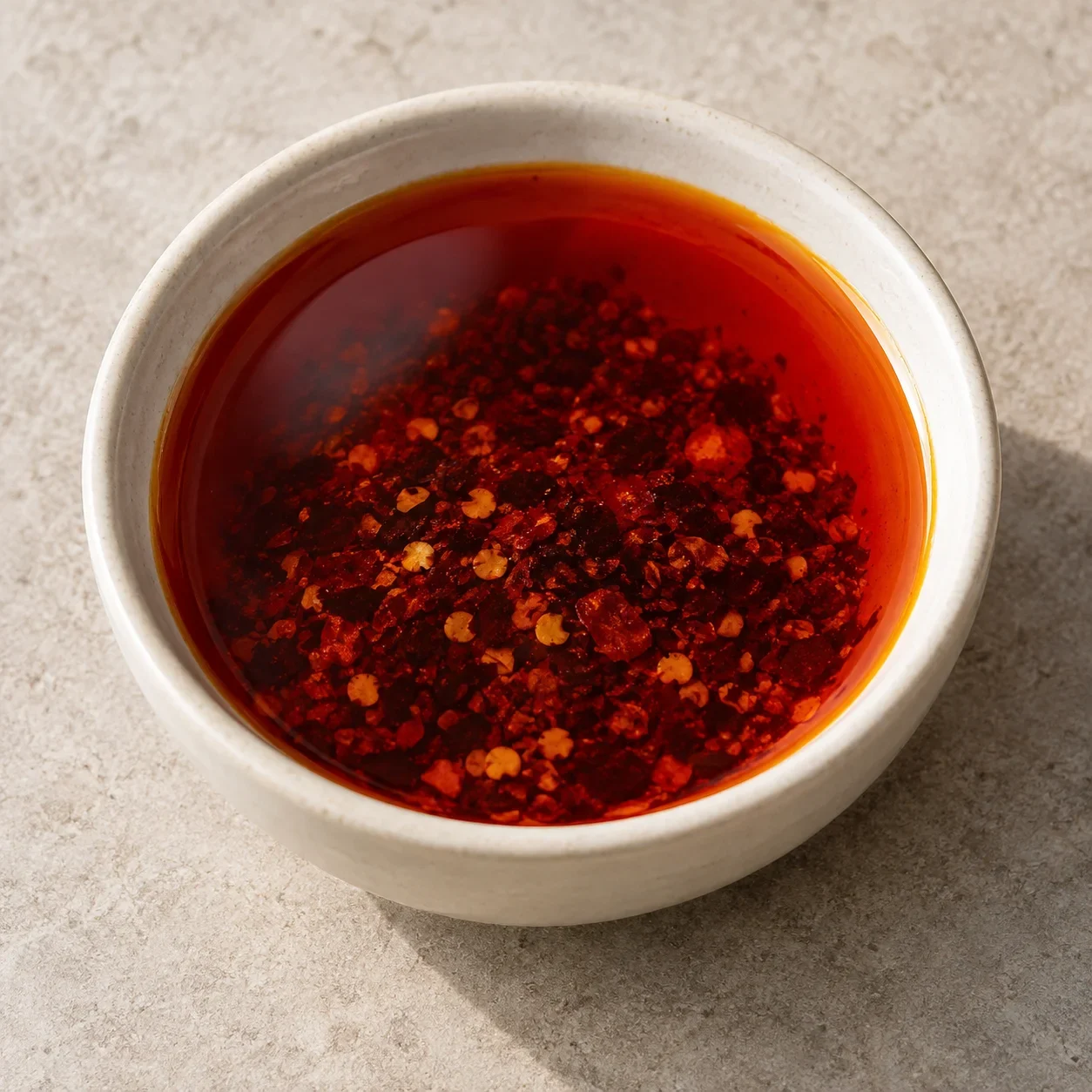
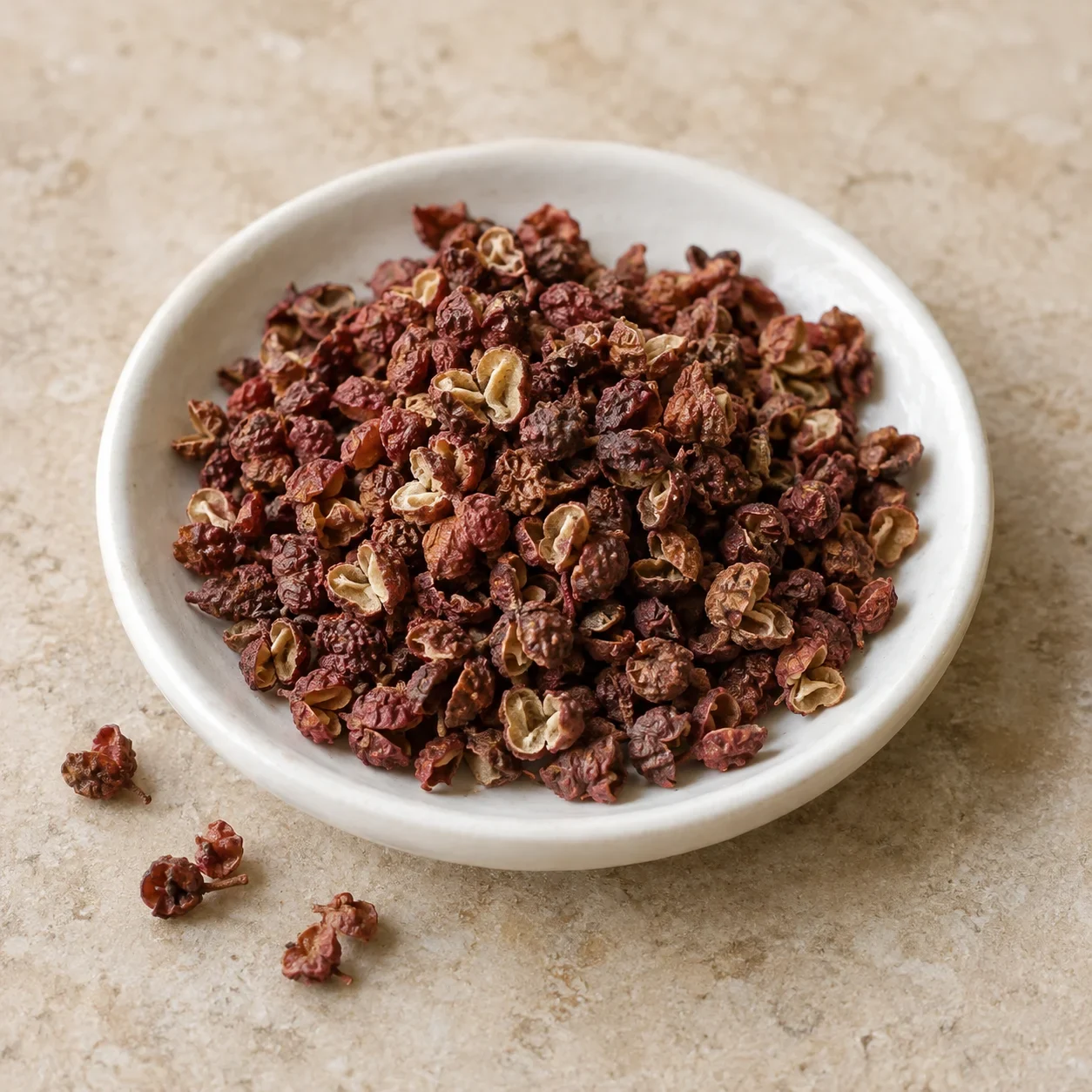


In some versions
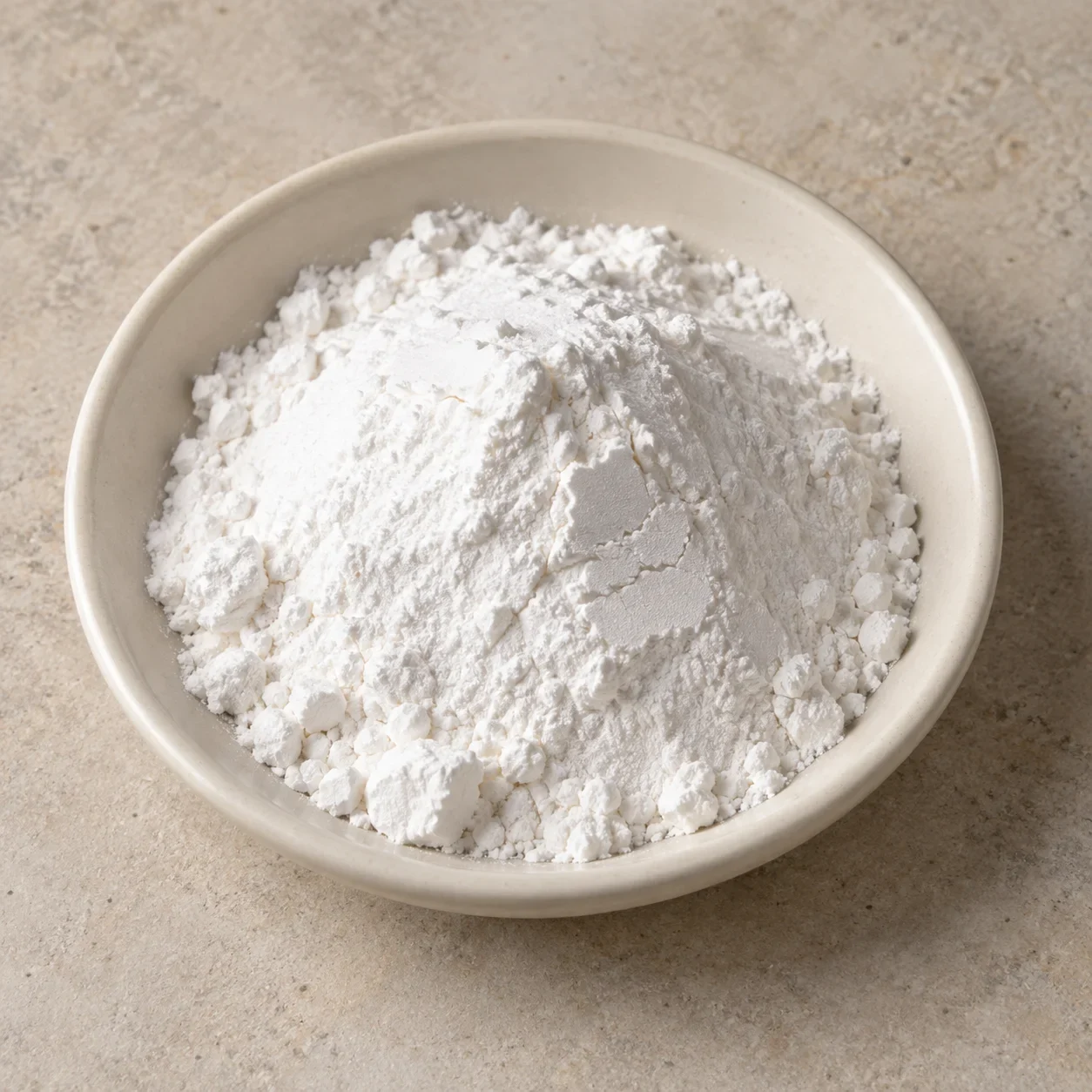
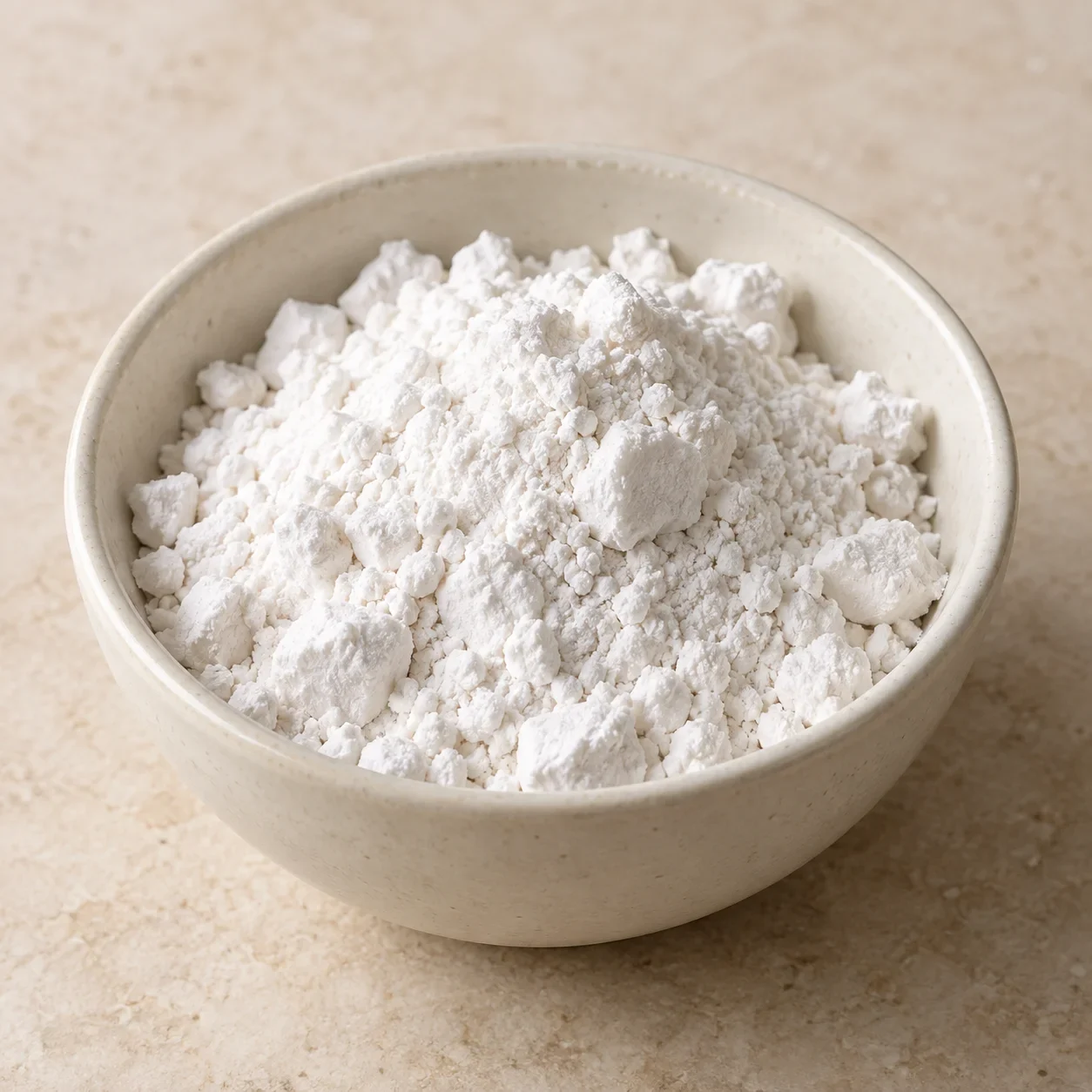
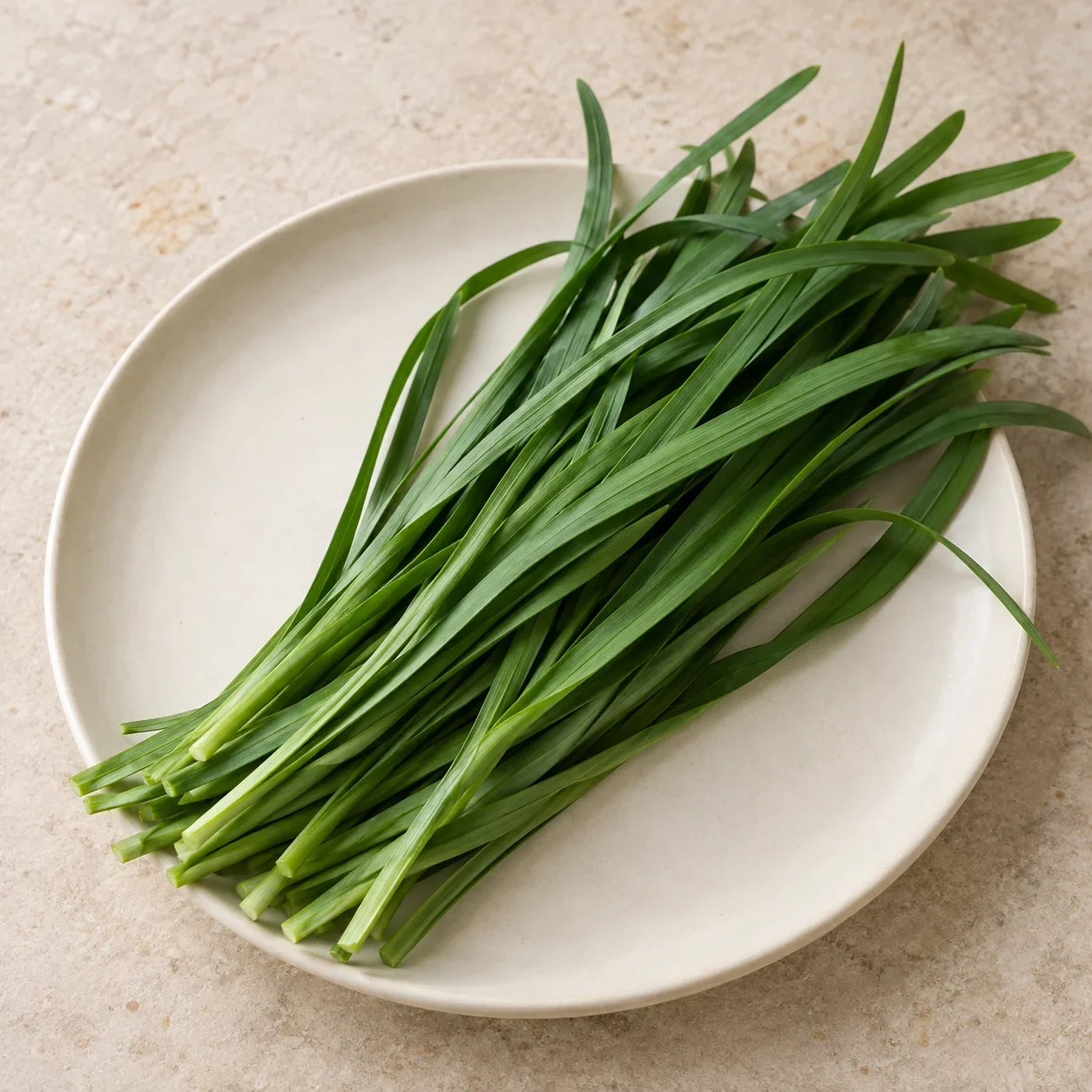
Recipes vary by restaurant.
How does it taste?
Tangy, savory and chili-hot, sometimes with a pungent mustard note.
- Chili heat
- Texture
- Thin, smooth sheets with a light elastic chew.
- How it’s made
- Starch slurry is spread in a shallow metal pan and heated over boiling water. The cooked sheets are cooled, stacked, cut into broad strips and separated for dressing.
Mung-bean, pea or sweet-potato starch may be used. Leafy-vegetable or chive juice colors some versions; the sheets can also be served hot.
A CONNECTION TO PLACE
Origin & regional roots
Associated with Sichuan.
About this regional connection
Sichuan: Associated with Zitong, Mianyang, Sichuan; not an exclusive-origin claim.
Ask if they have it first
请问你们有梓潼片粉吗?
Do you have this item?
A LITTLE SOMETHING TO READ
Story & history
From slurry to slippery sheets
The green tint of some Zitong pianfen comes from leafy-vegetable or chive juice mixed into starch slurry. A shallow pan and hot-water bath turn the slurry into thin sheets, which are cooled and cut into broad strips. Separating the sheets before dressing keeps their smooth, lightly elastic texture at the center of the dish. Cold dressing and hot preparations offer different ways to enjoy the same sheets.