
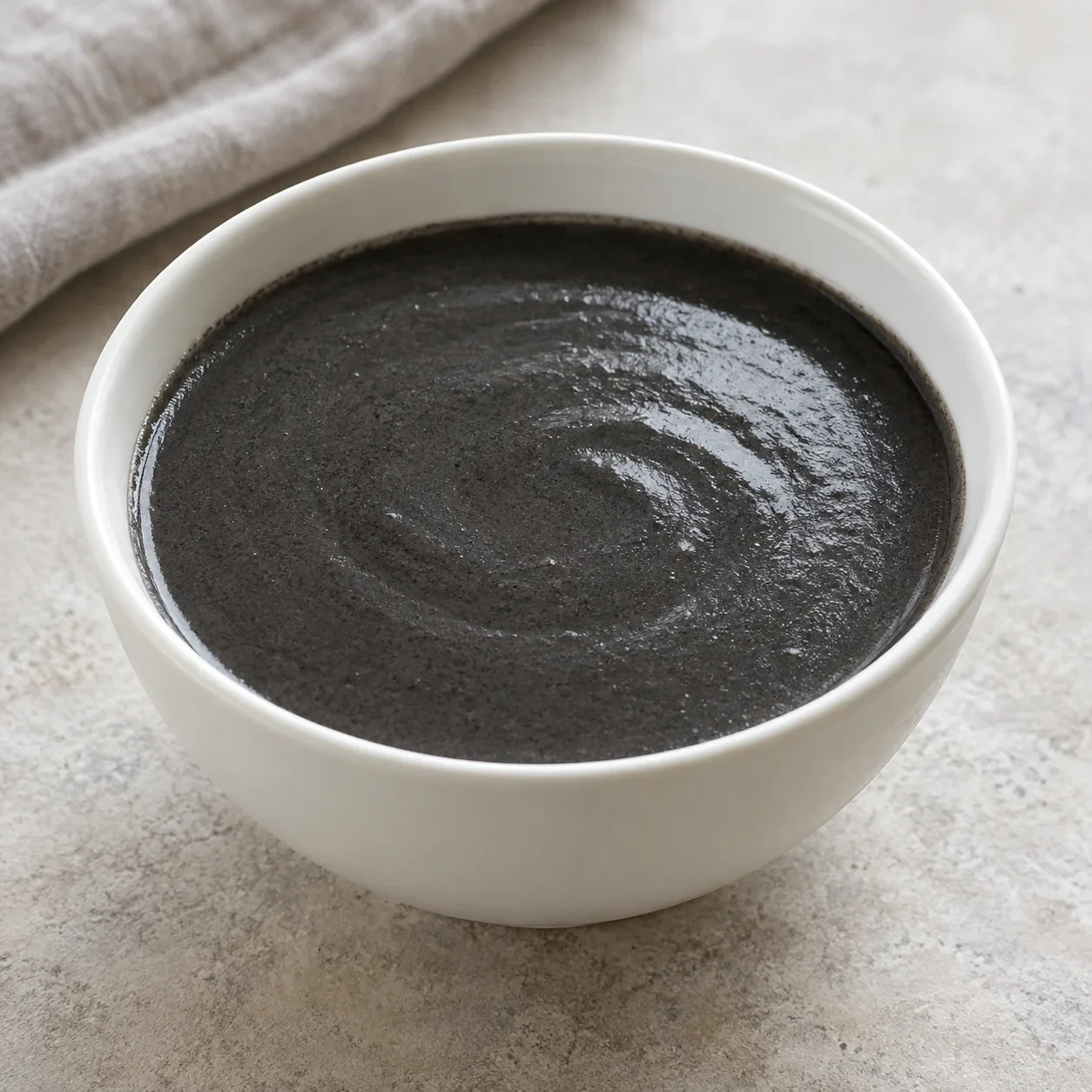
At the table
Stir gently and eat with a spoon. The thick soup can hold heat, so let a small spoonful cool before tasting.
Contains sesame. Some versions also contain peanuts or walnuts; ask about the actual recipe if you have food allergies.
Rice type, thickness and sweetness vary. Sugar-sweetened versions may be vegan, while honey-sweetened ones are not; confirm the sweetener and any additions when ordering.
GET TO KNOW THE DISH
What goes into it?
Explore some key ingredients below. Preparations may use additional seasonings and ingredients.
Some versions add peanuts or walnuts. Rice types and thickness vary; some cooks sweeten it with honey instead of sugar.
Typical ingredients
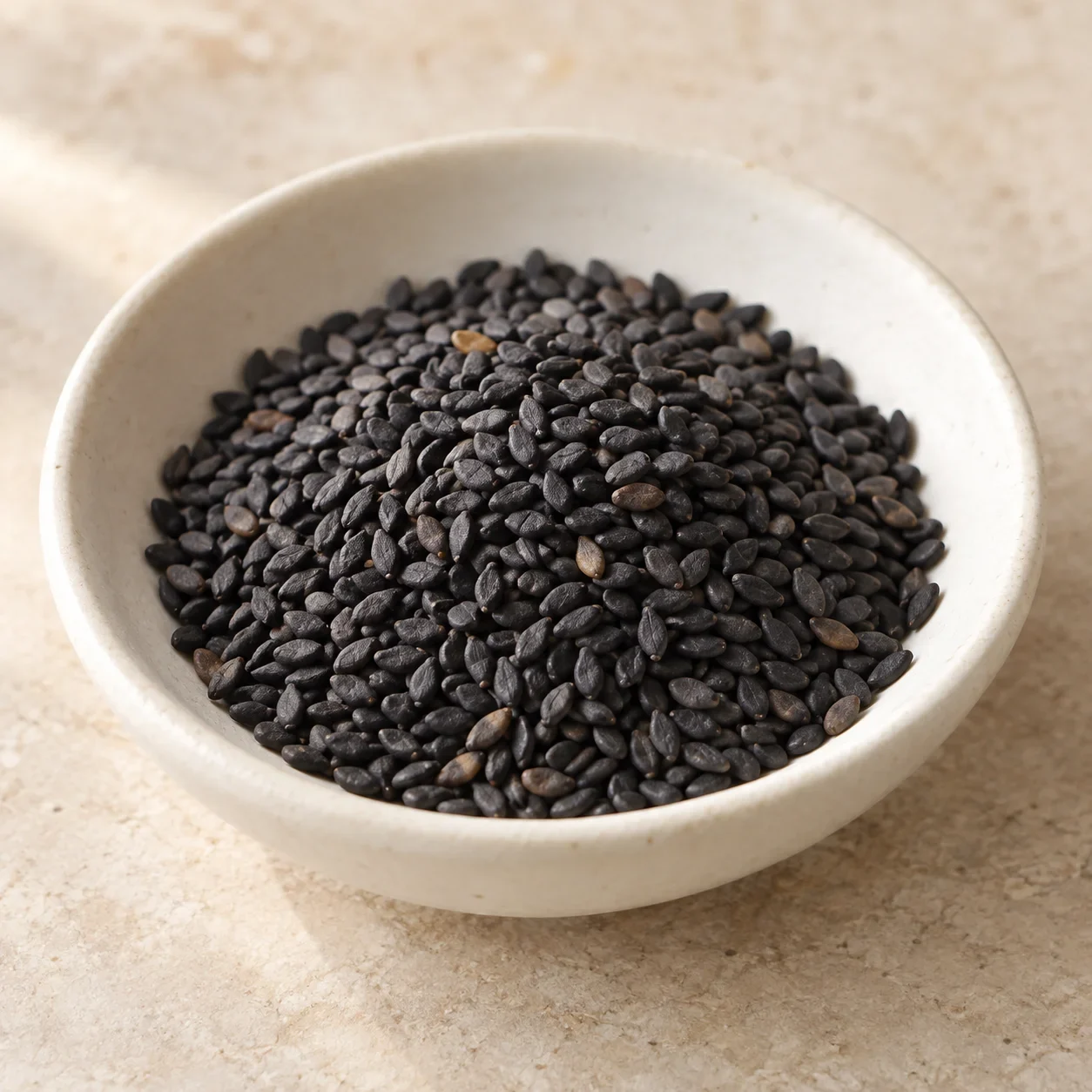
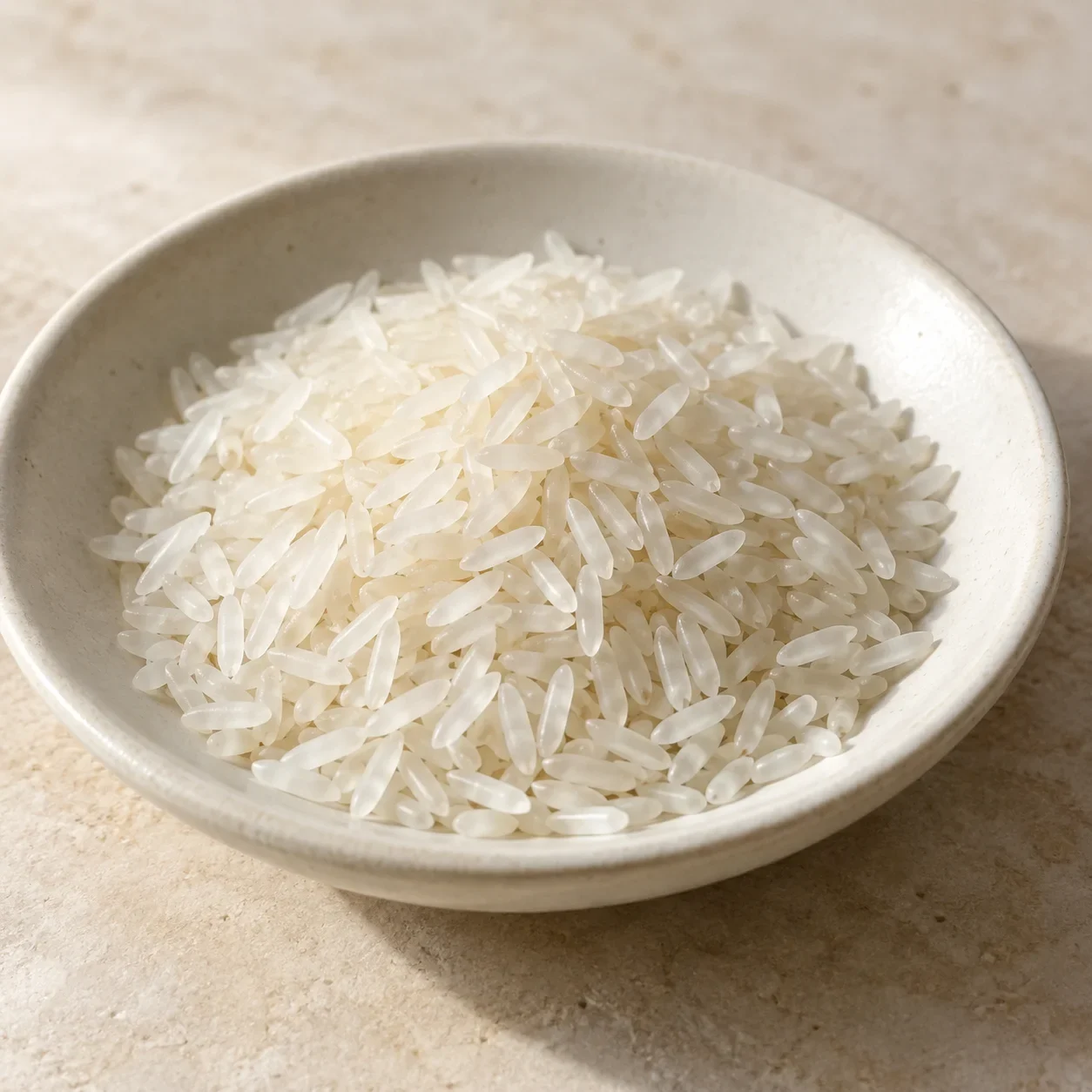
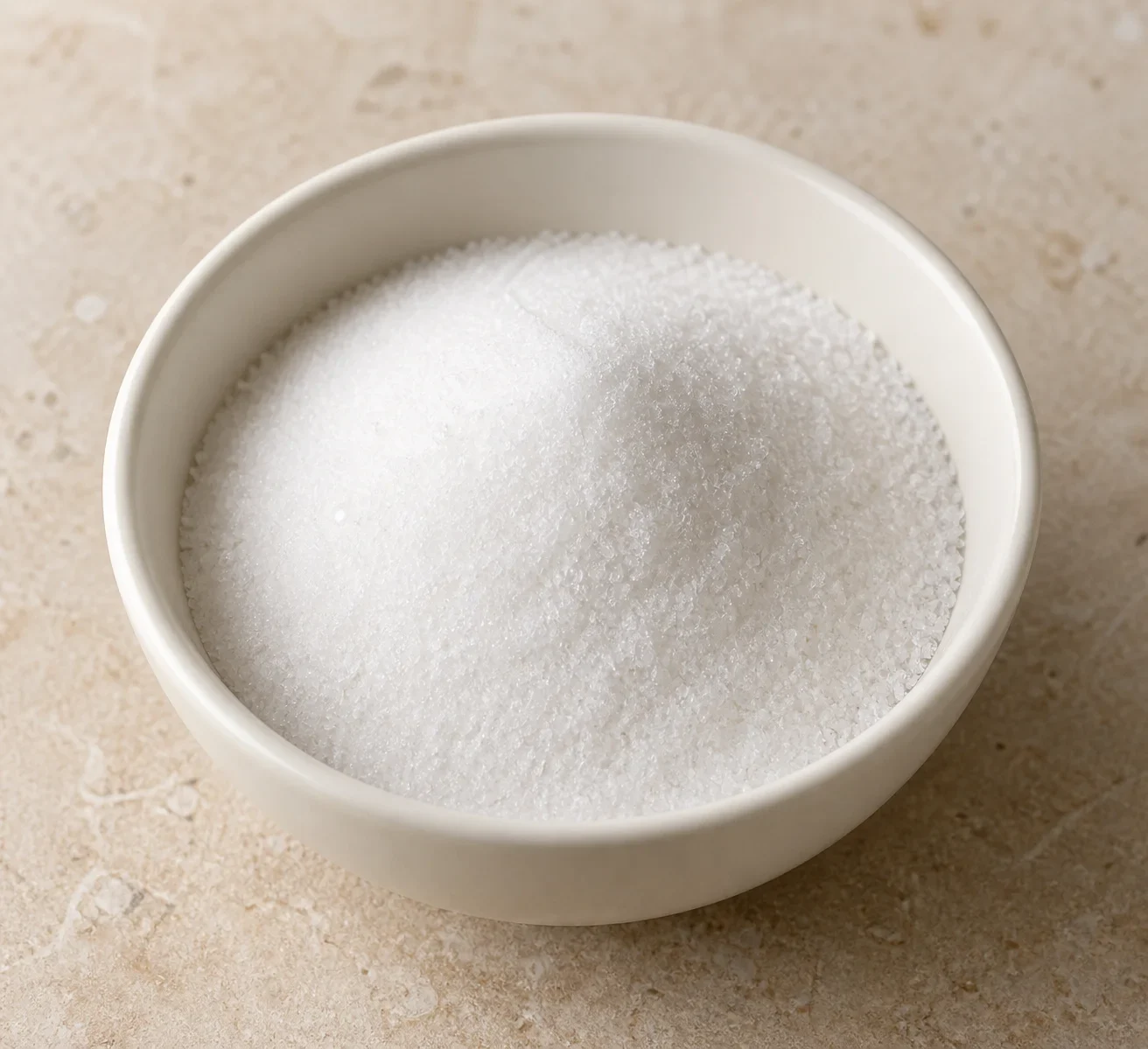
In some versions
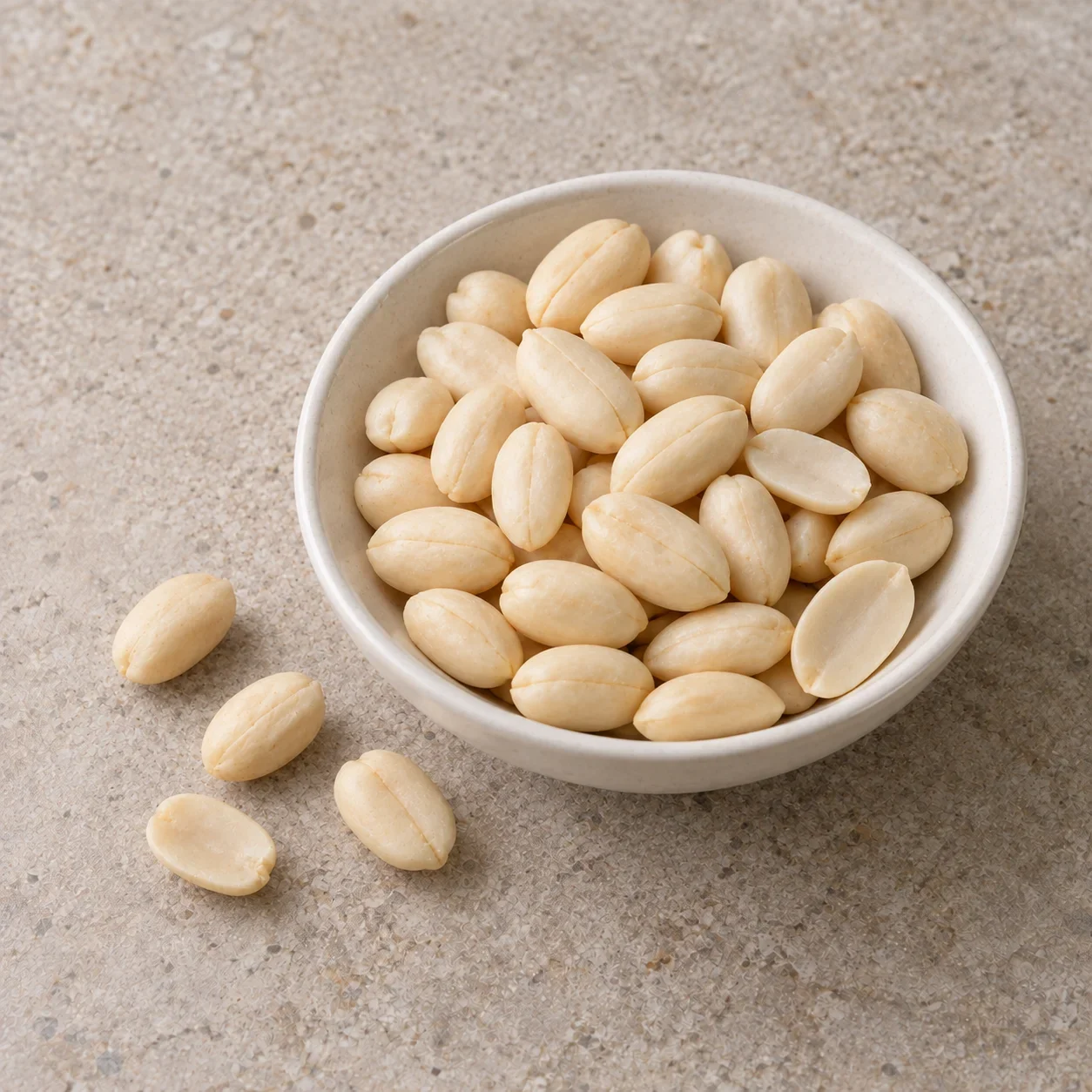
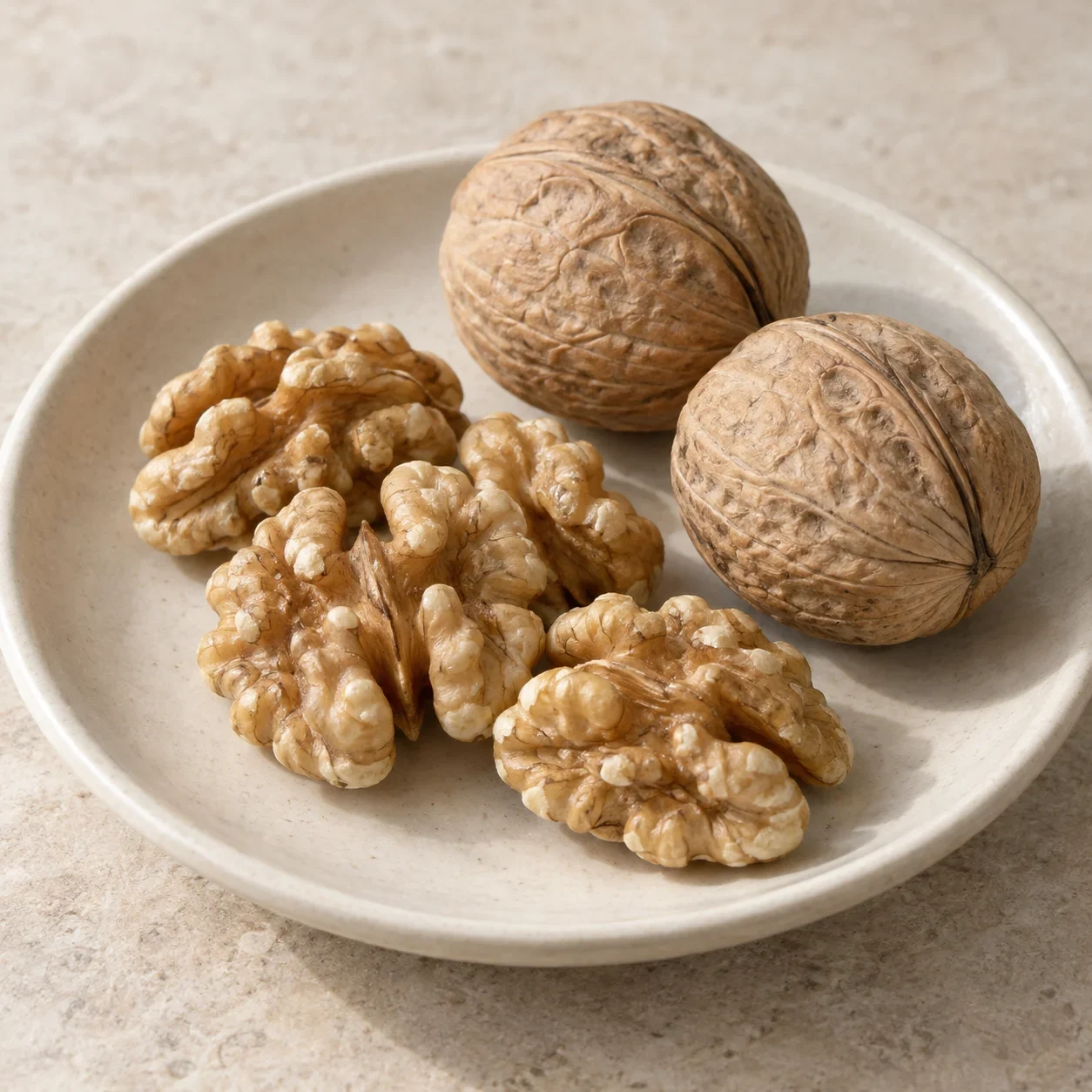
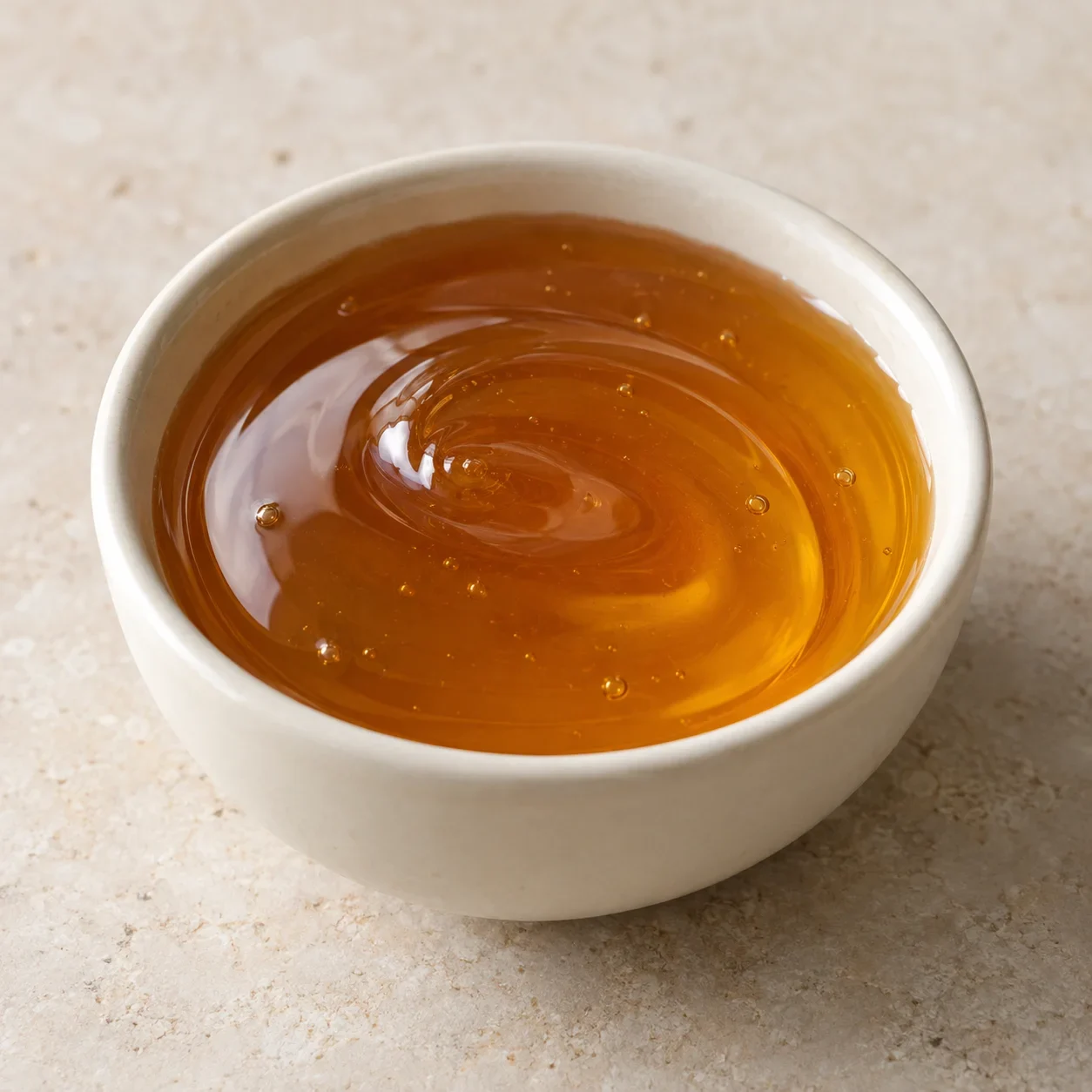

Recipes vary by restaurant.
How does it taste?
Sweet, nutty and deeply toasted.
- Chili heat
- Texture
- Smooth and thick, with texture depending on grinding and straining.
- How it’s made
- Toast the sesame, blend it with rice and water, then heat with sugar until thickened.
Some versions add peanuts or walnuts. Rice types and thickness vary; some cooks sweeten it with honey instead of sugar.
A CONNECTION TO PLACE
Origin & regional roots
Associated with Hong Kong. Associated with Guangdong.
About this regional connection
Guangdong: Guangdong/Cantonese association, not an exclusive origin claim.
Ask if they have it first
请问你们有芝麻糊吗?
Do you have this item?
A LITTLE SOMETHING TO READ
Story & history
Sesame paste in Guangzhou’s late-night sweet shops
Black sesame paste is a Cantonese tong sui—a sweet soup that may be enjoyed after a meal, as an afternoon treat or late at night. By the late Qing, Guangzhou vendors sold sesame paste into the night, setting up street stalls or carrying it on shoulder poles. In the 1920s and 1930s, Guangzhou’s dessert-shop streets included Zhaoji at Ren Guifangkou, which sold sesame paste. Before blenders were common, cooks soaked and toasted the ingredients, then ground them by hand with a pestle in a basin.