
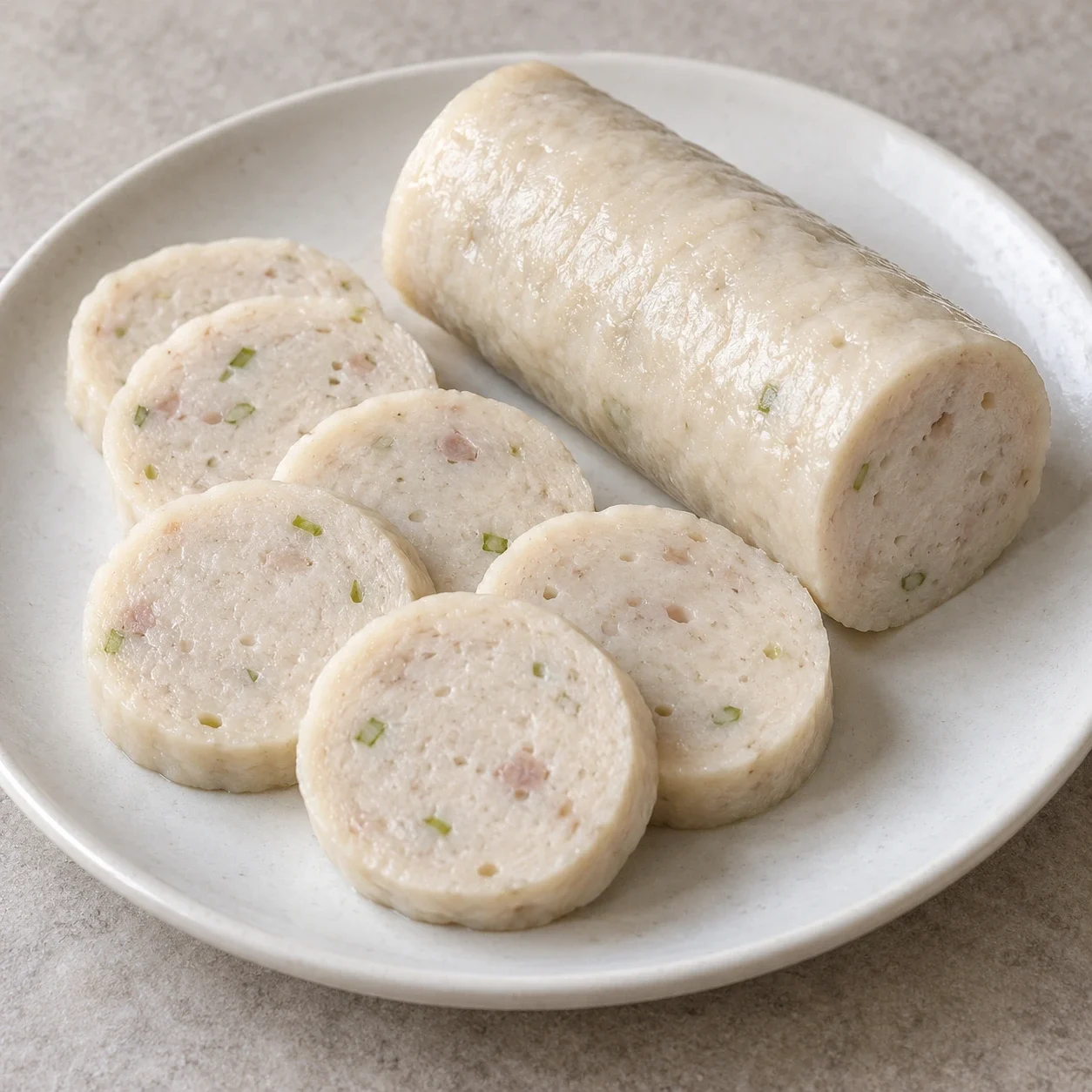
At the table
For the sliced steamed version, lift a slice with chopsticks and take small bites. If served as a whole roll, ask for it to be sliced. Remove any packaging film before eating; it is not an edible wrapper.
Contains fish, pork and egg in this version. Deboning is part of preparation but does not guarantee no bones. Check added sauces if avoiding allergens.
This is the steamed fish-and-pork version. Other recipes and serving styles differ; do not assume a fish roll contains only fish.
GET TO KNOW THE DISH
What goes into it?
Explore some key ingredients below. Preparations may use additional seasonings and ingredients.
Fish choice and proportions vary. Some versions add water chestnut or MSG. Cooked rolls may be served sliced, in soup, pan-fried or stir-fried.
Typical ingredients
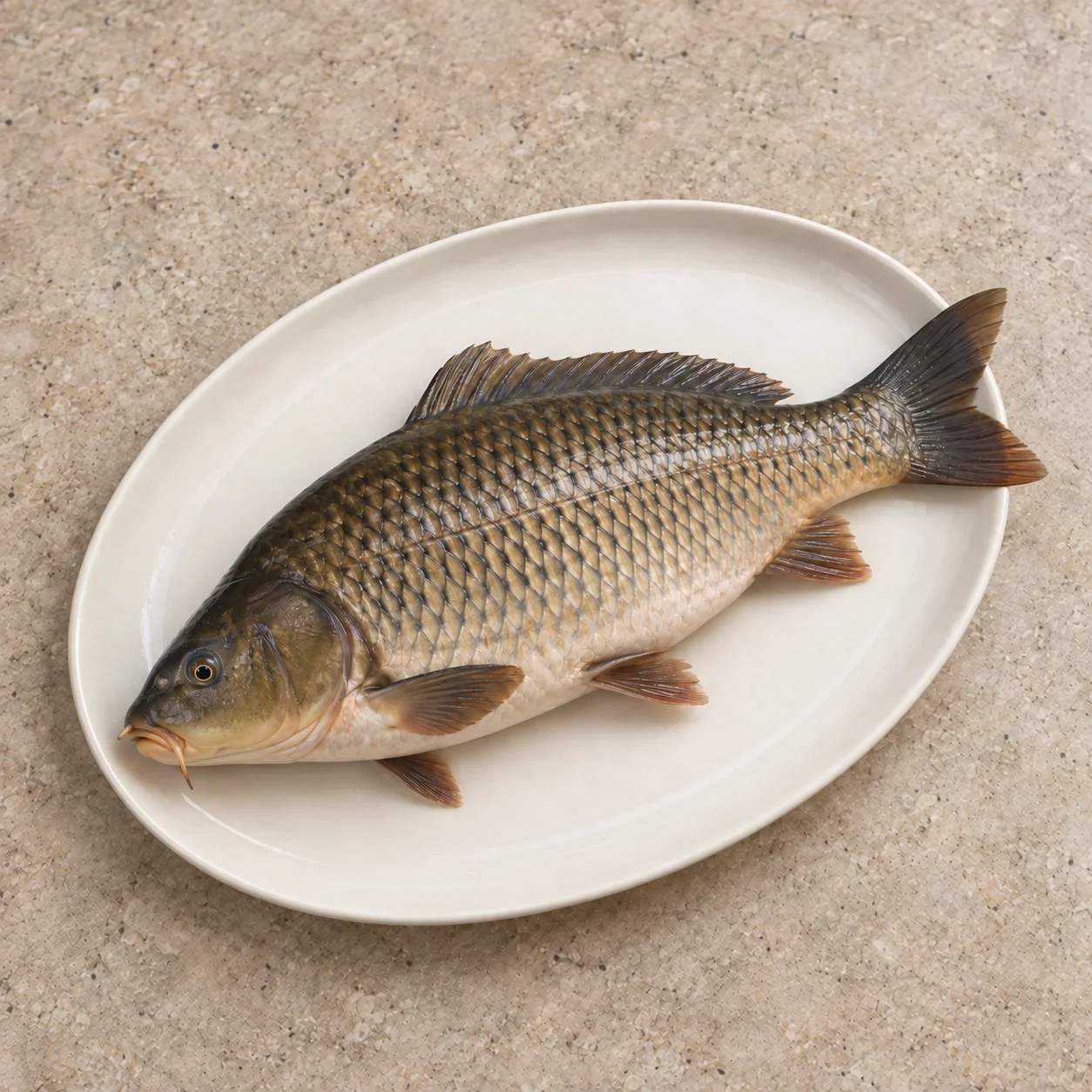
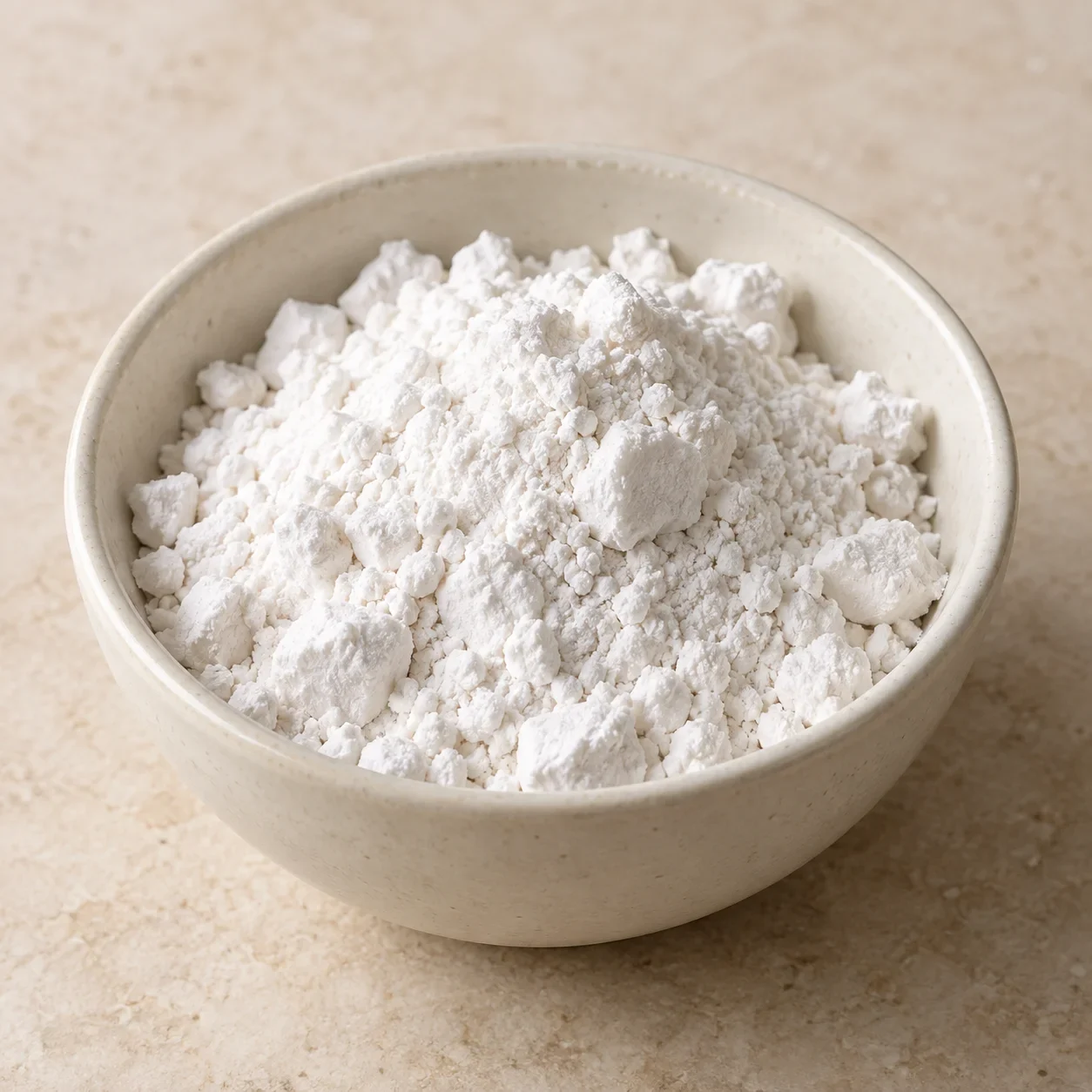
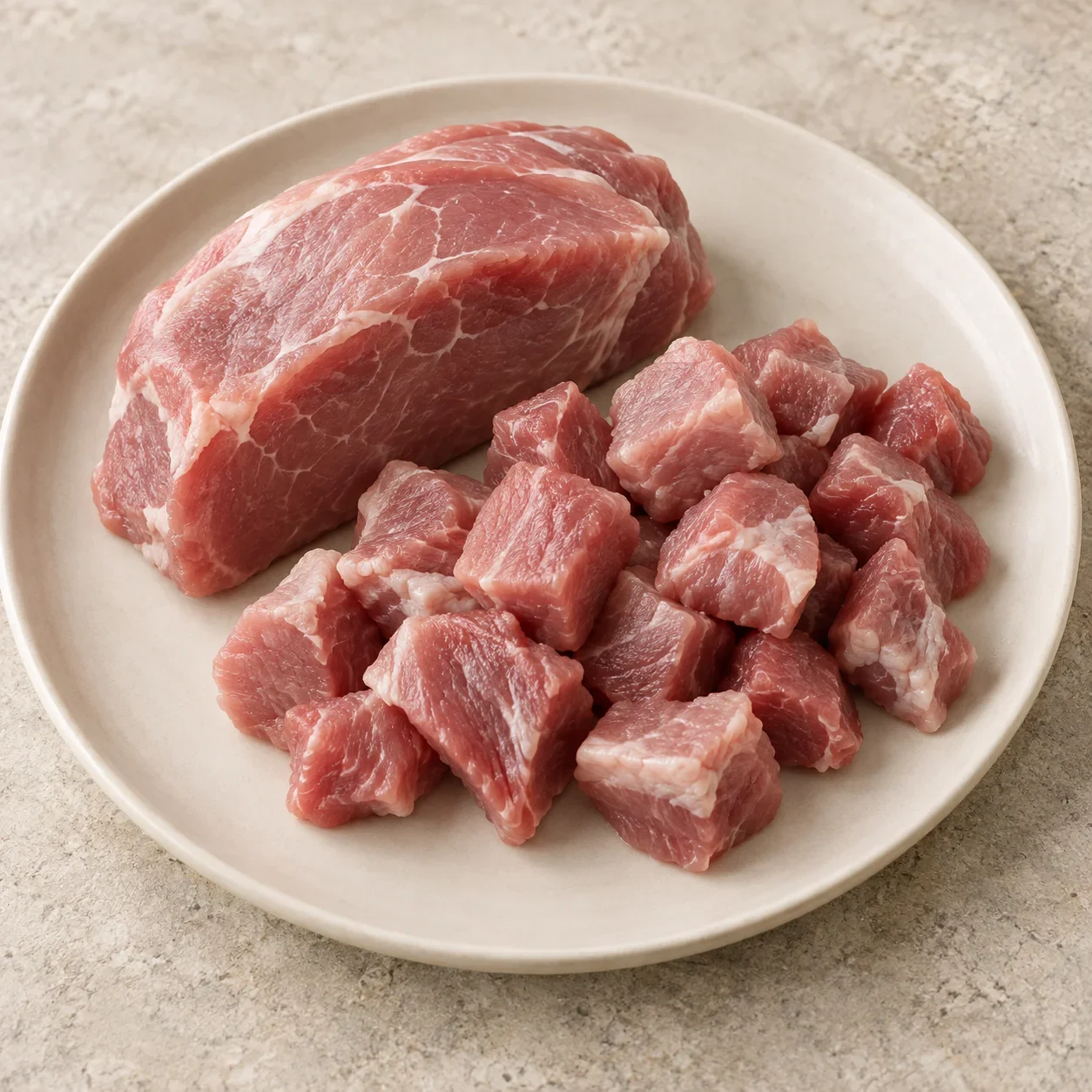
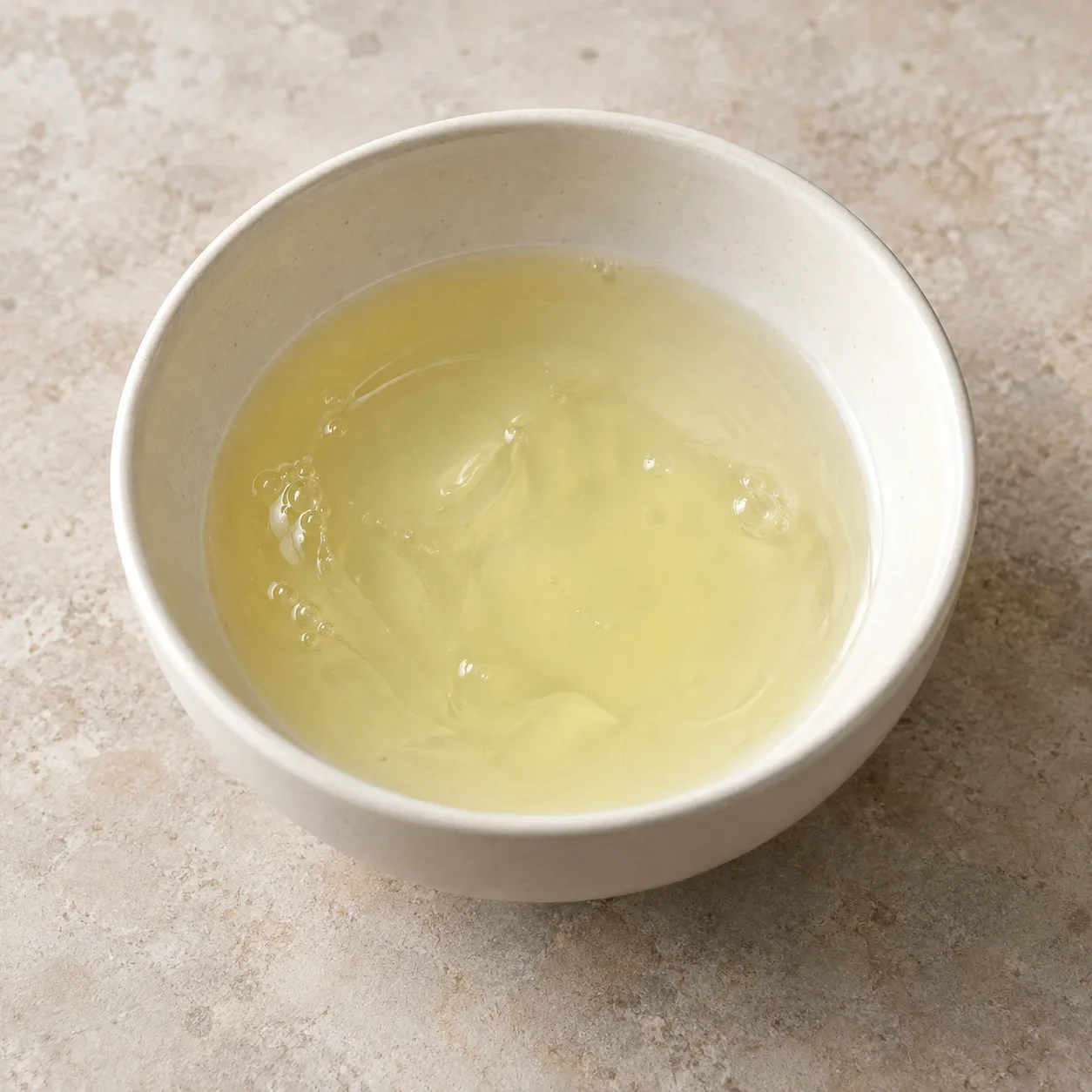
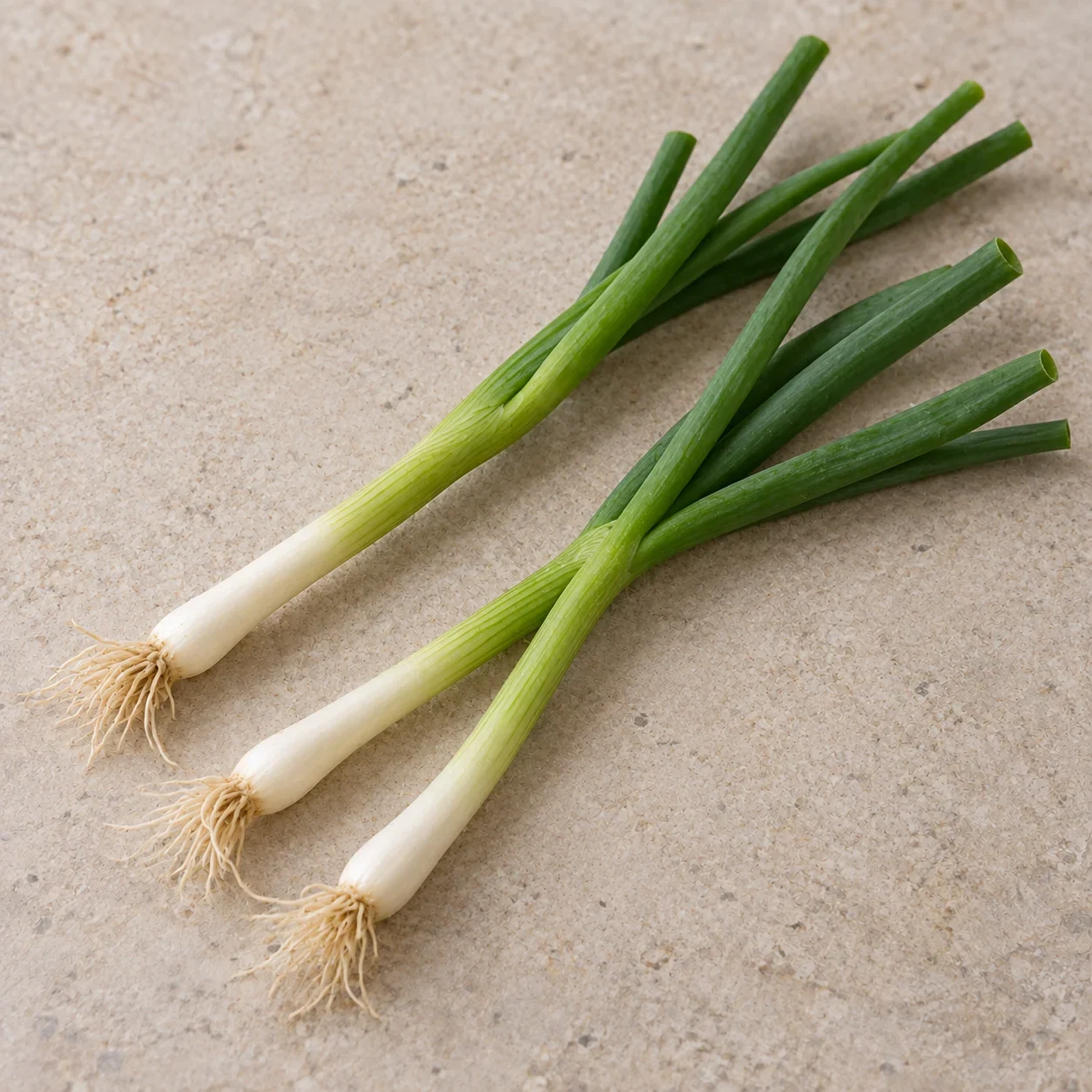

In some versions
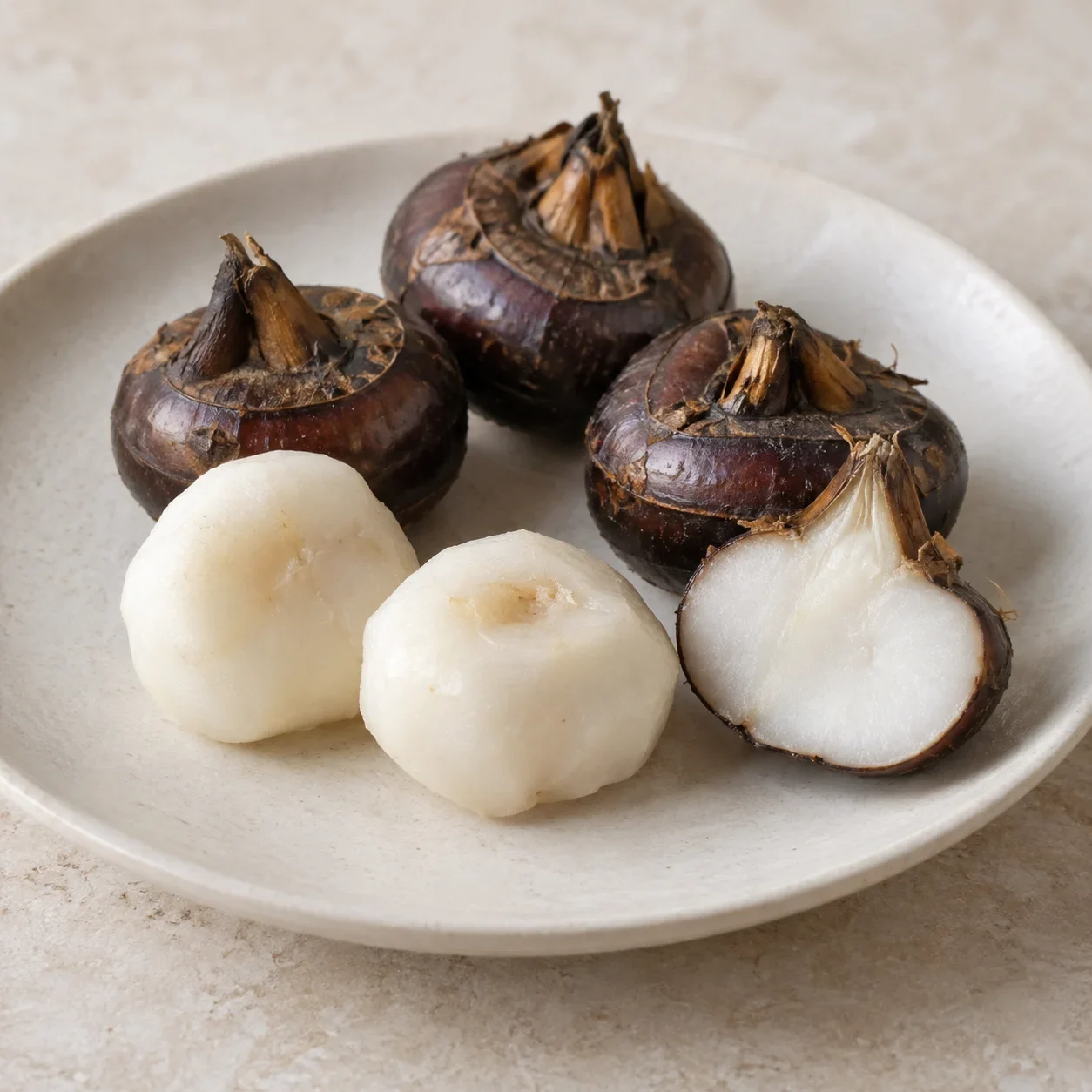
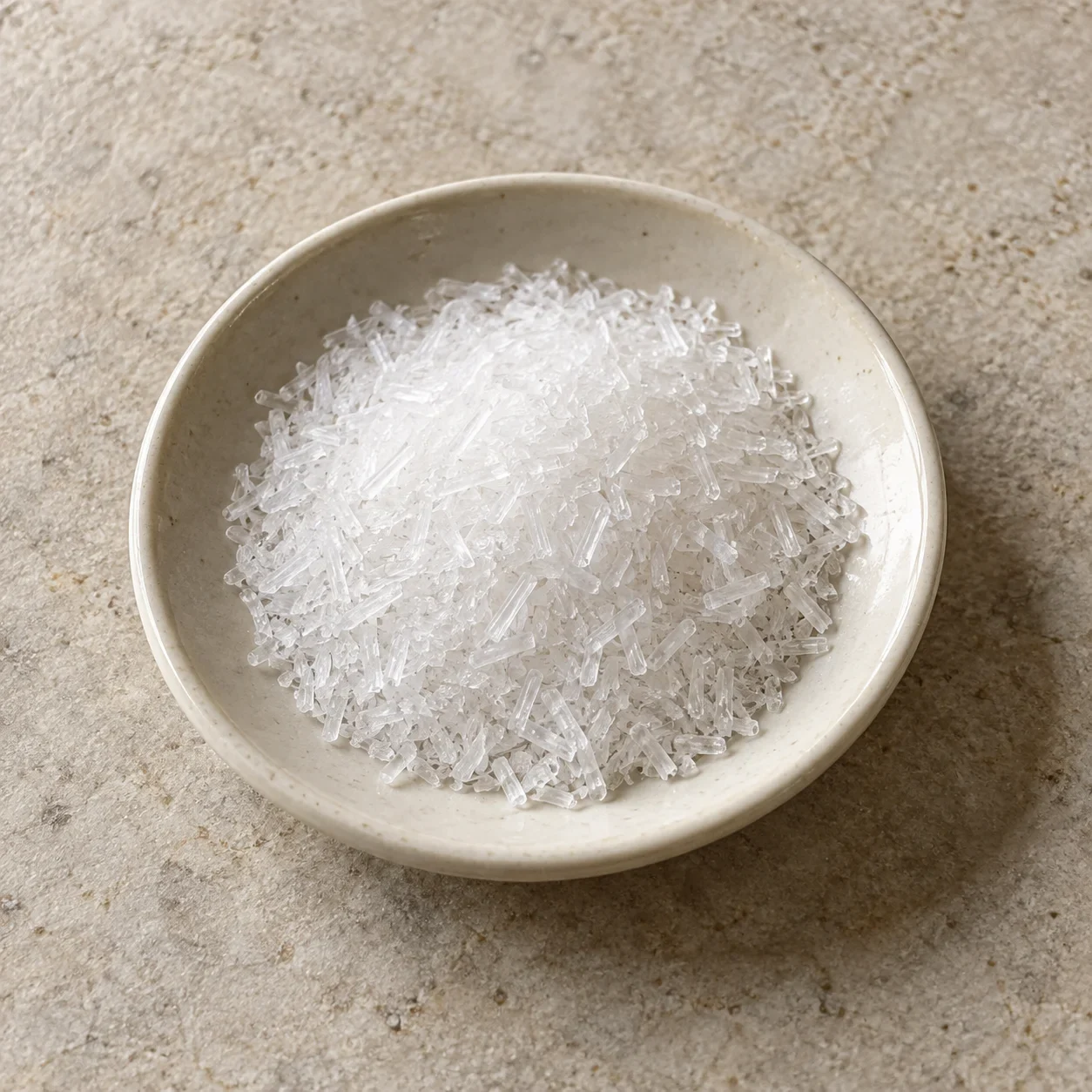
Recipes vary by restaurant.
How does it taste?
Mildly salty and savory, with a fresh fish flavor.
- Chili heat
- Texture
- Moist, springy slices with a finely worked texture.
- How it’s made
- Fish is deboned, skinned and worked into paste, mixed with the other ingredients, formed into a log and steamed.
Fish choice and proportions vary. Some versions add water chestnut or MSG. Cooked rolls may be served sliced, in soup, pan-fried or stir-fried.
A CONNECTION TO PLACE
Origin & regional roots
Its origins are linked to Fujian.
About this regional connection
Fujian: Chongwu, Hui’an coastal fish roll.
Ask if they have it first
请问你们有崇武鱼卷吗?
Do you have this item?
A LITTLE SOMETHING TO READ
Story & history
A coastal celebration food
In Chongwu, fish rolls are linked to family gatherings and festive meals. Their rounded long form carries wishes for reunion and lasting well-being in the local fishing community.