
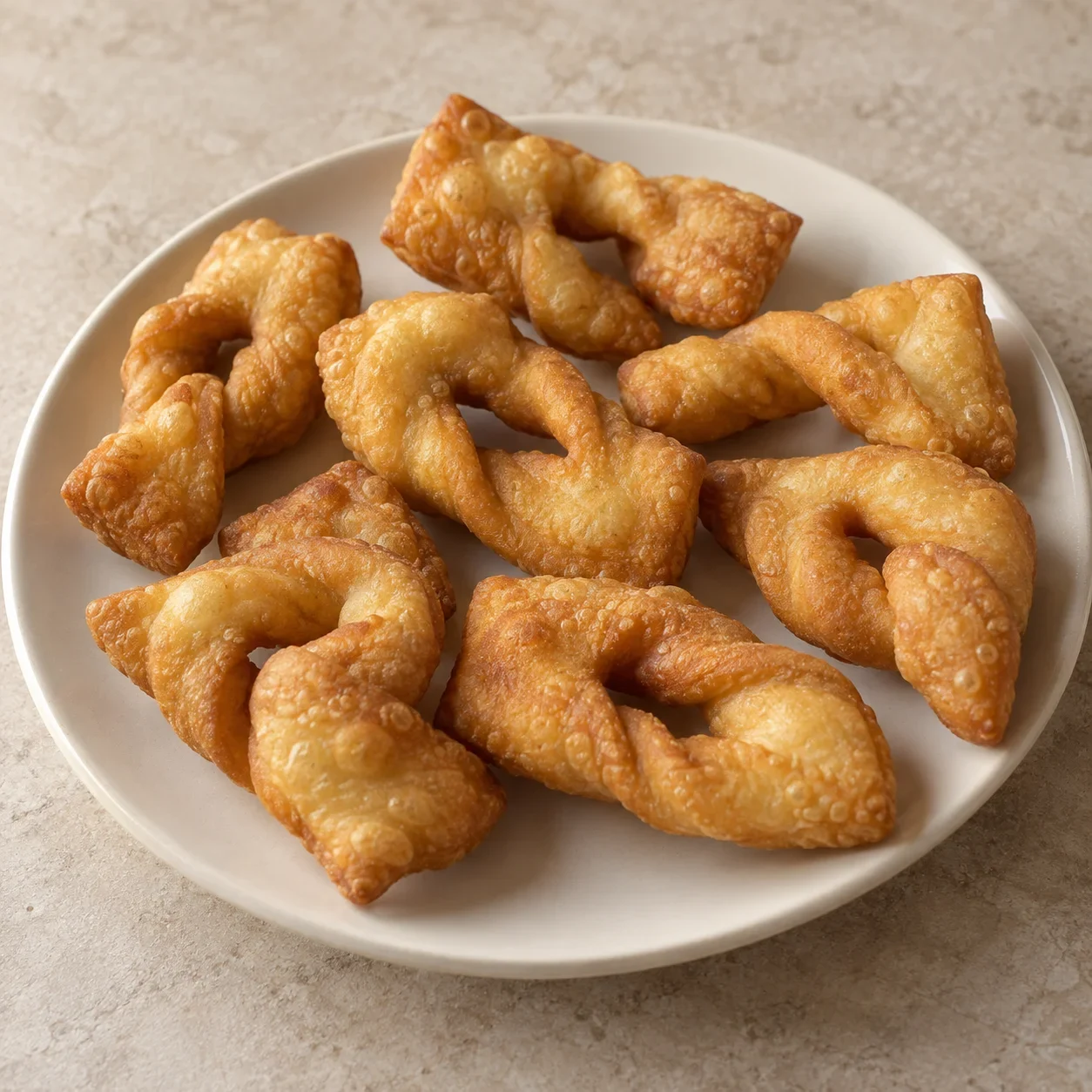
At the table
Break the small fried pastries into bites and eat them as they are, often with sweet tea or Tibetan butter tea. These twists are an eating form; larger decorative khapse can have a different purpose.
The described milk version contains wheat and dairy. Other versions can use butter or a milk-and-cream blend; ask about the dough and frying fat if you avoid ingredients or need a vegetarian portion.
A simple twist recipe combines wheat flour, sugar, milk and cooking oil, then deep-fries the shaped dough. Sugar can be reduced or omitted, and milk may be replaced by a milk-and-cream blend. Butter-based versions and many other shapes also exist.
GET TO KNOW THE DISH
What goes into it?
Explore some key ingredients below. Preparations may use additional seasonings and ingredients.
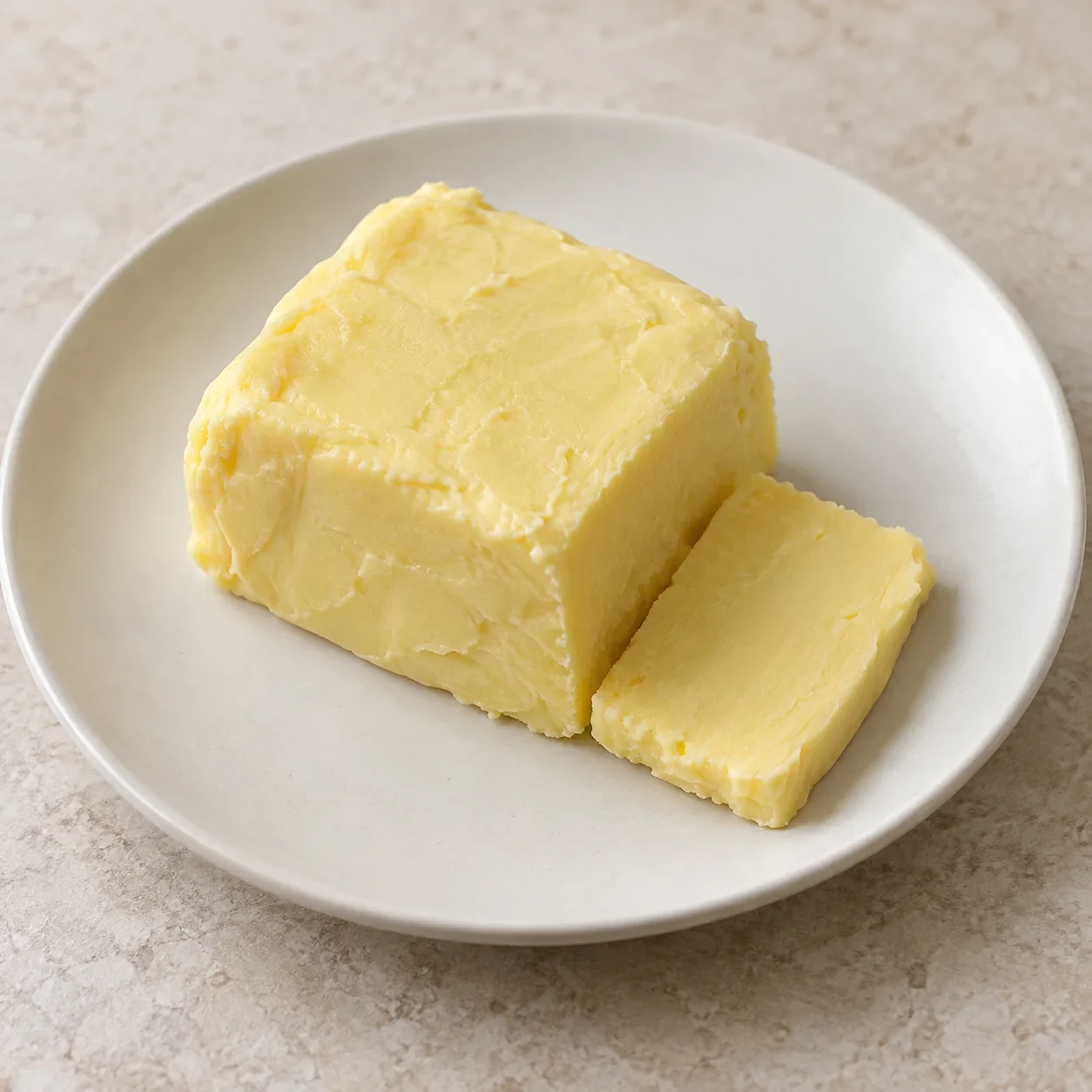
Some versions use butter; shapes include rings and strips as well as twists.
Typical ingredients
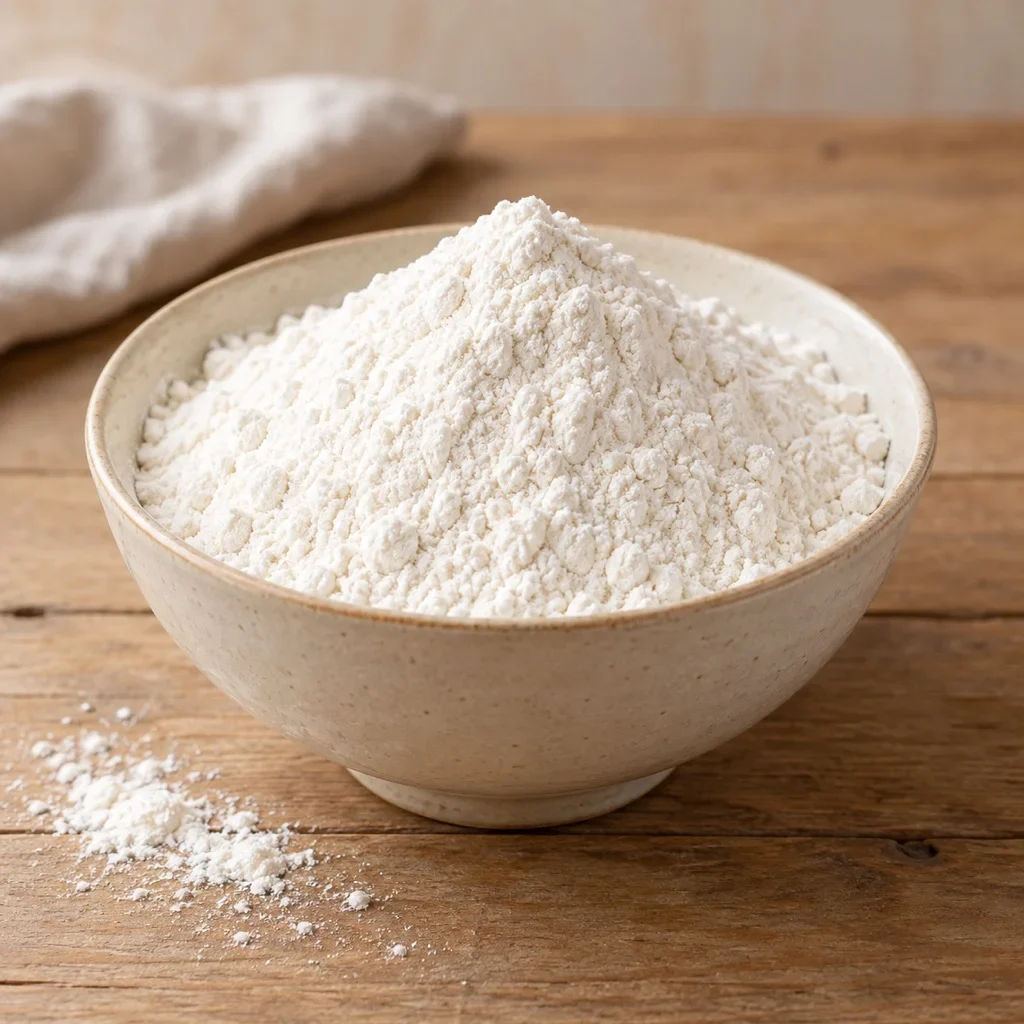

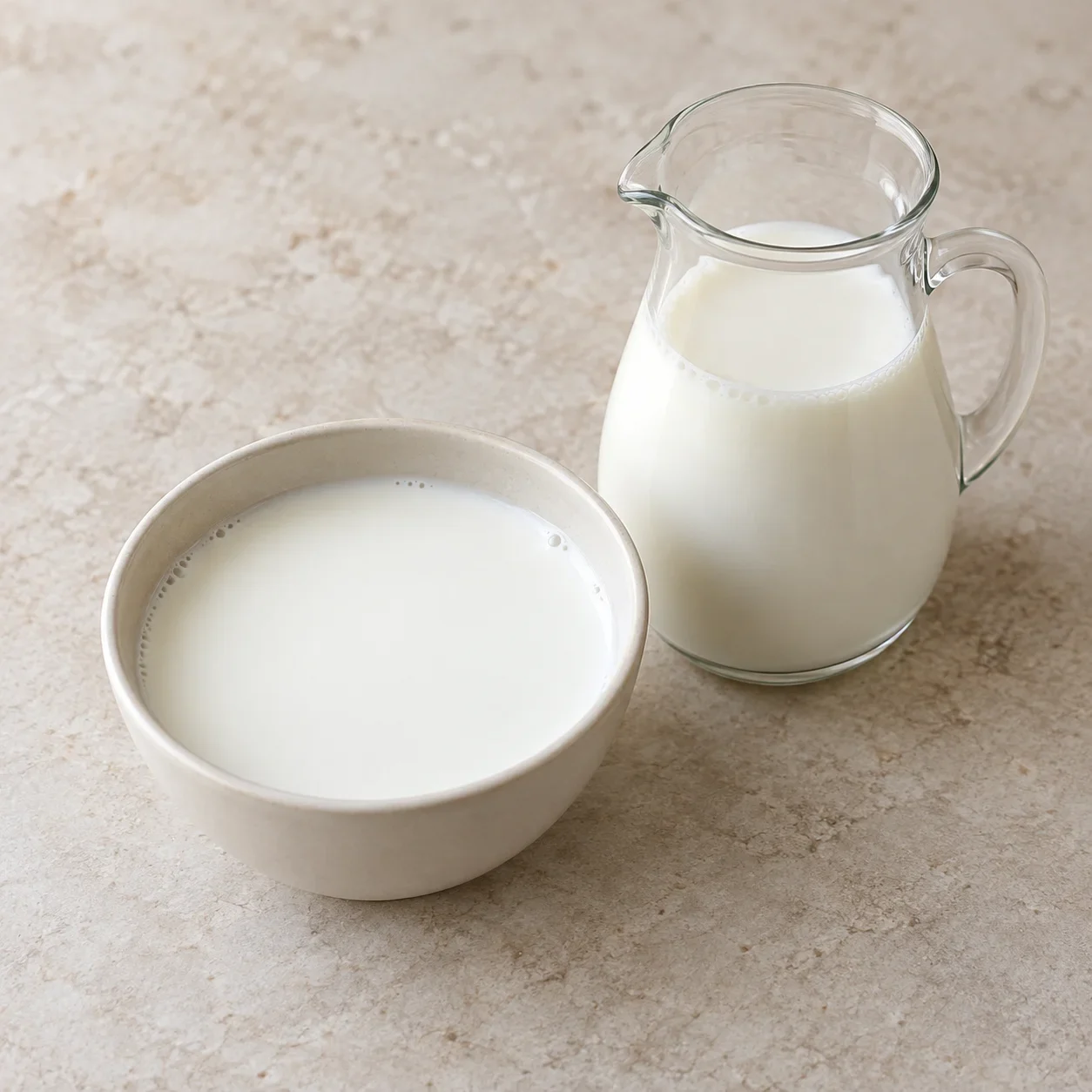

In some versions
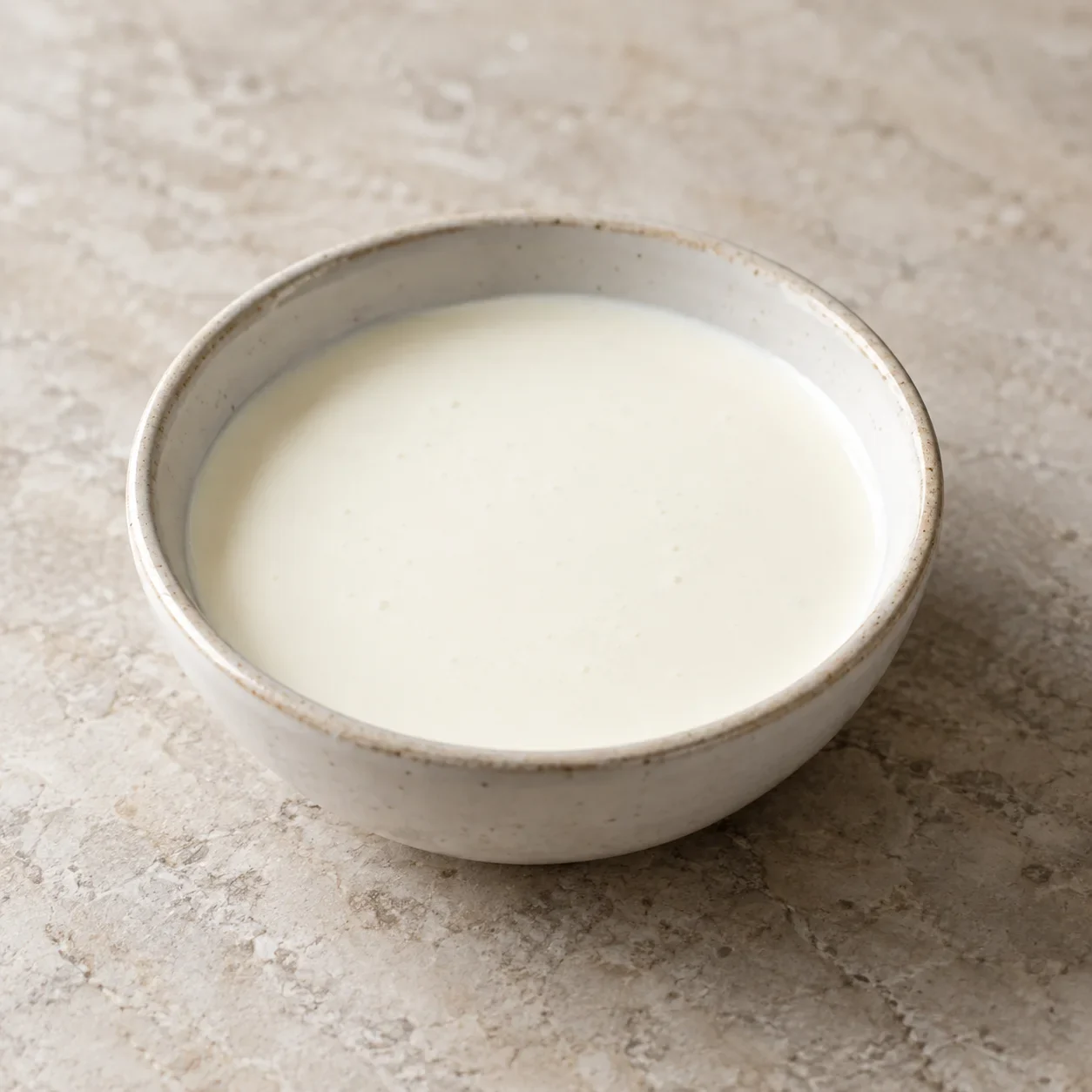
Recipes vary by restaurant.
How does it taste?
Lightly sweet.
- Chili heat
- Texture
- Crisp and golden.
- How it’s made
- Knead, roll, cut and twist dough; deep-fry.
Some versions use butter; shapes include rings and strips as well as twists.
A CONNECTION TO PLACE
Origin & regional roots
Associated with Tibet.
Ask if they have it first
请问你们有卡赛吗?
Do you have this item?
A LITTLE SOMETHING TO READ
Story & history
Khapse is part of preparing for Tibetan New Year
As Tibetan New Year, or Losar, approaches, many Tibetan households prepare khapse, fried flour pastries made in varied shapes. In villages, frying them is part of getting ready for the holiday and expresses hopes for the year ahead; in Lhasa, shops also display different forms as the season nears. For a visitor, the twists and other shapes are not just sweets but festive foods connected with Losar.