At the table
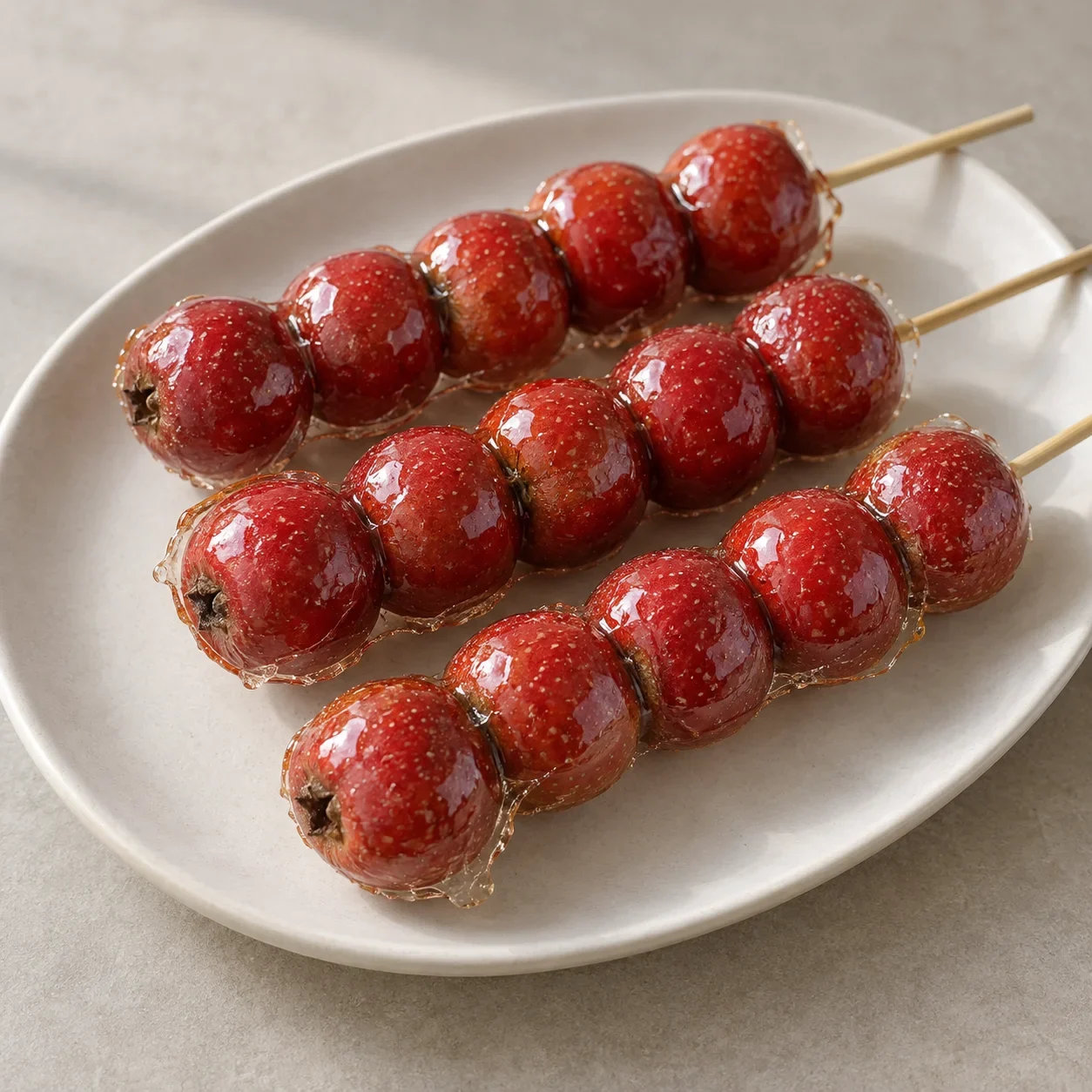
Take small bites through the sugar shell into the fruit.
Watch for hawthorn seeds and the pointed skewer. The hard sugar coating can be difficult to bite.
Hawthorn is traditional, but other fruits and extra coatings are also used.
Not suitable for young children. For older children, consider their ability to bite and chew the hard sugar shell. An adult should remove the skewer, check for fruit stones, and supervise eating.
Recipes vary. Ask the restaurant about ingredients and serving before you order.
GET TO KNOW THE DISH
What goes into it?
Explore some key ingredients below. Preparations may use additional seasonings and ingredients.
Other fruits can be used in place of hawthorn.
Typical ingredients
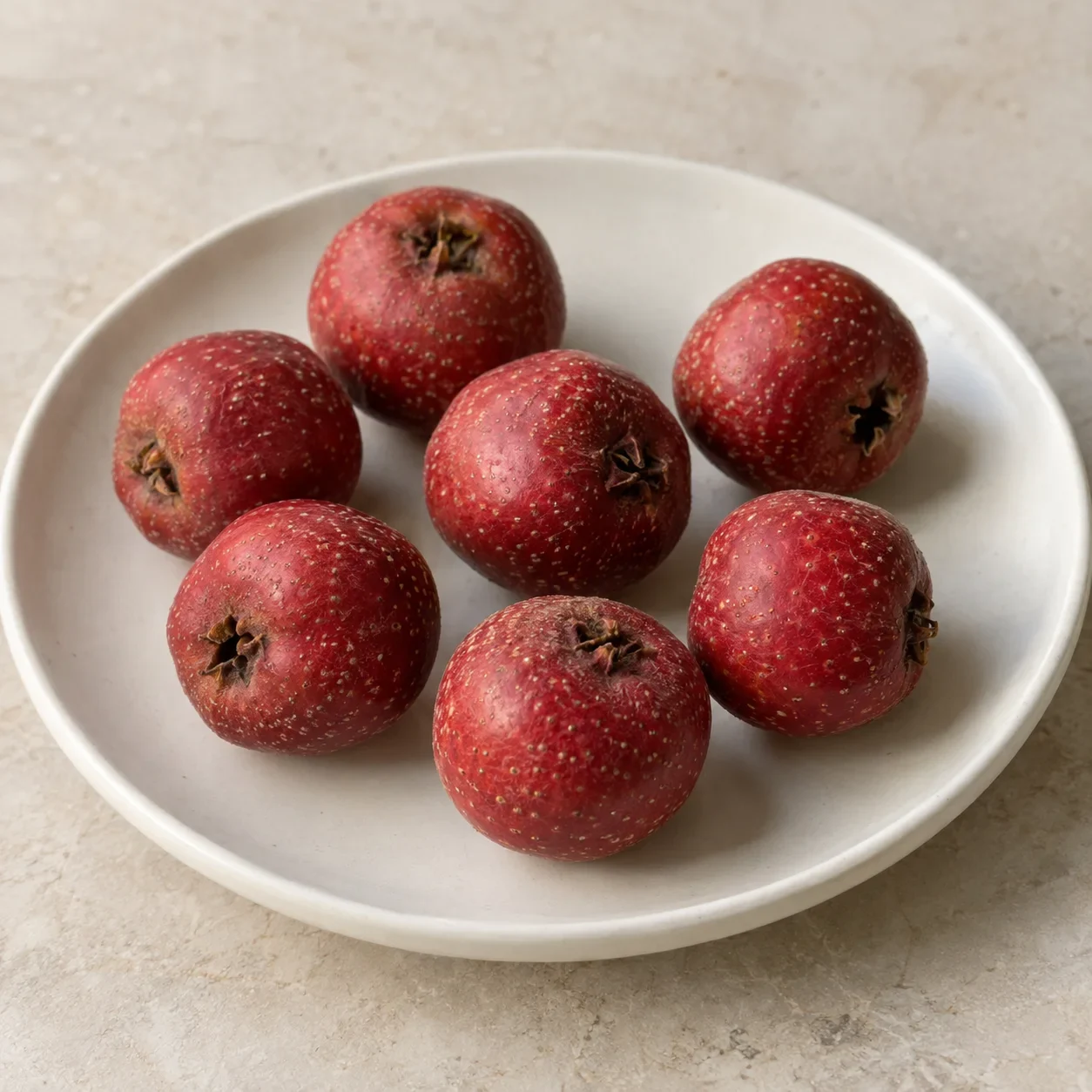
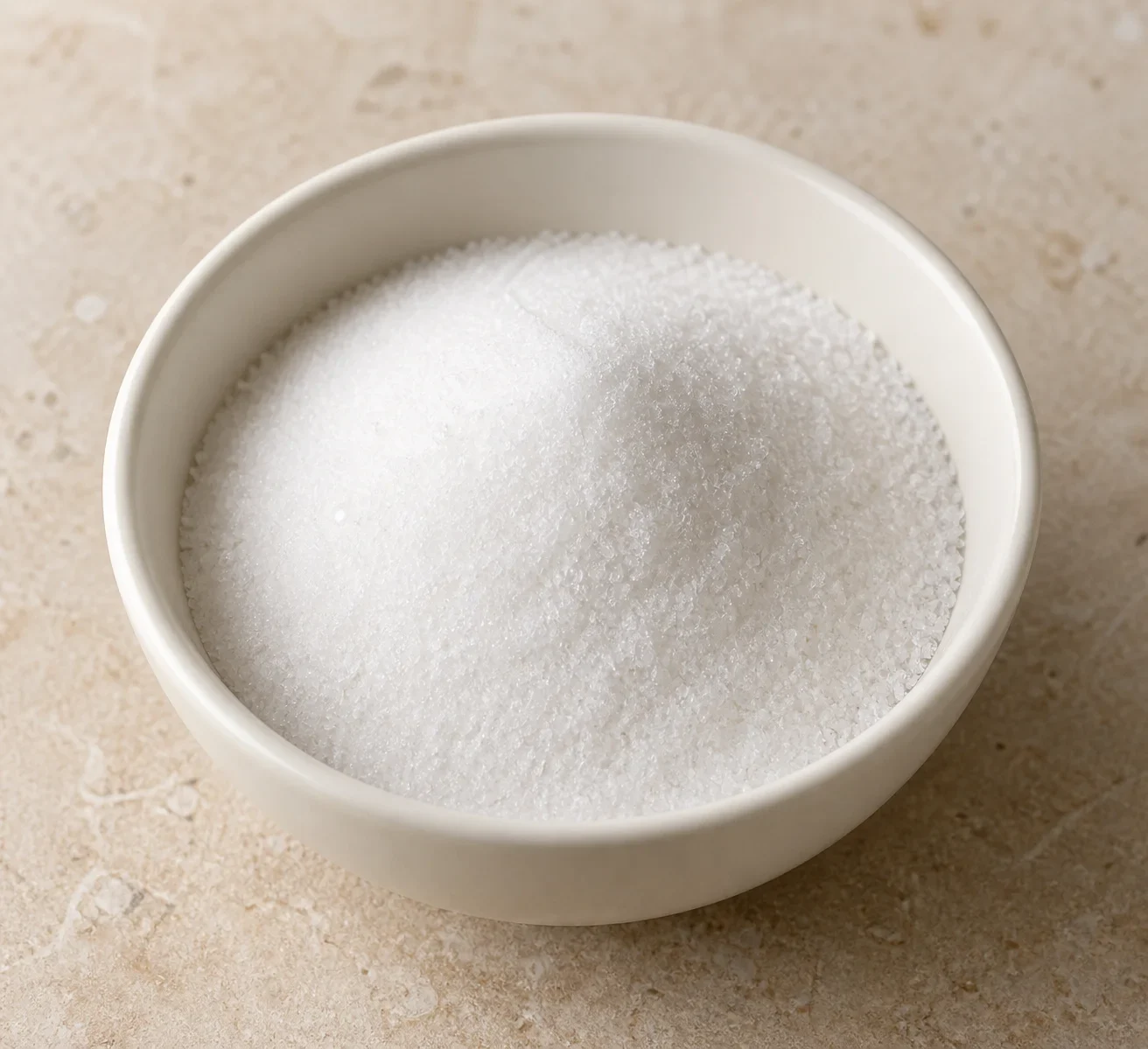
Recipes vary by restaurant.
How does it taste?
Sweet and tart
- Chili heat
- Texture
- Hard sugar shell around fruit.
- How it’s made
- Dip skewered fruit into sugar syrup and allow the coating to set.
Other fruits can be used in place of hawthorn.
A CONNECTION TO PLACE
Origin & regional roots
Associated with Tianjin. Associated with Beijing.
About this regional connection
Beijing: A dish associated with Beijing; individual preparations vary.
Ask if they have it first
请问你们有糖葫芦吗?
Do you have this item?
A LITTLE SOMETHING TO READ
Story & history
A crisp winter sweet in Beijing’s memory
Tanghulu is a familiar winter sweet across China: the classic Beijing version threads hawthorn on a skewer and coats it in clear sugar that hardens to a crisp shell. The fruit’s bright red beneath the glassy coating has become a taste and sight people associate with nostalgia for Beijing. Hawthorn is the traditional base, though other fruits also appear. The sharp fruit and brittle sweetness help make this skewer part of winter memories as well as a small seasonal treat.