
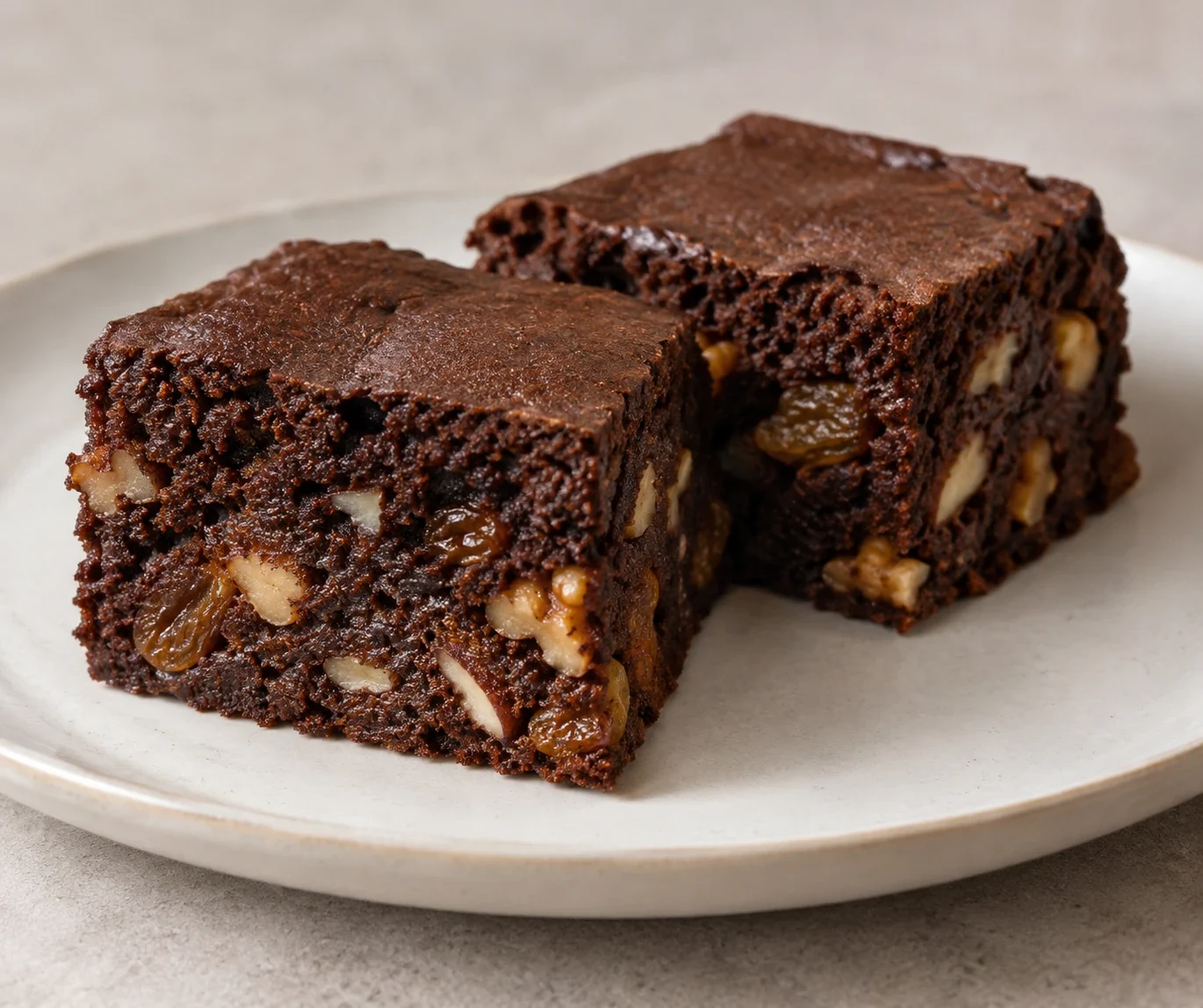
At the table
Eat a slice by hand or with a fork. Divide larger pieces for sharing; it is a cake, not a dense slab of nut candy.
Contains wheat, eggs, milk and walnuts. Check other nuts and the cooking fat if relevant.
Recipes vary in fat, sweeteners and cocoa content. Some versions use animal fat; darkness alone does not identify the recipe.
GET TO KNOW THE DISH
What goes into it?
Explore some key ingredients below. Preparations may use additional seasonings and ingredients.
Recipes vary in fat, sweeteners and cocoa content. Some versions use animal fat; darkness alone does not identify the recipe.
Typical ingredients
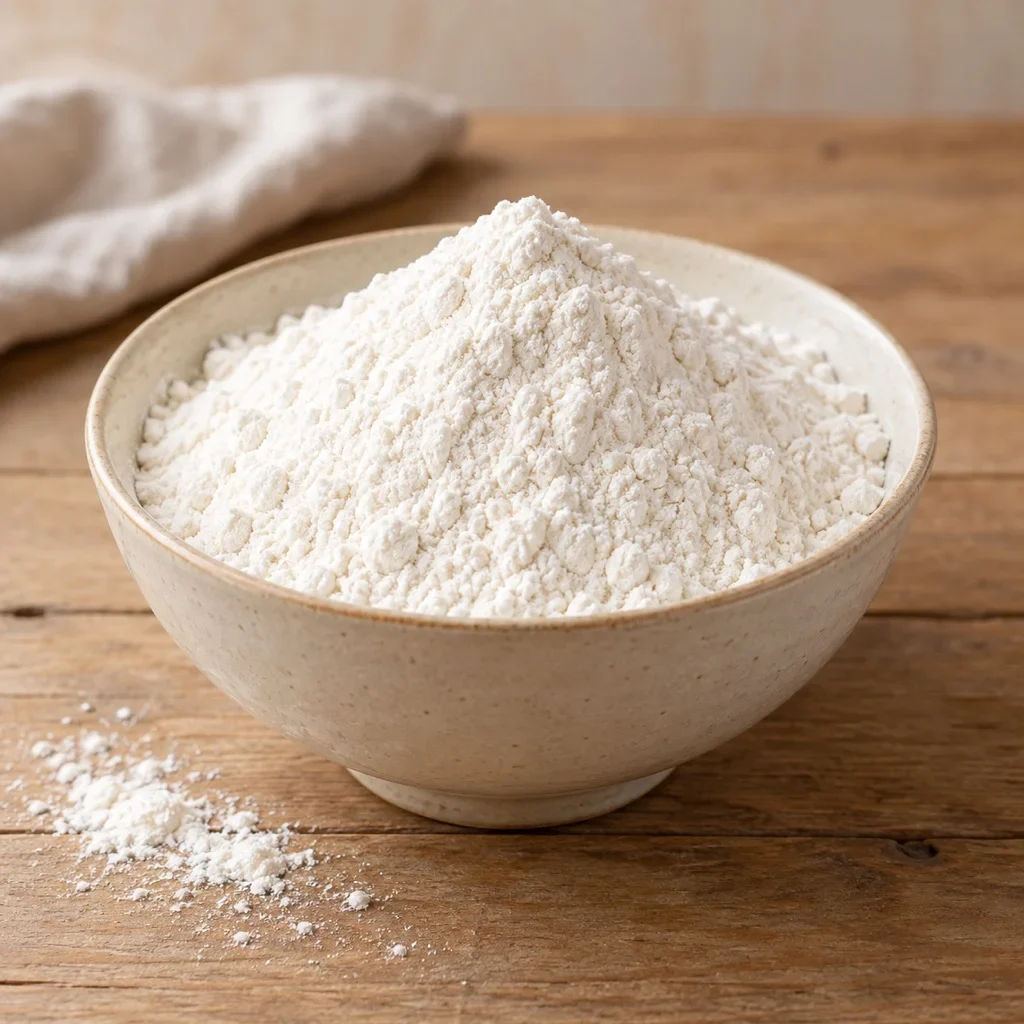
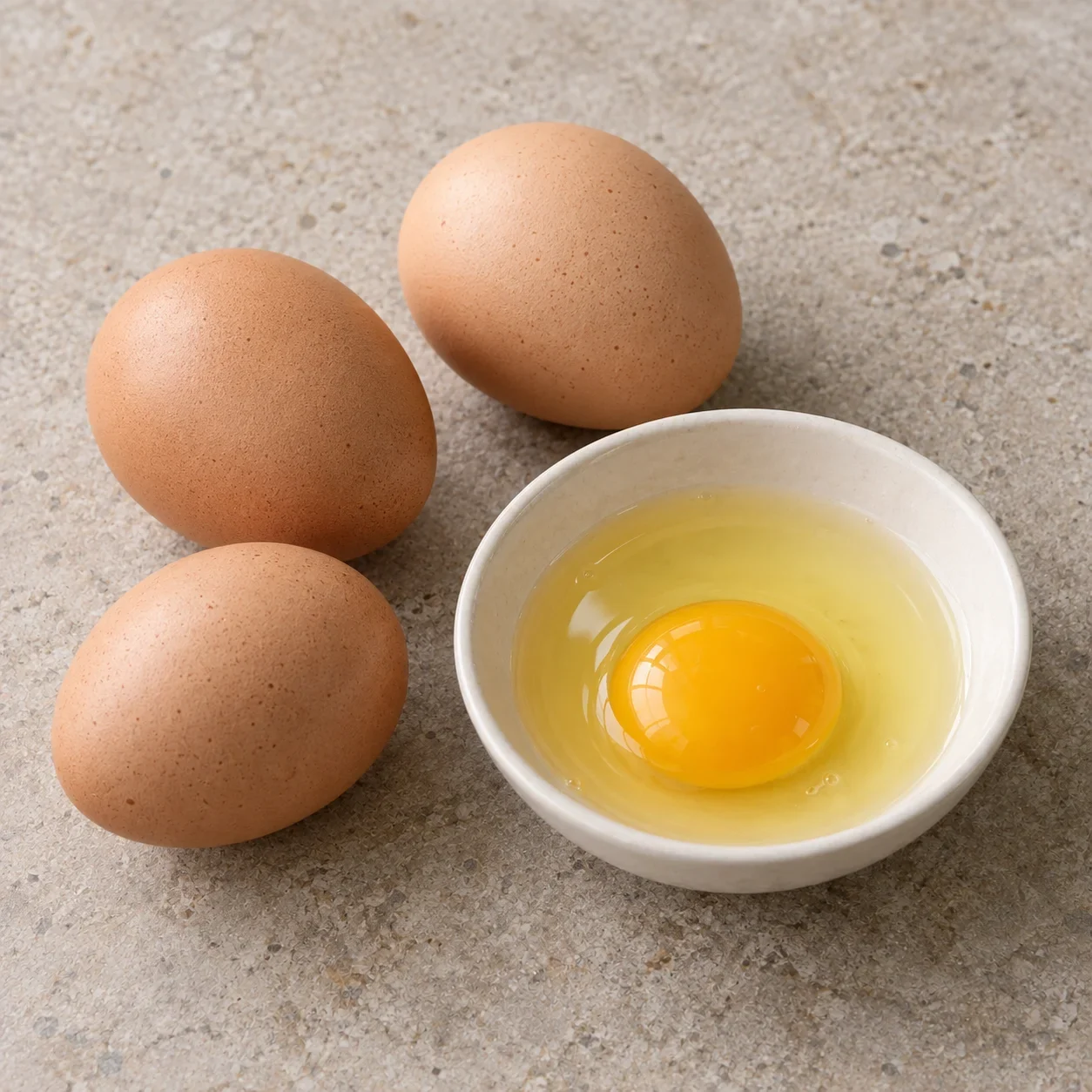
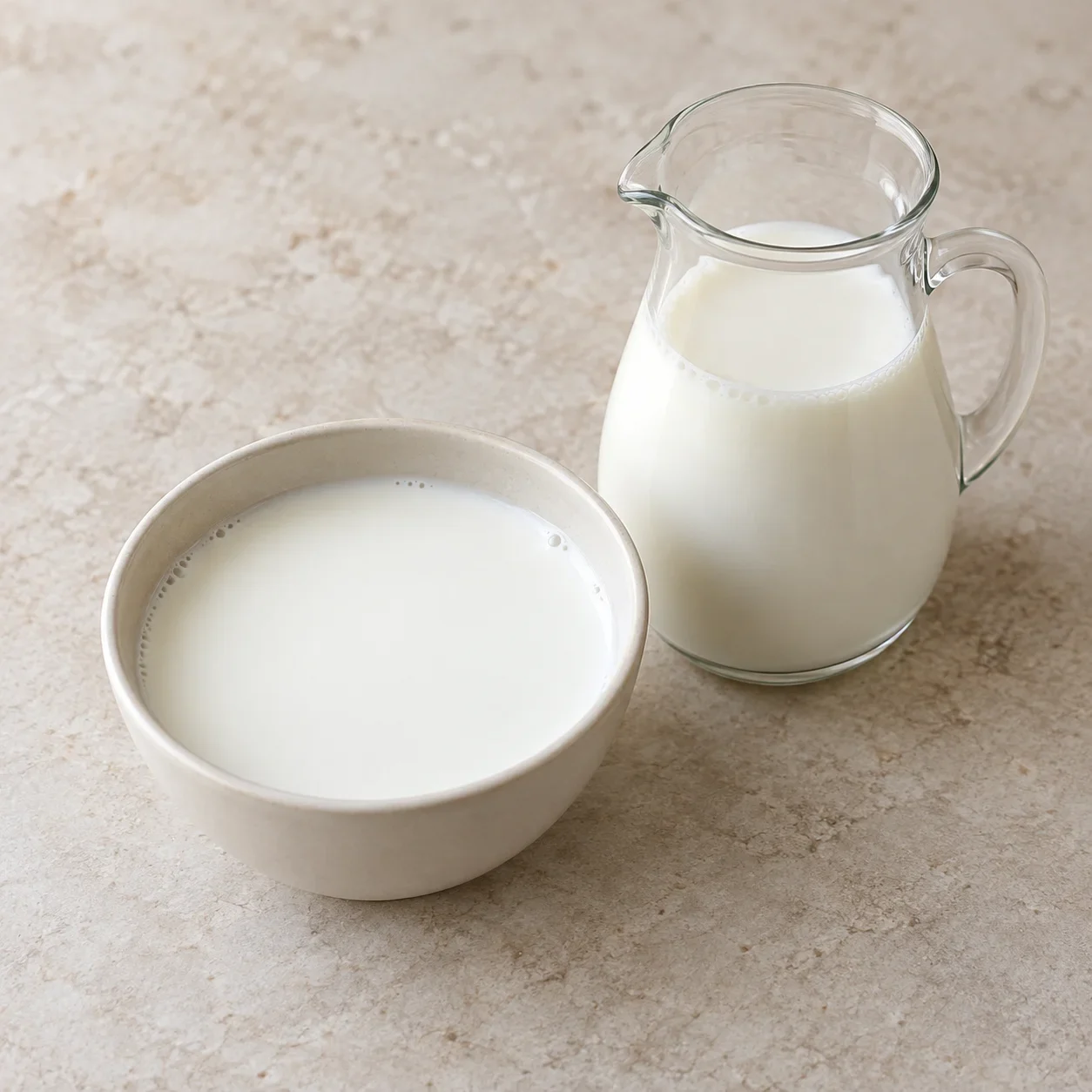
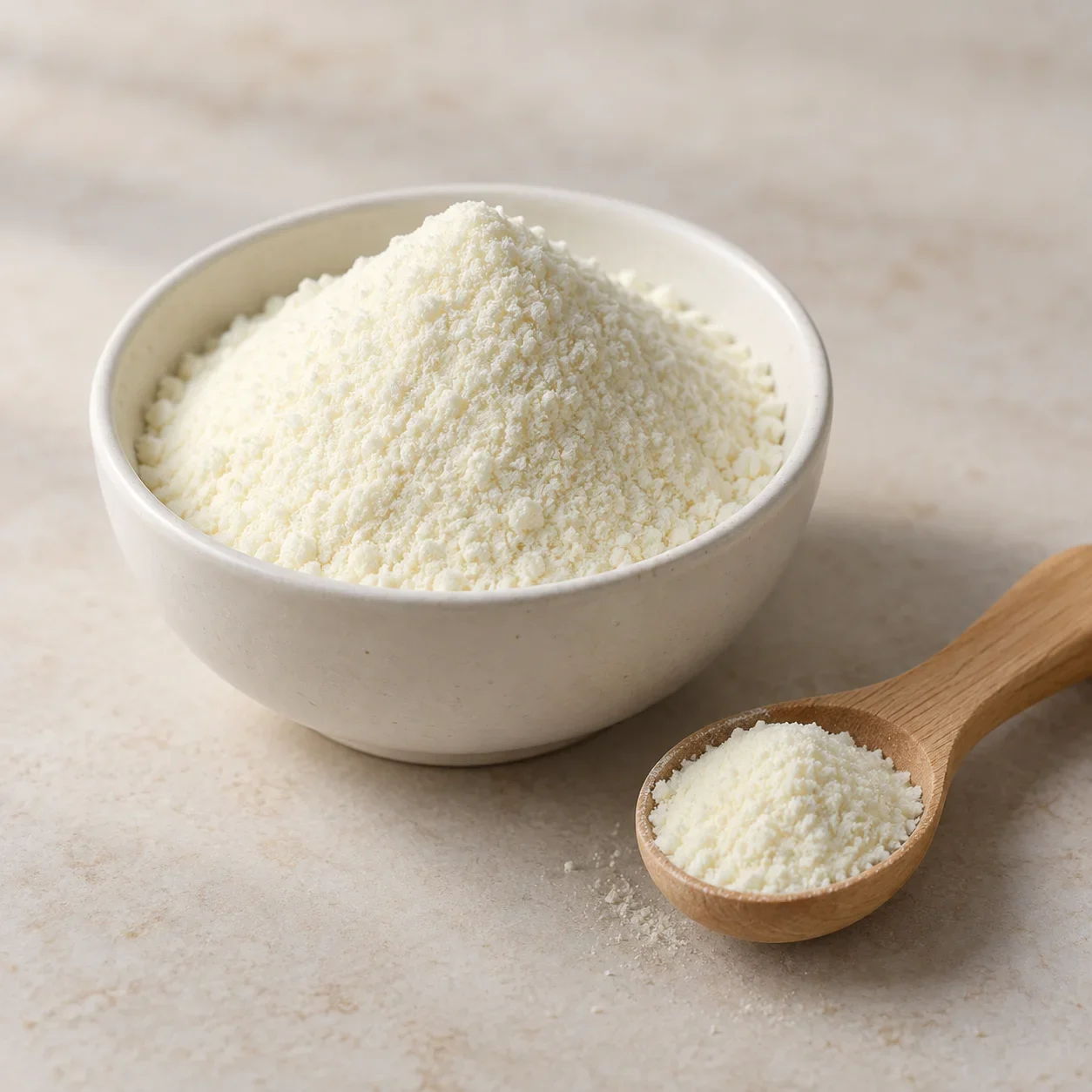
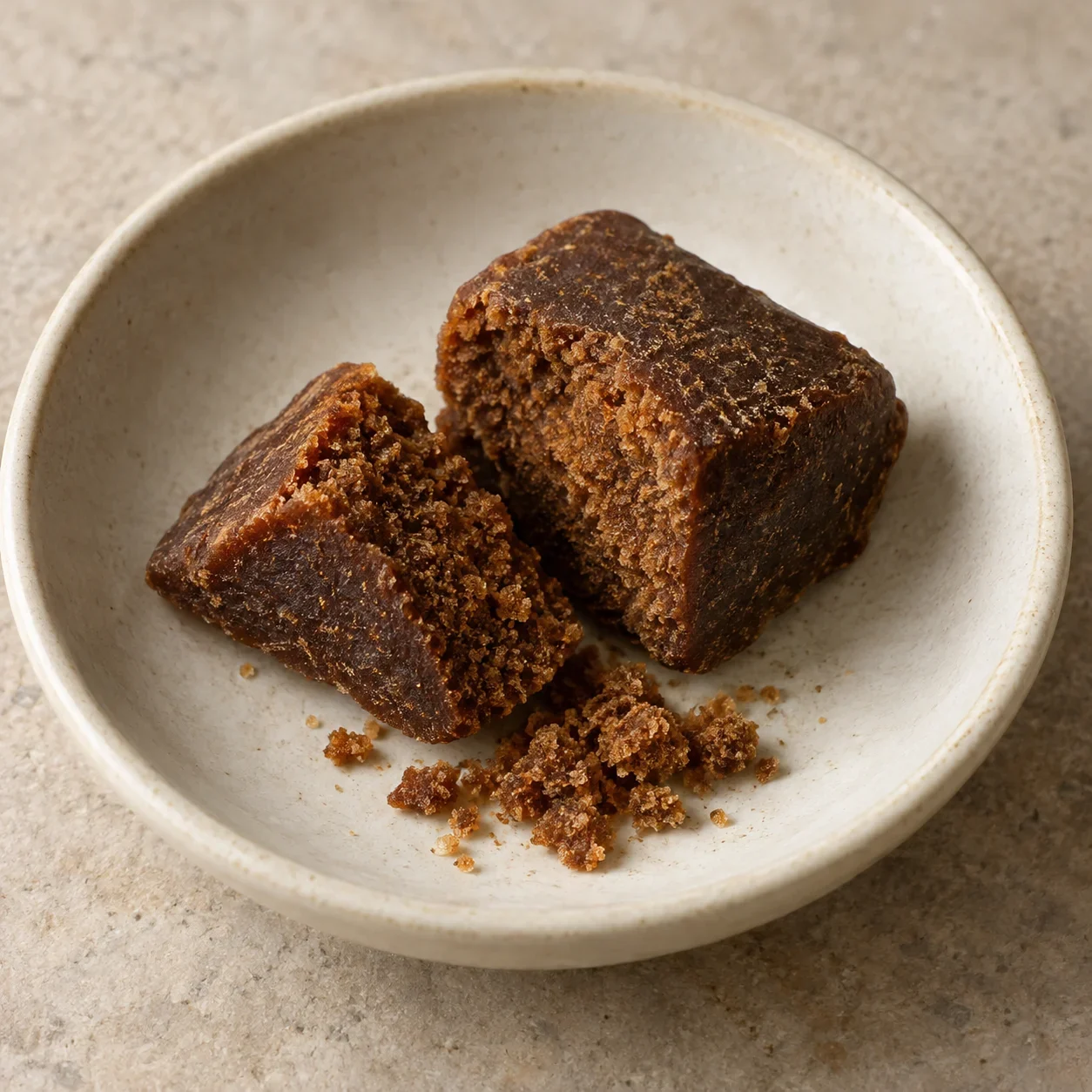
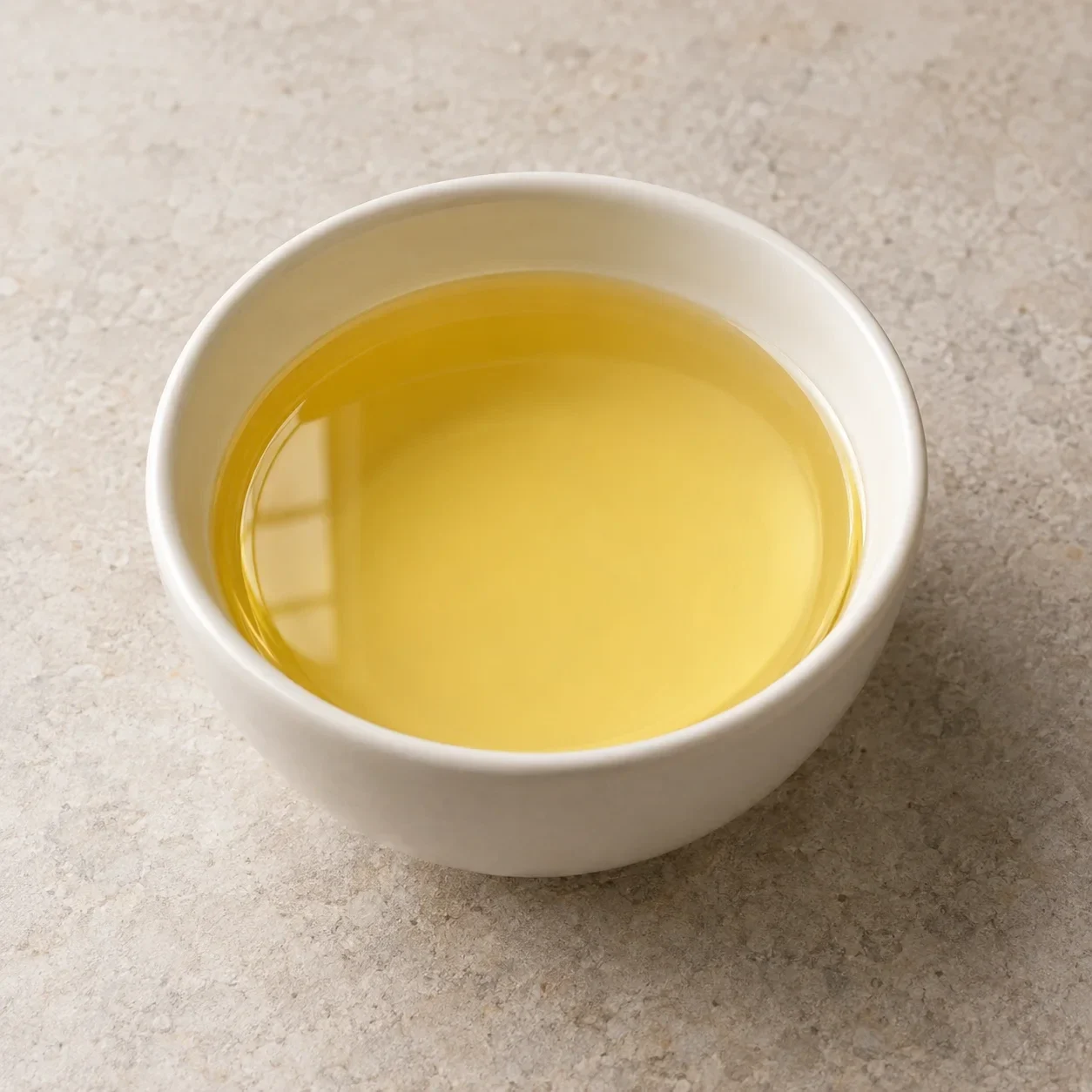
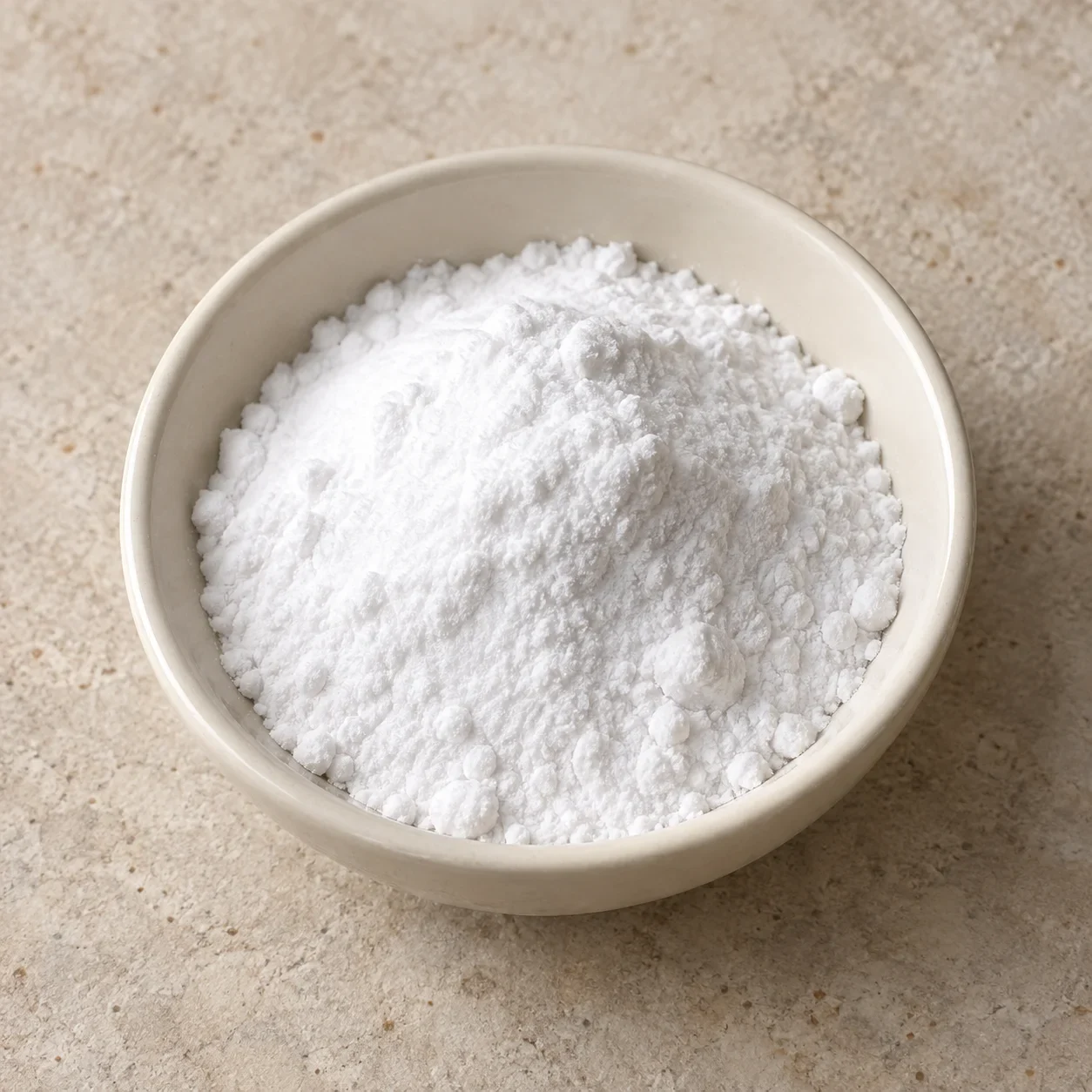
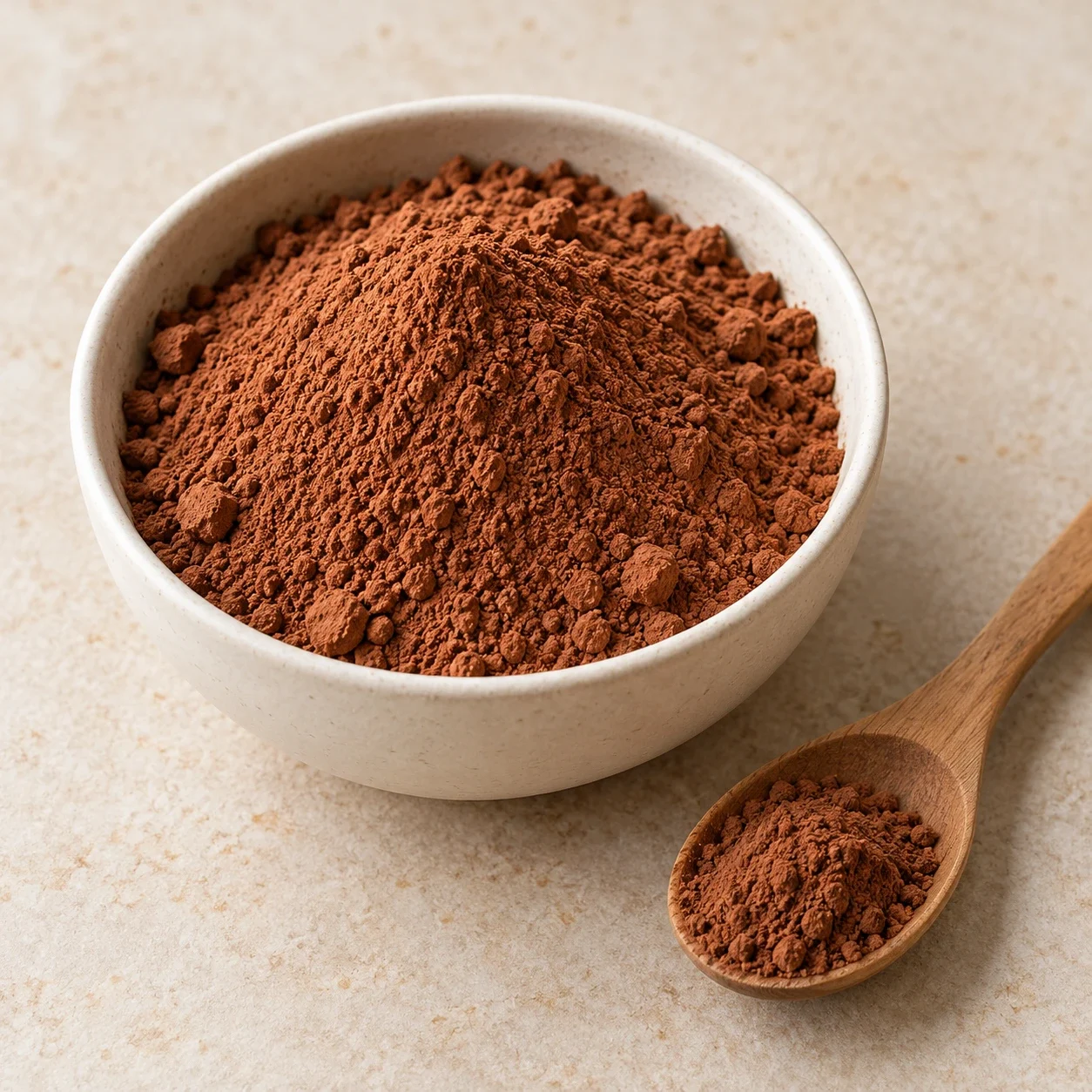
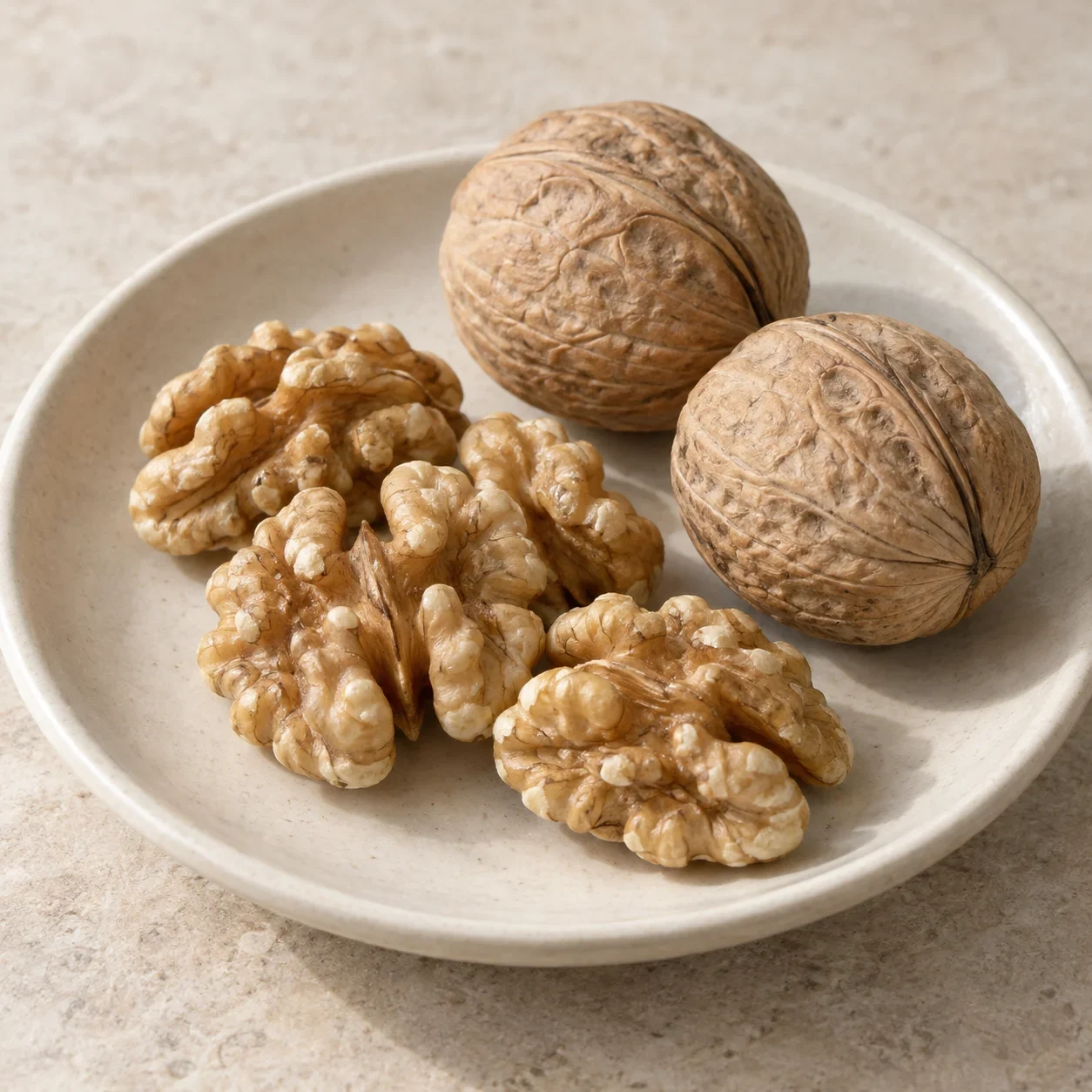
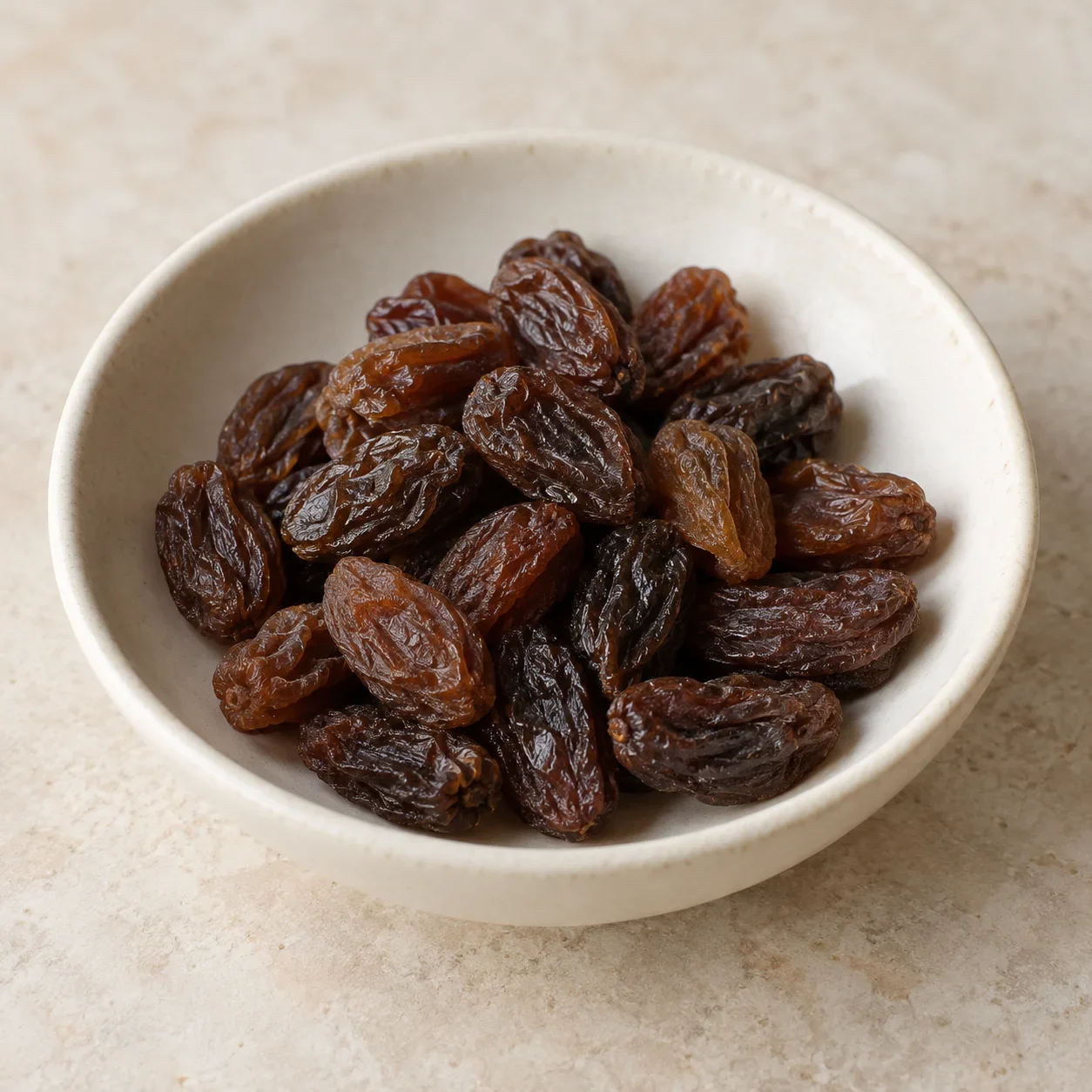
Recipes vary by restaurant.
How does it taste?
Sweet cocoa and nutty flavors, with fruity raisins.
- Chili heat
- Texture
- Soft cake crumb with walnut pieces and chewy raisins.
- How it’s made
- Eggs, oil and sweetened milk are mixed with the dry ingredients, walnuts and raisins, then baked and sliced.
Recipes vary in fat, sweeteners and cocoa content. Some versions use animal fat; darkness alone does not identify the recipe.
A CONNECTION TO PLACE
Origin & regional roots
Associated with Xinjiang.
About this regional connection
Xinjiang: Uyghur and Tatar pastry tradition in Xinjiang.
Ask if they have it first
请问你们有巴哈利吗?
Do you have this item?
A LITTLE SOMETHING TO READ
Story & history
A cake in Xinjiang’s pastry tradition
This account describes a tradition or story, rather than an established historical fact.
Bahali, also written Bahali with the Chinese character 力, belongs to Xinjiang’s Uyghur and Tatar pastry traditions. It is baked in a larger piece and portioned for eating or sharing. Cocoa and nuts distinguish it from an ordinary plain cake.