At the table
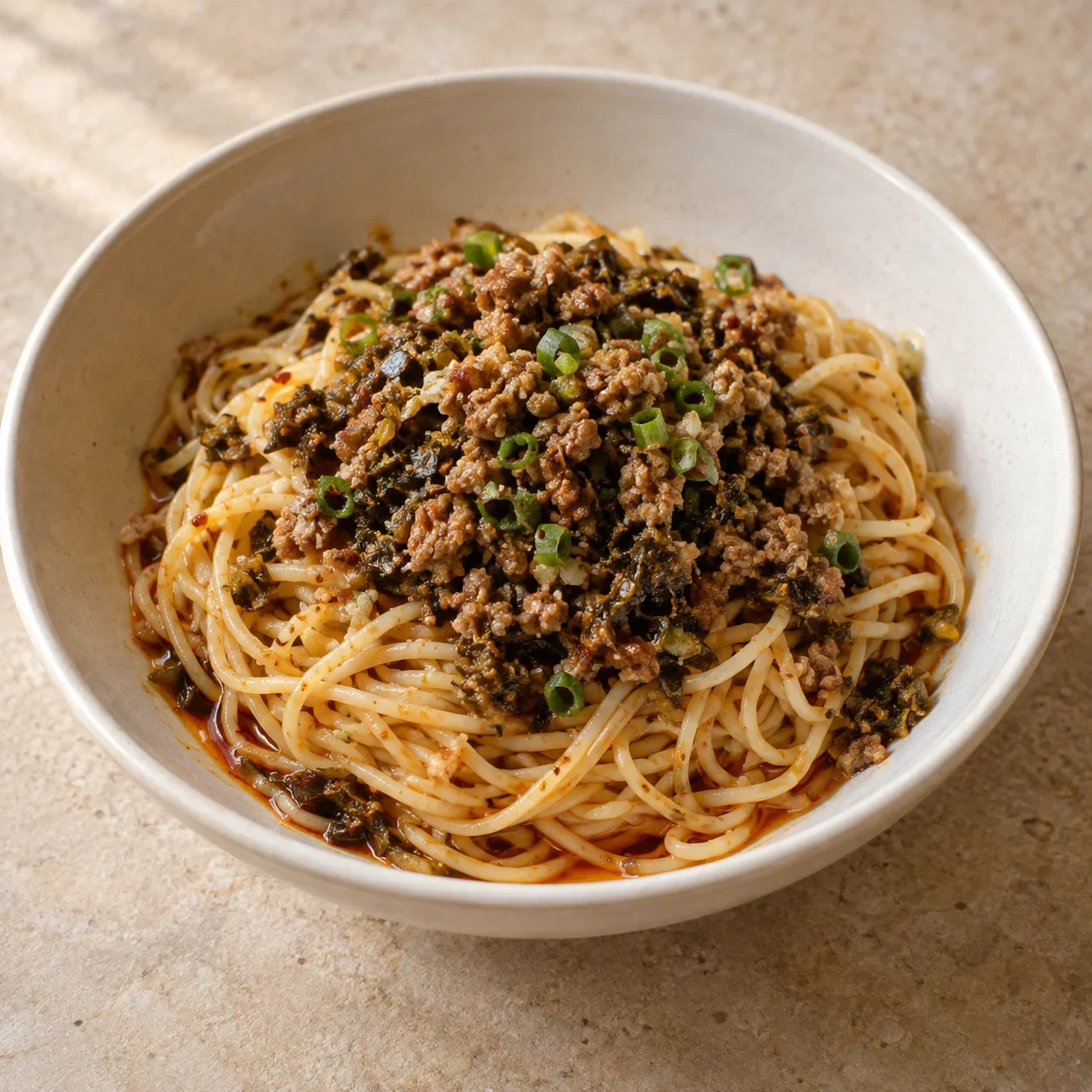
Toss the noodles through the sauce before eating. Try a small portion first; add more sauce only if the heat suits you.
Contains pork and wheat noodles. Sesame paste is used in this version; peanut garnish is optional. Recipes vary; confirm the actual ingredients if you have dietary restrictions.
GET TO KNOW THE DISH
What goes into it?
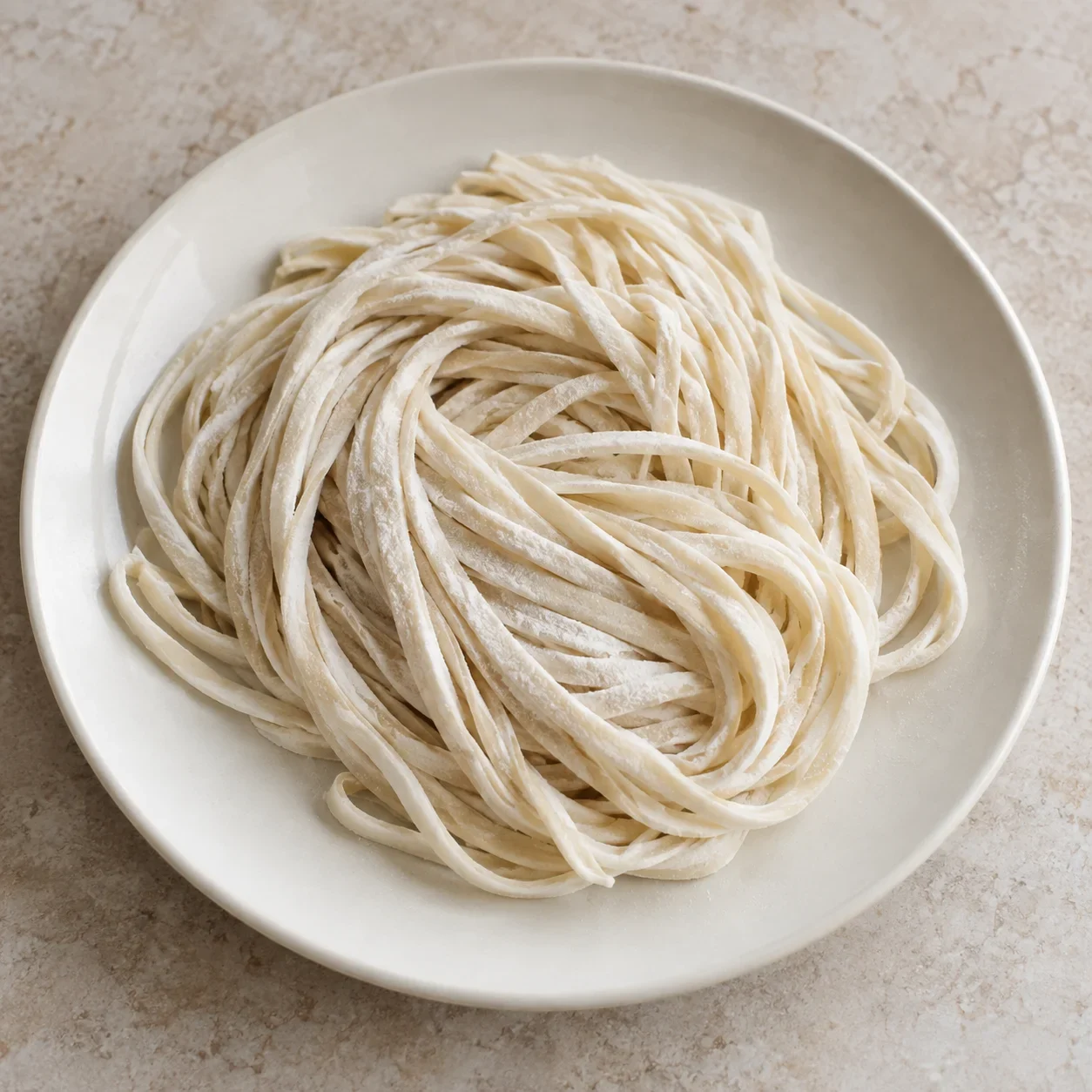
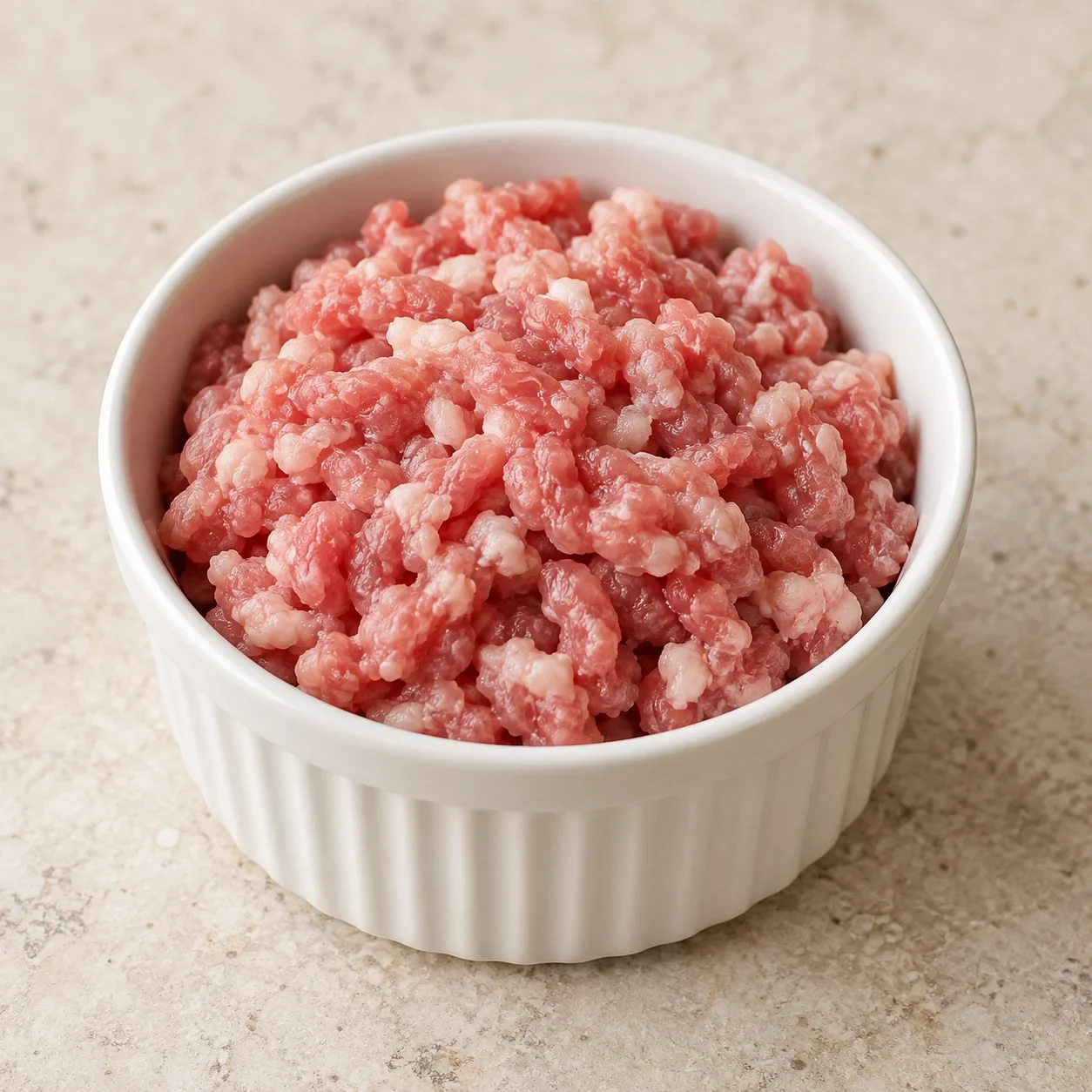
Explore some key ingredients below. Preparations may use additional seasonings and ingredients.
Sesame paste, chili oil and noodle thickness vary. Peanuts and scallions may be added at the end; the sauce is not a fixed heat level.
Typical ingredients
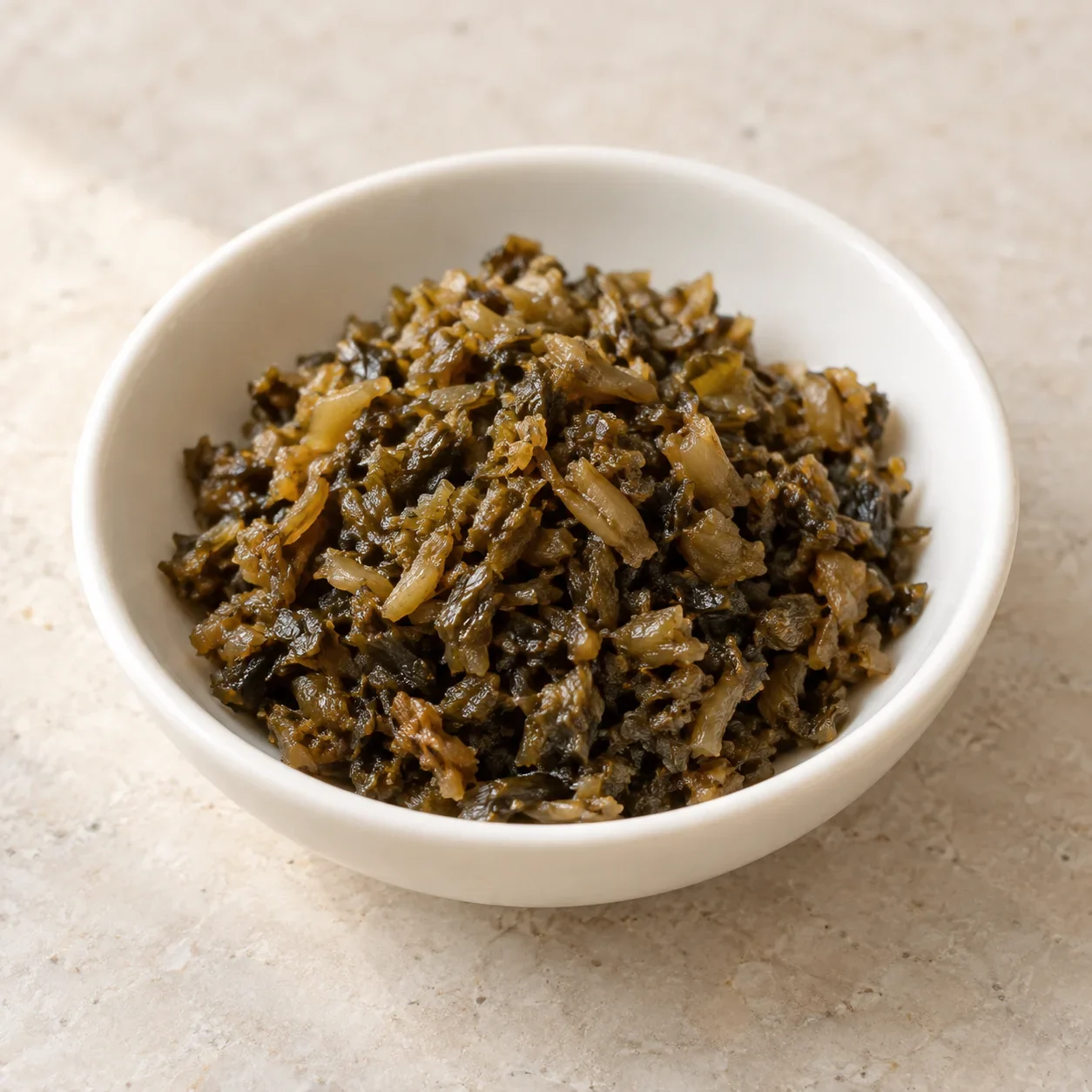
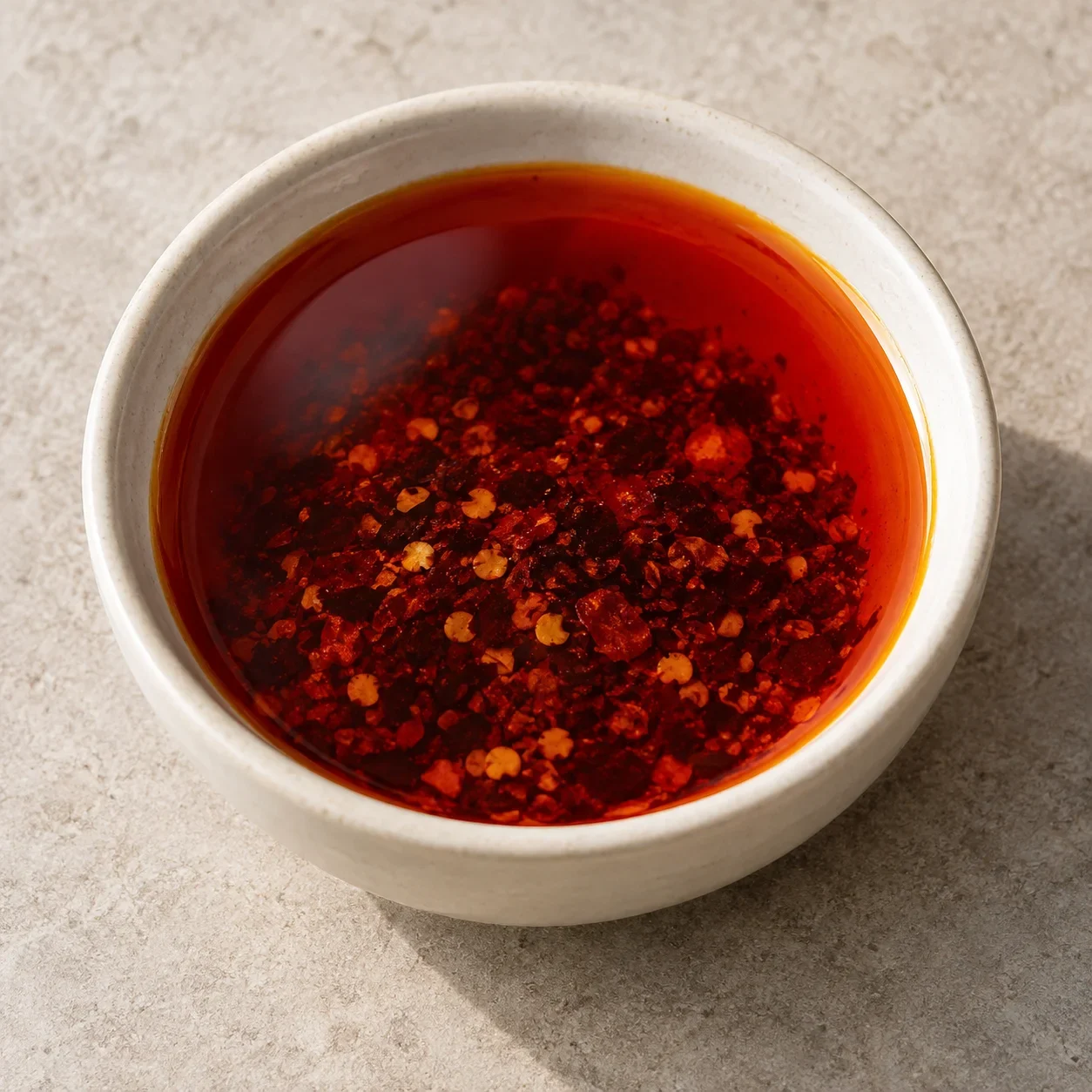
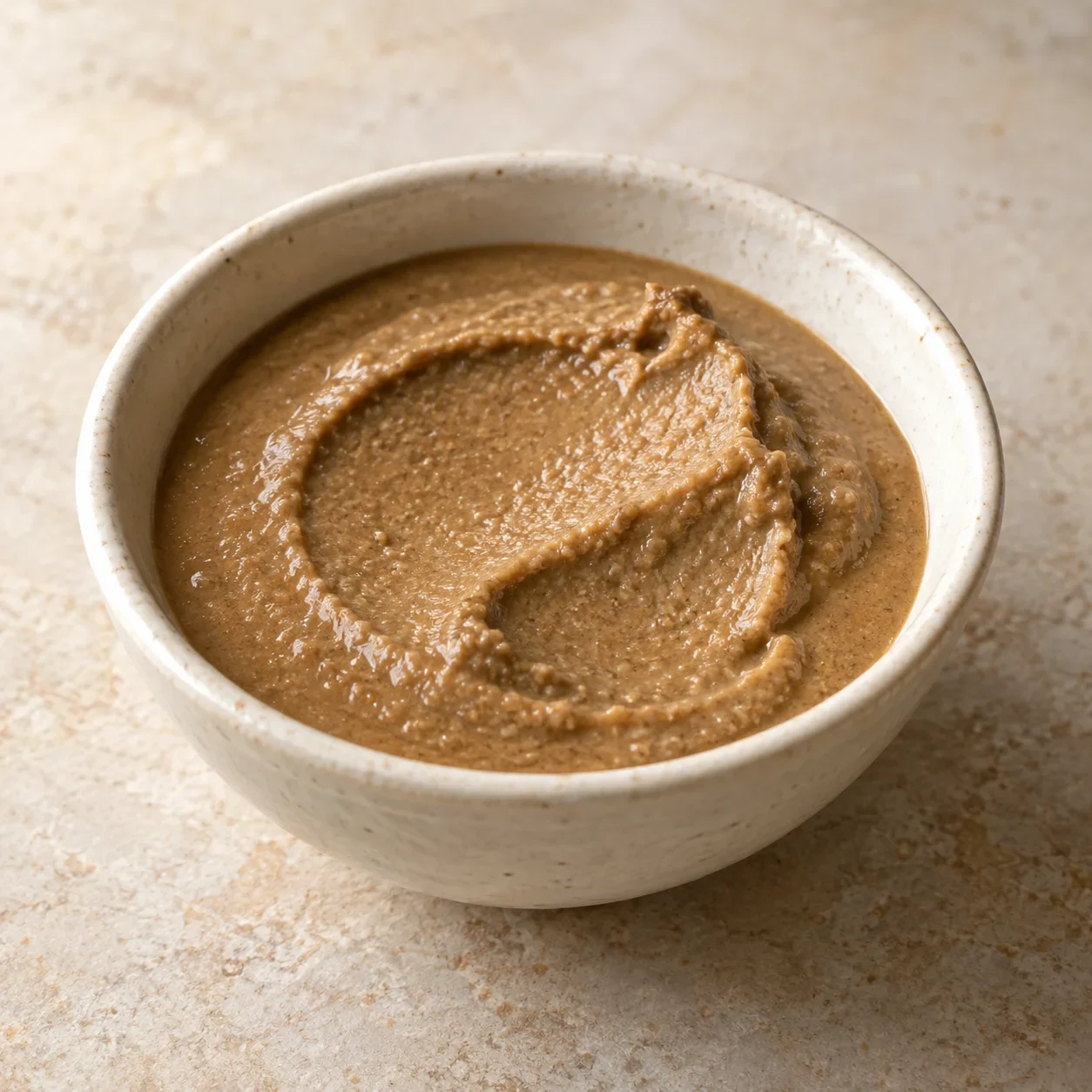
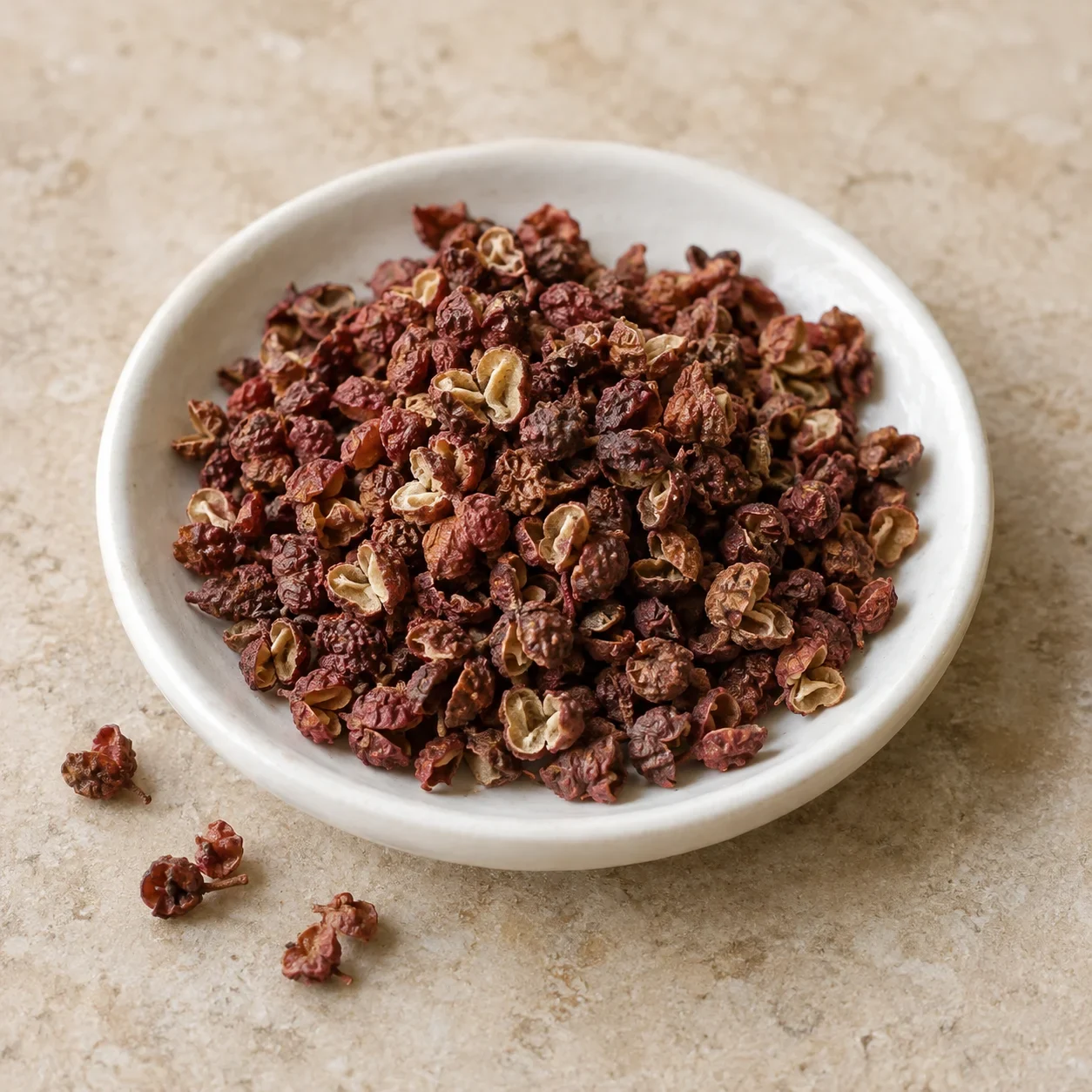
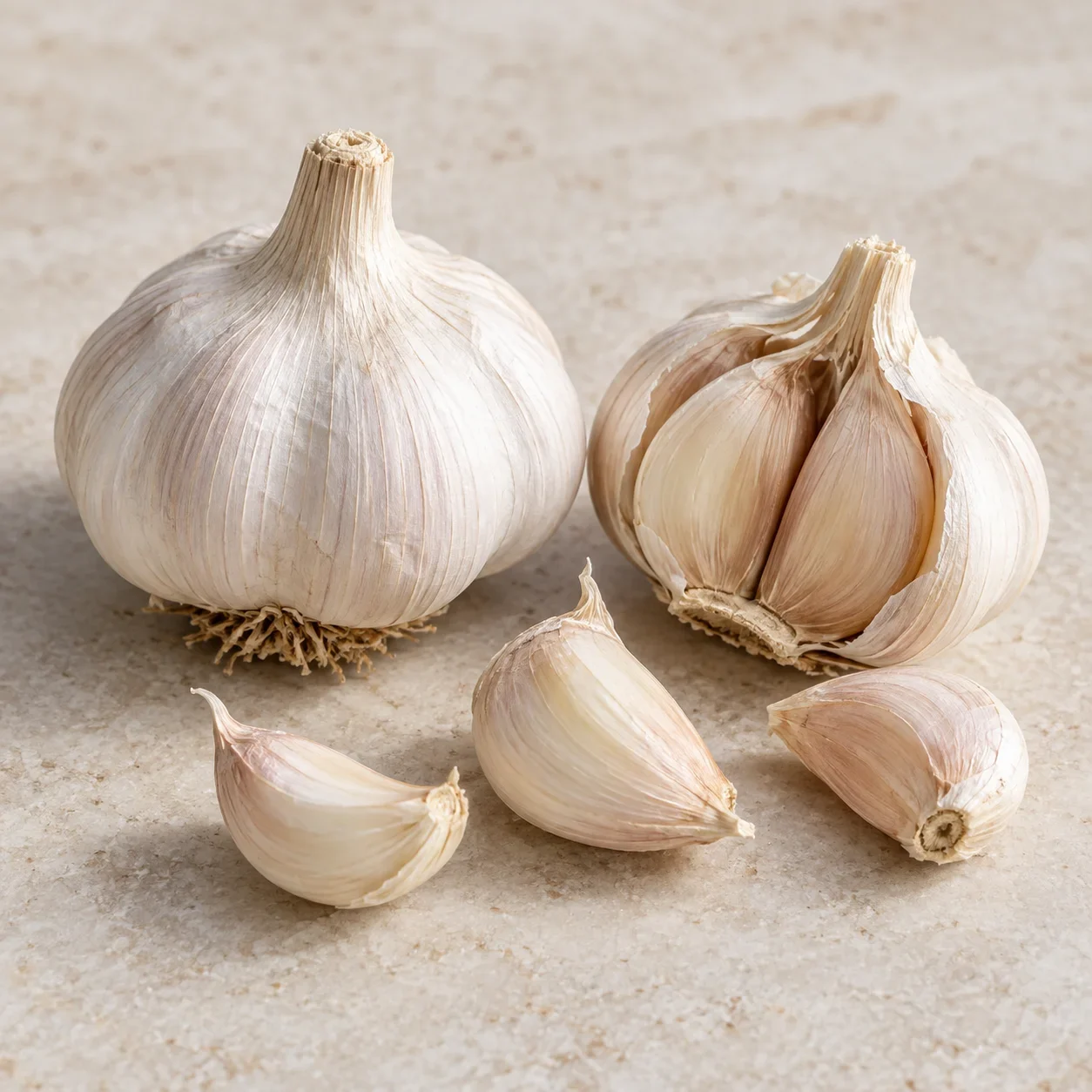
In some versions
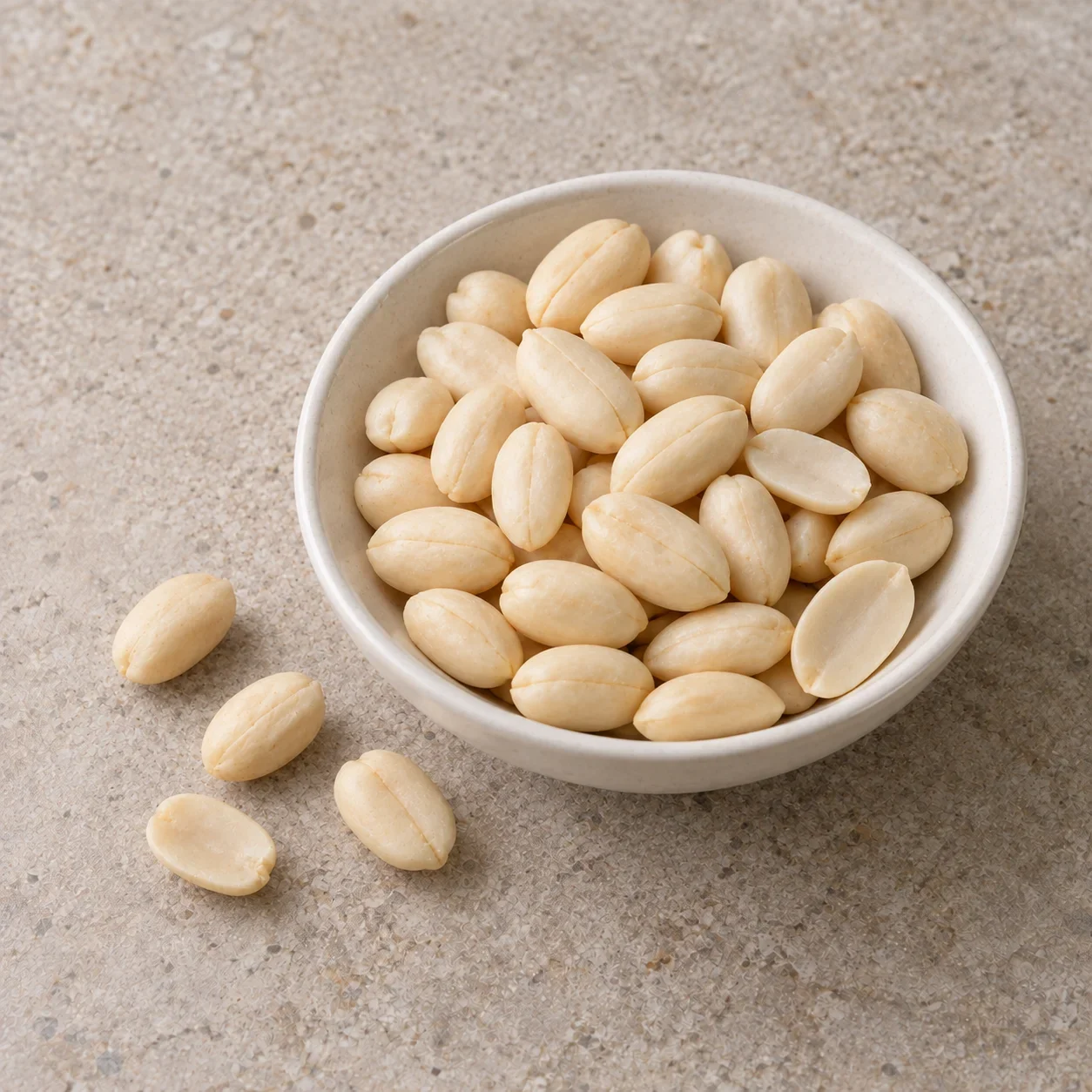
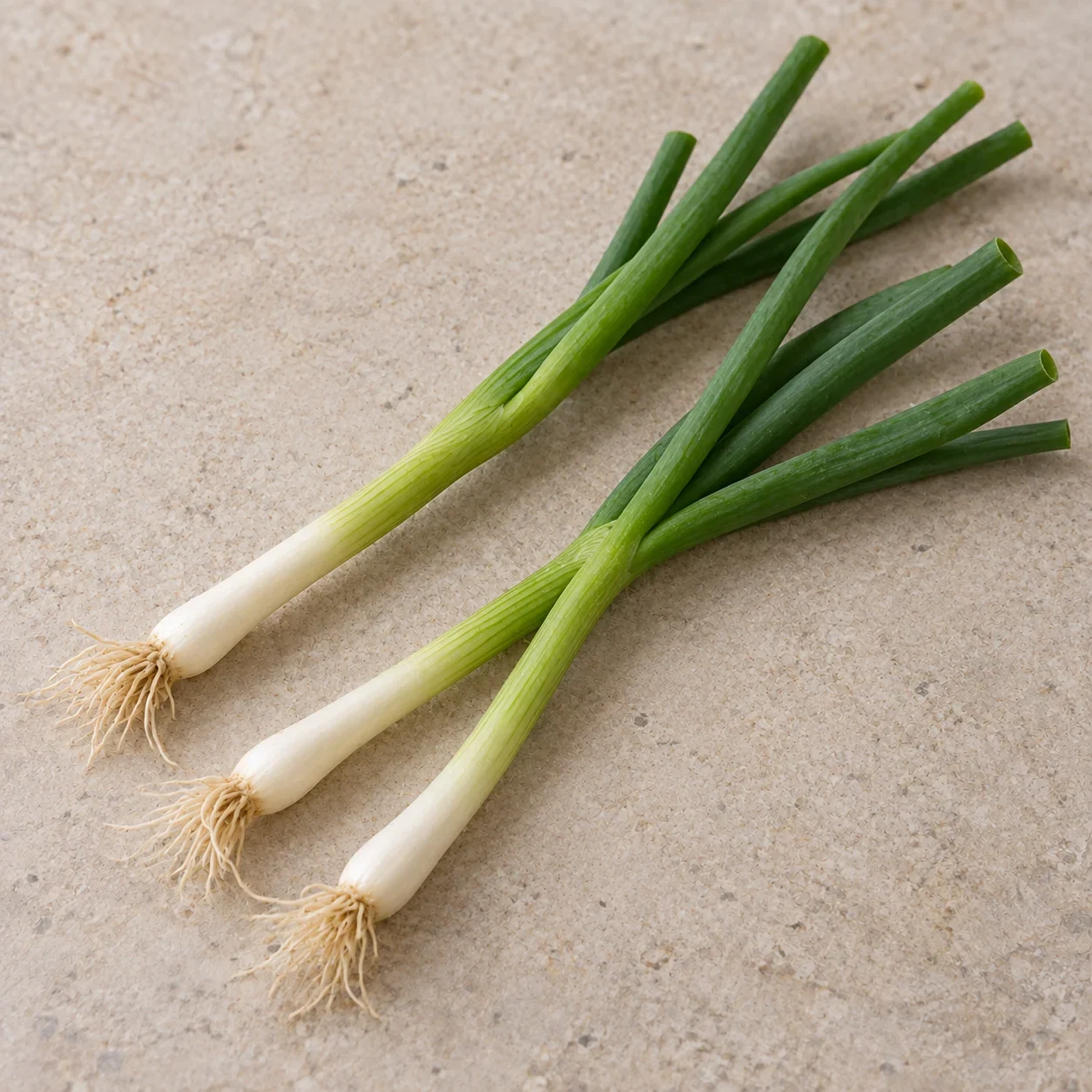
Recipes vary by restaurant.
How does it taste?
Savory, nutty and chili-hot, with a tingling peppercorn note.
- Chili heat
- Texture
- Springy noodles, fine meat crumbs and chopped preserved greens.
- How it’s made
- Boil the noodles, prepare the seasoned mince separately, then toss with the sauce.
Sesame paste, chili oil and noodle thickness vary. Peanuts and scallions may be added at the end; the sauce is not a fixed heat level.
A CONNECTION TO PLACE
Origin & regional roots
Associated with Sichuan.
About this regional connection
Sichuan: Part of the Sichuan cooking repertoire.
Ask if they have it first
请问你们有担担面吗?
Do you have this item?
A LITTLE SOMETHING TO READ
Story & history
Noodles once carried to Chengdu’s streets
The name dan dan recalls the carrying pole once used by noodle sellers. A local Chengdu story pictures a vendor taking a stove and copper pot to temple fairs and theaters, cooking bowls to order for people on the move. The same account tells a Qing-era tale about an elderly shopkeeper and his daughter; noodle-origin stories vary, so this family story is local lore rather than settled history. The dish’s name preserves a street-selling scene as well as a bowl of noodles.