
At the table
For a ready-to-eat serving, loosen the bundle and lift small portions with chopsticks. Remove any packaging tie. For a packaged product, follow its storage and preparation instructions; do not assume every pack is ready to eat.
Contains soy. Added dressing, cooking broth and seasoning may change the ingredients; ask before ordering if you avoid particular foods.
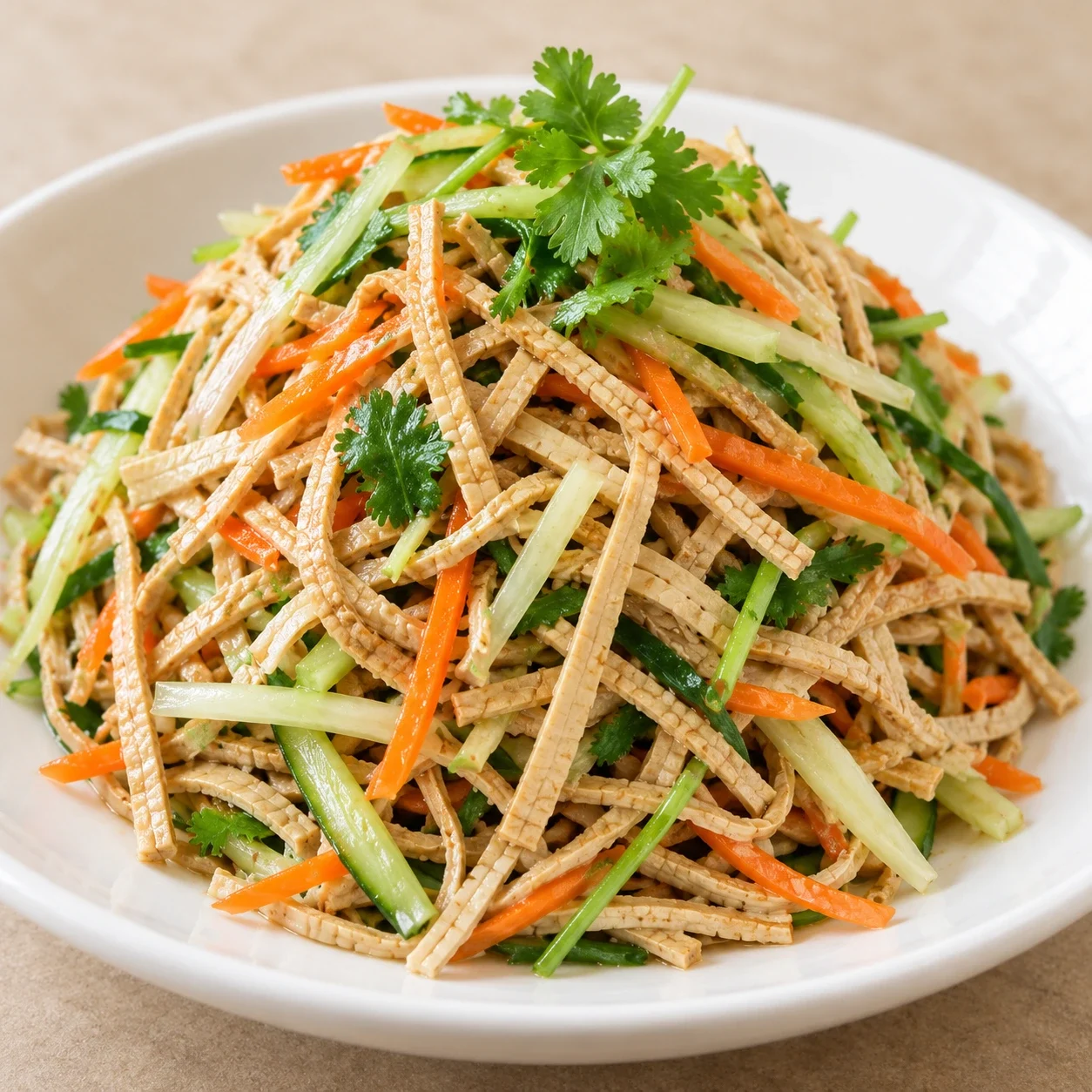
The five-spice tofu is the base, not a fixed salad recipe. Carrot, cucumber and coriander are optional cold-salad additions shown here. Dressings vary: ask about soy sauce, sesame oil, vinegar and chili rather than assuming every serving has the same ingredients.
GET TO KNOW THE DISH
What goes into it?
Explore some key ingredients below. Preparations may use additional seasonings and ingredients.
The five-spice tofu is the base, not a fixed salad recipe. Carrot, cucumber and coriander are optional cold-salad additions shown here. Dressings vary: ask about soy sauce, sesame oil, vinegar and chili rather than assuming every serving has the same ingredients.
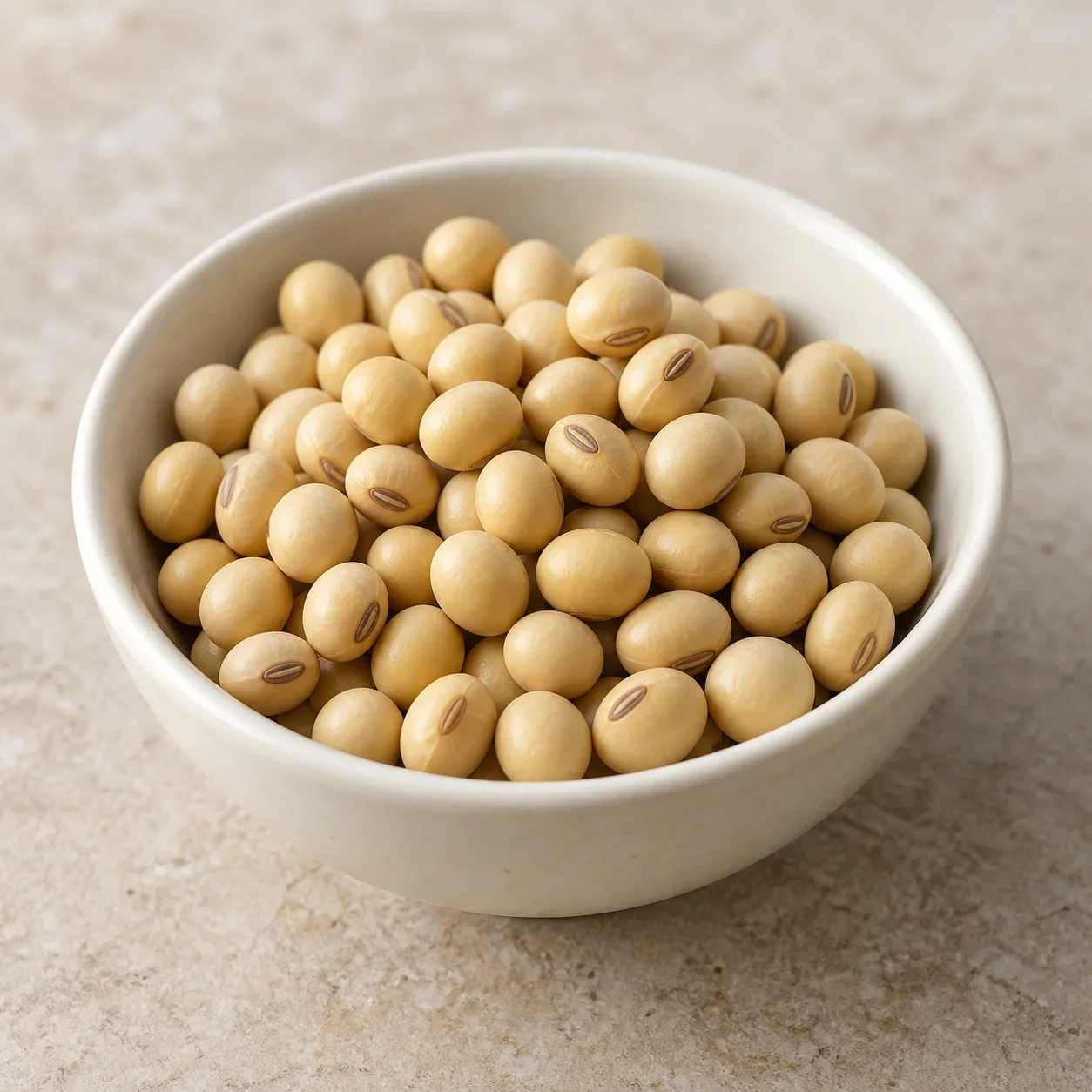
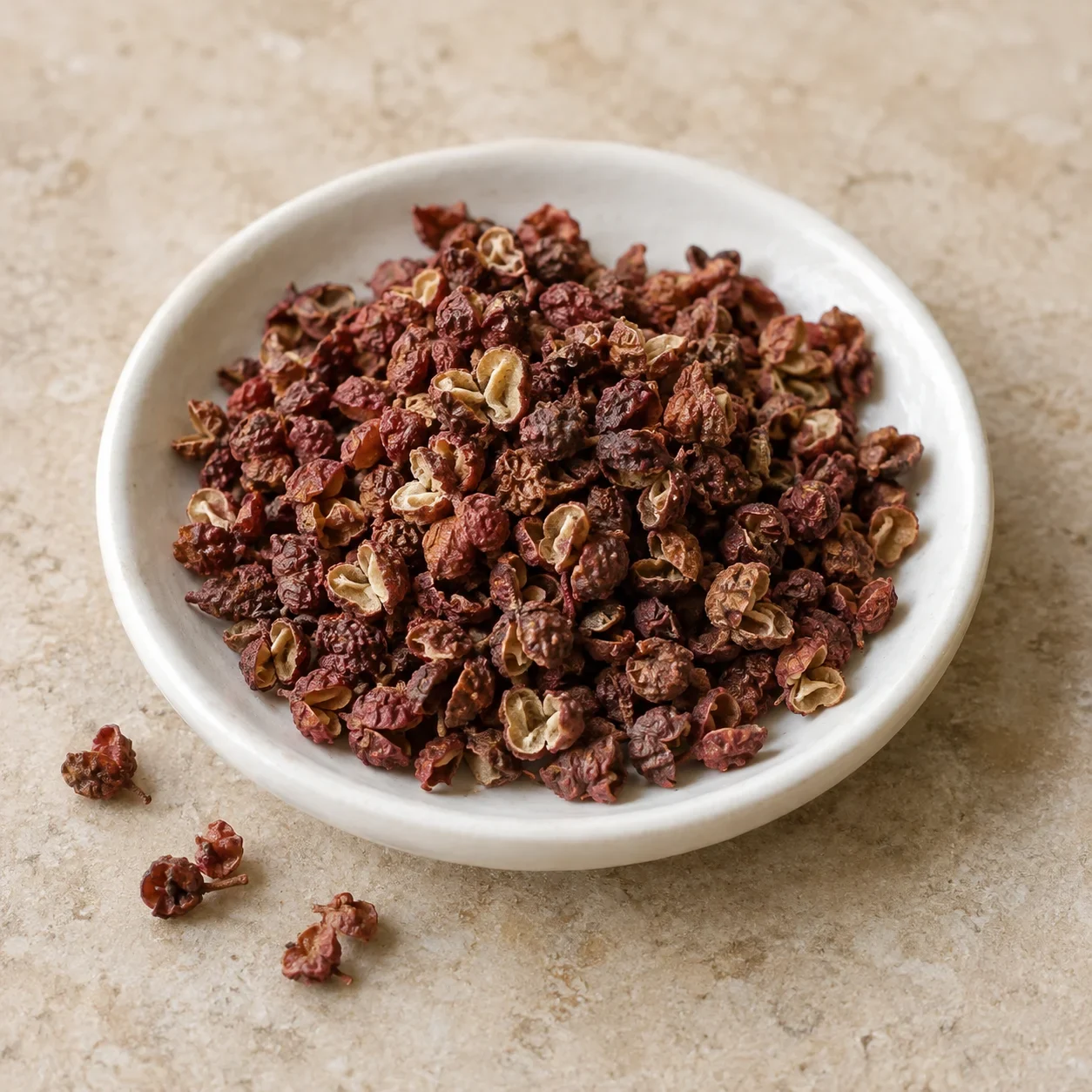
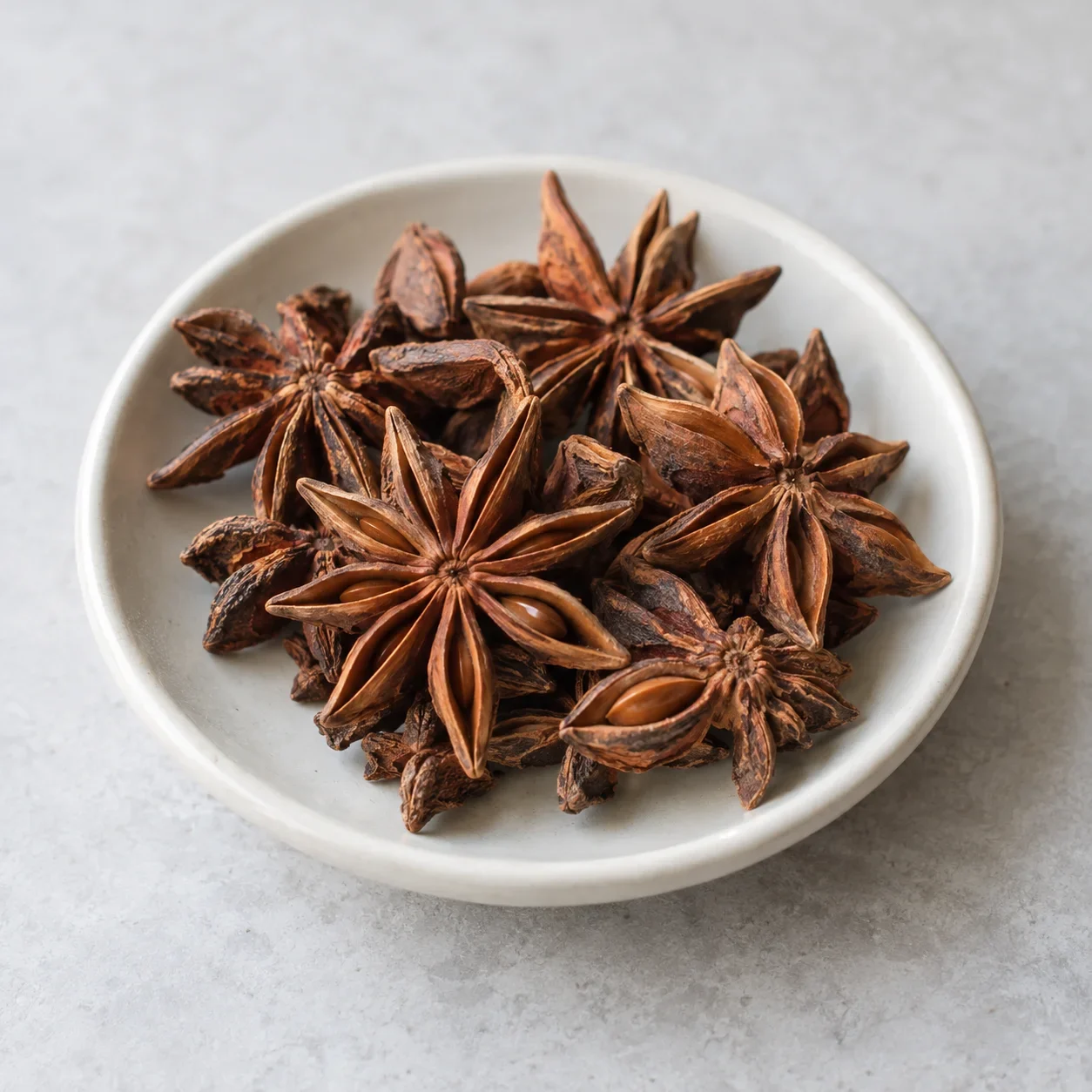
Typical ingredients

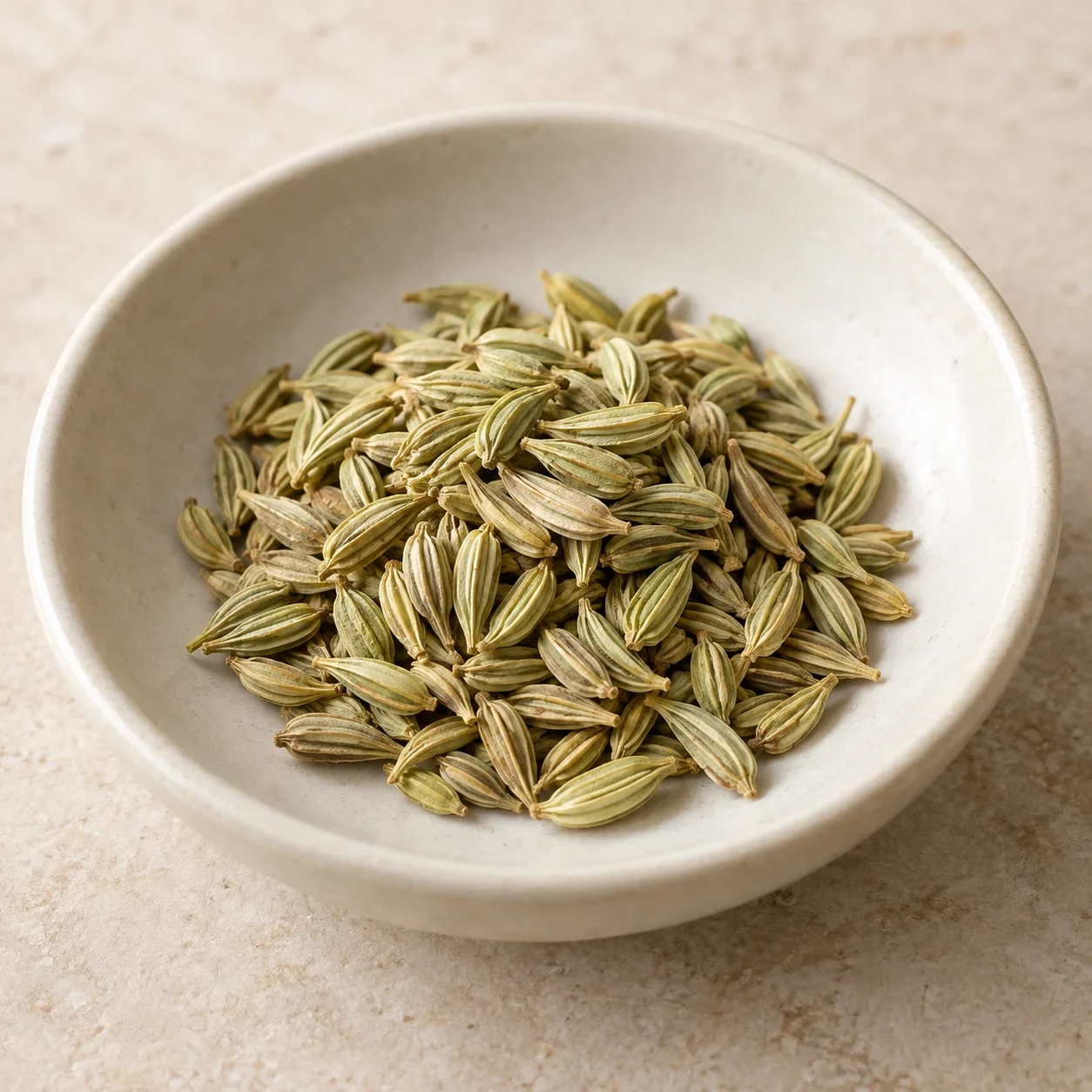
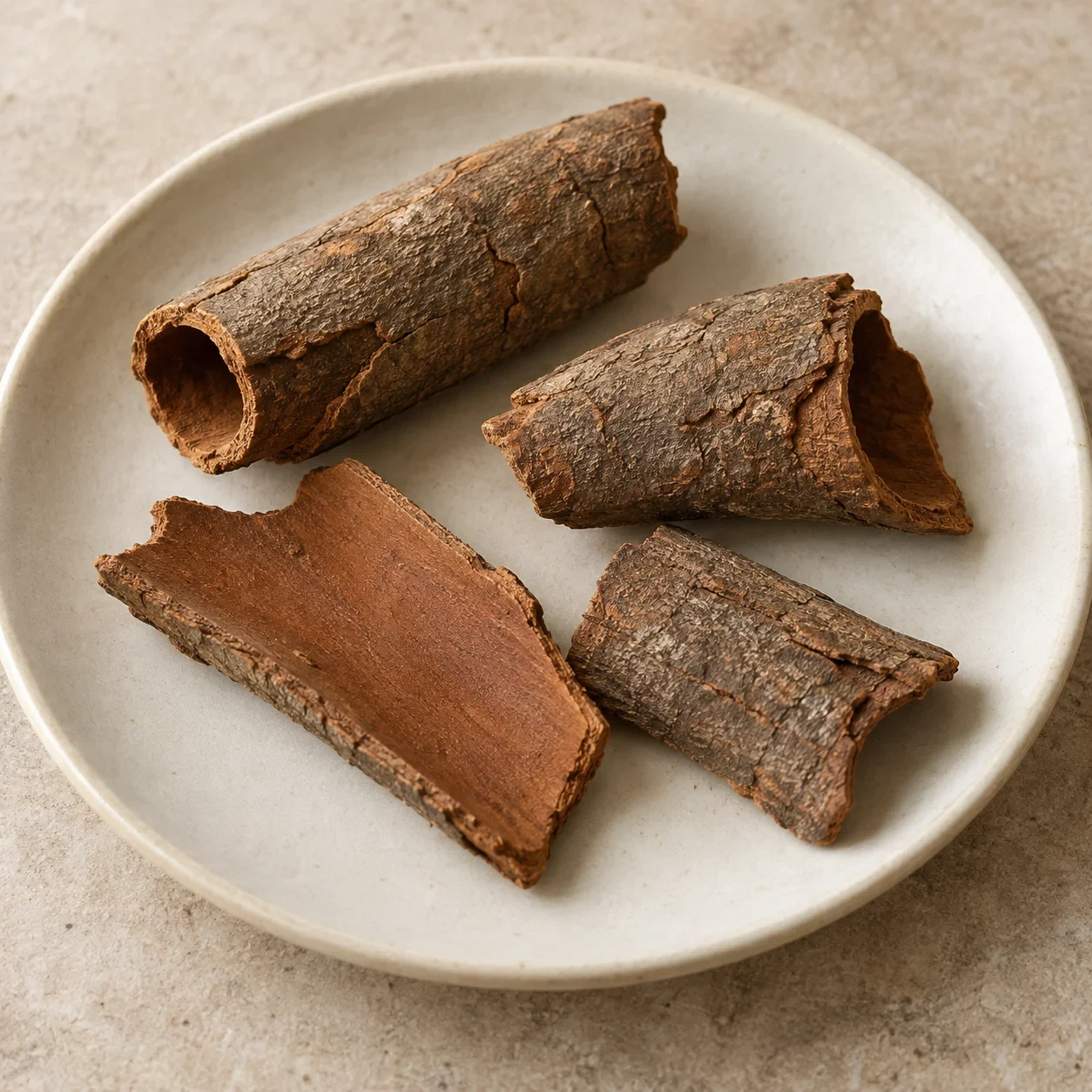
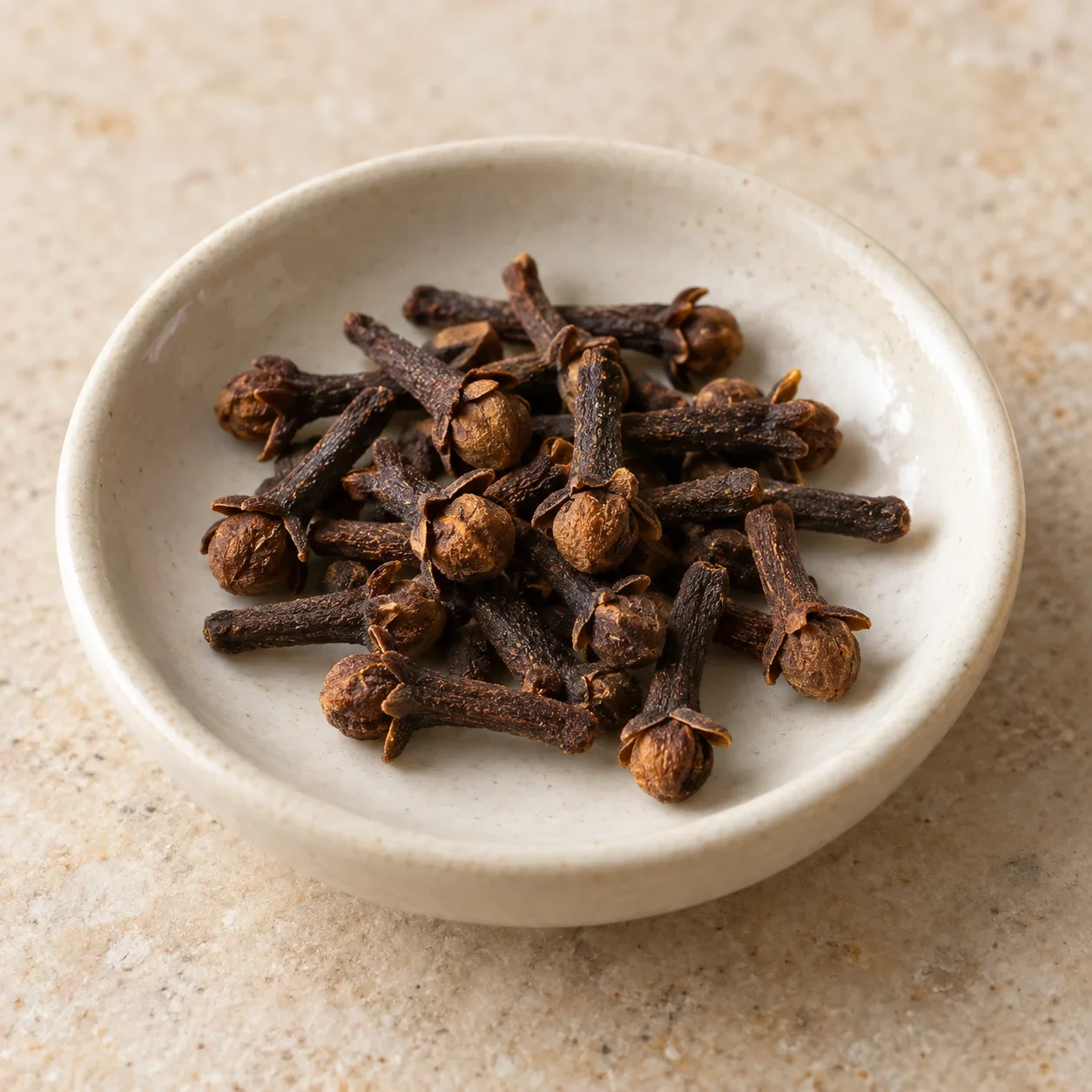

In some versions
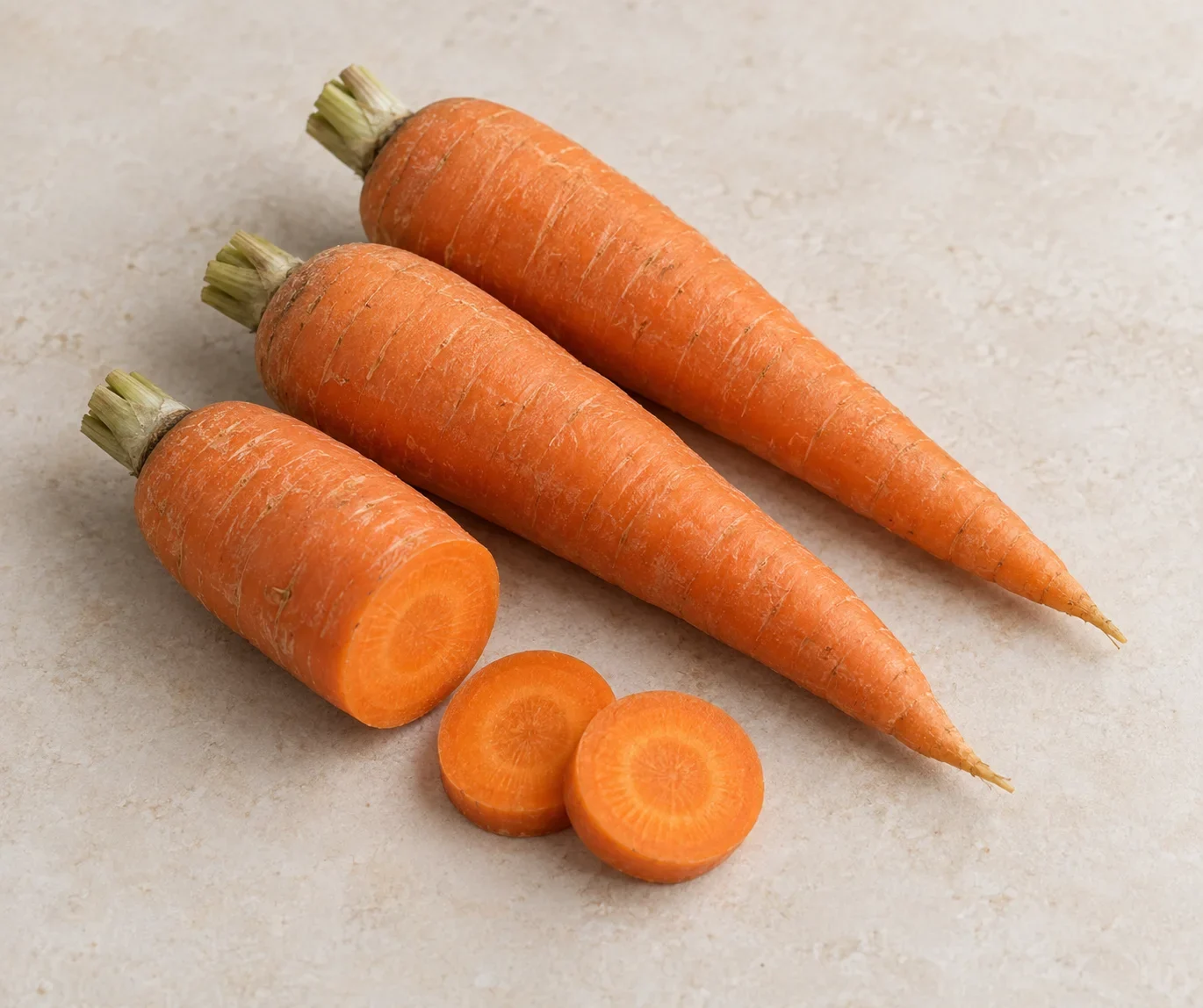
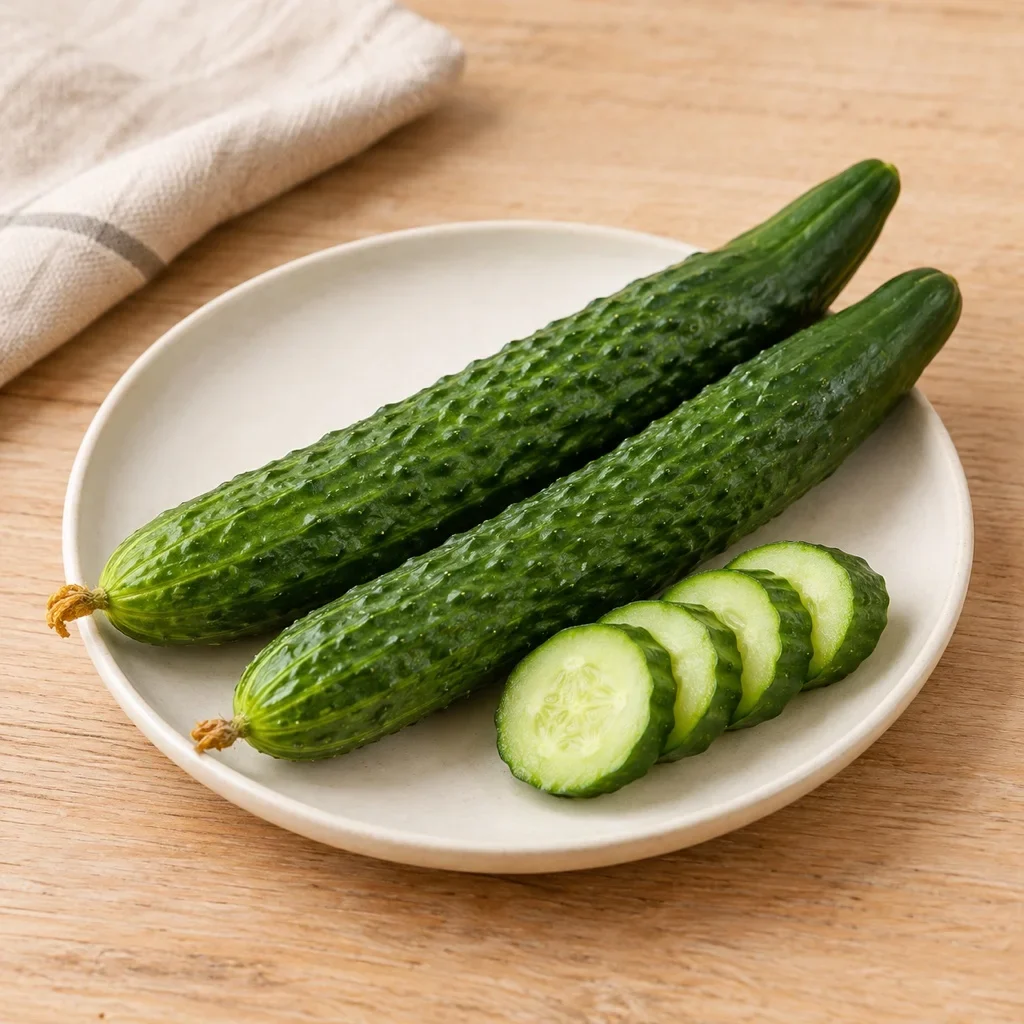
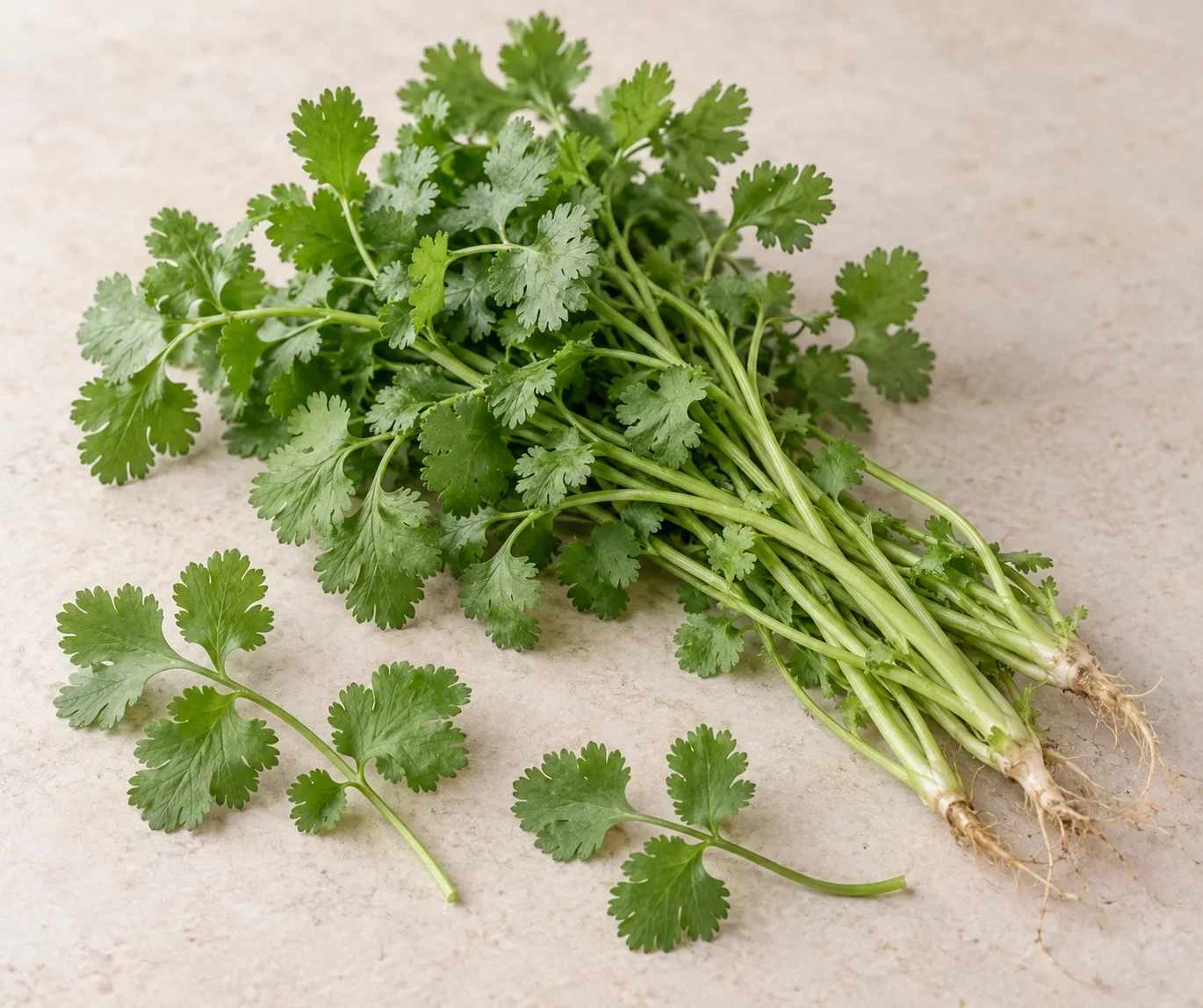
Recipes vary by restaurant.
How does it taste?
Savory and fragrant with fennel, star anise, cassia, clove and Sichuan pepper; this plain version has no chili.
- Chili heat
- Texture
- Thin, flexible, springy strips with a firm tofu bite.
- How it’s made
- Soy milk is set with food-grade mineral brine, pressed into sheets, cut and simmered in salted spice water. The coagulant and the braising liquid are different.
The five-spice tofu is the base, not a fixed salad recipe. Carrot, cucumber and coriander are optional cold-salad additions shown here. Dressings vary: ask about soy sauce, sesame oil, vinegar and chili rather than assuming every serving has the same ingredients.
A CONNECTION TO PLACE
Origin & regional roots
Its origins are linked to Hebei.
About this regional connection
Hebei: Gaobeidiansoysheetshreds,notsamedishasgenericcoldtofusalad.
Ask if they have it first
请问你们有高碑店豆腐丝吗?
Do you have this item?
A LITTLE SOMETHING TO READ
Story & history
From soy sheets to bundled strands
This account describes a tradition or story, rather than an established historical fact.
Pressing, slicing and spice-braising give this Hebei specialty its flexible strands and fragrance. It can accompany a meal or be used in cold dishes, stir-fries, hotpot and stews.