
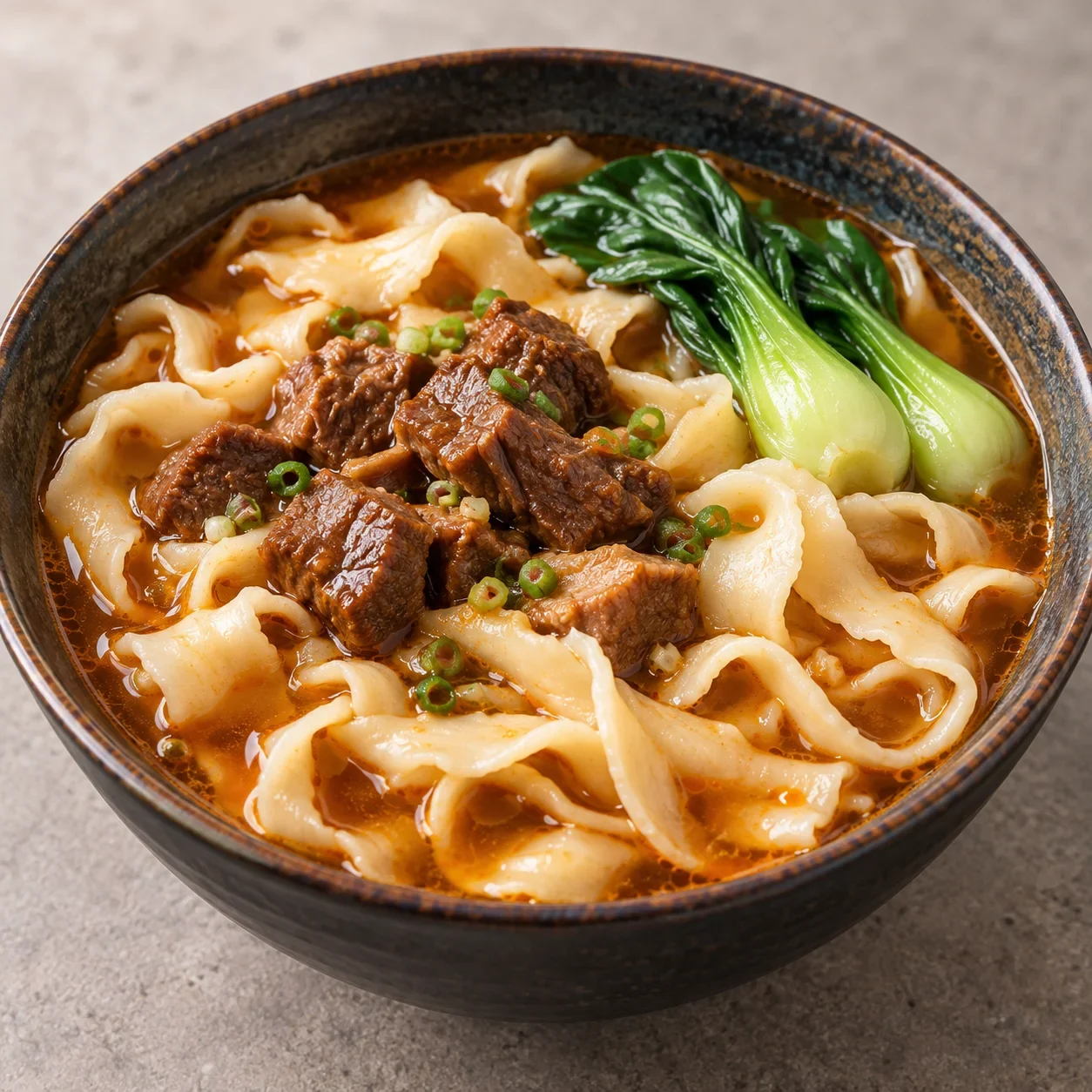
At the table
Lift a manageable portion with chopsticks or a fork and use a spoon for broth if served. Let hot noodles and toppings cool, chew the thicker centers well, and try a little sauce before adding more.
Contains wheat. Egg or tofu toppings add egg or soy, and meat toppings or broth affect dietary suitability. Check the full sauce, broth and cooking fat for allergies or dietary restrictions. Noodles may be chewy and the serving hot; take manageable portions and let them cool.
GET TO KNOW THE DISH
What goes into it?
Explore some key ingredients below. Preparations may use additional seasonings and ingredients.
Meat, egg or tofu dishes can accompany the noodles.
Typical ingredients
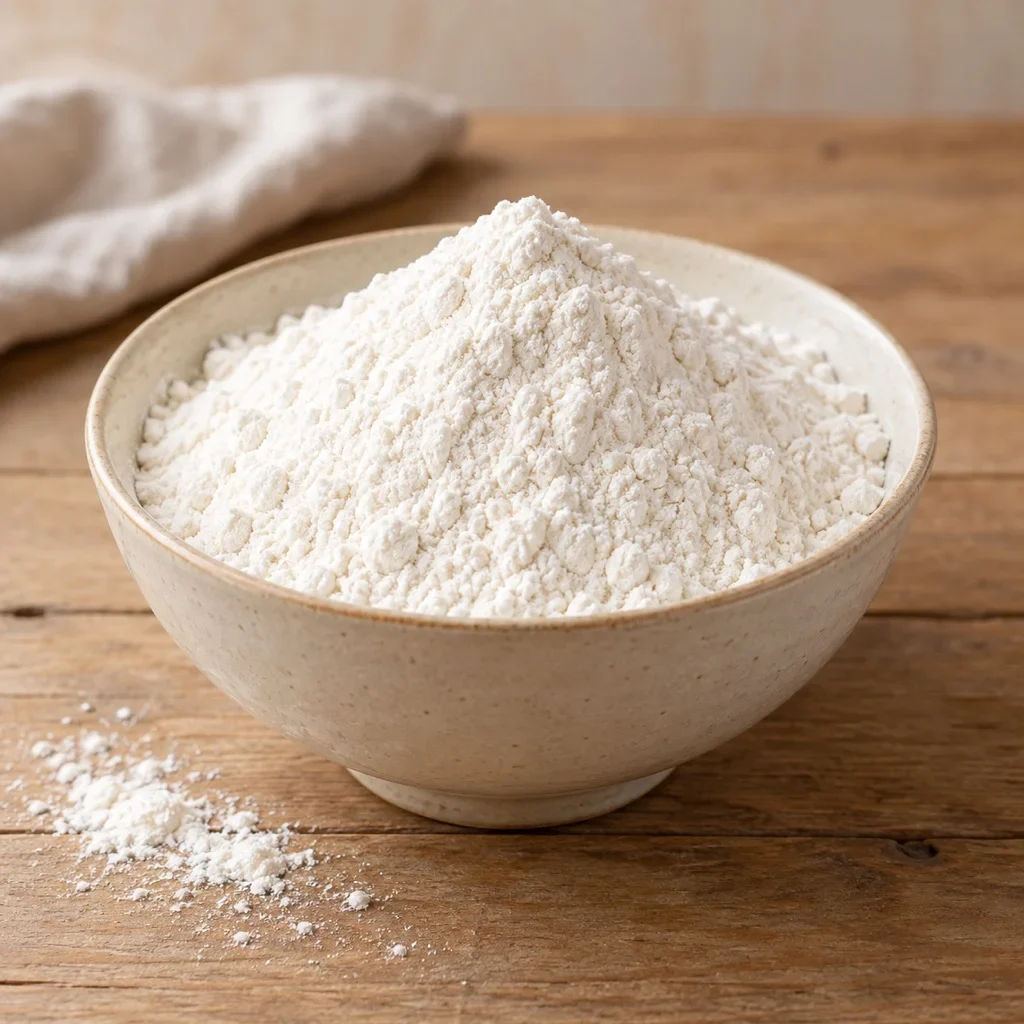
In some versions
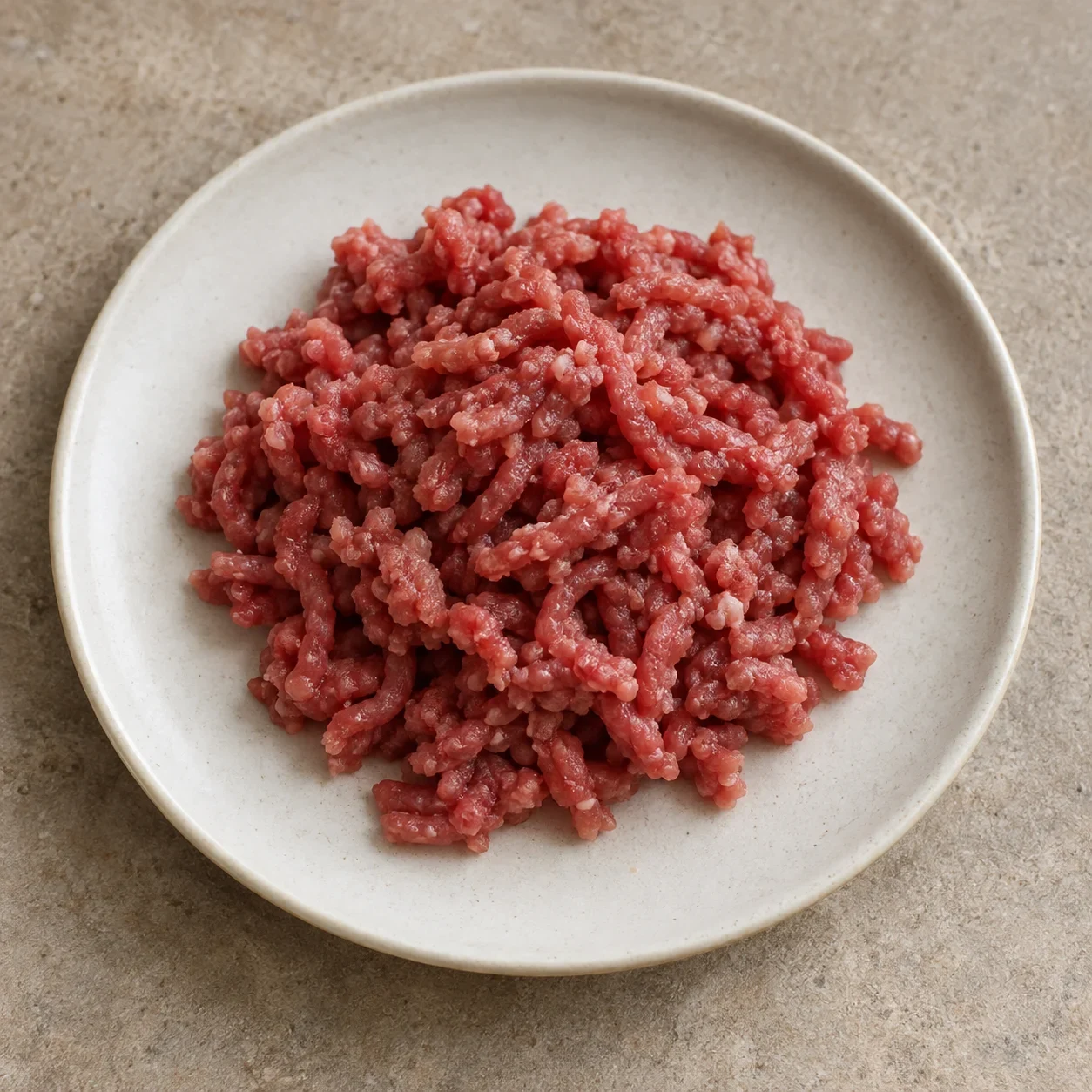
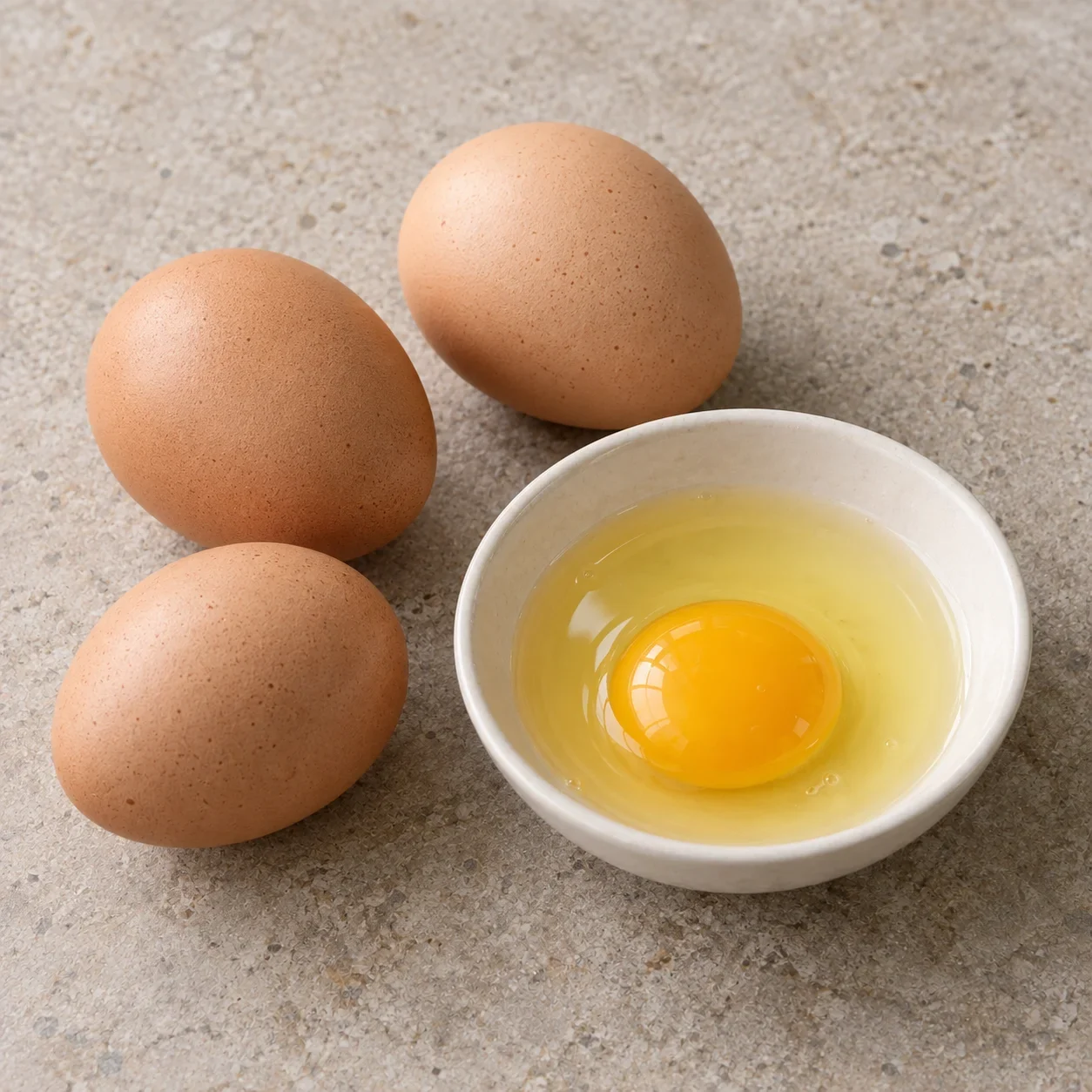
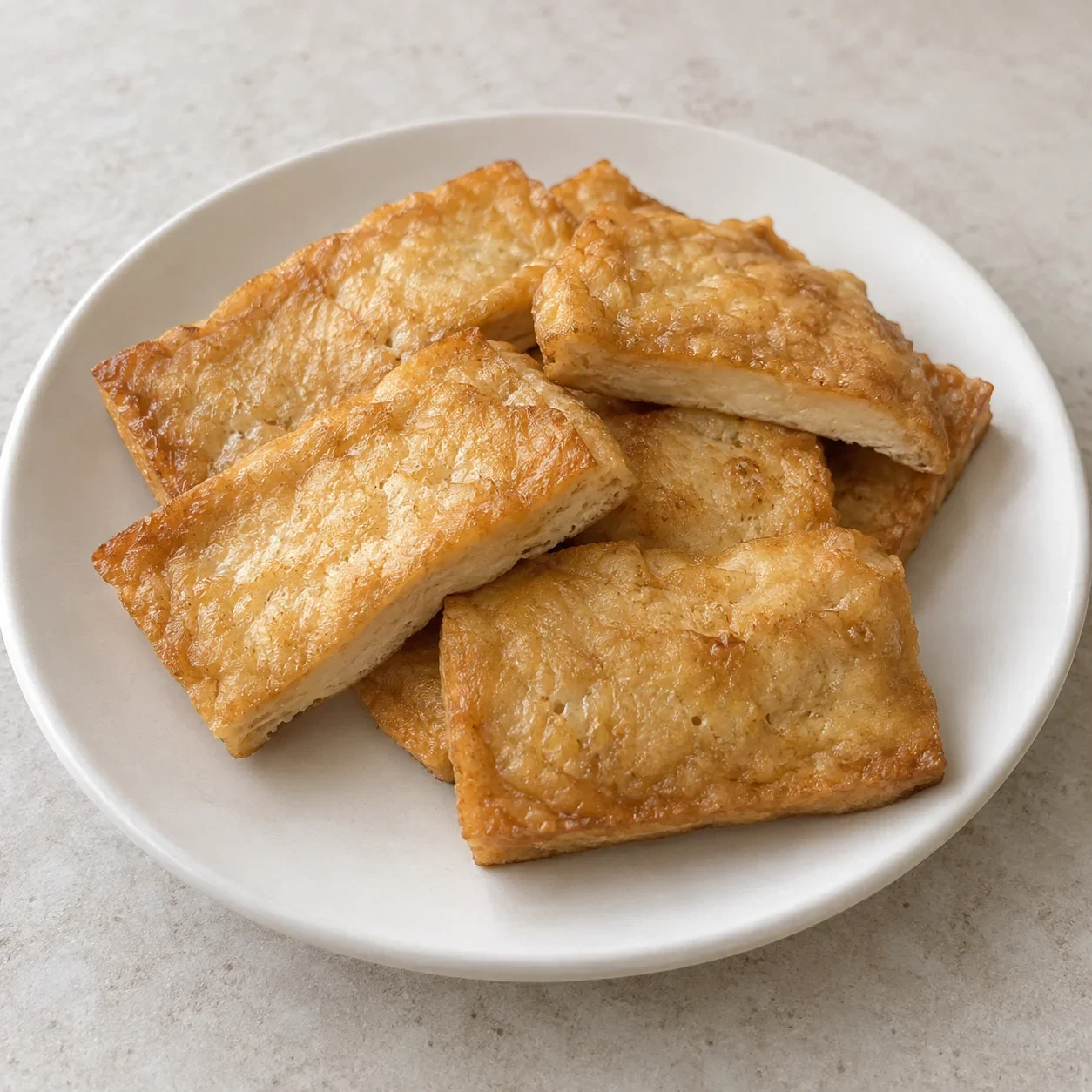
Recipes vary by restaurant.
How does it taste?
Flavor depends on the accompaniments.
- Chili heat
- Texture
- Smooth noodles with a chewy center.
- How it’s made
- Knead and rest firm dough; shave and boil.
Meat, egg or tofu dishes can accompany the noodles.
A CONNECTION TO PLACE
Origin & regional roots
Associated with Shanxi.
Ask if they have it first
请问你们有刀削面吗?
Do you have this item?
A LITTLE SOMETHING TO READ
Story & history
A blade sends noodles into the pot
Shanxi knife-cut noodles are named for a hand skill at the stove. One hand steadies firm dough while the other shaves it directly into boiling water with a special blade. Curved blades can give the shavings a thicker center and finer edges, making a smooth noodle with a chewy middle. The craft joined China’s national intangible heritage list in 2008 alongside dragon’s-beard noodle making. Meat, egg or tofu can accompany the noodles, so choose the finish as well as the noodle shape.