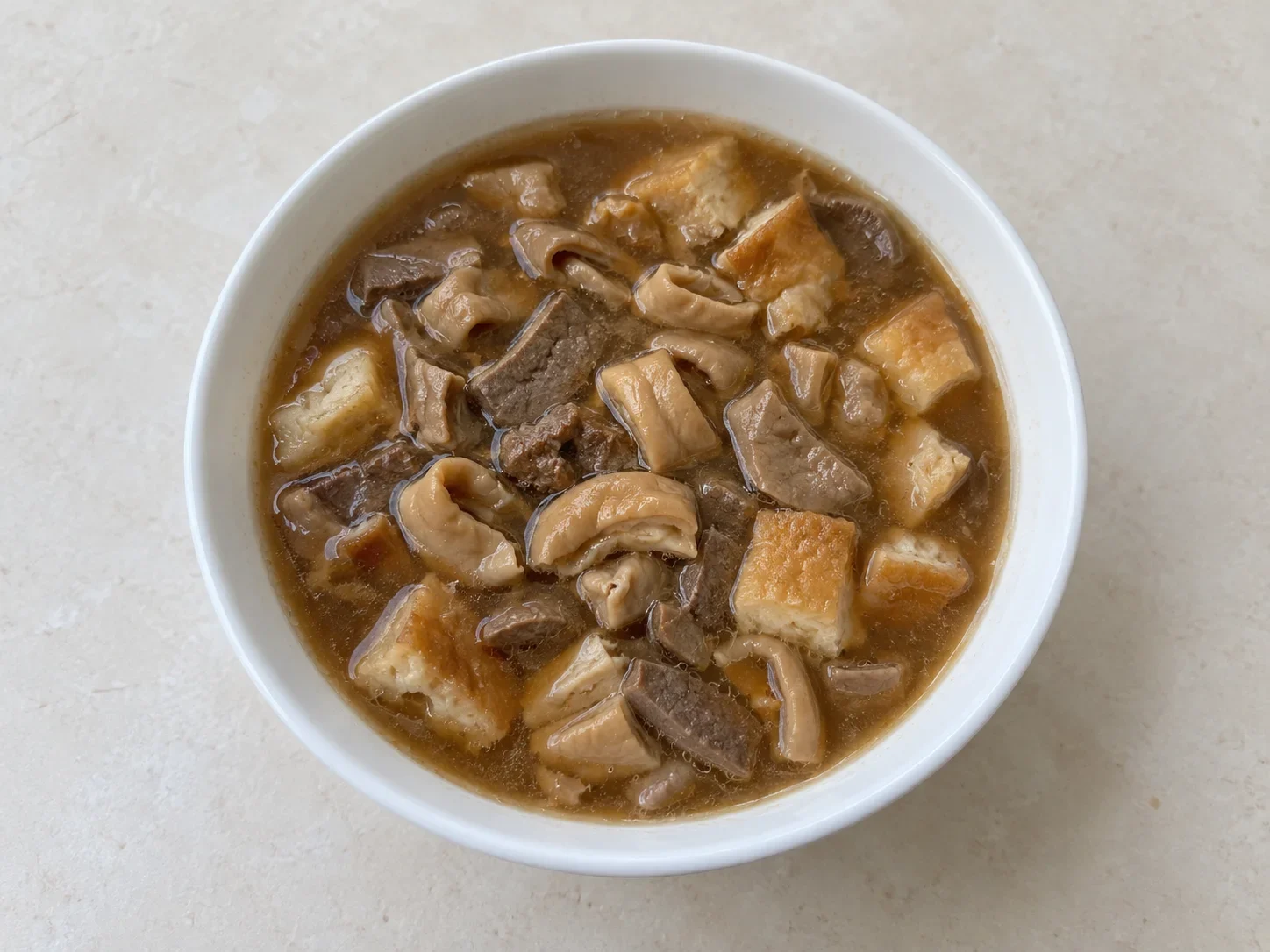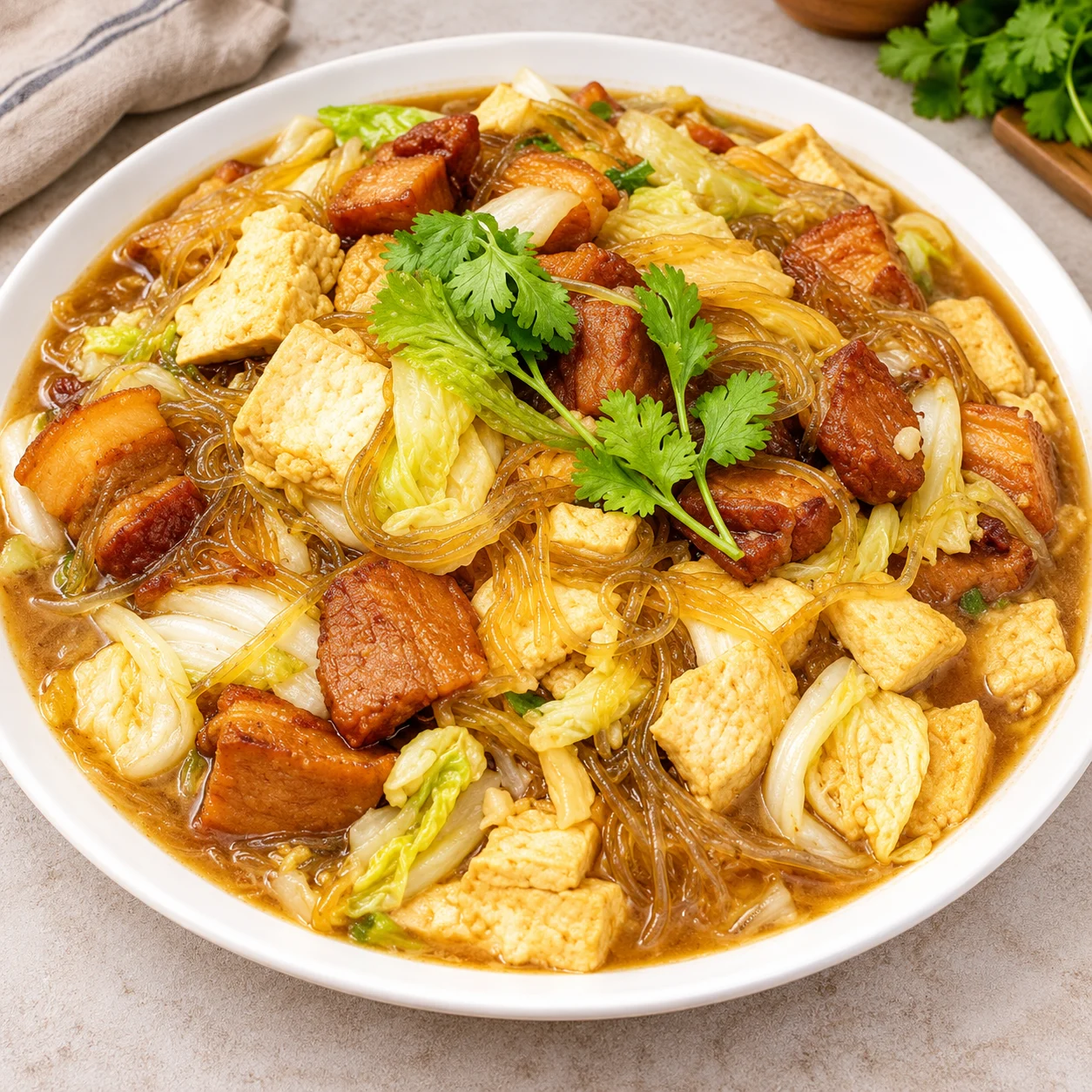
At the table
Take some vegetables, noodles and meat together with the broth; use a spoon as well as chopsticks. Share a large serving into smaller bowls.
Contains soy. Check the meat, cooking oil and broth if avoiding animal ingredients; the stew can retain heat.
Meat and vegetables vary. Pork pots may use star anise, while mutton pots may use Sichuan pepper. A meatless pot still needs its cooking oil and broth checked.
GET TO KNOW THE DISH
What goes into it?
Explore some key ingredients below. Preparations may use additional seasonings and ingredients.
Meat and vegetables vary. Pork pots may use star anise, while mutton pots may use Sichuan pepper. A meatless pot still needs its cooking oil and broth checked.
Typical ingredients
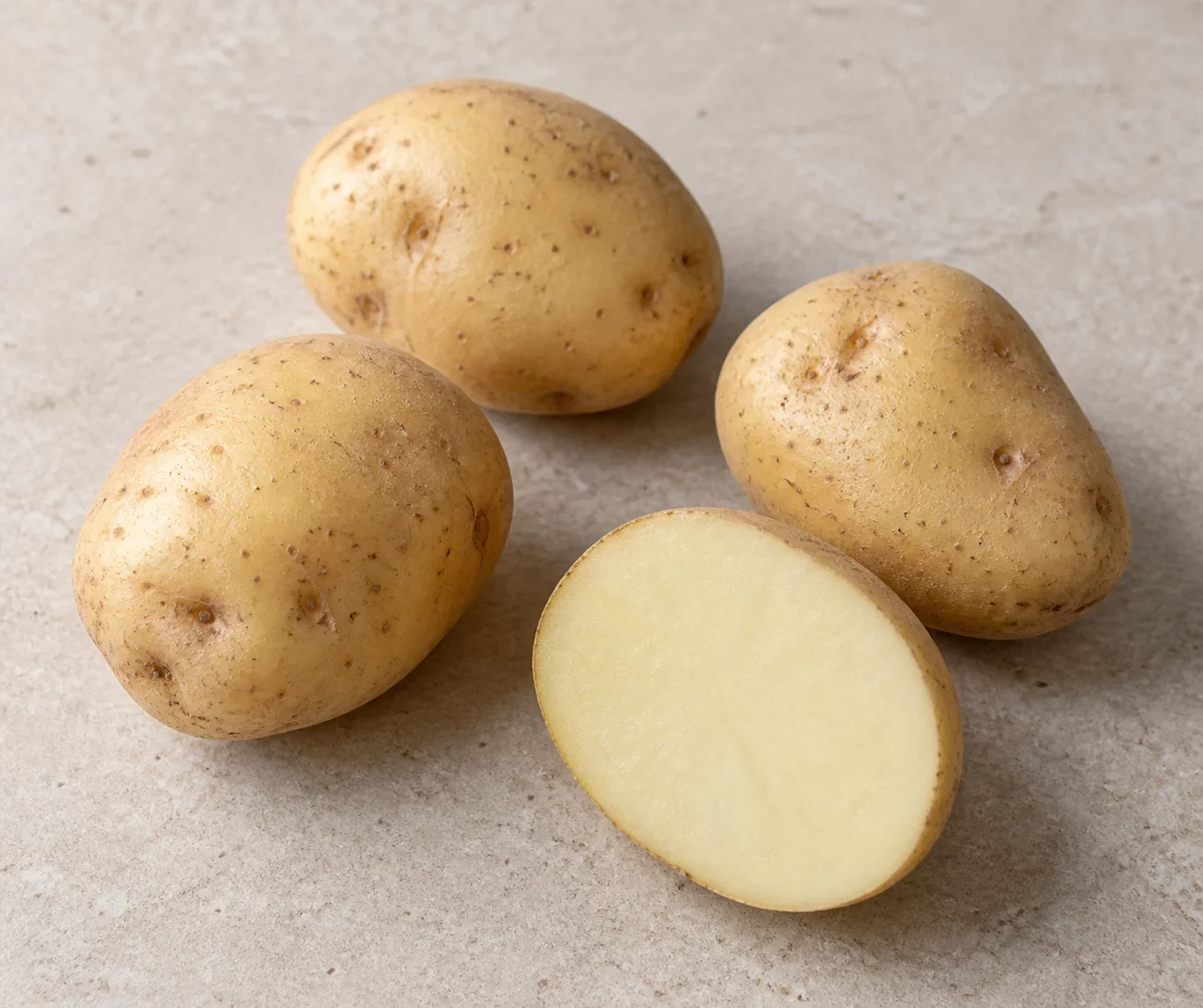
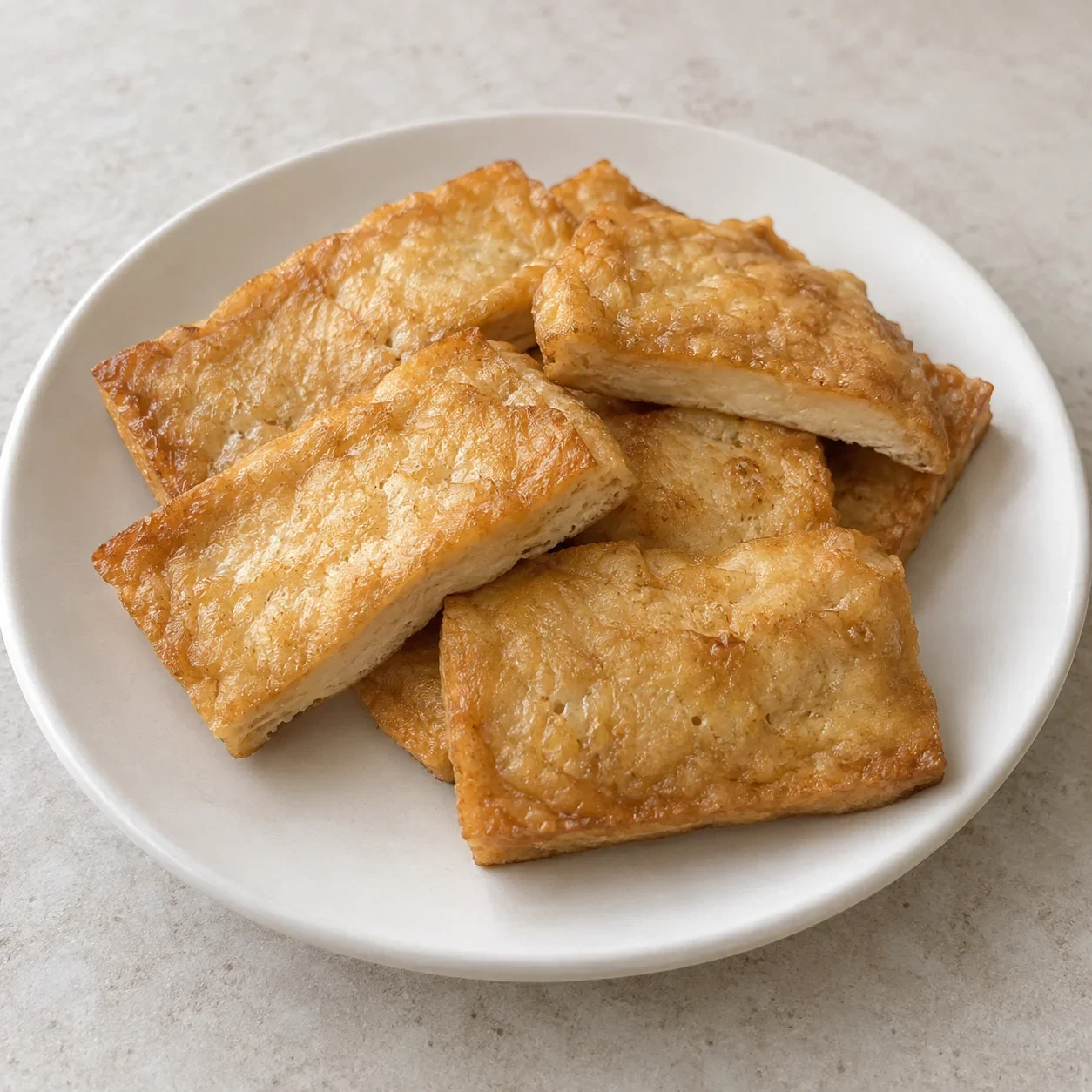
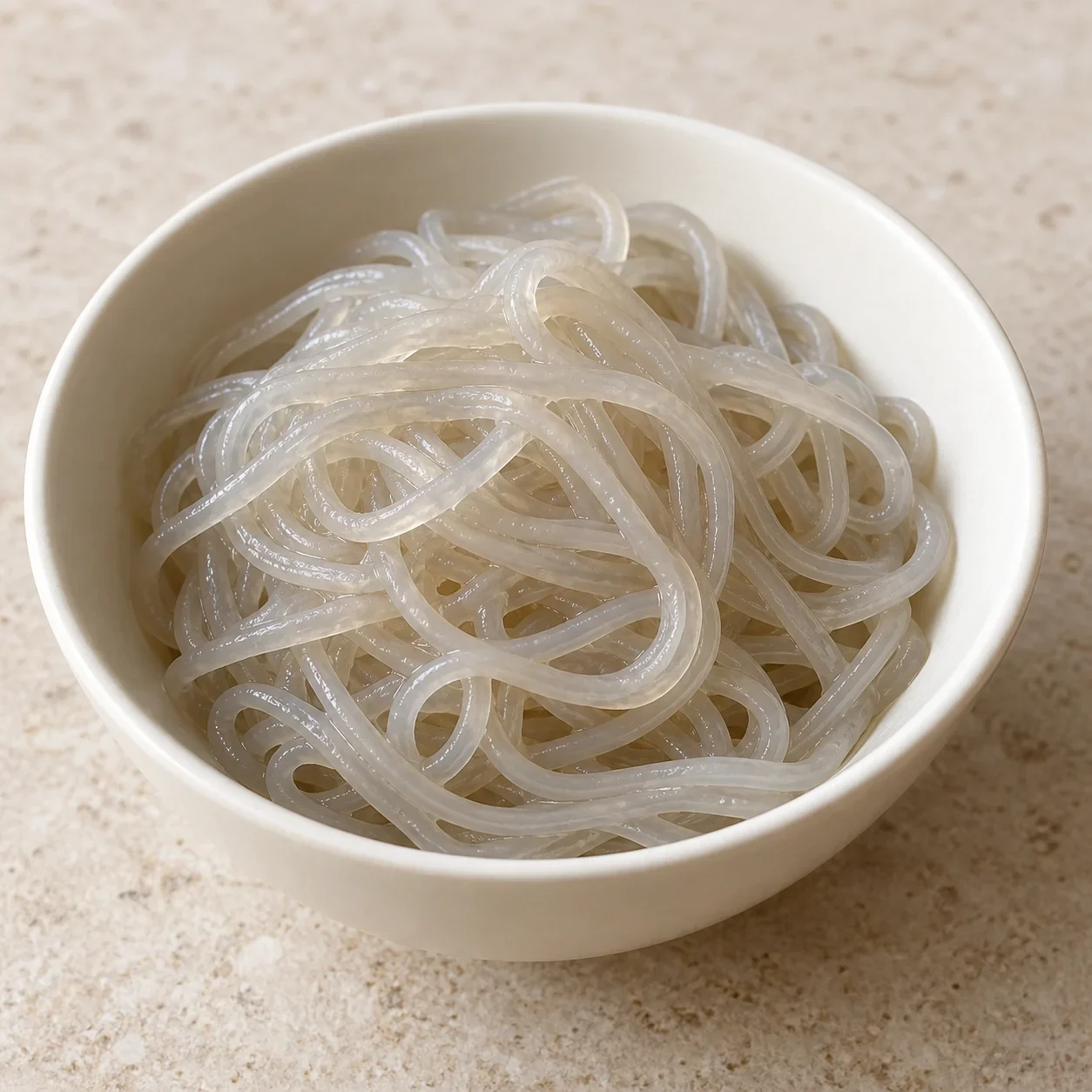


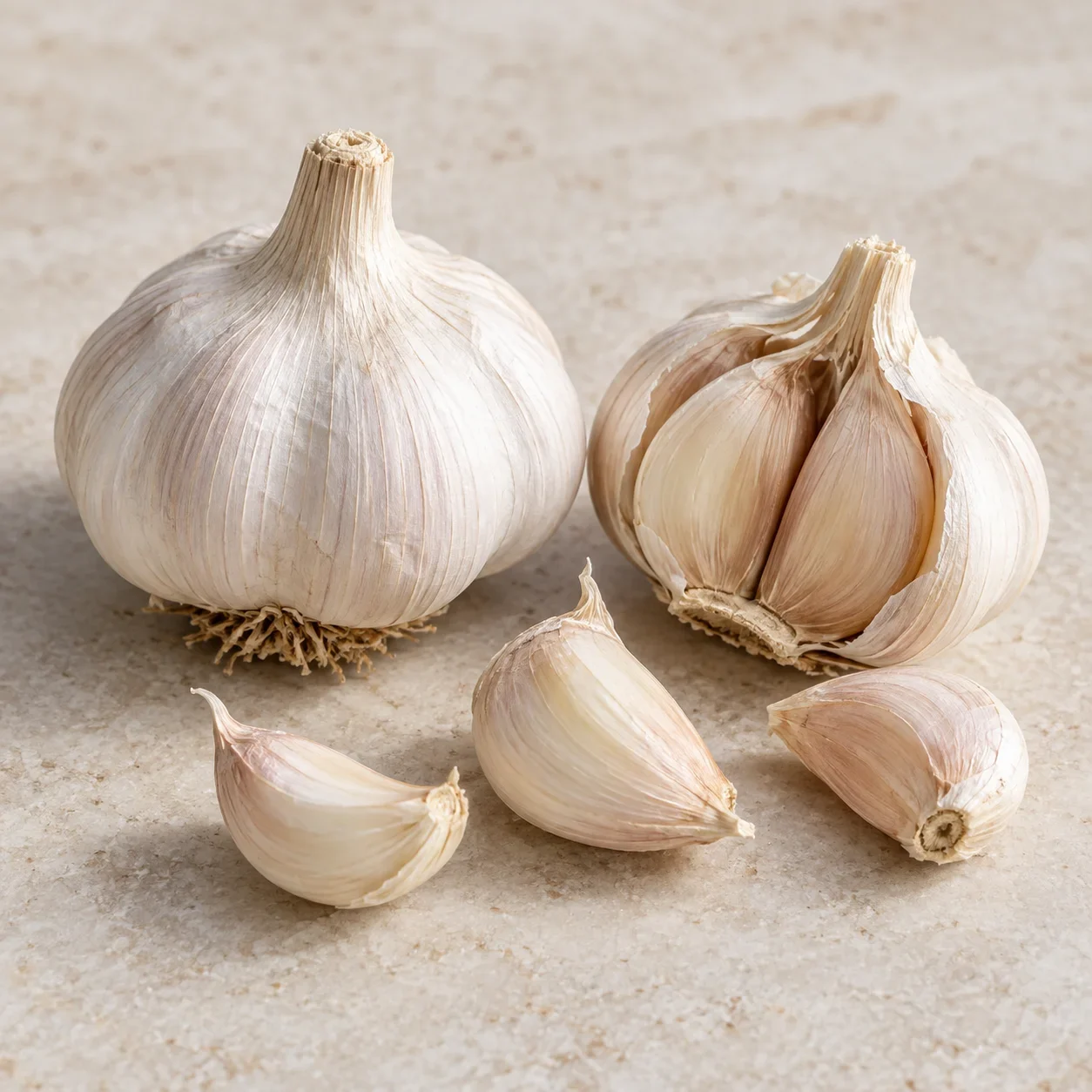
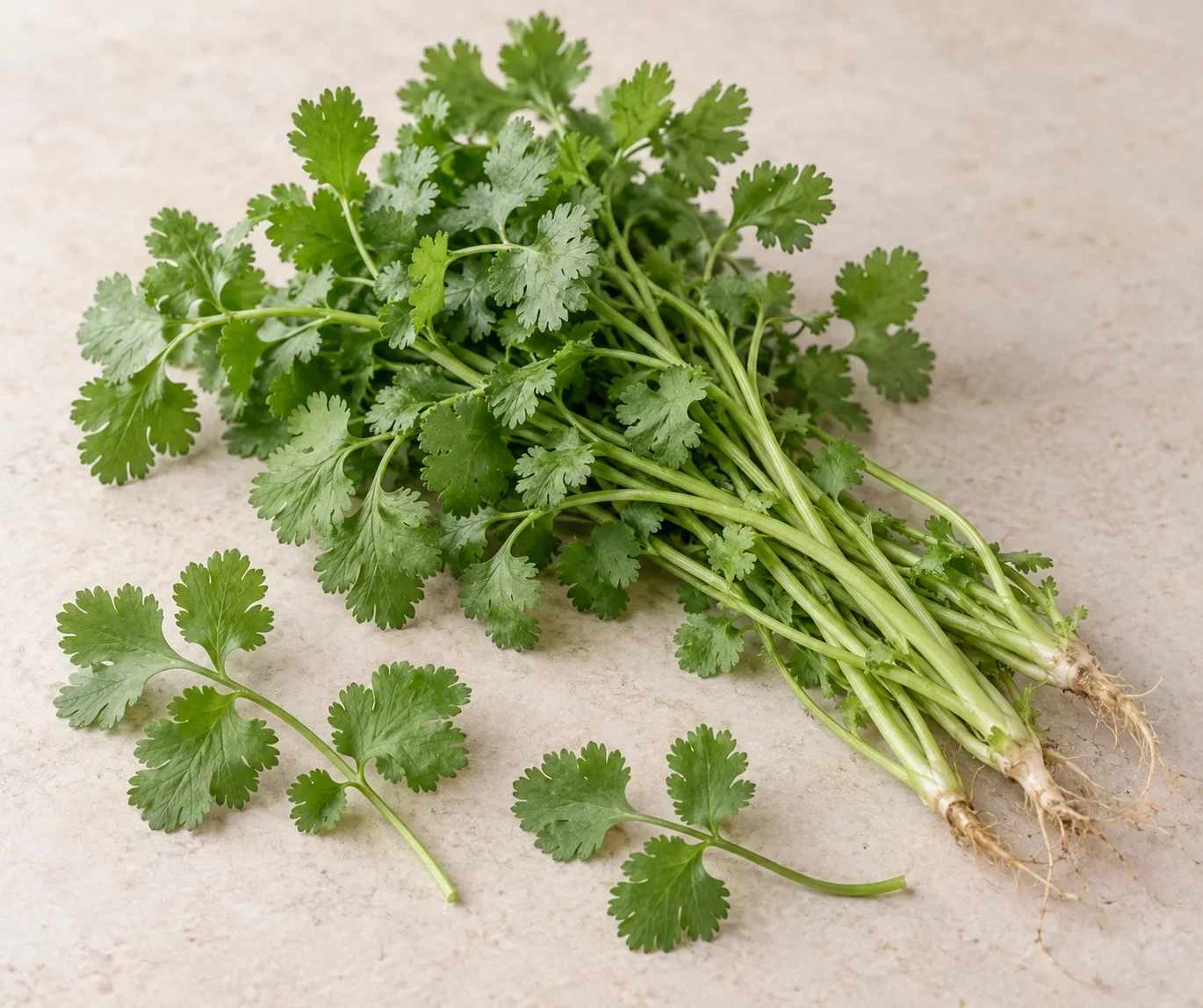
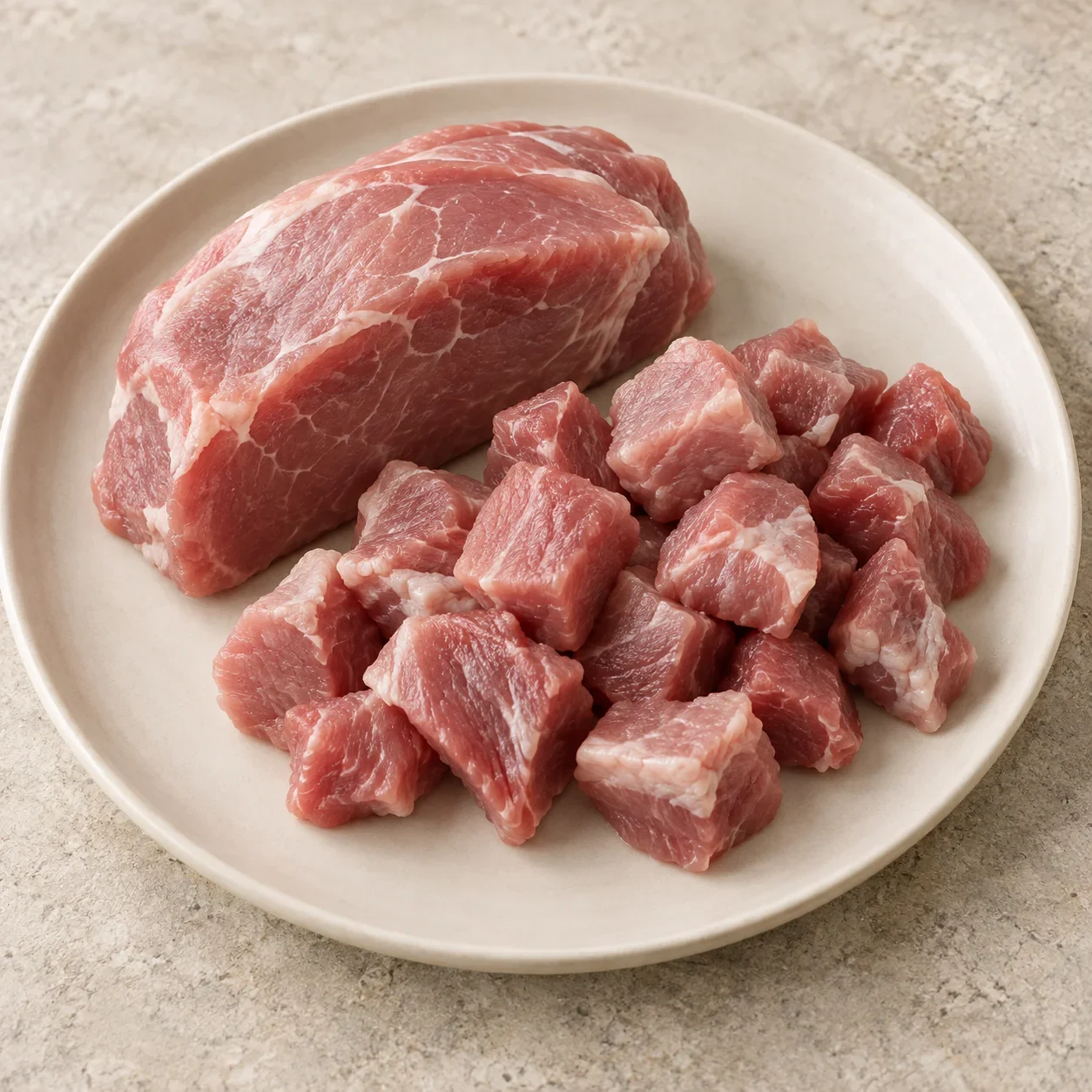

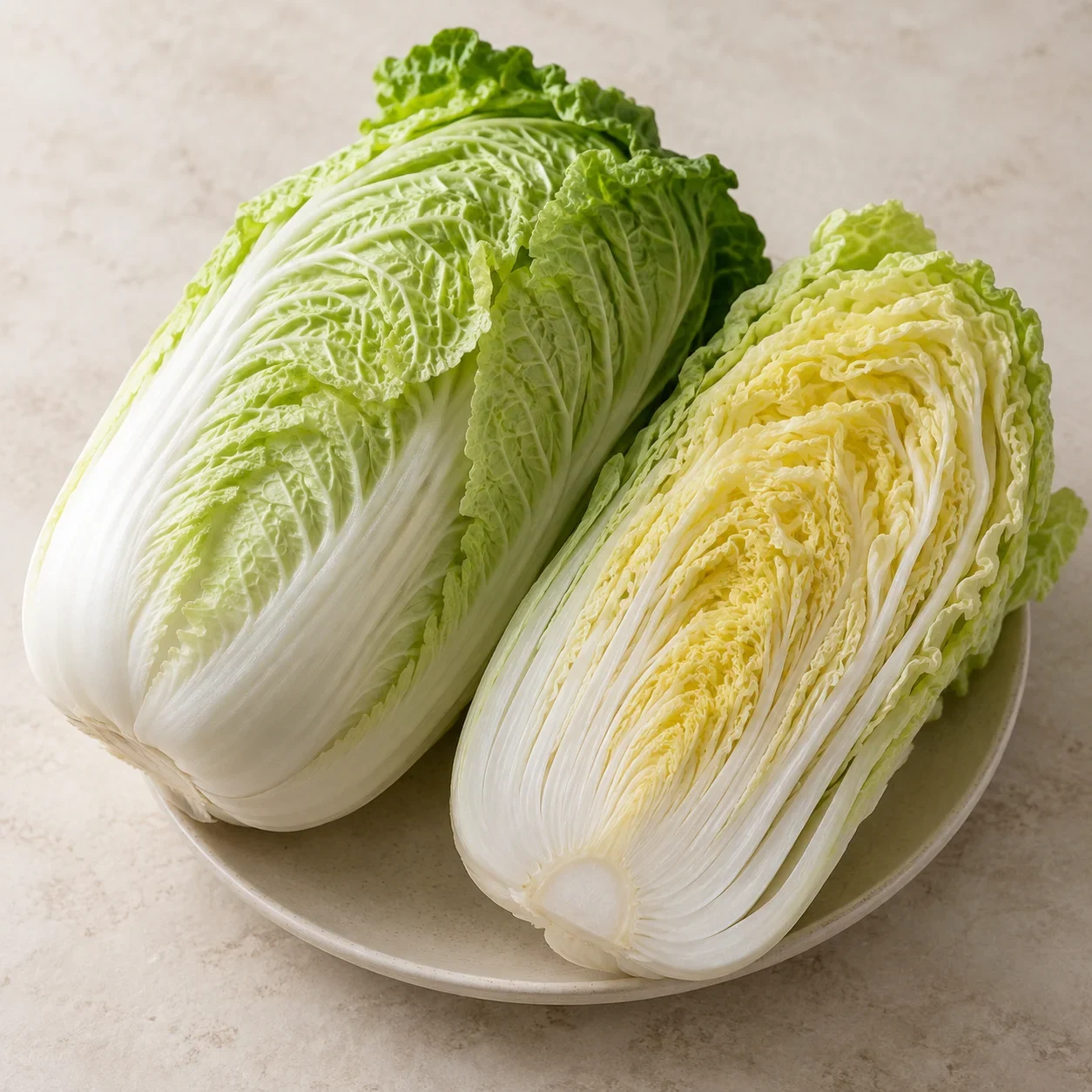
In some versions
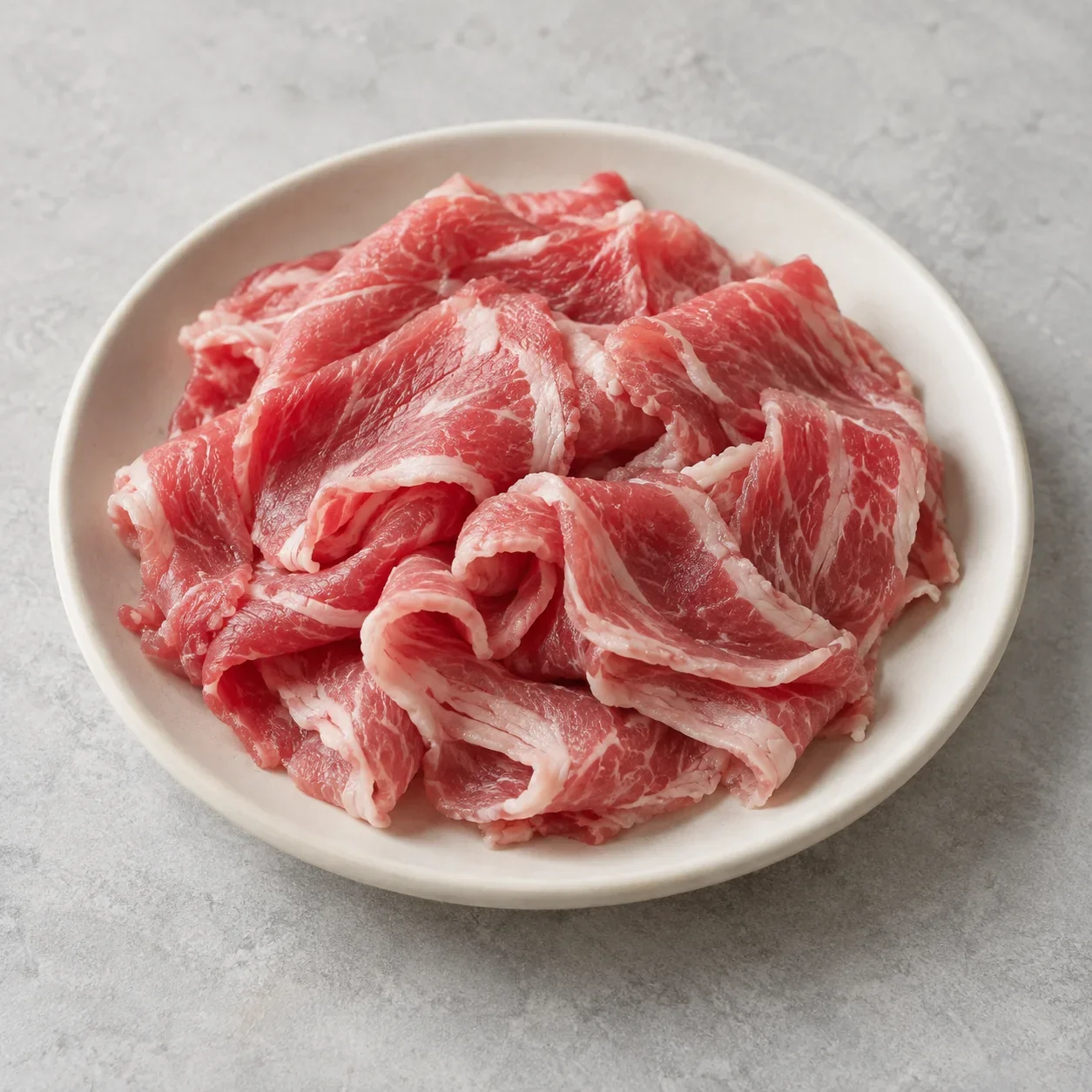
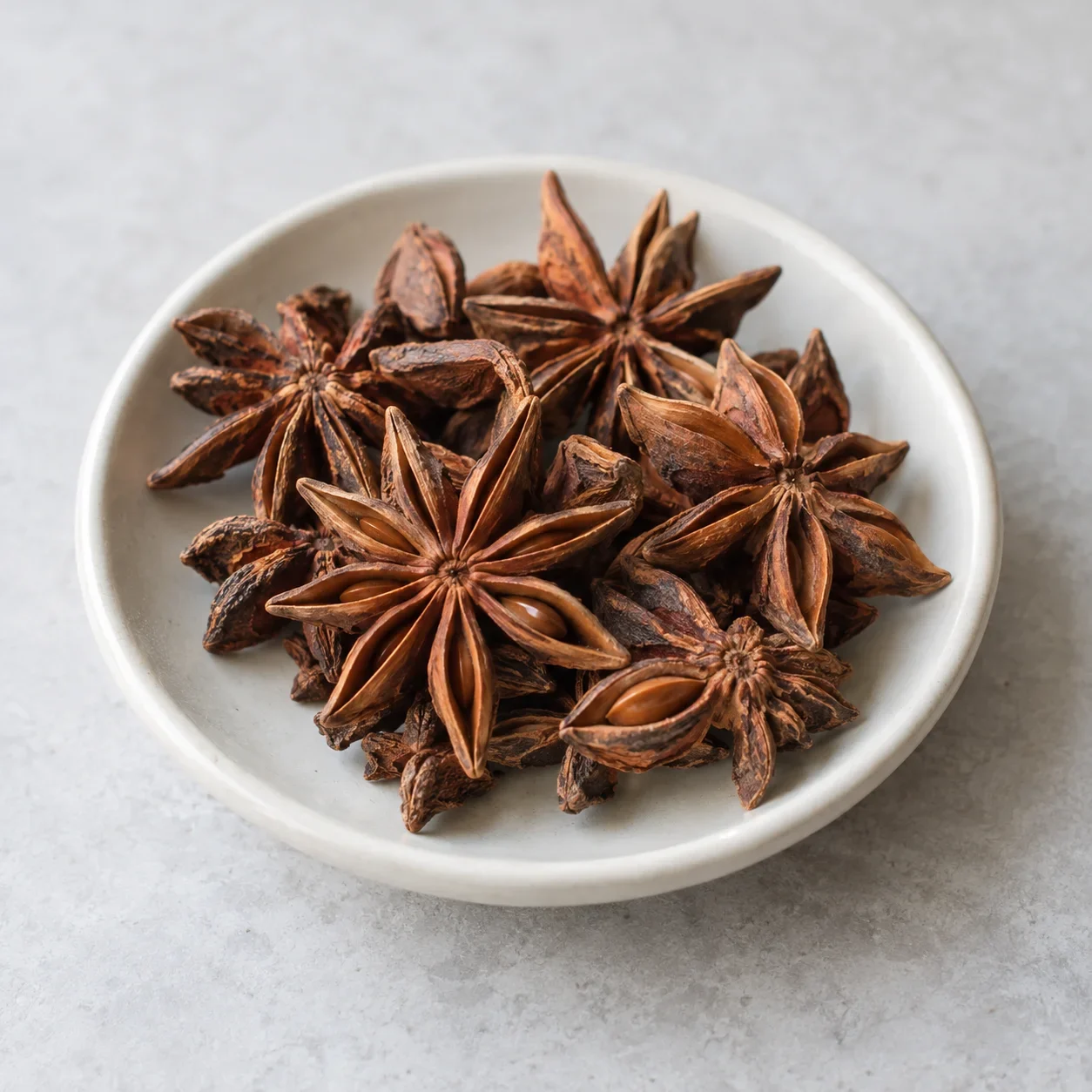
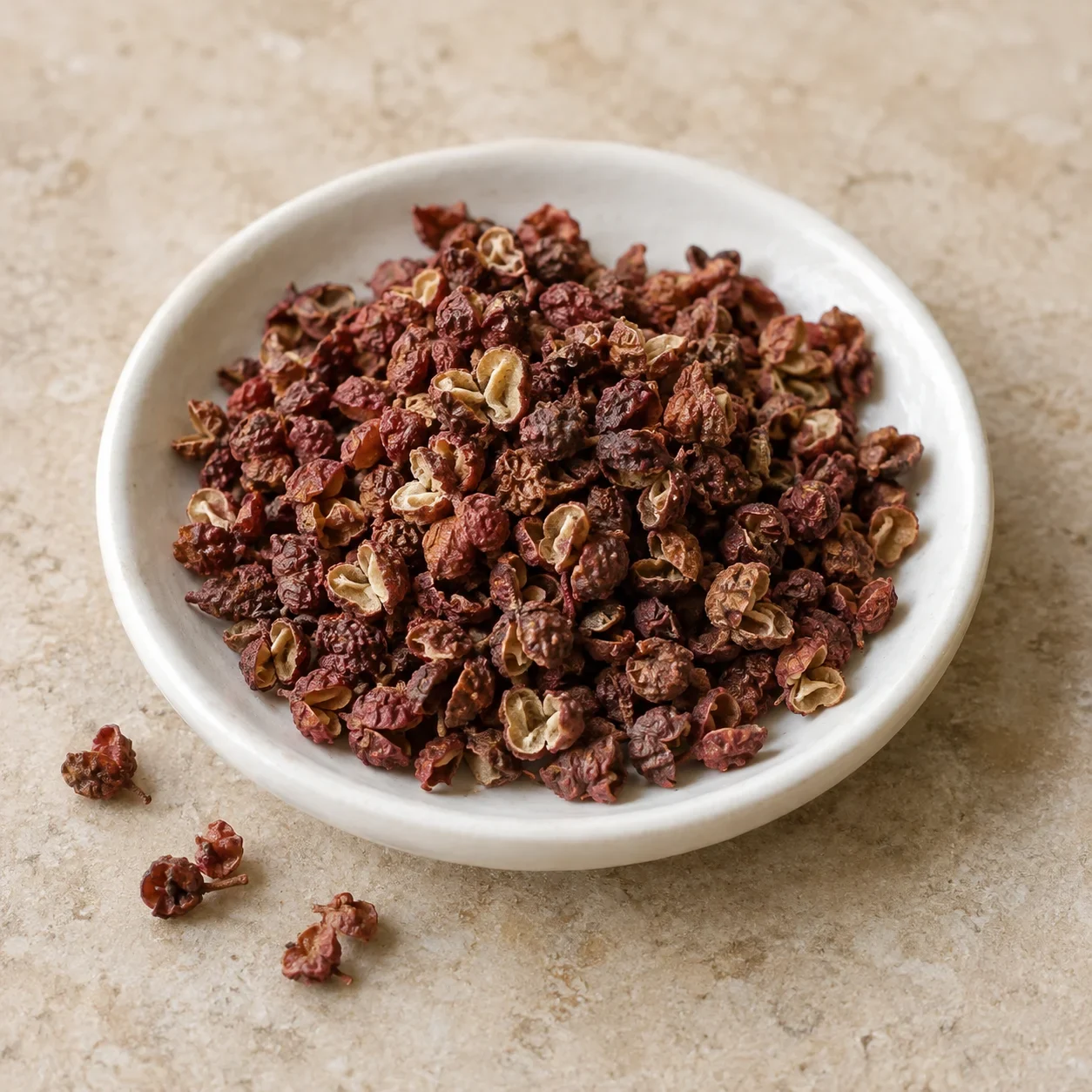
Recipes vary by restaurant.
How does it taste?
Savory, with scallion, garlic and coriander.
- Chili heat
- Texture
- Soft potatoes, tender pork and slippery starch noodles.
- How it’s made
- The ingredients are briefly fried with aromatics, then simmered until tender.
Meat and vegetables vary. Pork pots may use star anise, while mutton pots may use Sichuan pepper. A meatless pot still needs its cooking oil and broth checked.
A CONNECTION TO PLACE
Origin & regional roots
Its origins are linked to Shanxi.
About this regional connection
Shanxi: Linxian, Lüliang. Also eaten in Lishi and Taiyuan.
Ask if they have it first
请问你们有临县大烩菜吗?
Do you have this item?
A LITTLE SOMETHING TO READ
Story & history
A filling Lüliang one-pot meal
This account describes a tradition or story, rather than an established historical fact.
In Linxian and the wider Lüliang area, a large mixed stew brings staple foods, vegetables and meat together in one filling meal. Vegetable-only and meat versions coexist, so the name describes a way of eating rather than one fixed recipe.