At the table
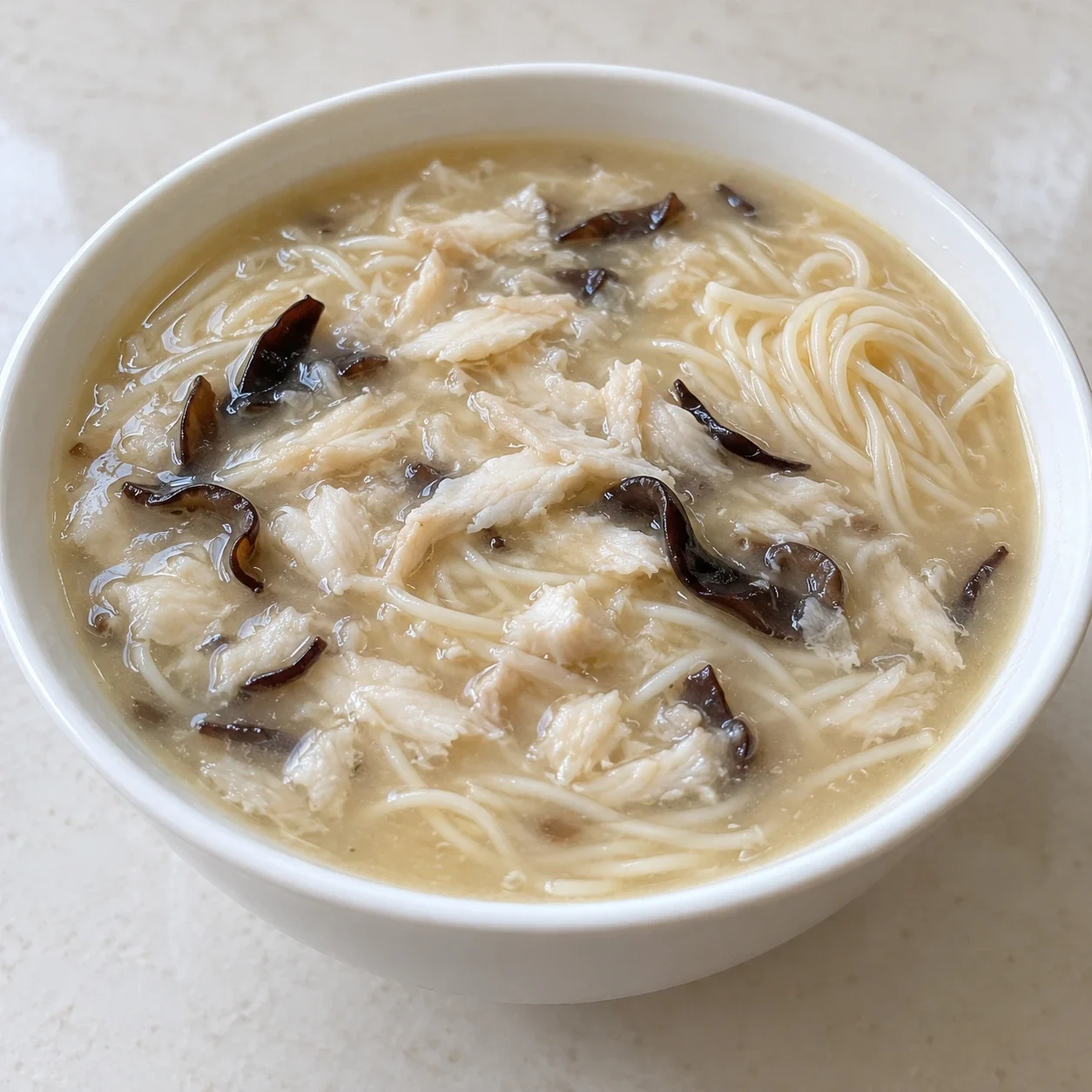
Gently mix noodles and gravy. Use chopsticks for the noodles and a spoon for the gravy. Check fish pieces for bones; ask about bowl size before ordering more.
Contains fish and wheat; soy sauce may add soy. Some versions contain egg, chicken or pork. Fish bones may remain and thick gravy can retain heat.
Fish species and broth vary. Some versions add chicken or pork broth and egg; soy sauce may be omitted. Chili oil is a separate addition, not a fixed part of the gravy.
GET TO KNOW THE DISH
What goes into it?
Explore some key ingredients below. Preparations may use additional seasonings and ingredients.
Fish species and broth vary. Some versions add chicken or pork broth and egg; soy sauce may be omitted. Chili oil is a separate addition, not a fixed part of the gravy.
Typical ingredients
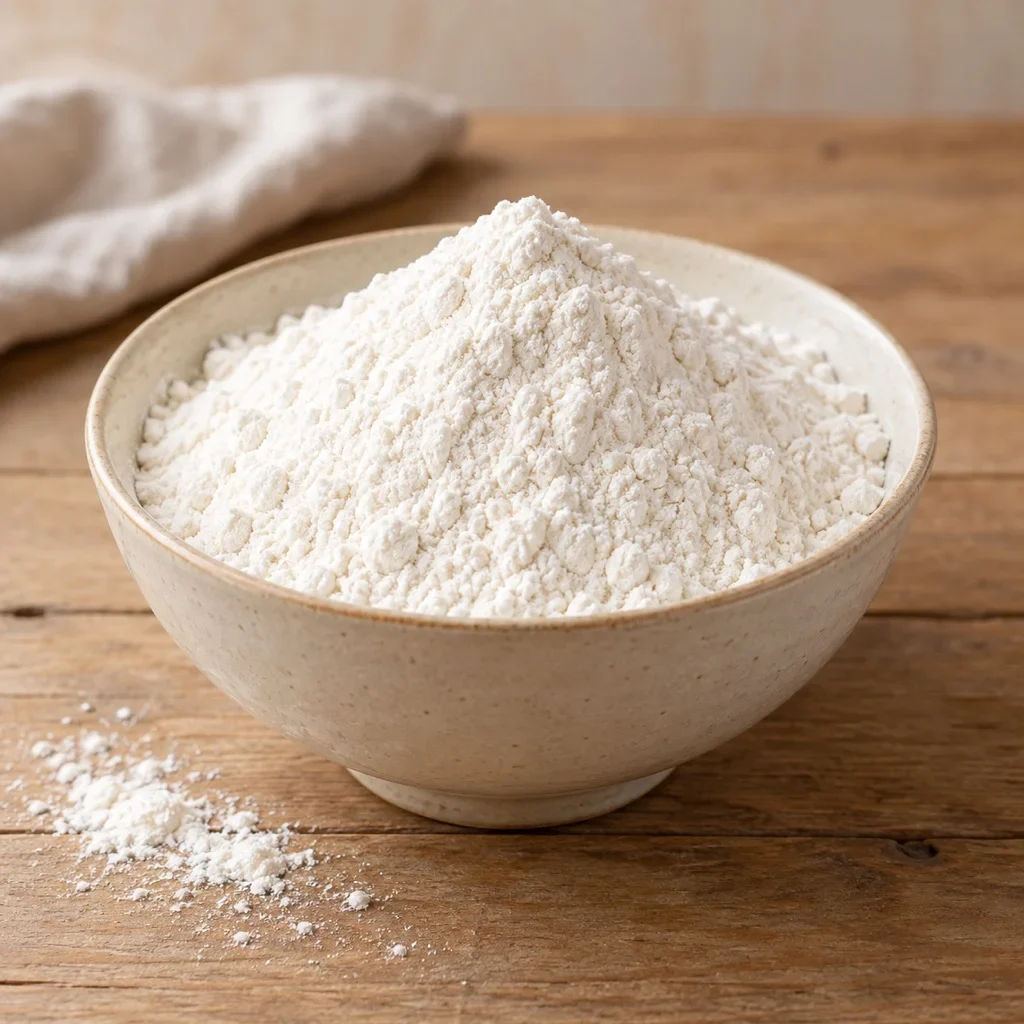
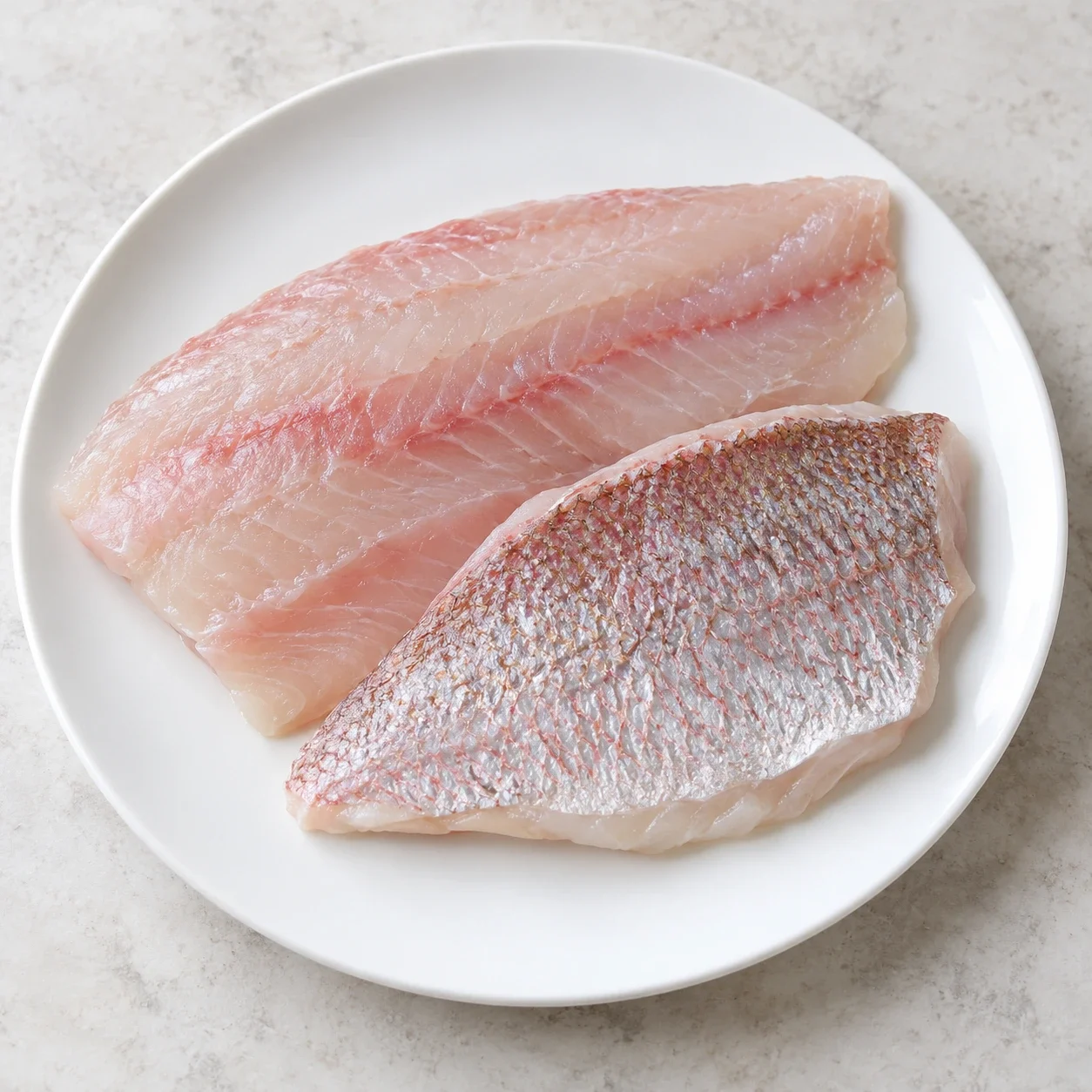
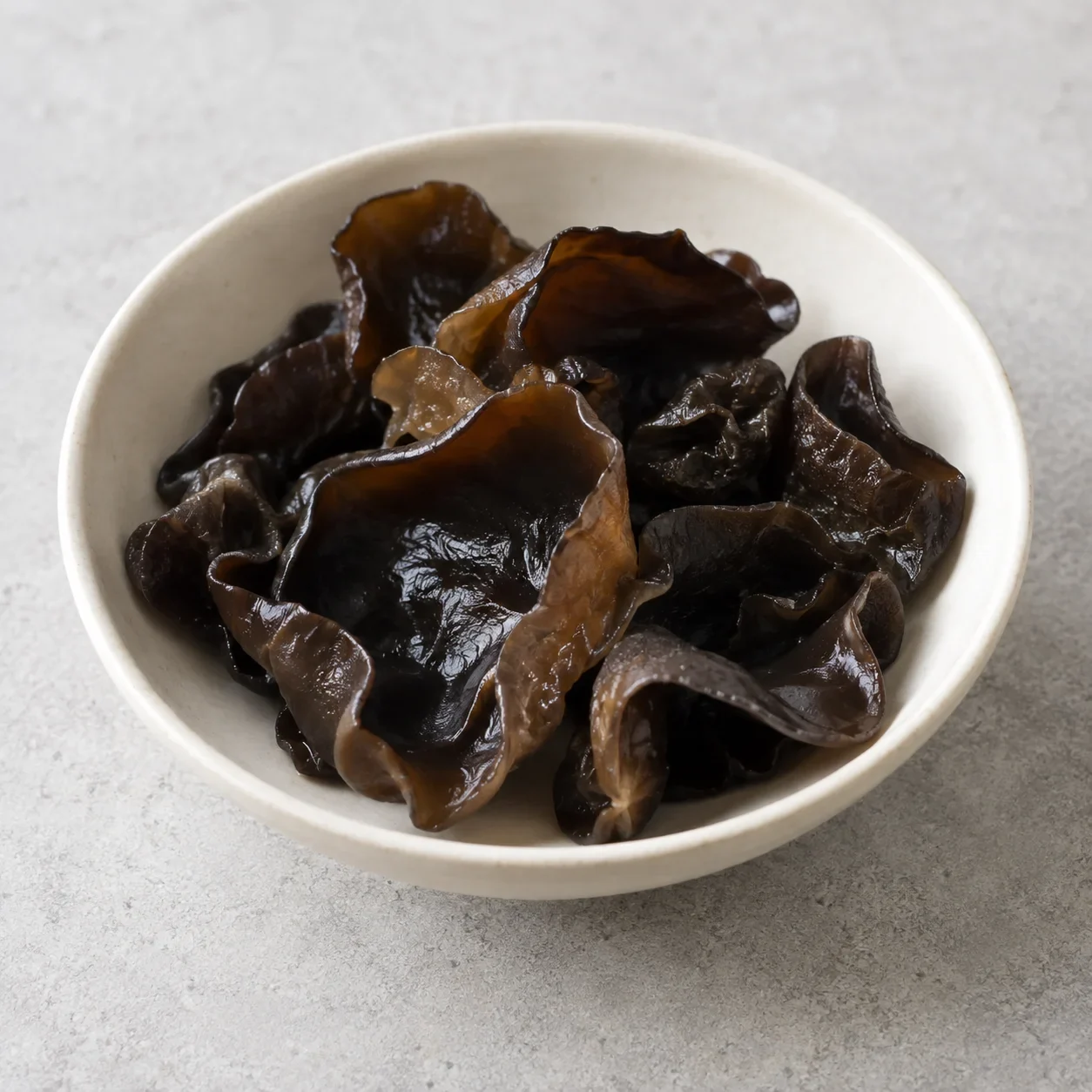
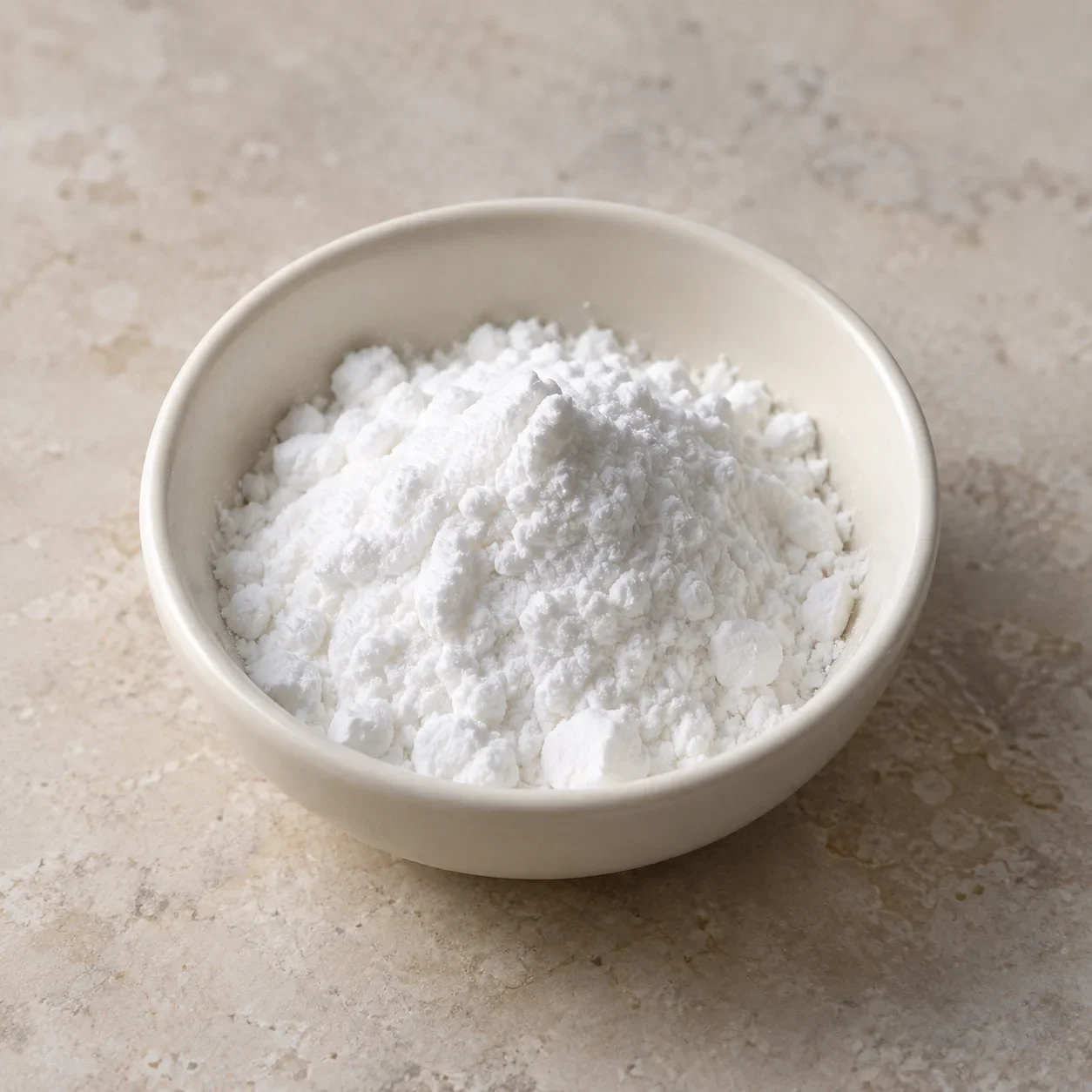


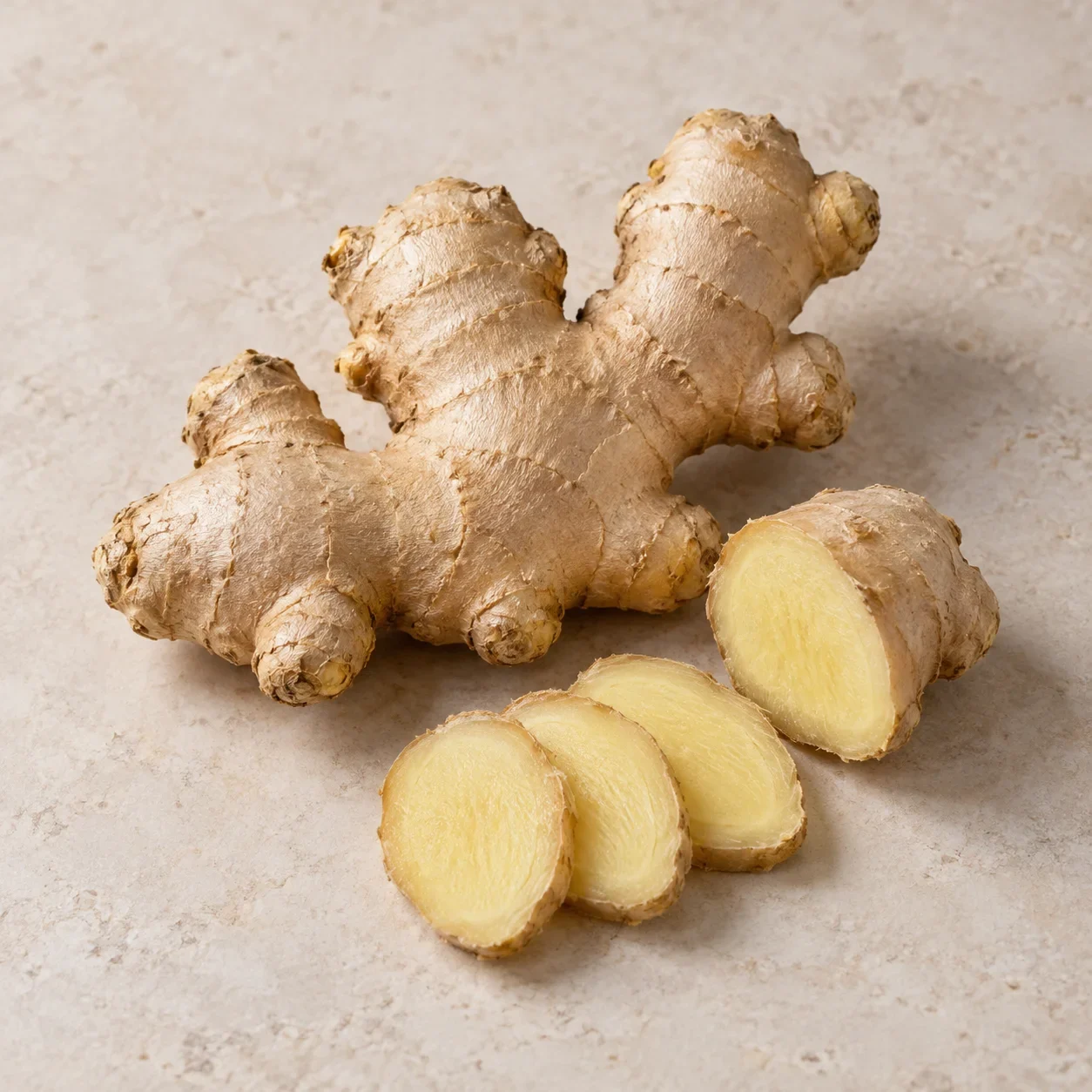
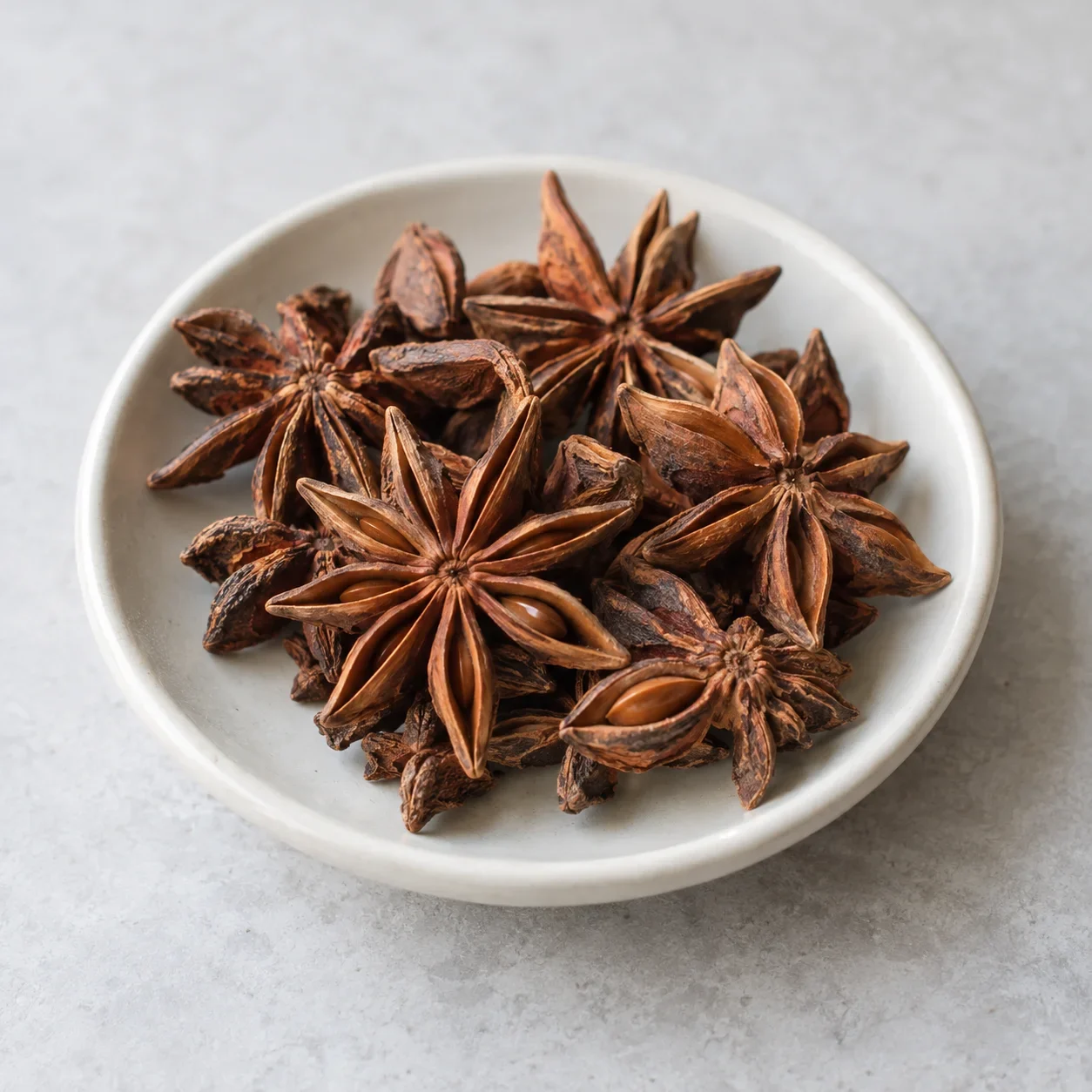
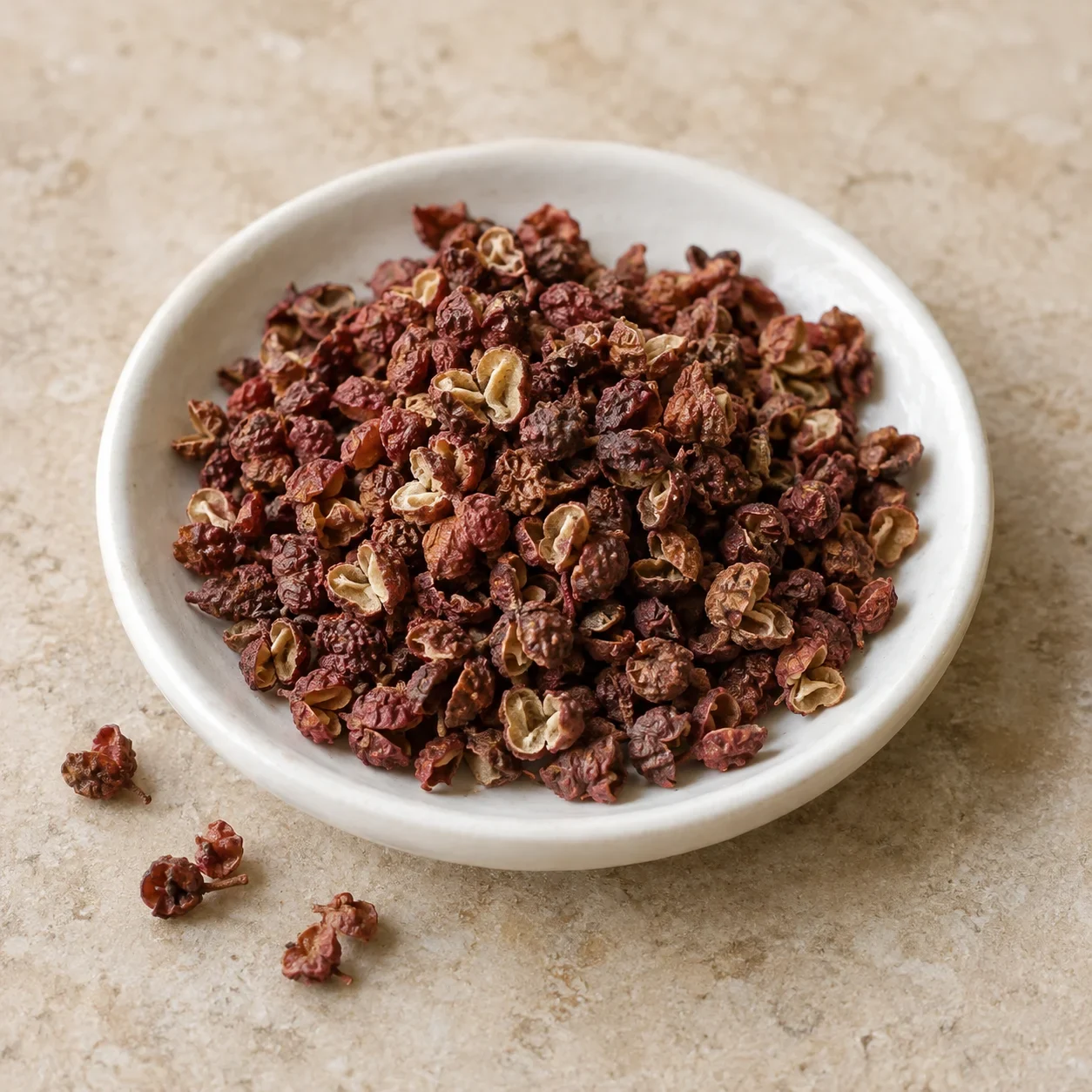

In some versions

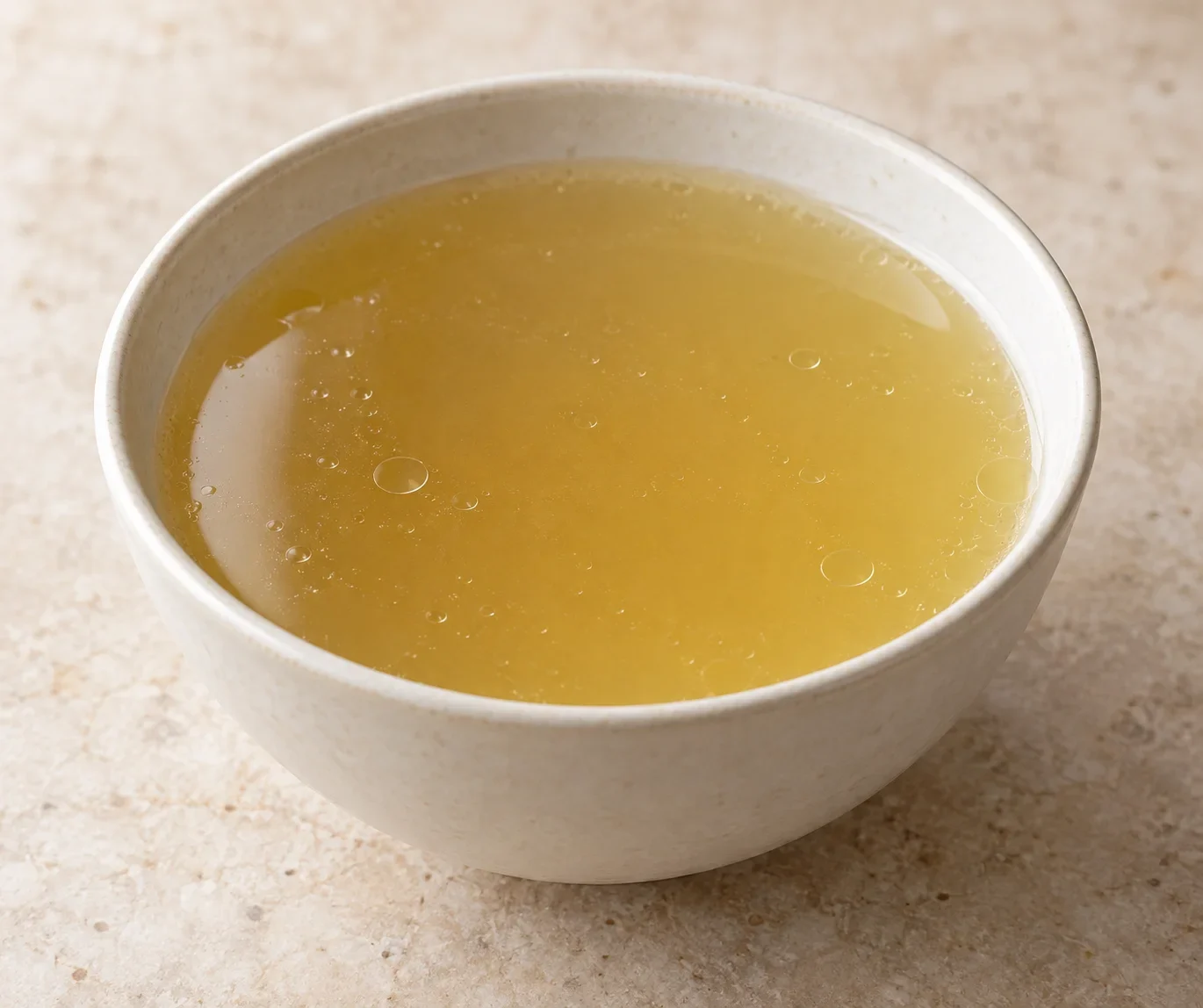
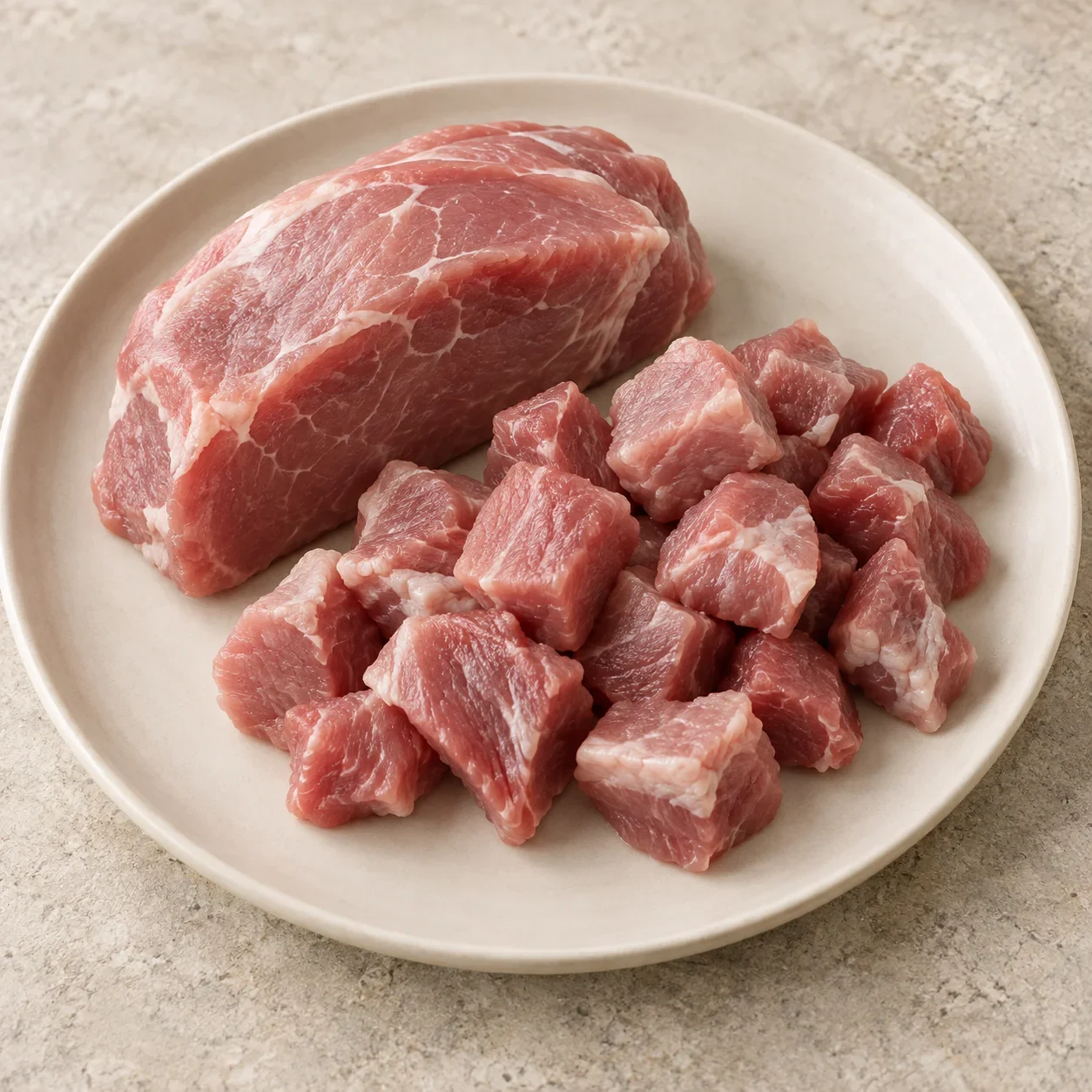
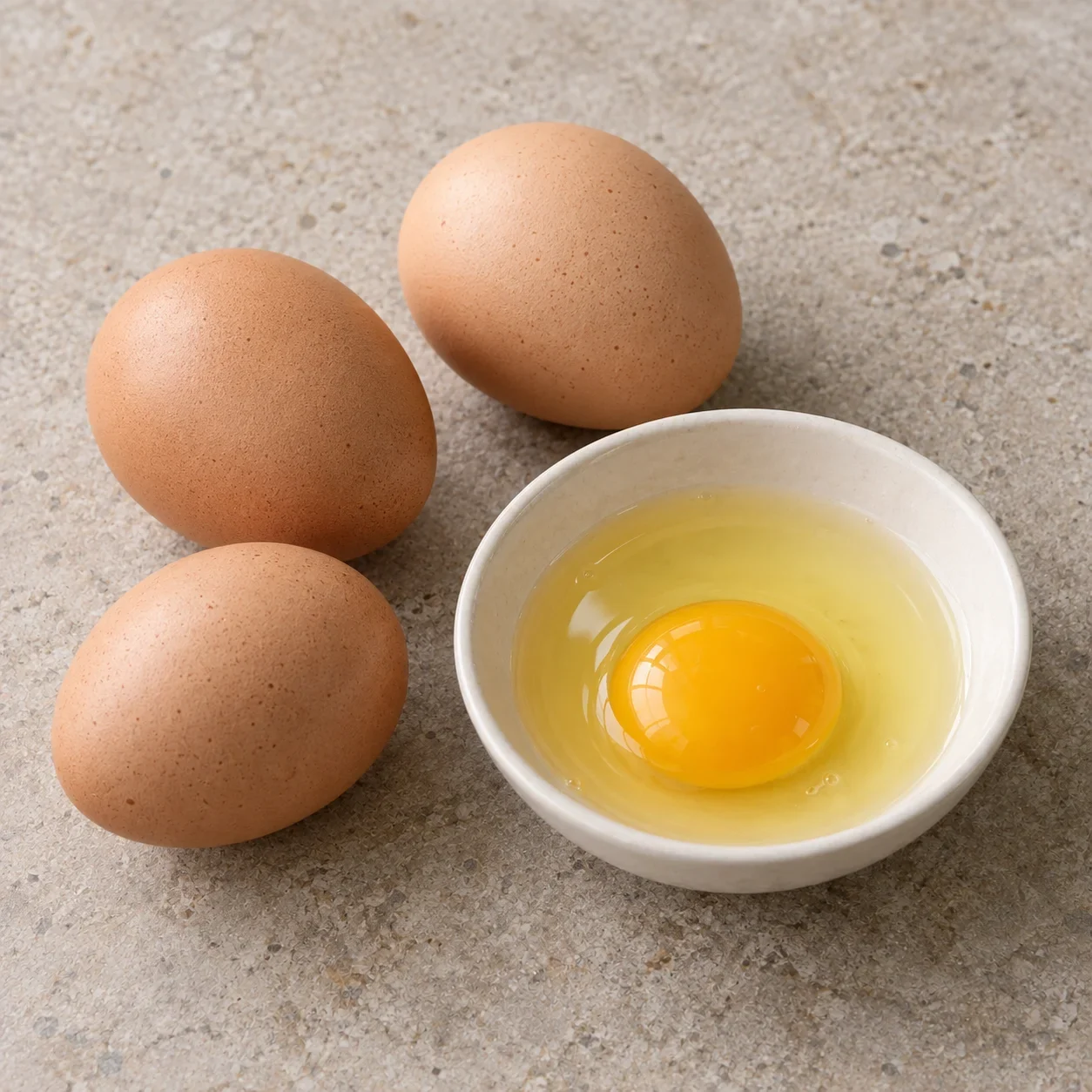
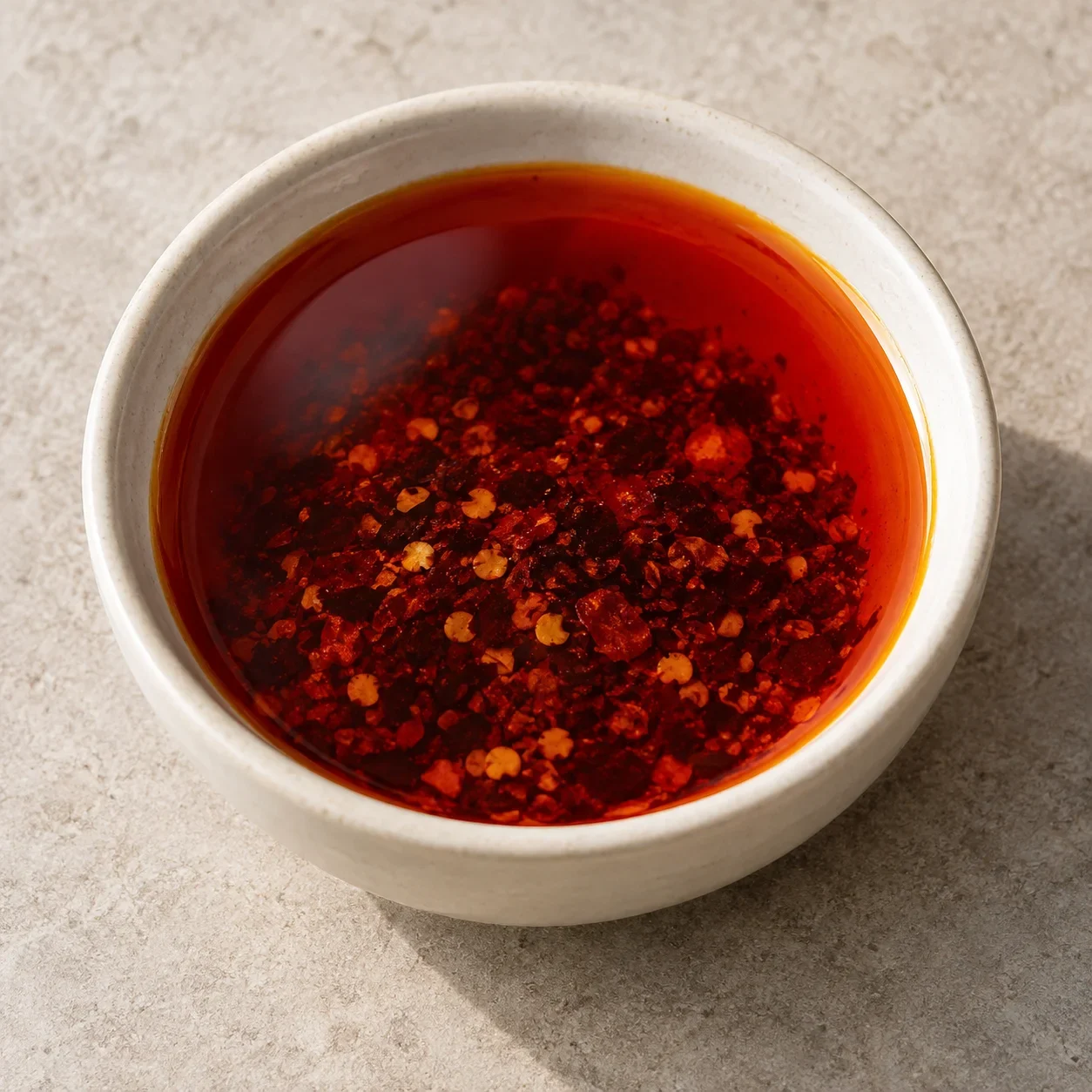
Recipes vary by restaurant.
How does it taste?
Savory fish flavor with gentle ginger and spice aromas.
- Chili heat
- Texture
- Slender, resilient noodles, soft fish flakes and silky gravy.
- How it’s made
- The fish is steamed, the flesh separated and the bones used for broth. The strained broth is seasoned, thickened with starch and poured over cooked noodles.
Fish species and broth vary. Some versions add chicken or pork broth and egg; soy sauce may be omitted. Chili oil is a separate addition, not a fixed part of the gravy.
A CONNECTION TO PLACE
Origin & regional roots
Its origins are linked to Shandong.
About this regional connection
Shandong: Penglai fish-gravy thinnoodles; not Longkou handrolled noodles.
Ask if they have it first
请问你们有蓬莱小面吗?
Do you have this item?
A LITTLE SOMETHING TO READ
Story & history
A small bowl of coastal breakfast
Penglai small noodles pair fine hand-pulled strands with a generous fish gravy. They are eaten for breakfast and also feature at local celebrations; the small bowl invites tasting the gravy as well as the noodles.