
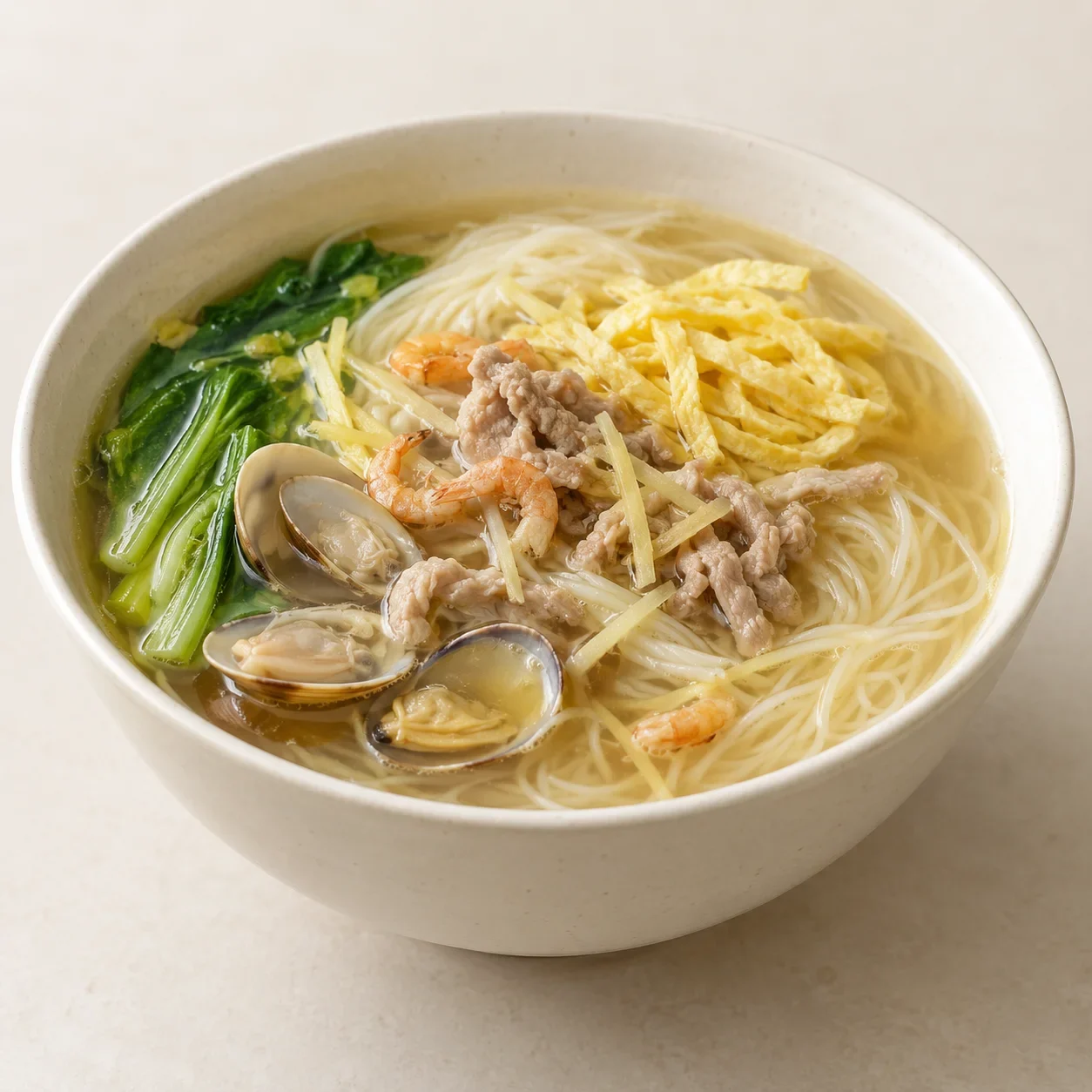
At the table
Taste a small spoonful of broth first to judge its ginger intensity. Use chopsticks for the noodles; remove shells and any fish bones.
Usually contains pork, shellfish, egg and soy. Huangjiu is used in preparing the ginger; cooking does not establish an alcohol-free dish. Check all toppings and seasonings.
For children who can manage the noodles and chosen toppings, cut small portions, remove shells and bones, cool the broth and check its ginger intensity.
Recipes vary. Ask the restaurant about ingredients and serving before you order.
GET TO KNOW THE DISH
What goes into it?
Explore some key ingredients below. Preparations may use additional seasonings and ingredients.
Mountain versions lean on pork, egg and sausage; seaside bowls add shrimp, clams, razor clams, crab or small yellow croaker. Topping sets of roughly ten items are common, with optional upgrades.
Typical ingredients
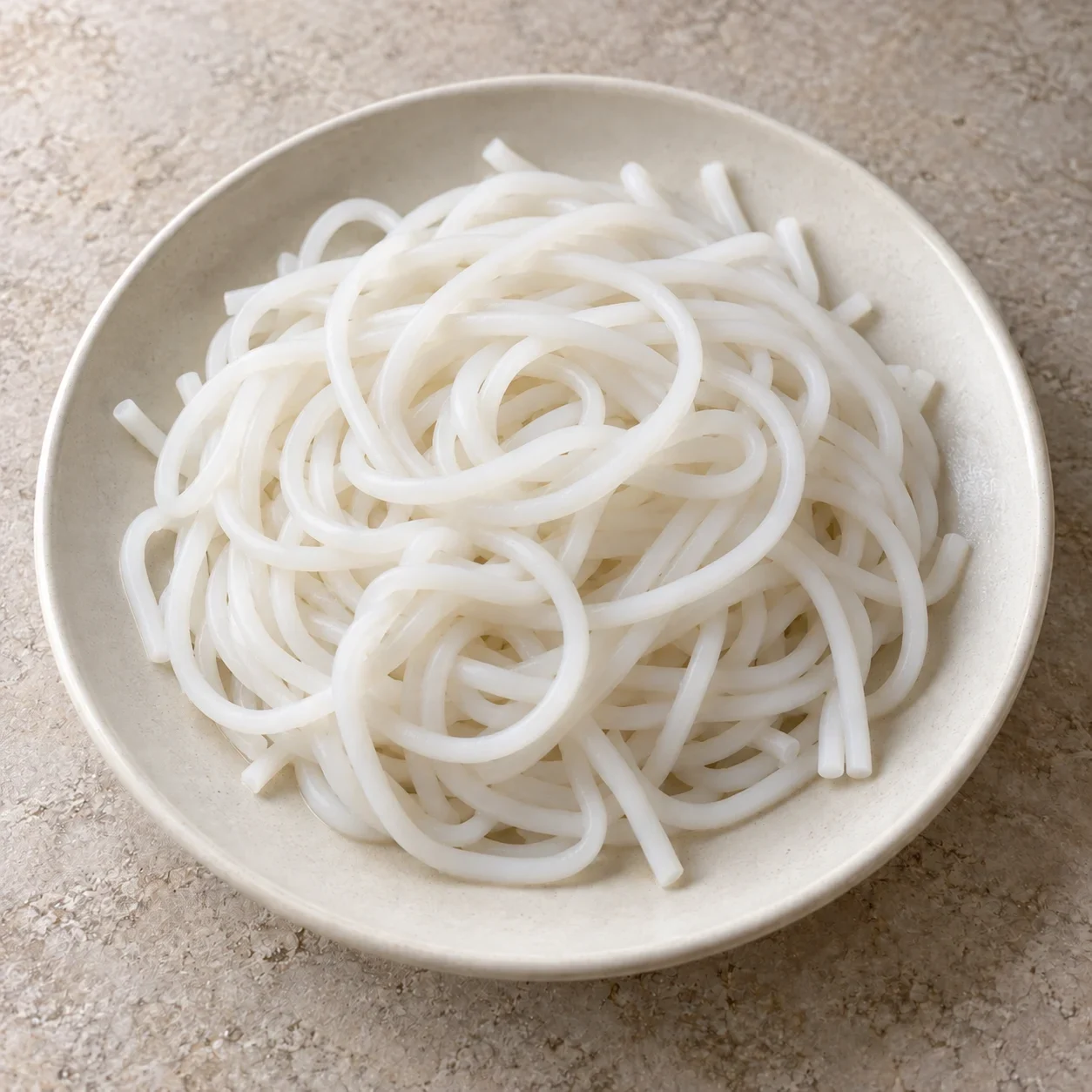
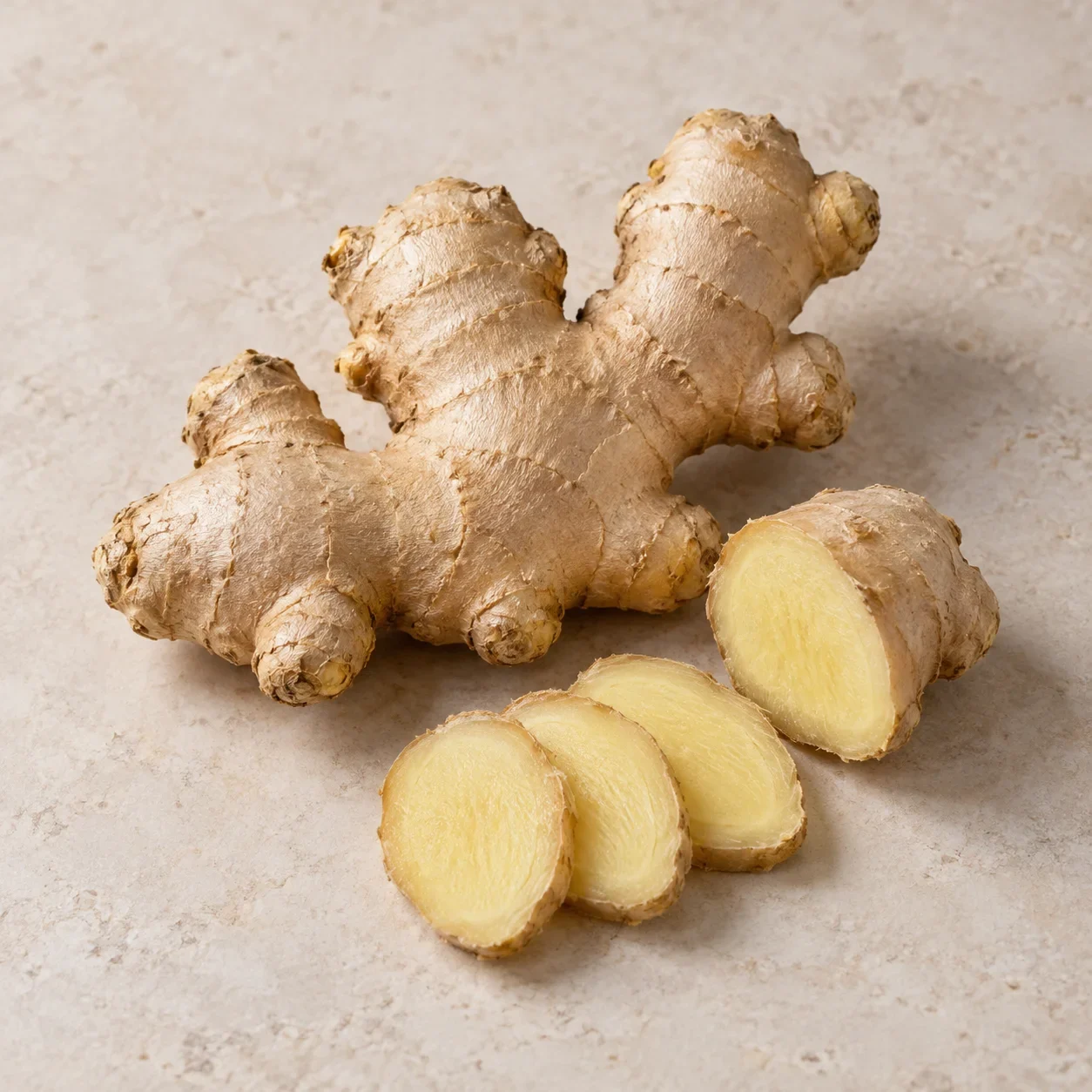
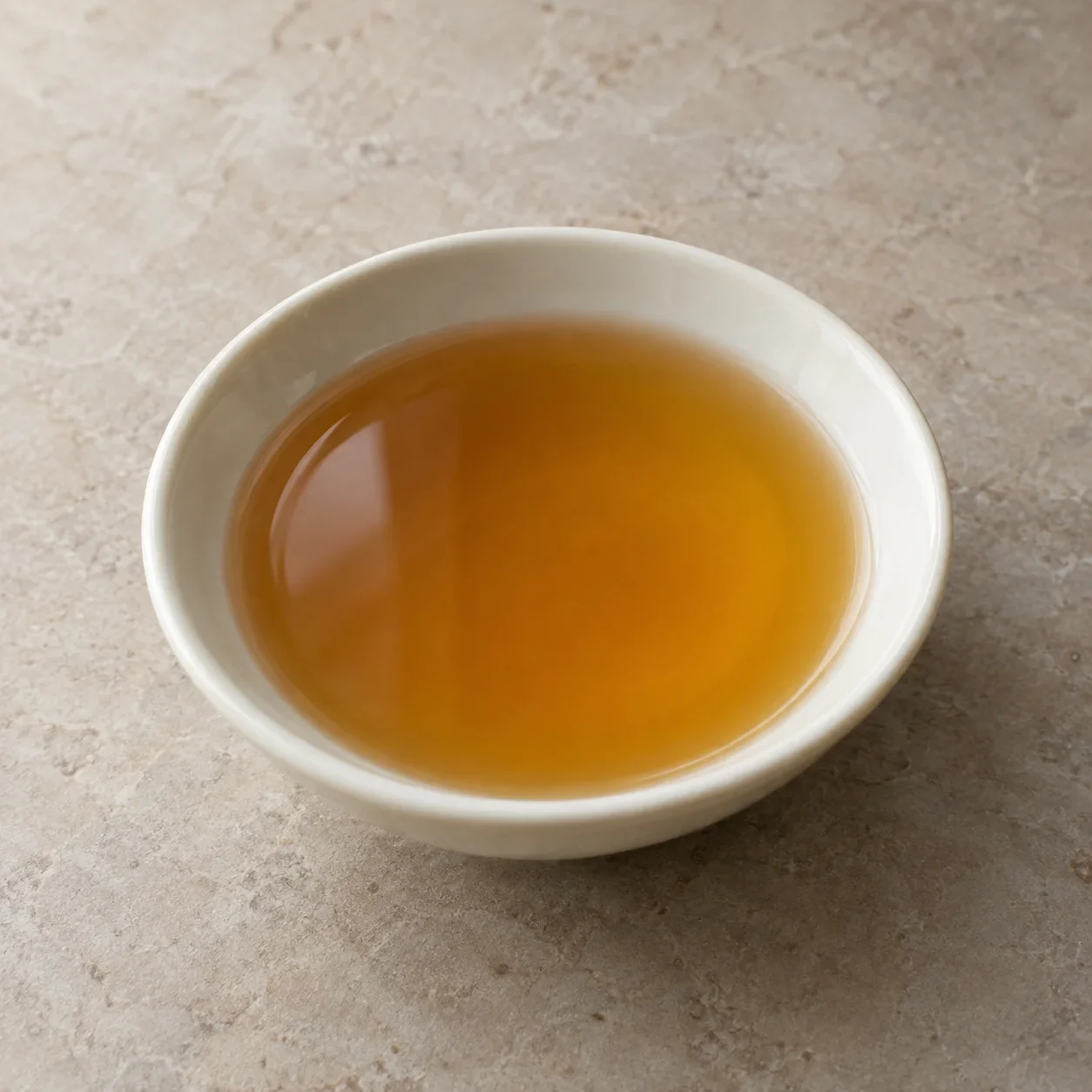
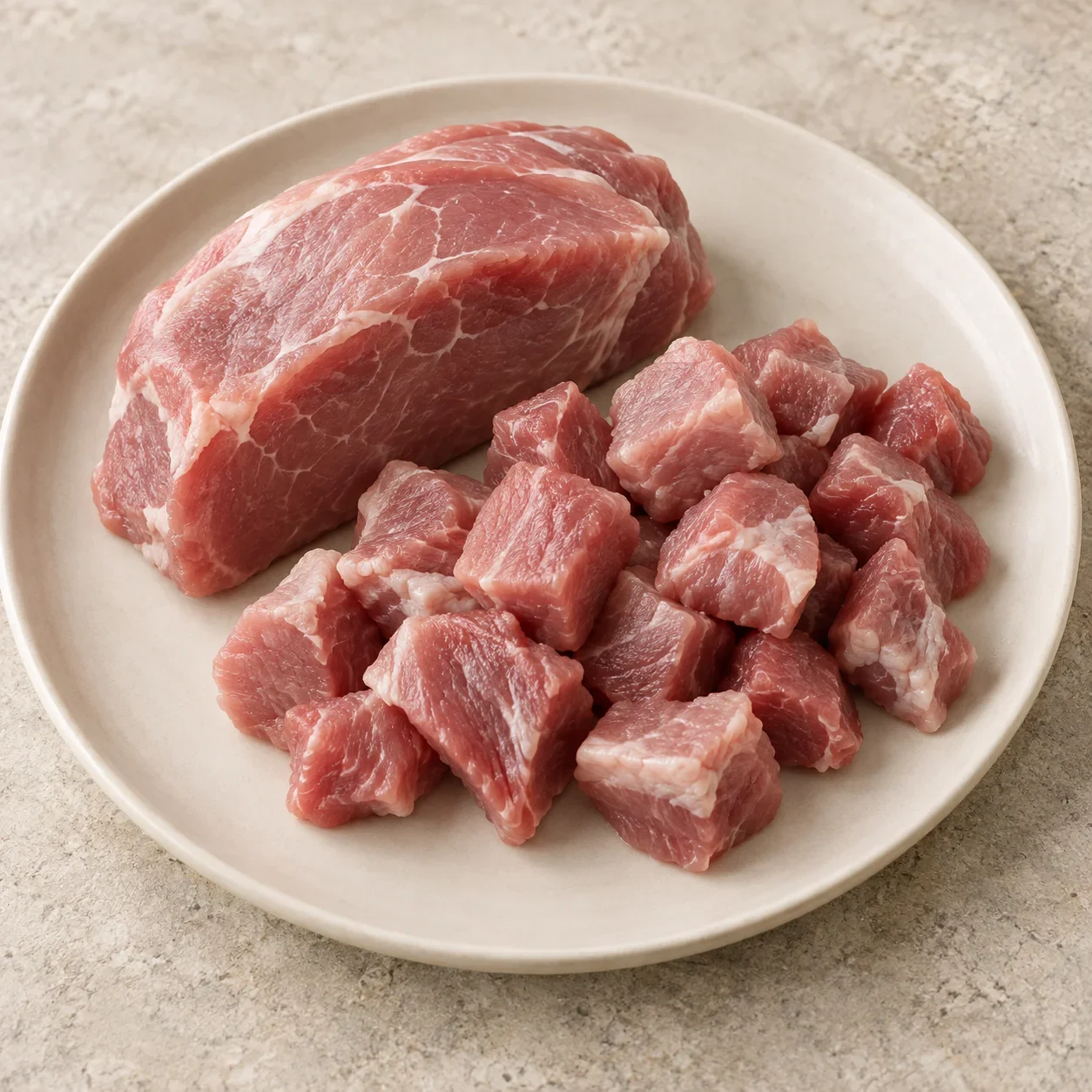
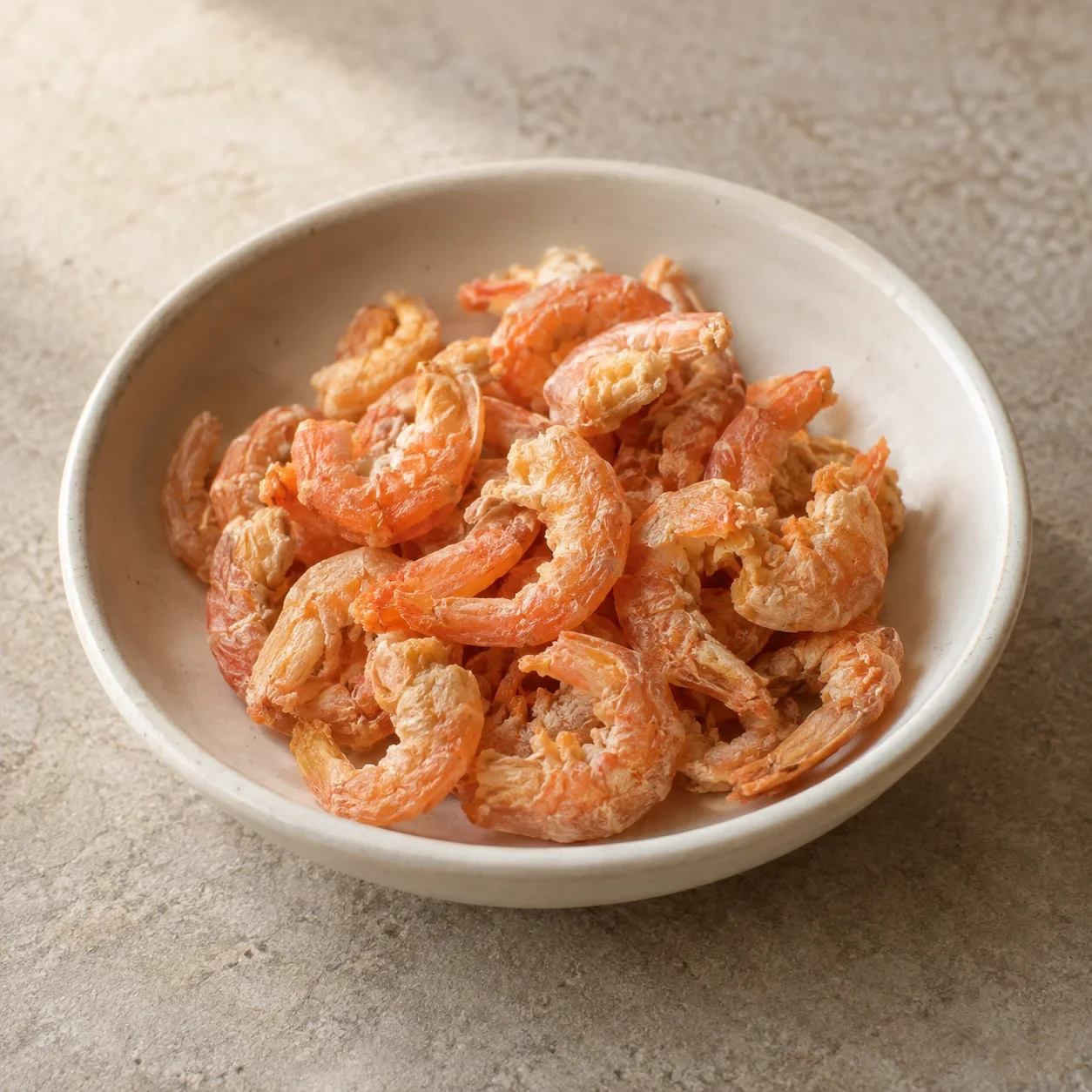
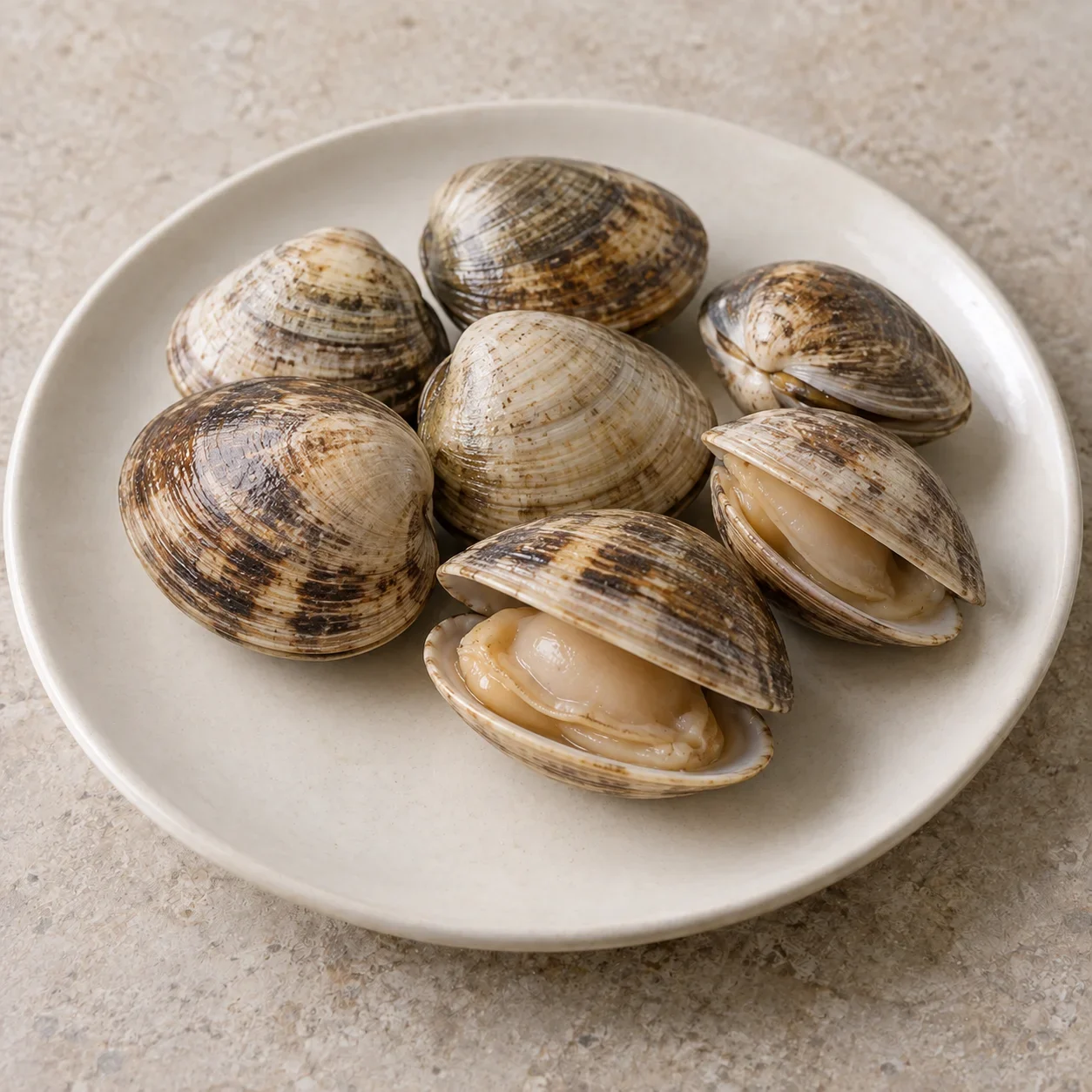
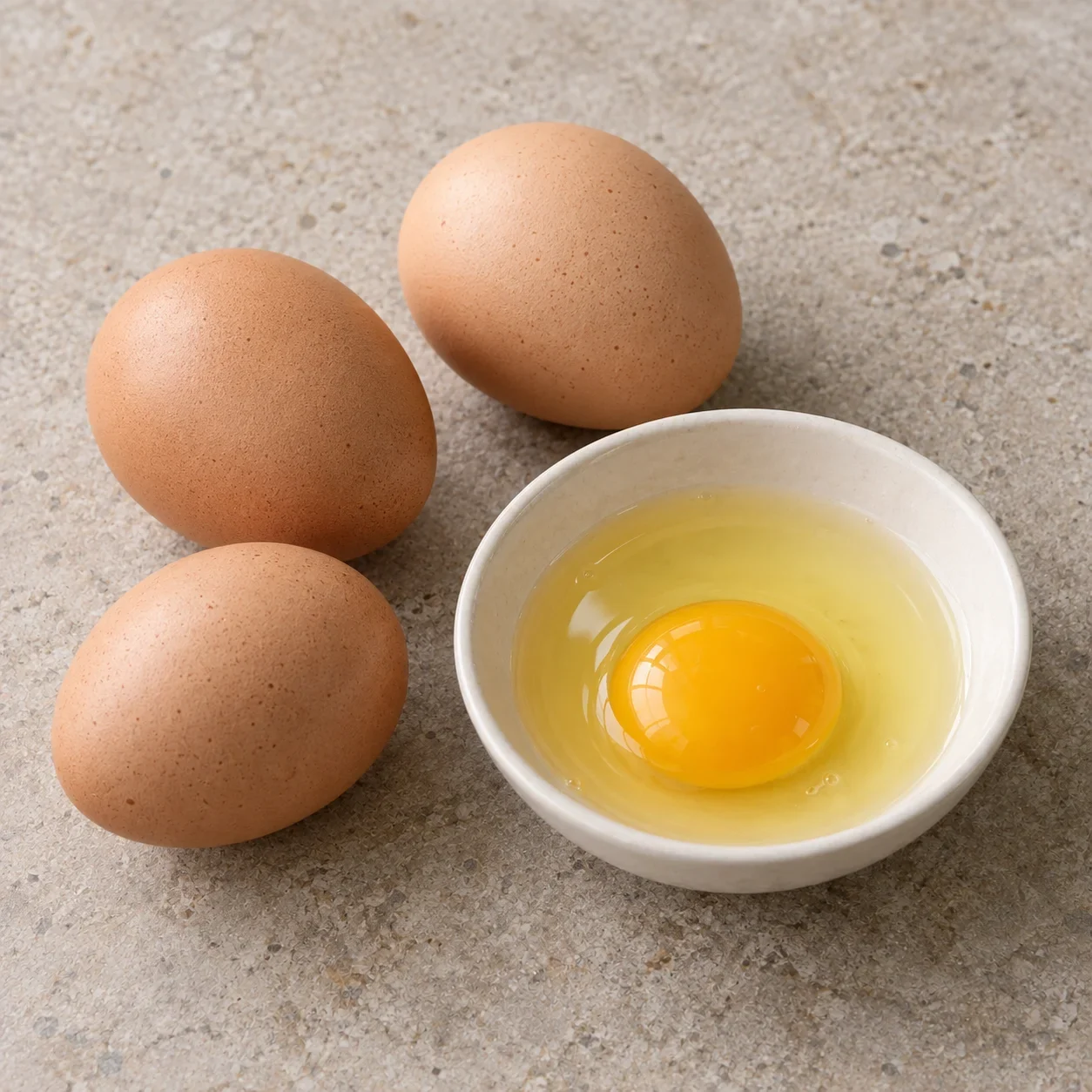
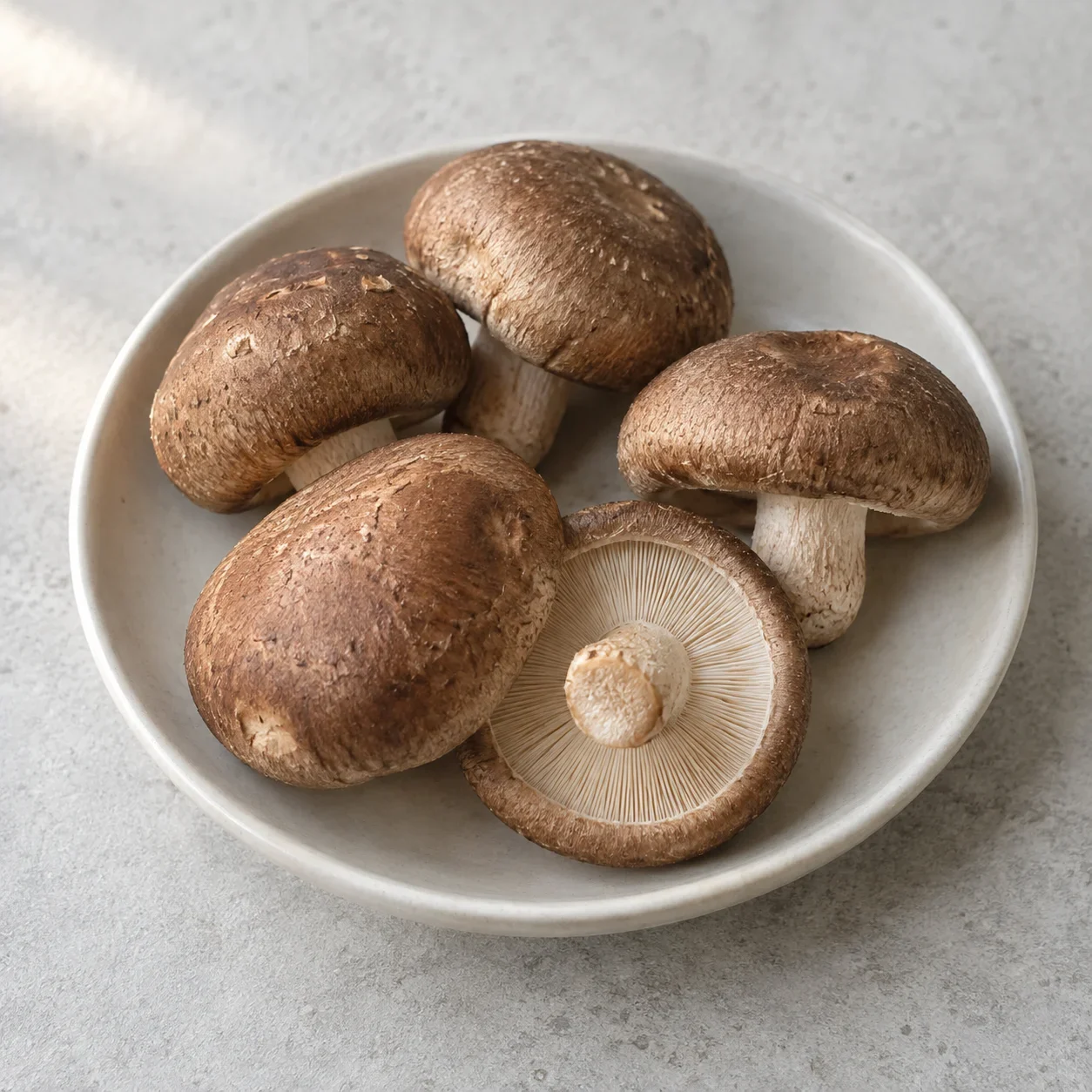
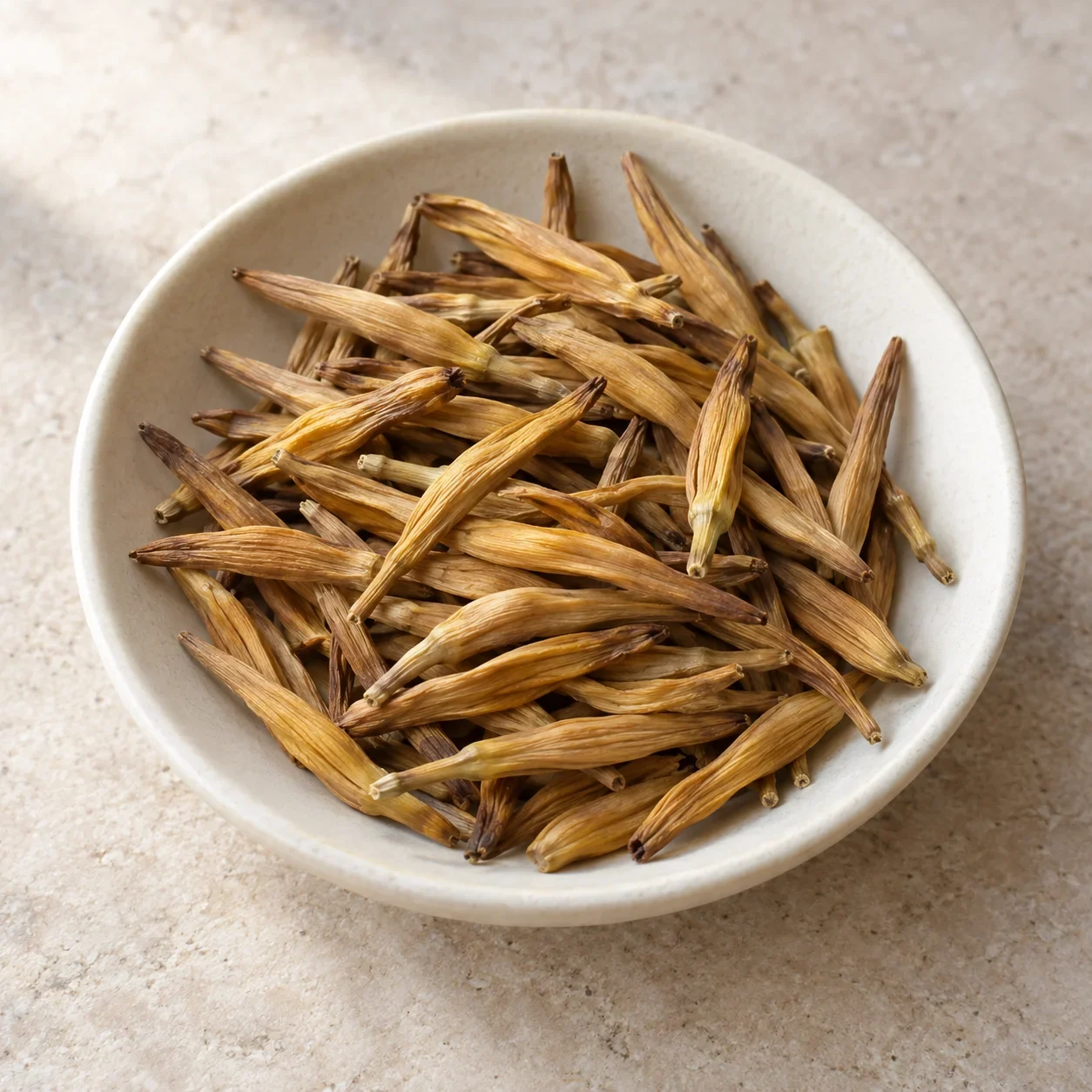
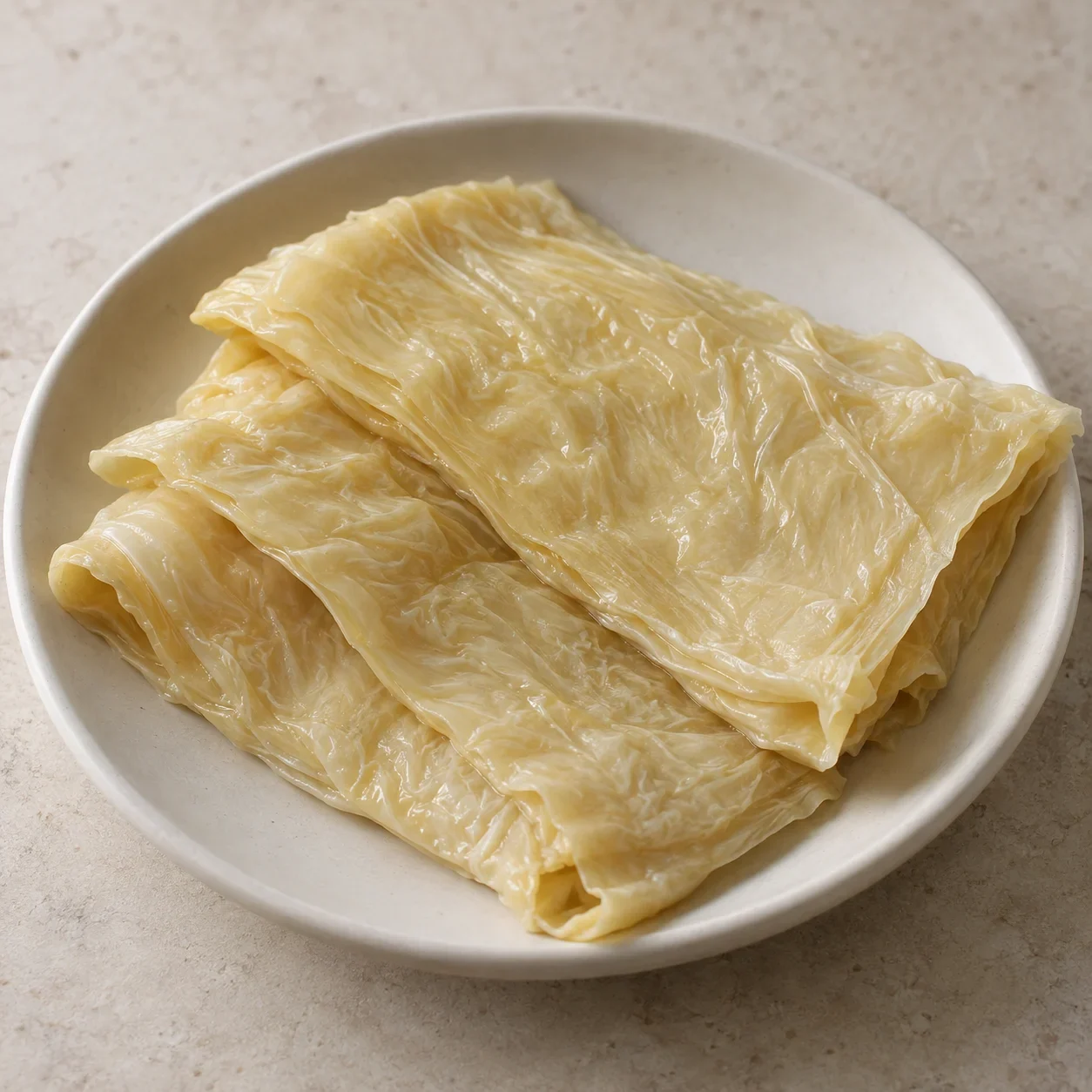
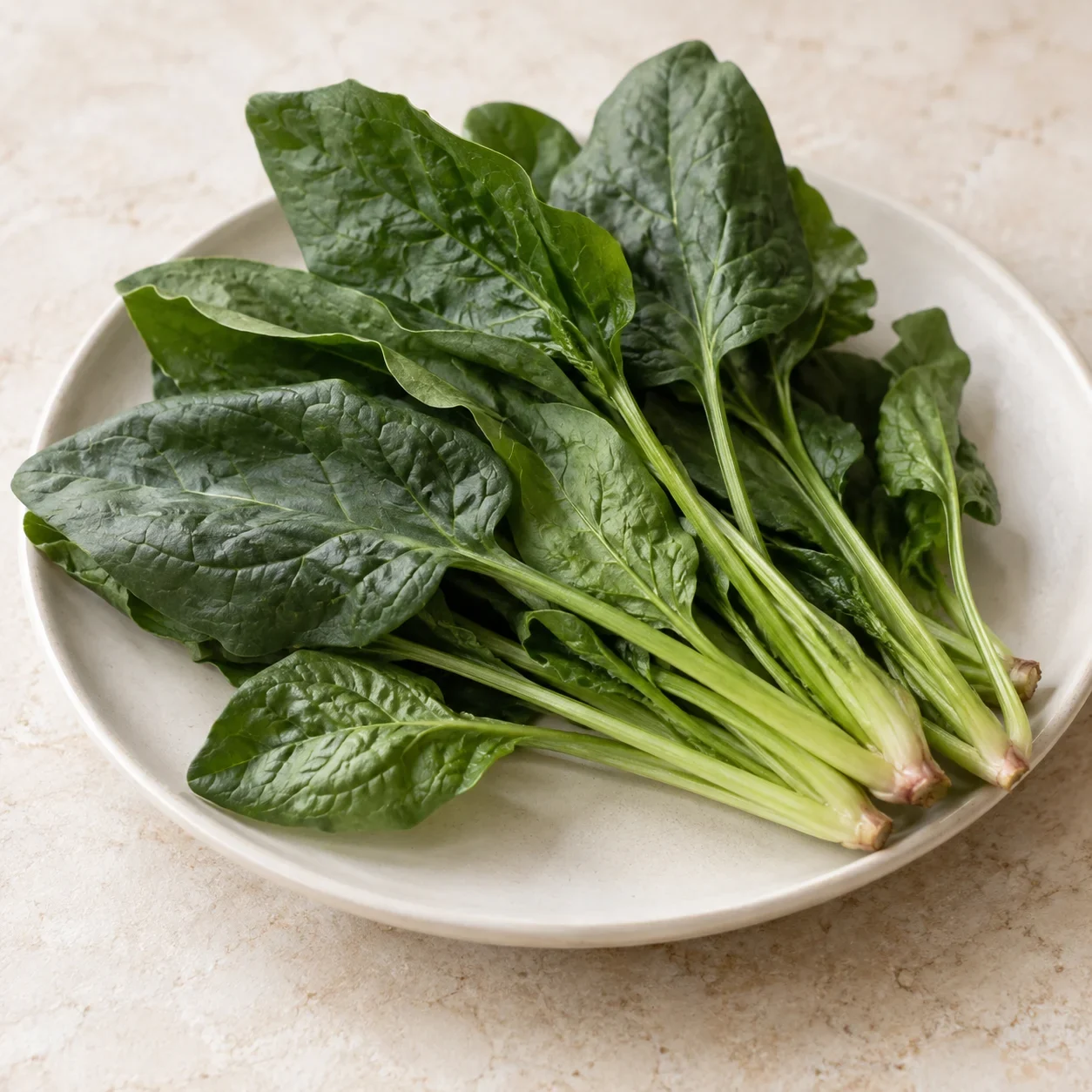

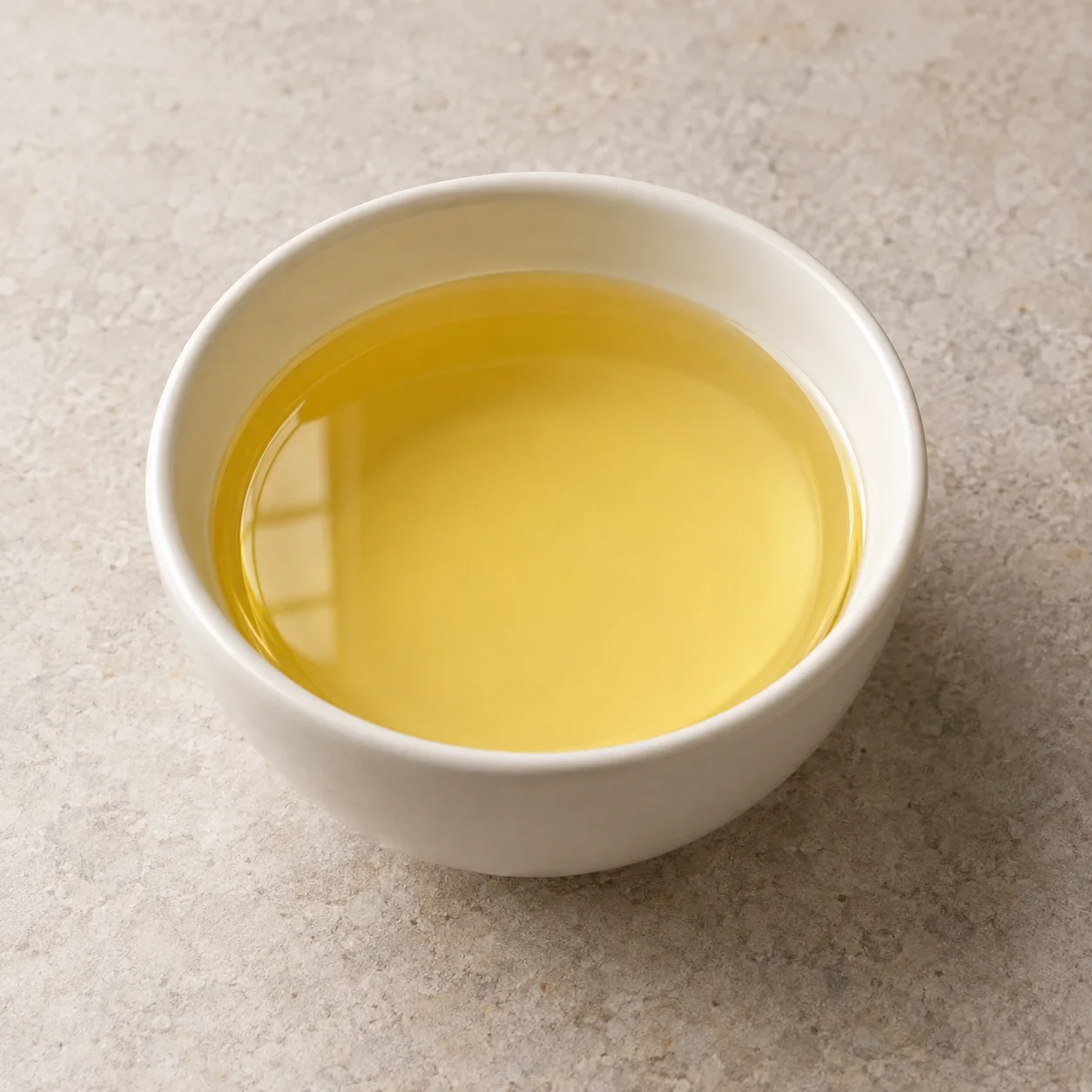
In some versions
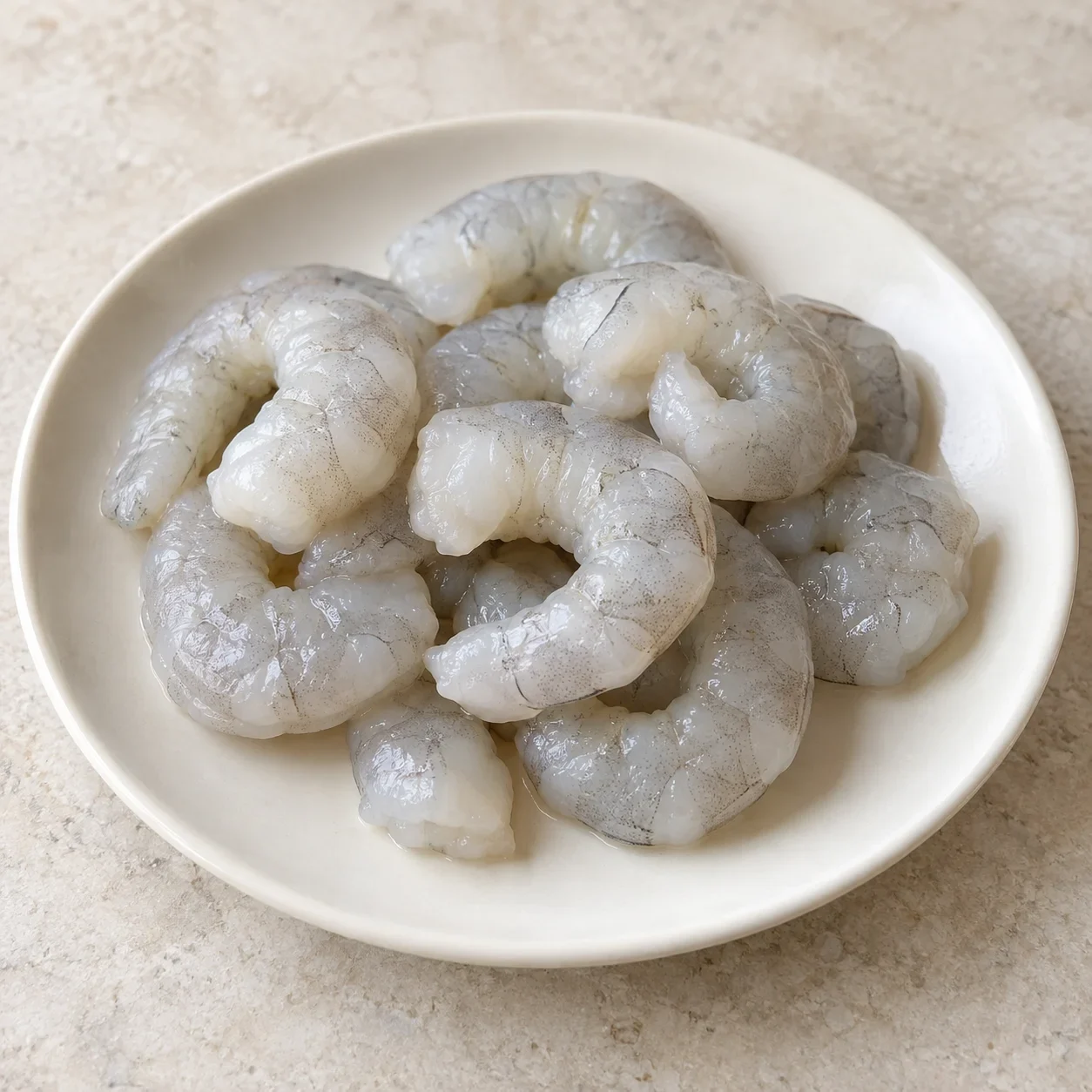
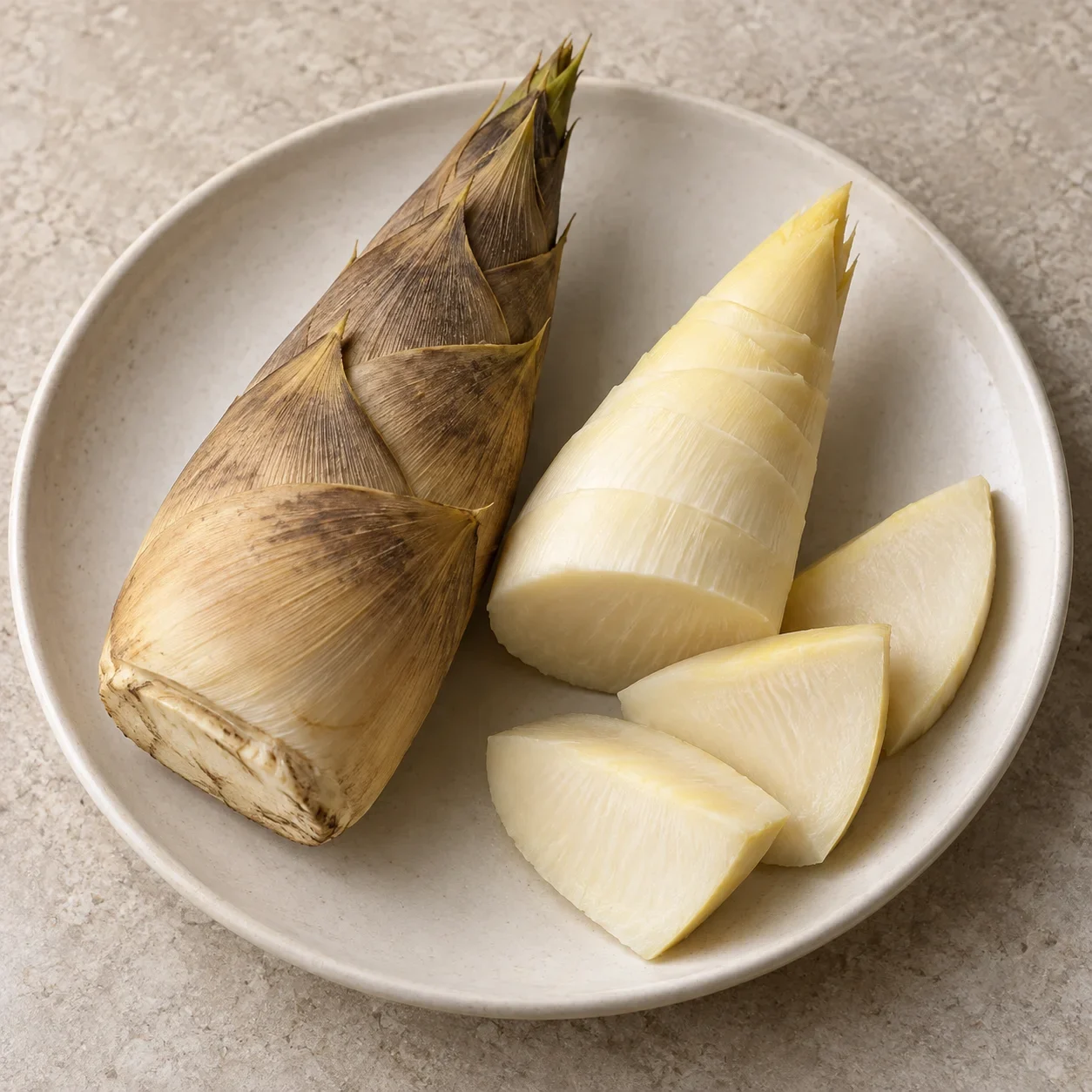
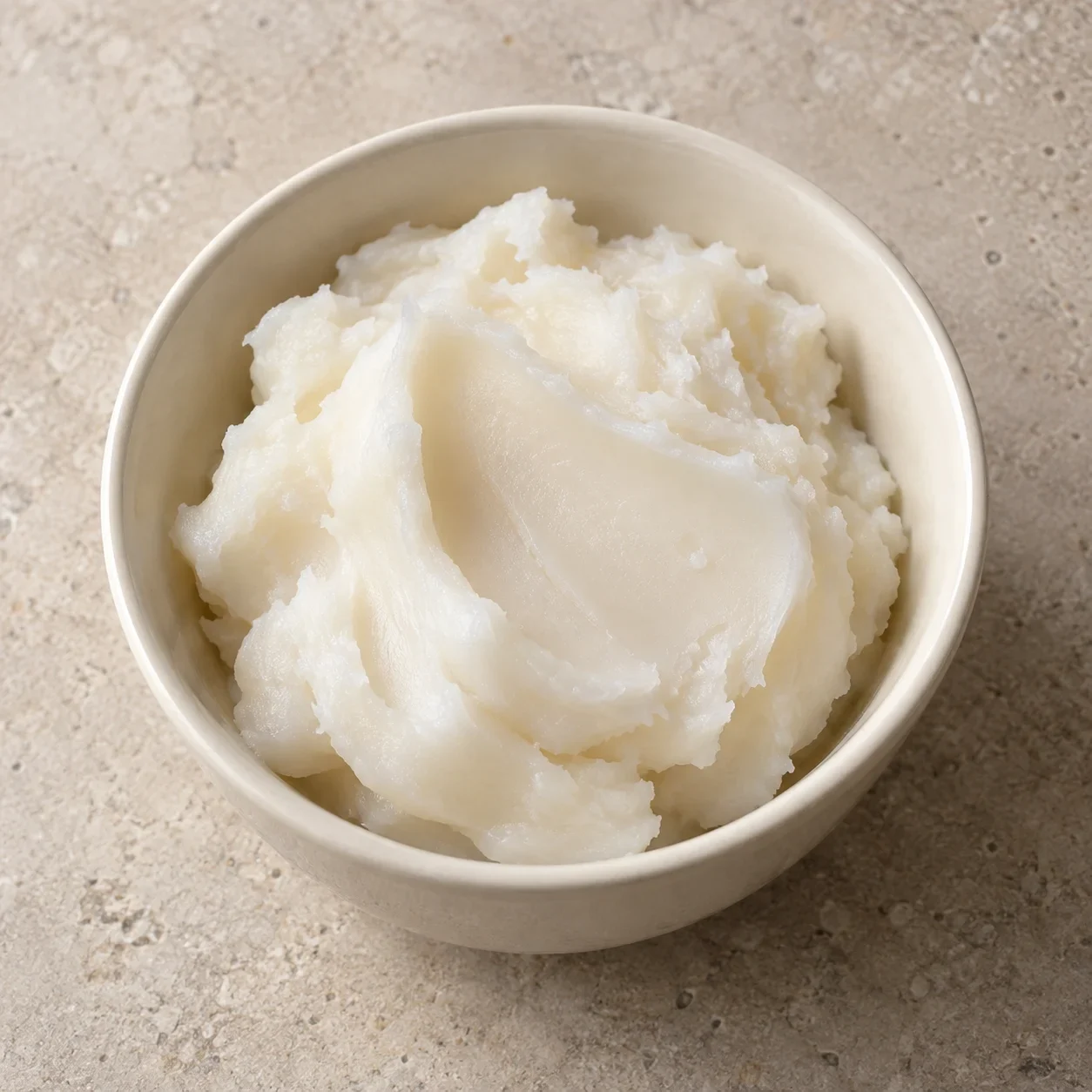
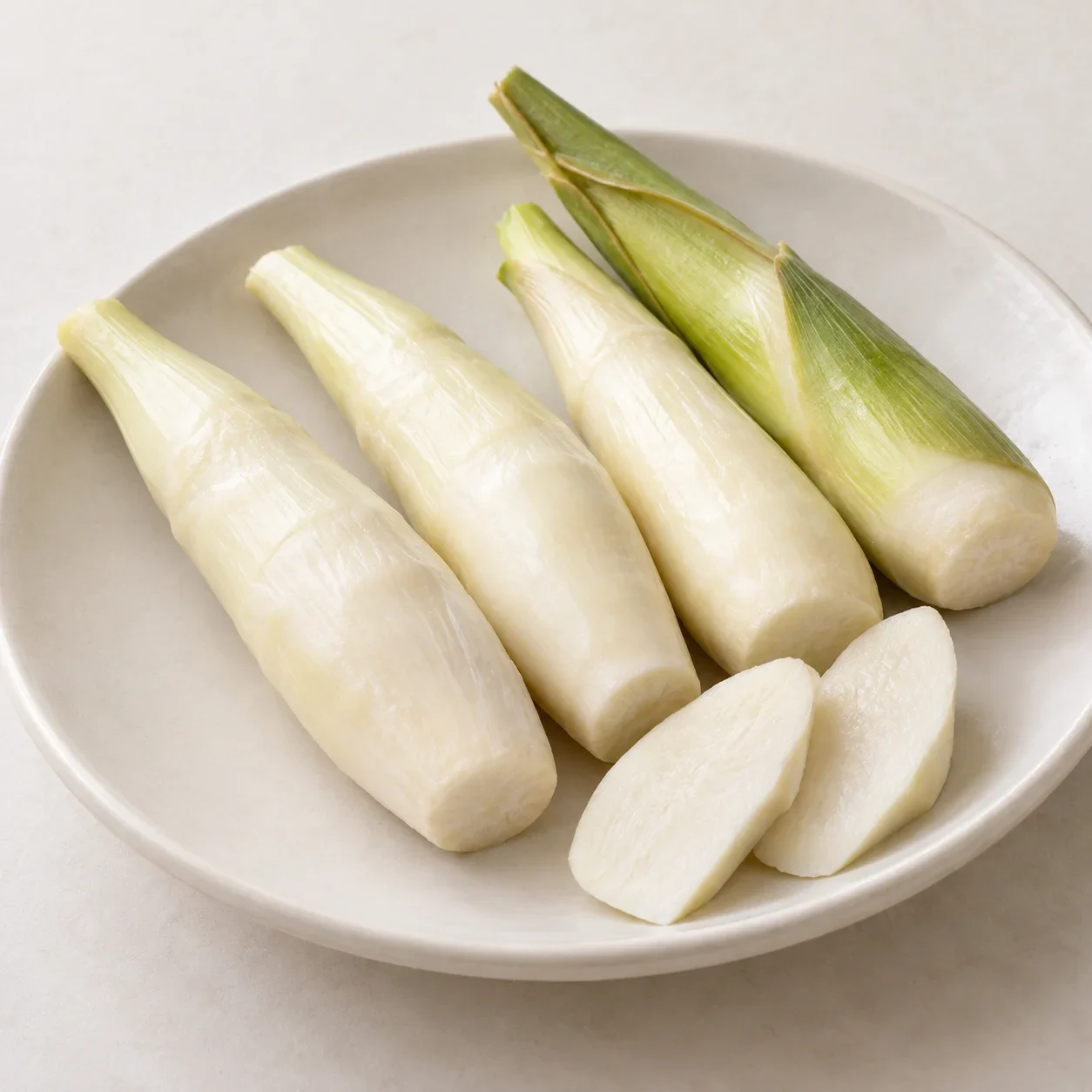
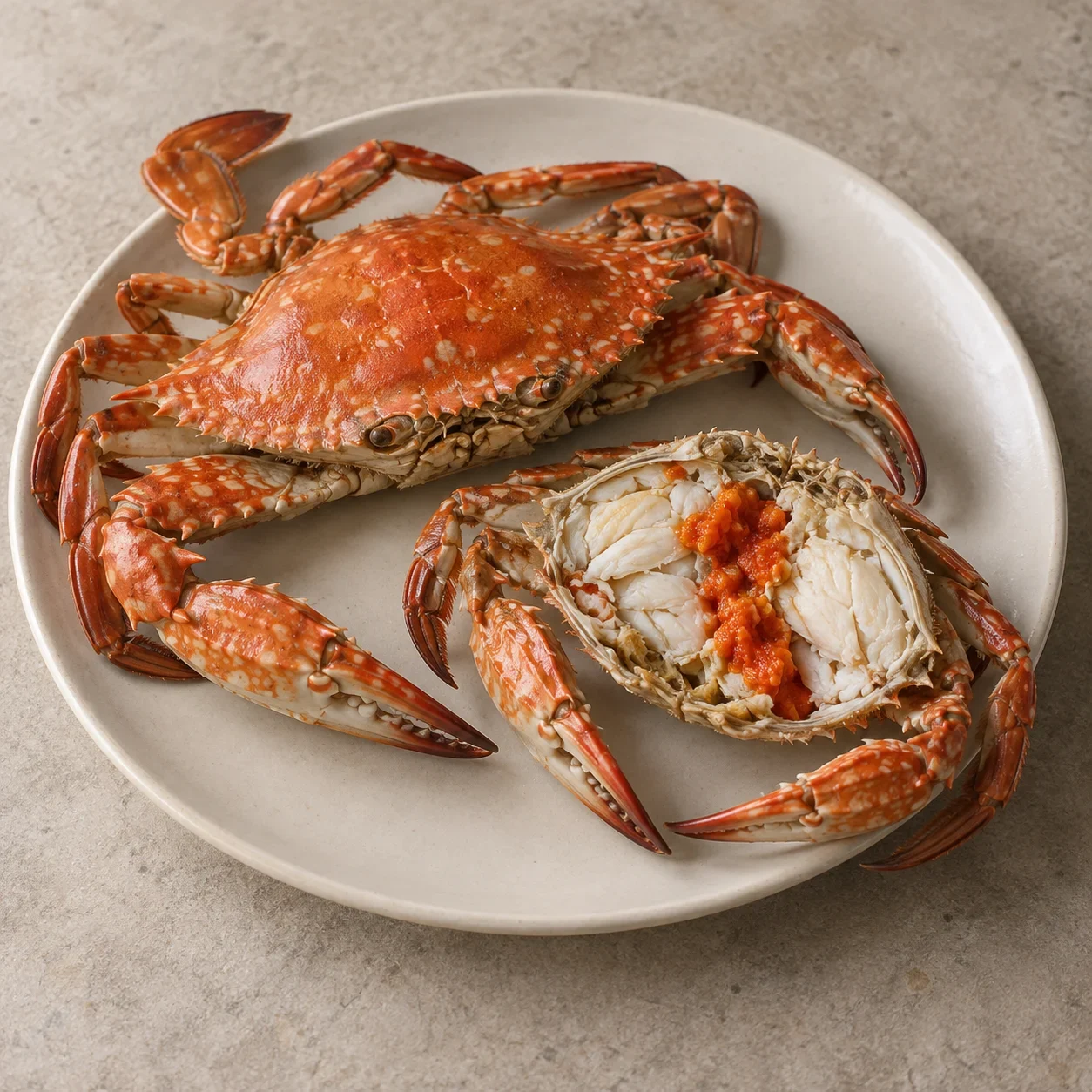
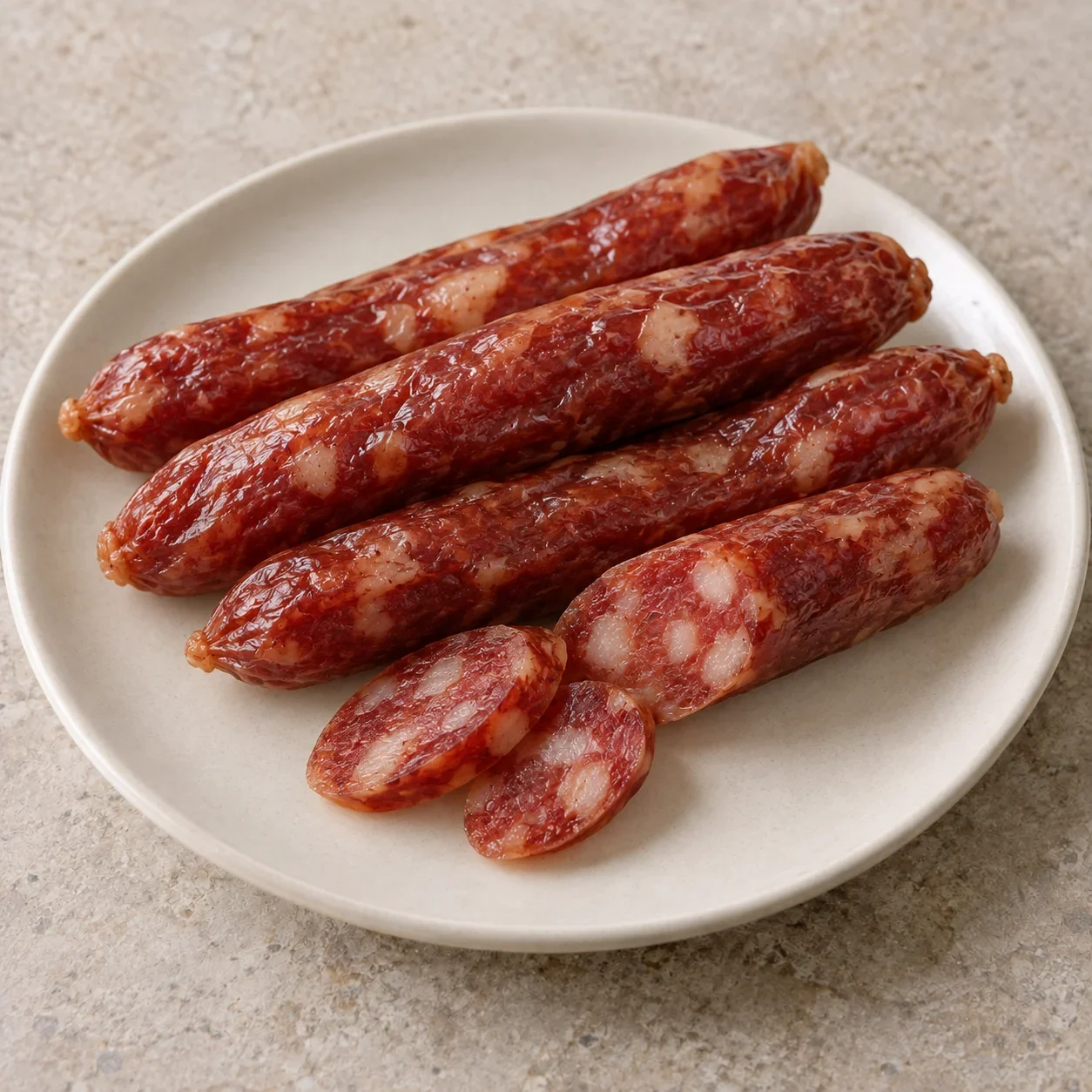
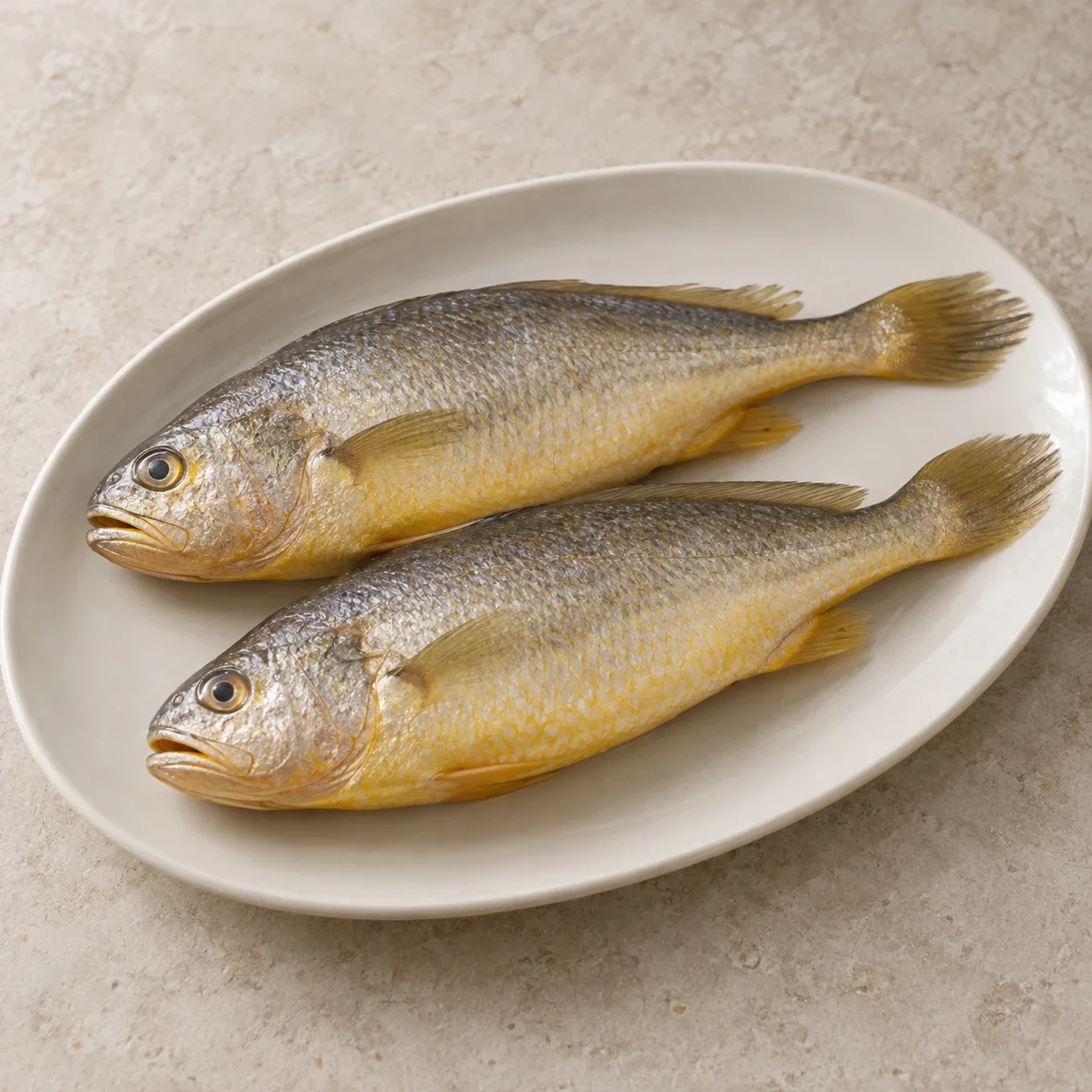
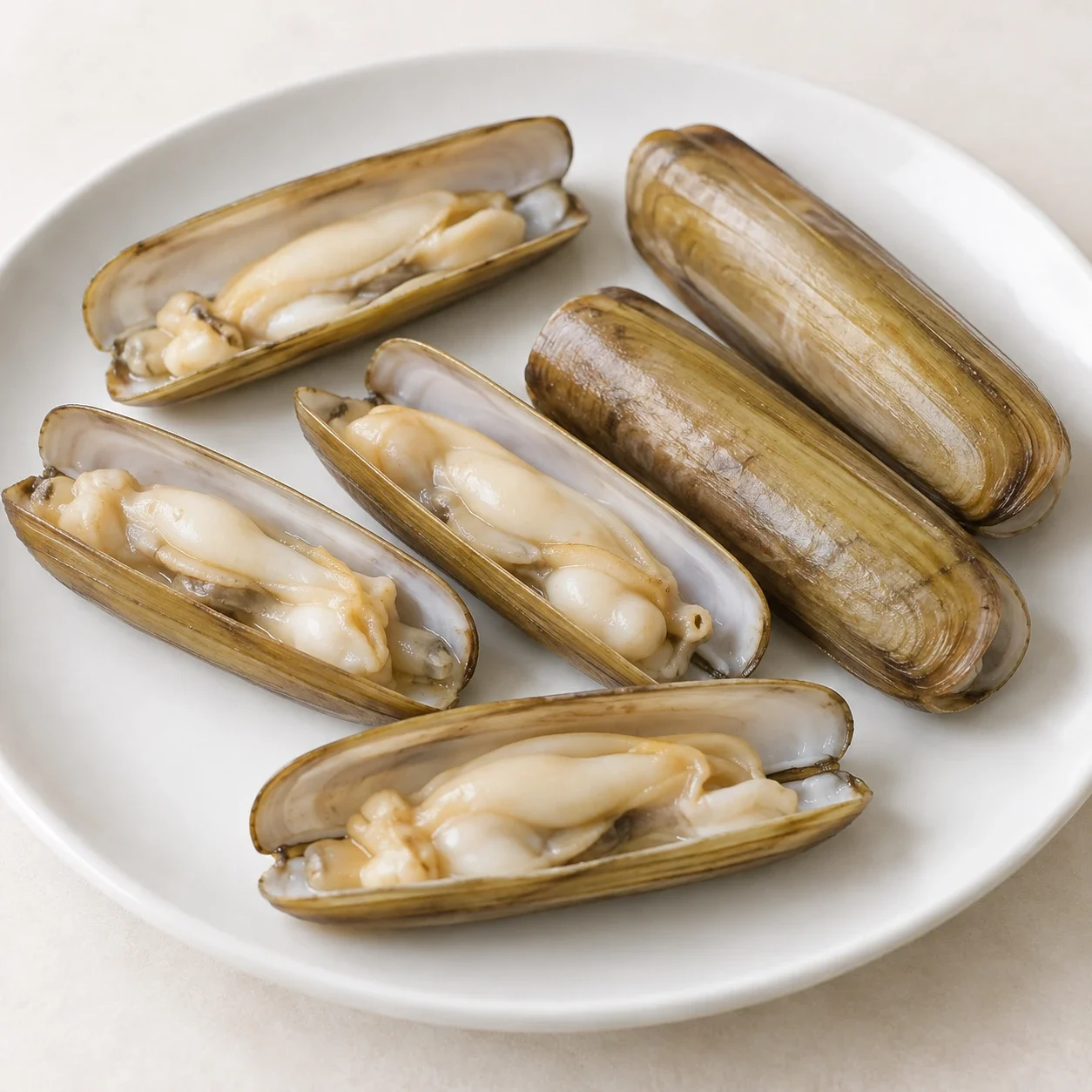
Recipes vary by restaurant.
How does it taste?
Pungent ginger with savory pork and seafood flavors. The characteristic heat comes from ginger; added chili and seasoning vary by preparation.
- Chili heat
- Texture
- Fine, springy rice noodles in a clear golden broth, with soft vegetables and tender seafood.
- How it’s made
- Dried ginger pieces are simmered for hours into broth. Pork and dried toppings are stir-fried in hot oil, the ginger broth is added, then rice noodles, greens, shellfish and a ginger egg omelette finish the bowl; shops usually cook each serving to order.
Mountain versions lean on pork, egg and sausage; seaside bowls add shrimp, clams, razor clams, crab or small yellow croaker. Topping sets of roughly ten items are common, with optional upgrades.
A CONNECTION TO PLACE
Origin & regional roots
Associated with Zhejiang.
About this regional connection
Zhejiang: Associated with Taizhou (Huangyan/Jiaojiang/Luqiao), Zhejiang; district-level intangible heritage craft, not an exclusive-origin claim for all Zhejiang.
Ask if they have it first
请问你们有姜汤面吗?
Do you have this item?
A LITTLE SOMETHING TO READ
Story & history
Ginger at the center of the bowl
In Taizhou, ginger becomes the soup base rather than a small seasoning. Wine-treated, dried ginger is simmered into broth for fine rice noodles. Toppings reflect the region: pork and egg may meet shellfish from the coast, while a ginger omelette adds another layer of flavor.