
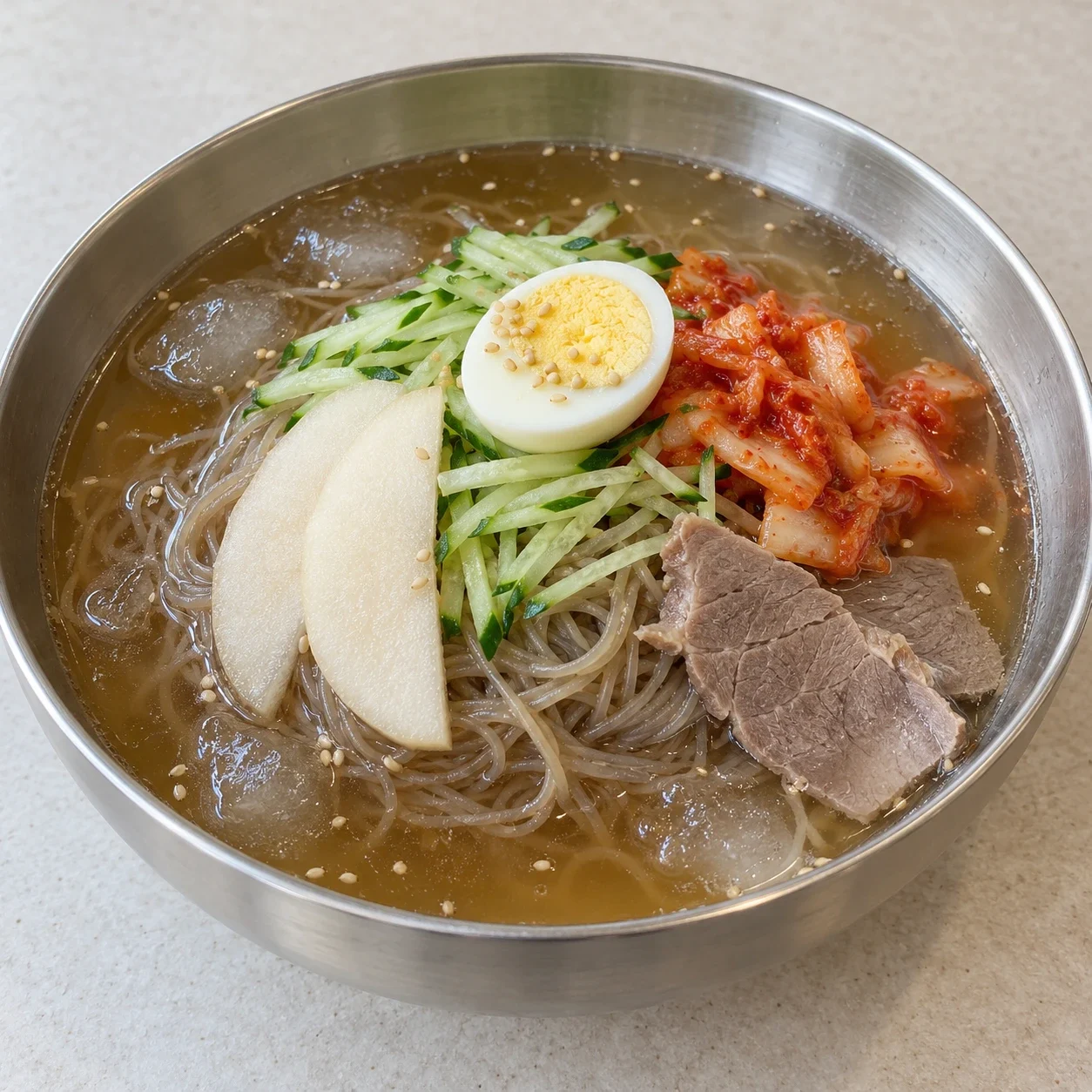
At the table
Loosen the noodles in the broth and take manageable bites with the toppings. Taste before adding extra chili or other condiments.
Contains beef and buckwheat; egg may be added. The noodles can include wheat flour, so do not assume they are gluten-free. Check the noodle mixture, broth, pickles and sauces for your dietary needs. Soy sauce adds soy and may add wheat; sesame may also be used.
The sweet-sour beef broth can be seasoned with vinegar, sugar and soy sauce. Some preparations also use ginger, scallion, garlic or cooking wine, and sesame may be sprinkled on top. Mild chili heat here refers to a bowl with spicy cabbage; plain broth or extra chili sauce changes the heat. Recipes vary by shop.
GET TO KNOW THE DISH
What goes into it?
Explore some key ingredients below. Preparations may use additional seasonings and ingredients.
Broth flavor and seasonal fruit toppings vary. Apple-pear is one possible fruit topping.
Typical ingredients
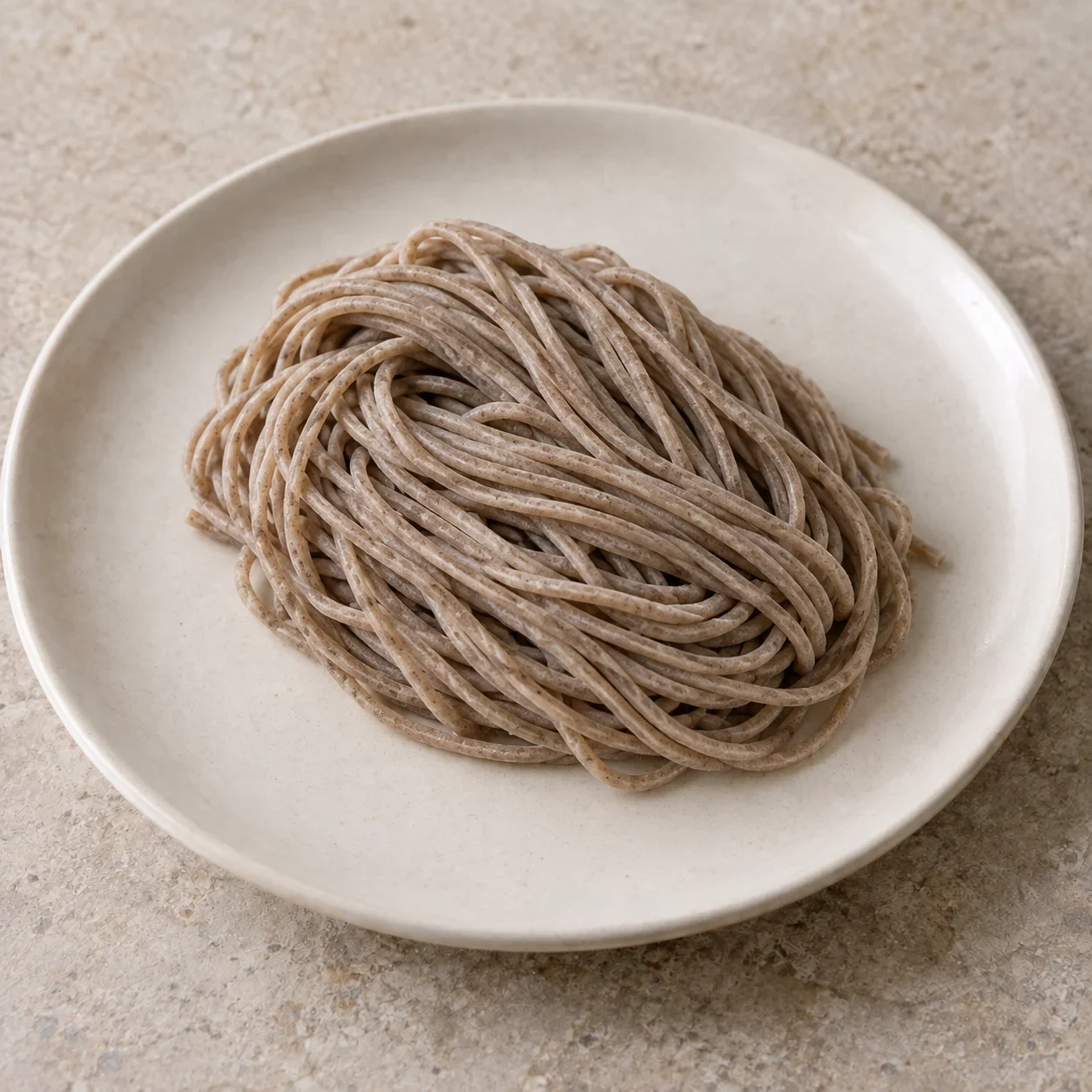
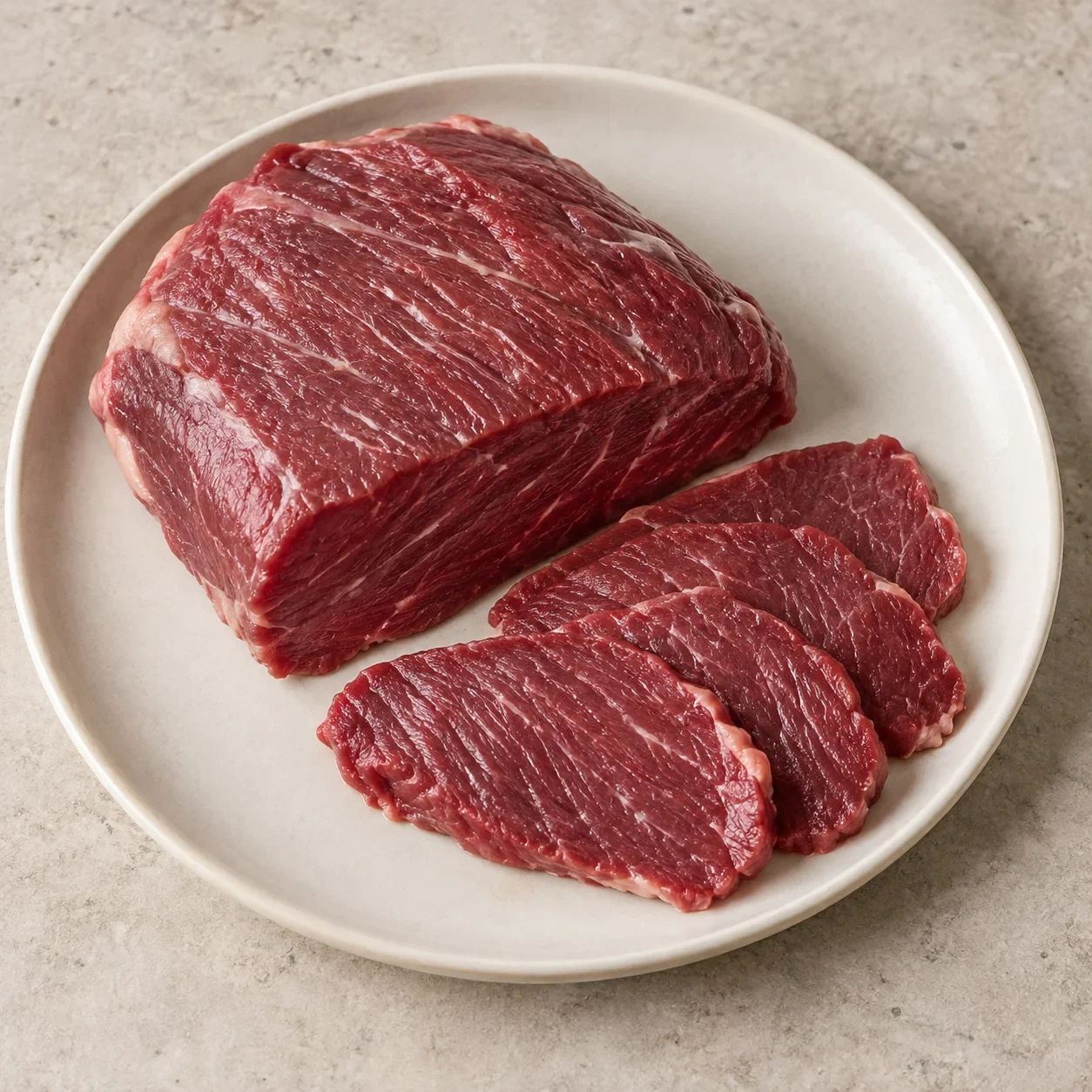
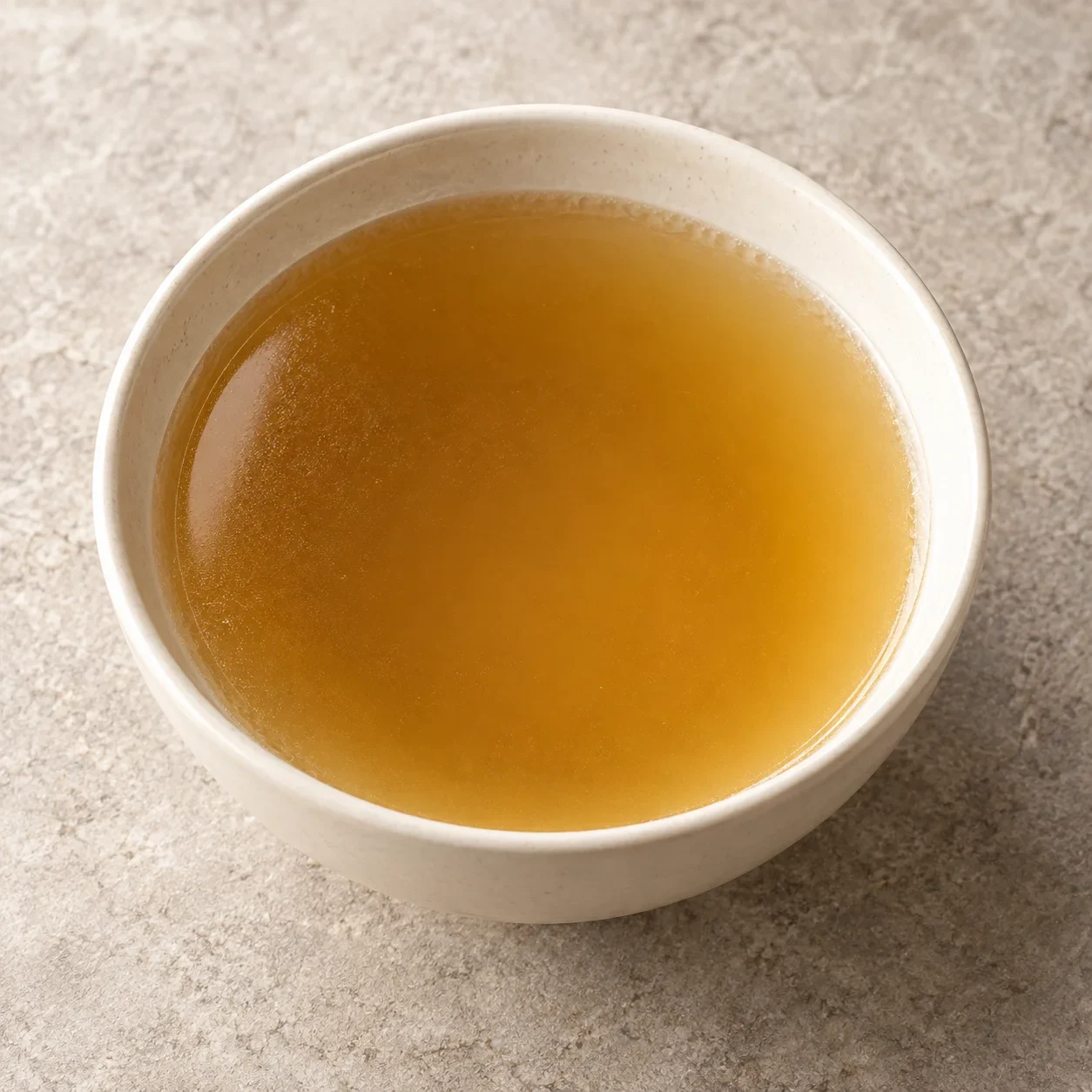
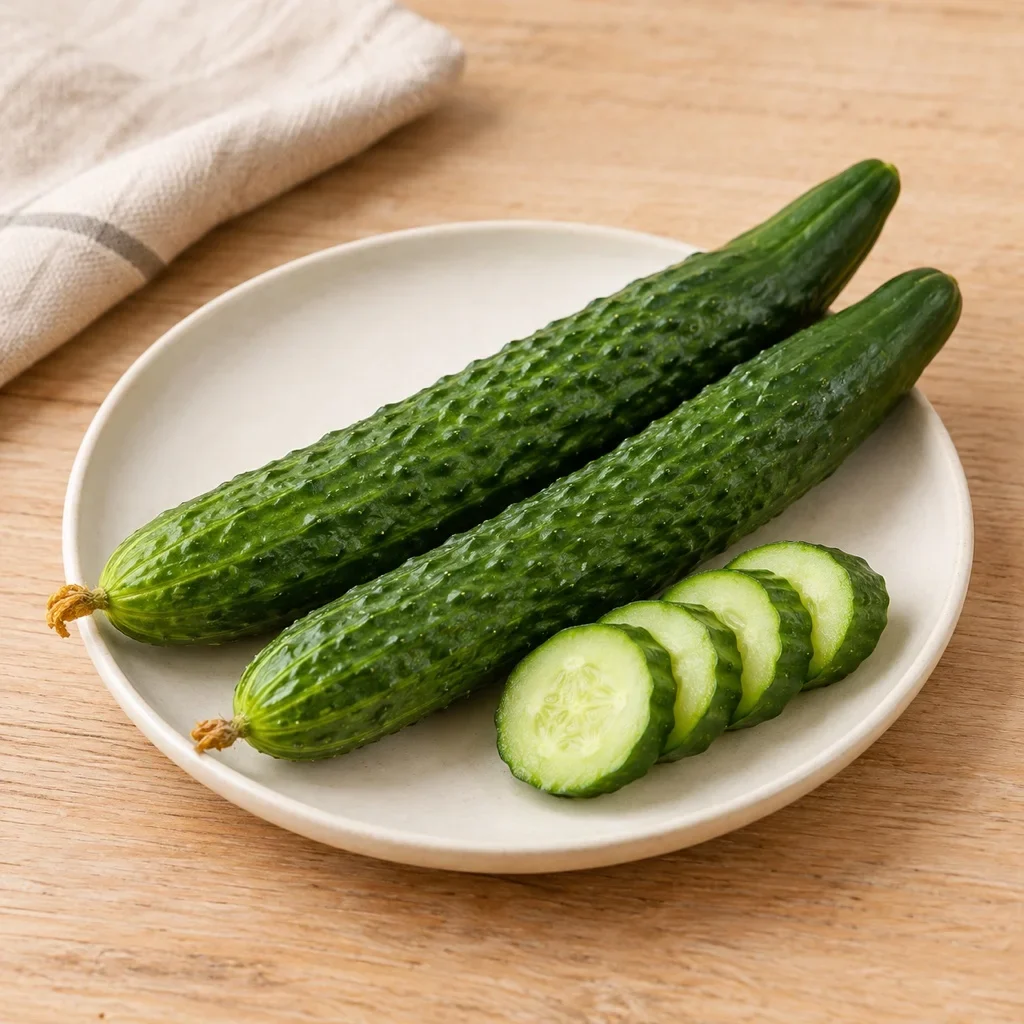
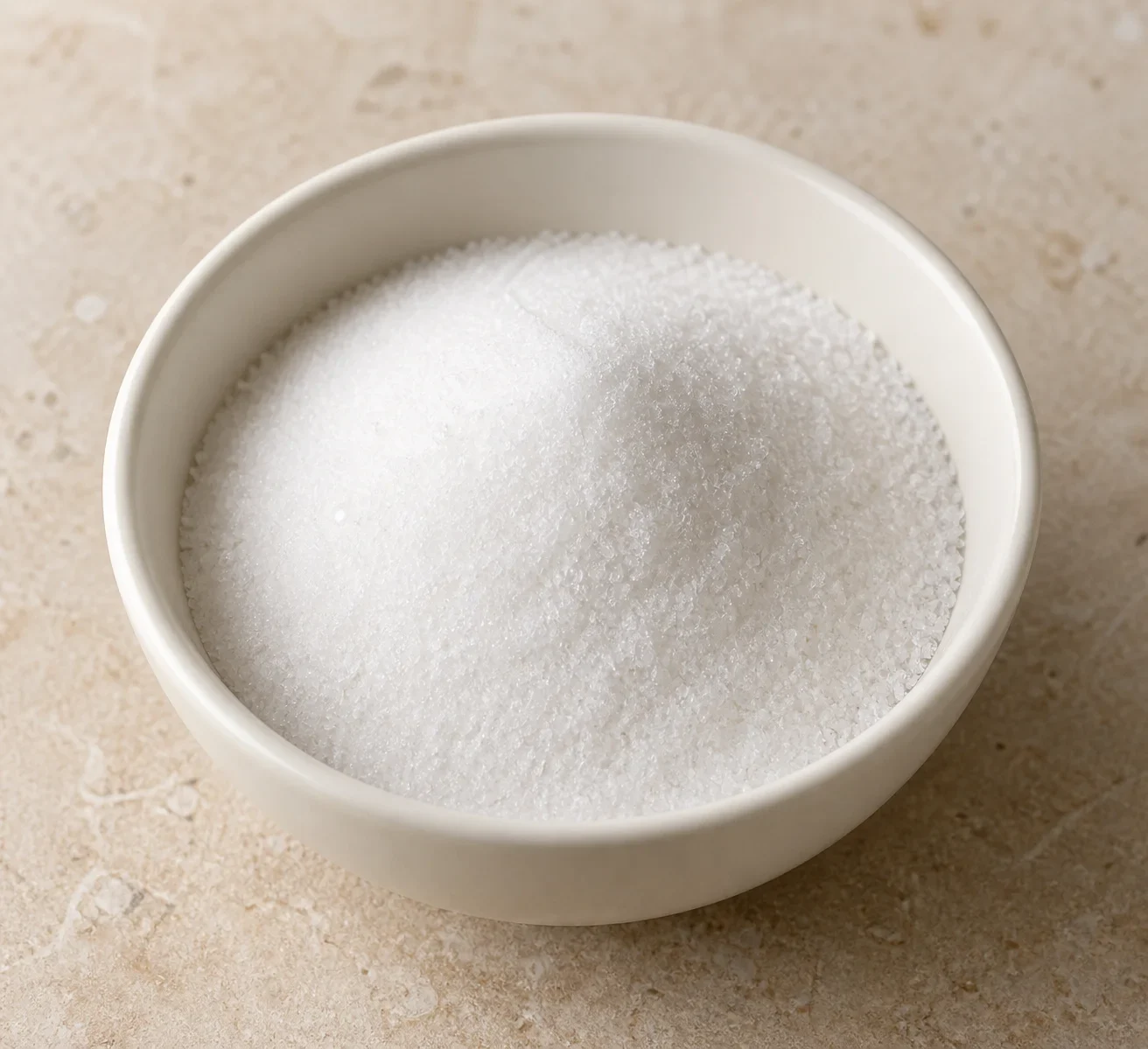
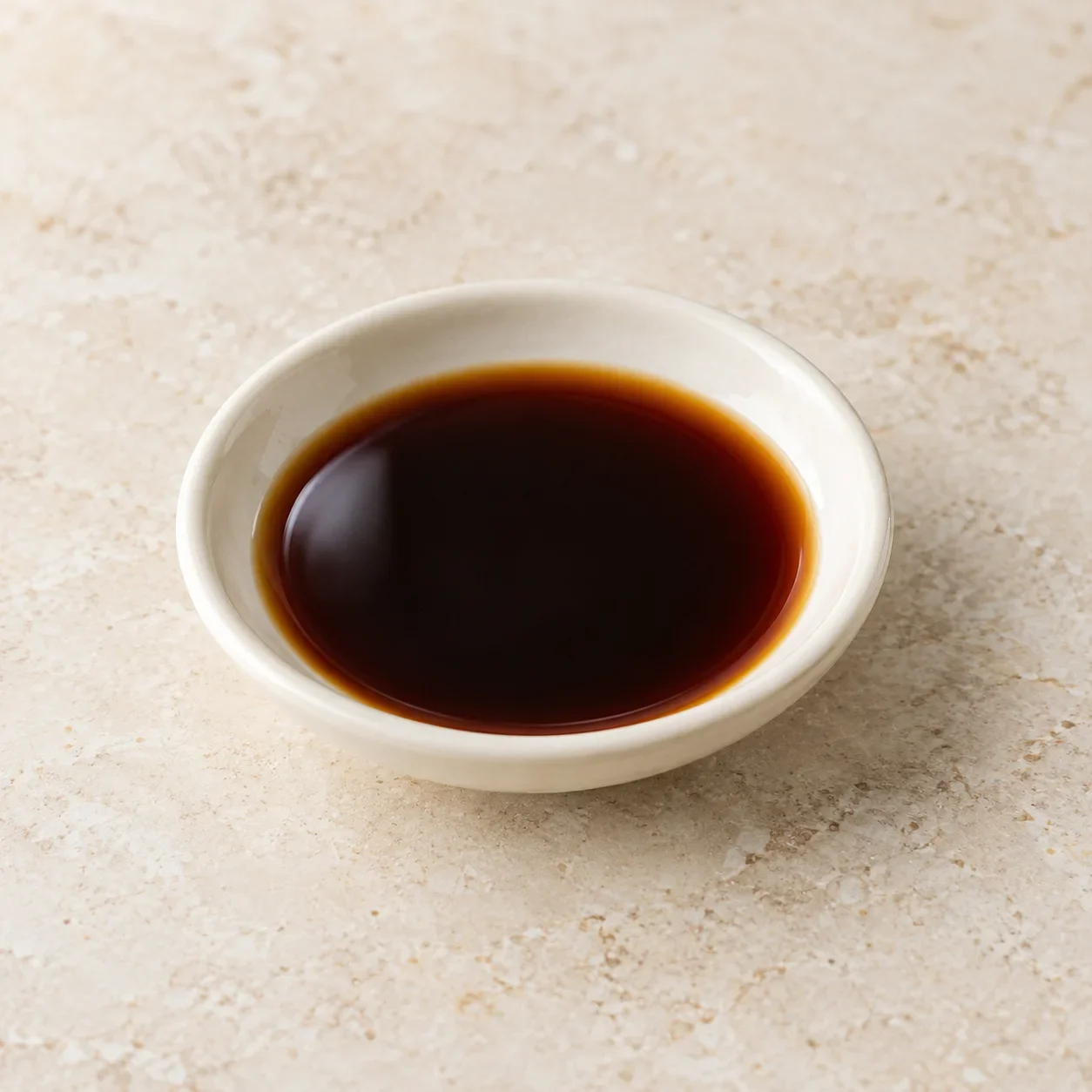
In some versions
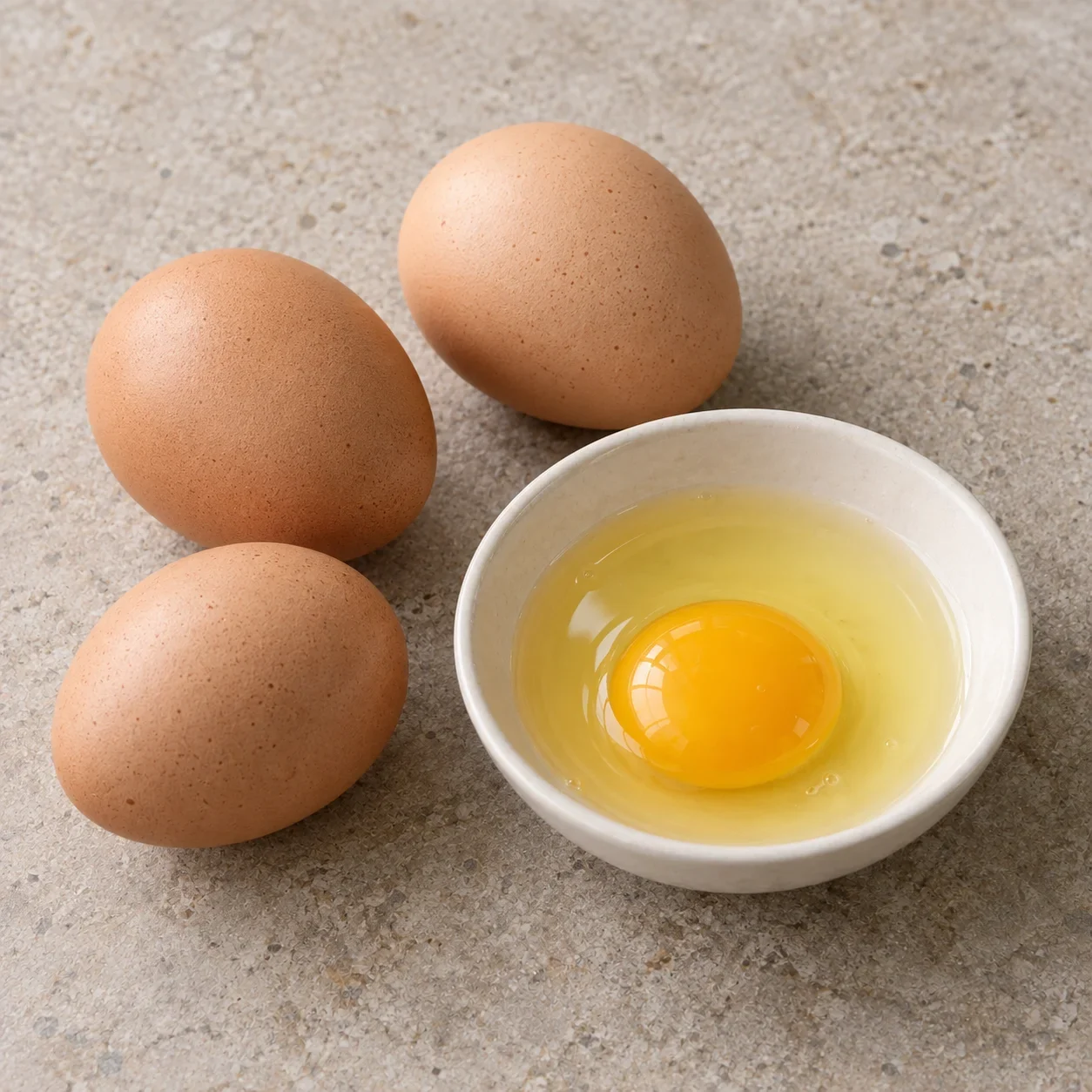
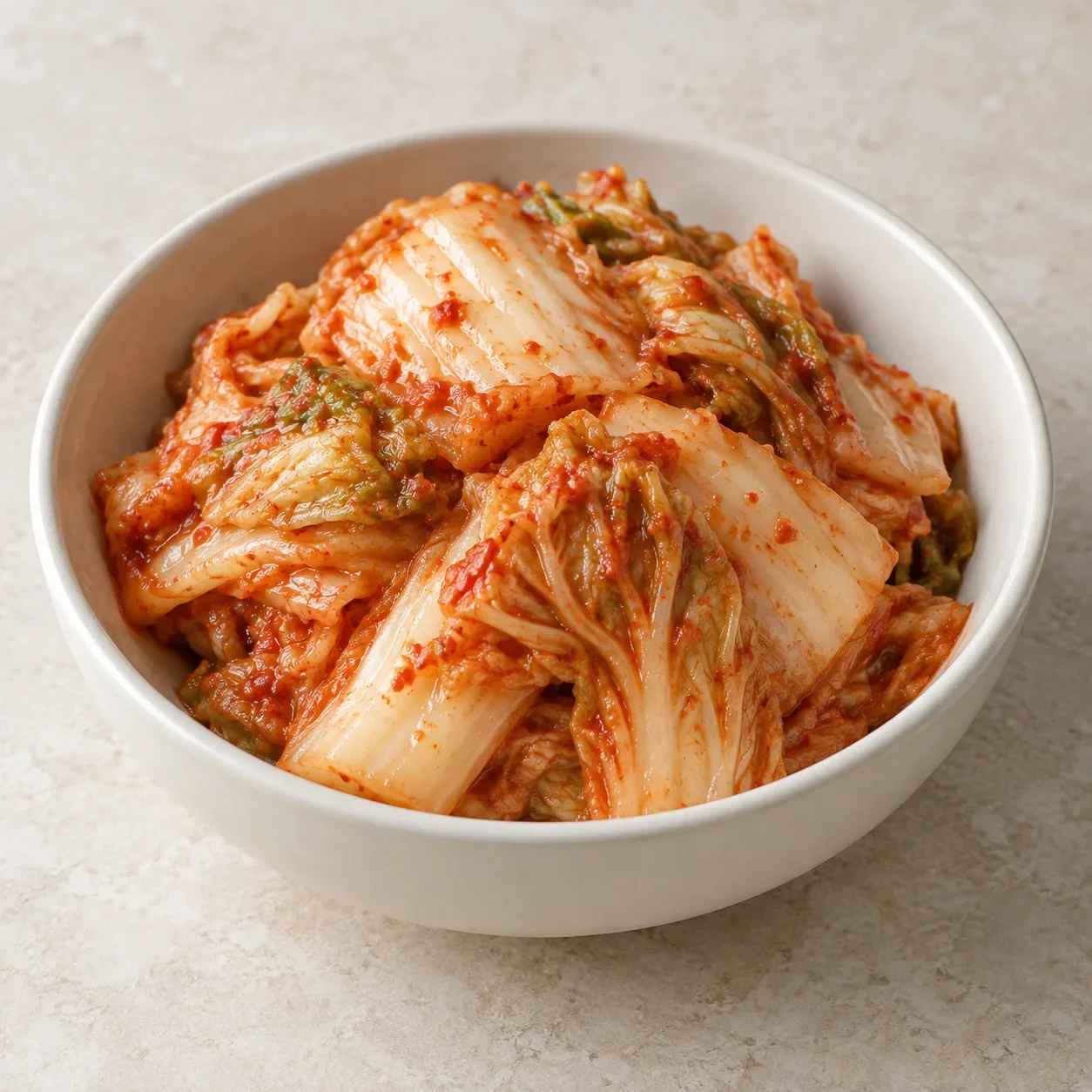
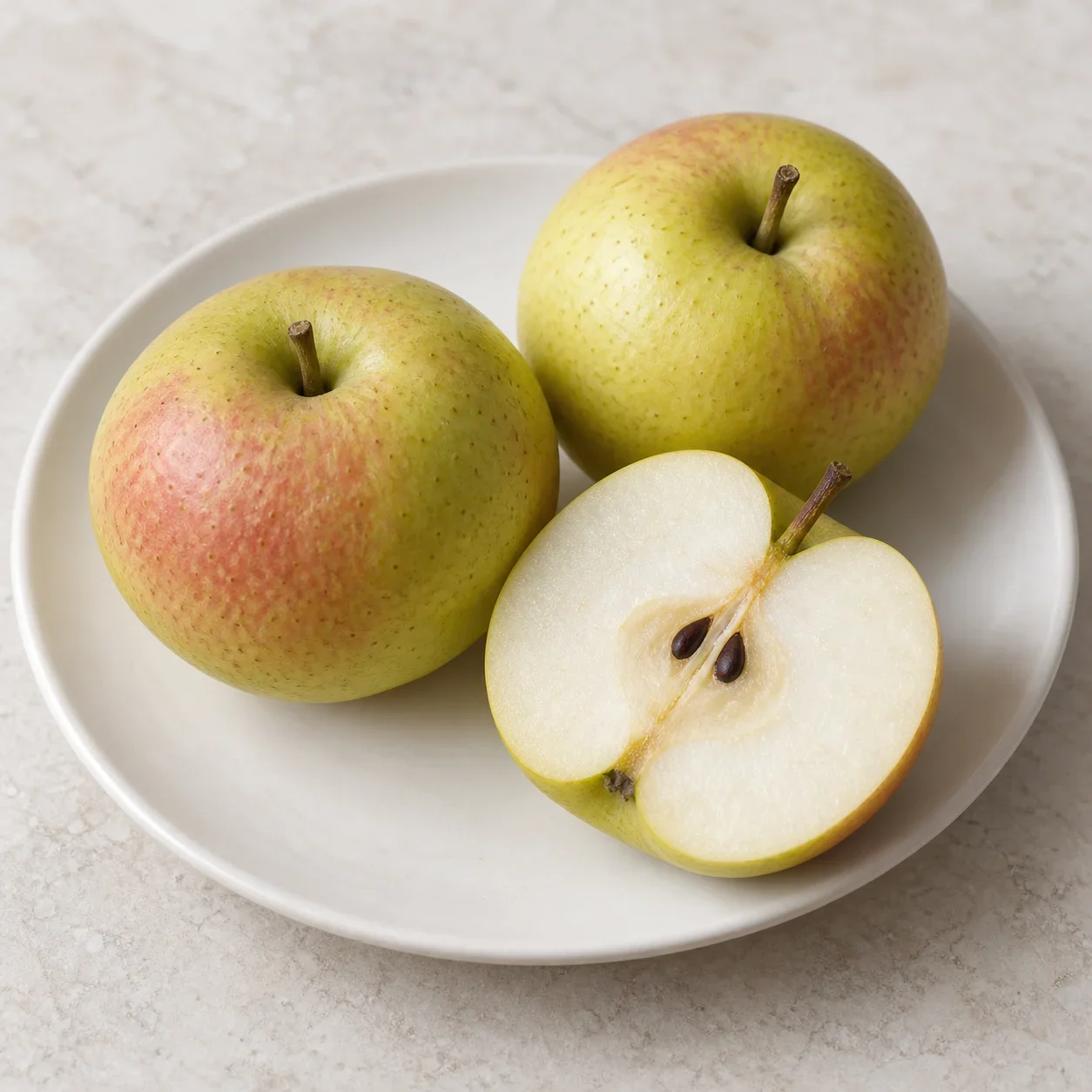
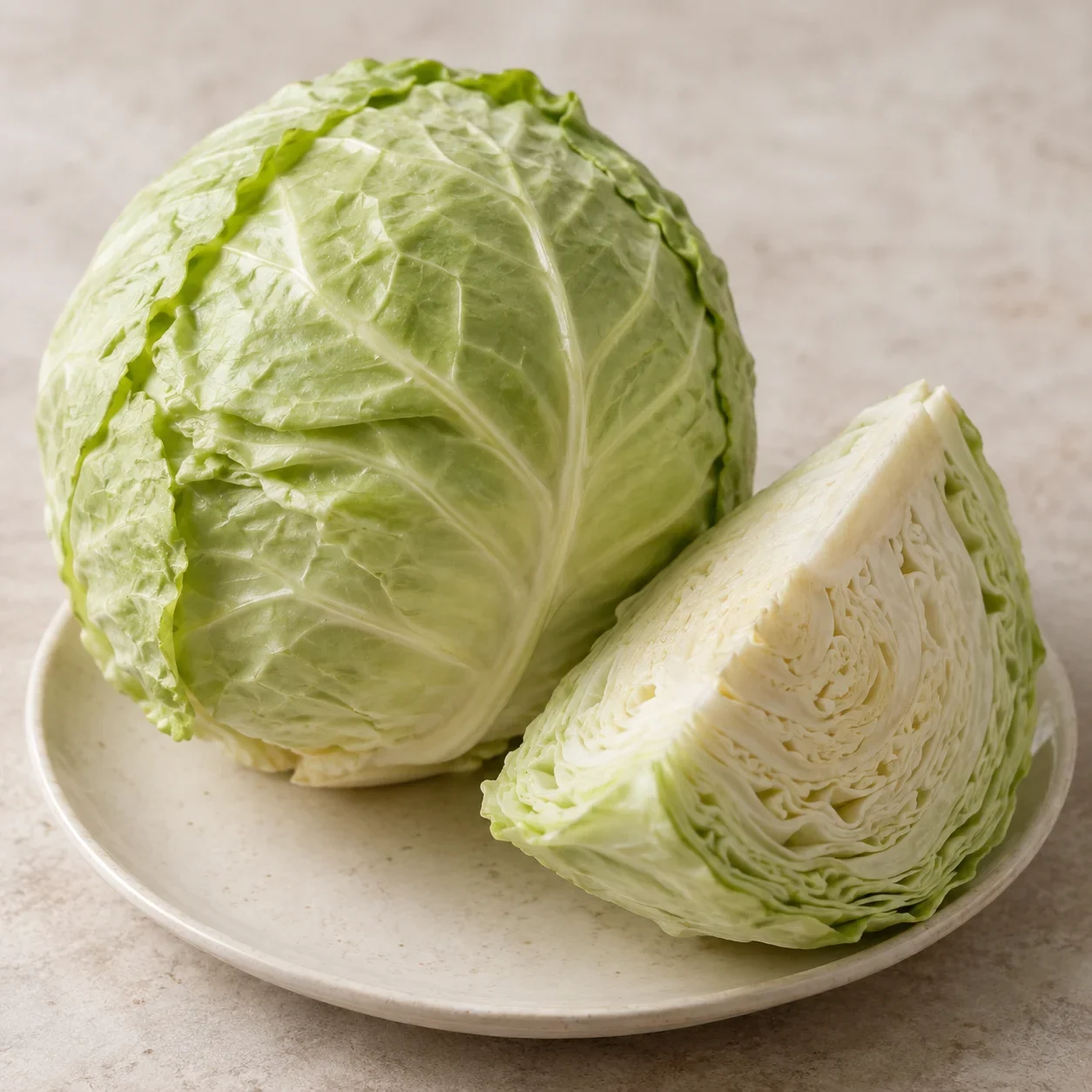
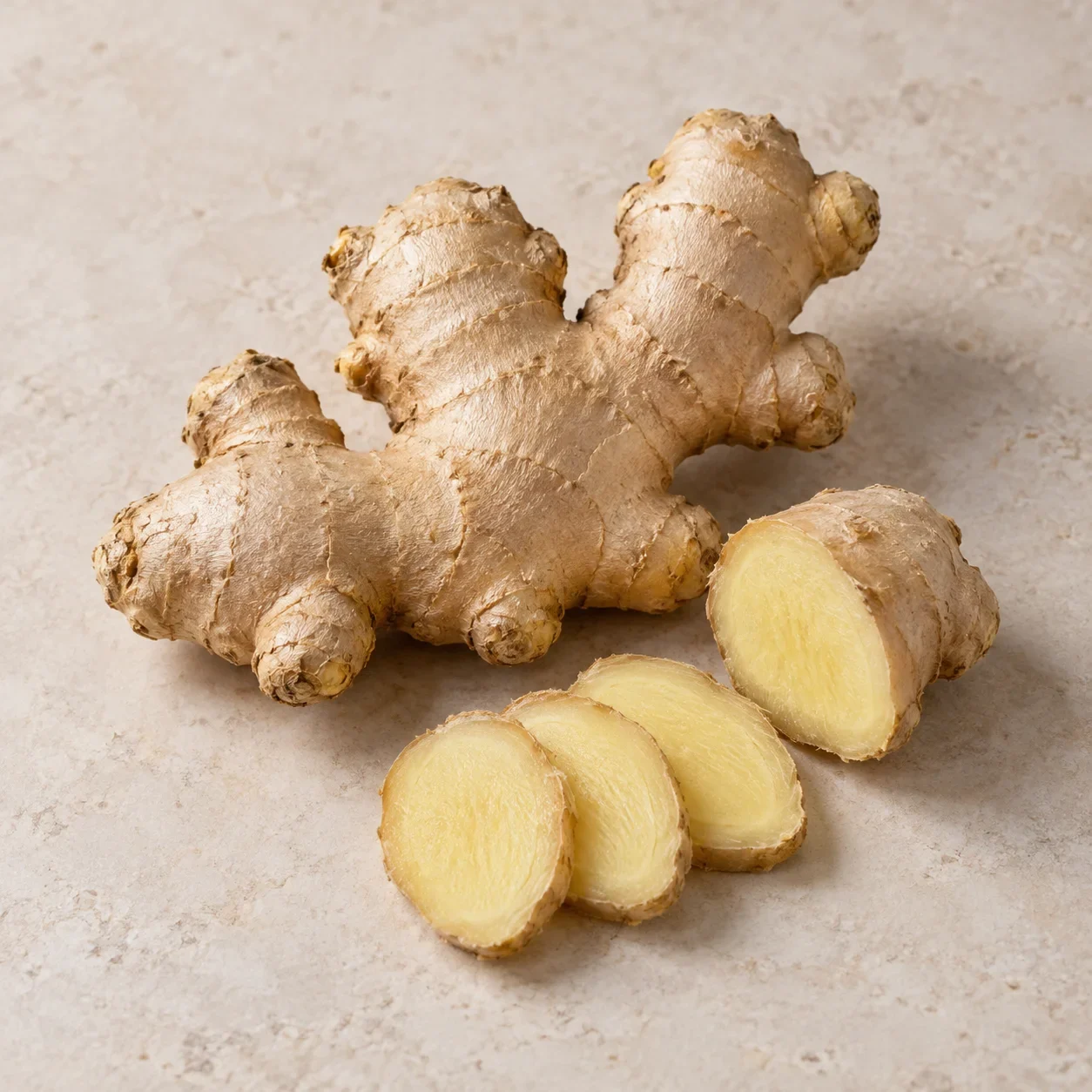
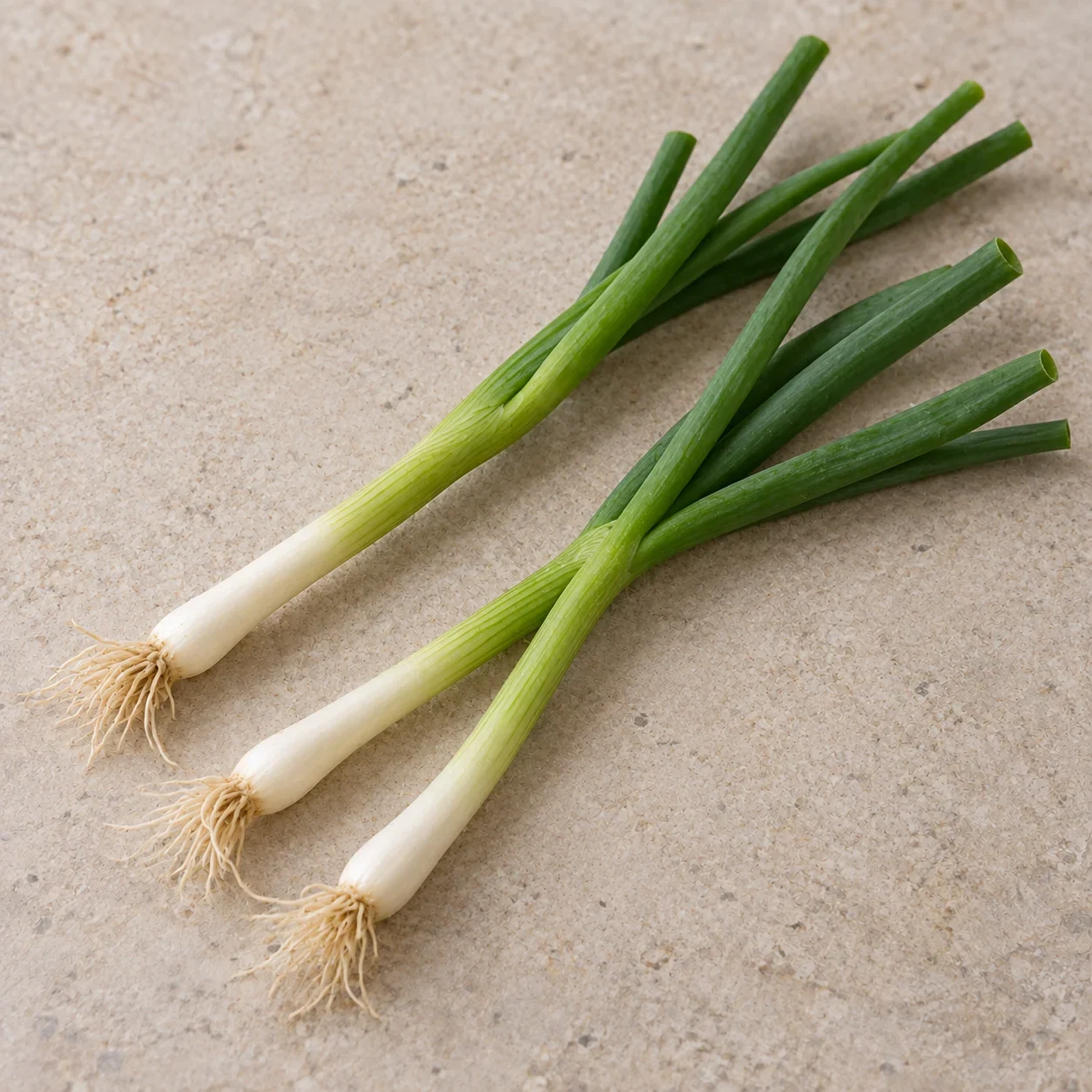
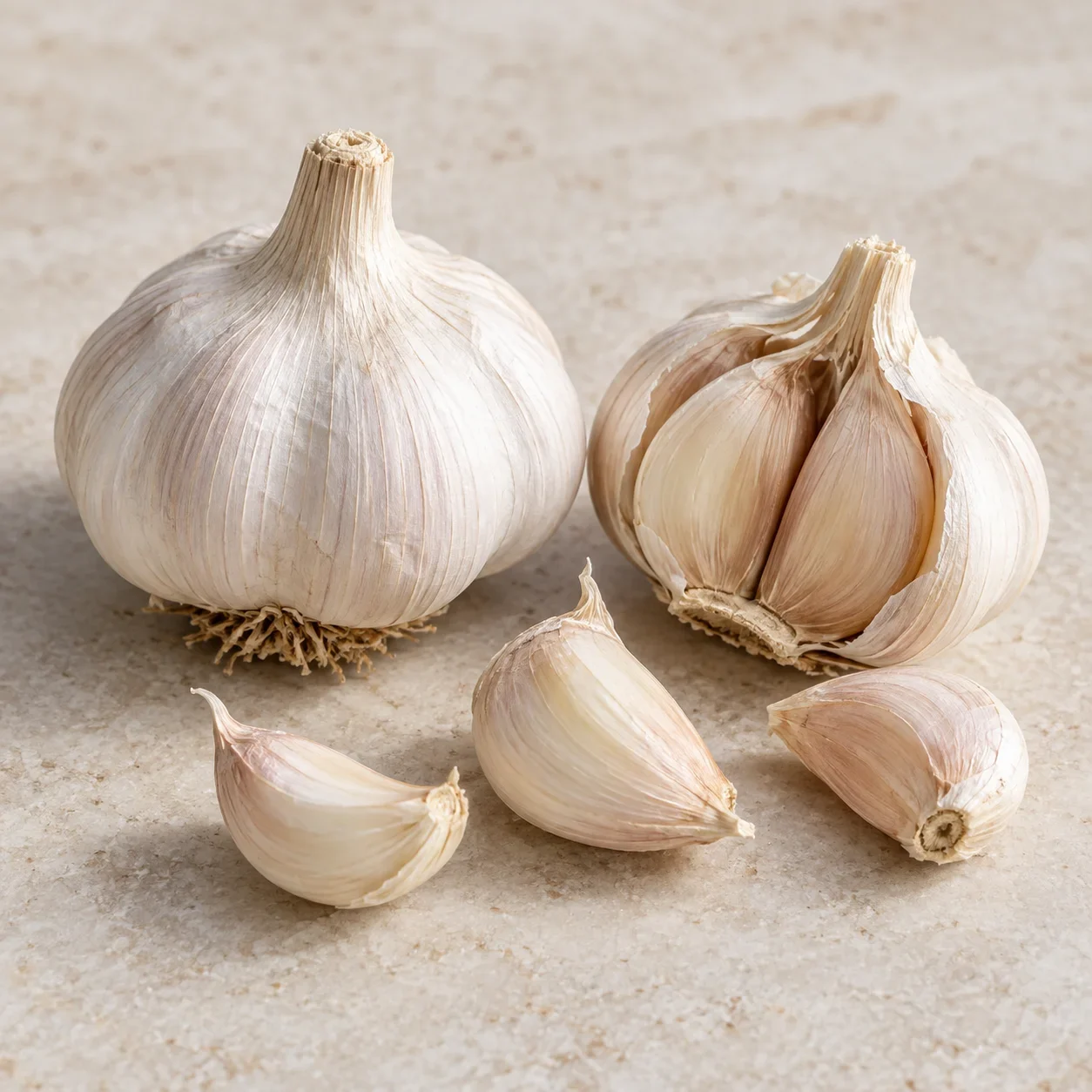
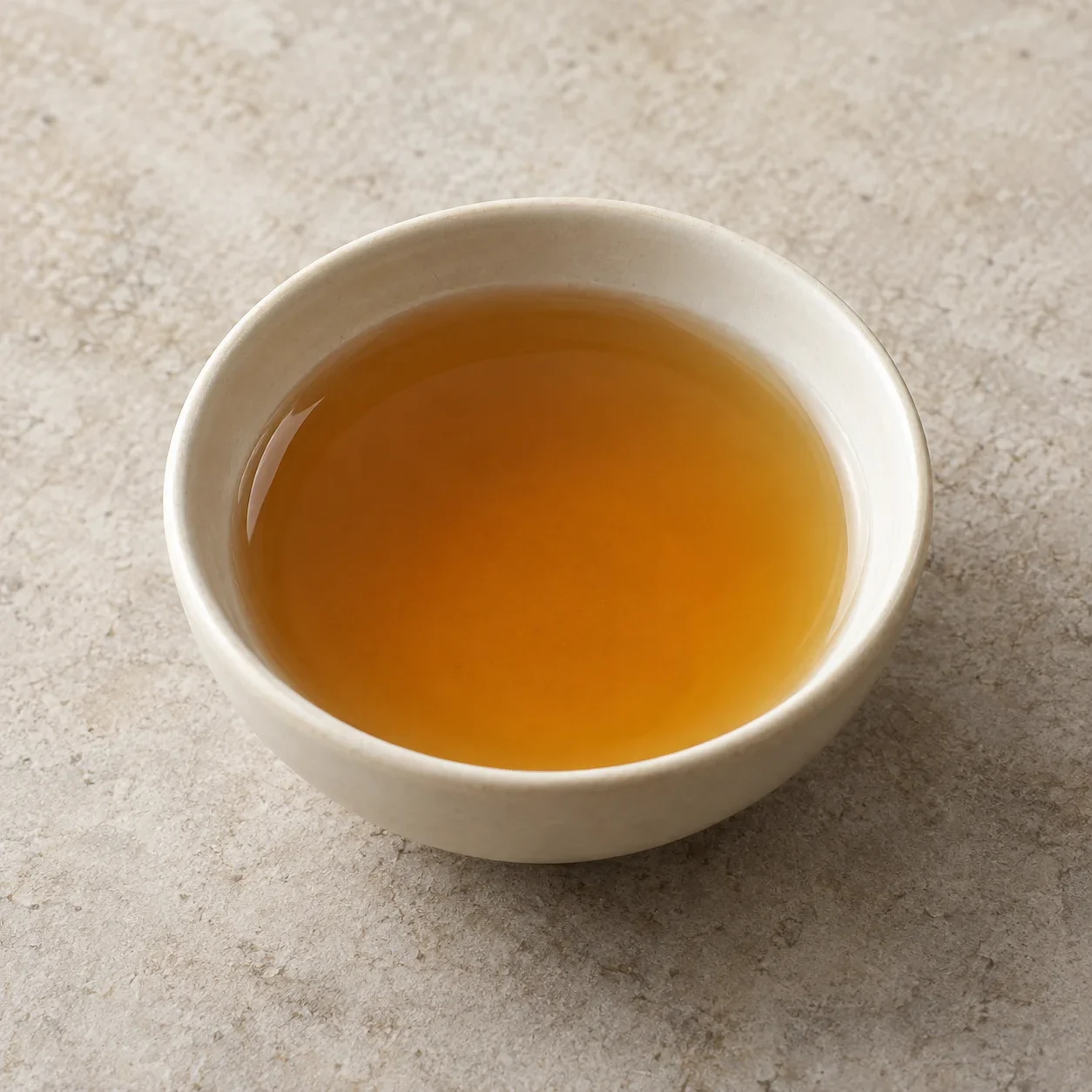
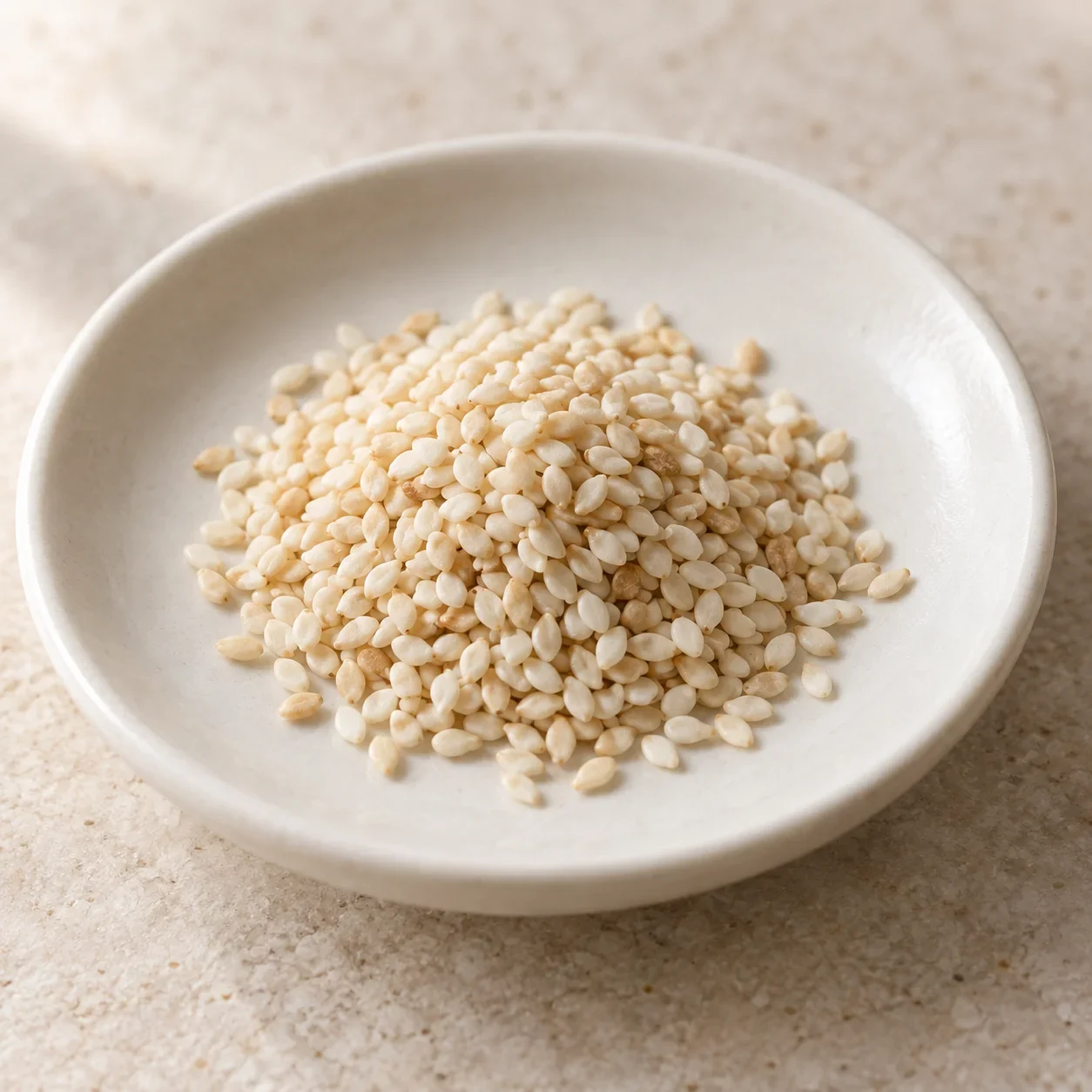
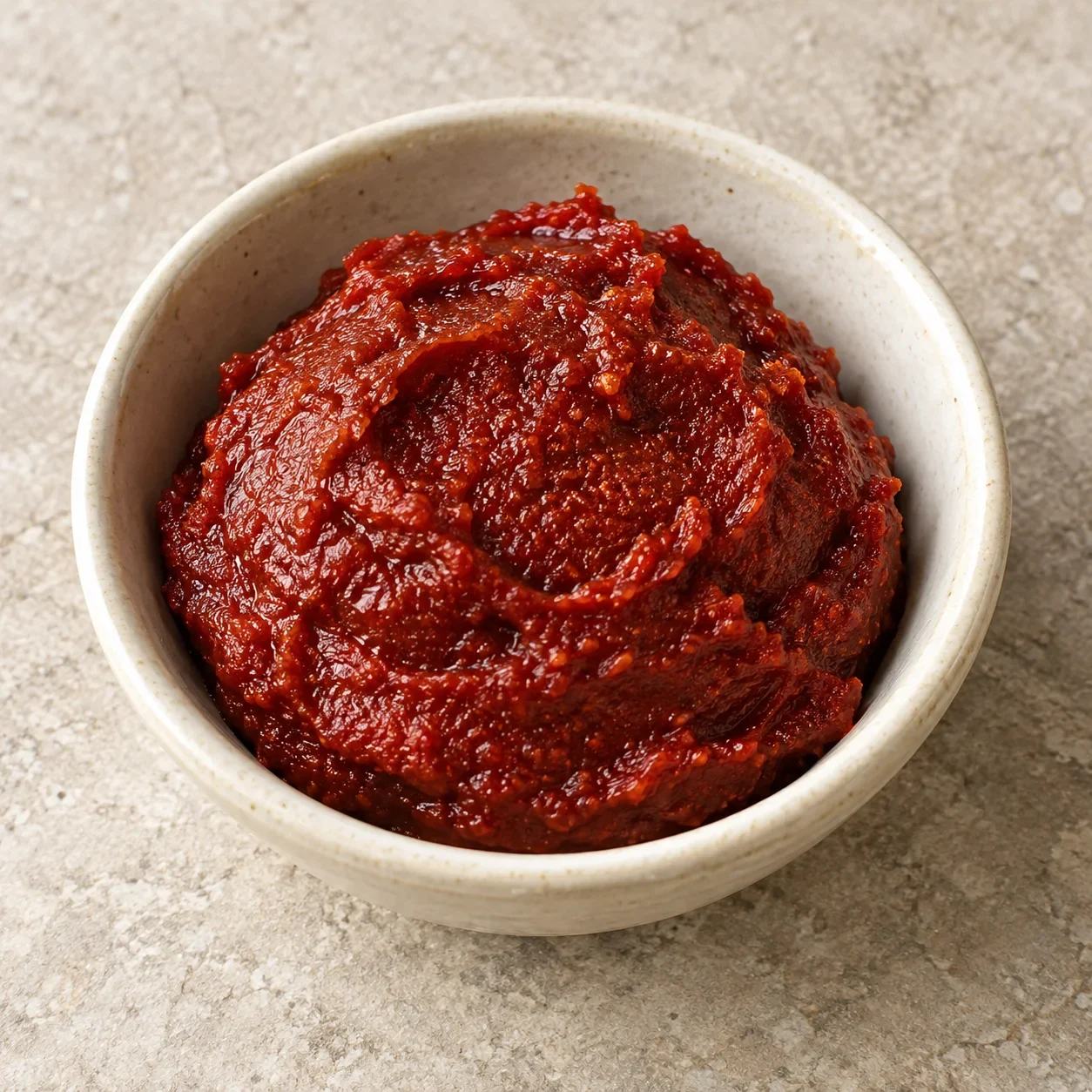
Recipes vary by restaurant.
How does it taste?
Sweet-sour and savory
- Chili heat
- Texture
- Chewy, springy noodles in chilled broth.
- How it’s made
- Press, boil and chill noodles; serve with cold broth and toppings.
Broth flavor and seasonal fruit toppings vary. Apple-pear is one possible fruit topping.
A CONNECTION TO PLACE
Origin & regional roots
Associated with Jilin.
Ask if they have it first
请问你们有延边冷面吗?
Do you have this item?
A LITTLE SOMETHING TO READ
Story & history
The long-life meaning of Yanbian cold noodles
This account describes a tradition or story, rather than an established historical fact.
Yanbian cold noodles carry more than a cool, tangy broth. In Korean-Chinese custom, the long strands are called longevity noodles and are served for festivals, family reunions, birthdays and weddings as a wish for a long life. In Yanji, a local bowl pairs buckwheat noodles with chilled beef-bone broth; some diners dip guobaorou into the soup for a hot-and-cold contrast. The craft of making Korean-Chinese cold noodles entered Jilin’s provincial intangible cultural heritage list in 2007.