At the table
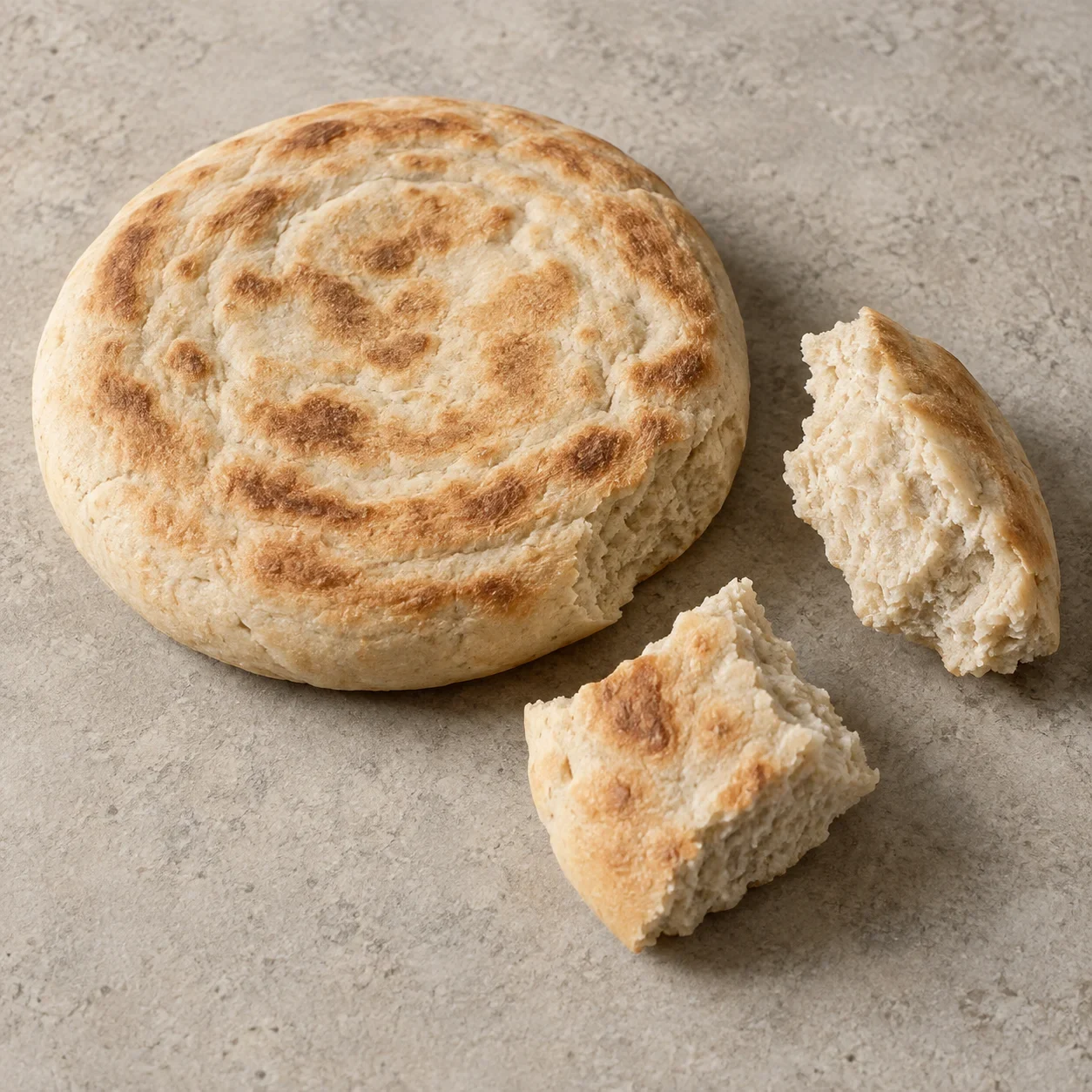
Ask “不要辣椒” (“No chili, please”) for the plain version. Where bread is served first, tear it into small pieces before it goes back to the kitchen.
Contains sheep meat and wheat; not vegetarian or vegan. This broth uses cooking wine. Check noodle starch and condiments for your needs; bread may remain chewy and soup very hot.
The plain version has no chili; dried chili can be added to the broth or chili paste served separately. Seasonings vary by maker.
GET TO KNOW THE DISH
What goes into it?
Explore some key ingredients below. Preparations may use additional seasonings and ingredients.
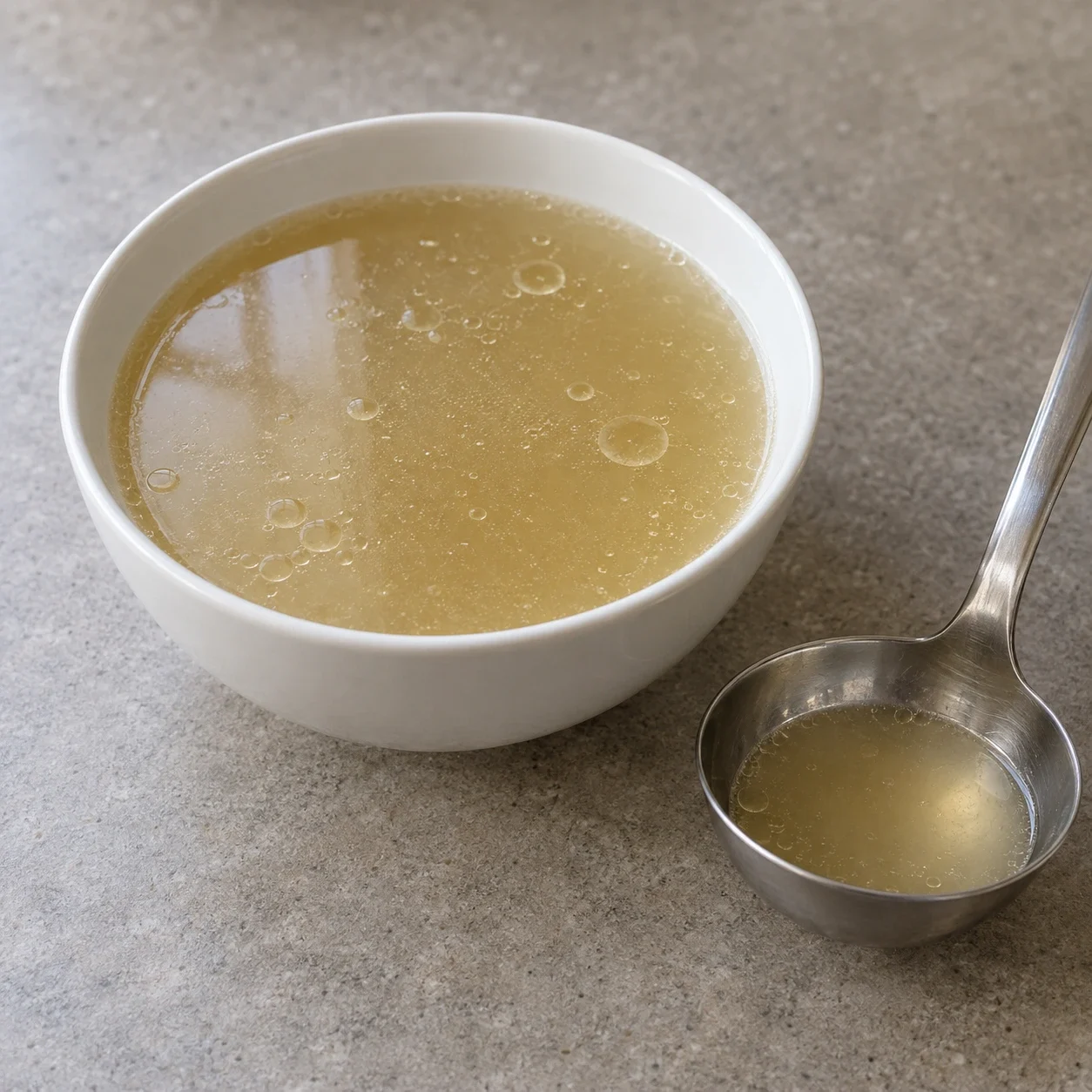
Some shops use beef or mixed stock and fats. Soup levels range from almost dry to a ring of broth.
Typical ingredients

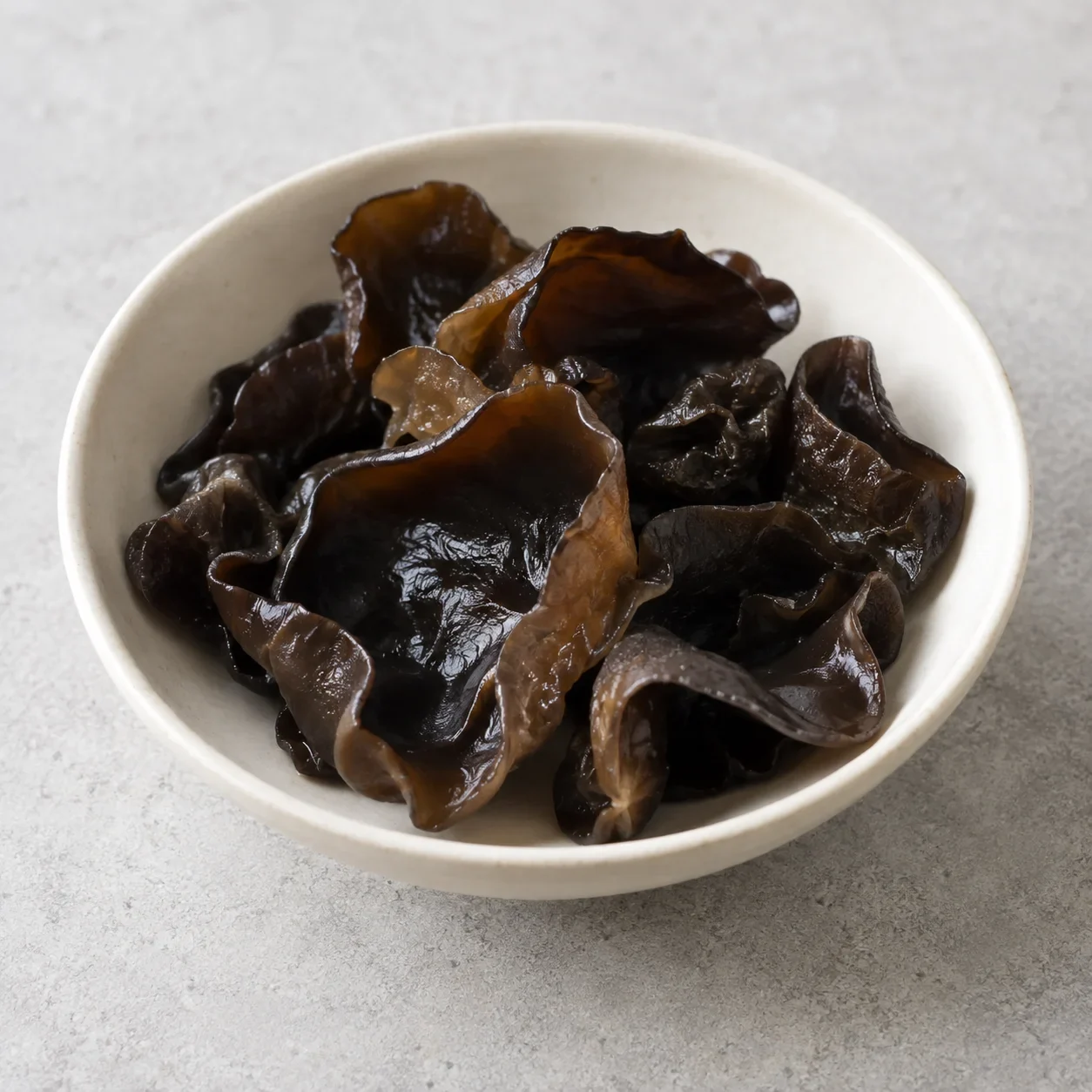
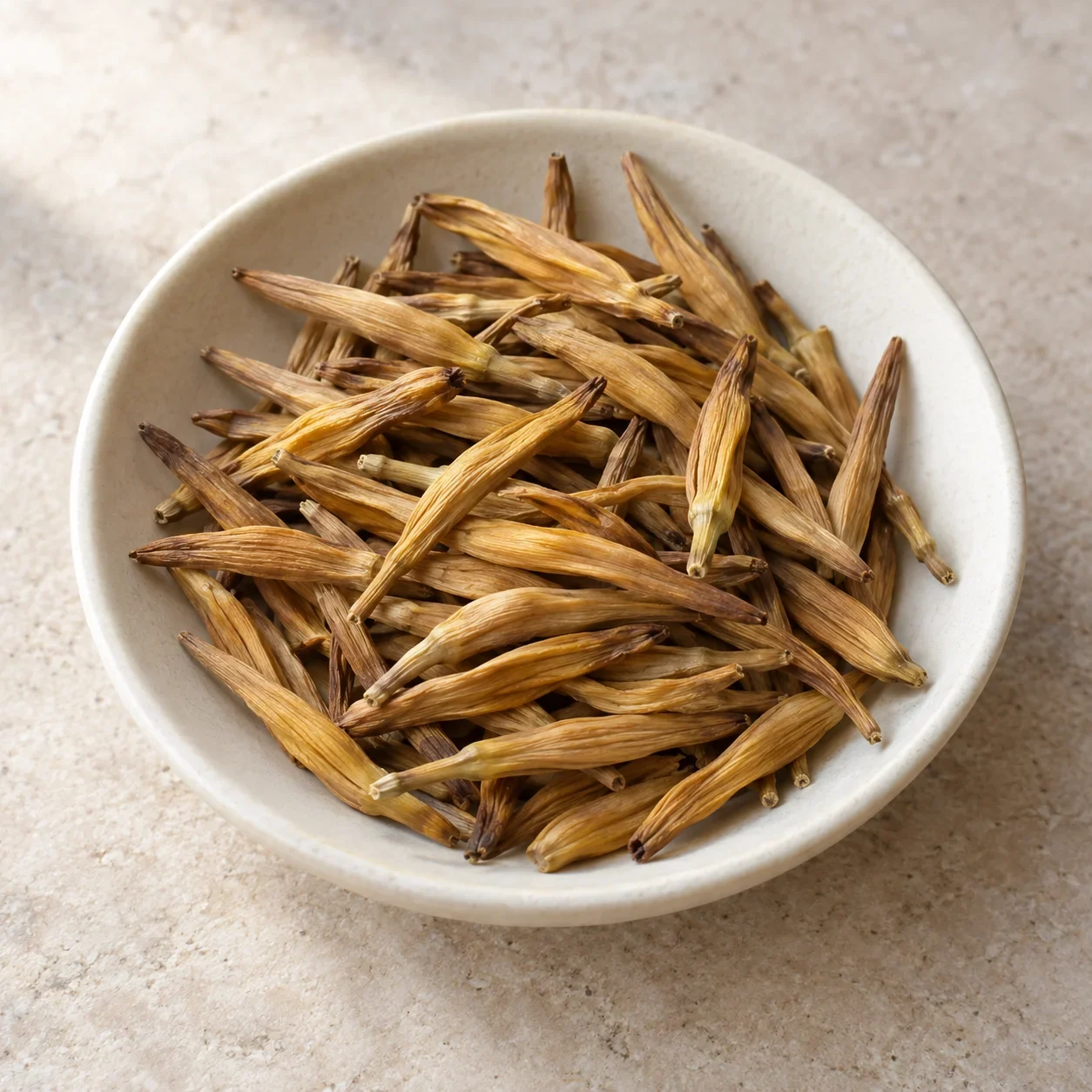
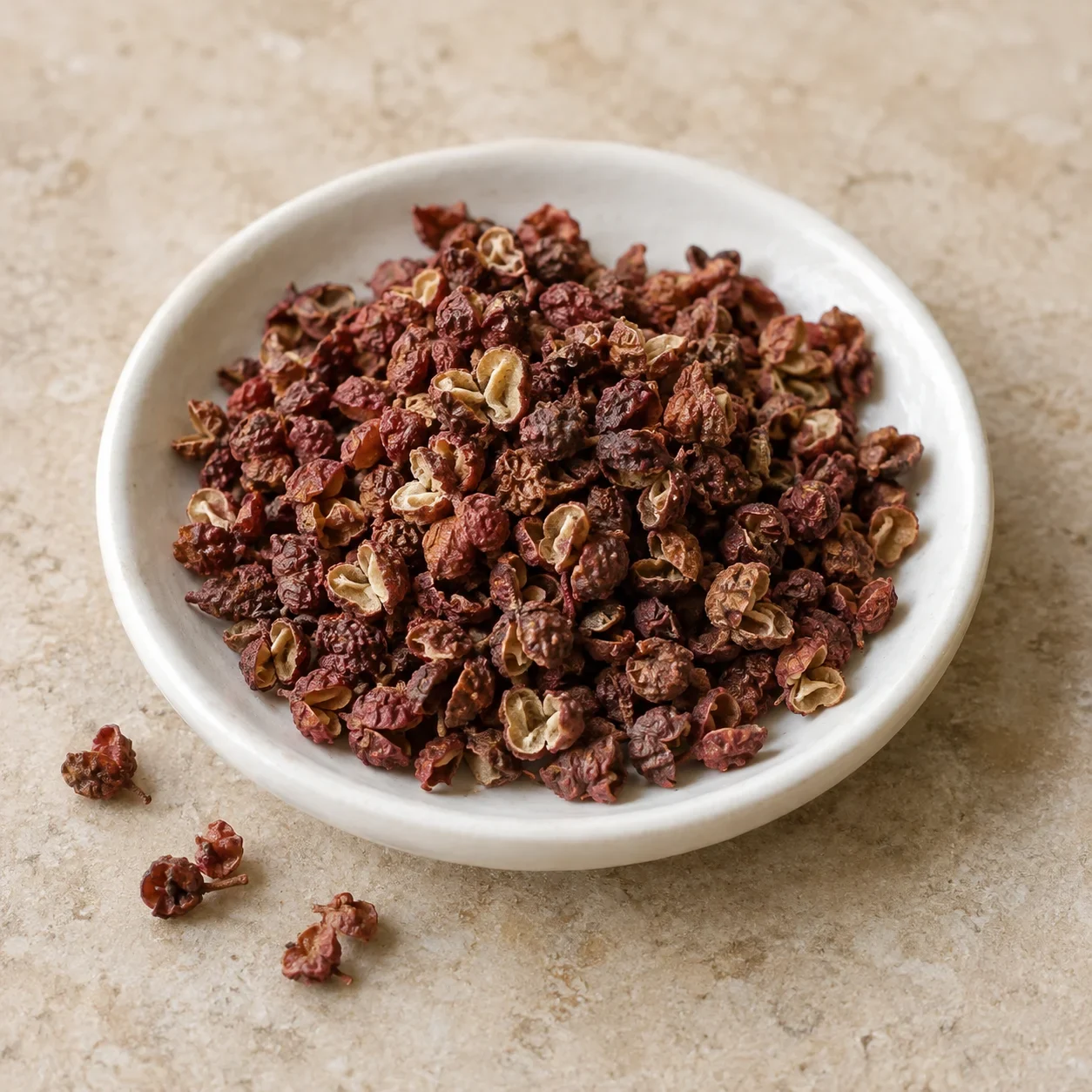
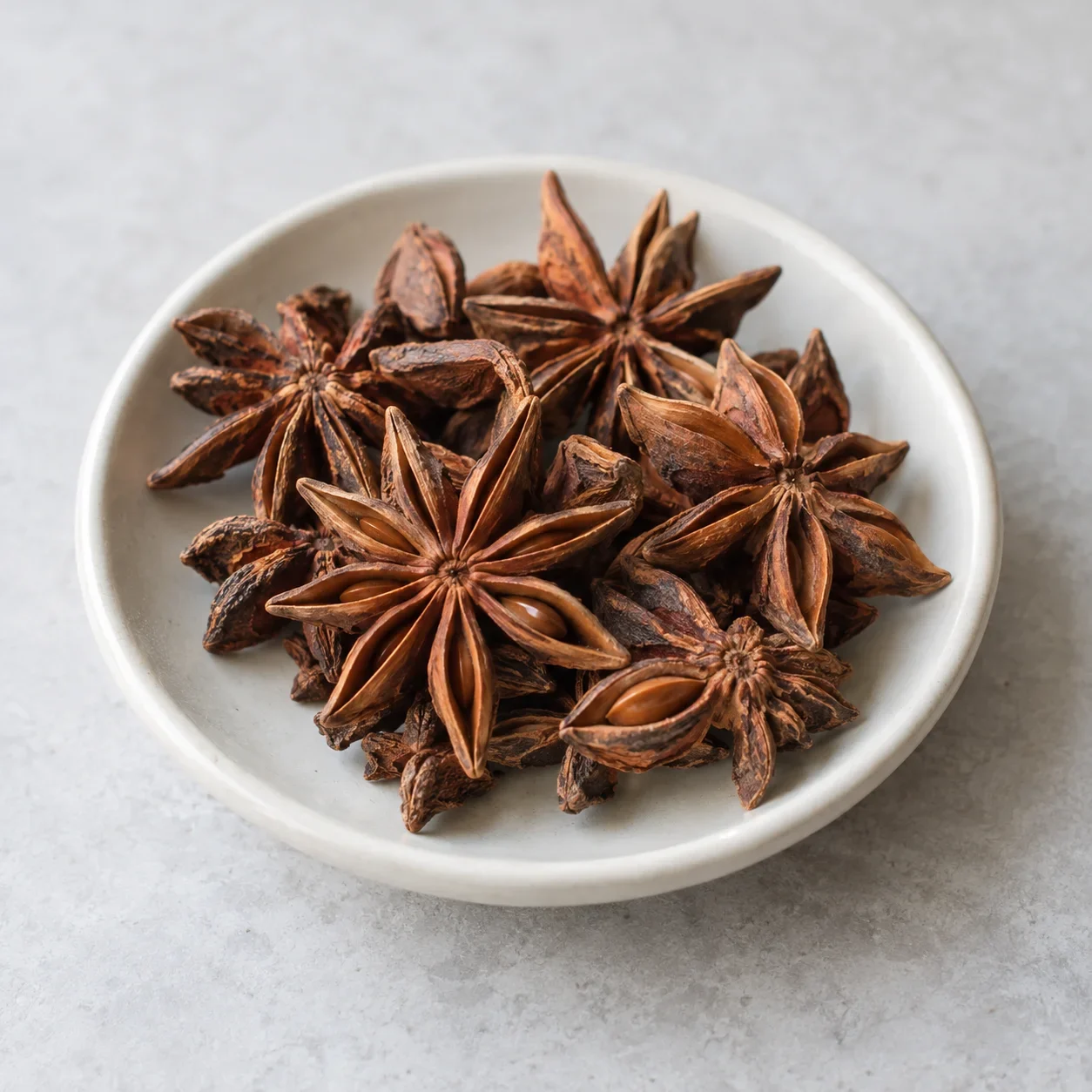
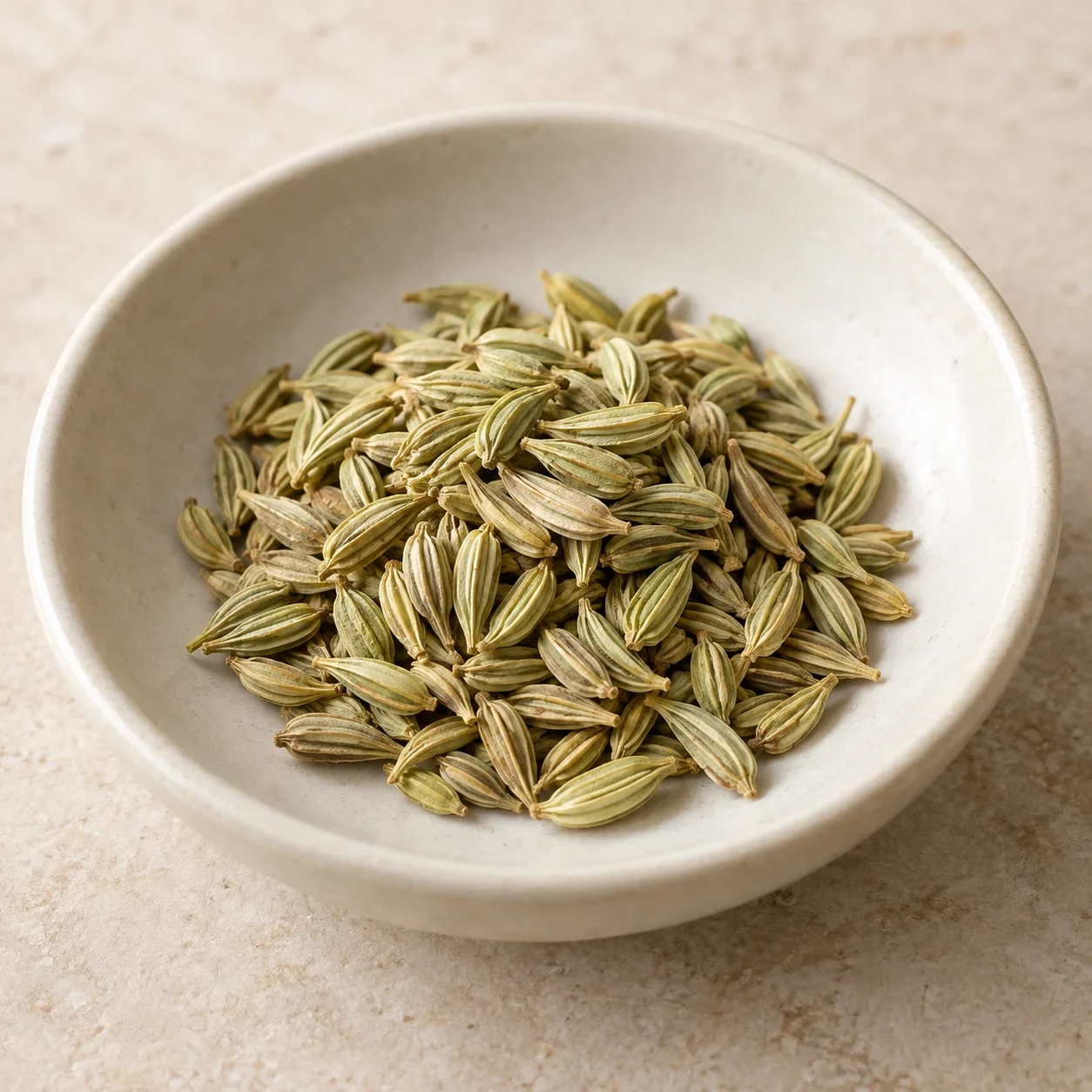
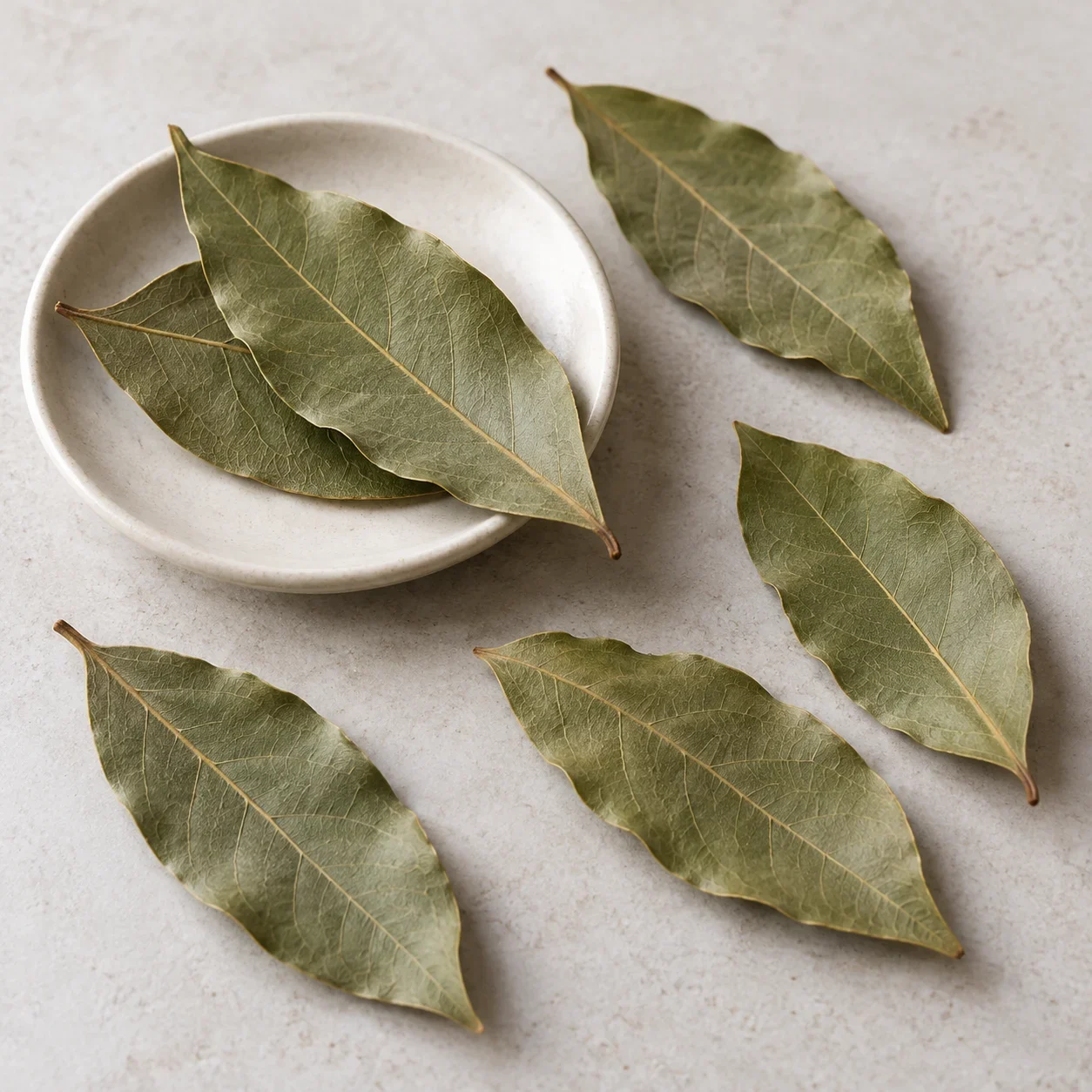
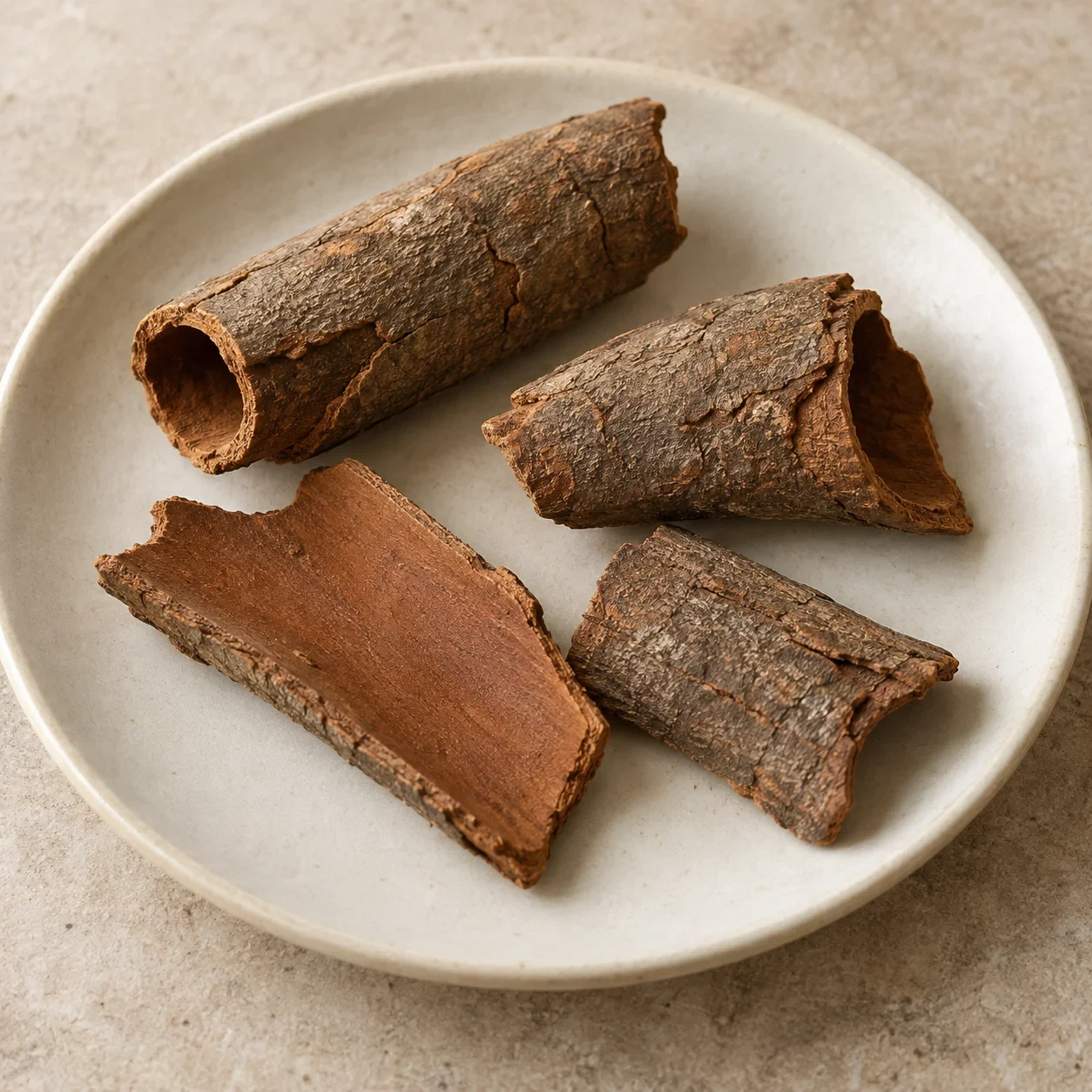
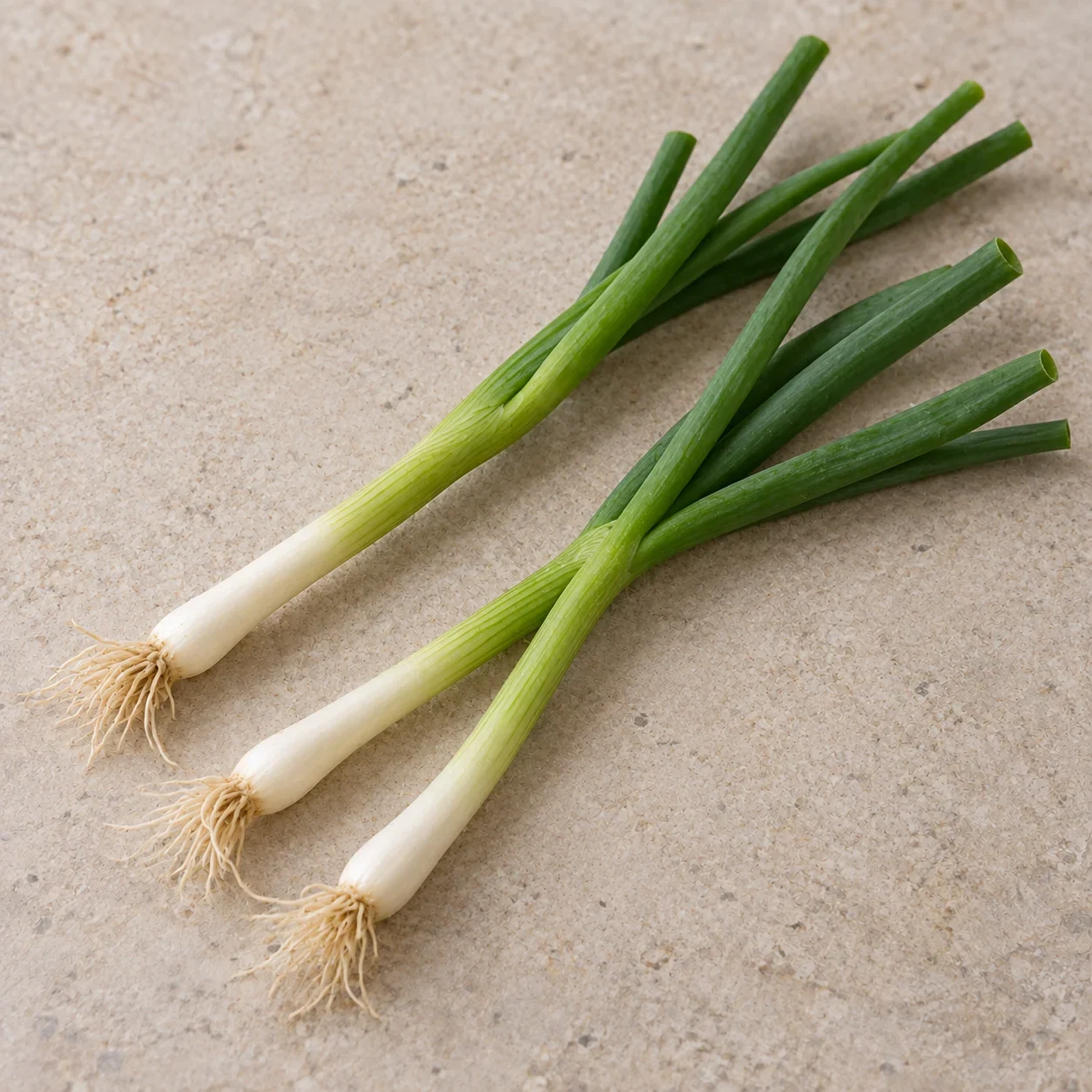
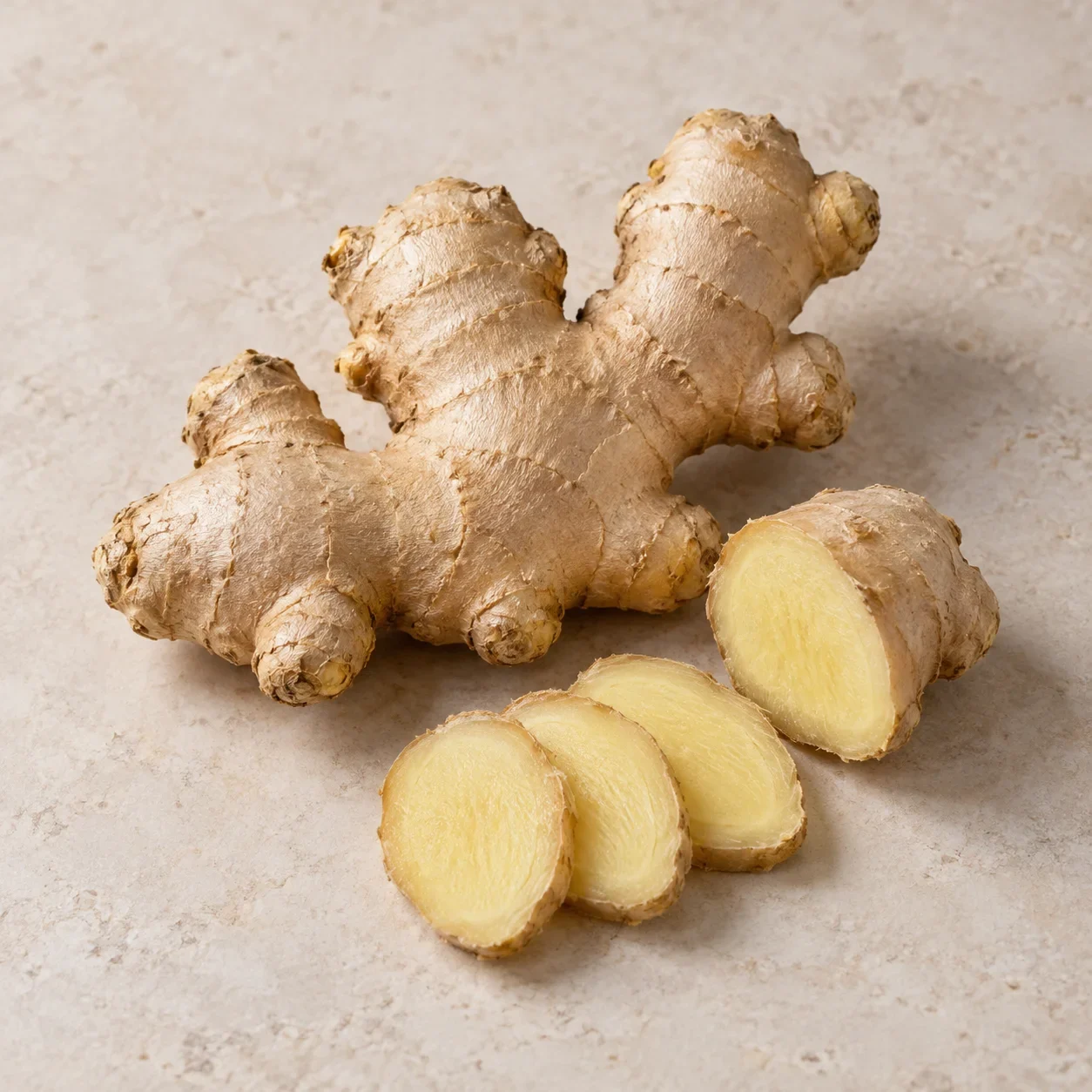
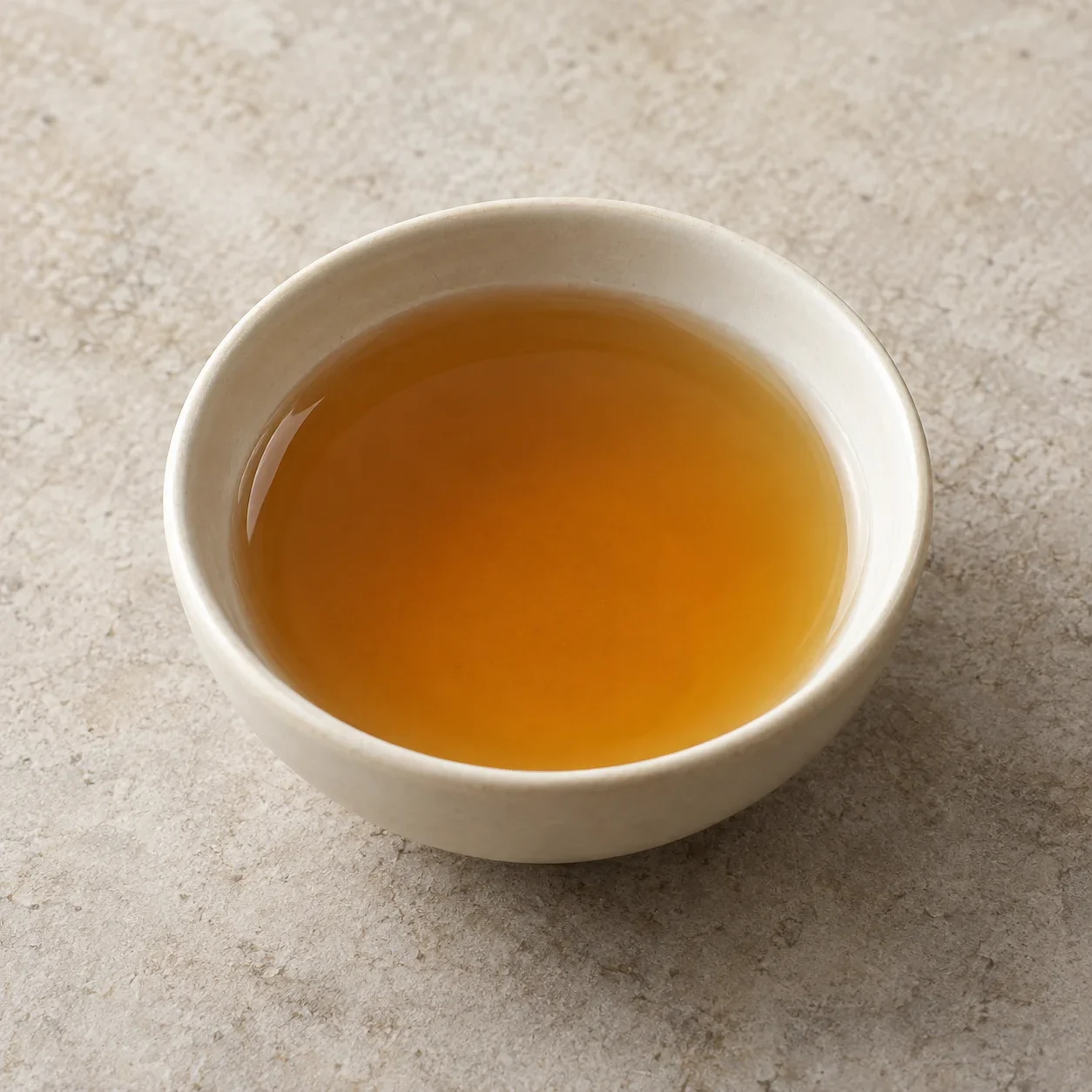

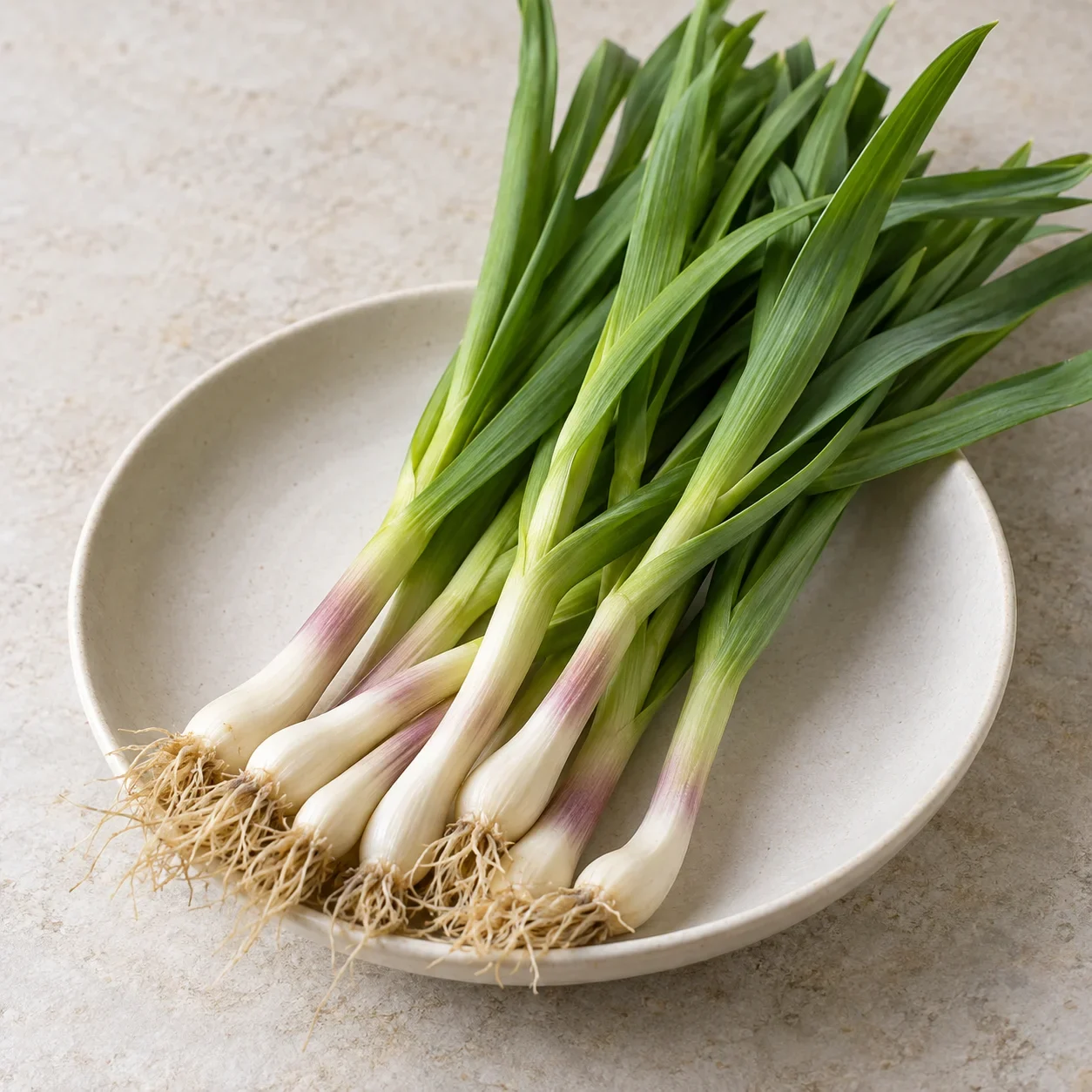
In some versions
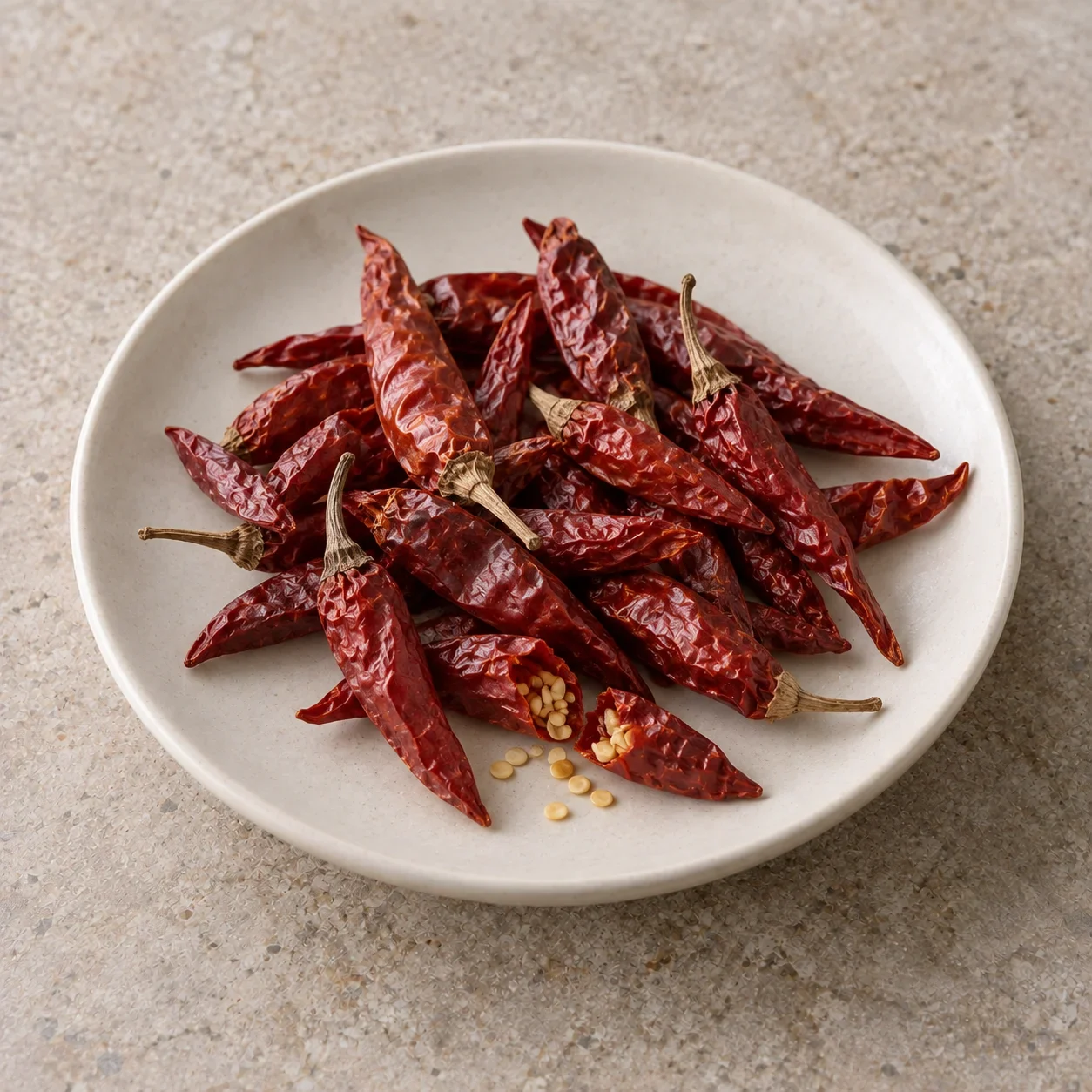
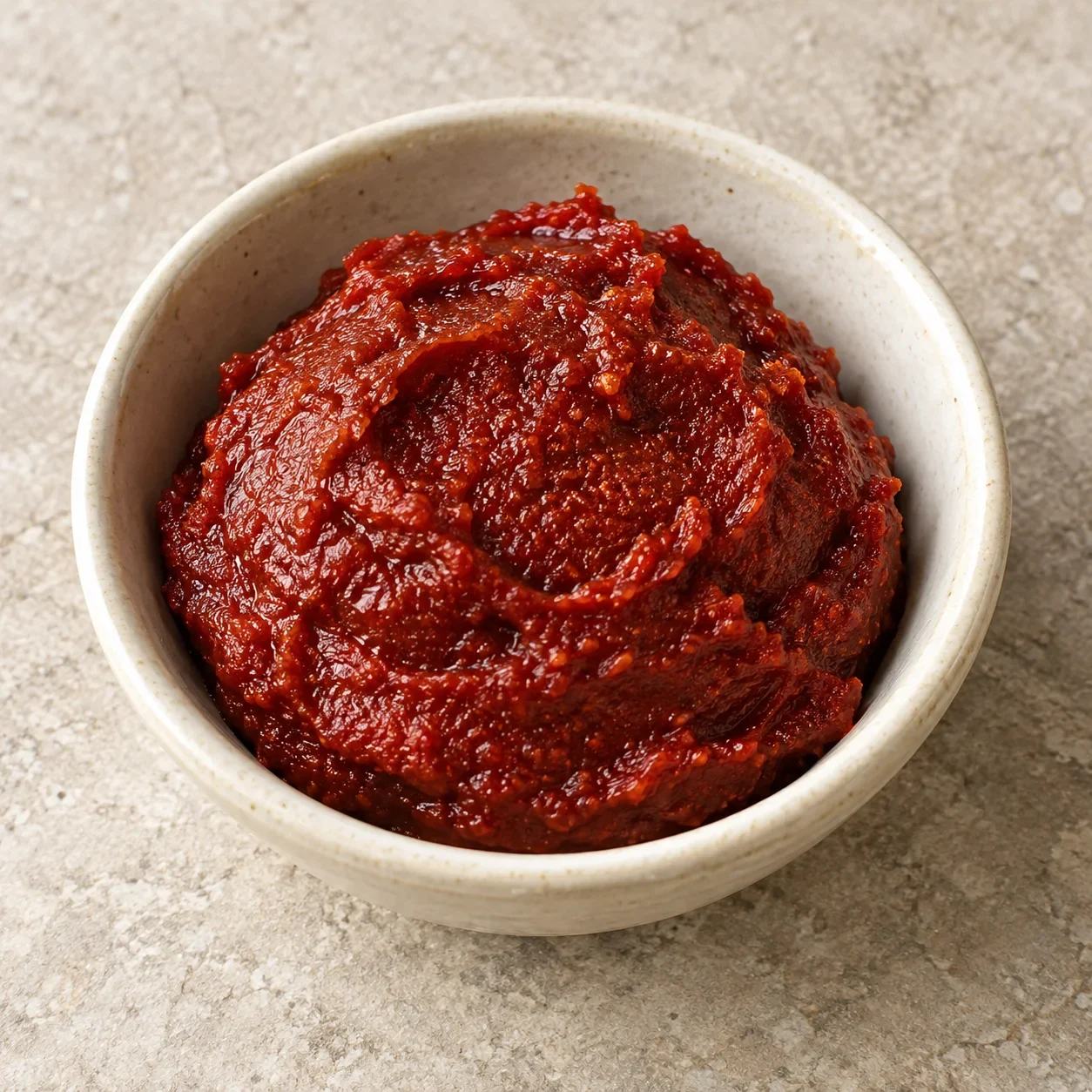
Recipes vary by restaurant.
How does it taste?
Rich sheep broth, warm spices and green garlic; chili is optional.
- Chili heat
- Texture
- Firm bread softens as it takes up broth.
- How it’s made
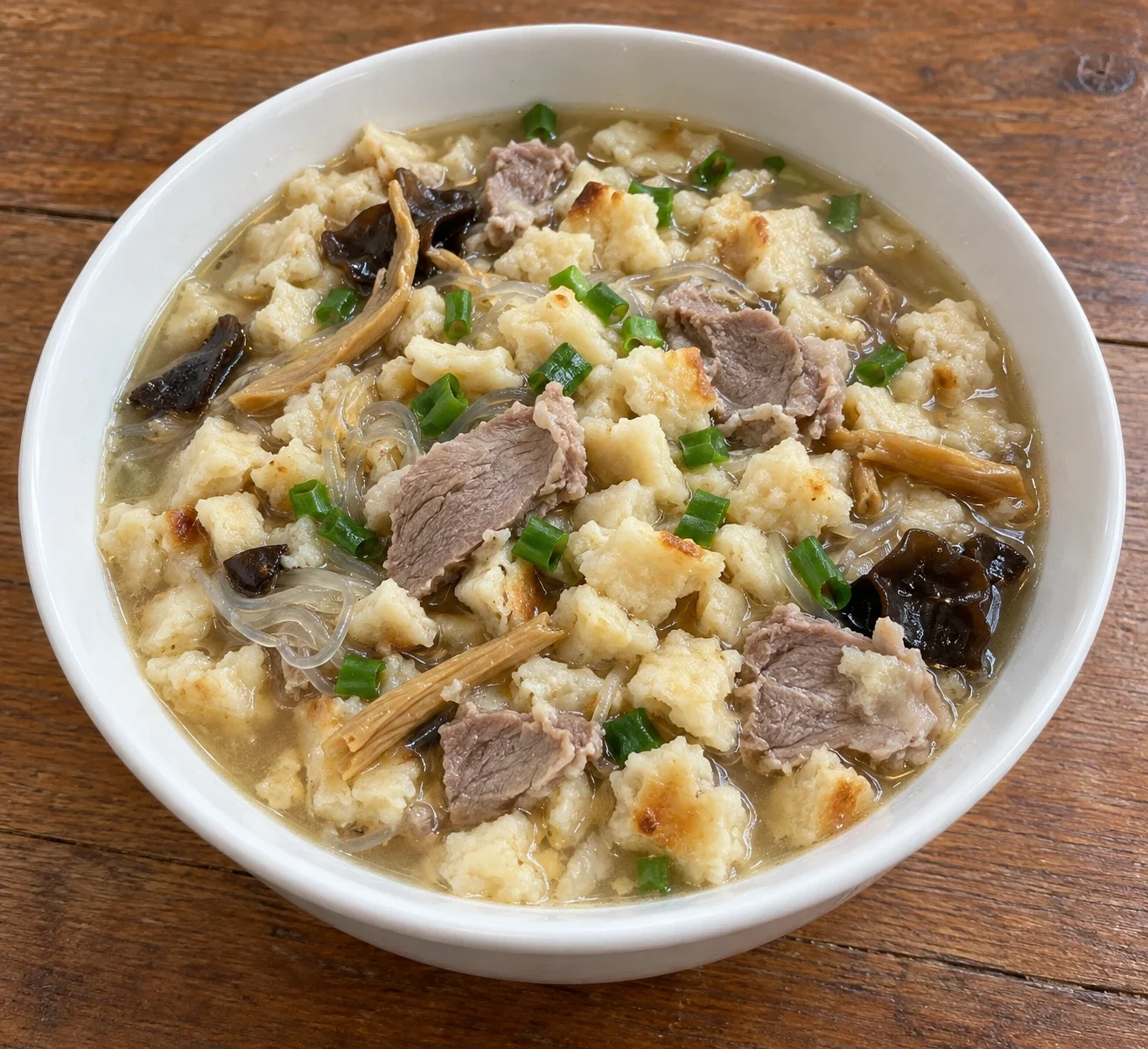
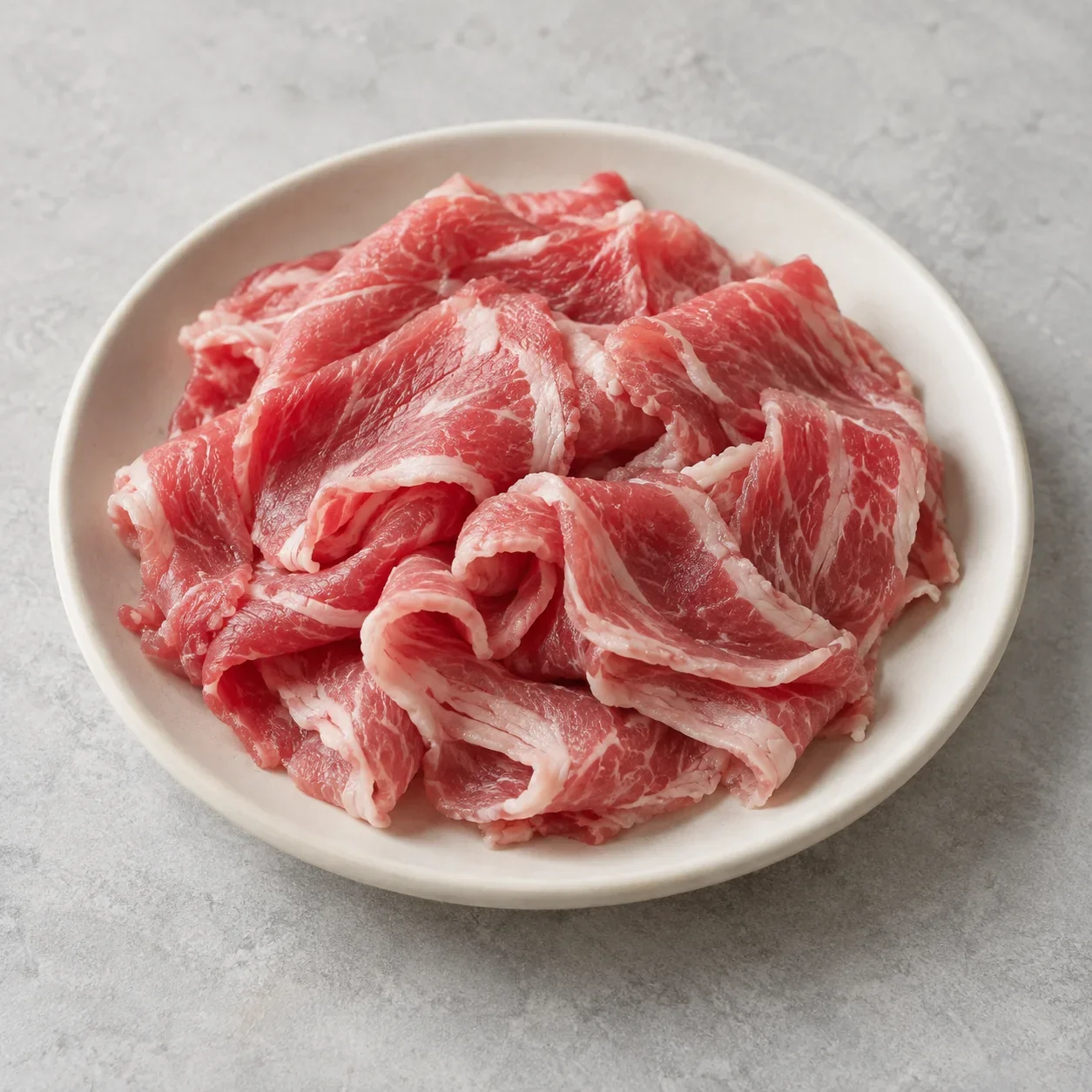
- Simmer sheep meat and bones with aromatics, then cook small bread pieces, glass noodles, wood ear and rehydrated daylily buds in the broth. Finish with sliced meat and green garlic.
Some shops use beef or mixed stock and fats. Soup levels range from almost dry to a ring of broth.
A CONNECTION TO PLACE
Origin & regional roots
Associated with Shaanxi.
Ask if they have it first
请问你们有羊肉泡馍吗?
Do you have this item?
A LITTLE SOMETHING TO READ
Story & history
A bowl shaped by the bread
This account describes a tradition or story, rather than an established historical fact.
In Xi’an, paomo is as much about the bread as the soup. In cooked-together styles, small pieces take up meat broth in the pan. Traditional names such as ganba, koutang and shuiweicheng describe different amounts of soup. Ask how much broth you would like, and confirm the meat and stock.