
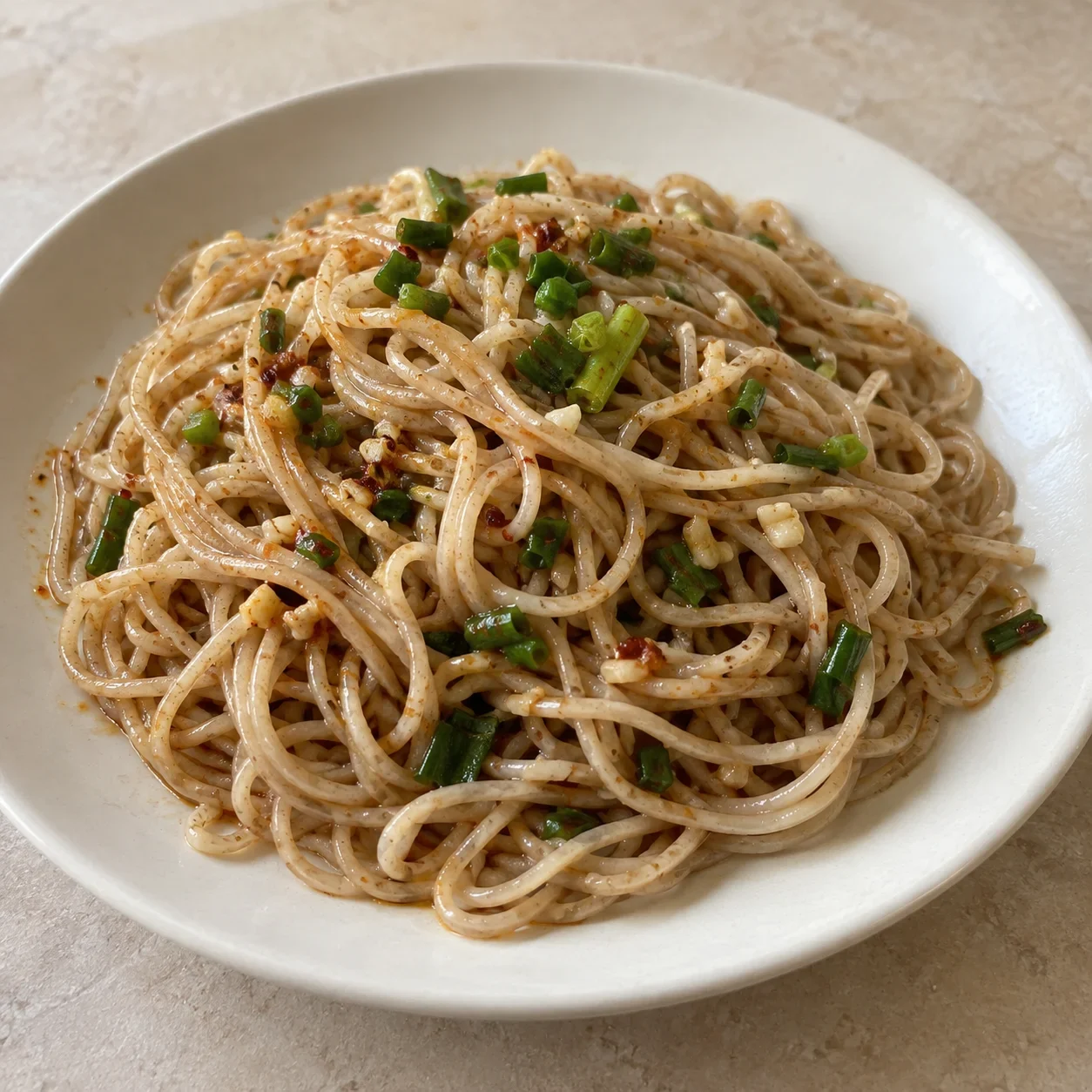
At the table
Gently mix the noodles with the dressing and take small mouthfuls. Ask for less chili oil or for it on the side if you prefer a milder serving.
Contains oats. Check the flour and preparation rather than assuming the dish is gluten-free. Dressings may contain sesame oil, oyster sauce or chicken seasoning; confirm sauces and cooking fat for allergies or dietary restrictions. Chili heat varies.
GET TO KNOW THE DISH
What goes into it?
Explore some key ingredients below. Preparations may use additional seasonings and ingredients.
Salted or cooked Chinese chives can be added. Some home versions steam sheets and cut them into strips; dressings may include sesame oil, oyster sauce, chicken seasoning or spice blends.
Typical ingredients
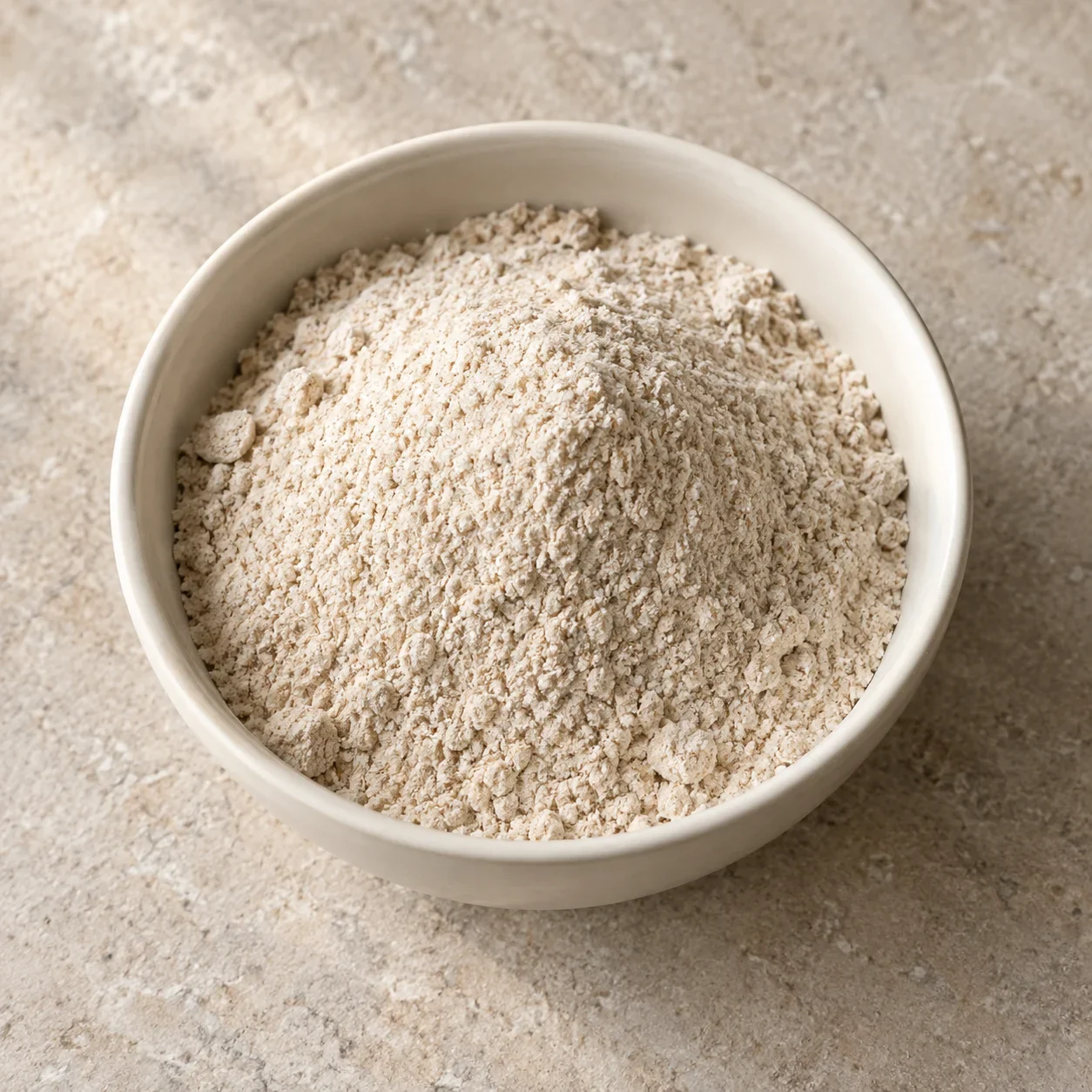
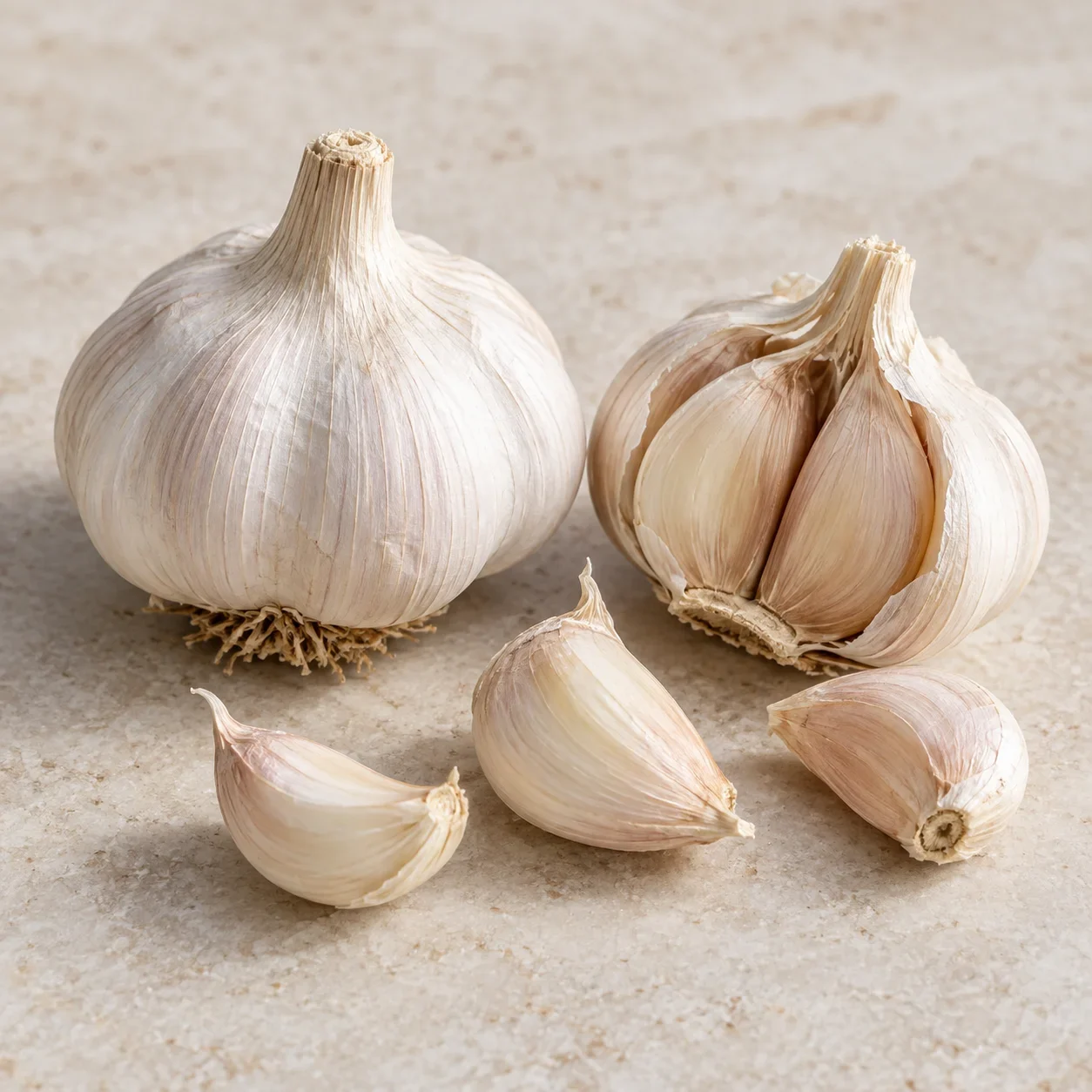
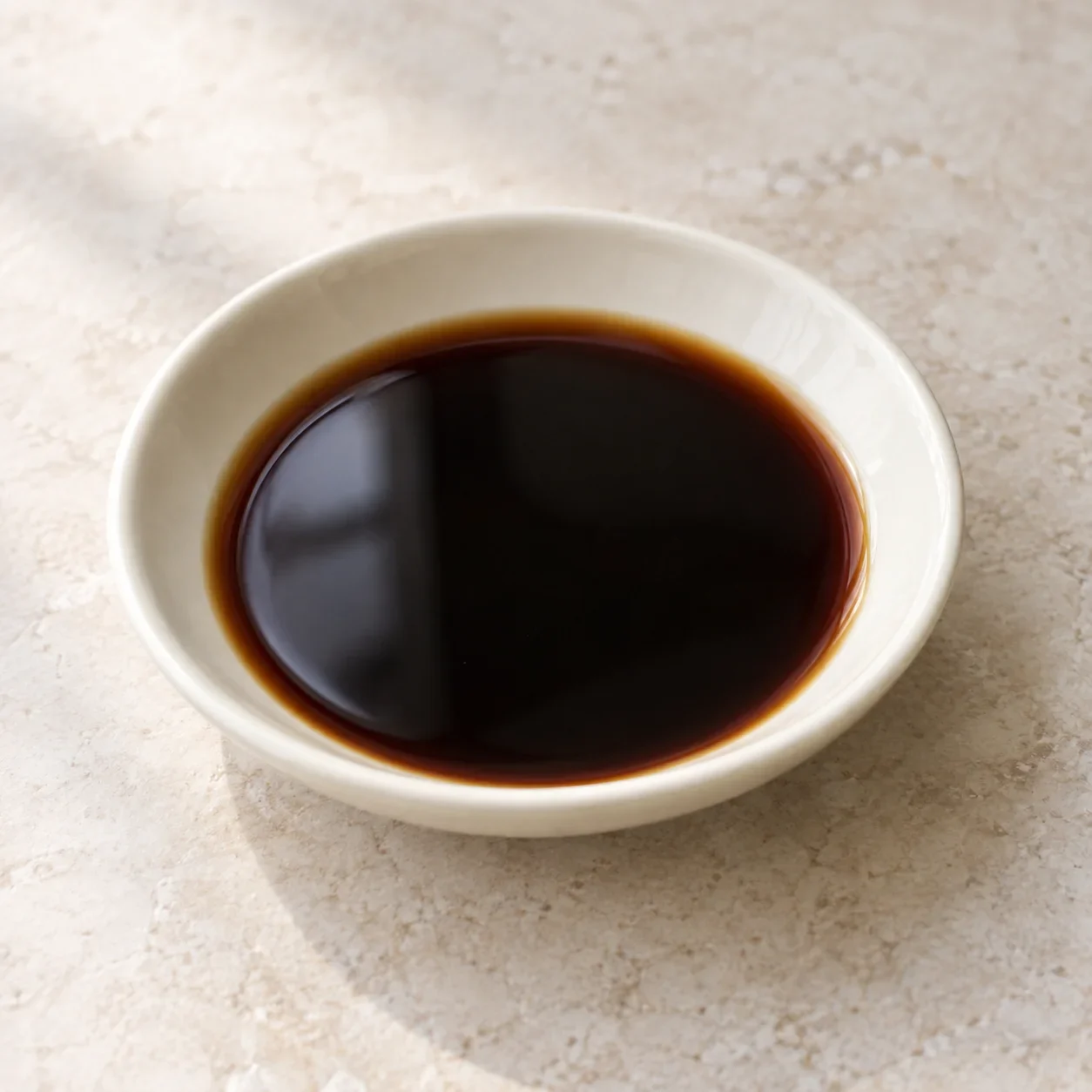
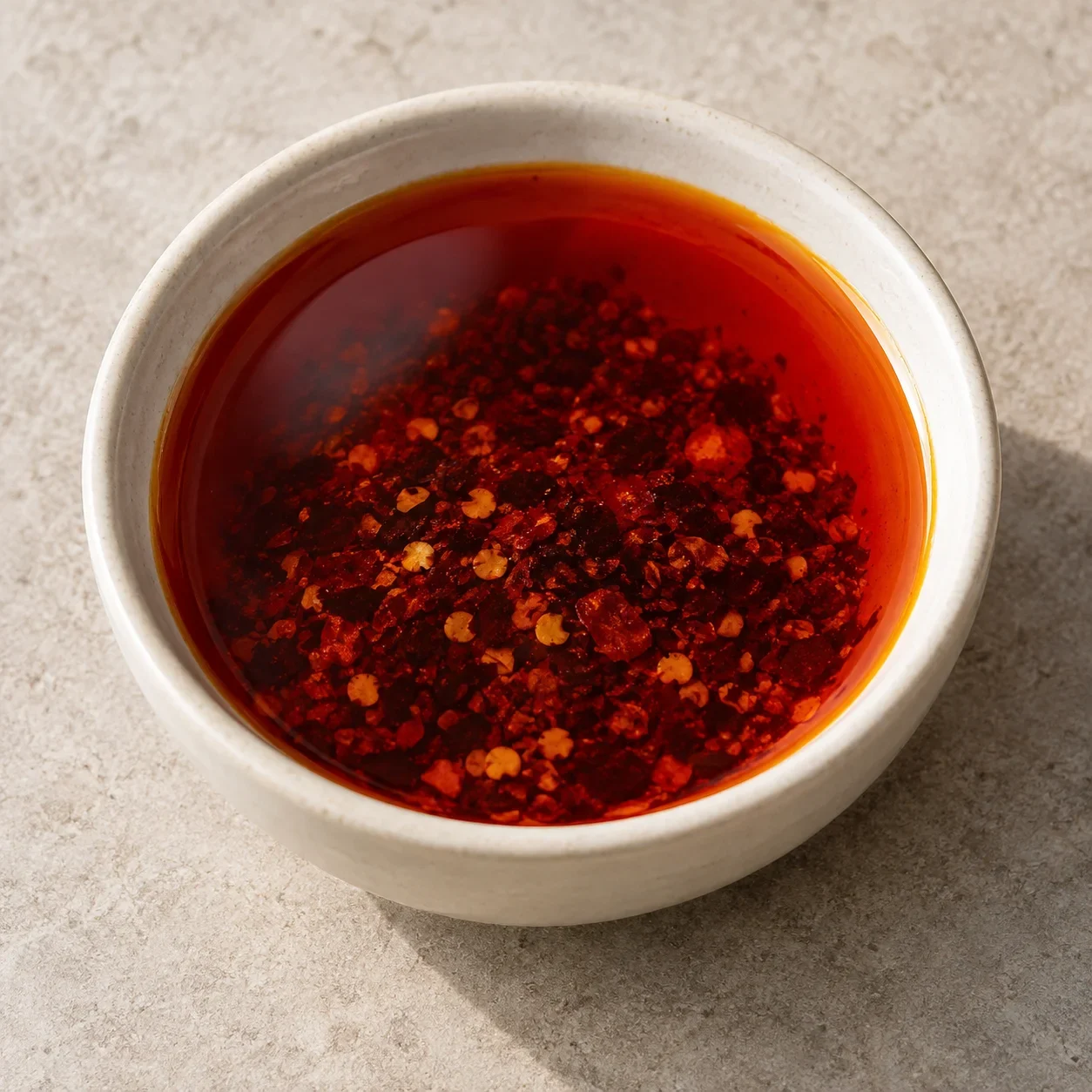
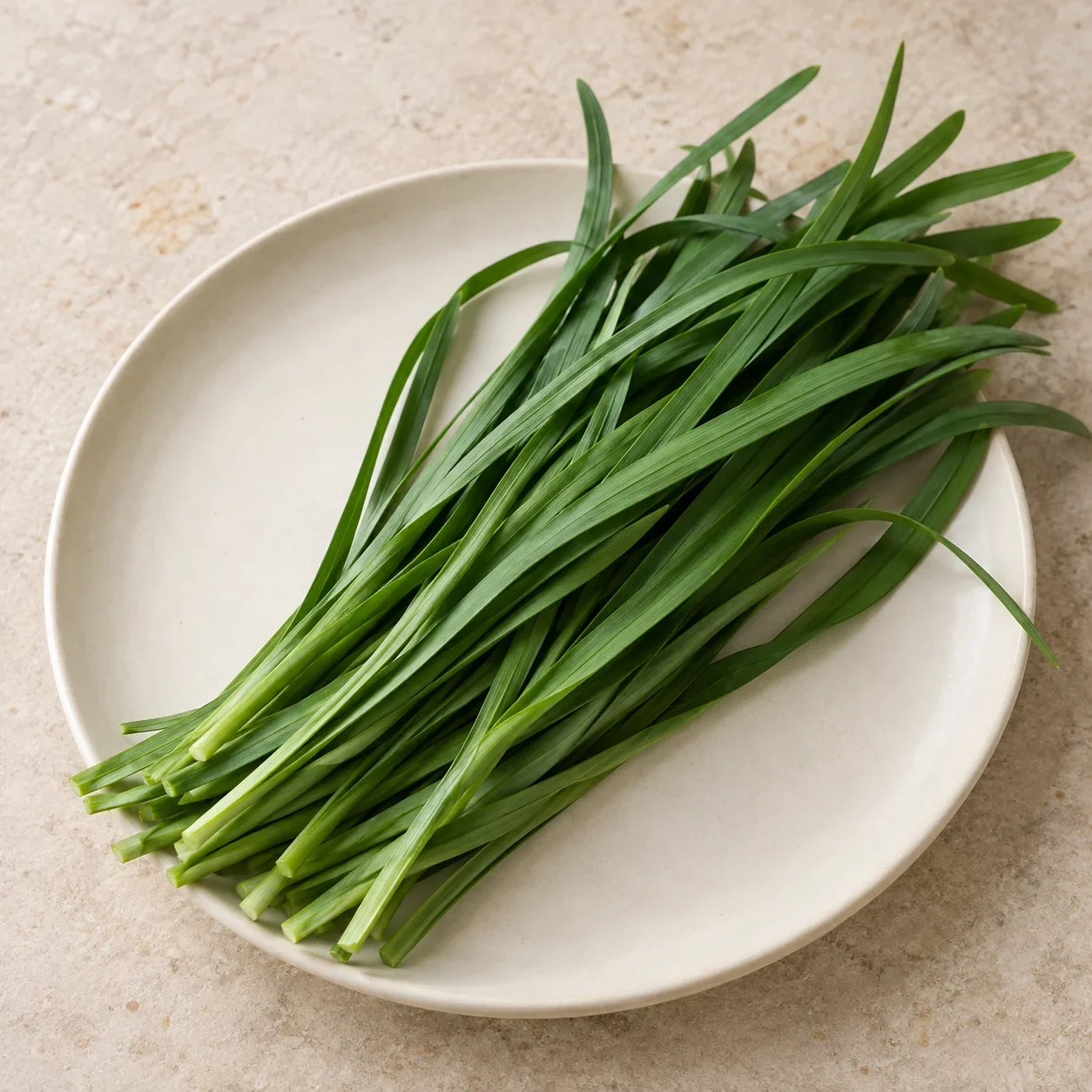
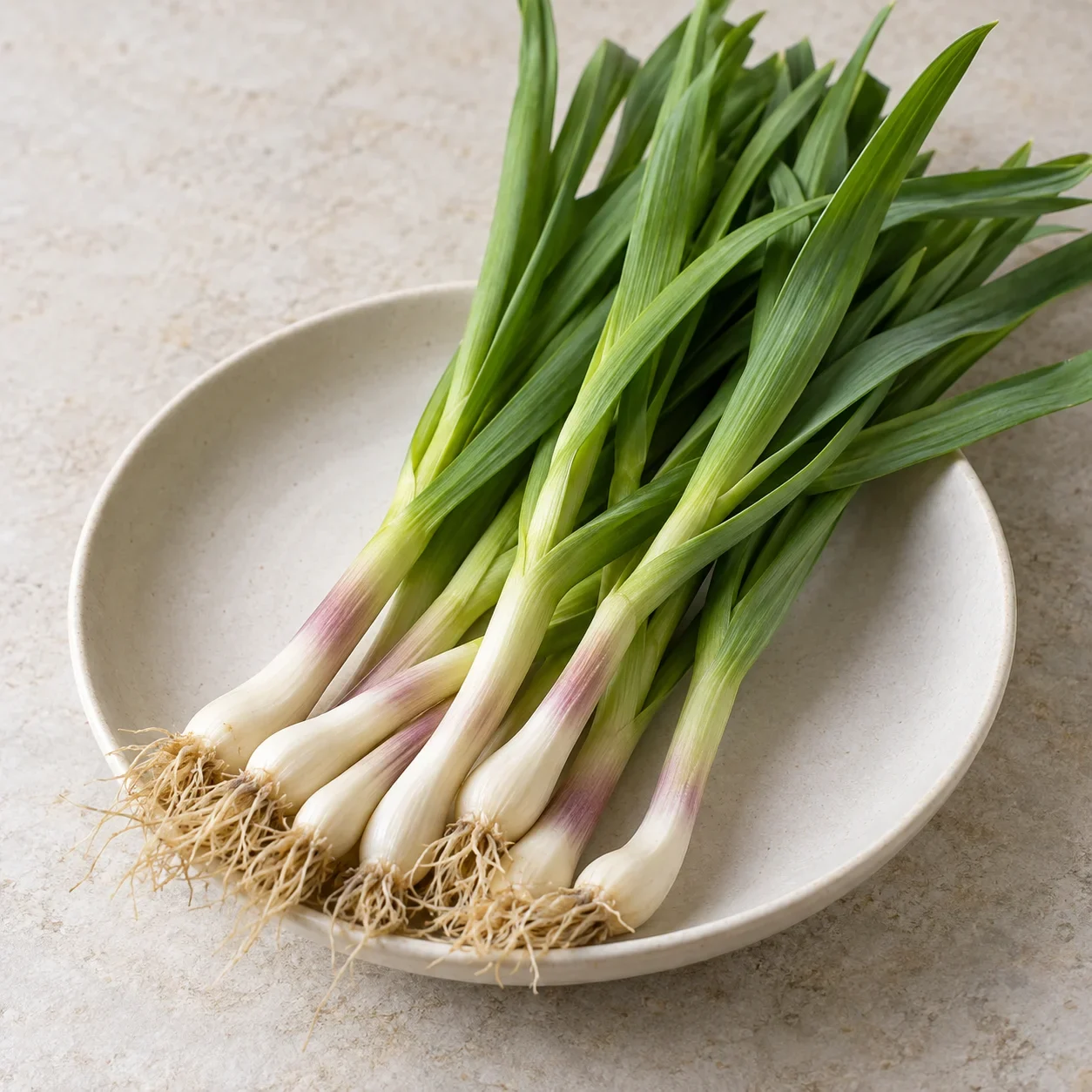
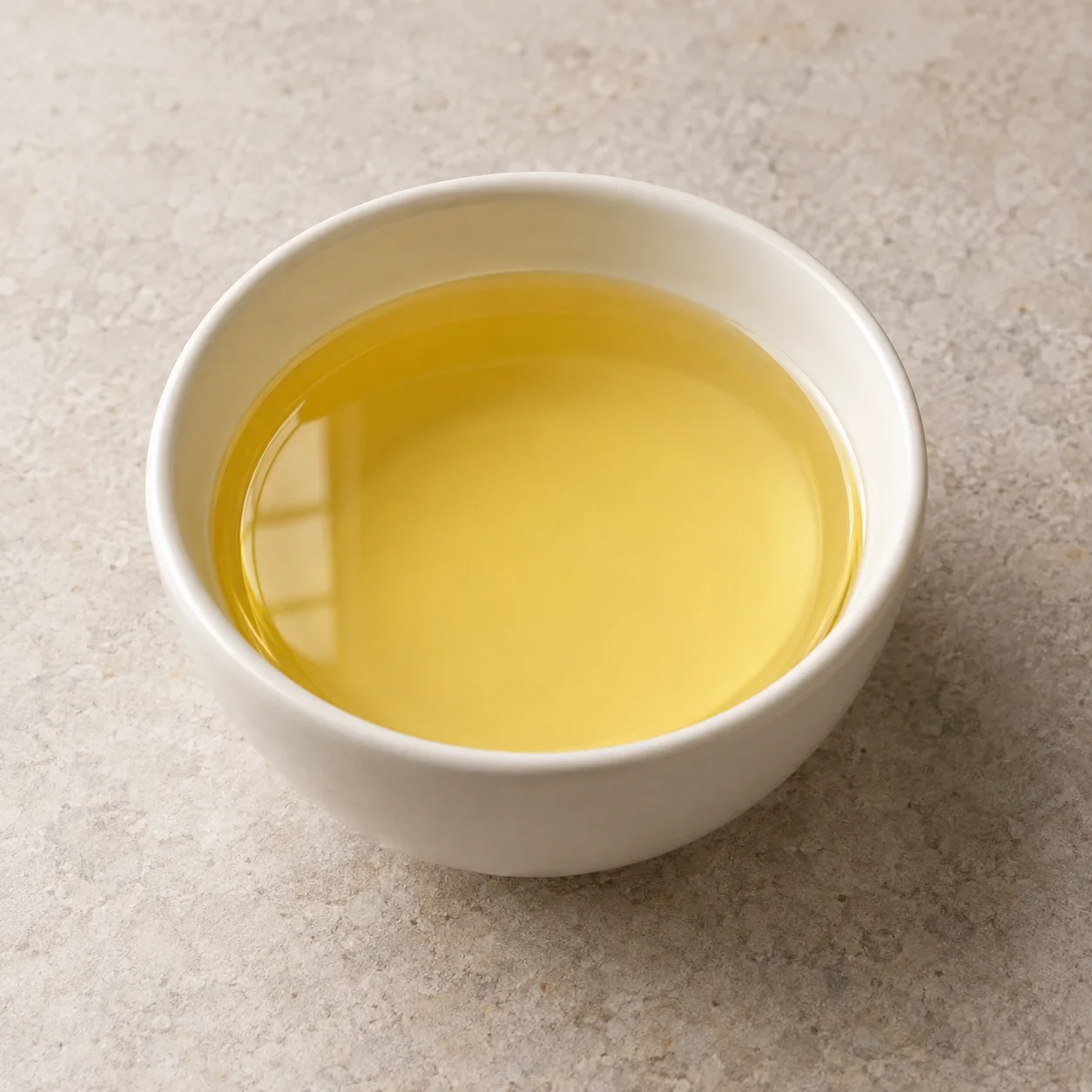
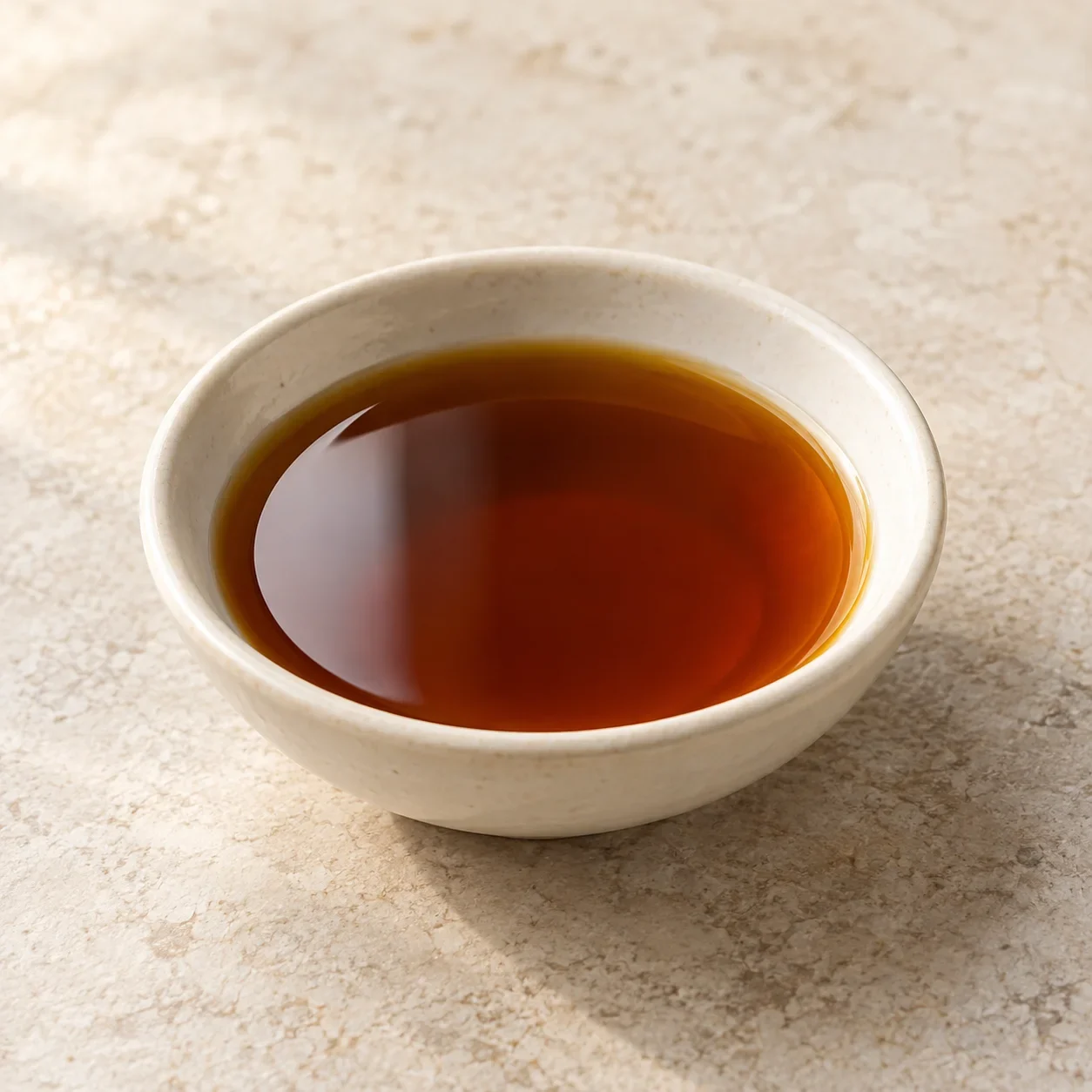
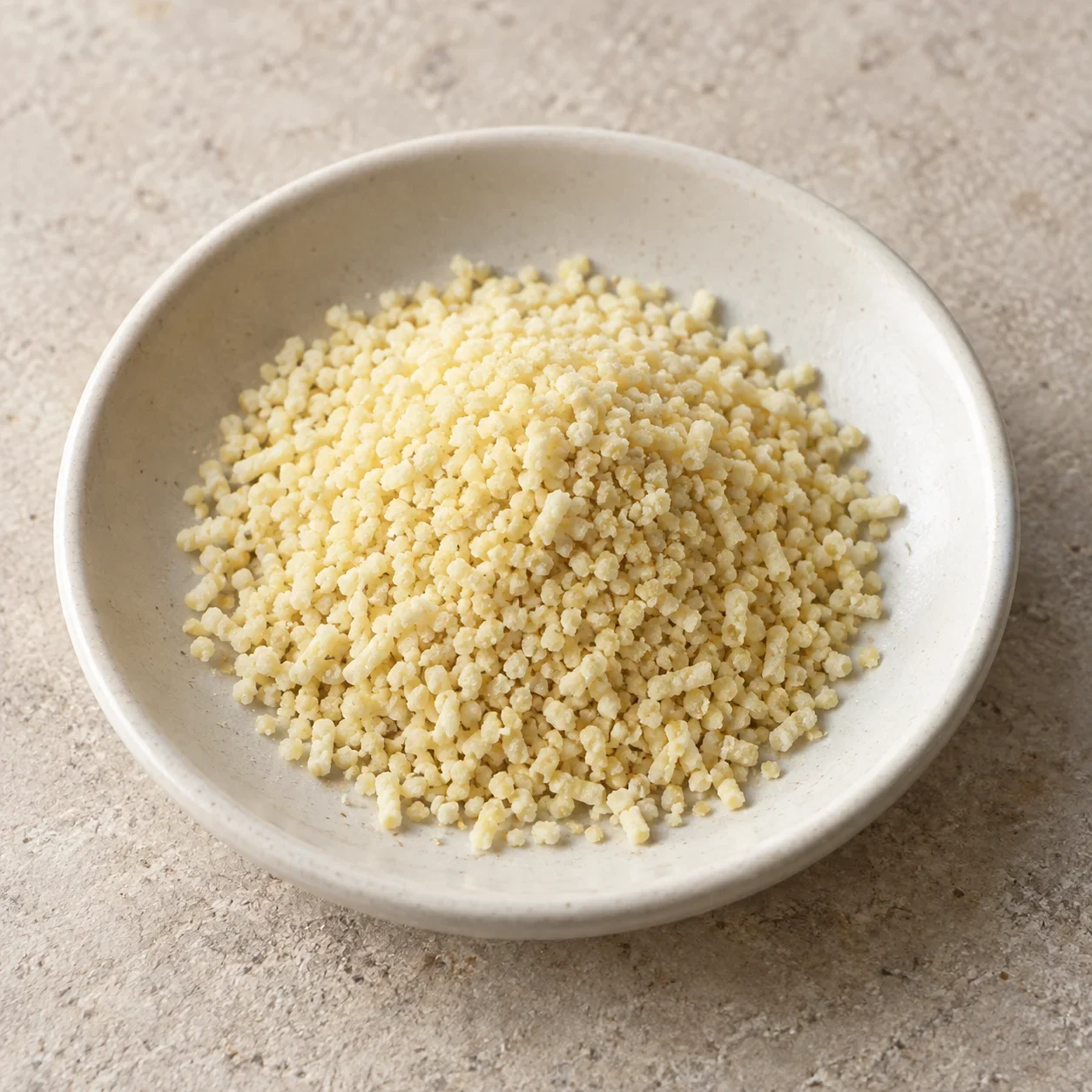

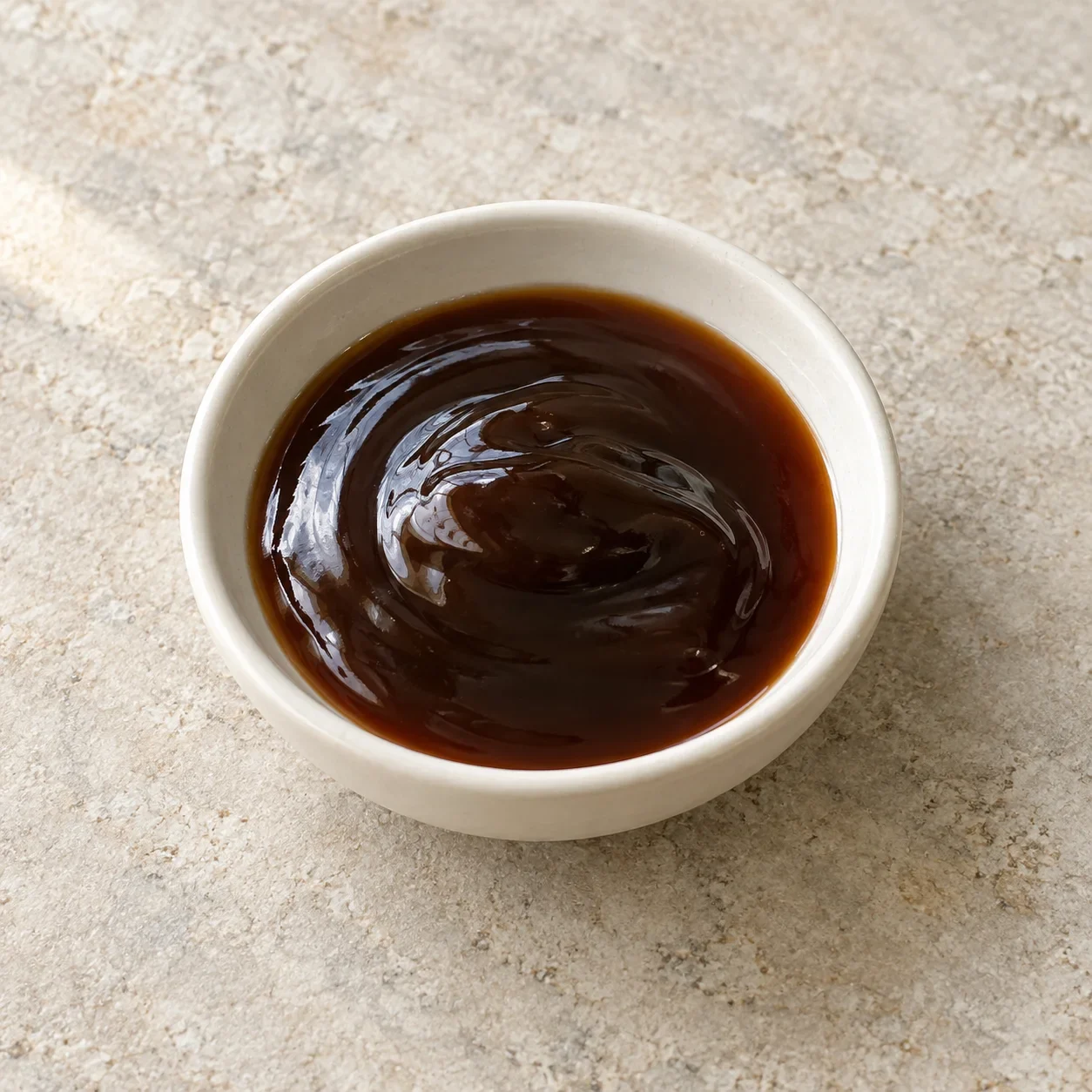
Recipes vary by restaurant.
How does it taste?
Garlic, vinegar and chili oil.
- Chili heat
- Texture
- Soft and chewy.
- How it’s made
- Mix oat flour with boiling water, shape slender strands and steam.
Salted or cooked Chinese chives can be added. Some home versions steam sheets and cut them into strips; dressings may include sesame oil, oyster sauce, chicken seasoning or spice blends.
A CONNECTION TO PLACE
Origin & regional roots
Associated with Ningxia.
Ask if they have it first
请问你们有燕面揉揉吗?
Do you have this item?
A LITTLE SOMETHING TO READ
Story & history
Guyuan’s steamed oat-noodle craft
Yanmian rourou is associated with Guyuan in southern Ningxia. Yanmian refers to flour made from naked oats. Hot water brings the flour into a dough, which is kneaded and pressed through a special tool into thin round strands for steaming. Garlic, vinegar, chili oil, Chinese chives and garlic shoots give the soft, chewy noodles a sharp, savory finish. Home cooks may also steam sheets of dough and cut them into strips.