
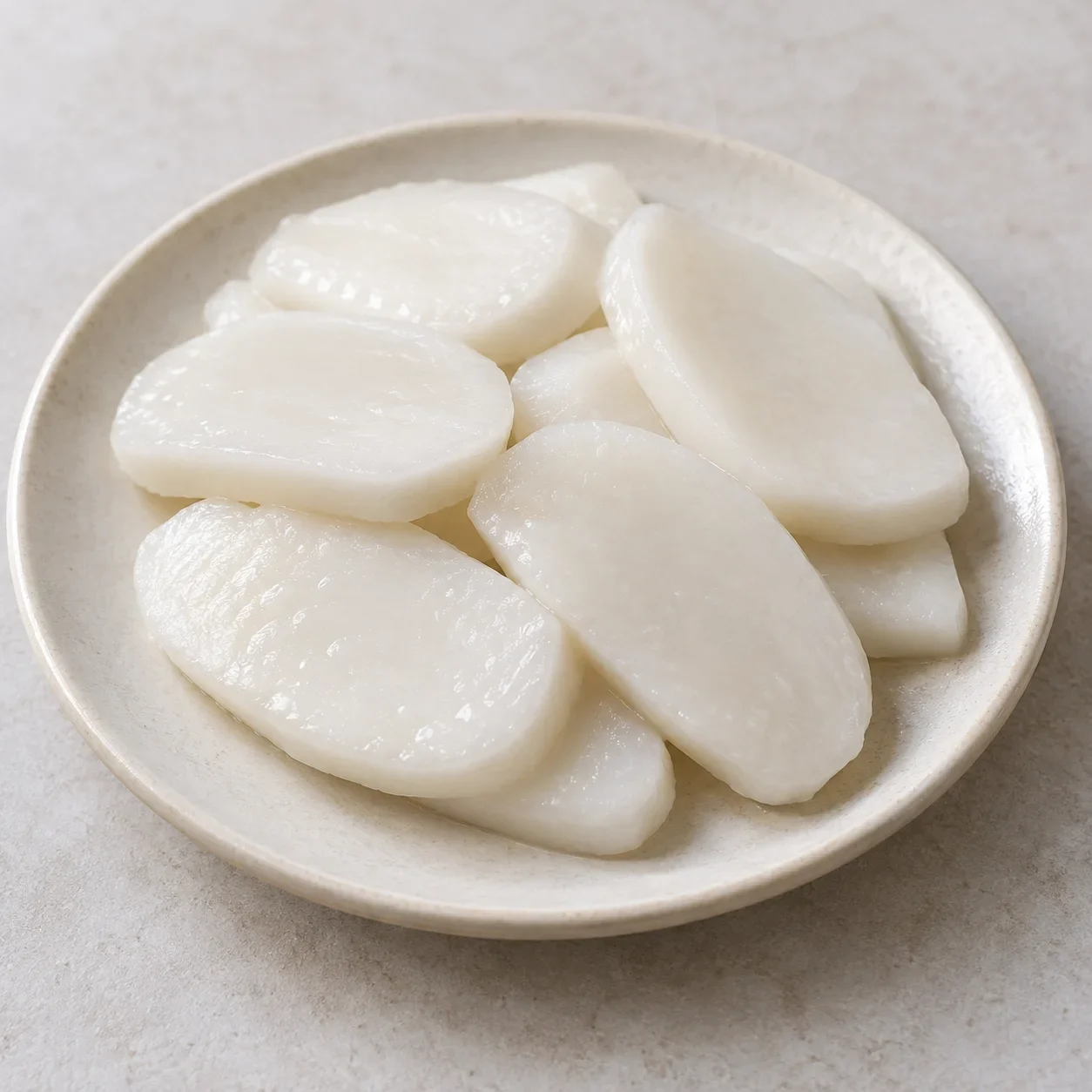
At the table
Cook the slices until softened and eat in small bites. Plain cakes can be dipped in sugar; slices also work in stir-fries or hot pot. Let hot pieces cool slightly before eating.
The texture remains chewy after cooking. Check added ingredients, sauces, cooking fat and hot-pot broth for dietary restrictions; the plain rice base does not establish the ingredients of the finished dish.
The firm rice cake can be cooked until soft, sliced into manageable pieces and shared; allow a small portion to cool before serving.
Recipes vary. Ask the restaurant about ingredients and serving before you order.
GET TO KNOW THE DISH
What goes into it?
Explore some key ingredients below. Preparations may use additional seasonings and ingredients.
They may be boiled and dipped in sugar, stir-fried with savory ingredients or added to hot pot.
Typical ingredients
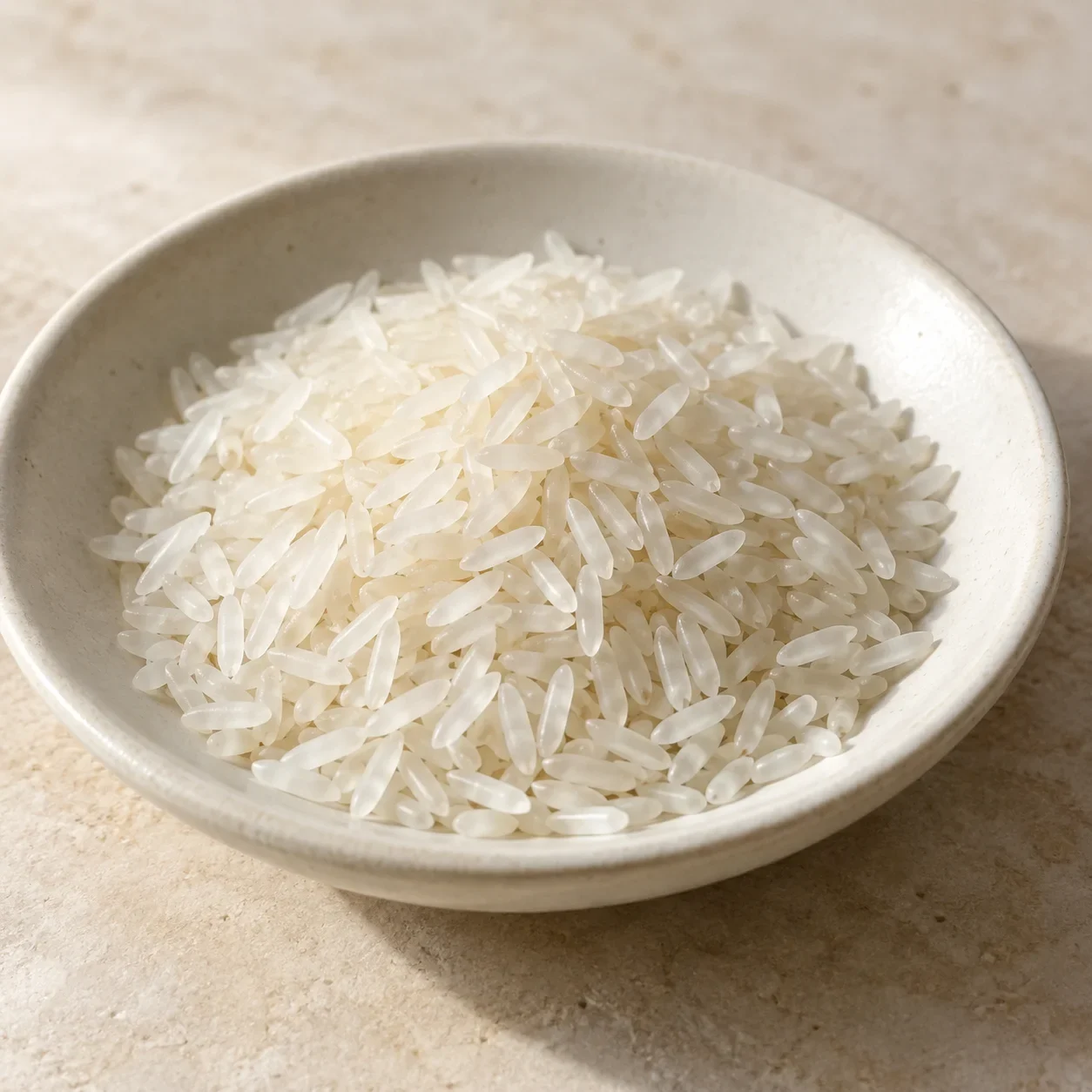
In some versions
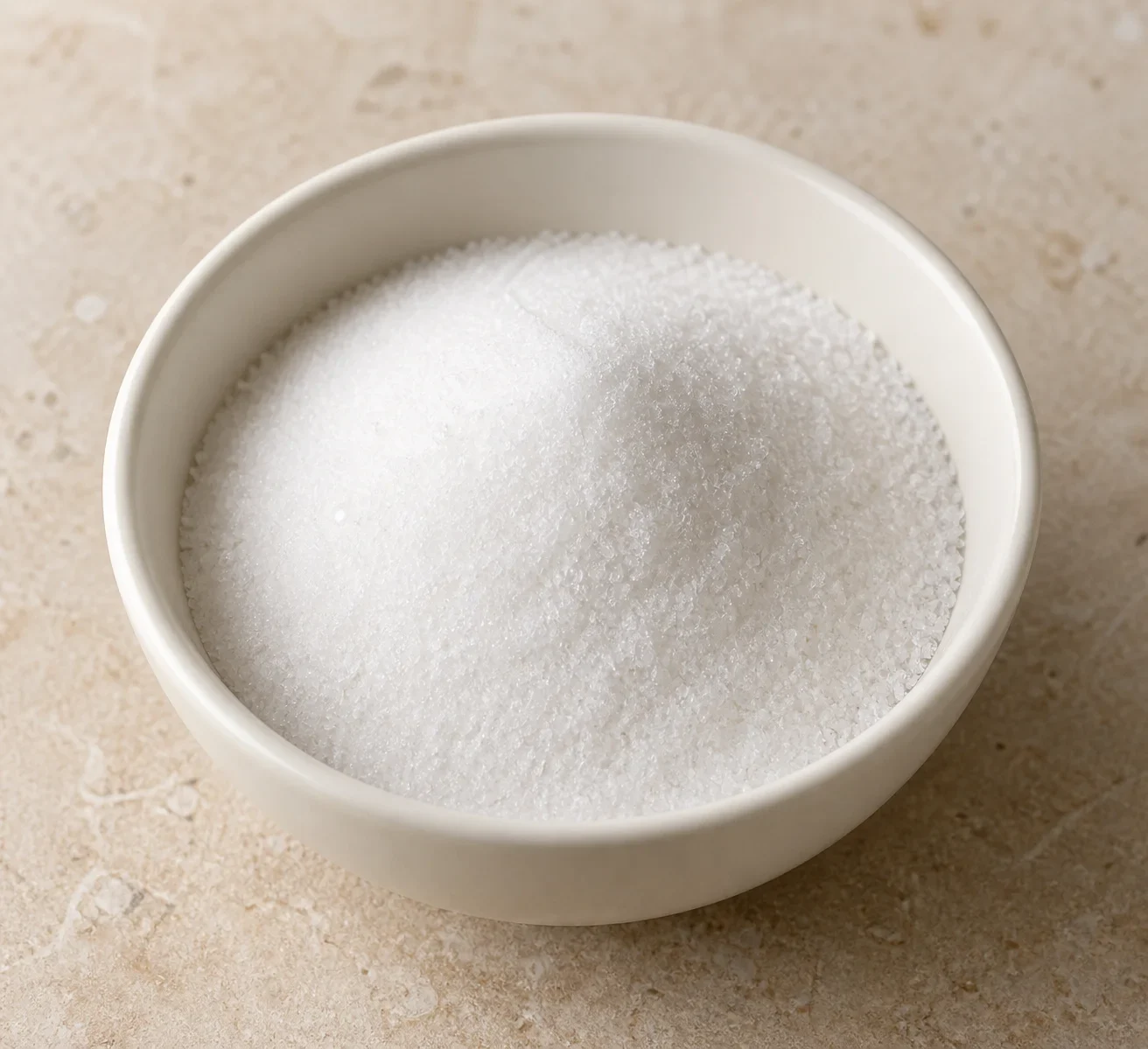
Recipes vary by restaurant.
How does it taste?
Plain before seasoning
- Chili heat
- Texture
- Smooth and firm, becoming softer but still pleasantly chewy when cooked.
- How it’s made
- Soak the rice, then steam and pound repeatedly before shaping the cakes. Some production methods include grinding the soaked rice. Slice and cook the finished cakes for serving.
They may be boiled and dipped in sugar, stir-fried with savory ingredients or added to hot pot.
A CONNECTION TO PLACE
Origin & regional roots
Associated with Jiangxi.
Ask if they have it first
请问你们有弋阳年糕吗?
Do you have this item?
A LITTLE SOMETHING TO READ
Story & history
A local rice variety shaped by steaming and pounding
Yiyang rice cake connects a local crop with a distinctive craft. Dahegu rice grows in the Yiyang basin, and repeated steaming and pounding turn it into smooth, resilient cakes. The traditional technique is known as “three steamings and two hundred poundings.” Production now also takes place in modern factories, alongside the craft associated with family workshops. The plain cake remains a versatile starting point for both sweet and savory dishes.