At the table
Take small bites and chew carefully. Let hot pieces cool and separate them before sharing.
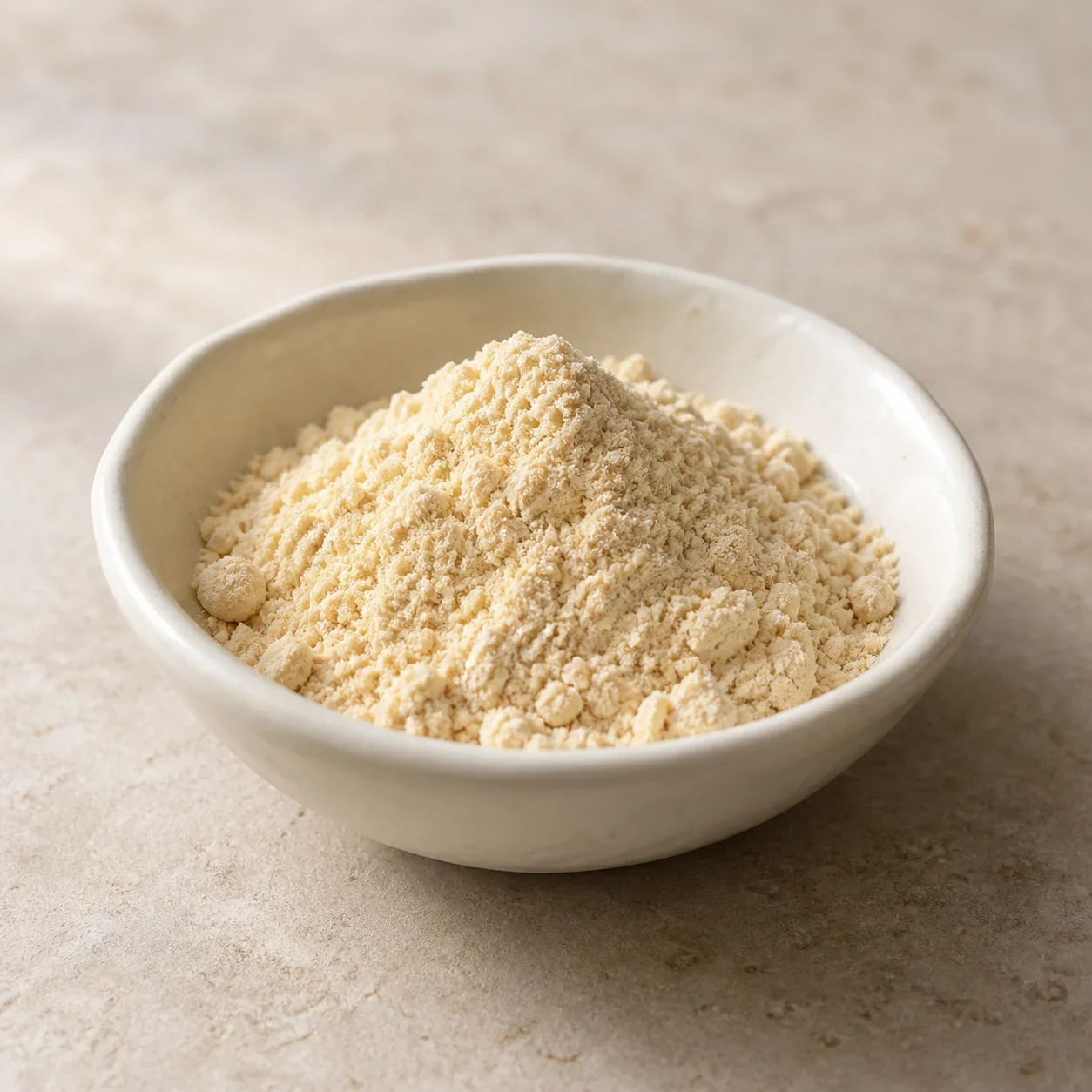
Contains soy. Some shaping methods use egg yolk. The dense sticky texture needs care and is not automatically suitable for every child.
Ask about shaping aids and toppings if avoiding egg or animal ingredients; the rice-and-soy appearance alone does not confirm the whole preparation.
GET TO KNOW THE DISH
What goes into it?
Explore some key ingredients below. Preparations may use additional seasonings and ingredients.
Some hand-shaped versions use rapeseed oil or cooked egg yolk to prevent sticking. White sugar can replace the brown-sugar syrup.
Typical ingredients
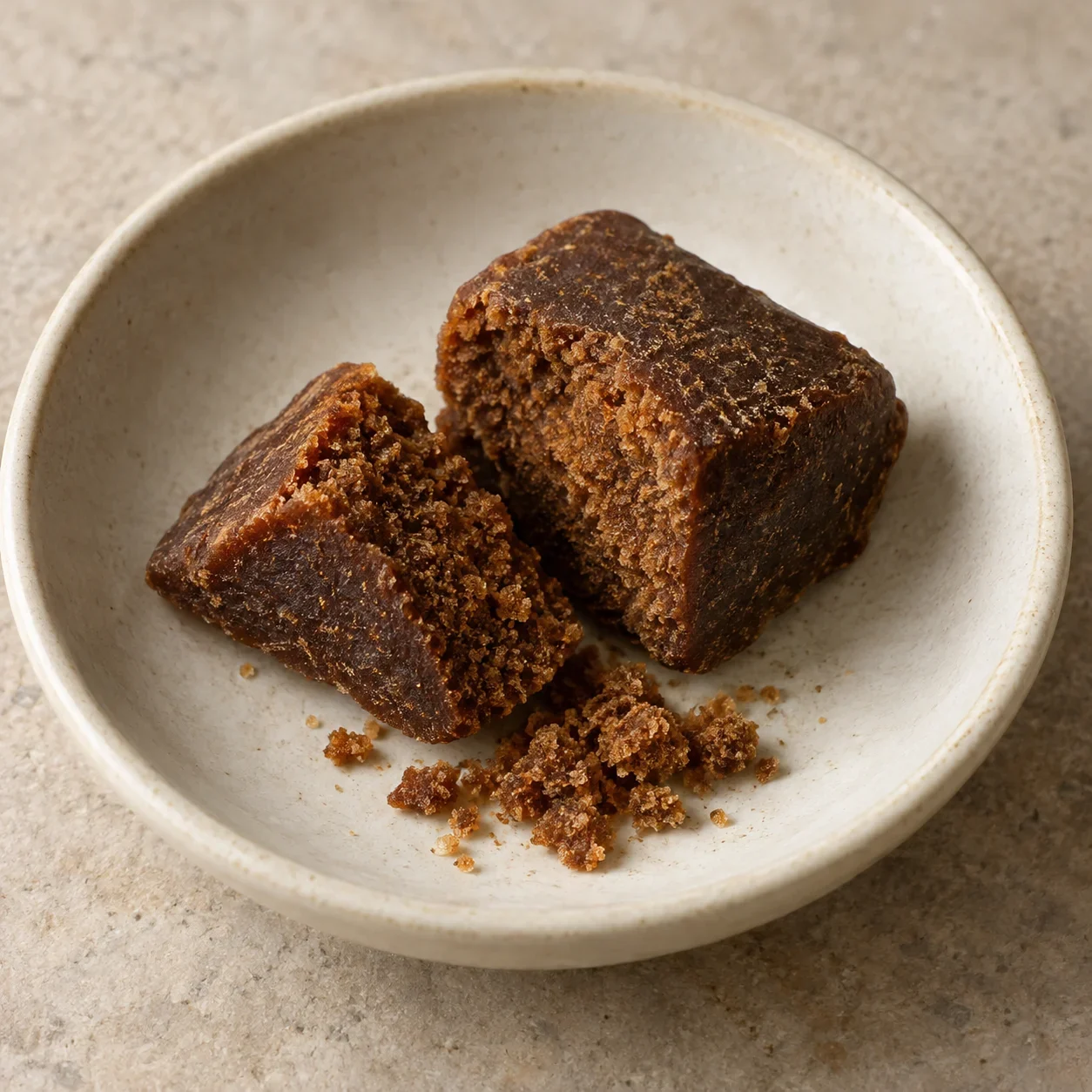
In some versions
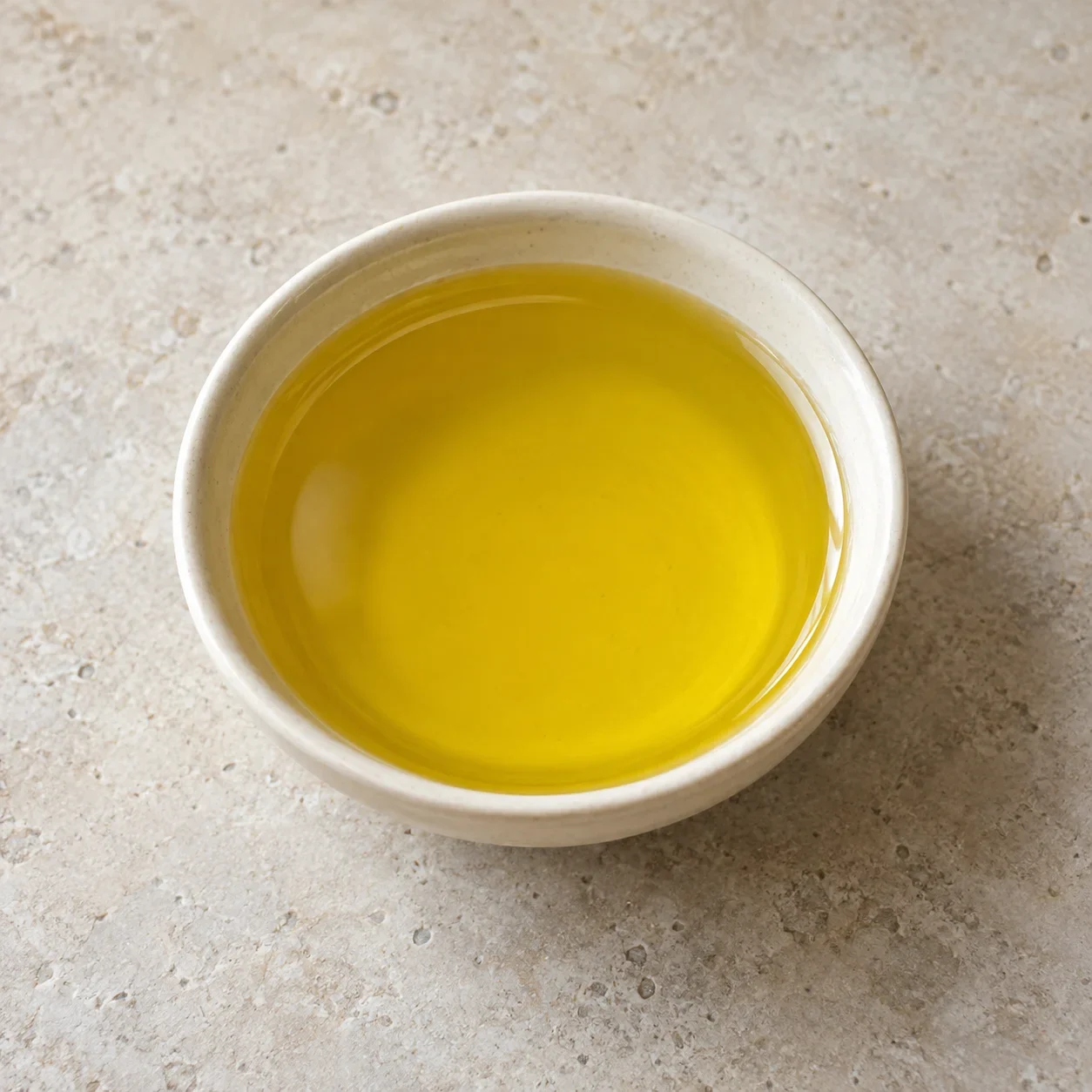
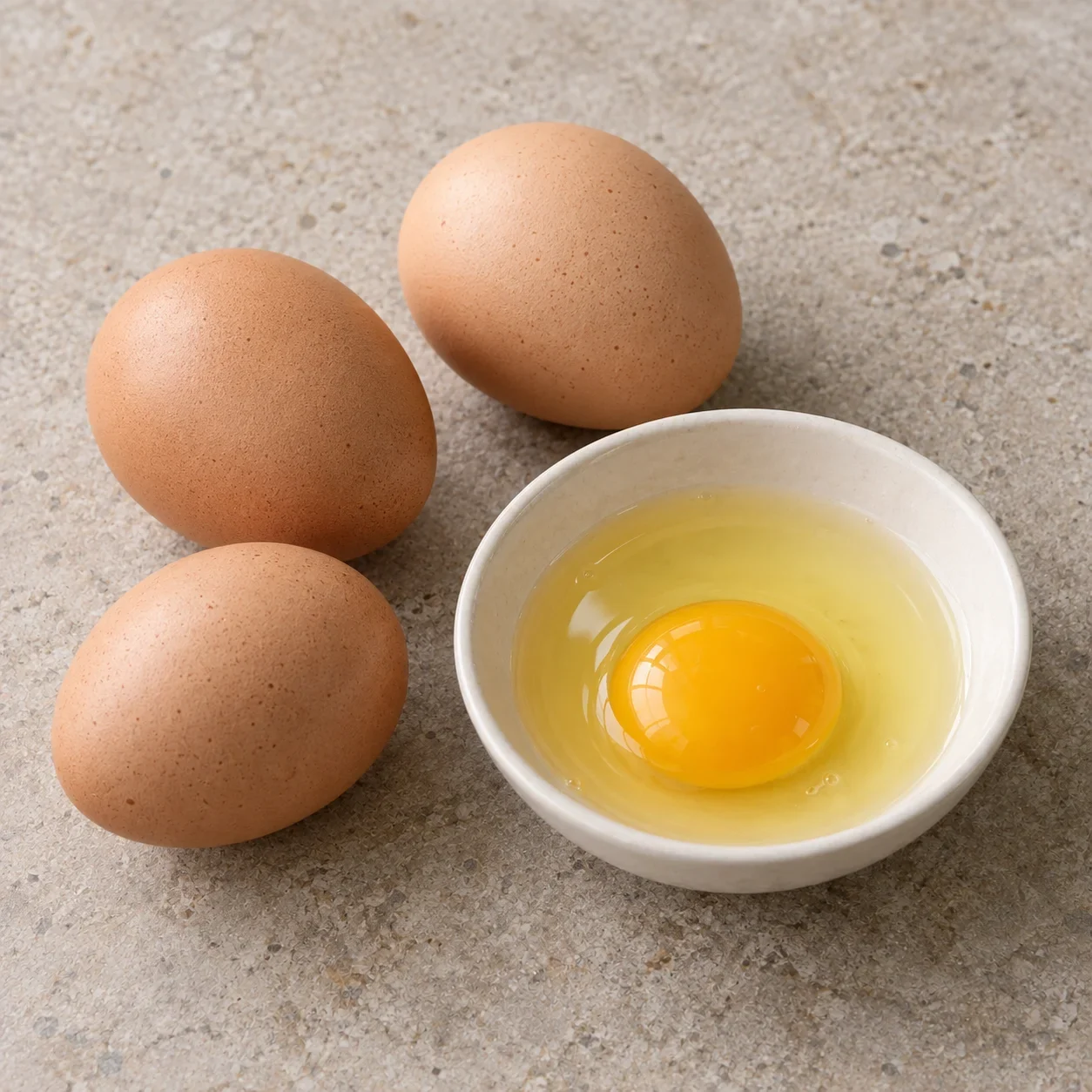

Recipes vary by restaurant.
How does it taste?
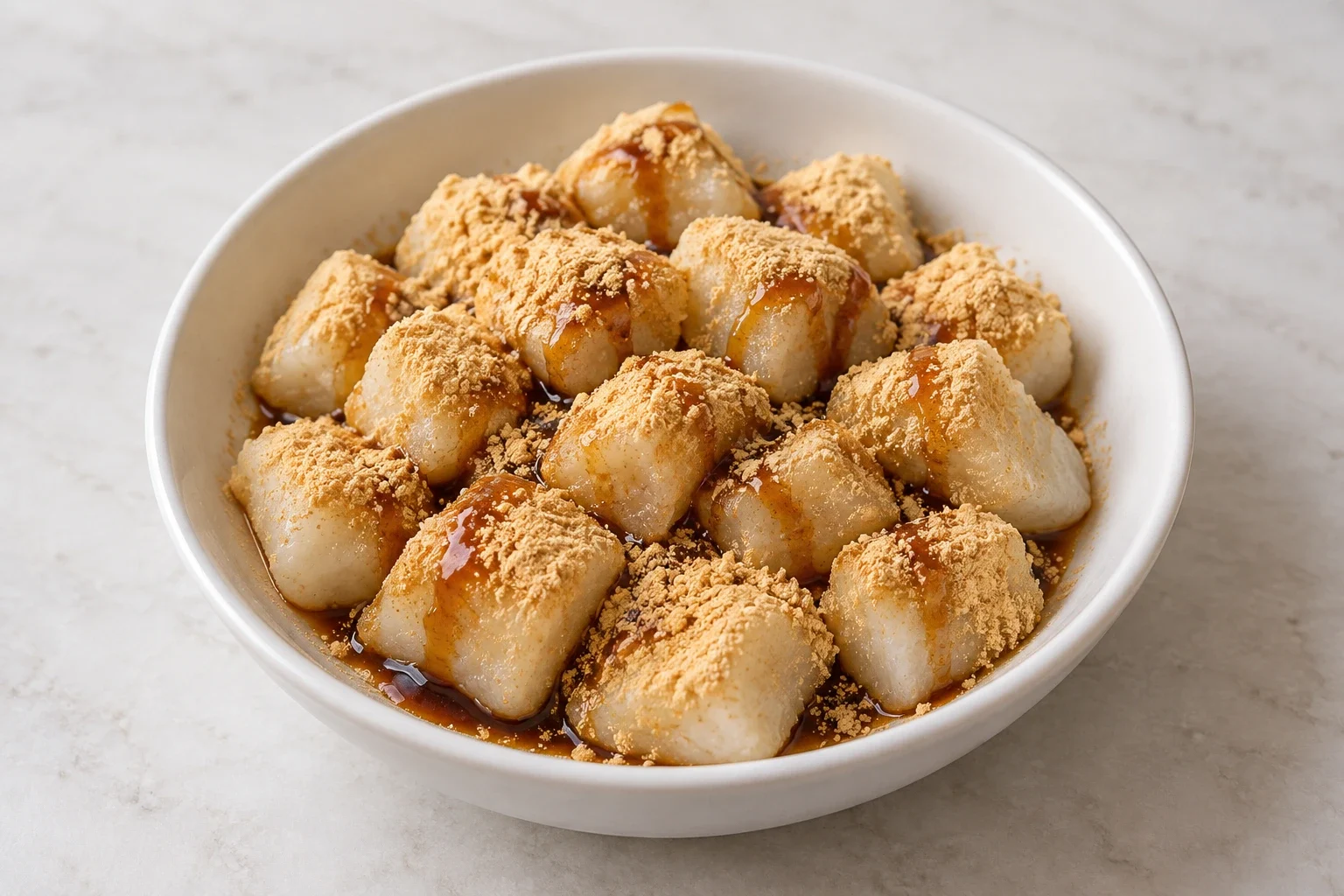
Sweet brown sugar and a toasted soybean aroma.
- Chili heat
- Texture
- Soft, dense, sticky and chewy, with a powdery coating.
- How it’s made
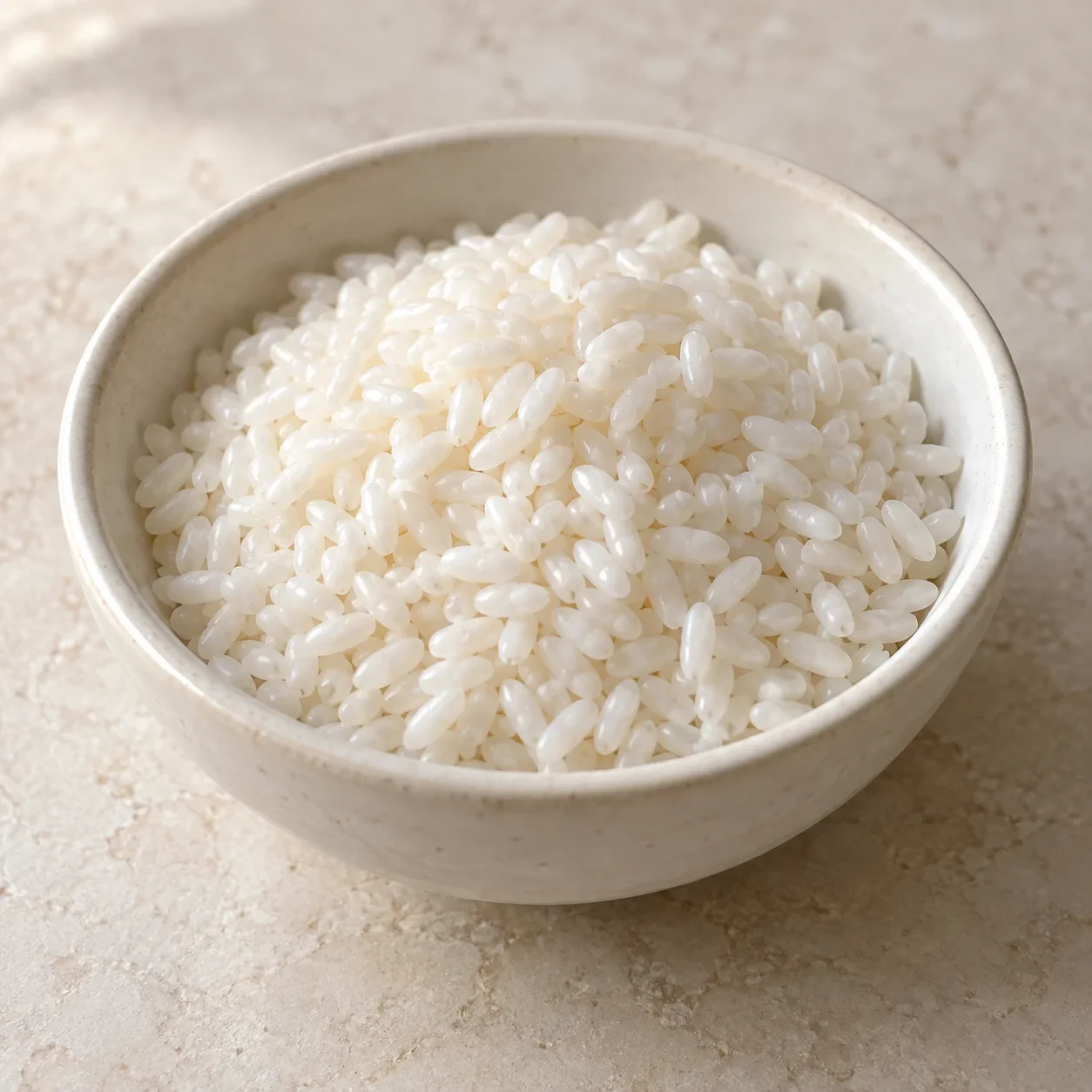
- Cooked glutinous rice is pounded or mechanically worked, divided into small pieces and rolled in soybean flour; sugar or syrup is added.
Some hand-shaped versions use rapeseed oil or cooked egg yolk to prevent sticking. White sugar can replace the brown-sugar syrup.
A CONNECTION TO PLACE
Origin & regional roots
Associated with Chongqing.
About this regional connection
Chongqing: Small soft street rice bites, distinct from fried blocks and potato ciba.
Ask if they have it first
请问你们有小糍粑吗?
Do you have this item?
A LITTLE SOMETHING TO READ
Story & history
From pounded rice to small street snacks
This account describes a tradition or story, rather than an established historical fact.
Ciba is part of Chongqing rice-snack traditions. Alongside larger hand-pounded cakes, street vendors make small portions that fall into soybean flour. These soft bites differ from fried ciba blocks and potato-based ciba.